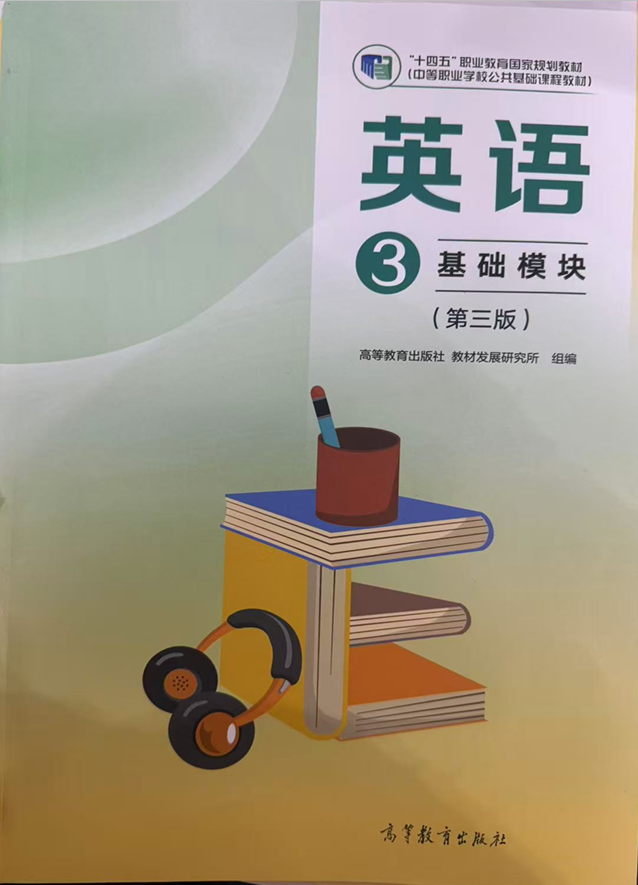
Unit 5 Natural Wonders in the World(B卷·能力提升)《英语 基础模块3》(高教版第三版)单元过关卷(原卷版+解析版)
2026-07-08
|
2份
|
28页
|
38人阅读
|
0人下载
摘要:
**基本信息**
《英语 基础模块3》Unit 5自然奇观主题B卷能力提升卷,适配单元复习,通过基础巩固与能力整合,考查语言能力、文化意识及思维品质,素材贴近自然保护与负责任旅游。
**题型特征**
|题型|题量/分值|知识覆盖|命题特色|
|----|-----------|----------|----------|
|语音辨析|5/5|字母组合发音规则|基础语音辨识,巩固发音基础|
|单项选择|15/15|时态、从句、固定搭配等语法点|结合自然景观语境,考查语法应用能力|
|完形填空|10/10|语篇理解与词汇运用|旅游工作场景,渗透责任意识,提升思维品质|
|阅读理解|15/30|信息获取与推理判断|大堡礁、九寨沟等自然奇观素材,融入环保理念,强化文化意识|
|句子改错|10/10|语法准确性|聚焦从句时态、介词搭配等易错点,提升语言准确性|
|短语填空|10/20|主题词汇运用|自然景观描述短语,如“be home to”“natural wonder”,强化语言表达能力|
内容正文:
编写说明:本套试卷紧扣《英语 基础模块3》(高教版第三版)教材,以教材单元为基准精准覆盖核心考点。
每个单元设置AB卷,A卷为基础巩固卷,侧重基础考点训练,帮助学生扎实掌握知识要点;B卷为能力提升卷,注重知识整合与全面检测,引导学生构建知识网络。全书设计4份综合测试卷,模拟实战情境,聚焦解题能力突破,全面提升应试能力与知识应用水平。
《英语 基础模块3》(高教版第三版)《单元过关卷》
Unit 5 Natural Wonders in the World
B卷·能力提升
考试时间:120分钟 满分:100分
班级 姓名 学号 成绩
Ⅰ.语音辨析。 (共5小题;每小题1分,满分5分)
读下列单词,从每题所给的 A、B、C 和 D 四个选项中,选出画线部分发音不同的一项。
1.A.thank B.those C.their D.then
2.A.dear B.near C.bear D.clear
3.A.cloud B.south C.young D.count
4.A.school B.chair C.child D.teach
5.A.cave B.make C.natural D.lake
Ⅱ. 单项选择(共15小题;每小题1分,满分15分)
阅读下列句子,从每题所给的 A、B、C 和 D 四个选项中,选出最佳选项。
6.The traveler said, “I have never seen such powerful waterfalls.” The traveler said that he ______ such powerful waterfalls.
A.never sees B.had never seen C.will never see D.has never seen
7.The worker told the reporter that the stones ______ over millions of years.
A.formed B.were formed C.are forming D.form
8.The question is ______ tourists can protect the lake while enjoying its beauty.
A.how B.that C.which D.who
9.Not only the guide but also the visitors ______ deeply impressed by the sea of clouds.
A.is B.was C.be D.were
10.The local guide asked us ______ step into the closed wetland area.
A.don’t B.not to C.not D.to not
11.By the time we reached the platform, the morning mist ______ above the valley.
A.has risen B.rises C.had risen D.will rise
12.The valley is wider than ______ we saw on the map.
A.it B.one C.that D.this
13.The peaks are covered with snow, ______ makes the view more attractive.
A.what B.where C.who D.which
14.The travel plan will be changed ______ the weather gets worse tomorrow.
A.if B.although C.until D.unless
15.The more carefully we listen to the guide, ______ information we can get.
A.the little B.the fewer C.the more D.the most
16.The old road ______ the village and the waterfall was repaired last month.
A.between B.among C.during D.through
17.Several visitors claimed ______ the rainbow over the falls twice that morning.
A.seeing B.see C.to see D.to have seen
18.There are 77 peaks in the area, many of ______ rise above 1,800 meters.
A.whom B.which C.whose D.where
19.The river is ______ in spring than in winter because snow begins to melt.
A.wide B.wider C.widest D.the widest
20.What the guide said ______ us of the need to protect natural wonders.
A.remind B.reminds C.reminded D.reminding
Ⅲ. 完形填空(共10小题;每小题1分,满分10分)
阅读下面短文,从短文后各题所给的 A、B、C 和 D 四个选项中,选出可以填入空白处的最佳选项。
When I worked as a young assistant in a travel agency, I once helped prepare an interview about a famous underground river. The interview seemed simple at first, but it finally taught me how much careful work stands behind a short travel report. Our team wanted the report to be useful for students, families and new guides, so every number and every safety reminder had to be checked before the reporter arrived.
The reporter wanted to introduce the river to students who had never heard of it. Before the interview, our manager asked me to collect maps, photos and safety rules. I found that the river was in ______21______ protected area and had two layers inside the cave. The answer ______22______ many questions was hidden in small details, such as the height of the cave and the sound of falling water. The reporter said she ______23______ the manager the next morning, so every fact had to be correct.
During the interview, the manager explained that visitors could not enter some parts of the cave because the rocks were still ______24______. He also said the river was home to bats and small fish, so noise could ______25______ them easily. When the reporter asked why the place was so popular, he did not simply say it was beautiful. Instead, he described how the water, stones and darkness worked together to create a ______26______ experience. His words made me realize that a good introduction should help listeners see, hear and think.
After listening to the recording, I understood that good tourism writing is ______27______ than listing famous names. It should tell readers ______28______ a place is special and how to visit it responsibly. Although I only prepared materials, I felt proud ______29______ I had helped more people know the wonder. Since then, I have believed that every destination can become meaningful when facts are checked and nature is ______30______. That interview also changed my own travel habits. I began to read notices carefully, ask local guides better questions and leave each place as clean as I found it.
21.A.a B.an C.the D./
22.A.on B.with C.to D.by
23.A.interviewed B.had interviewed C.interviews D.would interview
24.A.soft B.silent C.bright D.deep
25.A.protect B.disturb C.follow D.repair
26.A.common B.careless C.daily D.unique
27.A.easier B.more C.less D.shorter
28.A.where B.when C.why D.which
29.A.because B.although C.unless D.before
30.A.wasted B.hidden C.respected D.changed
Ⅳ.补全对话(共5小题;每小题2分,满分10分)
根据对话内容,从对话后所给的七个选项中,选出能填入空白处的最佳选项。(选项中有两项是多余的)
A:Hello, Mr. Chen. I heard you have just returned from Huangshan Mountain. May I interview you?
B:Of course.
A:_____31_____
B:The sea of clouds impressed me most. It changed every few minutes.
A:_____32_____
B:Yes. The local guide said that the weather there could change quickly.
A:How did you prepare for the trip?
B:_____33_____ The advice helped us a lot.
A:Some tourists care only about photos. What do you think of that?
B:_____34_____ We should protect the paths, trees and rocks.
A:Would you go there again?
B:_____35_____ I want to see the mountain in winter next time.
A.I checked the weather and read the safety rules.
B.What impressed you most during the trip?
C.That is not a responsible way to travel.
D.Did the guide mention anything about the weather?
E.No, I dislike natural scenery.
F.Certainly.
G.How much was the ticket?
Ⅴ.阅读理解(共15小题;每小题2分,满分30分)
阅读下面短文A,判断36~40小题是否正确。若正确,把选项T涂黑;若错误,把选项F涂黑。阅读短文B和C,从每小题所给的A、B、C和D四个选项中选出最佳选项。
A
The Great Barrier Reef lies in the Coral Sea, off the coast of Queensland, Australia. It is the world’s largest coral reef system, stretching for more than 2,300 kilometers. The reef includes over 2,900 individual reefs and hundreds of islands. Because of its huge size and bright colors, it can even be seen from space. Many travelers first learn about it from pictures, but local guides often say that the reef is not just a beautiful picture. It is a living system that changes with water, light and temperature.
The reef is home to a diverse range of life. Many kinds of fish, sea turtles and corals live there. Some animals depend on the reef for food and protection, while some plants help keep the water environment balanced. For travelers, the reef is an impressive destination. They can take boats, join guided diving activities or visit education centers to learn how coral grows. In these centers, visitors also learn why touching coral may harm it and why clear water is important for sea life.
However, the reef is also facing problems. Warmer sea water can make corals lose their colors. Storms and careless tourism may also damage the fragile environment. Local guides often tell visitors not to touch coral, not to feed sea animals and not to throw waste into the sea. Scientists claim that if people reduce pollution and travel responsibly, the reef will have a better chance to recover.
A natural wonder is not valuable only because it is beautiful. It is also valuable because it supports life and teaches people to think about the relationship between humans and nature. The Great Barrier Reef reminds us that a wonder can be powerful and weak at the same time. When tourists understand this point, they are more likely to follow rules and protect the sea during their trips.
36.The Great Barrier Reef is located off the coast of Queensland, Australia.
37.The reef is too small to be seen from space.
38.Visitors can learn about coral growth at education centers.
39.Feeding sea animals is encouraged by local guides.
40.The passage shows that natural wonders may need protection even when they look powerful.
B
A young photographer named Lin Tao joined a three-day photo project about the Great Rift Valley in East Africa. Before he left, he thought the valley was simply a long crack in the ground. After the journey, he realized that it was a living world with mountains, lakes, grasslands and wildlife. His teacher asked him not only to take beautiful pictures, but also to write notes about what each picture could tell readers. This requirement made him slow down and look more carefully.
On the first day, the group visited a high viewing point. Their guide explained that the Great Rift Valley is the longest rift in the world and can be seen from space. Its width ranges from about 30 kilometers to 100 kilometers in different areas. Lin Tao tried to take a single photo of the whole valley, but it was impossible. The guide smiled and said that some wonders are too large to fit into one picture. Lin Tao then changed his plan. He decided to photograph small details that could show the size of the place indirectly.
On the second day, the group moved to a lake area. Birds flew over the water, and animals walked slowly on the grassland. Lin Tao wanted to get closer, but the guide stopped him. She said that photographers should not disturb wildlife for a better picture. A good photo should respect distance, light and life. Lin Tao stepped back and waited. Later, he took a photo of birds flying above the lake, with mountains far behind them.
On the last day, Lin Tao interviewed the guide. She claimed that the valley was more than a tourist destination. It showed how land could change over a very long time and how different forms of life could depend on one another. Lin Tao’s final photos were not the closest ones, but they told a clearer story about space, time and respect. When his work was shown at school, many students said they finally understood why a huge landscape also needed quiet and careful visitors.
41.What did Lin Tao understand after the journey?
A.The valley was only a crack in the ground.
B.The valley was a living world with many features.
C.The valley could fit into one picture easily.
D.The valley had no animals or lakes.
42.Why was it impossible to take one photo of the whole valley?
A.Because the valley was too large.
B.Because the camera was broken.
C.Because the guide refused all photos.
D.Because the weather was snowy.
43.What can we infer from the guide’s words on the second day?
A.Photographers should always stand very close to animals.
B.Wildlife should be kept in cages for better photos.
C.Respecting wildlife is more important than getting a close picture.
D.Light is useless when people take nature photos.
44.What does the underlined word “disturb” in Paragraph 3 mean?
A.喂养 B.打扰 C.寻找 D.记录
45.Which is the best title for the text?
A.A Camera Without Power
B.A Valley Telling a Larger Story
C.How to Buy a Travel Ticket
D.The Fastest Way to Photograph Birds
C
In recent years, Chinese scientists and local workers have used new technology to protect Jiuzhaigou, a famous natural wonder in Sichuan Province. Jiuzhaigou is known for colorful lakes, waterfalls, forests and snow-covered mountains. After natural disasters and heavy tourism pressure, people began to look for smarter ways to keep the area safe and attractive. The goal is not to stop visitors from enjoying the scenery. Instead, it is to help them travel in a way that does less harm to the water, forests and wildlife.
One important tool is digital monitoring. Small devices are placed near lakes, paths and slopes. They collect information about water level, soil movement and weather changes. When the data shows possible danger, workers can close some paths or guide tourists to safer areas. This makes travel safer without waiting for problems to become serious. It also helps workers discover small changes early, before they turn into large risks.
Another method is visitor management. The number of tourists is controlled during busy seasons, and online tickets help workers know how many people will enter each area. Tourists can also read clear notices on their phones before they arrive. The notices tell them which routes are open, how to sort rubbish and why they should not step into protected wetlands. In this way, visitors receive useful information before they make mistakes.
Technology does not replace human care. Local guides still play an important role. They explain the stories behind the lakes and remind visitors that quiet behavior protects birds and small animals. Many young volunteers also help older travelers and collect waste along the paths. Their work makes rules warmer and easier to accept.
The protection of Jiuzhaigou shows that tradition and technology can work together. A beautiful destination needs not only impressive scenery, but also careful rules, scientific data and responsible visitors. Only in this way can a natural wonder remain lively for future generations. If more scenic areas use both smart tools and patient education, people will be able to enjoy nature without slowly destroying the places they love.
46.Which information about Jiuzhaigou is mentioned?
A.It is famous for deserts and old castles.
B.It is located in Sichuan Province.
C.It has no waterfalls or forests.
D.It is closed in all busy seasons.
47.What is the purpose of digital monitoring?
A.To collect safety-related information in time.
B.To make tourists walk faster.
C.To replace all local guides.
D.To stop all visitors from entering.
48.What can tourists learn from phone notices before arriving?
A.How to buy new devices.
B.Which animals can be fed.
C.Which routes are open and how to sort rubbish.
D.How to take stones away legally.
49.Why are local guides still important?
A.They can change weather data.
B.They explain stories and remind visitors to behave quietly.
C.They allow tourists to enter closed wetlands.
D.They sell online tickets without rules.
50.What is the main idea of the passage?
A.Natural wonders should depend only on old travel habits.
B.Technology and responsible actions help protect Jiuzhaigou.
C.More visitors always make a destination safer.
D.Digital devices are used only to take better photos.
VI.句子改错 (共10小题;每小题1分,满分10分)
每个句子只有一处错误,每处错误仅涉及一个单词的增加、删除或修改。不允许改变原句的意思。
51.The manager said that the cave has two layers. (单句改错)
52.She asked me if I can help collect travel information. (单句改错)
53.He told us the waterfall is located on the border the two countries. (单句改错)
54.The number of visitors are controlled during busy seasons. (单句改错)
55.These data shows possible danger near the lake. (单句改错)
56.The guide advised us sorting rubbish before leaving. (单句改错)
57.The mountain is more higher than the hill near our town. (单句改错)
58.Neither the tourists nor the guide were late for the bus. (单句改错)
59.This is the most unique sight I have ever seen. (单句改错)
60.The place is worth to visit because of its lifelike rocks. (单句改错)
Ⅶ. 短语填空(共10小题;每小题2分,满分20分)
根据句子内容选择正确短语并用其适当形式填空。
be filled with;be known as;from a distance;range from...to;according to
travel agency;natural wonder;be home to;be located in;go through
61.The valley ______ many kinds of plants and animals.
62.______ the safety notice, visitors must stay on the marked path.
63.The lake ______ Qinghai Province and attracts many tourists.
64.After heavy rain, the cave ______ the sound of running water.
65.The height of the falls can ______ 90 meters ______ 107 meters.
66.______ , the snow-covered peaks look like a silver wall.
67.The Great Barrier Reef ______ the largest coral reef system in the world.
68.The old bridge has ______ many floods but still remains strong.
69.The ______ arranged an interview with the local guide for us.
70.Huangshan Mountain is a famous ______ that many painters love.
原创精品资源学科网独家享有版权,侵权必究!
学科网(北京)股份有限公司
$
编写说明:本套试卷紧扣《英语 基础模块3》(高教版第三版)教材,以教材单元为基准精准覆盖核心考点。
每个单元设置AB卷,A卷为基础巩固卷,侧重基础考点训练,帮助学生扎实掌握知识要点;B卷为能力提升卷,注重知识整合与全面检测,引导学生构建知识网络。全书设计4份综合测试卷,模拟实战情境,聚焦解题能力突破,全面提升应试能力与知识应用水平。
《英语 基础模块3》(高教版第三版)《单元过关卷》
Unit 5 Natural Wonders in the World
B卷·能力提升
考试时间:120分钟 满分:100分
班级 姓名 学号 成绩
Ⅰ.语音辨析。 (共5小题;每小题1分,满分5分)
读下列单词,从每题所给的 A、B、C 和 D 四个选项中,选出画线部分发音不同的一项。
1.A.thank B.those C.their D.then
2.A.dear B.near C.bear D.clear
3.A.cloud B.south C.young D.count
4.A.school B.chair C.child D.teach
5.A.cave B.make C.natural D.lake
【答案】1.A 2.C 3.C 4.A 5.C
【解析】1.A项 th 发 /θ/,B、C、D项 th 均发 /ð/,故选A。
2.A、B、D项 ea 均发 /ɪ/,C项 ea 发 /e/,故选C。
3.A、B、D项 ou 均发 /aʊ/,C项 ou 发 /ʌ/,故选C。
4.A项 ch 发 /k/,B、C、D项 ch 均发 /tʃ/,故选A。
5.A、B、D项 a 均发 /eɪ/,C项 a 发 /ae/,故选C。
Ⅱ. 单项选择(共15小题;每小题1分,满分15分)
阅读下列句子,从每题所给的 A、B、C 和 D 四个选项中,选出最佳选项。
6.The traveler said, “I have never seen such powerful waterfalls.” The traveler said that he ______ such powerful waterfalls.
A.never sees B.had never seen C.will never see D.has never seen
【答案】B
【解析】直接引语中的现在完成时在过去时态的转述中通常变为过去完成时,应用 had never seen。
7.The worker told the reporter that the stones ______ over millions of years.
A.formed B.were formed C.are forming D.form
【答案】B
【解析】stones 与 form 之间为被动关系,且 told 表示过去,应用一般过去时的被动语态 were formed。
8.The question is ______ tourists can protect the lake while enjoying its beauty.
A.how B.that C.which D.who
【答案】A
【解析】表语从句中缺少方式状语,表示“如何保护湖泊”,应用 how。
9.Not only the guide but also the visitors ______ deeply impressed by the sea of clouds.
A.is B.was C.be D.were
【答案】D
【解析】not only...but also...连接主语时遵循就近原则,visitors 为复数,谓语应用 were。
10.The local guide asked us ______ step into the closed wetland area.
A.don’t B.not to C.not D.to not
【答案】B
【解析】ask sb. not to do sth. 表示“要求某人不要做某事”,结构固定。
11.By the time we reached the platform, the morning mist ______ above the valley.
A.has risen B.rises C.had risen D.will rise
【答案】C
【解析】By the time 引导的时间状语从句为过去时,主句表示过去之前已完成的动作,应用过去完成时。
12.The valley is wider than ______ we saw on the map.
A.it B.one C.that D.this
【答案】C
【解析】that 可代替前面提到的同类单数名词或不可数名词,此处避免重复,符合比较语境。
13.The peaks are covered with snow, ______ makes the view more attractive.
A.what B.where C.who D.which
【答案】D
【解析】逗号后为非限制性定语从句,which 指代前面整句话的情况。
14.The travel plan will be changed ______ the weather gets worse tomorrow.
A.if B.although C.until D.unless
【答案】A
【解析】根据句意“如果明天天气变差,旅行计划将改变”可知,应用 if 引导条件状语从句。
15.The more carefully we listen to the guide, ______ information we can get.
A.the little B.the fewer C.the more D.the most
【答案】C
【解析】“the + 比较级..., the + 比较级...”表示“越……越……”,information 为不可数名词,应用 more。
16.The old road ______ the village and the waterfall was repaired last month.
A.between B.among C.during D.through
【答案】A
【解析】between...and... 表示“两者之间”,符合 road 与 village、waterfall 的关系。
17.Several visitors claimed ______ the rainbow over the falls twice that morning.
A.seeing B.see C.to see D.to have seen
【答案】D
【解析】claim to have done 表示“声称已经做过某事”,动作发生在 claimed 之前。
18.There are 77 peaks in the area, many of ______ rise above 1,800 meters.
A.whom B.which C.whose D.where
【答案】B
【解析】介词 of 后接关系代词,先行词 peaks 为物,应用 which。
19.The river is ______ in spring than in winter because snow begins to melt.
A.wide B.wider C.widest D.the widest
【答案】B
【解析】句中 than 表示比较,应用形容词比较级 wider。
20.What the guide said ______ us of the need to protect natural wonders.
A.remind B.reminds C.reminded D.reminding
【答案】C
【解析】主语从句 What the guide said 作整体主语,结合 said 表示过去语境,谓语用 reminded。
Ⅲ. 完形填空(共10小题;每小题1分,满分10分)
阅读下面短文,从短文后各题所给的 A、B、C 和 D 四个选项中,选出可以填入空白处的最佳选项。
When I worked as a young assistant in a travel agency, I once helped prepare an interview about a famous underground river. The interview seemed simple at first, but it finally taught me how much careful work stands behind a short travel report. Our team wanted the report to be useful for students, families and new guides, so every number and every safety reminder had to be checked before the reporter arrived.
The reporter wanted to introduce the river to students who had never heard of it. Before the interview, our manager asked me to collect maps, photos and safety rules. I found that the river was in ______21______ protected area and had two layers inside the cave. The answer ______22______ many questions was hidden in small details, such as the height of the cave and the sound of falling water. The reporter said she ______23______ the manager the next morning, so every fact had to be correct.
During the interview, the manager explained that visitors could not enter some parts of the cave because the rocks were still ______24______. He also said the river was home to bats and small fish, so noise could ______25______ them easily. When the reporter asked why the place was so popular, he did not simply say it was beautiful. Instead, he described how the water, stones and darkness worked together to create a ______26______ experience. His words made me realize that a good introduction should help listeners see, hear and think.
After listening to the recording, I understood that good tourism writing is ______27______ than listing famous names. It should tell readers ______28______ a place is special and how to visit it responsibly. Although I only prepared materials, I felt proud ______29______ I had helped more people know the wonder. Since then, I have believed that every destination can become meaningful when facts are checked and nature is ______30______. That interview also changed my own travel habits. I began to read notices carefully, ask local guides better questions and leave each place as clean as I found it.
21.A.a B.an C.the D./
22.A.on B.with C.to D.by
23.A.interviewed B.had interviewed C.interviews D.would interview
24.A.soft B.silent C.bright D.deep
25.A.protect B.disturb C.follow D.repair
26.A.common B.careless C.daily D.unique
27.A.easier B.more C.less D.shorter
28.A.where B.when C.why D.which
29.A.because B.although C.unless D.before
30.A.wasted B.hidden C.respected D.changed
【答案】21.A 22.C 23.D 24.A 25.B 26.D 27.B 28.C 29.A 30.C
【导语】本文是一篇记叙文,讲述旅行社助理协助准备地下河采访材料,通过事实核查和采访过程理解负责任旅游写作的意义。
【详解】21.考查冠词。protected 以辅音音素开头,且此处泛指“一个保护区”,应用 a。故选A。
22.考查介词。the answer to... 表示“……的答案”,符合句意。故选C。
23.考查间接引语时态。主句 said 为过去时,the next morning 表示将来动作在过去视角下发生,应用 would interview。故选D。
24.考查形容词词义辨析。根据“could not enter some parts”可知,岩石仍然松软,soft 符合安全语境。故选A。
25.考查动词词义辨析。根据“home to bats and small fish”以及 noise 可知,噪音会打扰动物,disturb 符合语境。故选B。
26.考查形容词词义辨析。水、石头和黑暗共同创造独特体验,unique 符合语境。故选D。
27.考查比较级。more than 表示“不仅仅是”,说明好的旅游写作不只是列名,故选B。
28.考查宾语从句连接词。句意为告诉读者一个地方为什么特别,why 符合语境。故选C。
29.考查状语从句连词。前后为因果关系,“因为帮助更多人了解这个奇观而自豪”,故选A。
30.考查动词词义辨析。根据 responsibly 和全文保护意识可知,自然应被尊重,respected 符合语境。故选C。
Ⅳ.补全对话(共5小题;每小题2分,满分10分)
根据对话内容,从对话后所给的七个选项中,选出能填入空白处的最佳选项。(选项中有两项是多余的)
A:Hello, Mr. Chen. I heard you have just returned from Huangshan Mountain. May I interview you?
B:Of course.
A:_____31_____
B:The sea of clouds impressed me most. It changed every few minutes.
A:_____32_____
B:Yes. The local guide said that the weather there could change quickly.
A:How did you prepare for the trip?
B:_____33_____ The advice helped us a lot.
A:Some tourists care only about photos. What do you think of that?
B:_____34_____ We should protect the paths, trees and rocks.
A:Would you go there again?
B:_____35_____ I want to see the mountain in winter next time.
A.I checked the weather and read the safety rules.
B.What impressed you most during the trip?
C.That is not a responsible way to travel.
D.Did the guide mention anything about the weather?
E.No, I dislike natural scenery.
F.Certainly.
G.How much was the ticket?
【答案】31.B 32.D 33.A 34.C 35.F
【解析】31.根据答语“The sea of clouds impressed me most.”可知,空处询问最令人印象深刻的事物,B项符合。
32.根据答语“Yes. The local guide said...”可知,空处为一般疑问句且涉及导游说明,D项符合。
33.根据问句“How did you prepare...”可知,A项“查看天气并阅读安全规则”符合准备内容。
34.根据后句“We should protect...”可知,空处应评价只顾拍照不负责任,C项符合。
35.根据后句“I want to see...”可知,说话人愿意再去,F项符合。
Ⅴ.阅读理解(共15小题;每小题2分,满分30分)
阅读下面短文A,判断36~40小题是否正确。若正确,把选项T涂黑;若错误,把选项F涂黑。阅读短文B和C,从每小题所给的A、B、C和D四个选项中选出最佳选项。
A
The Great Barrier Reef lies in the Coral Sea, off the coast of Queensland, Australia. It is the world’s largest coral reef system, stretching for more than 2,300 kilometers. The reef includes over 2,900 individual reefs and hundreds of islands. Because of its huge size and bright colors, it can even be seen from space. Many travelers first learn about it from pictures, but local guides often say that the reef is not just a beautiful picture. It is a living system that changes with water, light and temperature.
The reef is home to a diverse range of life. Many kinds of fish, sea turtles and corals live there. Some animals depend on the reef for food and protection, while some plants help keep the water environment balanced. For travelers, the reef is an impressive destination. They can take boats, join guided diving activities or visit education centers to learn how coral grows. In these centers, visitors also learn why touching coral may harm it and why clear water is important for sea life.
However, the reef is also facing problems. Warmer sea water can make corals lose their colors. Storms and careless tourism may also damage the fragile environment. Local guides often tell visitors not to touch coral, not to feed sea animals and not to throw waste into the sea. Scientists claim that if people reduce pollution and travel responsibly, the reef will have a better chance to recover.
A natural wonder is not valuable only because it is beautiful. It is also valuable because it supports life and teaches people to think about the relationship between humans and nature. The Great Barrier Reef reminds us that a wonder can be powerful and weak at the same time. When tourists understand this point, they are more likely to follow rules and protect the sea during their trips.
36.The Great Barrier Reef is located off the coast of Queensland, Australia.
37.The reef is too small to be seen from space.
38.Visitors can learn about coral growth at education centers.
39.Feeding sea animals is encouraged by local guides.
40.The passage shows that natural wonders may need protection even when they look powerful.
【答案】36.T 37.F 38.T 39.F 40.T
【导语】本文是一篇说明文,介绍了大堡礁的位置、生态价值、旅游方式及其面临的环境问题。
【详解】36.细节理解题。根据第一段“off the coast of Queensland, Australia”可知该句正确,故答案为T。
37.细节理解题。根据第一段“it can even be seen from space”可知大堡礁可从太空看到,故答案为F。
38.细节理解题。根据第二段“visit education centers to learn how coral grows”可知该句正确,故答案为T。
39.细节理解题。根据第三段“not to feed sea animals”可知导游不鼓励投喂海洋动物,故答案为F。
40.推理判断题。文章最后指出自然奇观既强大又脆弱,说明即使壮观也需要保护,故答案为T。
B
A young photographer named Lin Tao joined a three-day photo project about the Great Rift Valley in East Africa. Before he left, he thought the valley was simply a long crack in the ground. After the journey, he realized that it was a living world with mountains, lakes, grasslands and wildlife. His teacher asked him not only to take beautiful pictures, but also to write notes about what each picture could tell readers. This requirement made him slow down and look more carefully.
On the first day, the group visited a high viewing point. Their guide explained that the Great Rift Valley is the longest rift in the world and can be seen from space. Its width ranges from about 30 kilometers to 100 kilometers in different areas. Lin Tao tried to take a single photo of the whole valley, but it was impossible. The guide smiled and said that some wonders are too large to fit into one picture. Lin Tao then changed his plan. He decided to photograph small details that could show the size of the place indirectly.
On the second day, the group moved to a lake area. Birds flew over the water, and animals walked slowly on the grassland. Lin Tao wanted to get closer, but the guide stopped him. She said that photographers should not disturb wildlife for a better picture. A good photo should respect distance, light and life. Lin Tao stepped back and waited. Later, he took a photo of birds flying above the lake, with mountains far behind them.
On the last day, Lin Tao interviewed the guide. She claimed that the valley was more than a tourist destination. It showed how land could change over a very long time and how different forms of life could depend on one another. Lin Tao’s final photos were not the closest ones, but they told a clearer story about space, time and respect. When his work was shown at school, many students said they finally understood why a huge landscape also needed quiet and careful visitors.
41.What did Lin Tao understand after the journey?
A.The valley was only a crack in the ground.
B.The valley was a living world with many features.
C.The valley could fit into one picture easily.
D.The valley had no animals or lakes.
42.Why was it impossible to take one photo of the whole valley?
A.Because the valley was too large.
B.Because the camera was broken.
C.Because the guide refused all photos.
D.Because the weather was snowy.
43.What can we infer from the guide’s words on the second day?
A.Photographers should always stand very close to animals.
B.Wildlife should be kept in cages for better photos.
C.Respecting wildlife is more important than getting a close picture.
D.Light is useless when people take nature photos.
44.What does the underlined word “disturb” in Paragraph 3 mean?
A.喂养 B.打扰 C.寻找 D.记录
45.Which is the best title for the text?
A.A Camera Without Power
B.A Valley Telling a Larger Story
C.How to Buy a Travel Ticket
D.The Fastest Way to Photograph Birds
【答案】41.B 42.A 43.C 44.B 45.B
【导语】本文是一篇记叙文,讲述年轻摄影师林涛参加东非大裂谷摄影项目,从追求近距离照片转向理解自然空间、生命与尊重的故事。
【详解】41.细节理解题。根据第一段“he realized that it was a living world with mountains, lakes, grasslands and wildlife”可知,旅程后他认识到大裂谷是一个有多种特征的生命世界,故选B。
42.细节理解题。根据第二段“some wonders are too large to fit into one picture”可知,因为大裂谷太大,无法放进一张照片,故选A。
43.推理判断题。根据第三段“photographers should not disturb wildlife for a better picture”可知,尊重野生动物比拍近照更重要,故选C。
44.词义猜测题。根据“wanted to get closer, but the guide stopped him”可知,靠太近会打扰野生动物,disturb 意为“打扰”,故选B。
45.主旨大意题。文章通过摄影项目说明大裂谷承载空间、时间与生命关系,B项最适合作标题,故选B。
C
In recent years, Chinese scientists and local workers have used new technology to protect Jiuzhaigou, a famous natural wonder in Sichuan Province. Jiuzhaigou is known for colorful lakes, waterfalls, forests and snow-covered mountains. After natural disasters and heavy tourism pressure, people began to look for smarter ways to keep the area safe and attractive. The goal is not to stop visitors from enjoying the scenery. Instead, it is to help them travel in a way that does less harm to the water, forests and wildlife.
One important tool is digital monitoring. Small devices are placed near lakes, paths and slopes. They collect information about water level, soil movement and weather changes. When the data shows possible danger, workers can close some paths or guide tourists to safer areas. This makes travel safer without waiting for problems to become serious. It also helps workers discover small changes early, before they turn into large risks.
Another method is visitor management. The number of tourists is controlled during busy seasons, and online tickets help workers know how many people will enter each area. Tourists can also read clear notices on their phones before they arrive. The notices tell them which routes are open, how to sort rubbish and why they should not step into protected wetlands. In this way, visitors receive useful information before they make mistakes.
Technology does not replace human care. Local guides still play an important role. They explain the stories behind the lakes and remind visitors that quiet behavior protects birds and small animals. Many young volunteers also help older travelers and collect waste along the paths. Their work makes rules warmer and easier to accept.
The protection of Jiuzhaigou shows that tradition and technology can work together. A beautiful destination needs not only impressive scenery, but also careful rules, scientific data and responsible visitors. Only in this way can a natural wonder remain lively for future generations. If more scenic areas use both smart tools and patient education, people will be able to enjoy nature without slowly destroying the places they love.
46.Which information about Jiuzhaigou is mentioned?
A.It is famous for deserts and old castles.
B.It is located in Sichuan Province.
C.It has no waterfalls or forests.
D.It is closed in all busy seasons.
47.What is the purpose of digital monitoring?
A.To collect safety-related information in time.
B.To make tourists walk faster.
C.To replace all local guides.
D.To stop all visitors from entering.
48.What can tourists learn from phone notices before arriving?
A.How to buy new devices.
B.Which animals can be fed.
C.Which routes are open and how to sort rubbish.
D.How to take stones away legally.
49.Why are local guides still important?
A.They can change weather data.
B.They explain stories and remind visitors to behave quietly.
C.They allow tourists to enter closed wetlands.
D.They sell online tickets without rules.
50.What is the main idea of the passage?
A.Natural wonders should depend only on old travel habits.
B.Technology and responsible actions help protect Jiuzhaigou.
C.More visitors always make a destination safer.
D.Digital devices are used only to take better photos.
【答案】46.B 47.A 48.C 49.B 50.B
【导语】本文是一篇说明文,介绍了九寨沟利用数字监测、游客管理、导游提醒和志愿服务等方式保护自然景观。
【详解】46.细节理解题。根据第一段“Jiuzhaigou...in Sichuan Province”可知,九寨沟位于四川省,故选B。
47.细节理解题。根据第二段“collect information about water level, soil movement and weather changes”可知,数字监测用于及时收集安全相关信息,故选A。
48.细节理解题。根据第三段“which routes are open, how to sort rubbish”可知,手机提示会告知开放路线和垃圾分类方法,故选C。
49.细节理解题。根据第四段“They explain the stories...remind visitors that quiet behavior protects...”可知,导游负责讲述故事并提醒游客安静游览,故选B。
50.主旨大意题。全文围绕技术和负责任行为共同保护九寨沟展开,B项最符合主旨,故选B。
VI.句子改错 (共10小题;每小题1分,满分10分)
每个句子只有一处错误,每处错误仅涉及一个单词的增加、删除或修改。不允许改变原句的意思。
51.The manager said that the cave has two layers. (单句改错)
【答案】has→had
【解析】主句 said 为过去时,从句描述当时事实,has 应改为 had。
52.She asked me if I can help collect travel information. (单句改错)
【答案】can→could
【解析】asked 为过去时,宾语从句中的 can 通常变为 could。
53.He told us the waterfall is located on the border the two countries. (单句改错)
【答案】border后加of
【解析】the border of... 表示“……的边界”,border 后需加 of。
54.The number of visitors are controlled during busy seasons. (单句改错)
【答案】are→is
【解析】The number of... 作主语表示“……的数量”,谓语动词用单数。
55.These data shows possible danger near the lake. (单句改错)
【答案】shows→show
【解析】data 在此作复数意义,谓语动词应用原形 show。
56.The guide advised us sorting rubbish before leaving. (单句改错)
【答案】sorting→to sort
【解析】advise sb. to do sth. 表示“建议某人做某事”。
57.The mountain is more higher than the hill near our town. (单句改错)
【答案】去掉more
【解析】higher 已是比较级,前面不能再用 more。
58.Neither the tourists nor the guide were late for the bus. (单句改错)
【答案】were→was
【解析】neither...nor...连接主语时遵循就近原则,guide 为单数,谓语应用 was。
59.This is the most unique sight I have ever seen. (单句改错)
【答案】去掉most
【解析】unique 表示“独特的”,通常不再用 most 修饰。
60.The place is worth to visit because of its lifelike rocks. (单句改错)
【答案】to visit→visiting
【解析】be worth doing 表示“值得做某事”,应用 visiting。
Ⅶ. 短语填空(共10小题;每小题2分,满分20分)
根据句子内容选择正确短语并用其适当形式填空。
be filled with;be known as;from a distance;range from...to;according to
travel agency;natural wonder;be home to;be located in;go through
61.The valley ______ many kinds of plants and animals.
62.______ the safety notice, visitors must stay on the marked path.
63.The lake ______ Qinghai Province and attracts many tourists.
64.After heavy rain, the cave ______ the sound of running water.
65.The height of the falls can ______ 90 meters ______ 107 meters.
66.______ , the snow-covered peaks look like a silver wall.
67.The Great Barrier Reef ______ the largest coral reef system in the world.
68.The old bridge has ______ many floods but still remains strong.
69.The ______ arranged an interview with the local guide for us.
70.Huangshan Mountain is a famous ______ that many painters love.
【答案】61.is home to 62.According to 63.is located in 64.is filled with 65.range from; to 66.From a distance 67.is known as 68.gone through 69.travel agency 70.natural wonder
【解析】61.be home to:是……的栖息地;主语 valley 为单数,应用 is home to。
62.according to:根据;位于句首,首字母大写。
63.be located in:位于;主语 lake 为单数,应用 is located in。
64.be filled with:充满;主语 cave 为单数,应用 is filled with。
65.range from...to:从……到……不等;情态动词 can 后接动词原形。
66.from a distance:从远处;位于句首作状语,首字母大写。
67.be known as:被称为;主语 The Great Barrier Reef 为单数,应用 is known as。
68.go through:经历;has 后接过去分词 gone。
69.travel agency:旅行社;根据 arranged an interview 可知,此处指旅行社。
70.natural wonder:自然奇观;根据 Huangshan Mountain 和 painters love 可知,此处指著名自然奇观。
原创精品资源学科网独家享有版权,侵权必究!
学科网(北京)股份有限公司
$
资源预览图

1

2

3
由于学科网是一个信息分享及获取的平台,不确保部分用户上传资料的 来源及知识产权归属。如您发现相关资料侵犯您的合法权益,请联系学科网,我们核实后将及时进行处理。