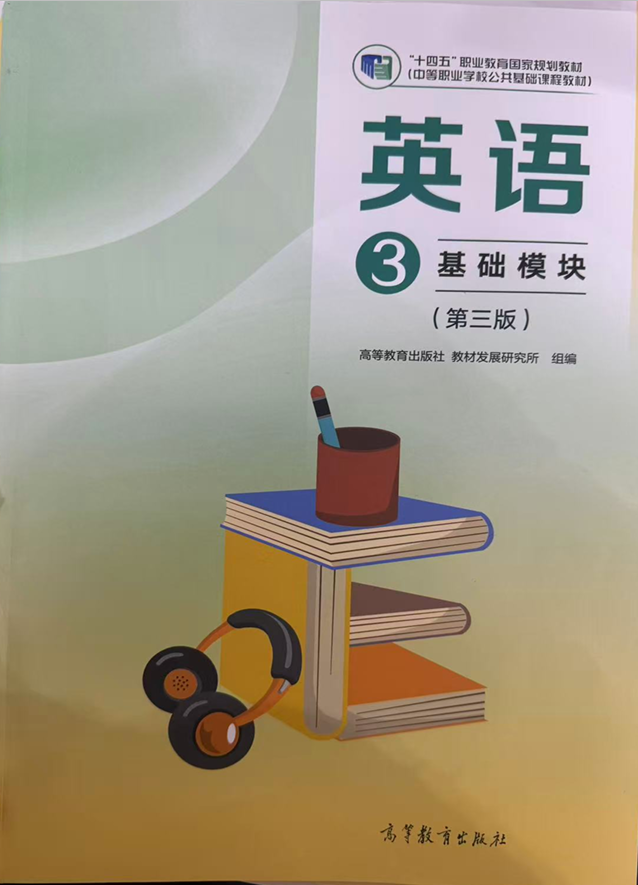
1.3 Festivals Around the World-Language Practice(同步练习)-《英语 基础模块3》(高教版 第三版)【上好课】(原卷版+解析版)
2026-07-02
|
2份
|
10页
|
156人阅读
|
1人下载
摘要:
**基本信息**
这份同步练习以“基础巩固-语法综合-语篇应用”为分层路径,通过动词非谓语专项、语法填空及节日文化阅读,系统提升中职学生语言能力与文化意识。
**分层设计**
|层次|知识覆盖|设计特色|
|----|----------|----------|
|基础层|动词非谓语形式(enjoy doing等)|10道选择题聚焦单一语法点,强化基础语言能力|
|进阶层|代词、时态、介词等语法综合|短文填空10空,实现从单一到综合的语法应用过渡|
|综合层|节日文化语篇理解|5道阅读题考查细节、推理及主旨,渗透文化意识与思维品质|
内容正文:
《英语 基础模块3》【解析】高教版第三版。
Unit 1 Festivals Around the World
Language Practice同步过关练习
一、英语知识运用
1.—What do you usually do on the Lantern Festival?
—________.
A. I like eating yuanxiao and watching lanterns.
B. Yuanxiao tastes sweet.
C. It falls on lunar January 15th.
D. It’s a traditional festival.
2. Most students enjoy ______ lantern riddles on the Lantern Festival.
A. guess B. guessing C. to guess D. guessed
3.My deskmate decided ______ a vocational school to learn tourism skills.
A. choose B. choosing C. to choose D. chose
4. Please remember ______ your homework before you leave the classroom.
A. hand in B. handing in C. to hand in D. handed in
5. I regret ______ you that you failed the vocational college entrance exam.
A. tell B. telling C. to tell D. told
6.You should practice ______ oral English every day for the test.
A. speak B. speaking C. to speak D. speaks
7.We look forward to ______ the lantern show in the city center.
A. watch B. watching C. to watch D. watched
8. I can’t afford ______ a new professional textbook this month.
A. buy B. buying C. to buy D. bought
9. Try ______ harder, and you will pass the exam next year.
A. work B. working C. to work D. worked
10. Would you mind ______ the window for me? It’s too cold outside.
A. close B. closing C. to close D. closed
二、阅读理解
Holi, also called the festival of colors, is a popular Hindu spring festival. Now celebrated throughout South Asian countries, it starts at the end of winter, on the last full moon day of the lunar month. The first day is called Chhoti Holi (in Hindi), or “Small Holi.” Families, friends, and neighbors typically gather around a big bonfire (篝火)in the evening.
“My favorite part is to wear a necklace made of dried fruit, candies, and flowers and dance around the bonfire,” says Shreya, my 8-year-old cousin.
The second day of the festival is called Rangwali Holi, or “Colorful Holi.” People celebrate by throwing powders called “Gulal,” and sharing such sweets as Gujiya, which is made from condensed milk and dried fruit. Some people spray colored water or throw water balloons at each other. An alternative is to play with flowers so as to avoid eye injuries.
Pankaj Sharma, my uncle, says that Holi“is a time to reach out to people with the colors of joy. It is the time to forgive and forget animosity(仇恨).”
The festival celebrates life, joy, happiness, friendship, and love. It also signifies the victory of good over evil, the arrival of spring, and a good harvest.
1. When does Holi begin every year?
A. On the first day of spring B. On the last full moon day of the lunar month
C. At the beginning of winter D. On the first full moon day of a lunar month
2. What does the underlined word “animosity” in Paragraph 4 most probably mean?
A. kindness B. friendship
C. hate D. warmth
3.Which of the following is TRUE about Rangwali Holi?
A. People only dance around bonfires that day.
B. People throw colorful powder and enjoy special sweets.
C. Everyone must spray colored water and water balloons.
D. Gujiya is made of fresh fruit and milk.
4. What can we infer from Uncle Pankaj’s words?
A. Holi helps people get on well with each other.
B. People only visit their relatives during Holi.
C. People fight with each other before Holi.
D. The festival only brings colorful games for kids.
5. What is the main idea of the passage?
A. Different traditional festivals in South Asia
B. The history of a famous Hindu festival
C. An introduction to the spring festival Holi and its culture
D. Delicious food people eat during Holi
五、短文填空
There are many kinds of festivals around the world. Each festival has 1. ________(it) own meaning and way of celebration. People in 2. _________(west) countries have their own festivals. They celebrate them 3. ______ many different ways. Thanksgiving Day is a traditional festival in America. In America, Thanksgiving Day is celebrated 4. ________ the fourth Thursday of November. It 5. ________(come) in autumn. On that day, a lot of 6. _____________(America) have turkey for dinner. Originally, they held a dinner party to celebrate the autumn harvest. This was the 7. ________(one) Thanksgiving. They wanted to eat roast goose at the 8. ___________(celebrate), but there 9. ________(be) not many geese. They found turkeys instead. From then on, they held a celebration every year, and there was always a turkey on the dinner table. They invite their friends 10. ________ come for dinner to eat turkey and many other kinds of food.
原创精品资源学科网独家享有版权,侵权必究!学科网【解析】北京。股份有限公司
学科网【解析】北京。股份有限公司
学科网【解析】北京。股份有限公司
学科网(北京)股份有限公司
$
《英语 基础模块3》【解析】高教版第三版。
Unit 1 Festivals Around the World
Language Practice同步过关练习
一、英语知识运用
1.—What do you usually do on the Lantern Festival?
—________.
A. I like eating yuanxiao and watching lanterns.
B. Yuanxiao tastes sweet.
C. It falls on lunar January 15th.
D. It’s a traditional festival.
【答案】A
【解析】句意:—你元宵节通常做什么?—我爱吃元宵、赏花灯。问句询问元宵节的活动,只有A回答具体习俗;B 讲元宵味道,C、D 介绍节日时间和属性,答非所问。
2. Most students enjoy ______ lantern riddles on the Lantern Festival.
A. guess B. guessing C. to guess D. guessed
【答案】B
【解析】句意:大多数学生喜欢在元宵节猜灯谜。enjoy 后只能接动名词作宾语,固定搭配 enjoy doing sth.(喜欢做某事)。
3.My deskmate decided ______ a vocational school to learn tourism skills.
A. choose B. choosing C. to choose D. chose
【答案】C
【解析】句意:我的同桌决定选一所职校学习旅游专业技能。decide 后只能接不定式作宾语,decide to do sth. 决定做某事。
4. Please remember ______ your homework before you leave the classroom.
A. hand in B. handing in C. to hand in D. handed in
【答案】C
【解析】句意:离开教室前记得把作业交上来。remember to do sth. 记得要去做某事(动作未发生);remember doing 记得做过某事(已完成)。交作业是还未做的动作,用 to do。
5. I regret ______ you that you failed the vocational college entrance exam.
A. tell B. telling C. to tell D. told
【答案】C
【解析】句意:我很遗憾地告诉你,你的职教高考失利了。regret to do 遗憾 / 抱歉要做(告知、通知类);regret doing 后悔做过某事。此处是即将告知坏消息,用 to do。
6.You should practice ______ oral English every day for the test.
A. speak B. speaking C. to speak D. speaks
【答案】B
【解析】句意:为了考试,你应该每天练习英语口语。practice 后固定接动名词,practice doing sth. 意为“练习做某事”。
7.We look forward to ______ the lantern show in the city center.
A. watch B. watching C. to watch D. watched
【答案】B
【解析】句意:我们期盼去市中心看花灯展。固定短语 look forward to 中 to 是介词,介词后必须用动名词 doing 作宾语。
8. I can’t afford ______ a new professional textbook this month.
A. buy B. buying C. to buy D. bought
【答案】C
【解析】句意:这个月我买不起新的专业课本。afford 后固定搭配 afford to do sth. 负担得起做某事。
9. Try ______ harder, and you will pass the exam next year.
A. work B. working C. to work D. worked
【答案】C
【解析】句意:努力学习,明年你就能通过考试。try to do sth. 意为“尽力、努力做某事”;try doing意为“尝试做(试验效果)”,此处表努力备考,用to do。
10. Would you mind ______ the window for me? It’s too cold outside.
A. close B. closing C. to close D. closed
【答案】B
【解析】句意:你介意帮我关上窗户吗?外面太冷了。mind 后只能接动名词作宾语,mind doing sth.意为“介意做某事”。
二、阅读理解
Holi, also called the festival of colors, is a popular Hindu spring festival. Now celebrated throughout South Asian countries, it starts at the end of winter, on the last full moon day of the lunar month. The first day is called Chhoti Holi (in Hindi), or “Small Holi.” Families, friends, and neighbors typically gather around a big bonfire (篝火)in the evening.
“My favorite part is to wear a necklace made of dried fruit, candies, and flowers and dance around the bonfire,” says Shreya, my 8-year-old cousin.
The second day of the festival is called Rangwali Holi, or “Colorful Holi.” People celebrate by throwing powders called “Gulal,” and sharing such sweets as Gujiya, which is made from condensed milk(炼乳) and dried fruit. Some people spray colored water or throw water balloons at each other. An alternative is to play with flowers so as to avoid eye injuries.
Pankaj Sharma, my uncle, says that Holi“is a time to reach out to people with the colors of joy. It is the time to forgive and forget animosity(仇恨).”
The festival celebrates life, joy, happiness, friendship, and love. It also signifies the victory of good over evil, the arrival of spring, and a good harvest.
1. When does Holi begin every year?
A. On the first day of spring B. On the last full moon day of the lunar month
C. At the beginning of winter D. On the first full moon day of a lunar month
【答案】B
【解析】原文第一段:it starts at the end of winter, on the last full moon day of the lunar month. 可知胡里节在农历最后一个满月之日开启。
2. What does the underlined word “animosity” in Paragraph 4 most probably mean?
A. kindness B. friendship
C. hate D. warmth
【答案】C
【解析】单词 animosity 括号注释仇恨;句子含义:这是宽恕他人、放下仇恨的时刻。hate仇恨,与 animosity 同义。
3.Which of the following is TRUE about Rangwali Holi?
A. People only dance around bonfires that day.
B. People throw colorful powder and enjoy special sweets.
C. Everyone must spray colored water and water balloons.
D. Gujiya is made of fresh fruit and milk.
【答案】B
【解析】 第三段提到人们抛彩色粉末 Gulal,分享用炼乳、干果制作的 Gujiya 甜食; A 是第一天 Chhoti Holi 的活动;C 中 must 绝对化,有人选择玩鲜花避免伤眼;D 应为 dried fruit 干果而非 fresh fruit 鲜果。
4. What can we infer from Uncle Pankaj’s words?
A. Holi helps people get on well with each other.
B. People only visit their relatives during Holi.
C. People fight with each other before Holi.
D. The festival only brings colorful games for kids.
【答案】A
【解析】 叔叔原话:这是带着欢乐色彩与人亲近、宽恕并放下仇恨的时刻。可推断胡里节能让人与人友好相处;B、C、D 原文无依据。
5. What is the main idea of the passage?
A. Different traditional festivals in South Asia
B. The history of a famous Hindu festival
C. An introduction to the spring festival Holi and its culture
D. Delicious food people eat during Holi
【答案】C
【解析】全文介绍胡里节别称、举办时间、两天不同习俗、人们的感悟以及节日象征意义,整体是对胡里节及其文化的完整介绍。 A 范围过大,不只讲多个节日;B 文章未讲历史起源;D 仅为局部细节,不能概括全文。
五、短文填空
There are many kinds of festivals around the world. Each festival has 1. ________(it) own meaning and way of celebration. People in 2. _________(west) countries have their own festivals. They celebrate them 3. ______ many different ways. Thanksgiving Day is a traditional festival in America. In America, Thanksgiving Day is celebrated 4. ________ the fourth Thursday of November. It 5. ________(come) in autumn. On that day, a lot of 6. _____________(America) have turkey for dinner. Originally, they held a dinner party to celebrate the autumn harvest. This was the 7. ________(one) Thanksgiving. They wanted to eat roast goose at the 8. ___________(celebrate), but there 9. ________(be) not many geese. They found turkeys instead. From then on, they held a celebration every year, and there was always a turkey on the dinner table. They invite their friends 10. ________ come for dinner to eat turkey and many other kinds of food.
【答案】
1. its
2. Western
3.in
4. on
5.comes
6. Americans
7. first
8. celebration
9. were
10. to
原创精品资源学科网独家享有版权,侵权必究!学科网【解析】北京。股份有限公司
学科网【解析】北京。股份有限公司
学科网【解析】北京。股份有限公司
学科网(北京)股份有限公司
$
资源预览图

1

2
由于学科网是一个信息分享及获取的平台,不确保部分用户上传资料的 来源及知识产权归属。如您发现相关资料侵犯您的合法权益,请联系学科网,我们核实后将及时进行处理。