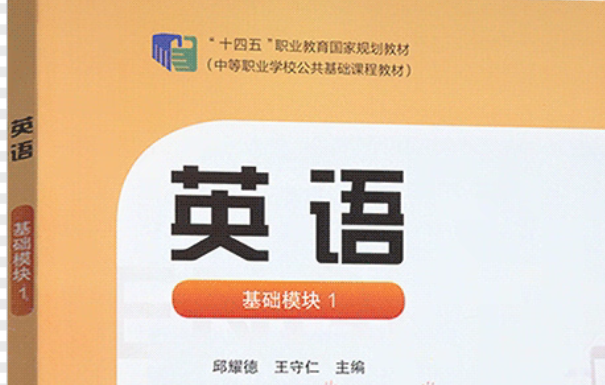
Unit 8 Treasured Memories of Travelling 单词课件-《英语 基础模块1》(语文版2022版)
2026-07-02
|
44页
|
159人阅读
|
1人下载
精品
摘要:
这是一份中职英语《英语 基础模块1》(语文出版社)Unit 8“Treasured Memories of Travelling”的同步教学课件,共44页。以旅行主题为核心,提供单词(如treasured, memory, historical site等)的音标、词性、释义及中英文例句等学习支架,辅助学生掌握旅行相关词汇。
资料特色突出,注重核心素养培育。语言能力上,通过例句(如“I expect to watch Peking Opera in Beijing”)强化理解与表达;文化意识上,融入长城、京剧等中国文化元素,增强家国情怀;思维品质上,以“Can you guess my travel destination?”引导思考;学习能力上,单词结构清晰,便于自主学习。帮助学生提升旅行词汇运用,为教师提供系统同步资源。中职学生注重实用,资料贴合生活,助力英语与实际旅行结合,提升应用能力。
内容正文:
Unit 8 Treasured Memories of Travelling
《英语 基础模块1》(语文出版社)
1.7.2013
‹#›
treasured
/ˈtreʒəd/
adj. 宝贵的,珍贵的
This treasured diary records my trip to Beijing.
这本珍贵的日记记录了我的北京之行。
1.7.2013
‹#›
memory
/ˈmeməri/
n. 记忆,回忆
The beautiful trip becomes my sweet memory.
这次美好的旅行成了我甜蜜的回忆。
1.7.2013
‹#›
necessary
/ˈnesəsəri/
adj. 必需的
It is necessary to plan your travel budget.
规划旅行预算是很有必要的。
suitable
/ˈsuːtəbl/
adj. 合适的,适宜的
Spring is suitable for visiting historical sites.
春天很适合游览历史名胜。
1.7.2013
‹#›
trip
/trɪp/
n. 旅行
We will take a school trip next summer.
明年夏天我们将进行一次研学旅行。
1.7.2013
‹#›
broaden
/ˈbrɔːdn/
v. 拓宽;增长
Travelling can broaden our horizons.
旅行能够开阔我们的眼界。
expect
/ɪkˈspekt/
v. 期待,盼望
I expect to watch Peking Opera in Beijing.
我期待去北京看京剧。
1.7.2013
‹#›
historical
/hɪˈstɒrɪkl/
adj. 历史的
I love visiting all kinds of historical buildings.
我喜欢参观各式各样的历史建筑。
historical site
/hɪˈstɒrɪkl saɪt/
历史名胜
The Great Wall is a world-famous historical site.
长城是举世闻名的历史名胜。
1.7.2013
‹#›
custom
/ˈkʌstəm/
n. 风俗,习俗
We should respect local custom during the vacation.
假期出行我们应当尊重当地风俗。
1.7.2013
‹#›
scenery
/ˈsiːnəri/
n. 风景,风光
The scenery of the Summer Palace is wonderful.
颐和园的风光美不胜收。
1.7.2013
‹#›
guess
/ɡes/
v. 猜测,猜想
Can you guess my travel destination?
你能猜出我的旅行目的地吗?
the Great Wall
/ðə ɡreɪt wɔːl/
长城
Lots of tourists visit the Great Wall every year.
每年大量游客游览长城。
1.7.2013
‹#›
the Palace Museum
/ðə ˈpæləs mjuˈziːəm/
故宫
The Palace Museum has lots of ancient treasures.
故宫藏有大量古代珍宝。
1.7.2013
‹#›
the Summer Palace
/ðə ˈsʌmə ˈpæləs/
颐和园
We enjoyed fantastic scenery in the Summer Palace.
我们在颐和园欣赏了绝美的风光。
1.7.2013
‹#›
Beijing Roast Duck
/beɪˈdʒɪŋ rəʊst dʌk/
北京烤鸭
You must try Beijing Roast Duck in Beijing.
来北京一定要尝尝北京烤鸭。
1.7.2013
‹#›
Peking Opera
/ˌpiːˈkɪŋ ˈɒpərə/
京剧
Watching Peking Opera is a special culture experience.
观看京剧是特别的文化体验。
1.7.2013
‹#›
leisure
/ˈleʒə/
n. 空闲,闲暇
I visit museums in my leisure time.
闲暇之余我会去逛博物馆。
1.7.2013
‹#›
location
/ləʊˈkeɪʃn/
n. 地点,位置
Do you know the exact location of the Great Wall?
你知道长城确切的位置吗?
1.7.2013
‹#›
figure out
/ˈfɪɡə aʊt/
算出,想出
I figure out the total cost of our trip.
我算出了我们旅行的总开销。
1.7.2013
‹#›
means of transport
/miːnz ɒv ˈtrænspɔːt/
交通工具
Buses are common means of transport in the city.
公交车是城市常见的交通工具。
1.7.2013
‹#›
budget
/ˈbʌdʒɪt/
n. 预算
Our travel budget is not very high this year.
今年我们的旅行预算不算多。
1.7.2013
‹#›
include
/ɪnˈkluːd/
v. 包括,包含
The price includes Beijing Roast Duck and tickets.
这个费用包含北京烤鸭和门票。
1.7.2013
‹#›
mention
/ˈmenʃn/
v. 提及,谈到
He didn’t mention the Palace Museum in his letter.
他在信里没有提到故宫。
1.7.2013
‹#›
consideration
/kənˌsɪdəˈreɪʃn/
n. 考虑
Safety is our main consideration for the trip.
安全是我们出行首要的考量。
1.7.2013
‹#›
unforgettable
My Beijing trip is an unforgettable experience.
我的北京之旅是一段难忘的经历。
/ˌʌnfəˈɡetəbl/
adj. 难忘的
1.7.2013
‹#›
independent
/ˌɪndɪˈpendənt/
adj. 独立的
Teenagers can take independent short trips.
青少年可以独自短途旅行。
1.7.2013
‹#›
gain
v. 获得,取得
You gain much knowledge from travelling.
你能从旅行中收获很多知识。
/ɡeɪn/
1.7.2013
‹#›
vacation
/veɪˈkeɪʃn/
n. 假期,休假
Most people travel in summer vacation.
大多数人会在暑假出游。
1.7.2013
‹#›
permit
/pəˈmɪt/
v. 允许
The site does not permit people to throw coins.
这个景点不允许人们投掷硬币。
1.7.2013
‹#›
destination
/ˌdestɪˈneɪʃn/
n. 目的地;终点
Our final destination is the Great Wall.
我们最终的目的地是长城。
1.7.2013
‹#›
force
/fɔːs/
v. 强迫;n. 武力,力量
Don’t force others to follow your travel plan.
不要强迫别人遵从你的旅行计划。
1.7.2013
‹#›
pioneer
/ˌpaɪəˈnɪə/
n. 先驱,先锋
He is a pioneer of geography research.
他是地理研究领域的先驱。
1.7.2013
‹#›
geography
/dʒiˈɒɡrəfi/
n. 地理
Geography helps us know different places.
地理帮助我们认识不同的地方。
1.7.2013
‹#›
the Ming Dynasty
/ðə mɪŋ ˈdaɪnəsti/
明朝,明代
Many walls were built in the Ming Dynasty.
许多城墙修建于明代。
1.7.2013
‹#›
geographer
/dʒiˈɒɡrəfə/
n. 地理学家
The geographer studied the Ming Dynasty’s land.
这位地理学家研究过明代疆域。
1.7.2013
‹#›
on foot
/ɒn fʊt/
步行
We walked around the town on foot.
我们步行逛了这座小城。
1.7.2013
‹#›
well
/wel/
n. 泉,水井;adv. 好,相当
There is an old well beside the ancient street.
古街旁有一口古老的水井。
1.7.2013
‹#›
diary
/ˈdaɪəri/
n. 日记
I write travel stories in my diary every day.
我每天都在日记里写下旅行见闻。
1.7.2013
‹#›
Chinese character
We can see old Chinese characters on old walls.
我们能在古墙上看见古老汉字。
/ˌtʃaɪˈniːz ˈkærəktə/
汉字,中国文字
1.7.2013
‹#›
throw
/θrəʊ/
v. 投,抛
Don’t throw rubbish around historical sites.
不要在历史名胜乱扔垃圾。
1.7.2013
‹#›
coin
n. 硬币
Tourists throw coins into the well for wishes.
游客往井里投硬币许愿。
/kɔɪn/
1.7.2013
‹#›
Thank You!
1.7.2013
‹#›
$
资源预览图

1

2

3

4

5

6
由于学科网是一个信息分享及获取的平台,不确保部分用户上传资料的 来源及知识产权归属。如您发现相关资料侵犯您的合法权益,请联系学科网,我们核实后将及时进行处理。