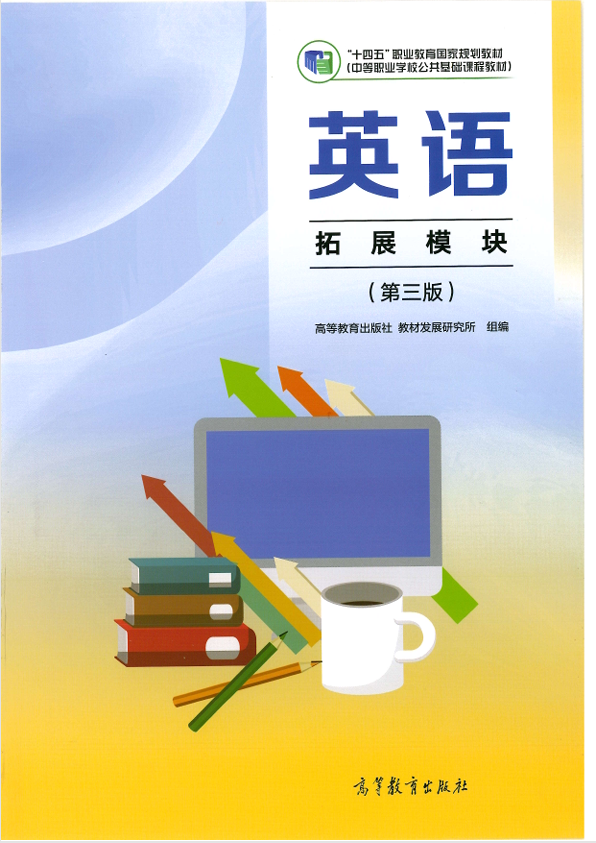
Unit 3 Doing Our Part for the Environment(A卷·基础巩固)《英语 拓展模块》(高教版第三版)单元过关卷(原卷版+解析版)
2026-07-01
|
2份
|
32页
|
31人阅读
|
0人下载
摘要:
**基本信息**
紧扣《英语 拓展模块》Unit 3环保主题,A卷基础巩固卷精准覆盖核心考点,通过情境化试题提升语言应用能力,适配单元复习需求。
**题型特征**
|题型|题量/分值|知识覆盖|命题特色|
|----|-----------|----------|----------|
|情景交际|15题/20分|雾霾应对、垃圾分类等日常环保对话|创设真实交际情境,考查语言理解与表达能力|
|阅读理解|20题/40分|社区环保项目、个人环保行动等|选用社会热点素材,培养信息获取与思维品质|
|完形填空|10题/10分|社区垃圾分类活动过程|结合生活实例,强化语篇理解与词汇运用|
|语法填空|10题/10分|环保政策与实践语法应用|考查语法规则在语境中的应用,提升语言准确性|
|书面表达|1题/20分|介绍社区垃圾分类活动|融合个人体验,培养书面表达与跨文化沟通能力|
内容正文:
编写说明:本套试卷紧扣《英语 拓展模块》(高教版第三版)教材,以教材单元为基准精准覆盖核心考点。
每个单元设置AB卷,A卷为基础巩固卷,侧重基础考点训练,帮助学生扎实掌握知识要点;B卷为能力提升卷,注重知识整合与全面检测,引导学生构建知识网络。全书设计4份综合测试卷,模拟实战情境,聚焦解题能力突破,全面提升应试能力与知识应用水平。
《英语 拓展模块》(高教版第三版)《单元过关卷》
Unit 3 Doing Our Part for the Environment
A卷·基础巩固
考试时间:120分钟 满分:100分
班级_____姓名_____学号_____成绩_____
一、情景交际(共15小题;满分20分)
第一节 读下列10个短对话,从题后所给的 A、B、C、D 四个选项中选出可以填入空白处的最佳选项。(共10小题,每小题1分,满分10分)
1. —The smog is so terrible today. I can barely see the buildings across the street.
—_______. We should take action to protect our environment.
A. Yes, it is a serious environmental issue.
B. I do not think it is that bad.
C. The weather forecast says it will rain.
D. Let us go out for a walk anyway.
【答案】A
【详解】考查环境话题回应。对方感叹雾霾严重,A项认同并引出环保行动,符合语境。
2. —Do you know how to sort household garbage?
—_______. Wet waste goes in one bin, dry waste in another, and hazardous waste needs special handling.
A. I never sort my garbage.
B. Garbage sorting is too complicated.
C. I just throw everything in one dustbin.
D. Yes, I learned about it in our community.
【答案】D
【详解】考查垃圾分类知识表达。D项肯定回答并具体说明分类方法,与后文衔接自然。
3. —Why is it important to use reusable bags instead of plastic ones?
—_______. Plastic bags take hundreds of years to break down and pollute the soil.
A. Reusable bags are more fashionable.
B. Plastic bags are cheaper to produce.
C. Because plastic bags cause serious pollution.
D. I prefer plastic bags because they are convenient.
【答案】C
【详解】考查环保理由表达。C项说明塑料袋造成严重污染,与后文补充原因衔接。
4. —I think everyone should be responsible for protecting the environment.
—_______. Small changes in our daily habits can make a big difference.
A. Only factories should be responsible.
B. I completely agree with you.
C. The government will solve everything.
D. It is not our personal responsibility.
【答案】B
【详解】考查赞同表达。B项完全同意对方观点,后文补充说明日常小改变也能产生大影响。
5. —What changes have you made to live a greener life?
—_______. I also bring my own water bottle everywhere instead of buying plastic ones.
A. I have started using public transportation instead of driving.
B. I have not made any changes.
C. I do not think green living is necessary.
D. I bought more plastic products.
【答案】A
【详解】考查环保行动表达。A项说明开始使用公共交通,后文补充自带水杯,逻辑连贯。
6. —How should we deal with hazardous waste like old batteries and expired medicine?
—_______. Putting them in regular dustbins can pollute the soil and water.
A. Just throw them in the kitchen waste bin.
B. We can bury them in the garden.
C. It does not matter where we put them.
D. We should take them to special collection points.
【答案】D
【详解】考查有害垃圾处理。D项指出应送到专门回收点,后文说明随便丢弃的危害。
7. —There is something important I want to discuss about our community garbage sorting program.
—_______. I have noticed that many residents still mix their waste.
A. I am not interested in that topic.
B. Go ahead. I think it is a serious issue too.
C. Garbage sorting is not necessary in our community.
D. Let us talk about something else.
【答案】B
【详解】考查回应讨论请求。B项鼓励对方继续讨论并表示认同,后文补充观察到的现象。
8. —What does "environment-friendly" mean?
—_______. It means the product does not harm the environment during its production or use.
A. It means the product is expensive.
B. It means the product is imported.
C. It means the product is not harmful to the environment.
D. It means the product is made of metal.
【答案】C
【详解】考查词汇理解。C项准确解释environment-friendly的含义——对环境无害。
9. —Our school is carrying out a garbage sorting campaign. Would you like to join?
—_______. I believe it is something we all should participate in.
A. I would love to. It is a great initiative.
B. I do not have time for that.
C. Garbage sorting is not my responsibility.
D. I will think about it later.
【答案】A
【详解】考查回应邀请。A项积极回应并认同活动意义,与后文衔接。
10. —Look at the river! It is so polluted. Something must be done.
—_______. Factories should stop dumping waste into the river.
A. The river looks fine to me.
B. You are right. We need to take action immediately.
C. Let us wait for the government to deal with it.
D. Pollution is not a serious problem here.
【答案】B
【详解】考查环保关切表达。B项认同对方观点并呼吁立即行动,符合语境。
第二节 读下面一段对话,从方框中所给的 A、B、C、D、E、F 和 G 七个选项中选出可以填入空白处的最佳选项。(共5小题,每小题2分,满分10分)
A. How long have you been doing this?
B. What about hazardous waste?
C. That is great!
D. Do you know the details?
E. Could you give me some examples?
F. I think it is too much trouble.
G. Improper waste disposal causes serious pollution.
M: Have you heard about the new garbage sorting rules in our city? _______ 11 _______
W: Yes, I have. We need to sort our household waste into four categories: wet, dry, recyclable, and hazardous.
M: _______ 12 _______
W: Well, for example, food leftovers go into the wet waste bin, and paper and plastic bottles go into the recyclable bin.
M: That sounds like a lot of work. _______ 13 _______
W: It takes some getting used to, but it is really important. _______ 14 _______
M: You make a good point. I will start sorting my garbage from today.
W: _______ 15 _______ Every small effort counts when it comes to protecting our environment.
【答案】11.D 12.E 13.F 14.G 15.C
【导语】这段对话围绕城市垃圾分类新规展开,涉及分类细节、具体例子、有害垃圾处理、环保意义和行动决心。
【详解】
11. 上文问是否了解新规细节,D项"Do you know the details?"询问具体情况。
12. 下文要求举例说明分类方法,E项请求给出例子。
13. 上根据上下文逻辑,M说完"That sounds like a lot of work"后应该接F选项“l think it is too much trouble”。
14. 上文说很重要,G项补充说明不当处置造成严重污染。
15. 上文表示将从今天开始分类,C项"That is great!"表示赞赏和鼓励。
二、阅读理解(共20小题;每小题2分,满分40分)
阅读下列短文,从题后所给的 A、B、C、D 四个选项中选出最佳答案。
A
Green Life Community Center has launched a series of environment-friendly programs to encourage residents to adopt greener lifestyles. Below is information about four programs currently available. For more details, please visit our website or call 55****88.
Program Name
Details
Household Garbage Sorting Workshop
Time: Every Saturday, 9:00 a.m.—11:00 a.m.
Duration: 4 weeks
Fee: Free
Instructors: Environmental volunteers
Class Size: 20—30 participants
Suitable for: Residents who want to learn how to sort waste correctly
Reusable Products Market
Time: Sunday, 10:00 a.m.—4:00 p.m.
Duration: One-day event (held monthly)
Fee: Free entry
Organizers: Local environment-friendly businesses
Items: Reusable bags, water bottles, and household items
Suitable for: Anyone interested in reducing plastic waste
Smog and Air Pollution Presentation
Time: Wednesday, 7:00 p.m.—8:30 p.m.
Duration: One session
Fee: Free
Speaker: Dr. Li, an environmental scientist
Class Size: 50—80 participants
Suitable for: People concerned about air quality and smoggy days
Community Clean-Up Action
Time: First Saturday of each month, 8:00 a.m.—12:00 p.m.
Duration: 4 hours per session
Fee: Free
Leader: Community volunteers
Participants: 30—50 volunteers per session
Suitable for: Anyone who wants to take action to clean the neighborhood
16. Mr. Zhang wants to learn how to sort his household garbage correctly. Which program should he attend?
A. Reusable Products Market.
B. Community Clean-Up Action.
C. Household Garbage Sorting Workshop.
D. Smog and Air Pollution Presentation.
【答案】C
【详解】本题为细节理解题。Mr. Zhang想学习垃圾分类,Household Garbage Sorting Workshop专门针对此目的,C项最符合。
17. A resident who is worried about the smoggy weather in the city should consider which program?
A. Household Garbage Sorting Workshop.
B. Reusable Products Market.
C. Community Clean-Up Action.
D. Smog and Air Pollution Presentation.
【答案】D
【详解】本题为细节理解题。Smog and Air Pollution Presentation由环境科学家主讲空气质量问题,D项最符合。
18. How many participants can the Community Clean-Up Action accommodate per session?
A. 20—30 volunteers.
B. 30—50 volunteers.
C. 50—80 volunteers.
D. 10—15 volunteers.
【答案】B
【详解】本题为细节理解题。Community Clean-Up Action每期30—50名志愿者,B项正确。
19. What is special about the Reusable Products Market compared to the other programs?
A. It is a one-day monthly event rather than a regular weekly program.
B. It charges a higher fee than the others.
C. It has the smallest class size.
D. It is only for environmental volunteers.
【答案】A
【详解】本题为细节理解题。Reusable Products Market是每月一次的一日活动,而其他项目为定期举行,A项正确。
20. Which of the following is TRUE according to the program information?
A. All programs charge a participation fee.
B. The Garbage Sorting Workshop runs for four weeks.
C. Dr. Li is a local business owner.
D. The Clean-Up Action is held every week.
【答案】B
【详解】本题为细节理解题。B项正确——Garbage Sorting Workshop为期4周。A项错误(均为免费);C项错误(Dr. Li是环境科学家);D项错误(每月第一个周六)。
B
When Liu Yan moved to Shanghai two years ago, she was shocked by the smoggy days. The air was so polluted that she could barely see the tall buildings across the street. She decided to find out what was causing the problem and what she could do about it.
After doing some research, Liu Yan learned that vehicle emissions were one of the biggest sources of air pollution in the city. She also discovered that household waste, when not sorted properly, ended up in landfills where it produced harmful gases. These findings made her realize that everyone, not just factories, was responsible for the pollution problem.
Liu Yan decided to make changes to her own lifestyle first. She stopped driving her car and started using public transportation. She bought reusable bags and water bottles instead of plastic ones. She also began sorting her household garbage into wet, dry, recyclable, and hazardous categories. At first, it was difficult to remember which bin each item belonged to, but after a few weeks, it became a habit.
She did not stop there. Liu Yan organized a garbage sorting workshop in her community and invited an environmental volunteer to teach the residents. More than 40 people attended the first session. She also started a “Green Corner” in the neighborhood where people could exchange reusable items instead of throwing them away.
Today, Liu Yan’s community has one of the highest garbage sorting rates in the district. The air quality has improved noticeably, and more residents are adopting greener habits. Liu Yan often says, “Protecting the environment is not something only the government should do. Each of us can make a difference by making small changes in our daily lives.”
21. What shocked Liu Yan when she first moved to Shanghai?
A. The high cost of living.
B. The crowded public transportation.
C. The number of factories in the city.
D. The terrible smog and air pollution.
【答案】D
【详解】本题为细节理解题。根据第一段"shocked by the smoggy days"可知D项正确。
22. What did Liu Yan discover was one of the biggest sources of air pollution?
A. Vehicle emissions.
B. Construction noise.
C. Household cooking.
D. School activities.
【答案】A
【详解】本题为细节理解题。根据第二段"vehicle emissions were one of the biggest sources"可知A项正确。
23. What change did Liu Yan make regarding transportation?
A. She bought a new car.
B. She moved to a different city.
C. She started using public transportation instead of driving.
D. She walked everywhere she went.
【答案】C
【详解】本题为细节理解题。根据第三段"stopped driving...started using public transportation"可知C项正确。
24. How many people attended Liu Yan's first garbage sorting workshop?
A. About 10 people.
B. About 20 people.
C. About 30 people.
D. More than 40 people.
【答案】D
【详解】本题为细节理解题。根据第四段"More than 40 people attended the first session"可知D项正确。
25. What is the main idea of this passage?
A. Shanghai is the most polluted city in China.
B. Only the government can solve pollution problems.
C. Individual actions can make a significant difference in environmental protection.
D. Garbage sorting is too difficult for ordinary people.
【答案】C
【详解】本题为主旨大意题。全文通过刘燕的个人行动带动社区改善环境,C项"个人行动在环保中能产生显著影响"概括最准确。
C
Garbage sorting has become an important part of daily life in many Chinese cities. Since the government introduced new waste management regulations, residents are required to sort their household waste into four main categories: wet waste (food leftovers and kitchen scraps), dry waste (non-recyclable items like tissues and dust), recyclable waste (paper, plastic, glass, and metal), and hazardous waste (old batteries, expired medicine, and paint cans).
The purpose of garbage sorting is simple but significant. When waste is mixed together, most of it ends up in landfills, which take up valuable land and produce harmful gases. However, when waste is sorted correctly, recyclable materials can be processed into new products, hazardous waste can be treated safely, and wet waste can be turned into compost for farming. This not only reduces pollution but also saves resources.
Despite the benefits, many people still find garbage sorting confusing. A recent survey showed that 35 percent of residents were not sure which category certain items belonged to. For example, should a used paper cup go into recyclable or dry waste? The answer depends on whether the cup is clean—clean paper cups are recyclable, while dirty ones with food residue belong to dry waste.
To help residents, many communities have set up sorting guides near dustbins and organized training workshops. Some neighborhoods have even introduced smart bins that can automatically sort waste using sensors. Wang Mei, a community volunteer, said, “At first, people complained about the extra effort, but now most of them understand why it matters. Our community sorting rate has reached 85 percent, which is much higher than before.”
Experts believe that garbage sorting is not just about waste management—it is about changing how we think about our environment. As Professor Zhang from Beijing University said, “When people sort their garbage, they are making a conscious choice to be responsible for the environment. That is something more valuable than any recycling technology.”
26. How many main categories are residents required to sort their waste into?
A. Two.
B. Four.
C. Six.
D. Eight.
【答案】B
【详解】本题为细节理解题。根据第一段"four main categories"可知B项正确。
27. What can wet waste be turned into when sorted correctly?
A. New plastic products.
B. Safe medicine.
C. Compost for farming.
D. Paint materials.
【答案】C
【详解】本题为细节理解题。根据第二段"wet waste can be turned into compost for farming"可知C项正确。
28. What percentage of residents were confused about garbage sorting according to the survey?
A. 35 percent.
B. 50 percent.
C. 75 percent.
D. 85 percent.
【答案】A
【详解】本题为细节理解题。根据第三段"35 percent of residents were not sure"可知A项正确。
29. What has Wang Mei's community achieved in garbage sorting?
A. They have stopped sorting completely.
B. Their sorting rate has reached 85 percent.
C. They have the lowest sorting rate in the city.
D. They only sort recyclable waste.
【答案】B
【详解】本题为细节理解题。根据第四段"sorting rate has reached 85 percent"可知B项正确。
30. What does Professor Zhang believe is the most valuable aspect of garbage sorting?
A. The recycling technology.
B. The reduction of landfill space.
C. The economic benefits.
D. The conscious choice to be environmentally responsible.
【答案】D
【详解】本题为推理判断题。根据末段"making a conscious choice to be responsible for the environment"可知D项正确。
D
China has been making great efforts to deal with environmental pollution in recent years. One of the most noticeable changes is the improvement in air quality. According to the Ministry of Ecology and Environment, the number of smoggy days in major cities has decreased by more than 30 percent since 2015. This progress is the result of strict regulations on factory emissions and the promotion of public transportation.
Another major achievement is the nationwide garbage sorting campaign. Cities like Shanghai, Beijing, and Shenzhen have already introduced mandatory waste sorting regulations. In Shanghai, for example, residents who fail to sort their garbage correctly can face fines of up to 200 RMB. Since the regulation was introduced, the city's recycling rate has increased from less than 20 percent to over 35 percent.
However, challenges remain. Some rural areas still lack proper waste management facilities, and some factories continue to dump waste illegally. In addition, while more people are aware of environmental issues, not everyone is willing to change their habits. A recent study found that only about 40 percent of Chinese citizens regularly practice garbage sorting at home.
To address these challenges, the government has launched several new initiatives. It is investing billions of RMB in building waste treatment plants and recycling facilities across the country. Schools are also playing an important role—many primary and secondary schools now include environmental education in their curriculum, teaching students about pollution, recycling, and sustainable living from an early age.
Environmental experts believe that the key to long-term success lies in changing people’s attitudes. “Technology and regulations are important, but they are not enough on their own,” said Dr. Chen, an environmental researcher. “We need to build a culture where being environment-friendly is seen as something important and worth doing—not just because the law requires it, but because we truly care about our planet.”
31. How much has the number of smoggy days decreased in major cities since 2015?
A. More than 30 percent.
B. About 10 percent.
C. About 50 percent.
D. Nearly 80 percent.
【答案】A
【详解】本题为细节理解题。根据第一段"decreased by more than 30 percent since 2015"可知A项正确。
32. What can happen to Shanghai residents who fail to sort their garbage correctly?
A. They will receive a warning letter.
B. They will be required to attend a workshop.
C. Their community will be closed.
D. They can face fines of up to 200 RMB.
【答案】D
【详解】本题为细节理解题。根据第二段"face fines of up to 200 RMB"可知D项正确。
33. What percentage of Chinese citizens regularly practice garbage sorting at home?
A. About 20 percent.
B. About 35 percent.
C. About 40 percent.
D. About 60 percent.
【答案】C
【详解】本题为细节理解题。根据第三段"only about 40 percent"可知C项正确。
34. What role are schools playing in environmental protection?
A. They are including environmental education in their curriculum.
B. They are building waste treatment plants.
C. They are enforcing garbage sorting fines.
D. They are closing factories that pollute.
【答案】A
【详解】本题为细节理解题。根据第四段"many schools now include environmental education in their curriculum"可知A项正确。
35. According to Dr. Chen, what is the key to long-term environmental success?
A. Building more recycling facilities.
B. Changing people's attitudes and building an environment-friendly culture.
C. Increasing fines for violations.
D. Closing all factories that produce emissions.
【答案】B
【详解】本题为主旨理解题。根据末段Dr. Chen的观点"build a culture where being environment-friendly is seen as something important",B项最准确。
三、完形填空(共10小题;每小题1分,满分10分)
阅读下面短文,从题后所给的 A、B、C、D 四个选项中选出可以填入空白处的最佳选项。
Last month, our community launched a garbage sorting campaign. At first, many residents, 36._____ me, found it confusing. We did not know which dustbin each item of household waste 37._____ go into. The community 38._____ a workshop to teach us the four categories: wet, dry, recyclable, and hazardous waste. I learned that food leftovers are 39._____ wet waste, while old batteries and expired medicine must be treated as 40._____ waste. Sorting garbage seemed like extra work at first, but I soon realized it was 41._____ than I had expected. After a week of practice, I could sort most items 42._____ without checking the guide. Our community volunteer, Ms. Wang, told us that 43._____ we all take responsibility for our waste, the environment will become much cleaner. She also said that the most 44._____ thing is not the regulation itself but the change in people's attitudes. Now, I feel proud to be part of this 45._____. Every small effort counts when it comes to protecting our environment.
36. A. above B. beside C. including D. beyond
【答案】C
【详解】including me表示"包括我",与前文many residents并列,including为介词表示包含。
37. A. should B. must C. could D. might
【答案】A
【详解】should go into表示"应该放进",表示建议性分类,语气比must稍弱更符合语境。
38. A. canceled B. organized C. destroyed D. refused
【答案】B
【详解】organized a workshop表示"组织了一次工作坊",社区组织培训活动帮助居民学习分类。
39. A. regarded B. treated C. considered D. defined
【答案】C
【详解】considered wet waste表示"被视为湿垃圾",consider...as表示把某物归类为。
40. A. recyclable B. wet C. dry D. hazardous
【答案】D
【详解】old batteries and expired medicine属于hazardous waste(有害垃圾),需特殊处理。
41. A. harder B. easier C. worse D. slower
【答案】B
【详解】easier than I had expected表示"比预想的更容易",经过练习后分类变得容易。
42. A. correctly B. slowly C. wrongly D. carelessly
【答案】A
【详解】correctly without checking the guide表示"正确地分类而无需查看指南",说明已经熟练。
43. A. because B. although C. unless D. if
【答案】D
【详解】if引导条件状语从句,"如果我们都对自己的废物负责,环境就会变得更干净"。
44. A. difficult B. expensive C. important D. strange
【答案】C
【详解】the most important thing表示"最重要的事情",强调态度改变比法规本身更重要。
45. A. competition B. presentation C. forecast D. campaign
【答案】D
【详解】campaign表示"运动、活动",呼应开头garbage sorting campaign,指社区垃圾分类活动。
四、语法填空(共10小题;每小题1分,满分10分)
阅读下面短文,在空白处填入一个适当的单词或括号内单词的正确形式。
China has been making great efforts 46._____ (deal) with environmental pollution in recent years. One of the most noticeable 47._____ (change) is the nationwide garbage sorting campaign. In many cities, residents are now required to sort their household waste 48._____ four categories. The government believes that proper waste management is 49._____ (important) than ever before. However, some people still find garbage sorting 50._____ (confuse) because they are not sure which category 51._____ (certain) items belong to. For example, a used paper cup with food residue should go into dry waste, while a clean one is recyclable. To help residents, many communities have set up sorting guides near 52._____ (dustbin). Some neighborhoods have even introduced smart bins that can sort waste 53._____ (automatic). Environmental experts say that 54._____ (sort) garbage is not just about following rules—it is about being responsible for 55._____ (we) environment and making our planet a better place.
46._________ 47._________ 48._________ 49._________ 50._________
51._________ 52._________ 53._________ 54._________ 55._________
【答案】46. to deal
【详解】make efforts to do sth.为固定搭配,表示"努力做某事"。
【答案】47. changes
【详解】one of后接复数名词,change的复数为changes。
【答案】48. into
【详解】sort...into为固定搭配,表示"将……分类为"。
【答案】49. more important
【详解】根据"than ever before"可知用比较级,important为多音节词用more构成。
【答案】50. confusing
【详解】find sth. confusing表示"发现某事令人困惑",confusing为形容词。
【答案】51. certain
【详解】修饰items用形容词certain,表示"某些"。
【答案】52. dustbins
【详解】near后接复数名词dustbins,表示"垃圾桶附近"。
【答案】53. automatically
【详解】修饰动词sort用副词automatically,表示"自动地"。
【答案】54. sorting
【详解】动名词sorting作主语,表示"分类垃圾"这一行为。
【答案】55. our
【详解】being responsible for our environment,用our与we对应,表示"我们的环境"。
五、书面表达(满分20分)
假设你是李华,你所在的社区最近开展了垃圾分类活动。请你用英语写一篇短文,介绍这次活动及你的参与情况。
内容包括:
1. 活动的时间和目的;
2. 你在活动中做了什么;
3. 你的感受和收获。
注意:
1. 词数80左右;
2. 可以适当增加细节,以使行文连贯。
_____________________________________________________________________________________________________________________________________________________________________________________________________________________________________________
【参考范文】
Last month, our community launched a garbage sorting campaign to encourage residents to protect the environment. The goal was to sort household waste into four categories: wet, dry, recyclable, and hazardous. As a volunteer, I helped set up sorting guides near the dustbins and taught elderly residents how to sort correctly. I also distributed reusable bags to reduce plastic waste. At first, some people found it confusing, but after a few weeks, most of them got used to it. Through this experience, I realized that protecting the environment starts with small changes in our daily habits. I felt proud to be part of this meaningful campaign and I hope more people will take action to make our community greener.
原创精品资源学科网独家享有版权,侵权必究!
学科网(北京)股份有限公司
$
编写说明:本套试卷紧扣《英语 拓展模块》(高教版第三版)教材,以教材单元为基准精准覆盖核心考点。
每个单元设置AB卷,A卷为基础巩固卷,侧重基础考点训练,帮助学生扎实掌握知识要点;B卷为能力提升卷,注重知识整合与全面检测,引导学生构建知识网络。全书设计4份综合测试卷,模拟实战情境,聚焦解题能力突破,全面提升应试能力与知识应用水平。
《英语 拓展模块》(高教版第三版)《单元过关卷》
Unit 3 Doing Our Part for the Environment
A卷·基础巩固
考试时间:120分钟 满分:100分
班级_____姓名_____学号_____成绩_____
一、情景交际(共15小题;满分20分)
第一节 读下列10个短对话,从题后所给的 A、B、C、D 四个选项中选出可以填入空白处的最佳选项。(共10小题,每小题1分,满分10分)
1. —The smog is so terrible today. I can barely see the buildings across the street.
—_______. We should take action to protect our environment.
A. Yes, it is a serious environmental issue.
B. I do not think it is that bad.
C. The weather forecast says it will rain.
D. Let us go out for a walk anyway.
2. —Do you know how to sort household garbage?
—_______. Wet waste goes in one bin, dry waste in another, and hazardous waste needs special handling.
A. I never sort my garbage.
B. Garbage sorting is too complicated.
C. I just throw everything in one dustbin.
D. Yes, I learned about it in our community.
3. —Why is it important to use reusable bags instead of plastic ones?
—_______. Plastic bags take hundreds of years to break down and pollute the soil.
A. Reusable bags are more fashionable.
B. Plastic bags are cheaper to produce.
C. Because plastic bags cause serious pollution.
D. I prefer plastic bags because they are convenient.
4. —I think everyone should be responsible for protecting the environment.
—_______. Small changes in our daily habits can make a big difference.
A. Only factories should be responsible.
B. I completely agree with you.
C. The government will solve everything.
D. It is not our personal responsibility.
5. —What changes have you made to live a greener life?
—_______. I also bring my own water bottle everywhere instead of buying plastic ones.
A. I have started using public transportation instead of driving.
B. I have not made any changes.
C. I do not think green living is necessary.
D. I bought more plastic products.
6. —How should we deal with hazardous waste like old batteries and expired medicine?
—_______. Putting them in regular dustbins can pollute the soil and water.
A. Just throw them in the kitchen waste bin.
B. We can bury them in the garden.
C. It does not matter where we put them.
D. We should take them to special collection points.
7. —There is something important I want to discuss about our community garbage sorting program.
—_______. I have noticed that many residents still mix their waste.
A. I am not interested in that topic.
B. Go ahead. I think it is a serious issue too.
C. Garbage sorting is not necessary in our community.
D. Let us talk about something else.
8. —What does "environment-friendly" mean?
—_______. It means the product does not harm the environment during its production or use.
A. It means the product is expensive.
B. It means the product is imported.
C. It means the product is not harmful to the environment.
D. It means the product is made of metal.
9. —Our school is carrying out a garbage sorting campaign. Would you like to join?
—_______. I believe it is something we all should participate in.
A. I would love to. It is a great initiative.
B. I do not have time for that.
C. Garbage sorting is not my responsibility.
D. I will think about it later.
10. —Look at the river! It is so polluted. Something must be done.
—_______. Factories should stop dumping waste into the river.
A. The river looks fine to me.
B. You are right. We need to take action immediately.
C. Let us wait for the government to deal with it.
D. Pollution is not a serious problem here.
第二节 读下面一段对话,从方框中所给的 A、B、C、D、E、F 和 G 七个选项中选出可以填入空白处的最佳选项。(共5小题,每小题2分,满分10分)
A. How long have you been doing this?
B. What about hazardous waste?
C. That is great!
D. Do you know the details?
E. Could you give me some examples?
F. I think it is too much trouble.
G. Improper waste disposal causes serious pollution.
M: Have you heard about the new garbage sorting rules in our city? _______ 11 _______
W: Yes, I have. We need to sort our household waste into four categories: wet, dry, recyclable, and hazardous.
M: _______ 12 _______
W: Well, for example, food leftovers go into the wet waste bin, and paper and plastic bottles go into the recyclable bin.
M: That sounds like a lot of work. _______ 13 _______
W: It takes some getting used to, but it is really important. _______ 14 _______
M: You make a good point. I will start sorting my garbage from today.
W: _______ 15 _______ Every small effort counts when it comes to protecting our environment.
二、阅读理解(共20小题;每小题2分,满分40分)
阅读下列短文,从题后所给的 A、B、C、D 四个选项中选出最佳答案。
A
Green Life Community Center has launched a series of environment-friendly programs to encourage residents to adopt greener lifestyles. Below is information about four programs currently available. For more details, please visit our website or call 55****88.
Program Name
Details
Household Garbage Sorting Workshop
Time: Every Saturday, 9:00 a.m.—11:00 a.m.
Duration: 4 weeks
Fee: Free
Instructors: Environmental volunteers
Class Size: 20—30 participants
Suitable for: Residents who want to learn how to sort waste correctly
Reusable Products Market
Time: Sunday, 10:00 a.m.—4:00 p.m.
Duration: One-day event (held monthly)
Fee: Free entry
Organizers: Local environment-friendly businesses
Items: Reusable bags, water bottles, and household items
Suitable for: Anyone interested in reducing plastic waste
Smog and Air Pollution Presentation
Time: Wednesday, 7:00 p.m.—8:30 p.m.
Duration: One session
Fee: Free
Speaker: Dr. Li, an environmental scientist
Class Size: 50—80 participants
Suitable for: People concerned about air quality and smoggy days
Community Clean-Up Action
Time: First Saturday of each month, 8:00 a.m.—12:00 p.m.
Duration: 4 hours per session
Fee: Free
Leader: Community volunteers
Participants: 30—50 volunteers per session
Suitable for: Anyone who wants to take action to clean the neighborhood
16. Mr. Zhang wants to learn how to sort his household garbage correctly. Which program should he attend?
A. Reusable Products Market.
B. Community Clean-Up Action.
C. Household Garbage Sorting Workshop.
D. Smog and Air Pollution Presentation.
17. A resident who is worried about the smoggy weather in the city should consider which program?
A. Household Garbage Sorting Workshop.
B. Reusable Products Market.
C. Community Clean-Up Action.
D. Smog and Air Pollution Presentation.
18. How many participants can the Community Clean-Up Action accommodate per session?
A. 20—30 volunteers.
B. 30—50 volunteers.
C. 50—80 volunteers.
D. 10—15 volunteers.
19. What is special about the Reusable Products Market compared to the other programs?
A. It is a one-day monthly event rather than a regular weekly program.
B. It charges a higher fee than the others.
C. It has the smallest class size.
D. It is only for environmental volunteers.
20. Which of the following is TRUE according to the program information?
A. All programs charge a participation fee.
B. The Garbage Sorting Workshop runs for four weeks.
C. Dr. Li is a local business owner.
D. The Clean-Up Action is held every week.
B
When Liu Yan moved to Shanghai two years ago, she was shocked by the smoggy days. The air was so polluted that she could barely see the tall buildings across the street. She decided to find out what was causing the problem and what she could do about it.
After doing some research, Liu Yan learned that vehicle emissions were one of the biggest sources of air pollution in the city. She also discovered that household waste, when not sorted properly, ended up in landfills where it produced harmful gases. These findings made her realize that everyone, not just factories, was responsible for the pollution problem.
Liu Yan decided to make changes to her own lifestyle first. She stopped driving her car and started using public transportation. She bought reusable bags and water bottles instead of plastic ones. She also began sorting her household garbage into wet, dry, recyclable, and hazardous categories. At first, it was difficult to remember which bin each item belonged to, but after a few weeks, it became a habit.
She did not stop there. Liu Yan organized a garbage sorting workshop in her community and invited an environmental volunteer to teach the residents. More than 40 people attended the first session. She also started a “Green Corner” in the neighborhood where people could exchange reusable items instead of throwing them away.
Today, Liu Yan’s community has one of the highest garbage sorting rates in the district. The air quality has improved noticeably, and more residents are adopting greener habits. Liu Yan often says, “Protecting the environment is not something only the government should do. Each of us can make a difference by making small changes in our daily lives.”
21. What shocked Liu Yan when she first moved to Shanghai?
A. The high cost of living.
B. The crowded public transportation.
C. The number of factories in the city.
D. The terrible smog and air pollution.
22. What did Liu Yan discover was one of the biggest sources of air pollution?
A. Vehicle emissions.
B. Construction noise.
C. Household cooking.
D. School activities.
23. What change did Liu Yan make regarding transportation?
A. She bought a new car.
B. She moved to a different city.
C. She started using public transportation instead of driving.
D. She walked everywhere she went.
24. How many people attended Liu Yan's first garbage sorting workshop?
A. About 10 people.
B. About 20 people.
C. About 30 people.
D. More than 40 people.
25. What is the main idea of this passage?
A. Shanghai is the most polluted city in China.
B. Only the government can solve pollution problems.
C. Individual actions can make a significant difference in environmental protection.
D. Garbage sorting is too difficult for ordinary people.
C
Garbage sorting has become an important part of daily life in many Chinese cities. Since the government introduced new waste management regulations, residents are required to sort their household waste into four main categories: wet waste (food leftovers and kitchen scraps), dry waste (non-recyclable items like tissues and dust), recyclable waste (paper, plastic, glass, and metal), and hazardous waste (old batteries, expired medicine, and paint cans).
The purpose of garbage sorting is simple but significant. When waste is mixed together, most of it ends up in landfills, which take up valuable land and produce harmful gases. However, when waste is sorted correctly, recyclable materials can be processed into new products, hazardous waste can be treated safely, and wet waste can be turned into compost for farming. This not only reduces pollution but also saves resources.
Despite the benefits, many people still find garbage sorting confusing. A recent survey showed that 35 percent of residents were not sure which category certain items belonged to. For example, should a used paper cup go into recyclable or dry waste? The answer depends on whether the cup is clean—clean paper cups are recyclable, while dirty ones with food residue belong to dry waste.
To help residents, many communities have set up sorting guides near dustbins and organized training workshops. Some neighborhoods have even introduced smart bins that can automatically sort waste using sensors. Wang Mei, a community volunteer, said, “At first, people complained about the extra effort, but now most of them understand why it matters. Our community sorting rate has reached 85 percent, which is much higher than before.”
Experts believe that garbage sorting is not just about waste management—it is about changing how we think about our environment. As Professor Zhang from Beijing University said, “When people sort their garbage, they are making a conscious choice to be responsible for the environment. That is something more valuable than any recycling technology.”
26. How many main categories are residents required to sort their waste into?
A. Two.
B. Four.
C. Six.
D. Eight.
27. What can wet waste be turned into when sorted correctly?
A. New plastic products.
B. Safe medicine.
C. Compost for farming.
D. Paint materials.
28. What percentage of residents were confused about garbage sorting according to the survey?
A. 35 percent.
B. 50 percent.
C. 75 percent.
D. 85 percent.
29. What has Wang Mei's community achieved in garbage sorting?
A. They have stopped sorting completely.
B. Their sorting rate has reached 85 percent.
C. They have the lowest sorting rate in the city.
D. They only sort recyclable waste.
30. What does Professor Zhang believe is the most valuable aspect of garbage sorting?
A. The recycling technology.
B. The reduction of landfill space.
C. The economic benefits.
D. The conscious choice to be environmentally responsible.
D
China has been making great efforts to deal with environmental pollution in recent years. One of the most noticeable changes is the improvement in air quality. According to the Ministry of Ecology and Environment, the number of smoggy days in major cities has decreased by more than 30 percent since 2015. This progress is the result of strict regulations on factory emissions and the promotion of public transportation.
Another major achievement is the nationwide garbage sorting campaign. Cities like Shanghai, Beijing, and Shenzhen have already introduced mandatory waste sorting regulations. In Shanghai, for example, residents who fail to sort their garbage correctly can face fines of up to 200 RMB. Since the regulation was introduced, the city's recycling rate has increased from less than 20 percent to over 35 percent.
However, challenges remain. Some rural areas still lack proper waste management facilities, and some factories continue to dump waste illegally. In addition, while more people are aware of environmental issues, not everyone is willing to change their habits. A recent study found that only about 40 percent of Chinese citizens regularly practice garbage sorting at home.
To address these challenges, the government has launched several new initiatives. It is investing billions of RMB in building waste treatment plants and recycling facilities across the country. Schools are also playing an important role—many primary and secondary schools now include environmental education in their curriculum, teaching students about pollution, recycling, and sustainable living from an early age.
Environmental experts believe that the key to long-term success lies in changing people’s attitudes. “Technology and regulations are important, but they are not enough on their own,” said Dr. Chen, an environmental researcher. “We need to build a culture where being environment-friendly is seen as something important and worth doing—not just because the law requires it, but because we truly care about our planet.”
31. How much has the number of smoggy days decreased in major cities since 2015?
A. More than 30 percent.
B. About 10 percent.
C. About 50 percent.
D. Nearly 80 percent.
32. What can happen to Shanghai residents who fail to sort their garbage correctly?
A. They will receive a warning letter.
B. They will be required to attend a workshop.
C. Their community will be closed.
D. They can face fines of up to 200 RMB.
33. What percentage of Chinese citizens regularly practice garbage sorting at home?
A. About 20 percent.
B. About 35 percent.
C. About 40 percent.
D. About 60 percent.
34. What role are schools playing in environmental protection?
A. They are including environmental education in their curriculum.
B. They are building waste treatment plants.
C. They are enforcing garbage sorting fines.
D. They are closing factories that pollute.
35. According to Dr. Chen, what is the key to long-term environmental success?
A. Building more recycling facilities.
B. Changing people's attitudes and building an environment-friendly culture.
C. Increasing fines for violations.
D. Closing all factories that produce emissions.
三、完形填空(共10小题;每小题1分,满分10分)
阅读下面短文,从题后所给的 A、B、C、D 四个选项中选出可以填入空白处的最佳选项。
Last month, our community launched a garbage sorting campaign. At first, many residents, 36._____ me, found it confusing. We did not know which dustbin each item of household waste 37._____ go into. The community 38._____ a workshop to teach us the four categories: wet, dry, recyclable, and hazardous waste. I learned that food leftovers are 39._____ wet waste, while old batteries and expired medicine must be treated as 40._____ waste. Sorting garbage seemed like extra work at first, but I soon realized it was 41._____ than I had expected. After a week of practice, I could sort most items 42._____ without checking the guide. Our community volunteer, Ms. Wang, told us that 43._____ we all take responsibility for our waste, the environment will become much cleaner. She also said that the most 44._____ thing is not the regulation itself but the change in people's attitudes. Now, I feel proud to be part of this 45._____. Every small effort counts when it comes to protecting our environment.
36. A. above B. beside C. including D. beyond
37. A. should B. must C. could D. might
38. A. canceled B. organized C. destroyed D. refused
39. A. regarded B. treated C. considered D. defined
40. A. recyclable B. wet C. dry D. hazardous
41. A. harder B. easier C. worse D. slower
42. A. correctly B. slowly C. wrongly D. carelessly
43. A. because B. although C. unless D. if
44. A. difficult B. expensive C. important D. strange
45. A. competition B. presentation C. forecast D. campaign
四、语法填空(共10小题;每小题1分,满分10分)
阅读下面短文,在空白处填入一个适当的单词或括号内单词的正确形式。
China has been making great efforts 46._____ (deal) with environmental pollution in recent years. One of the most noticeable 47._____ (change) is the nationwide garbage sorting campaign. In many cities, residents are now required to sort their household waste 48._____ four categories. The government believes that proper waste management is 49._____ (important) than ever before. However, some people still find garbage sorting 50._____ (confuse) because they are not sure which category 51._____ (certain) items belong to. For example, a used paper cup with food residue should go into dry waste, while a clean one is recyclable. To help residents, many communities have set up sorting guides near 52._____ (dustbin). Some neighborhoods have even introduced smart bins that can sort waste 53._____ (automatic). Environmental experts say that 54._____ (sort) garbage is not just about following rules—it is about being responsible for 55._____ (we) environment and making our planet a better place.
46._________ 47._________ 48._________ 49._________ 50._________
51._________ 52._________ 53._________ 54._________ 55._________
五、书面表达(满分20分)
假设你是李华,你所在的社区最近开展了垃圾分类活动。请你用英语写一篇短文,介绍这次活动及你的参与情况。
内容包括:
1. 活动的时间和目的;
2. 你在活动中做了什么;
3. 你的感受和收获。
注意:
1. 词数80左右;
2. 可以适当增加细节,以使行文连贯。
_____________________________________________________________________________________________________________________________________________________________________________________________________________________________________________
原创精品资源学科网独家享有版权,侵权必究!
学科网(北京)股份有限公司
$
资源预览图

1

2

3
由于学科网是一个信息分享及获取的平台,不确保部分用户上传资料的 来源及知识产权归属。如您发现相关资料侵犯您的合法权益,请联系学科网,我们核实后将及时进行处理。