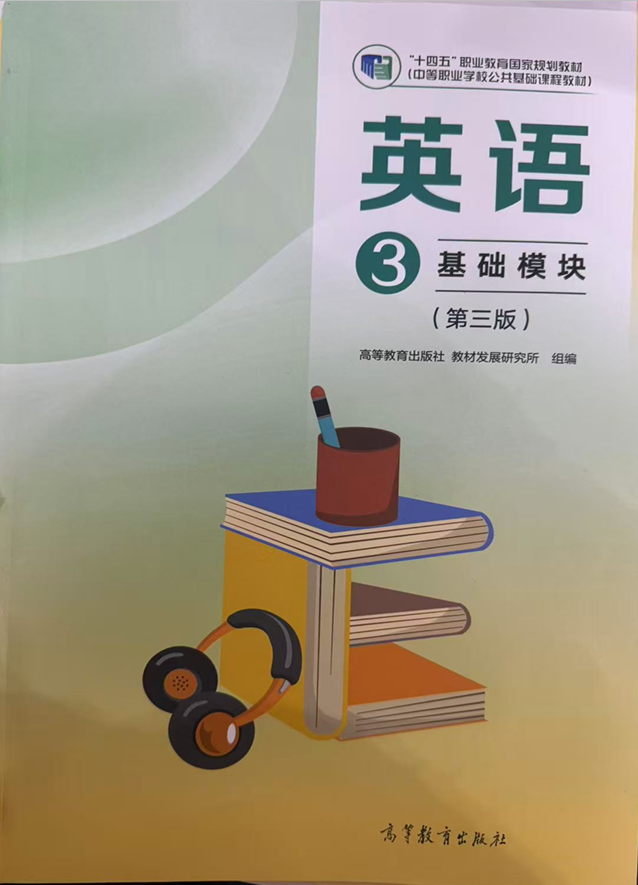
Unit 7 Natural Disasters(B卷·能力提升)《英语 基础模块3》(高教版第三版)单元过关卷(原卷版+解析版)
2026-06-30
|
2份
|
22页
|
50人阅读
|
0人下载
摘要:
**基本信息**
紧扣《英语 基础模块3》Unit 7,B卷能力提升卷通过真实灾害情境整合语言知识与主题探究,适配单元复习,提升语言应用能力与问题解决思维。
**题型特征**
|题型|题量/分值|知识覆盖|命题特色|
|----|-----------|----------|----------|
|情景交际|15题/20分|灾害讨论、海报设计等对话(如洪水原因分析、可持续发展解释)|情境贴近生活,考查交际策略与逻辑表达|
|阅读理解|20题/40分|海绵社区、干旱、沙尘暴等主题(如A篇城市防洪措施)|素材聚焦社会热点,培养信息获取与批判性思维|
|完形填空|10题/10分|社区洪水问题与解决方案(如 drains 清理、雨园重建)|语篇连贯,融合语法与主题逻辑|
|语法填空|10题/10分|环境讨论中的语法(如被动语态、非谓语)|语法嵌入主题语境,强化知识应用|
|书面表达|1题/20分|人类活动与灾害关系及建议(如具体案例与改进措施)|综合语言输出,提升责任意识与表达能力|
内容正文:
编写说明:本套试卷紧扣《英语 基础模块3》(高教版第三版)教材,以教材单元为基准精准覆盖核心考点。
每个单元设置AB卷,A卷为基础巩固卷,侧重基础考点训练,帮助学生扎实掌握知识要点;B卷为能力提升卷,注重知识整合与全面检测,引导学生构建知识网络。全书设计4份综合测试卷,模拟实战情境,聚焦解题能力突破,全面提升应试能力与知识应用水平。
《英语 基础模块3》(高教版第三版)《单元过关卷》
Unit 7 Natural Disasters
B卷·能力提升
考试时间:120分钟 满分:100分
班级_____姓名_____学号_____成绩_____
一、情景交际(共15小题;满分20分)
第一节 读下列10个短对话,从题后所给的 A、B、C、D 四个选项中选出可以填入空白处的最佳选项。(共10小题,每小题1分,满分10分)
1. —The news says the number of reported floods has increased in several areas. What do you think of it?
—_______. We need to look at both climate factors and human activities.
A. It is only about travel plans B. I prefer sunny weather
C. The poster is too small D. It deserves serious discussion
2. —Our group cannot decide whether to write about smog or acid rain on the poster.
—_______. Both are connected with harmful gases, but you should choose one focus.
A. You should not read the textbook B. The train will arrive soon
C. Acid rain is a hotel service D. My suggestion is that you compare them first
3. —The foreign traveler is angry because her train has been delayed for six hours.
—_______. A clear explanation and patient service may help her calm down.
A. She must leave without a ticket B. She should not ask for help
C. The receptionist should listen first D. The typhoon is a poster topic
4. —Why do scientists say some disasters are not actually all that natural?
—_______. Human activities can increase the risk or make the damage worse.
A. Because disasters are always useful B. Because people can name every typhoon
C. Because hotels are near stations D. Because human activities may play a part
5. —Could you explain “sustainable development” in simple English for the poster?
—_______. It means developing in a way that protects resources for the future.
A. Sure B. Never mind
C. I disagree D. That's terrible
6. —Our city is promoting electric buses, but some people still prefer driving private cars every day.
—_______. Changing habits takes time, but public transportation is worth supporting.
A. That is impossible to understand B. You should cancel the bus line
C. The flight was delayed D. I see your point
7. —What did your group learn from the survey about food waste in the dining hall?
—_______. Many students waste food because they take more than they need.
A. Where the dining hall is located is uncertain B. That is why we prepared a travel card
C. It is known to all that English is useful D. What surprised us was that waste was common
8. —The poster says, “Protecting our planet starts with you.” Is the sentence suitable?
—_______. It is short, clear and encouraging.
A. No, it is about a hotel B. Yes, I think so
C. It should be much longer D. I have no train ticket
9. —Some students say individual actions are too small to reduce natural disasters.
—_______. If many people act together, small changes can become powerful.
A. I agree that action is useless B. They should stop learning science
C. It depends on the ticket price D. I don't think so
10. —What should we pay attention to when using facts from a disaster report?
—_______. We should understand the information and use it honestly.
A. We may copy every sentence B. We should check the source and avoid copying
C. We only need colorful pictures D. We should hide important data
第二节 读下面一段对话,从方框中所给的 A、B、C、D、E、F 和 G 七个选项中选出可以填入空白处的最佳选项。(共5小题,每小题2分,满分10分)
M: Our class will present posters on natural disasters next week. Have you decided your topic?
W: Yes. _______ 11 _______
M: That sounds focused. Will you mention both natural causes and human causes?
W: Of course. _______ 12 _______
M: Good. How will you make the poster useful instead of only frightening?
W: _______ 13 _______
M: I like that. Maybe you can add a sentence pattern from our grammar lesson.
W: _______ 14 _______
M: Great. Do you need me to check the English before printing it?
W: _______ 15 _______
A. I will list five daily actions, such as saving water and using public transportation.
B. Yes, please. Could you check whether the sentences are clear?
C. We chose sandstorms and rapid urban development.
D. It is true that some disasters are made worse by human activities.
E. I will only use scary pictures from the Internet.
F. Strong winds are natural, but cutting down trees can make the problem worse.
G. The hotel receptionist helped the traveler.
二、阅读理解(共20小题;每小题2分,满分40分)
阅读下列短文,从题后所给的 A、B、C、D 四个选项中选出最佳答案。
A
A city does not become safe from floods simply because it has tall buildings and wide roads. In fact, rapid urban development can sometimes make flood damage worse if planners ignore the way water naturally moves. When fields, ponds and trees are replaced by concrete, rainwater has fewer places to enter the ground. During a storm, it quickly runs across roads, collects in low areas and puts pressure on drains.
This problem has led some cities to build “sponge communities”. The idea is simple: a city should absorb, store and reuse rainwater like a sponge. In one community, workers changed part of a hard square into a rain garden with grass and small trees. They also used special bricks on walking paths so water could pass through them. The community did not become a park overnight, but residents noticed that water disappeared faster after heavy rain.
Students from a nearby vocational school joined the project as volunteers. Some measured how long water stayed on different surfaces. Others interviewed older residents about past floods. The students learned that technology was useful, but listening to local experience was also important. One student wrote in his report, “The problem is not whether it rains heavily. The problem is whether our city gives rainwater a safe place to go.”
The sponge community cannot prevent every flood, especially during extreme weather. However, it shows a practical direction for sustainable development. Instead of fighting nature only after danger arrives, people can design communities that work with nature before the next storm comes. The project also changes the way residents talk about storms. In the past, many people only complained after water entered the square. Now they discuss whether new buildings leave enough green space and whether rubbish may block drains. This change in public thinking is small, but it is necessary for long-term safety.
16. What may make flood damage worse in cities?
A. Planting trees near roads B. Listening to local residents
C. Using bricks that let water pass through D. Ignoring how water naturally moves
17. What is the main idea of a “sponge community”?
A. A city should become a large park B. A city should absorb, store and reuse rainwater
C. Residents should wash roads after storms D. Students should avoid measuring water
18. Why did students interview older residents?
A. To collect local experience about past floods B. To ask them to build tall buildings
C. To decide which English book to use D. To prove technology was useless
19. What does the student's sentence in Paragraph 3 suggest?
A. Heavy rain is never a problem B. Cities should provide safe ways for rainwater
C. Reports should use difficult grammar D. Drains are less important than posters
20. Which is the best title for the text?
A. A Hotel During a Typhoon B. Why Students Like Rainy Days
C. Sponge Communities and Safer Cities D. How to Cancel a Train Ticket
B
During the summer holiday, three students from a vocational school visited a village that had suffered from a long drought. They expected to see only dry fields, but they found a more complicated story. The village had little rain that year, yet water waste and poor planning also made life harder.
An old farmer told the students that people used to collect rainwater in small ponds. Years ago, some ponds were filled to build houses and parking spaces. Later, when the drought came, the village had fewer places to store water. Another problem was that some families still watered vegetables at noon, when the sun was strongest and much water quickly disappeared. The students recorded these details and compared them with information from the local weather station.
Instead of writing a report that blamed villagers, the students designed a practical poster. It explained that drought was connected with weather, but human choices could increase or reduce the damage. The poster suggested collecting rainwater, watering plants in the early morning or evening, fixing leaking taps and choosing crops that needed less water. It also used a sentence from their English class: “What matters most is that we make a change before the next dry season.”
The village committee put the poster on the notice board. Some villagers began to discuss rebuilding one small pond. The students knew that a poster could not bring rain. Still, it could help people see that environmental protection was not an empty slogan. It was a set of decisions about land, water and habits. The students returned to school with photos, interview notes and several bottles showing how much water different taps wasted in one hour. In their presentation, they did not use difficult words. They used numbers and examples to help classmates understand that saving water is both a personal habit and a community decision.
21. What made the drought problem more complicated in the village?
A. The village had too many English posters
B. Water waste and poor planning also made life harder
C. Students could not find the weather station
D. Farmers refused to grow vegetables
22. Why were the old ponds important?
A. They were used as parking spaces B. They made the sun stronger
C. They stopped students from visiting D. They could store rainwater
23. Which suggestion was included in the students' poster?
A. Watering vegetables at noon B. Filling more ponds to build houses
C. Fixing leaking taps D. Using more water during dry seasons
24. What does the underlined word “It” in the last paragraph refer to?
A. The rain B. The village
C. The poster D. The weather station
25. What is the writer's main purpose?
A. To show that drought damage is influenced by both weather and human choices
B. To describe how to become a weather reporter
C. To prove that villages should stop building houses
D. To explain why students dislike field visits
C
At 7:20 one morning, a sandstorm warning appeared on the school information screen. The message said that students should close classroom windows, wear masks outdoors and avoid running on the playground. Some students complained that the rules were troublesome. Their head teacher, Ms. Zhou, decided to turn the warning into a lesson.
She first asked students what they knew about sandstorms. Many answered that strong winds blew sand into the air. Ms. Zhou agreed, but she asked a second question: “If strong winds are natural, why do some places have worse sandstorms than before?” The class became quiet. Then she showed two pictures. One showed grassland protected by trees. The other showed bare land after too many trees had been cut down. Students quickly noticed the difference.
In groups, students discussed how schools could respond to a sandstorm warning. One group focused on safety: checking windows, reducing outdoor activities and reminding students with breathing problems to be careful. Another group focused on long-term action: planting trees, reducing waste and learning more about sustainable development. A third group designed short English messages for the school screen, such as “It is important that we protect ourselves and our environment.”
By the end of the lesson, students no longer saw the warning as only an inconvenience. They understood that disaster education should include both immediate protection and long-term responsibility. Ms. Zhou told them, “A warning tells us what is happening now, but learning tells us what we should change next.” After class, the school put the students' English messages on the information screen for a week. Some messages reminded students to wear masks; others asked them to protect trees and reduce waste. Parents said the short messages were easier to remember than long notices, especially during busy mornings.
26. What did the warning ask students NOT to do?
A. Close classroom windows B. Wear masks outdoors
C. Run on the playground D. Read the school screen
27. Why did Ms. Zhou ask the second question?
A. To guide students to think about human influence B. To check who forgot a mask
C. To stop students from learning English D. To prove that all winds are dangerous
28. What did the safety group mainly discuss?
A. Planting trees in the future B. Designing a poster title
C. Comparing train and flight delays D. Checking windows and reducing outdoor activities
29. Which sentence best describes the students' change?
A. They moved from complaint to understanding B. They decided warnings were useless
C. They cared only about masks D. They refused to discuss human activities
30. What does Ms. Zhou's final sentence mean?
A. Warnings are more important than learning
B. People should learn from warnings and change future actions
C. Students should read fewer warning messages
D. Sandstorms can be stopped in one lesson
D
In many English classes, environmental protection is taught through words such as recycle, reduce and reuse. These words are useful, but a teacher in Nanjing wanted students to go further. She asked them to interview workers in different jobs and find out how each job could be connected with a greener future.
One group interviewed a delivery worker. They learned that planning routes carefully could save time and reduce fuel use. Another group visited a restaurant and found that the cook kept a daily record of food waste. If too much rice was left at lunch, the restaurant prepared less the next day. A third group talked with a technician at an electric bus station. He explained that checking batteries regularly was important for both safety and clean transportation.
The interviews changed the students' understanding. Before the project, some of them believed environmental protection was mainly about planting trees on special days. After the project, they realized that ordinary jobs also included green choices. A delivery worker, a cook and a technician might not use the same tools, but they could all help reduce waste and pollution.
For the final task, each group wrote a short English report. The teacher did not ask for difficult words. Instead, she looked for accurate information, clear examples and thoughtful reflection. One report ended with the sentence, “The fact is that a greener future depends not only on big plans, but also on responsible work in everyday jobs.” The teacher considered it the best sentence of the project. The project also helped students think about their future careers. Some students wanted to work in logistics, some in restaurants, and some in automobile repair. They began to ask a new question: in my future job, what small green choice can I make every day?
31. What did the teacher ask students to do?
A. Memorize only three environmental words
B. Interview workers and connect jobs with a greener future
C. Plant trees without writing reports
D. Compare English classes in different cities
32. How did the restaurant reduce food waste?
A. By closing at noon B. By asking students to cook
C. By keeping records and preparing proper amounts D. By throwing away rice earlier
33. Why was the technician's work connected with environmental protection?
A. Battery checks supported safety and clean transportation
B. He planted trees at the bus station
C. He canceled all bus routes
D. He wrote English words on buses
34. What changed in the students' understanding?
A. They thought ordinary jobs could include green choices
B. They believed only special tree-planting days mattered
C. They decided tools were more important than responsibility
D. They stopped using examples in reports
35. What did the teacher value in the final reports?
A. Long lists of difficult words B. Accurate information and thoughtful reflection
C. Colorful pictures without examples D. Reports copied from the Internet
三、完形填空(共10小题;每小题1分,满分10分)
阅读下面短文,从短文后各题所给的 A、B、C、D 四个选项中选出可以填入空白处的最佳选项。
A community near the river used to suffer from floods almost every summer. People often said the floods were natural, so there was little they could do. However, a group of vocational school students did not fully _______ 36 _______ with this idea. They decided to investigate the area after a heavy rain.
The students found that rainwater could not move smoothly because many drains were _______ 37 _______ by leaves and plastic bags. In some places, small ponds had been filled for parking. Without these ponds, the community had fewer places to _______ 38 _______ water. The students also noticed that some residents threw rubbish near the river, which made the problem worse.
After the investigation, the students made a report. They wrote that heavy rain was a natural cause, _______ 39 _______ poor environmental management increased the damage. Their suggestion was that the community _______ 40 _______ the drains regularly, rebuild a small rain garden and organize clean-up activities.
At first, a few residents thought these ideas were too simple. The students explained patiently, “What matters is not whether one action looks big. What matters is _______ 41 _______ many small actions work together.” Later, more people joined the clean-up. Children made signs, shop owners prepared bags, and older residents shared stories about past floods.
Three months later, another storm came. The community still had water on the road, but it disappeared much faster than before. People realized that disaster prevention was not only the job of experts. It also depended on whether ordinary people were willing to be _______ 42 _______ for their environment. The project gave the students confidence. They learned how to collect facts, analyze causes and _______ 43 _______ solutions in English. More importantly, they understood that sustainable development should be practiced before danger _______ 44 _______. That was _______ 45 _______ their teacher called the project a real lesson.
36. A. help B. travel C. begin D. agree
37. A. protected B. blocked C. promoted D. canceled
38. A. waste B. pollute C. store D. delay
39. A. or B. but C. so D. if
40. A. clean B. cleans C. cleaned D. cleaning
41. A. where B. when C. how D. what
42. A. famous B. responsible C. absent D. expensive
43. A. hide B. forget C. suggest D. damage
44. A. arrives B. arrived C. arriving D. arrive
45. A. what B. why C. whether D. which
四、语法填空(共10小题;每小题1分,满分10分)
阅读下面短文,在空白处填入适当的内容或括号内单词的正确形式。
Last week, our class held a discussion on whether natural disasters are completely natural. It is clear that earthquakes cannot _______ 46 _______ (prevent) by students, but some other problems may become worse because of human activities. What impressed me most _______ 47 _______ (be) a report about floods in cities.
The report said that when too much land is covered by concrete, rainwater has fewer places _______ 48 _______ (go). That is why drains and green spaces are important. Our teacher also reminded us _______ 49 _______ using public transportation and saving energy could reduce pollution.
For the group task, we _______ 50 _______ (ask) to design an environmental poster. My group chose the title “Make a Change Now”. We wrote that the most important thing was _______ 51 _______ we could turn knowledge into action. We suggested _______ 52 _______ (plant) more trees, reducing food waste and bringing reusable bags.
After class, I realized that environmental protection is not a subject _______ 53 _______ appears only in books. It is something connected with our choices every day. The fact is _______ 54 _______ a safer future needs responsible people. If we act earlier, our community will be _______ 55 _______ (well) prepared for the next storm.
五、书面表达(满分20分)
假如你是李华,你参加了学校“Natural Disasters and Human Activities”项目学习。请你写一篇不少于80词的英文短文,介绍你的项目发现并提出行动建议。要点:1. 说明部分自然灾害损害与人类活动有关;2. 结合一个具体例子说明原因;3. 提出至少三条改进建议;4. 表达你的责任意识。
________________________________________________________________________________
________________________________________________________________________________
________________________________________________________________________________
________________________________________________________________________________
________________________________________________________________________________
原创精品资源学科网独家享有版权,侵权必究!
学科网(北京)股份有限公司
$
编写说明:本套试卷紧扣《英语 基础模块3》(高教版第三版)教材,以教材单元为基准精准覆盖核心考点。
每个单元设置AB卷,A卷为基础巩固卷,侧重基础考点训练,帮助学生扎实掌握知识要点;B卷为能力提升卷,注重知识整合与全面检测,引导学生构建知识网络。全书设计4份综合测试卷,模拟实战情境,聚焦解题能力突破,全面提升应试能力与知识应用水平。
《英语 基础模块3》(高教版第三版)《单元过关卷》
Unit 7 Natural Disasters
B卷·能力提升
考试时间:120分钟 满分:100分
班级_____姓名_____学号_____成绩_____
一、情景交际(共15小题;满分20分)
第一节 读下列10个短对话,从题后所给的 A、B、C、D 四个选项中选出可以填入空白处的最佳选项。(共10小题,每小题1分,满分10分)
1. —The news says the number of reported floods has increased in several areas. What do you think of it?
—_______. We need to look at both climate factors and human activities.
A. It is only about travel plans B. I prefer sunny weather
C. The poster is too small D. It deserves serious discussion
【答案】D
【详解】考查表达观点。后句提出从气候和人类活动两方面分析,D项“值得认真讨论”符合。
2. —Our group cannot decide whether to write about smog or acid rain on the poster.
—_______. Both are connected with harmful gases, but you should choose one focus.
A. You should not read the textbook B. The train will arrive soon
C. Acid rain is a hotel service D. My suggestion is that you compare them first
【答案】D
【详解】考查提出建议及表语从句。My suggestion is that...结构正确,且建议先比较再聚焦。
3. —The foreign traveler is angry because her train has been delayed for six hours.
—_______. A clear explanation and patient service may help her calm down.
A. She must leave without a ticket B. She should not ask for help
C. The receptionist should listen first D. The typhoon is a poster topic
【答案】C
【详解】考查服务情境处理。旅客因延误不满,前台应先倾听并解释。
4. —Why do scientists say some disasters are not actually all that natural?
—_______. Human activities can increase the risk or make the damage worse.
A. Because disasters are always useful B. Because people can name every typhoon
C. Because hotels are near stations D. Because human activities may play a part
【答案】D
【详解】考查原因解释。教材强调部分灾害与人类活动有关,D项准确。
5. —Could you explain “sustainable development” in simple English for the poster?
—_______. It means developing in a way that protects resources for the future.
A. Sure B. Never mind
C. I disagree D. That's terrible
【答案】A
【详解】考查请求解释的回应。后句给出解释,Sure最自然。
6. —Our city is promoting electric buses, but some people still prefer driving private cars every day.
—_______. Changing habits takes time, but public transportation is worth supporting.
A. That is impossible to understand B. You should cancel the bus line
C. The flight was delayed D. I see your point
【答案】D
【详解】考查理解并回应观点。后句辩证说明改变习惯需要时间,D项符合。
7. —What did your group learn from the survey about food waste in the dining hall?
—_______. Many students waste food because they take more than they need.
A. Where the dining hall is located is uncertain B. That is why we prepared a travel card
C. It is known to all that English is useful D. What surprised us was that waste was common
【答案】D
【详解】考查主语从句/表语从句。后句说明调查发现,D项结构和语义均恰当。
8. —The poster says, “Protecting our planet starts with you.” Is the sentence suitable?
—_______. It is short, clear and encouraging.
A. No, it is about a hotel B. Yes, I think so
C. It should be much longer D. I have no train ticket
【答案】B
【详解】考查评价海报语言。后文称其简洁有鼓励性,说明认可。
9. —Some students say individual actions are too small to reduce natural disasters.
—_______. If many people act together, small changes can become powerful.
A. I agree that action is useless B. They should stop learning science
C. It depends on the ticket price D. I don't think so
【答案】D
【详解】考查反驳观点。后句说明集体行动有力量,D项表示不同意。
10. —What should we pay attention to when using facts from a disaster report?
—_______. We should understand the information and use it honestly.
A. We may copy every sentence B. We should check the source and avoid copying
C. We only need colorful pictures D. We should hide important data
【答案】B
【详解】考查资料使用规范。使用报告事实应核对来源且避免照搬。
第二节 读下面一段对话,从方框中所给的 A、B、C、D、E、F 和 G 七个选项中选出可以填入空白处的最佳选项。(共5小题,每小题2分,满分10分)
M: Our class will present posters on natural disasters next week. Have you decided your topic?
W: Yes. _______ 11 _______
M: That sounds focused. Will you mention both natural causes and human causes?
W: Of course. _______ 12 _______
M: Good. How will you make the poster useful instead of only frightening?
W: _______ 13 _______
M: I like that. Maybe you can add a sentence pattern from our grammar lesson.
W: _______ 14 _______
M: Great. Do you need me to check the English before printing it?
W: _______ 15 _______
A. I will list five daily actions, such as saving water and using public transportation.
B. Yes, please. Could you check whether the sentences are clear?
C. We chose sandstorms and rapid urban development.
D. It is true that some disasters are made worse by human activities.
E. I will only use scary pictures from the Internet.
F. Strong winds are natural, but cutting down trees can make the problem worse.
G. The hotel receptionist helped the traveler.
【答案】11.C 12.F 13.A 14.D 15.B
【导语】这段对话围绕Unit 7自然灾害、环保海报和表达观点展开,考查信息衔接和交际功能。
【详解】
11. 上文询问海报主题,C项说明选择“沙尘暴和快速城市发展”。
12. 上文问是否会提到自然和人为原因,F项分别说明强风与砍树的影响。
13. 上文问如何让海报有实用性,A项列出日常环保行动。
14. 上文要求加入语法课句型,D项使用It is true that...主语从句。
15. 上文问是否需要检查英文,B项请求检查句子是否清楚。
二、阅读理解(共20小题;每小题2分,满分40分)
阅读下列短文,从题后所给的 A、B、C、D 四个选项中选出最佳答案。
A
A city does not become safe from floods simply because it has tall buildings and wide roads. In fact, rapid urban development can sometimes make flood damage worse if planners ignore the way water naturally moves. When fields, ponds and trees are replaced by concrete, rainwater has fewer places to enter the ground. During a storm, it quickly runs across roads, collects in low areas and puts pressure on drains.
This problem has led some cities to build “sponge communities”. The idea is simple: a city should absorb, store and reuse rainwater like a sponge. In one community, workers changed part of a hard square into a rain garden with grass and small trees. They also used special bricks on walking paths so water could pass through them. The community did not become a park overnight, but residents noticed that water disappeared faster after heavy rain.
Students from a nearby vocational school joined the project as volunteers. Some measured how long water stayed on different surfaces. Others interviewed older residents about past floods. The students learned that technology was useful, but listening to local experience was also important. One student wrote in his report, “The problem is not whether it rains heavily. The problem is whether our city gives rainwater a safe place to go.”
The sponge community cannot prevent every flood, especially during extreme weather. However, it shows a practical direction for sustainable development. Instead of fighting nature only after danger arrives, people can design communities that work with nature before the next storm comes. The project also changes the way residents talk about storms. In the past, many people only complained after water entered the square. Now they discuss whether new buildings leave enough green space and whether rubbish may block drains. This change in public thinking is small, but it is necessary for long-term safety.
16. What may make flood damage worse in cities?
A. Planting trees near roads B. Listening to local residents
C. Using bricks that let water pass through D. Ignoring how water naturally moves
17. What is the main idea of a “sponge community”?
A. A city should become a large park B. A city should absorb, store and reuse rainwater
C. Residents should wash roads after storms D. Students should avoid measuring water
18. Why did students interview older residents?
A. To collect local experience about past floods B. To ask them to build tall buildings
C. To decide which English book to use D. To prove technology was useless
19. What does the student's sentence in Paragraph 3 suggest?
A. Heavy rain is never a problem B. Cities should provide safe ways for rainwater
C. Reports should use difficult grammar D. Drains are less important than posters
20. Which is the best title for the text?
A. A Hotel During a Typhoon B. Why Students Like Rainy Days
C. Sponge Communities and Safer Cities D. How to Cancel a Train Ticket
【答案】16.D 17.B 18.A 19.B 20.C
【导语】本文是一篇说明文,介绍“海绵社区”如何通过顺应自然水循环来减轻城市内涝风险。
【详解】
16. 本题为细节理解题。根据第1段的“if planners ignore the way water naturally moves”可知,忽视水流规律会加重洪水损害。
17. 本题为细节理解题。根据第2段的“absorb, store and reuse rainwater like a sponge”可知,海绵社区强调吸收、储存和再利用雨水。
18. 本题为细节理解题。根据第3段的“interviewed older residents about past floods”可知,采访老人是为了了解本地过往洪水经验。
19. 本题为推理判断题。学生的话强调城市应给雨水安全去处,B项符合。
20. 本题为标题归纳题。全文围绕海绵社区与城市防洪展开,C项最合适。
B
During the summer holiday, three students from a vocational school visited a village that had suffered from a long drought. They expected to see only dry fields, but they found a more complicated story. The village had little rain that year, yet water waste and poor planning also made life harder.
An old farmer told the students that people used to collect rainwater in small ponds. Years ago, some ponds were filled to build houses and parking spaces. Later, when the drought came, the village had fewer places to store water. Another problem was that some families still watered vegetables at noon, when the sun was strongest and much water quickly disappeared. The students recorded these details and compared them with information from the local weather station.
Instead of writing a report that blamed villagers, the students designed a practical poster. It explained that drought was connected with weather, but human choices could increase or reduce the damage. The poster suggested collecting rainwater, watering plants in the early morning or evening, fixing leaking taps and choosing crops that needed less water. It also used a sentence from their English class: “What matters most is that we make a change before the next dry season.”
The village committee put the poster on the notice board. Some villagers began to discuss rebuilding one small pond. The students knew that a poster could not bring rain. Still, it could help people see that environmental protection was not an empty slogan. It was a set of decisions about land, water and habits. The students returned to school with photos, interview notes and several bottles showing how much water different taps wasted in one hour. In their presentation, they did not use difficult words. They used numbers and examples to help classmates understand that saving water is both a personal habit and a community decision.
21. What made the drought problem more complicated in the village?
A. The village had too many English posters
B. Water waste and poor planning also made life harder
C. Students could not find the weather station
D. Farmers refused to grow vegetables
22. Why were the old ponds important?
A. They were used as parking spaces B. They made the sun stronger
C. They stopped students from visiting D. They could store rainwater
23. Which suggestion was included in the students' poster?
A. Watering vegetables at noon B. Filling more ponds to build houses
C. Fixing leaking taps D. Using more water during dry seasons
24. What does the underlined word “It” in the last paragraph refer to?
A. The rain B. The village
C. The poster D. The weather station
25. What is the writer's main purpose?
A. To show that drought damage is influenced by both weather and human choices
B. To describe how to become a weather reporter
C. To prove that villages should stop building houses
D. To explain why students dislike field visits
【答案】21.B 22.D 23.C 24.C 25.A
【导语】本文是一篇调查类记叙文,讲述学生走访干旱村庄后发现天气和人类选择共同影响灾害损害。
【详解】
21. 本题为细节理解题。根据第1段的“water waste and poor planning also made life harder”可知,浪费水和规划不当使问题更复杂。
22. 本题为细节理解题。根据第2段的“collect rainwater in small ponds”可知,旧池塘可储存雨水。
23. 本题为细节理解题。根据第3段的“fixing leaking taps”可知,修理漏水龙头是建议之一。
24. 本题为代词指代题。上句说a poster could not bring rain,下句Still, it could help people see...,it指代poster。
25. 本题为主旨大意题。文章通过干旱村庄调查说明灾害损害既受天气影响,也受人类选择影响。
C
At 7:20 one morning, a sandstorm warning appeared on the school information screen. The message said that students should close classroom windows, wear masks outdoors and avoid running on the playground. Some students complained that the rules were troublesome. Their head teacher, Ms. Zhou, decided to turn the warning into a lesson.
She first asked students what they knew about sandstorms. Many answered that strong winds blew sand into the air. Ms. Zhou agreed, but she asked a second question: “If strong winds are natural, why do some places have worse sandstorms than before?” The class became quiet. Then she showed two pictures. One showed grassland protected by trees. The other showed bare land after too many trees had been cut down. Students quickly noticed the difference.
In groups, students discussed how schools could respond to a sandstorm warning. One group focused on safety: checking windows, reducing outdoor activities and reminding students with breathing problems to be careful. Another group focused on long-term action: planting trees, reducing waste and learning more about sustainable development. A third group designed short English messages for the school screen, such as “It is important that we protect ourselves and our environment.”
By the end of the lesson, students no longer saw the warning as only an inconvenience. They understood that disaster education should include both immediate protection and long-term responsibility. Ms. Zhou told them, “A warning tells us what is happening now, but learning tells us what we should change next.” After class, the school put the students' English messages on the information screen for a week. Some messages reminded students to wear masks; others asked them to protect trees and reduce waste. Parents said the short messages were easier to remember than long notices, especially during busy mornings.
26. What did the warning ask students NOT to do?
A. Close classroom windows B. Wear masks outdoors
C. Run on the playground D. Read the school screen
27. Why did Ms. Zhou ask the second question?
A. To guide students to think about human influence B. To check who forgot a mask
C. To stop students from learning English D. To prove that all winds are dangerous
28. What did the safety group mainly discuss?
A. Planting trees in the future B. Designing a poster title
C. Comparing train and flight delays D. Checking windows and reducing outdoor activities
29. Which sentence best describes the students' change?
A. They moved from complaint to understanding B. They decided warnings were useless
C. They cared only about masks D. They refused to discuss human activities
30. What does Ms. Zhou's final sentence mean?
A. Warnings are more important than learning
B. People should learn from warnings and change future actions
C. Students should read fewer warning messages
D. Sandstorms can be stopped in one lesson
【答案】26.C 27.A 28.D 29.A 30.B
【导语】本文是一篇校园教育故事,讲述教师借沙尘暴预警引导学生理解即时防护和长期环保责任。
【详解】
26. 本题为细节理解题。根据第1段的“avoid running on the playground”可知,预警要求避免在操场跑步。
27. 本题为推理判断题。第二个问题追问为什么有些地方沙尘暴更严重,引导学生思考人类影响。
28. 本题为细节理解题。根据第3段的“checking windows, reducing outdoor activities...”可知,安全组关注检查窗户、减少户外活动等。
29. 本题为推理判断题。学生从抱怨规则麻烦,到理解灾害教育意义,A项准确。
30. 本题为句意理解题。周老师的话强调从预警中学习,并改变未来行动。
D
In many English classes, environmental protection is taught through words such as recycle, reduce and reuse. These words are useful, but a teacher in Nanjing wanted students to go further. She asked them to interview workers in different jobs and find out how each job could be connected with a greener future.
One group interviewed a delivery worker. They learned that planning routes carefully could save time and reduce fuel use. Another group visited a restaurant and found that the cook kept a daily record of food waste. If too much rice was left at lunch, the restaurant prepared less the next day. A third group talked with a technician at an electric bus station. He explained that checking batteries regularly was important for both safety and clean transportation.
The interviews changed the students' understanding. Before the project, some of them believed environmental protection was mainly about planting trees on special days. After the project, they realized that ordinary jobs also included green choices. A delivery worker, a cook and a technician might not use the same tools, but they could all help reduce waste and pollution.
For the final task, each group wrote a short English report. The teacher did not ask for difficult words. Instead, she looked for accurate information, clear examples and thoughtful reflection. One report ended with the sentence, “The fact is that a greener future depends not only on big plans, but also on responsible work in everyday jobs.” The teacher considered it the best sentence of the project. The project also helped students think about their future careers. Some students wanted to work in logistics, some in restaurants, and some in automobile repair. They began to ask a new question: in my future job, what small green choice can I make every day?
31. What did the teacher ask students to do?
A. Memorize only three environmental words
B. Interview workers and connect jobs with a greener future
C. Plant trees without writing reports
D. Compare English classes in different cities
32. How did the restaurant reduce food waste?
A. By closing at noon B. By asking students to cook
C. By keeping records and preparing proper amounts D. By throwing away rice earlier
33. Why was the technician's work connected with environmental protection?
A. Battery checks supported safety and clean transportation
B. He planted trees at the bus station
C. He canceled all bus routes
D. He wrote English words on buses
34. What changed in the students' understanding?
A. They thought ordinary jobs could include green choices
B. They believed only special tree-planting days mattered
C. They decided tools were more important than responsibility
D. They stopped using examples in reports
35. What did the teacher value in the final reports?
A. Long lists of difficult words B. Accurate information and thoughtful reflection
C. Colorful pictures without examples D. Reports copied from the Internet
【答案】31.B 32.C 33.A 34.A 35.B
【导语】本文是一篇项目学习说明文,介绍学生通过职业采访理解不同岗位中的绿色选择和责任。
【详解】
31. 本题为细节理解题。根据第1段的“interview workers... connected with a greener future”可知,教师要求采访劳动者并联系绿色未来。
32. 本题为细节理解题。根据第2段的“kept a daily record of food waste... prepared less the next day”可知,餐厅通过记录和调整备餐减少浪费。
33. 本题为细节理解题。根据第2段的“checking batteries regularly was important for both safety and clean transportation”可知,电池检查关系到安全和清洁交通。
34. 本题为推理判断题。第3段说明学生从认为环保只是特殊日植树,转变为认识普通工作也有绿色选择。
35. 本题为细节理解题。根据末段的“accurate information, clear examples and thoughtful reflection”可知,教师重视准确资料、清楚例子和深入反思。
三、完形填空(共10小题;每小题1分,满分10分)
阅读下面短文,从短文后各题所给的 A、B、C、D 四个选项中选出可以填入空白处的最佳选项。
A community near the river used to suffer from floods almost every summer. People often said the floods were natural, so there was little they could do. However, a group of vocational school students did not fully _______ 36 _______ with this idea. They decided to investigate the area after a heavy rain.
The students found that rainwater could not move smoothly because many drains were _______ 37 _______ by leaves and plastic bags. In some places, small ponds had been filled for parking. Without these ponds, the community had fewer places to _______ 38 _______ water. The students also noticed that some residents threw rubbish near the river, which made the problem worse.
After the investigation, the students made a report. They wrote that heavy rain was a natural cause, _______ 39 _______ poor environmental management increased the damage. Their suggestion was that the community _______ 40 _______ the drains regularly, rebuild a small rain garden and organize clean-up activities.
At first, a few residents thought these ideas were too simple. The students explained patiently, “What matters is not whether one action looks big. What matters is _______ 41 _______ many small actions work together.” Later, more people joined the clean-up. Children made signs, shop owners prepared bags, and older residents shared stories about past floods.
Three months later, another storm came. The community still had water on the road, but it disappeared much faster than before. People realized that disaster prevention was not only the job of experts. It also depended on whether ordinary people were willing to be _______ 42 _______ for their environment. The project gave the students confidence. They learned how to collect facts, analyze causes and _______ 43 _______ solutions in English. More importantly, they understood that sustainable development should be practiced before danger _______ 44 _______. That was _______ 45 _______ their teacher called the project a real lesson.
36. A. help B. travel C. begin D. agree
37. A. protected B. blocked C. promoted D. canceled
38. A. waste B. pollute C. store D. delay
39. A. or B. but C. so D. if
40. A. clean B. cleans C. cleaned D. cleaning
41. A. where B. when C. how D. what
42. A. famous B. responsible C. absent D. expensive
43. A. hide B. forget C. suggest D. damage
44. A. arrives B. arrived C. arriving D. arrive
45. A. what B. why C. whether D. which
【答案】36.D 37.B 38.C 39.B 40.A 41.C 42.B 43.C 44.A 45.B
【导语】本文是一篇项目学习记叙文。文章讲述中职学生调查社区洪水问题,发现人为管理因素并提出解决方案,体现防灾与环保责任。
【详解】
36. 考查动词词义辨析。学生不完全同意“无事可做”的观点,agree with符合。故选D。
37. 考查动词词义辨析。排水口被树叶和塑料袋堵塞,blocked符合。故选B。
38. 考查动词词义辨析。池塘可储存雨水,store符合。故选C。
39. 考查连词。前后为转折关系:暴雨是自然原因,但管理不善加重损害。故选B。
40. 考查虚拟语气。suggestion后的表语从句中谓语用should do,should可省略,故选A。
41. 考查表语从句连接词。句意:重要的是许多小行动如何共同发挥作用。故选C。
42. 考查形容词搭配。be responsible for表示“对……负责”。故选B。
43. 考查动词词义辨析。学生学习收集事实、分析原因并提出方案,suggest符合。故选C。
44. 考查时态和主谓一致。before引导时间状语从句,danger为单数,应用arrives。故选A。
45. 考查表语从句。句意:那就是老师称该项目为真正课程的原因,why符合。故选B。
四、语法填空(共10小题;每小题1分,满分10分)
阅读下面短文,在空白处填入适当的内容或括号内单词的正确形式。
Last week, our class held a discussion on whether natural disasters are completely natural. It is clear that earthquakes cannot _______ 46 _______ (prevent) by students, but some other problems may become worse because of human activities. What impressed me most _______ 47 _______ (be) a report about floods in cities.
The report said that when too much land is covered by concrete, rainwater has fewer places _______ 48 _______ (go). That is why drains and green spaces are important. Our teacher also reminded us _______ 49 _______ using public transportation and saving energy could reduce pollution.
For the group task, we _______ 50 _______ (ask) to design an environmental poster. My group chose the title “Make a Change Now”. We wrote that the most important thing was _______ 51 _______ we could turn knowledge into action. We suggested _______ 52 _______ (plant) more trees, reducing food waste and bringing reusable bags.
After class, I realized that environmental protection is not a subject _______ 53 _______ appears only in books. It is something connected with our choices every day. The fact is _______ 54 _______ a safer future needs responsible people. If we act earlier, our community will be _______ 55 _______ (well) prepared for the next storm.
【答案】46. be prevented 47. was 48. to go 49. that 50. were asked 51. how 52. planting 53. that/which 54. that 55. better
【导语】本文是一篇学习反思,围绕自然灾害是否完全自然、城市洪水成因和环保海报任务展开。
【详解】
46. 考查被动语态。earthquakes与prevent为被动关系,cannot后用be done,故填be prevented。
47. 考查主谓一致和时态。主语为What impressed me most,叙述过去课堂活动,故填was。
48. 考查非谓语动词。places后用不定式作后置定语,表示“可去的地方”,故填to go。
49. 考查宾语从句。reminded us后接完整陈述内容,故填that。
50. 考查被动语态。we与ask之间为被动关系,过去时复数,故填were asked。
51. 考查表语从句。句意:最重要的是我们如何把知识变成行动,故填how。
52. 考查非谓语动词。suggest doing sth.,故填planting。
53. 考查定语从句。先行词subject指物,关系词在从句中作主语,故填that或which。
54. 考查表语从句。The fact is that...为常见结构,故填that。
55. 考查比较级。be better prepared表示“准备得更充分”,故填better。
五、书面表达(满分20分)
假如你是李华,你参加了学校“Natural Disasters and Human Activities”项目学习。请你写一篇不少于80词的英文短文,介绍你的项目发现并提出行动建议。要点:1. 说明部分自然灾害损害与人类活动有关;2. 结合一个具体例子说明原因;3. 提出至少三条改进建议;4. 表达你的责任意识。
________________________________________________________________________________
________________________________________________________________________________
________________________________________________________________________________
________________________________________________________________________________
________________________________________________________________________________
【参考范文】
In our project, I learned that some natural disasters are not completely natural. For example, heavy rain may be natural, but floods can become worse when drains are blocked and green land is covered by concrete. This shows that human activities may increase the damage. To make our community safer, we should take action before danger comes. First, we can keep drains clean and never throw rubbish near rivers. Second, we should plant more trees and protect green spaces. Third, we can use public transportation, save energy and reduce waste in daily life. The fact is that environmental protection is closely connected with responsibility. What matters most is how we turn ideas into action. If everyone makes a small change, our future will be safer and greener.
【词汇积累】human activities人类活动;increase the damage加重损害;blocked drains堵塞的排水口;green spaces绿地;responsibility责任;turn ideas into action把想法转化为行动
【句式拓展】Some natural disasters are not completely natural.;This shows that...;The fact is that...;What matters most is how...;If everyone..., our future will...
【点睛】范文用具体例子解释“自然原因+人为加重”的关系,随后提出可执行行动,能体现B卷综合运用和浅层分析要求。
【命题质检记录】
题型题量:情景交际15题、阅读理解20题、完形填空10题、语法填空10题、书面表达1题,合计100分。
教材回扣:强化自然灾害与人类活动关系、环保项目学习、绿色职业、主语从句和表语从句综合运用。
阅读词数:A篇约308词,B篇约310词,C篇约294词,D篇约299词,均符合江苏版能力提升卷训练要求。
答案分布:选择题答案覆盖A/B/C/D,B卷适当提高信息整合、推理判断和语境语法难度。
原创精品资源学科网独家享有版权,侵权必究!
学科网(北京)股份有限公司
$
资源预览图

1

2

3
由于学科网是一个信息分享及获取的平台,不确保部分用户上传资料的 来源及知识产权归属。如您发现相关资料侵犯您的合法权益,请联系学科网,我们核实后将及时进行处理。