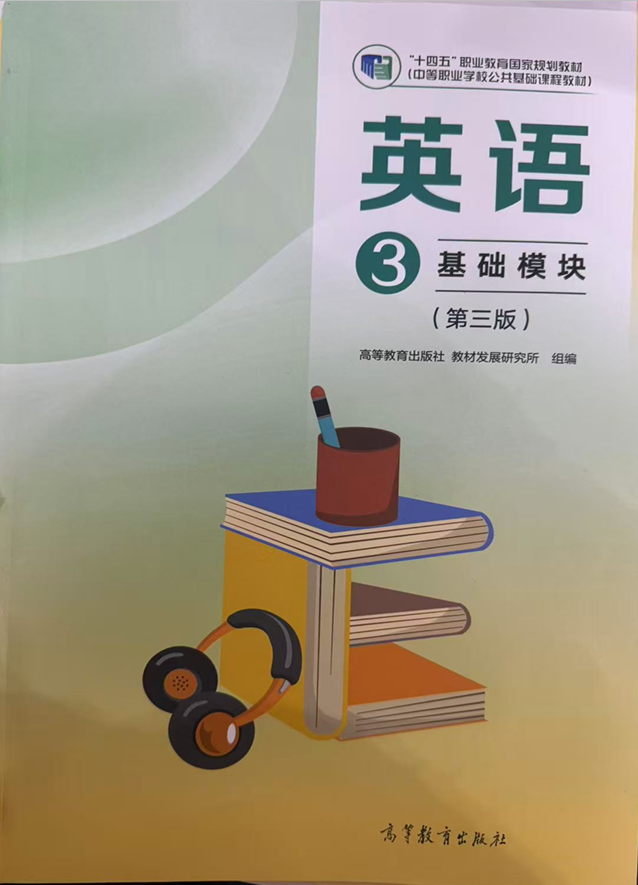
Unit 6 Living History of Culture(A卷·基础巩固)《英语 基础模块3》(高教版第三版)单元过关卷(原卷版+解析版)
2026-06-30
|
2份
|
28页
|
69人阅读
|
0人下载
内容正文:
编写说明:本套试卷紧扣《英语 基础模块3》(高教版第三版)教材,以教材单元为基准精准覆盖核心考点。
每个单元设置AB卷,A卷为基础巩固卷,侧重基础考点训练,帮助学生扎实掌握知识要点;B卷为能力提升卷,注重知识整合与全面检测,引导学生构建知识网络。全书设计4份综合测试卷,模拟实战情境,聚焦解题能力突破,全面提升应试能力与知识应用水平。
《英语 基础模块3》(高教版第三版)《单元过关卷》
Unit 6 Living History of Culture
A卷·基础巩固
考试时间:120分钟 满分:100分
班级_____姓名_____学号_____成绩_____
一、情景交际(共15小题;满分20分)
第一节 读下列10个短对话,从题后所给的 A、B、C、D 四个选项中选出可以填入空白处的最佳选项。(共10小题,每小题1分,满分10分)
1. —I am planning a one-day trip to Xi'an, but I do not know how to introduce the city to my foreign friend.
—_______. You can begin with its long history and the Silk Road.
A. You should only talk about modern shopping centers.
B. That sounds like a good starting point.
C. I have never heard of the Silk Road.
D. It is too difficult to travel there.
2. —Why are so many visitors interested in the Terracotta Army?
—_______. No two figures are exactly the same.
A. Because it is a small modern art show.
B. Because it is far away from Xi'an.
C. Because the life-sized figures are amazing.
D. Because visitors can paint the figures freely.
3. —Could you tell me more about Chinese paper-cutting? I want to buy a meaningful gift.
—_______. It is a traditional handicraft and often carries wishes for good luck.
A. No problem.
B. I do not need a gift.
C. You should leave now.
D. It was built in ancient times.
4. —The Great Wall stretches across northern China and reminds people of ancient history.
—_______. I hope to visit it this autumn.
A. It is only a city square.
B. It is not connected with history.
C. You should not travel in autumn.
D. That sounds fantastic.
5. —Which place did Lin Yang think was the most attractive in Beijing?
—_______. He said it was a great place to learn about Chinese history.
A. The Summer Palace did.
B. The Great Wall did.
C. The classroom did.
D. The hotel did.
6. —I want to describe the Potala Palace in English. What expression can I use?
—_______. Then you can add why it is worth visiting.
A. It is the place where I do homework.
B. It is a book about travel plans.
C. It has a history of many years.
D. It is my regular school activity.
7. —Our class will make a video about traditional Chinese culture. Shall we include embroidery and Peking Opera?
—_______. They can show the beauty of Chinese art.
A. That is a good idea.
B. I do not like any art forms.
C. We have no need to collect information.
D. They are only sports activities.
8. —When is the best season to visit the Great Wall, spring or winter?
—_______. The weather is usually mild and pleasant.
A. It is located near Beijing.
B. It was constructed in ancient times.
C. It attracts millions of visitors.
D. Spring is a good choice.
9. —I cannot understand why the museum is called a living history book.
—_______. You can see ancient objects and learn stories behind them there.
A. It closes very early every day.
B. It sells only modern products.
C. It helps visitors experience history directly.
D. It is difficult to find the entrance.
10. —The travel poster says the ancient bridge was originally built for trade. What does “originally” mean here?
—_______.
A. Suddenly.
B. At first.
C. Regularly.
D. Exactly.
第二节 读下面一段对话,从方框中所给的 A、B、C、D、E、F 和 G 七个选项中选出可以填入空白处的最佳选项。(共5小题,每小题2分,满分10分)
Mary: Hi, Chen Jie. I heard you visited Xi'an during the holiday. Was it interesting?
Chen Jie: Yes. It is a city with a long history. _______ 11 _______
Mary: That sounds like a living history book. Which place impressed you most?
Chen Jie: The Shaanxi History Museum. _______ 12 _______
Mary: I am also interested in the Terracotta Army. Could you tell me more about it?
Chen Jie: _______ 13 _______ The figures are life-sized, and each face looks different.
Mary: Amazing! Why do many people compare it with the Great Pyramid?
Chen Jie: _______ 14 _______
Mary: I see. We should learn to introduce these wonders confidently.
Chen Jie: Exactly. _______ 15 _______
A. Both show the wisdom and hard work of ancient people.
B. It is the right place to learn about Chinese history.
C. They help us understand and love our culture better.
D. It was once the starting point of the Silk Road.
E. I bought a map before entering the museum.
F. No problem.
G. I only stayed in the hotel that day.
二、阅读理解(共20小题;每小题2分,满分40分)
A
During the spring study tour, our vocational school visited Xi'an for two days. Before the trip, Ms. Zhao asked each group to prepare a short English introduction to one historical site. My group chose the Xi'an City Wall because it was easier for us to see how an old construction still lives in a modern city. We collected information, drew a simple route map and learned useful expressions such as “It has a history of...” and “It is the starting point of...”.
When we arrived, the wall looked much larger than the photos in our textbook. It stretched around the old city like a quiet guard. Our guide told us that visitors could walk or ride bikes on the wall. Instead of only taking pictures, we stopped at several points and compared the old gates with the busy streets outside. I found that history was not something far away. It was beside buses, shops and young people with mobile phones.
In the afternoon, each group gave its introduction in English. A classmate said, “The City Wall reminds me of the regular life and careful planning of ancient people.” Another student introduced the Silk Road and explained why Xi'an attracted traders and travelers from different places. Ms. Zhao praised us because we did not simply read facts from the Internet. We connected the facts with what we saw.
After the tour, I wrote in my travel diary that a historical site is not only an old building. It can be a bridge between the past and the present. If we visit it with questions, we may understand our city and culture more deeply.
The activity also encouraged students to ask practical questions before, during and after the visit. In this way, they did not see culture as fixed information, but as knowledge that could be observed, discussed and shared through clear English.
16. What did the writer's group prepare before the trip?
A. A plan to repair the old city gates.
B. A report about modern shopping streets.
C. A speech about foreign food cultures.
D. A short English introduction to the Xi'an City Wall.
17. Why did the writer feel history was not far away?
A. Because the guide spoke English very well.
B. Because the textbook had many colorful pictures.
C. Because all students rode bikes on the wall.
D. Because the wall stood beside modern city life.
18. The underlined word “It” in Paragraph 2 refers to _______.
A. the mobile phone
B. the route map
C. the Xi'an City Wall
D. the busy street
19. What did Ms. Zhao praise the students for?
A. Taking many beautiful photos.
B. Connecting facts with real experience.
C. Drawing the most colorful city map.
D. Reading facts quickly from the Internet.
20. What is the best title for the passage?
A. A Wall That Connects Past and Present
B. How to Ride Bikes Safely in Xi'an
C. The Best Food Near the City Wall
D. A Modern Shopping Day in Xi'an
B
In a small shop near a famous museum, Li Mei works as a salesperson of traditional Chinese handicrafts during weekends. The shop sells paper-cuttings, embroidery bags and small clay figures. Most visitors are interested in paper-cutting because the red designs are bright, light and easy to carry home. However, Li Mei knows that a good salesperson should not only say the price. She should also tell the cultural meaning behind the product.
One Saturday, a foreign visitor picked up a paper-cutting of two fish and asked, “Is it only used for decoration?” Li Mei smiled and explained that paper-cutting has a long history in China. People often put it on windows or doors during festivals. The fish design usually expresses the wish for a rich and happy life, because the Chinese word for fish sounds like the word for “plenty”. The visitor listened carefully and then asked how such a thin piece of paper could show so many details.
Li Mei took out a practice sheet and showed the basic steps. First, fold the paper. Next, draw a simple pattern. Then, cut slowly and keep both sides balanced. She also reminded the visitor to use scissors safely. The visitor tried a small flower pattern. It was not perfect, but he was excited because he had created a cultural product with his own hands.
At the end, the visitor bought several paper-cuttings and said he would introduce them to his family. Li Mei felt proud. She realized that introducing a handicraft in English was also a way to share living history. A small product could carry stories, skills and warm wishes across cultures.
The activity also encouraged students to ask practical questions before, during and after the visit. In this way, they did not see culture as fixed information, but as knowledge that could be observed, discussed and shared through clear English.
For vocational students, such practice is useful because it connects language learning with real communication. They can use simple but accurate expressions to introduce Chinese culture and show respect for different civilizations.
This experience reminds young learners that a meaningful trip needs preparation, observation and reflection. When they record facts and feelings together, their English writing becomes clearer and more convincing.
21. What does Li Mei do in the shop during weekends?
A. She repairs museum objects for visitors.
B. She sells and introduces traditional handicrafts.
C. She designs modern clothes for foreign visitors.
D. She teaches visitors history only from books.
22. Why are many visitors interested in paper-cutting?
A. It is cheaper than all other handicrafts.
B. Because it is bright, light and easy to take home.
C. It can only be used for festival decoration.
D. It has no cultural meaning at all.
23. The fish design in paper-cutting usually means _______.
A. safe travel
B. strong city walls
C. plenty and happiness
D. military defense power
24. What did Li Mei remind the visitor to do?
A. Buy all handicrafts in the shop.
B. Draw difficult patterns before cutting.
C. Use scissors safely.
D. Keep the paper wet while cutting.
25. What can we learn from the passage?
A. Salespeople only need to remember product prices.
B. Traditional products can help share culture.
C. Foreigners refuse hands-on cultural activities.
D. Paper-cutting is hard to introduce in English.
C
A travel agency in Nanjing designed a poster called “Discover the Great Wall with Us”. The poster was prepared for vocational school students who were learning how to describe historical sites in English. It did not simply list ticket prices. Instead, it introduced the Great Wall as a wonder of human construction and invited young people to explore its history, scenery and cultural meaning.
The poster explained that the Great Wall stretches across northern China. Some parts are restored and easy to walk on, while other parts keep a more ancient look. Badaling is convenient for first-time visitors because transport is easy and safety services are complete. Mutianyu is quieter and offers beautiful mountain views. Simatai is attractive to travelers who want to see a more original style. The agency advised students to choose a route according to their time, health condition and travel purpose.
The poster also gave practical language tips. Students could say, “It has a long history,” “It reminds people of ancient wisdom,” or “Autumn is the best season when the weather is clear.” These expressions helped them connect travel information with the grammar point of where, when and why. The poster asked students to write three sentences about a place they wanted to visit and explain their reasons.
After reading the poster, many students found that travel English was not only about buying tickets or booking hotels. It could help them introduce China to visitors in a confident and accurate way. A good introduction should include facts, feelings and useful advice. More importantly, it should show respect for history and culture.
The activity also encouraged students to ask practical questions before, during and after the visit. In this way, they did not see culture as fixed information, but as knowledge that could be observed, discussed and shared through clear English.
26. Who was the poster mainly prepared for?
A. Professional mountain climbers.
B. Vocational school students learning English.
C. Hotel sales staff in Nanjing.
D. Agency professional drivers.
27. Which part of the Great Wall is convenient for first-time visitors?
A. Mutianyu.
B. Badaling.
C. Simatai.
D. Wild unknown sections.
28. Why does the poster mention “where, when and why”?
A. To help students combine travel English with grammar.
B. To teach students how to book travel tickets.
C. To compare northern and southern scenery.
D. To guide workers to repair ancient walls.
29. According to the passage, a good introduction should include facts, feelings and _______.
A. expensive travel gifts
B. classic ancient poems
C. useful advice
D. hotel advertising content
30. What is the main purpose of the passage?
A. To introduce different parts of the Great Wall.
B. To show travel posters help students learn culture.
C. To advise students to travel alone.
D. To teach students to design posters.
D
When people talk about world wonders, the Terracotta Army and the Great Pyramid of Giza are often mentioned. They are in different countries and were built for different rulers, but both show the amazing ability of ancient people to plan and construct large projects. For students, comparing them is a useful way to learn cultural information and practise English expressions.
The Terracotta Army lies near Xi'an. It was created to guard the underground kingdom of Qinshihuang. More than 8,000 life-sized figures and horses have been found in the main areas. Their faces, hair styles and expressions are not exactly the same, which makes visitors feel that they are looking at real soldiers from history. Although the figures look gray today, researchers believe many of them were originally painted in bright colors.
The Great Pyramid of Giza stands on the edge of the desert near the Nile River. It was built as a resting place for an Egyptian king. Huge stone blocks were moved and put together with surprising accuracy. Unlike the Terracotta Army, the pyramid looks simple from far away, but its size and structure are brilliant examples of ancient engineering.
The two wonders remind us that culture is not locked in books. It can be seen in clay, stone, space and design. We do not need to decide which wonder is greater. Instead, we can ask better questions: Why did ancient people build them? What skills did they use? What can we learn from their respect for life, power and the future? Such questions make history alive.
The activity also encouraged students to ask practical questions before, during and after the visit. In this way, they did not see culture as fixed information, but as knowledge that could be observed, discussed and shared through clear English.
For vocational students, such practice is useful because it connects language learning with real communication. They can use simple but accurate expressions to introduce Chinese culture and show respect for different civilizations.
31. What is the passage mainly about?
A. A travel plan for Egypt and China.
B. Comparison of two ancient world wonders.
C. The history of modern museum construction.
D. An introduction of all global wonders.
32. What makes the Terracotta figures seem like real soldiers?
A. Their single gray color.
B. Their different faces and expressions.
C. Their location in desert areas.
D. Their huge stone building style.
33. The Great Pyramid of Giza was built as _______.
A. an ancient city wall
B. a royal resting place
C. a modern exhibition hall
D. an engineering training base
34. Which word is closest in meaning to “accuracy” in Paragraph 3?
A. carelessness
B. exactness
C. distance
D. beauty
35. What does the writer suggest students do when comparing wonders?
A. Ignore one of the two wonders.
B. Raise thoughtful questions to learn history.
C. Only remember building numbers.
D. Focus only on travel costs.
三、完形填空(共10小题;每小题1分,满分10分)
阅读下面短文,从短文后各题所给的 A、B、C、D 四个选项中,选出可以填入空白处的最佳选项。
Last month, our class held an English activity called “A Cultural Product I Like”. I chose a piece of paper-cutting because it was small but full of meaning. At first, I only wanted to describe its red color. After searching for information, I found that it had a much longer _______ 36 _______ than I had expected.
Paper-cutting is often used during festivals. People put it on windows to make their homes look _______ 37 _______ and warm. Some patterns, such as fish and flowers, carry wishes for a better life. When I introduced it to my classmates, I tried to speak _______ 38 _______ so that everyone could understand. I said that a cultural product was not just something to buy. It could _______ 39 _______ us of family memories and traditional skills.
My teacher asked me why young people should learn about handicrafts. I answered that they help us build cultural _______ 40 _______. Later, a foreign student asked me how the pattern was made _______ 41 _______ scissors. I showed him the folding steps and then _______ 42 _______ my own experience. I also told him _______ 43 _______ people usually put paper-cuttings on windows. He became _______ 44 _______ interested in the fish pattern because he liked its good _______ 45 _______.
36. A. price B. color C. history D. ticket
37. A. brilliant B. gray C. empty D. regular
38. A. suddenly B. exactly C. carelessly D. heavily
39. A. stop B. remind C. hide D. warn
40. A. confidence B. weather C. traffic D. noise
41. A. for B. by C. with D. from
42. A. constructed B. missed C. forgotten D. shared
43. A. where B. when C. what D. who
44. A. especially B. nearly C. only D. never
45. A. problem B. mistake C. meaning D. address
四、语法填空(共10小题;每小题1分,满分10分)
阅读下面短文,在空白处填入1个适当的单词或括号内单词的正确形式。
Xi'an is a city _______ 46 _______ many students want to visit. It has more than 3,000 years of history and was once the starting point of the Silk Road. Last summer, Chen Jie _______ 47 _______ (travel) there with his family. The first place that they visited _______ 48 _______ (be) the Shaanxi History Museum. He thought it was the right place _______ 49 _______ (learn) about Chinese history.
On the second day, they went to see the Terracotta Army. The life-sized figures stood in regular rows. _______ 50 _______ (amazing), no two faces were exactly the same. Some figures were _______ 51 _______ (original) painted in bright colors, though they look gray today. The sight reminded Chen Jie _______ 52 _______ his history lessons.
After the trip, Chen Jie wrote a travel diary. He explained why Xi'an attracted _______ 53 _______ (visitor) from around the world. He also used the sentence pattern “the place where...” _______ 54 _______ (describe) the city. His teacher said his diary was clear and _______ 55 _______ (meaning).
五、书面表达(满分20分)
假如你是李华,你的外国朋友Tom想了解一处中国历史名胜。请你用英语写一封邮件,介绍你想推荐的名胜。内容包括:
1. 名胜名称及位置;
2. 它的历史或文化特点;
3. 推荐参观的理由。
注意:词数不少于80;开头和结尾已给出,不计入总词数。
Dear Tom,
I am glad to introduce a historical site in China to you.
________________________________________________________________________________
________________________________________________________________________________
________________________________________________________________________________
原创精品资源学科网独家享有版权,侵权必究!
学科网(北京)股份有限公司
$
编写说明:本套试卷紧扣《英语 基础模块3》(高教版第三版)教材,以教材单元为基准精准覆盖核心考点。
每个单元设置AB卷,A卷为基础巩固卷,侧重基础考点训练,帮助学生扎实掌握知识要点;B卷为能力提升卷,注重知识整合与全面检测,引导学生构建知识网络。全书设计4份综合测试卷,模拟实战情境,聚焦解题能力突破,全面提升应试能力与知识应用水平。
《英语 基础模块3》(高教版第三版)《单元过关卷》
Unit 6 Living History of Culture
A卷·基础巩固
考试时间:120分钟 满分:100分
班级_____姓名_____学号_____成绩_____
一、情景交际(共15小题;满分20分)
第一节 读下列10个短对话,从题后所给的 A、B、C、D 四个选项中选出可以填入空白处的最佳选项。(共10小题,每小题1分,满分10分)
1. —I am planning a one-day trip to Xi'an, but I do not know how to introduce the city to my foreign friend.
—_______. You can begin with its long history and the Silk Road.
A. You should only talk about modern shopping centers.
B. That sounds like a good starting point.
C. I have never heard of the Silk Road.
D. It is too difficult to travel there.
【答案】B
【详解】考查建议回应。后句给出“从悠久历史和丝绸之路说起”的具体建议,B项符合语境。
2. —Why are so many visitors interested in the Terracotta Army?
—_______. No two figures are exactly the same.
A. Because it is a small modern art show.
B. Because it is far away from Xi'an.
C. Because the life-sized figures are amazing.
D. Because visitors can paint the figures freely.
【答案】C
【详解】考查询问原因。后句提到每个俑都不完全相同,说明其“真人大小的塑像令人惊叹”,故选C。
3. —Could you tell me more about Chinese paper-cutting? I want to buy a meaningful gift.
—_______. It is a traditional handicraft and often carries wishes for good luck.
A. No problem.
B. I do not need a gift.
C. You should leave now.
D. It was built in ancient times.
【答案】A
【详解】考查请求回应。对方请求介绍剪纸,No problem 表示愿意说明,符合交际功能。
4. —The Great Wall stretches across northern China and reminds people of ancient history.
—_______. I hope to visit it this autumn.
A. It is only a city square.
B. It is not connected with history.
C. You should not travel in autumn.
D. That sounds fantastic.
【答案】D
【详解】考查评价回应。对方介绍长城特点,后句表达参观愿望,D项“听起来很棒”自然承接。
5. —Which place did Lin Yang think was the most attractive in Beijing?
—_______. He said it was a great place to learn about Chinese history.
A. The Summer Palace did.
B. The Great Wall did.
C. The classroom did.
D. The hotel did.
【答案】B
【详解】考查教材情境信息。教材对话中 Lin Yang 认为最有吸引力的是长城,故选B。
6. —I want to describe the Potala Palace in English. What expression can I use?
—_______. Then you can add why it is worth visiting.
A. It is the place where I do homework.
B. It is a book about travel plans.
C. It has a history of many years.
D. It is my regular school activity.
【答案】C
【详解】考查描述名胜古迹的句型。It has a history of...years 是教材中描述历史古迹的核心表达。
7. —Our class will make a video about traditional Chinese culture. Shall we include embroidery and Peking Opera?
—_______. They can show the beauty of Chinese art.
A. That is a good idea.
B. I do not like any art forms.
C. We have no need to collect information.
D. They are only sports activities.
【答案】A
【详解】考查建议回应。Shall we...? 提出建议,后句说明这些艺术形式的价值,A项表示赞同。
8. —When is the best season to visit the Great Wall, spring or winter?
—_______. The weather is usually mild and pleasant.
A. It is located near Beijing.
B. It was constructed in ancient times.
C. It attracts millions of visitors.
D. Spring is a good choice.
【答案】D
【详解】考查时间选择。题干询问季节,后句解释天气温和宜人,D项符合。
9. —I cannot understand why the museum is called a living history book.
—_______. You can see ancient objects and learn stories behind them there.
A. It closes very early every day.
B. It sells only modern products.
C. It helps visitors experience history directly.
D. It is difficult to find the entrance.
【答案】C
【详解】考查解释说明。后句说明在博物馆看文物、了解故事,即直接体验历史,故选C。
10. —The travel poster says the ancient bridge was originally built for trade. What does “originally” mean here?
—_______.
A. Suddenly.
B. At first.
C. Regularly.
D. Exactly.
【答案】B
【详解】考查词义理解。originally 意为“最初;本来”,与 at first 同义。
第二节 读下面一段对话,从方框中所给的 A、B、C、D、E、F 和 G 七个选项中选出可以填入空白处的最佳选项。(共5小题,每小题2分,满分10分)
Mary: Hi, Chen Jie. I heard you visited Xi'an during the holiday. Was it interesting?
Chen Jie: Yes. It is a city with a long history. _______ 11 _______
Mary: That sounds like a living history book. Which place impressed you most?
Chen Jie: The Shaanxi History Museum. _______ 12 _______
Mary: I am also interested in the Terracotta Army. Could you tell me more about it?
Chen Jie: _______ 13 _______ The figures are life-sized, and each face looks different.
Mary: Amazing! Why do many people compare it with the Great Pyramid?
Chen Jie: _______ 14 _______
Mary: I see. We should learn to introduce these wonders confidently.
Chen Jie: Exactly. _______ 15 _______
A. Both show the wisdom and hard work of ancient people.
B. It is the right place to learn about Chinese history.
C. They help us understand and love our culture better.
D. It was once the starting point of the Silk Road.
E. I bought a map before entering the museum.
F. No problem.
G. I only stayed in the hotel that day.
【答案】11.D 12.B 13.F 14.A 15.C
【导语】本文是一段围绕历史文化、名胜介绍或文化产品交流的对话,考查信息衔接和交际功能。
【详解】
11.前文陈杰介绍西安是一座历史悠久的城市,空处需要补充能体现西安历史底蕴的信息。D 选项 “它曾经是丝绸之路的起点”,进一步说明西安厚重的历史地位,承接上文,也为后文 Mary 评价西安是 “鲜活的史书” 做铺垫。其余选项均和 “西安城市历史背景” 无关,排除。。
12. 上一句陈杰回答给自己印象最深的地方是陕西历史博物馆,空处要解释这座博物馆的意义。B 选项 “这是了解中国历史的好去处”,紧扣博物馆的功能,语义衔接通顺。E 选项只说买地图,无法对应对话语境,故排除。
13. Mary 用 “Could you tell me more about it?” 礼貌请求陈杰多讲讲兵马俑,这是典型请求类句型。F 选项 “No problem.”(没问题)是标准的应允答语,回应对方的请求,后文紧接着介绍兵马俑细节,逻辑通顺。
14. Mary 提问为什么人们会把兵马俑和大金字塔作比较,问句核心是二者的共同之处。A 选项 “二者都展现了古代人民的智慧与辛劳” 点明两者相似的历史价值,完美回答该问题。
15. Mary 提出我们要自信地向别人介绍历史奇观,陈杰表示认同(Exactly.),空处需承接该观点,说明了解、介绍古迹的意义。C 选项 “它们能让我们更好地了解并热爱我们的文化”,“They” 指代前文提到的兵马俑、博物馆等历史奇观,升华对话主题,贴合语境。
二、阅读理解(共20小题;每小题2分,满分40分)
A
During the spring study tour, our vocational school visited Xi'an for two days. Before the trip, Ms. Zhao asked each group to prepare a short English introduction to one historical site. My group chose the Xi'an City Wall because it was easier for us to see how an old construction still lives in a modern city. We collected information, drew a simple route map and learned useful expressions such as “It has a history of...” and “It is the starting point of...”.
When we arrived, the wall looked much larger than the photos in our textbook. It stretched around the old city like a quiet guard. Our guide told us that visitors could walk or ride bikes on the wall. Instead of only taking pictures, we stopped at several points and compared the old gates with the busy streets outside. I found that history was not something far away. It was beside buses, shops and young people with mobile phones.
In the afternoon, each group gave its introduction in English. A classmate said, “The City Wall reminds me of the regular life and careful planning of ancient people.” Another student introduced the Silk Road and explained why Xi'an attracted traders and travelers from different places. Ms. Zhao praised us because we did not simply read facts from the Internet. We connected the facts with what we saw.
After the tour, I wrote in my travel diary that a historical site is not only an old building. It can be a bridge between the past and the present. If we visit it with questions, we may understand our city and culture more deeply.
The activity also encouraged students to ask practical questions before, during and after the visit. In this way, they did not see culture as fixed information, but as knowledge that could be observed, discussed and shared through clear English.
16. What did the writer's group prepare before the trip?
A. A plan to repair the old city gates.
B. A report about modern shopping streets.
C. A speech about foreign food cultures.
D. A short English introduction to the Xi'an City Wall.
17. Why did the writer feel history was not far away?
A. Because the guide spoke English very well.
B. Because the textbook had many colorful pictures.
C. Because all students rode bikes on the wall.
D. Because the wall stood beside modern city life.
18. The underlined word “It” in Paragraph 2 refers to _______.
A. the mobile phone
B. the route map
C. the Xi'an City Wall
D. the busy street
19. What did Ms. Zhao praise the students for?
A. Taking many beautiful photos.
B. Connecting facts with real experience.
C. Drawing the most colorful city map.
D. Reading facts quickly from the Internet.
20. What is the best title for the passage?
A. A Wall That Connects Past and Present
B. How to Ride Bikes Safely in Xi'an
C. The Best Food Near the City Wall
D. A Modern Shopping Day in Xi'an
【答案】16.D 17.D 18.C 19.B 20.A
【解析】16.原文定位:第一段第二、三句:Before the trip, Ms. Zhao asked each group to prepare a short English introduction to one historical site. My group chose the Xi'an City Wall.D选项完全贴合原文,作者小组出行前准备了西安城墙的英文简短介绍,为正确答案。A无中生有,原文未提及修缮古城门的计划;B偷换概念,小组准备的是历史景点介绍,并非现代商业街报告;C无中生有,全文没有涉及外国饮食文化的演讲内容。
17.原文定位:第二段第三句:Our guide told us that visitors could walk or ride bikes on the wall.D选项匹配原文细节,学生们可以在城墙上骑行,近距离接触古迹,因此觉得历史并不遥远,为正确答案。
18.原文定位:第二段第一、五句:When we arrived, the wall looked much larger than the photos in our textbook... It was beside buses, shops and young people with mobile phones.C选项为代词指代题正确答案,上下文全程围绕西安城墙展开,It指代前文的the Xi'an City Wall。A、D范围错位,手机、繁华街道都是现代生活的细节,并非本段核心主体;B张冠李戴,路线图是出行前准备的物品,和第二段场景无关。
19.原文定位:第三段最后一句:Ms. Zhao praised us because we did not simply read facts from the Internet. We connected the facts with what we saw.B选项精准对应原文,老师表扬学生没有照搬网络内容,而是结合实地所见的真实体验介绍景点。A无中生有,原文仅提到学生没有只拍照,拍照多不是受表扬的原因;C无中生有,文中只提及画了简易路线图,未夸赞地图精美;D正反混淆,老师不认可直接照搬网络事实的行为。
20.原文定位:第四段第二句:It can be a bridge between the past and the present.A选项精准概括全文主旨,文章以西安城墙研学经历,讲述城墙是连接过去与现在的文化桥梁。B片面,骑行只是旅行小细节,不是文章主旨;C、D无中生有,全文未提及城墙周边美食、西安购物相关内容。
B
In a small shop near a famous museum, Li Mei works as a salesperson of traditional Chinese handicrafts during weekends. The shop sells paper-cuttings, embroidery bags and small clay figures. Most visitors are interested in paper-cutting because the red designs are bright, light and easy to carry home. However, Li Mei knows that a good salesperson should not only say the price. She should also tell the cultural meaning behind the product.
One Saturday, a foreign visitor picked up a paper-cutting of two fish and asked, “Is it only used for decoration?” Li Mei smiled and explained that paper-cutting has a long history in China. People often put it on windows or doors during festivals. The fish design usually expresses the wish for a rich and happy life, because the Chinese word for fish sounds like the word for “plenty”. The visitor listened carefully and then asked how such a thin piece of paper could show so many details.
Li Mei took out a practice sheet and showed the basic steps. First, fold the paper. Next, draw a simple pattern. Then, cut slowly and keep both sides balanced. She also reminded the visitor to use scissors safely. The visitor tried a small flower pattern. It was not perfect, but he was excited because he had created a cultural product with his own hands.
At the end, the visitor bought several paper-cuttings and said he would introduce them to his family. Li Mei felt proud. She realized that introducing a handicraft in English was also a way to share living history. A small product could carry stories, skills and warm wishes across cultures.
The activity also encouraged students to ask practical questions before, during and after the visit. In this way, they did not see culture as fixed information, but as knowledge that could be observed, discussed and shared through clear English.
For vocational students, such practice is useful because it connects language learning with real communication. They can use simple but accurate expressions to introduce Chinese culture and show respect for different civilizations.
This experience reminds young learners that a meaningful trip needs preparation, observation and reflection. When they record facts and feelings together, their English writing becomes clearer and more convincing.
21. What does Li Mei do in the shop during weekends?
A. She repairs museum objects for visitors.
B. She sells and introduces traditional handicrafts.
C. She designs modern clothes for foreign visitors.
D. She teaches visitors history only from books.
22. Why are many visitors interested in paper-cutting?
A. It is cheaper than all other handicrafts.
B. Because it is bright, light and easy to take home.
C. It can only be used for festival decoration.
D. It has no cultural meaning at all.
23. The fish design in paper-cutting usually means _______.
A. safe travel
B. strong city walls
C. plenty and happiness
D. military defense power
24. What did Li Mei remind the visitor to do?
A. Buy all handicrafts in the shop.
B. Draw difficult patterns before cutting.
C. Use scissors safely.
D. Keep the paper wet while cutting.
25. What can we learn from the passage?
A. Salespeople only need to remember product prices.
B. Traditional products can help share culture.
C. Foreigners refuse hands-on cultural activities.
D. Paper-cutting is hard to introduce in English.
【答案】21.B 22.C 23.C 24.C 25.B
【解析】21.原文定位:第一段第一、四句:Li Mei works as a salesperson of traditional Chinese handicrafts during weekends... She should also tell the cultural meaning behind the product.B选项贴合原文,李梅周末在小店售卖传统手工艺品,同时为游客讲解产品文化内涵。A无中生有,原文未提及修复博物馆展品;C张冠李戴,店铺售卖传统手工艺品,不设计现代服装;D绝对化表述,她结合实物讲解文化,并非只照书本教学。
22.原文定位:第一段第三句:Most visitors are interested in paper-cutting because the red designs are bright, light and easy to carry home.B结合原文剪纸核心用途,贴合文意。
23.原文定位:第二段第四句。C选项精准匹配原文,鱼纹剪纸寓意富足、幸福的美好生活。
错误选项逐条辨析:A、B、D无中生有,文中未提及鱼纹代表旅途安全、城墙坚固、军事防御相关含义。
24.原文定位:第三段第四句:She also reminded the visitor to use scissors safely.原文明确说明李梅提醒游客使用剪刀时注意安全,正确答案应为C,
25.原文定位:第四段最后一句:A small product could carry stories, skills and warm wishes across cultures.B选项概括文章主旨,传统手工艺品是传递中国文化、跨越文化交流的载体。A正反混淆,原文说明优秀销售员不能只记价格,还要讲解文化;C正反混淆,外国游客主动体验剪纸,乐于参与动手活动;D曲解文意,李梅顺利用英语介绍剪纸文化,说明其易于讲解。
C
A travel agency in Nanjing designed a poster called “Discover the Great Wall with Us”. The poster was prepared for vocational school students who were learning how to describe historical sites in English. It did not simply list ticket prices. Instead, it introduced the Great Wall as a wonder of human construction and invited young people to explore its history, scenery and cultural meaning.
The poster explained that the Great Wall stretches across northern China. Some parts are restored and easy to walk on, while other parts keep a more ancient look. Badaling is convenient for first-time visitors because transport is easy and safety services are complete. Mutianyu is quieter and offers beautiful mountain views. Simatai is attractive to travelers who want to see a more original style. The agency advised students to choose a route according to their time, health condition and travel purpose.
The poster also gave practical language tips. Students could say, “It has a long history,” “It reminds people of ancient wisdom,” or “Autumn is the best season when the weather is clear.” These expressions helped them connect travel information with the grammar point of where, when and why. The poster asked students to write three sentences about a place they wanted to visit and explain their reasons.
After reading the poster, many students found that travel English was not only about buying tickets or booking hotels. It could help them introduce China to visitors in a confident and accurate way. A good introduction should include facts, feelings and useful advice. More importantly, it should show respect for history and culture.
The activity also encouraged students to ask practical questions before, during and after the visit. In this way, they did not see culture as fixed information, but as knowledge that could be observed, discussed and shared through clear English.
26. Who was the poster mainly prepared for?
A. Professional mountain climbers.
B. Vocational school students learning English.
C. Hotel sales staff in Nanjing.
D. Agency professional drivers.
27. Which part of the Great Wall is convenient for first-time visitors?
A. Mutianyu.
B. Badaling.
C. Simatai.
D. Wild unknown sections.
28. Why does the poster mention “where, when and why”?
A. To help students combine travel English with grammar.
B. To teach students how to book travel tickets.
C. To compare northern and southern scenery.
D. To guide workers to repair ancient walls.
29. According to the passage, a good introduction should include facts, feelings and _______.
A. expensive travel gifts
B. classic ancient poems
C. useful advice
D. hotel advertising content
30. What is the main purpose of the passage?
A. To introduce different parts of the Great Wall.
B. To show travel posters help students learn culture.
C. To advise students to travel alone.
D. To teach students to design posters.
【答案】26.B 27.B 28.A 29.C 30.B
【解析】26.原文定位:第一段第二句:The poster was prepared for vocational school students who were learning how to describe historical sites in English.B选项精准对应原文,这款长城主题海报是专门为学习英语、练习历史景点描述的中职学生制作的。
27.原文定位:第二段第三句:Badaling is convenient for first-time visitors because transport is easy and safety services are complete.B选项贴合原文细节,八达岭长城交通便利、安全设施完善,适合初次游览的游客。
28.原文定位:第三段第三句:These expressions helped them connect travel information with the grammar point of where, when and why.A选项点明核心目的,海报通过where/when/why三大语法点,帮助学生将旅游素材和英语语法学习结合。
29.原文定位:第四段第四句:A good introduction should include facts, feelings and useful advice.
C选项完全匹配原文,优质的景点介绍需要包含事实、个人感受和实用建议三部分。
30.全文主旨,海报结合长城旅游知识,帮助学生学习英语、了解历史文化。正确答案应为B。
D
When people talk about world wonders, the Terracotta Army and the Great Pyramid of Giza are often mentioned. They are in different countries and were built for different rulers, but both show the amazing ability of ancient people to plan and construct large projects. For students, comparing them is a useful way to learn cultural information and practise English expressions.
The Terracotta Army lies near Xi'an. It was created to guard the underground kingdom of Qinshihuang. More than 8,000 life-sized figures and horses have been found in the main areas. Their faces, hair styles and expressions are not exactly the same, which makes visitors feel that they are looking at real soldiers from history. Although the figures look gray today, researchers believe many of them were originally painted in bright colors.
The Great Pyramid of Giza stands on the edge of the desert near the Nile River. It was built as a resting place for an Egyptian king. Huge stone blocks were moved and put together with surprising accuracy. Unlike the Terracotta Army, the pyramid looks simple from far away, but its size and structure are brilliant examples of ancient engineering.
The two wonders remind us that culture is not locked in books. It can be seen in clay, stone, space and design. We do not need to decide which wonder is greater. Instead, we can ask better questions: Why did ancient people build them? What skills did they use? What can we learn from their respect for life, power and the future? Such questions make history alive.
The activity also encouraged students to ask practical questions before, during and after the visit. In this way, they did not see culture as fixed information, but as knowledge that could be observed, discussed and shared through clear English.
For vocational students, such practice is useful because it connects language learning with real communication. They can use simple but accurate expressions to introduce Chinese culture and show respect for different civilizations.
31. What is the passage mainly about?
A. A travel plan for Egypt and China.
B. Comparison of two ancient world wonders.
C. The history of modern museum construction.
D. An introduction of all global wonders.
32. What makes the Terracotta figures seem like real soldiers?
A. Their single gray color.
B. Their different faces and expressions.
C. Their location in desert areas.
D. Their huge stone building style.
33. The Great Pyramid of Giza was built as _______.
A. an ancient city wall
B. a royal resting place
C. a modern exhibition hall
D. an engineering training base
34. Which word is closest in meaning to “accuracy” in Paragraph 3?
A. carelessness
B. exactness
C. distance
D. beauty
35. What does the writer suggest students do when comparing wonders?
A. Ignore one of the two wonders.
B. Raise thoughtful questions to learn history.
C. Only remember building numbers.
D. Focus only on travel costs.
【答案】31.B 32.C 33.B 34.B 35.C
【解析】31.原文定位:第一段第一、二句:B选项精准概括主旨,文章对比中国兵马俑和埃及金字塔两大世界古代奇观的特点与文化意义。
32.原文定位:第二段第四句。原文明确指出兵马俑各不相同的面部和表情让它们看起来像真正的士兵,正确答案应为B
33.原文定位:第三段第二句:It was built as a resting place for an Egyptian king.B选项贴合原文,吉萨大金字塔是为埃及国王修建的陵寝(休憩之地)。
34.原文定位:第三段第三句:Huge stone blocks were moved and put together with surprising accuracy.B选项为词义猜测题正确答案,accuracy意为“精准度”,与exactness(精确性)词义相近。A正反混淆,carelessness意为粗心,与词义相反;C、D词义无关,distance(距离)、beauty(美观)均不符合语境。
35.原文定位:第四段第三、四句:we can ask better questions... Such questions make history alive.
作者明确建议对比奇观时提出有深度的问题来学习历史,正确答案应为B,
三、完形填空(共10小题;每小题1分,满分10分)
阅读下面短文,从短文后各题所给的 A、B、C、D 四个选项中,选出可以填入空白处的最佳选项。
Last month, our class held an English activity called “A Cultural Product I Like”. I chose a piece of paper-cutting because it was small but full of meaning. At first, I only wanted to describe its red color. After searching for information, I found that it had a much longer _______ 36 _______ than I had expected.
Paper-cutting is often used during festivals. People put it on windows to make their homes look _______ 37 _______ and warm. Some patterns, such as fish and flowers, carry wishes for a better life. When I introduced it to my classmates, I tried to speak _______ 38 _______ so that everyone could understand. I said that a cultural product was not just something to buy. It could _______ 39 _______ us of family memories and traditional skills.
My teacher asked me why young people should learn about handicrafts. I answered that they help us build cultural _______ 40 _______. Later, a foreign student asked me how the pattern was made _______ 41 _______ scissors. I showed him the folding steps and then _______ 42 _______ my own experience. I also told him _______ 43 _______ people usually put paper-cuttings on windows. He became _______ 44 _______ interested in the fish pattern because he liked its good _______ 45 _______.
36. A. price B. color C. history D. ticket
37. A. brilliant B. gray C. empty D. regular
38. A. suddenly B. exactly C. carelessly D. heavily
39. A. stop B. remind C. hide D. warn
40. A. confidence B. weather C. traffic D. noise
41. A. for B. by C. with D. from
42. A. constructed B. missed C. forgotten D. shared
43. A. where B. when C. what D. who
44. A. especially B. nearly C. only D. never
45. A. problem B. mistake C. meaning D. address
【答案】36.C 37.A 38.B 39.B 40.A 41.C 42.D 43.B 44.A 45.C
【导语】本文围绕Unit 6历史文化与文化产品主题展开,考查核心词汇、固定搭配、从句和语篇逻辑。
【详解】
36. C history
前文作者原本只想描述剪纸的红色,查阅资料后发现剪纸拥有比想象更悠久的历史。
A. price 价格;B. color 颜色;D. ticket 票,均不符合 “剪纸底蕴深厚” 的语境,故选 C。
37. A brilliant
节日里人们把剪纸贴在窗户上,让屋子看起来喜庆亮丽又温馨。brilliant 有鲜艳、绚丽之意;
B. gray 灰暗的;C. empty 空荡的;D. regular 普通的,语义均相反,排除。
38. B exactly
后半句 “so that everyone could understand(让所有人都能听懂)” 说明作者努力说得清晰准确。
A. suddenly 突然;C. carelessly 粗心地;D. heavily 沉重地,均不符合语境,选 B。
39. B remind
固定搭配 remind sb. of sth. 使某人想起某物。句意:文创产品能让我们想起家庭回忆与传统手艺。
A. stop 阻止;C. hide 隐藏;D. warn 警告,无此搭配,排除。
40. A confidence
固定短语 cultural confidence 文化自信,对应前文学习传统手工艺品的意义。
B. weather 天气;C. traffic 交通;D. noise 噪音,词义无关,选 A。
41. C with
介词辨析:with + 工具,表示 “使用某种工具”,with scissors 用剪刀。
by 后接方式 / 执行者;for 表目的;from 表来源,故选 C。
42. D shared
作者展示剪纸折叠步骤,接着分享自己的亲身经历。
A. constructed 建造;B. missed 错过;C. forgotten 忘记,语义不通,选 D。
43. B when
句意:我还告诉他人们通常什么时候把剪纸贴在窗户上(节日期间)。
where 哪里;what 什么;who 谁,均无法贴合上下文节日贴窗花的内容,选 B。
44. A especially
副词修饰形容词 interested,表示 “格外、特别感兴趣”。
B. nearly 几乎;C. only 仅仅;D. never 从不,逻辑不符,选 A。
45. C meaning
第一段提到剪纸 full of meaning,鱼的图案有着美好的寓意,前后呼应。
A. problem 问题;B. mistake 错误;D. address 地址,均不符合文意,选 C。
四、语法填空(共10小题;每小题1分,满分10分)
阅读下面短文,在空白处填入1个适当的单词或括号内单词的正确形式。
Xi'an is a city _______ 46 _______ many students want to visit. It has more than 3,000 years of history and was once the starting point of the Silk Road. Last summer, Chen Jie _______ 47 _______ (travel) there with his family. The first place that they visited _______ 48 _______ (be) the Shaanxi History Museum. He thought it was the right place _______ 49 _______ (learn) about Chinese history.
On the second day, they went to see the Terracotta Army. The life-sized figures stood in regular rows. _______ 50 _______ (amazing), no two faces were exactly the same. Some figures were _______ 51 _______ (original) painted in bright colors, though they look gray today. The sight reminded Chen Jie _______ 52 _______ his history lessons.
After the trip, Chen Jie wrote a travel diary. He explained why Xi'an attracted _______ 53 _______ (visitor) from around the world. He also used the sentence pattern “the place where...” _______ 54 _______ (describe) the city. His teacher said his diary was clear and _______ 55 _______ (meaning).
【答案】46.where 47.travelled/traveled 48.was 49.to learn 50.Amazingly 51.originally 52.of 53.visitors 54.to describe 55.meaningful
【导语】本文围绕历史名胜或文化产品介绍展开,重点考查定语从句、时态语态、非谓语动词、词性转换和固定搭配。
【详解】
46. where
考查定语从句。先行词是表地点的名词 a city,且从句“many students want to visit”成分完整,缺少地点状语,因此用关系副词 where 引导,在从句中作地点状语。
47. travelled/traveled
考查一般过去时。句中时间状语“Last summer(去年夏天)”是一般过去时的标志,谓语动词需用过去式。travel 的过去式有两种拼写形式:travelled(英式)/ traveled(美式),均正确。
48. was
考查一般过去时和主谓一致。句子主语为“The first place”,是单数名词;且全文讲述去年的旅行经历,时态为一般过去时,因此be动词用was。
49. to learn
考查非谓语动词。固定句型:the right place to do sth.(做某事的好地方),不定式 to do 作后置定语,修饰名词place,故填to learn。
50. Amazingly
考查副词作状语。此处修饰整个句子“no two faces were exactly the same”,需用副词形式。形容词amazing的副词为amazingly,意为“令人惊讶地”,句首首字母需大写。
51. originally
考查副词用法。此处修饰动词painted(粉刷、上色),需用副词。形容词original的副词形式是originally,意为“起初、原本”,贴合句意:这些雕像原本涂有鲜艳的色彩。
52. of
考查固定搭配。remind sb. of sth. 为固定短语,意为“使某人想起某物”,是高频考点固定搭配,故填of。
53. visitors
考查名词复数。visitor为可数名词,此处表示“来自世界各地的游客”,是泛指概念,需用复数形式visitors。
54. to describe
考查非谓语动词。固定用法:use sth. to do sth.(用某物做某事),此处表示“用句型来描述这座城市”,不定式作目的状语,故填to describe。
55. meaningful
考查词性转换(形容词)。and连接两个并列的形容词作表语,前文为形容词clear,因此空处需填形容词。名词meaning的形容词形式为meaningful,意为“有意义的”。
五、书面表达(满分20分)
假如你是李华,你的外国朋友Tom想了解一处中国历史名胜。请你用英语写一封邮件,介绍你想推荐的名胜。内容包括:
1. 名胜名称及位置;
2. 它的历史或文化特点;
3. 推荐参观的理由。
注意:词数不少于80;开头和结尾已给出,不计入总词数。
Dear Tom,
I am glad to introduce a historical site in China to you.
________________________________________________________________________________
________________________________________________________________________________
________________________________________________________________________________
【参考范文】
Dear Tom,
I am glad to introduce a historical site in China to you. I would like to recommend the Great Wall. It stretches across northern China and has a very long history. As one of the most famous historical sites in China, it reminds people of ancient wisdom and hard work.
The Great Wall is a good place to learn about Chinese history. If you visit it in spring or autumn, the weather is usually mild and pleasant. You can walk on the wall, enjoy the mountain views and take beautiful photos. More importantly, you can feel how ancient people protected their homeland.
I hope you can visit it one day. I am sure you will have a meaningful travel experience.
Yours,
Li Hua
【词汇积累】historical site历史名胜;have a long history历史悠久;remind sb. of使某人想起;traditional handicraft传统手工艺;cultural meaning文化意义。
【句式拓展】It is the place where...;The reason why I recommend it is that...;If you visit/try it, you will...。
【点睛】范文紧扣Unit 6“历史文化的鲜活传承”主题,包含基本信息、文化意义和推荐理由;语言以教材核心词汇和可仿写句式为主,适合中职学生迁移运用。
原创精品资源学科网独家享有版权,侵权必究!
学科网(北京)股份有限公司
$
资源预览图

1

2

3
由于学科网是一个信息分享及获取的平台,不确保部分用户上传资料的 来源及知识产权归属。如您发现相关资料侵犯您的合法权益,请联系学科网,我们核实后将及时进行处理。