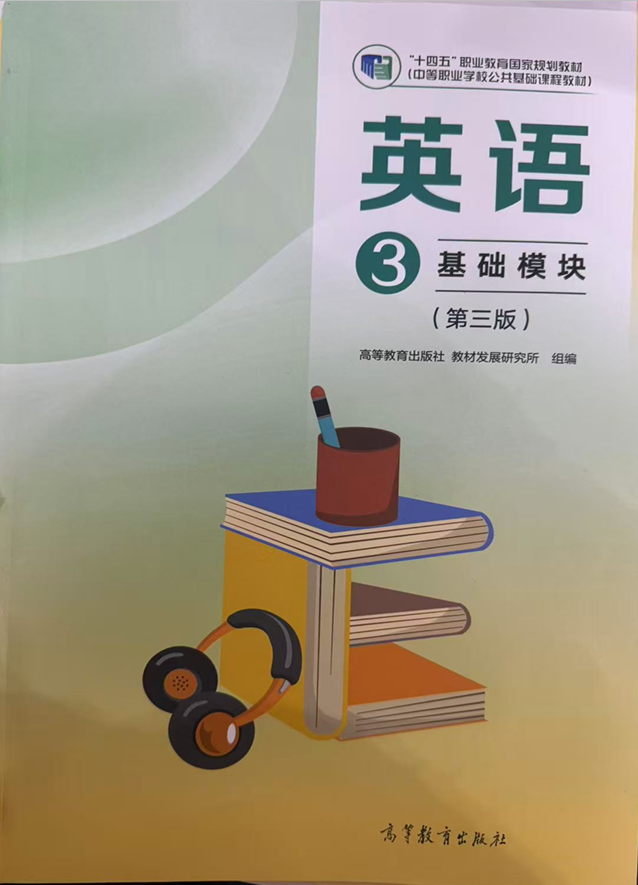
Unit 5——Unit 8 阶段测试卷(A卷·基础巩固)《英语 基础模块3》(高教版第三版)单元过关卷(原卷版+解析版)
2026-06-30
|
2份
|
27页
|
45人阅读
|
0人下载
摘要:
**基本信息**
紧扣《英语 基础模块3》Unit5-Unit8核心考点,A卷侧重基础巩固,通过自然奇观、文化传承、环保行动等真实情境训练语言运用,适配单元复习需求。
**题型特征**
|题型|题量/分值|知识覆盖|命题特色|
|----|-----------|----------|----------|
|情景交际|15题/20分|日常对话(旅游推荐、环保建议等)|创设真实交流情境,考查语言理解与表达能力|
|阅读理解|20题/40分|自然奇观(黄山、石林)、文化体验(园林、剪纸)、环保与灾害、榜样人物|选取贴近学生生活的语篇,培养信息获取与思维分析能力|
|完形填空|10题/10分|湿地保护、传统文化、环保行动|整合单元主题,考查语篇连贯与词汇运用,提升学习策略|
|语法填空|10题/10分|时态、从句、非谓语等语法点|语境化考查语法,强化语言知识应用能力|
|书面表达|1题/20分|景点推荐与文明参观建议|结合“Beautiful Jiangsu”主题,融合文化意识与问题解决能力|
内容正文:
编写说明:本套试卷紧扣《英语 基础模块3》(高教版第三版)教材,以教材单元为基准精准覆盖核心考点。
每个单元设置AB卷,A卷为基础巩固卷,侧重基础考点训练,帮助学生扎实掌握知识要点;B卷为能力提升卷,注重知识整合与全面检测,引导学生构建知识网络。全书设计4份综合测试卷,模拟实战情境,聚焦解题能力突破,全面提升应试能力与知识应用水平。
《英语 基础模块3》(高教版第三版)《单元过关卷》
Unit 5——Unit 8阶段测试卷
A卷·基础巩固
考试时间:120分钟 满分:100分
班级_____姓名_____学号_____成绩_____
一、情景交际(共15小题;满分20分)
第一节 读下列10个短对话,从题后所给的 A、B、C、D 四个选项中选出可以填入空白处的最佳选项。(共10小题,每小题1分,满分10分)
1. —I am going to introduce Huangshan Mountain to foreign visitors. How should I begin?
—_______. Then you can talk about its four wonders.
A. Start with its location and main features. B. Tell them the price of every hotel.
C. Ask them to leave at once. D. Only show them your ticket.
2. —Many travelers say the Stone Forest looks like a real forest from a distance.
—_______. The stones are lifelike and impressive.
A. I do not think stones can stand. B. That sounds amazing.
C. It is a school rule. D. They should cancel the trip.
3. —Could you tell me why Xi'an is called a living history book?
—_______. It has a long history and many historical sites.
A. Because it is far from Jiangsu. B. Because it has no museums.
C. Because visitors can learn history there. D. Because people seldom go there.
4. —My flight has been delayed due to the typhoon.
—_______. Safety always comes first.
A. You should swim to the airport. B. That is good news.
C. Do not check the weather. D. I am sorry to hear that.
5. —What can we do to reduce pollution in daily life?
—_______. It is simple but useful.
A. We can use public transportation more often. B. We can waste more food.
C. We can cut down more trees. D. We can ignore recycling.
6. —Do you have a role model?
—_______. She is a community nurse who always helps others.
A. No one can be respected. B. Yes, I do.
C. I have lost my notebook. D. It is a natural wonder.
7. —The museum guide said the building was originally constructed 600 years ago.
—_______. It must have great cultural value.
A. That is impossible to read. B. Please turn off the light.
C. How impressive! D. The weather is polluted.
8. —Some disasters are caused by human activities, aren't they?
—_______. We should make a change to our way of life.
A. No, people never affect nature. B. I like watching sports.
C. The road is very wide. D. That's certainly true.
9. —I want to recommend a natural wonder to tourists who love waterfalls.
—_______. It is famous for its powerful falls.
A. Iguazu Falls may be a good choice. B. The Terracotta Army is underground.
C. A city wall is better for hiking. D. A library is quiet.
10. —What a respectable firefighter he is! He saved people during the flood.
—_______. I look up to people with courage and responsibility.
A. I cannot agree with you. B. I can't agree more.
C. It is only a ticket. D. He should give up.
第二节 读下面一段对话,从方框中所给的 A、B、C、D、E、F 和 G 七个选项中选出可以填入空白处的最佳选项。(共5小题,每小题2分,满分10分)
Li Hua: Our English club will make a poster about Unit 5 to Unit 8. Which topic should we choose?
Wang Mei: We can connect natural wonders, culture, environmental protection and role models. _______ 11 _______
Li Hua: Good idea. Maybe we can start with a local historical site.
Wang Mei: Yes. _______ 12 _______ It is a good way to show confidence in Chinese culture.
Li Hua: What about environmental protection?
Wang Mei: _______ 13 _______ Some disasters are closely connected with human activities.
Li Hua: Then we need a role model for the poster.
Wang Mei: We can introduce a volunteer who protects wetlands and guides visitors. _______ 14 _______
Li Hua: Great. Let's divide the work now.
Wang Mei: _______ 15 _______ I will collect pictures, and you can write the English introduction.
A. We should also call on students to save energy and reduce waste.
B. That sounds practical.
C. He is ordinary, but he has a great heart.
D. The poster can be called Beautiful Places, Better Actions.
E. We can introduce its history and cultural meaning.
F. We should copy a whole article from the Internet.
G. Role models are not important for young students.
二、阅读理解(共20小题;每小题2分,满分40分)
阅读下列短文,从每题所给的 A、B、C、D 四个选项中选出最佳选项。
A
A travel agency in Jiangsu is preparing a short route called Two Days with Natural Wonders. The route is designed for vocational school students who are learning how to recommend travel destinations in English. On the first day, students will visit Huangshan Mountain. Although it is in Anhui Province, it is easy to reach from many cities in Jiangsu by high-speed train. Huangshan Mountain is known for spectacular rocks, pine trees, hot springs and views of clouds. The highest peak reaches over 1,800 meters, and forests cover most of the area. Visitors often say that the mountain is more than beautiful; it is full of surprises.
On the second day, students will give a small English presentation about another natural wonder they have studied, such as the Stone Forest, Chaka Salt Lake or the Great Rift Valley. They need to introduce location, size, special features and reasons for recommendation. For example, the Stone Forest lies near Kunming and has gone through a very long period of formation. The stones look like plants, animals and human figures from a distance. Chaka Salt Lake is called the Mirror of the Sky because it reflects the blue sky on clear days.
The teacher reminds students that a good recommendation is not a list of facts only. It should also consider the needs of tourists. A photographer may prefer waterfalls or cloud views. A family with young children may need a safe and comfortable route. A student with a limited budget may choose a place closer to home. Therefore, students should learn to give reasons clearly and politely. The route is not just a trip; it is a chance to practice English in a real service situation. Before the trip, the students also prepare a checklist in English, including transport, weather, safety rules and key words for describing scenery. This helps them speak more confidently when they meet visitors from different backgrounds.
16. Who is the route mainly designed for?
A. Foreign business managers. B. Vocational school students.
C. Professional mountain climbers. D. Hotel owners only.
17. Which feature is Huangshan Mountain famous for according to the passage?
A. Underground rivers only. B. Desert views.
C. Spectacular rocks and views of clouds. D. Modern shopping streets.
18. Why is Chaka Salt Lake called the Mirror of the Sky?
A. It reflects the blue sky on clear days. B. It is higher than all mountains.
C. It has many stone figures. D. It lies in East Africa.
19. What should students consider when recommending a place?
A. Only the ticket price. B. Only their own favorite food.
C. Only the spelling of the place name. D. Tourists' different needs.
20. What is the passage mainly about?
A. How to build a railway. B. A learning route for recommending natural wonders.
C. Rules for climbing at night. D. The history of English newspapers.
B
When a group of exchange students came to a vocational school in Suzhou, the English club prepared a cultural tour for them. The first stop was an old garden near the school. The guide explained that the garden was originally built hundreds of years ago and that its balanced design reflected the traditional idea of harmony between people and nature. The students were especially interested in the windows, bridges and small lakes. They found that each part of the garden was carefully constructed to create a different view.
In the afternoon, the visitors joined a workshop on Chinese paper-cutting. A teacher first showed several red paper works with flowers, birds and festival patterns. Then she explained that paper-cutting is not only a decoration but also a cultural product carrying good wishes. The visitors learned to fold paper, draw a simple pattern and cut it slowly. Some works were not perfect, but everyone felt proud because they had made something by hand.
After the workshop, the students compared this experience with visiting a large museum. A museum can show many ancient objects, but a workshop allows visitors to understand culture through practice. One visitor said, “I used to think culture was only in books or museums. Now I know it also lives in people's hands and daily life.” The school plans to design more activities like this, such as embroidery shows and short videos about local historical sites. The purpose is to help students introduce Chinese culture confidently and naturally. The club later turned the activity into a short service course. Students practised greeting visitors, introducing the meaning of patterns, and reminding guests not to damage old objects. They also compared Suzhou gardens with other historical sites, so that they could explain both local beauty and broader Chinese culture. Through the process, students learned that cultural confidence does not come from memorizing long paragraphs only. It grows when they can answer real questions politely, use accurate expressions, and help visitors enjoy an experience with respect. The activity also encouraged them to observe small details in daily life, such as window designs, bridge names and festival customs.
21. What did the guide say about the old garden?
A. It was built only last year. B. It was originally built hundreds of years ago.
C. It has no bridges or lakes. D. It is used only as a classroom.
22. What did the visitors do in the paper-cutting workshop?
A. They repaired a city wall. B. They cooked local food.
C. They folded and cut paper. D. They planted trees in a park.
23. What does the underlined word “decoration” probably mean?
A. A thing used to make something look beautiful. B. A machine used for transport.
C. A rule written on a ticket. D. A natural disaster warning.
24. Why did the visitor say culture lives in people's hands?
A. Because books were not useful. B. Because museums should be closed.
C. Because hands can replace history. D. Because people can experience culture by making things.
25. What is the school's purpose in designing such activities?
A. To help students introduce Chinese culture confidently. B. To make visitors take exams immediately.
C. To stop students from using English. D. To compare all countries' food prices.
C
Last summer, a heavy rainstorm hit a small town near a river. The rain itself was a natural event, but the serious flood that followed was partly connected with human activities. In the past, there were wide wetlands beside the river. They could hold extra water like a natural sponge. However, some wetlands had been changed into parking areas and buildings. When the rain came, the water had fewer places to go and quickly ran into the streets.
A local vocational school organized a project after the flood. Students from different majors worked together to study the causes and effects of the disaster. Students in the tourism major interviewed residents and recorded their experiences. Students in the computer major made a simple map showing the low areas where water collected quickly. Students in the automobile major discussed how electric vehicles and public transportation could reduce pollution in daily life. Their English teacher asked them to write short bilingual posters for the community.
The project did not try to prove that people can prevent all disasters. Instead, it helped students understand that careful planning can reduce damage. The students suggested protecting remaining wetlands, planting more trees, keeping drains clean and preparing clear warning signs. They also called on families to save energy and reduce waste. One student wrote on the poster, “What matters most is that we act before the next storm.” The project made environmental protection more than a slogan; it became practical work connected with their majors and community life. Before finishing the project, students visited the river again and talked with workers who clean the drains before the rainy season. They found that small routines, if done regularly, can protect a whole neighborhood. The experience helped them connect textbook knowledge with community responsibility.
26. What natural event happened last summer?
A. A heavy rainstorm. B. A sandstorm.
C. An earthquake. D. A heat wave.
27. Why did the flood become more serious?
A. The town had too many schools.
B. Some wetlands had been changed into buildings and parking areas.
C. People planted too many trees.
D. The river completely disappeared.
28. What did students in the computer major make?
A. A paper-cutting work. B. A travel ticket.
C. A simple map of low areas. D. A history video about gardens.
29. What does the project mainly teach students?
A. People can prevent every disaster. B. Disasters have nothing to do with planning.
C. Only tourism students should protect nature. D. Careful planning can reduce damage.
30. Which action is NOT suggested in the passage?
A. Protecting wetlands. B. Keeping drains clean.
C. Cutting down trees near the river. D. Preparing clear warning signs.
D
Chen Rui is a second-year student at a vocational school. His role model is not a famous star, but his grandfather, a retired bridge worker. For more than thirty years, his grandfather worked on bridges across rivers and mountains. He often told Chen Rui that every bridge must be checked carefully because a small mistake may put many lives at risk. These words sounded ordinary when Chen Rui was young, but they became important after he entered a major related to construction and maintenance.
During a school training week, Chen Rui's group had to inspect a small model bridge. Some classmates wanted to finish the task quickly and hand in the report. Chen Rui remembered his grandfather's words and asked the group to measure the width of the cracks again. They finally found that one connection was not strong enough. The teacher praised the group because they did not ignore a possible safety problem. Chen Rui realized that responsibility is shown through careful action, not through loud words.
Later, Chen Rui interviewed his grandfather for an English assignment about role models. His grandfather said, “I am only an ordinary worker. I just did what my job required.” Chen Rui wrote in his report that heroes can be ordinary people with great hearts. They may not win big prizes, but they devote themselves to useful work and protect others in quiet ways. The report also changed Chen Rui's plan for the future. He hopes to become a skilled worker who can contribute to safe and beautiful cities. His teacher later asked the class to discuss why careful workers are important in modern cities. Students mentioned bridges, elevators, railways and public buildings. They agreed that skilled workers may not appear on television, but their patience and professional standards support people's safe daily life.
31. Who is Chen Rui's role model?
A. His retired grandfather. B. A famous singer.
C. A foreign traveler. D. A hotel clerk.
32. Why must every bridge be checked carefully?
A. Because bridges are always new. B. Because careful checking can protect people's lives.
C. Because reports need more pages. D. Because students dislike measuring.
33. What did Chen Rui ask his group to do again?
A. Paint the bridge red. B. Interview a tourist.
C. Measure the width of the cracks. D. Cancel the training week.
34. What did Chen Rui learn about responsibility?
A. It is shown through careful action. B. It means winning every prize.
C. It requires ignoring small problems. D. It is only for famous people.
35. What does Chen Rui hope to become?
A. A person who never works with others. B. A traveler without a plan.
C. A shop owner selling tickets. D. A skilled worker contributing to safe cities.
三、完形填空(共10小题;每小题1分,满分10分)
阅读下面短文,从每题所给的 A、B、C、D 四个选项中选出可以填入空白处的最佳选项。
Our class took part in a project called A Better City last month. The project asked us to connect what we had learned from Units 5 to 8 with real life. At first, we visited a wetland park. The guide told us that the park was an important natural _______ 36 _______ for birds. It also helped hold water when heavy rain came. We were _______ 37 _______ by the beautiful views and decided to introduce the park in English.
The next day, we went to an old street with many traditional buildings. A local worker said that the street had a _______ 38 _______ of over 500 years. Some houses were originally _______ 39 _______ for family businesses, and now they are used as small museums and workshops. We learned that culture can be kept alive when people use it in daily life.
After the visits, our teacher asked us to make a poster about environmental protection. We discussed floods, smog and heat waves, and agreed that some problems were due to human _______ 40 _______. To make a change, we suggested using public transportation, saving energy and _______ 41 _______ more trees. During the presentation, Li Ming introduced his role model, a volunteer who regularly cleans the river. His story _______ 42 _______ us that ordinary people can make great contributions. Finally, our group won the first prize. More importantly, we learned to see our city _______ 43 _______: its natural wonders, living culture, environmental problems and respectable people. English was not just a subject in the classroom; it became a tool to _______ 44 _______ ideas and serve the community. We felt proud and promised to keep learning and _______ 45 _______.
36. A. disaster B. habitat C. machine D. ticket
37. A. delayed B. polluted C. attracted D. canceled
38. A. history B. width C. storm D. treatment
39. A. constructed B. admired C. prevented D. awarded
40. A. prices B. activities C. prizes D. figures
41. A. planting B. wasting C. breaking D. hiding
42. A. forgot B. reminded C. damaged D. stopped
43. A. carelessly B. safely C. clearly D. cheaply
44. A. express B. cancel C. pollute D. attack
45. A. acting B. lying C. waiting D. guessing
四、语法填空(共10小题;每小题1分,满分10分)
阅读下面短文,在空白处填入1个适当的单词或括号内单词的正确形式。
Dear students, welcome to our school exhibition. The exhibition _______ 46 _______ (call) Beautiful World, Responsible Youth. In the first part, you can see posters about natural wonders. Huangshan Mountain, _______ 47 _______ lies in eastern China, is introduced as a popular destination. Many visitors say it is one of the most impressive places they have ever _______ 48 _______ (visit).
The second part shows cultural products made by students. Paper-cutting and embroidery are displayed _______ 49 _______ (help) visitors understand living culture. In the third part, students explain why some disasters are connected with human activities. It is important _______ 50 _______ everyone should protect the environment. We can prevent further damage by _______ 51 _______ (save) energy and reducing waste.
The last part is about role models. A community doctor, _______ 52 _______ (work) day and night during a flood, helped many people. Having _______ 53 _______ (hear) her story, many students decided to serve others in their future jobs. We hope the exhibition will make you _______ 54 _______ (proud) of our culture and more willing to make _______ 55 _______ change.
五、书面表达(满分20分)
假定你是李华,你校英语社正在开展“Beautiful Jiangsu, Better Actions”主题展示活动。请你根据以下要点写一篇英语短文,推荐一个自然或文化景点,并提出文明、环保参观建议。
要点:1. 简要介绍景点特色;2. 说明推荐理由;3. 提出两条文明或环保参观建议。
注意:1. 词数80词左右;2. 可适当增加细节,使行文连贯;3. 文中不得出现真实姓名、校名和地名。
______________________________________________________________________________________________________________________________________________________________________________________________________________________________________________________
原创精品资源学科网独家享有版权,侵权必究!
学科网(北京)股份有限公司
$
编写说明:本套试卷紧扣《英语 基础模块3》(高教版第三版)教材,以教材单元为基准精准覆盖核心考点。
每个单元设置AB卷,A卷为基础巩固卷,侧重基础考点训练,帮助学生扎实掌握知识要点;B卷为能力提升卷,注重知识整合与全面检测,引导学生构建知识网络。全书设计4份综合测试卷,模拟实战情境,聚焦解题能力突破,全面提升应试能力与知识应用水平。
《英语 基础模块3》(高教版第三版)《单元过关卷》
Unit 5——Unit 8阶段测试卷
A卷·基础巩固
考试时间:120分钟 满分:100分
班级_____姓名_____学号_____成绩_____
一、情景交际(共15小题;满分20分)
第一节 读下列10个短对话,从题后所给的 A、B、C、D 四个选项中选出可以填入空白处的最佳选项。(共10小题,每小题1分,满分10分)
1. —I am going to introduce Huangshan Mountain to foreign visitors. How should I begin?
—_______. Then you can talk about its four wonders.
A. Start with its location and main features. B. Tell them the price of every hotel.
C. Ask them to leave at once. D. Only show them your ticket.
【答案】A
【详解】考查介绍自然景观。介绍景点应先说明位置和主要特色,再展开细节。
2. —Many travelers say the Stone Forest looks like a real forest from a distance.
—_______. The stones are lifelike and impressive.
A. I do not think stones can stand. B. That sounds amazing.
C. It is a school rule. D. They should cancel the trip.
【答案】B
【详解】考查表达赞叹。后文说明石头像真实森林一样壮观,B项符合语境。
3. —Could you tell me why Xi'an is called a living history book?
—_______. It has a long history and many historical sites.
A. Because it is far from Jiangsu. B. Because it has no museums.
C. Because visitors can learn history there. D. Because people seldom go there.
【答案】C
【详解】考查询问历史文化信息。西安历史悠久、古迹众多,适合了解中国历史。
4. —My flight has been delayed due to the typhoon.
—_______. Safety always comes first.
A. You should swim to the airport. B. That is good news.
C. Do not check the weather. D. I am sorry to hear that.
【答案】D
【详解】考查对坏消息的回应。航班因台风延误,应表达遗憾并强调安全。
5. —What can we do to reduce pollution in daily life?
—_______. It is simple but useful.
A. We can use public transportation more often. B. We can waste more food.
C. We can cut down more trees. D. We can ignore recycling.
【答案】A
【详解】考查环保建议。多乘公共交通有助于减少污染,符合Unit 7主题。
6. —Do you have a role model?
—_______. She is a community nurse who always helps others.
A. No one can be respected. B. Yes, I do.
C. I have lost my notebook. D. It is a natural wonder.
【答案】B
【详解】考查谈论榜样。答语继续介绍一位护士作为榜样,故用肯定回答。
7. —The museum guide said the building was originally constructed 600 years ago.
—_______. It must have great cultural value.
A. That is impossible to read. B. Please turn off the light.
C. How impressive! D. The weather is polluted.
【答案】C
【详解】考查评价历史建筑。听到古建筑历史悠久,应表达赞叹。
8. —Some disasters are caused by human activities, aren't they?
—_______. We should make a change to our way of life.
A. No, people never affect nature. B. I like watching sports.
C. The road is very wide. D. That's certainly true.
【答案】D
【详解】考查表达观点。后文提出改变生活方式,说明赞同前一句观点。
9. —I want to recommend a natural wonder to tourists who love waterfalls.
—_______. It is famous for its powerful falls.
A. Iguazu Falls may be a good choice. B. The Terracotta Army is underground.
C. A city wall is better for hiking. D. A library is quiet.
【答案】A
【详解】考查景点推荐。游客喜欢瀑布,Iguazu Falls最符合需求。
10. —What a respectable firefighter he is! He saved people during the flood.
—_______. I look up to people with courage and responsibility.
A. I cannot agree with you. B. I can't agree more.
C. It is only a ticket. D. He should give up.
【答案】B
【详解】考查表达敬佩和赞同。I can't agree more表示非常赞同。
第二节 读下面一段对话,从方框中所给的 A、B、C、D、E、F 和 G 七个选项中选出可以填入空白处的最佳选项。(共5小题,每小题2分,满分10分)
Li Hua: Our English club will make a poster about Unit 5 to Unit 8. Which topic should we choose?
Wang Mei: We can connect natural wonders, culture, environmental protection and role models. _______ 11 _______
Li Hua: Good idea. Maybe we can start with a local historical site.
Wang Mei: Yes. _______ 12 _______ It is a good way to show confidence in Chinese culture.
Li Hua: What about environmental protection?
Wang Mei: _______ 13 _______ Some disasters are closely connected with human activities.
Li Hua: Then we need a role model for the poster.
Wang Mei: We can introduce a volunteer who protects wetlands and guides visitors. _______ 14 _______
Li Hua: Great. Let's divide the work now.
Wang Mei: _______ 15 _______ I will collect pictures, and you can write the English introduction.
A. We should also call on students to save energy and reduce waste.
B. That sounds practical.
C. He is ordinary, but he has a great heart.
D. The poster can be called Beautiful Places, Better Actions.
E. We can introduce its history and cultural meaning.
F. We should copy a whole article from the Internet.
G. Role models are not important for young students.
【答案】11. D 12. E 13. A 14. C 15. B
【详解】
11. 上文讨论海报主题,D项给出能整合四个单元的标题。
12. 前文提到历史古迹,E项说明介绍历史和文化意义。
13. 前文询问环保内容,A项提出节能减废的行动。
14. 前文介绍保护湿地的志愿者,C项评价其平凡而有大爱。
15. 下文分工收集图片和写介绍,B项承接自然。
二、阅读理解(共20小题;每小题2分,满分40分)
阅读下列短文,从每题所给的 A、B、C、D 四个选项中选出最佳选项。
A
A travel agency in Jiangsu is preparing a short route called Two Days with Natural Wonders. The route is designed for vocational school students who are learning how to recommend travel destinations in English. On the first day, students will visit Huangshan Mountain. Although it is in Anhui Province, it is easy to reach from many cities in Jiangsu by high-speed train. Huangshan Mountain is known for spectacular rocks, pine trees, hot springs and views of clouds. The highest peak reaches over 1,800 meters, and forests cover most of the area. Visitors often say that the mountain is more than beautiful; it is full of surprises.
On the second day, students will give a small English presentation about another natural wonder they have studied, such as the Stone Forest, Chaka Salt Lake or the Great Rift Valley. They need to introduce location, size, special features and reasons for recommendation. For example, the Stone Forest lies near Kunming and has gone through a very long period of formation. The stones look like plants, animals and human figures from a distance. Chaka Salt Lake is called the Mirror of the Sky because it reflects the blue sky on clear days.
The teacher reminds students that a good recommendation is not a list of facts only. It should also consider the needs of tourists. A photographer may prefer waterfalls or cloud views. A family with young children may need a safe and comfortable route. A student with a limited budget may choose a place closer to home. Therefore, students should learn to give reasons clearly and politely. The route is not just a trip; it is a chance to practice English in a real service situation. Before the trip, the students also prepare a checklist in English, including transport, weather, safety rules and key words for describing scenery. This helps them speak more confidently when they meet visitors from different backgrounds.
16. Who is the route mainly designed for?
A. Foreign business managers. B. Vocational school students.
C. Professional mountain climbers. D. Hotel owners only.
17. Which feature is Huangshan Mountain famous for according to the passage?
A. Underground rivers only. B. Desert views.
C. Spectacular rocks and views of clouds. D. Modern shopping streets.
18. Why is Chaka Salt Lake called the Mirror of the Sky?
A. It reflects the blue sky on clear days. B. It is higher than all mountains.
C. It has many stone figures. D. It lies in East Africa.
19. What should students consider when recommending a place?
A. Only the ticket price. B. Only their own favorite food.
C. Only the spelling of the place name. D. Tourists' different needs.
20. What is the passage mainly about?
A. How to build a railway. B. A learning route for recommending natural wonders.
C. Rules for climbing at night. D. The history of English newspapers.
【答案】B C A D B
【导语】本文介绍面向中职学生的自然奇观推荐实践路线,突出景点信息、游客需求和英语应用能力。
【详解】
16. 本题为细节理解题。根据第1段的“designed for vocational school students”可知,该路线面向中职学生,故选B。
17. 本题为细节理解题。根据第1段的“known for spectacular rocks...views of clouds”可知,故选C。
18. 本题为细节理解题。根据第2段的“reflects the blue sky on clear days”可知,故选A。
19. 本题为细节理解题。根据第3段的“consider the needs of tourists”可知,故选D。
20. 本题为主旨大意题。全文围绕学生如何通过路线学习推荐自然奇观展开,故选B。
B
When a group of exchange students came to a vocational school in Suzhou, the English club prepared a cultural tour for them. The first stop was an old garden near the school. The guide explained that the garden was originally built hundreds of years ago and that its balanced design reflected the traditional idea of harmony between people and nature. The students were especially interested in the windows, bridges and small lakes. They found that each part of the garden was carefully constructed to create a different view.
In the afternoon, the visitors joined a workshop on Chinese paper-cutting. A teacher first showed several red paper works with flowers, birds and festival patterns. Then she explained that paper-cutting is not only a decoration but also a cultural product carrying good wishes. The visitors learned to fold paper, draw a simple pattern and cut it slowly. Some works were not perfect, but everyone felt proud because they had made something by hand.
After the workshop, the students compared this experience with visiting a large museum. A museum can show many ancient objects, but a workshop allows visitors to understand culture through practice. One visitor said, “I used to think culture was only in books or museums. Now I know it also lives in people's hands and daily life.” The school plans to design more activities like this, such as embroidery shows and short videos about local historical sites. The purpose is to help students introduce Chinese culture confidently and naturally. The club later turned the activity into a short service course. Students practised greeting visitors, introducing the meaning of patterns, and reminding guests not to damage old objects. They also compared Suzhou gardens with other historical sites, so that they could explain both local beauty and broader Chinese culture. Through the process, students learned that cultural confidence does not come from memorizing long paragraphs only. It grows when they can answer real questions politely, use accurate expressions, and help visitors enjoy an experience with respect. The activity also encouraged them to observe small details in daily life, such as window designs, bridge names and festival customs.
21. What did the guide say about the old garden?
A. It was built only last year. B. It was originally built hundreds of years ago.
C. It has no bridges or lakes. D. It is used only as a classroom.
22. What did the visitors do in the paper-cutting workshop?
A. They repaired a city wall. B. They cooked local food.
C. They folded and cut paper. D. They planted trees in a park.
23. What does the underlined word “decoration” probably mean?
A. A thing used to make something look beautiful. B. A machine used for transport.
C. A rule written on a ticket. D. A natural disaster warning.
24. Why did the visitor say culture lives in people's hands?
A. Because books were not useful. B. Because museums should be closed.
C. Because hands can replace history. D. Because people can experience culture by making things.
25. What is the school's purpose in designing such activities?
A. To help students introduce Chinese culture confidently. B. To make visitors take exams immediately.
C. To stop students from using English. D. To compare all countries' food prices.
【答案】B C A D A
【导语】本文讲述苏州一所中职学校通过园林参观和剪纸体验帮助来访学生理解中国文化。
【详解】
21. 本题为细节理解题。根据第1段的“originally built hundreds of years ago”可知,故选B。
22. 本题为细节理解题。根据第2段的“fold paper...cut it slowly”可知,故选C。
23. 本题为词义猜测题。根据paper works with flowers, birds and festival patterns可知,decoration指装饰品,故选A。
24. 本题为推理判断题。工作坊让游客亲手体验文化,因此文化也存在于实践中,故选D。
25. 本题为细节理解题。根据末段的“introduce Chinese culture confidently and naturally”可知,故选A。
C
Last summer, a heavy rainstorm hit a small town near a river. The rain itself was a natural event, but the serious flood that followed was partly connected with human activities. In the past, there were wide wetlands beside the river. They could hold extra water like a natural sponge. However, some wetlands had been changed into parking areas and buildings. When the rain came, the water had fewer places to go and quickly ran into the streets.
A local vocational school organized a project after the flood. Students from different majors worked together to study the causes and effects of the disaster. Students in the tourism major interviewed residents and recorded their experiences. Students in the computer major made a simple map showing the low areas where water collected quickly. Students in the automobile major discussed how electric vehicles and public transportation could reduce pollution in daily life. Their English teacher asked them to write short bilingual posters for the community.
The project did not try to prove that people can prevent all disasters. Instead, it helped students understand that careful planning can reduce damage. The students suggested protecting remaining wetlands, planting more trees, keeping drains clean and preparing clear warning signs. They also called on families to save energy and reduce waste. One student wrote on the poster, “What matters most is that we act before the next storm.” The project made environmental protection more than a slogan; it became practical work connected with their majors and community life. Before finishing the project, students visited the river again and talked with workers who clean the drains before the rainy season. They found that small routines, if done regularly, can protect a whole neighborhood. The experience helped them connect textbook knowledge with community responsibility.
26. What natural event happened last summer?
A. A heavy rainstorm. B. A sandstorm.
C. An earthquake. D. A heat wave.
27. Why did the flood become more serious?
A. The town had too many schools.
B. Some wetlands had been changed into buildings and parking areas.
C. People planted too many trees.
D. The river completely disappeared.
28. What did students in the computer major make?
A. A paper-cutting work. B. A travel ticket.
C. A simple map of low areas. D. A history video about gardens.
29. What does the project mainly teach students?
A. People can prevent every disaster. B. Disasters have nothing to do with planning.
C. Only tourism students should protect nature. D. Careful planning can reduce damage.
30. Which action is NOT suggested in the passage?
A. Protecting wetlands. B. Keeping drains clean.
C. Cutting down trees near the river. D. Preparing clear warning signs.
【答案】A B C D C
【导语】本文通过洪灾后的校园项目说明自然灾害与人类活动的关系,并提出可操作的环保措施。
【详解】
26. 本题为细节理解题。根据第1段的“a heavy rainstorm hit”可知,故选A。
27. 本题为细节理解题。根据第1段湿地被改造成停车场和建筑,雨水无处蓄留可知,故选B。
28. 本题为细节理解题。根据第2段的“made a simple map showing the low areas”可知,故选C。
29. 本题为主旨理解题。第3段指出careful planning can reduce damage,故选D。
30. 本题为细节理解题。文中建议植树而非砍树,故选C。
D
Chen Rui is a second-year student at a vocational school. His role model is not a famous star, but his grandfather, a retired bridge worker. For more than thirty years, his grandfather worked on bridges across rivers and mountains. He often told Chen Rui that every bridge must be checked carefully because a small mistake may put many lives at risk. These words sounded ordinary when Chen Rui was young, but they became important after he entered a major related to construction and maintenance.
During a school training week, Chen Rui's group had to inspect a small model bridge. Some classmates wanted to finish the task quickly and hand in the report. Chen Rui remembered his grandfather's words and asked the group to measure the width of the cracks again. They finally found that one connection was not strong enough. The teacher praised the group because they did not ignore a possible safety problem. Chen Rui realized that responsibility is shown through careful action, not through loud words.
Later, Chen Rui interviewed his grandfather for an English assignment about role models. His grandfather said, “I am only an ordinary worker. I just did what my job required.” Chen Rui wrote in his report that heroes can be ordinary people with great hearts. They may not win big prizes, but they devote themselves to useful work and protect others in quiet ways. The report also changed Chen Rui's plan for the future. He hopes to become a skilled worker who can contribute to safe and beautiful cities. His teacher later asked the class to discuss why careful workers are important in modern cities. Students mentioned bridges, elevators, railways and public buildings. They agreed that skilled workers may not appear on television, but their patience and professional standards support people's safe daily life.
31. Who is Chen Rui's role model?
A. His retired grandfather. B. A famous singer.
C. A foreign traveler. D. A hotel clerk.
32. Why must every bridge be checked carefully?
A. Because bridges are always new. B. Because careful checking can protect people's lives.
C. Because reports need more pages. D. Because students dislike measuring.
33. What did Chen Rui ask his group to do again?
A. Paint the bridge red. B. Interview a tourist.
C. Measure the width of the cracks. D. Cancel the training week.
34. What did Chen Rui learn about responsibility?
A. It is shown through careful action. B. It means winning every prize.
C. It requires ignoring small problems. D. It is only for famous people.
35. What does Chen Rui hope to become?
A. A person who never works with others. B. A traveler without a plan.
C. A shop owner selling tickets. D. A skilled worker contributing to safe cities.
【答案】A B C A D
【导语】本文讲述中职学生从祖父身上理解岗位责任和榜样力量,体现“平凡人也可以有伟大的心”。
【详解】
31. 本题为细节理解题。根据第1段的“his grandfather, a retired bridge worker”可知,故选A。
32. 本题为细节理解题。根据第1段的“a small mistake may put many lives at risk”可知,故选B。
33. 本题为细节理解题。根据第2段的“measure the width of the cracks again”可知,故选C。
34. 本题为细节理解题。根据第2段的“responsibility is shown through careful action”可知,故选A。
35. 本题为细节理解题。根据末段的“become a skilled worker...safe and beautiful cities”可知,故选D。
三、完形填空(共10小题;每小题1分,满分10分)
阅读下面短文,从每题所给的 A、B、C、D 四个选项中选出可以填入空白处的最佳选项。
Our class took part in a project called A Better City last month. The project asked us to connect what we had learned from Units 5 to 8 with real life. At first, we visited a wetland park. The guide told us that the park was an important natural _______ 36 _______ for birds. It also helped hold water when heavy rain came. We were _______ 37 _______ by the beautiful views and decided to introduce the park in English.
The next day, we went to an old street with many traditional buildings. A local worker said that the street had a _______ 38 _______ of over 500 years. Some houses were originally _______ 39 _______ for family businesses, and now they are used as small museums and workshops. We learned that culture can be kept alive when people use it in daily life.
After the visits, our teacher asked us to make a poster about environmental protection. We discussed floods, smog and heat waves, and agreed that some problems were due to human _______ 40 _______. To make a change, we suggested using public transportation, saving energy and _______ 41 _______ more trees. During the presentation, Li Ming introduced his role model, a volunteer who regularly cleans the river. His story _______ 42 _______ us that ordinary people can make great contributions. Finally, our group won the first prize. More importantly, we learned to see our city _______ 43 _______: its natural wonders, living culture, environmental problems and respectable people. English was not just a subject in the classroom; it became a tool to _______ 44 _______ ideas and serve the community. We felt proud and promised to keep learning and _______ 45 _______.
36. A. disaster B. habitat C. machine D. ticket
37. A. delayed B. polluted C. attracted D. canceled
38. A. history B. width C. storm D. treatment
39. A. constructed B. admired C. prevented D. awarded
40. A. prices B. activities C. prizes D. figures
41. A. planting B. wasting C. breaking D. hiding
42. A. forgot B. reminded C. damaged D. stopped
43. A. carelessly B. safely C. clearly D. cheaply
44. A. express B. cancel C. pollute D. attack
45. A. acting B. lying C. waiting D. guessing
【答案】36. B 37. C 38. A 39. A 40. B 41. A 42. B 43. C 44. A 45. A
【详解】
36. B. habitat意为“栖息地”。湿地公园对鸟类而言是重要栖息地,符合语境。
37. C. be attracted by表示“被……吸引”。美丽景色吸引学生,故选C。
38. A. have a history of...为固定表达,表示“有……年历史”。
39. A. construct表示“建造”。房屋最初被建造用于家族经营,故选A。
40. B. human activities意为“人类活动”,对应Unit 7中灾害与人类活动关系。
41. A. planting more trees与节能、公共交通并列,属于环保行动。
42. B. remind sb. that...表示“提醒某人……”,榜样故事提醒我们平凡人也能贡献社会。
43. C. clearly修饰see,表示更清楚地理解城市的多面性。
44. A. express ideas表示“表达观点”,符合英语应用场景。
45. A. acting表示“行动”,与promise to keep learning并列,体现学以致用。
四、语法填空(共10小题;每小题1分,满分10分)
阅读下面短文,在空白处填入1个适当的单词或括号内单词的正确形式。
Dear students, welcome to our school exhibition. The exhibition _______ 46 _______ (call) Beautiful World, Responsible Youth. In the first part, you can see posters about natural wonders. Huangshan Mountain, _______ 47 _______ lies in eastern China, is introduced as a popular destination. Many visitors say it is one of the most impressive places they have ever _______ 48 _______ (visit).
The second part shows cultural products made by students. Paper-cutting and embroidery are displayed _______ 49 _______ (help) visitors understand living culture. In the third part, students explain why some disasters are connected with human activities. It is important _______ 50 _______ everyone should protect the environment. We can prevent further damage by _______ 51 _______ (save) energy and reducing waste.
The last part is about role models. A community doctor, _______ 52 _______ (work) day and night during a flood, helped many people. Having _______ 53 _______ (hear) her story, many students decided to serve others in their future jobs. We hope the exhibition will make you _______ 54 _______ (proud) of our culture and more willing to make _______ 55 _______ change.
【答案】46. is called 47. which 48. visited 49. to help 50. that 51. saving 52. working 53. heard 54. proud 55. a
【详解】
46. 考查被动语态。exhibition与call之间为被动关系,主语单数,用is called。
47. 考查非限制性定语从句。先行词Huangshan Mountain指物,空处作主语,用which。
48. 考查现在完成时。have ever后用过去分词visited。
49. 考查非谓语动词。不定式to help表示目的。
50. 考查主语从句。It is important that...为固定句型,that引导真正主语。
51. 考查非谓语动词。介词by后接动名词saving。
52. 考查非谓语动词。doctor与work为主动关系,用现在分词working作状语。
53. 考查非谓语动词。Having done结构中用过去分词heard。
54. 考查形容词。make sb. + adj.,用proud作宾语补足语。
55. 考查冠词。make a change为固定短语,表示“作出改变”。
五、书面表达(满分20分)
假定你是李华,你校英语社正在开展“Beautiful Jiangsu, Better Actions”主题展示活动。请你根据以下要点写一篇英语短文,推荐一个自然或文化景点,并提出文明、环保参观建议。
要点:1. 简要介绍景点特色;2. 说明推荐理由;3. 提出两条文明或环保参观建议。
注意:1. 词数80词左右;2. 可适当增加细节,使行文连贯;3. 文中不得出现真实姓名、校名和地名。
______________________________________________________________________________________________________________________________________________________________________________________________________________________________________________________
【参考范文】
I would like to recommend a local wetland park to visitors. It is a quiet and beautiful place where people can enjoy rivers, trees and different kinds of birds. In spring, the park looks especially impressive, and many students go there to learn about nature.
I recommend it because it is not only a good travel destination but also a living classroom for environmental protection. Visitors can understand why wetlands are important in reducing floods and protecting wildlife. When we visit the park, we should keep it clean and never throw rubbish around. We should also speak quietly and avoid disturbing birds. If everyone takes small actions, the place will remain beautiful for the future.
【词汇积累】recommend推荐;destination目的地;wetland湿地;environmental protection环境保护;disturb打扰;remain保持。
【句式拓展】原句:It is a quiet and beautiful place. 拓展:It is a quiet and beautiful place where people can enjoy rivers, trees and different kinds of birds.
【点睛】范文围绕景点特色、推荐理由和环保建议展开,使用定语从句和条件句。
原创精品资源学科网独家享有版权,侵权必究!
学科网(北京)股份有限公司
$
资源预览图

1

2

3
由于学科网是一个信息分享及获取的平台,不确保部分用户上传资料的 来源及知识产权归属。如您发现相关资料侵犯您的合法权益,请联系学科网,我们核实后将及时进行处理。