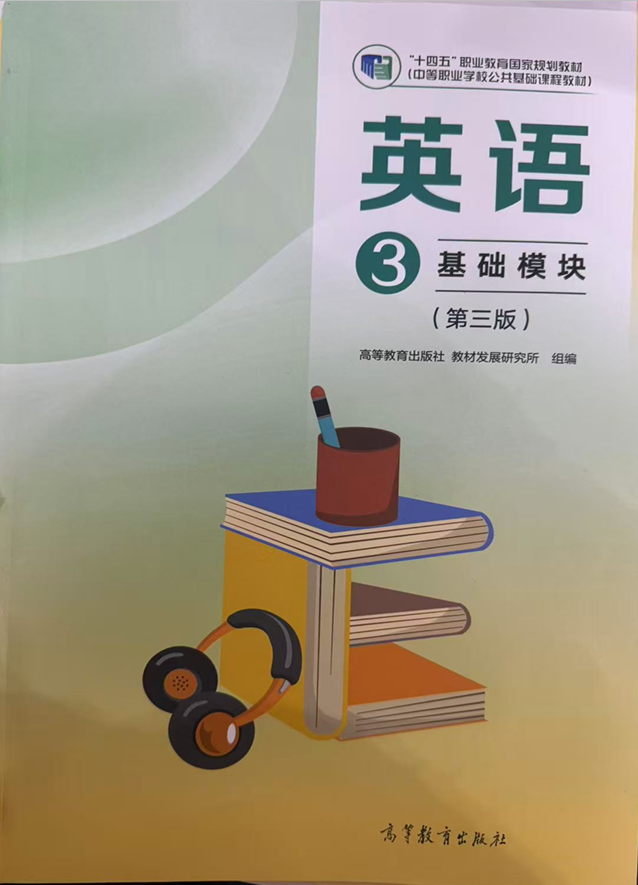
Unit 1 Festivals Around the World(B卷·能力提升)《英语 基础模块3》(高教版第三版)单元过关卷(原卷版+解析版)
2026-06-30
|
2份
|
22页
|
84人阅读
|
2人下载
摘要:
**基本信息**
紧扣《英语 基础模块3》Unit 1“Festivals Around the World”,A/B卷分层设计,B卷以真实跨文化情境为载体,融合语言能力与文化意识考查,适配单元复习巩固与能力提升。
**题型特征**
|题型|题量/分值|知识覆盖|命题特色|
|----|-----------|----------|----------|
|情景交际|15题/20分|节日文化理解、跨文化交际礼仪|通过对话考查文化意义阐释(如第5题对比感恩节与中秋节文化关联)|
|阅读理解|20题/40分|节日活动描述、文化分享策略|真实情境(制作传单、跨文化体验)考查信息整合与思维品质(如A篇分析文化传单设计逻辑)|
|书面表达|1题/20分|节日介绍、文化意义表达|要求介绍中国传统节日,体现文化传承与语言输出能力,符合核心素养中“跨文化沟通”要求|
内容正文:
编写说明:本套试卷紧扣《英语 基础模块3》(高教版第三版)教材,以教材单元为基准精准覆盖核心考点。
每个单元设置AB卷,A卷为基础巩固卷,侧重基础考点训练,帮助学生扎实掌握知识要点;B卷为能力提升卷,注重知识整合与全面检测,引导学生构建知识网络。全书设计4份综合测试卷,模拟实战情境,聚焦解题能力突破,全面提升应试能力与知识应用水平。
《英语 基础模块3》(高教版第三版)《单元过关卷》
Unit 1 Festivals Around the World
B卷·能力提升
考试时间:120分钟 满分:100分
班级_____姓名_____学号_____成绩_____
一、情景交际(共15小题;满分20分)
第一节 读下列10个短对话,从题后所给的 A、B、C、D 四个选项中选出可以填入空白处的最佳选项。(共10小题,每小题1分,满分10分)
1. —Our group will introduce the Water-Splashing Festival, but some classmates only see it as a water game.
—_______. You should explain its New Year meaning and good-luck wishes.
A. The festival has nothing to do with culture. B. You can remove all background information.
C. It is better to talk only about weather. D. That is why cultural meaning must be included.
【答案】D
【详解】考查补充建议。对方担心只看到活动表面,D项强调文化意义,符合语境。
2. —How can I make my invitation email clearer for foreign classmates?
—_______. Then explain what activities they will join.
A. Use only Chinese festival names. B. Start with the time and place.
C. Write without a greeting. D. Ask them to guess the plan.
【答案】B
【详解】考查邀请邮件写作。清晰邀请应先交代时间地点,再说明活动。
3. —I heard people in different places celebrate the Spring Festival in different ways. Does that mean the festival has different meanings?
—_______. The customs may vary, but reunion and good wishes are common ideas.
A. We should not compare customs. B. You are wrong about all customs.
C. Yes, every place has no shared meaning. D. Not really.
【答案】D
【详解】考查文化理解。后文说明习俗不同但团圆祝福相通,Not really 符合。
4. —Could you help me polish this sentence: 'Tangyuan is a food of together family'?
—_______. You may say, 'Tangyuan is a symbol of family unity.'
A. It is already perfect. B. You should delete the whole paragraph.
C. Sure, that expression is clearer. D. No one can understand tangyuan.
【答案】C
【详解】考查修改表达。后文给出更准确表达,C项自然衔接。
5. —Why does the teacher ask us to compare Thanksgiving Day with the Mid-Autumn Festival?
—_______. Both can help us talk about family and thankfulness.
A. To show one festival is better. B. To remember more dates only.
C. To avoid Chinese culture. D. To find cultural connections and differences.
【答案】D
【详解】考查跨文化比较目的。比较节日是为了发现联系与差异。
6. —The foreign visitor is not sure whether he should bring a gift to our festival dinner. What can we say?
—_______. A small card with good wishes is enough.
A. He must bring an expensive present. B. He should not come without moon cakes.
C. He does not need to worry too much. D. He can only bring foreign food.
【答案】C
【详解】考查礼貌说明。对方不确定礼仪时,应缓解压力并给出得体建议。
7. —What does 'appreciate' mean in 'appreciate the lanterns'?
—_______. People walk around and enjoy their beauty.
A. It means to enjoy or value something. B. It means to hide something quickly.
C. It means to make a calendar. D. It means to receive an invitation.
【答案】A
【详解】考查词义理解。appreciate 表示“欣赏;重视”。
8. —I want to introduce Holi in India, but I am afraid my report will be too simple.
—_______. You can mention colors, spring, joy and the idea of building relationships.
A. You can say it is the same as every festival. B. You should only show one picture.
C. You may add several key meanings behind the activities. D. You had better cancel the report.
【答案】C
【详解】考查报告完善。通过增加活动背后的意义提高内容质量。
9. —Would it be polite to ask a foreign guest whether he wants to join our dragon dance activity?
—_______. It gives him a choice and shows respect.
A. Yes, asking politely is a good idea. B. No, guests must join every activity.
C. No, you should decide for him. D. Yes, but do not explain the activity.
【答案】A
【详解】考查尊重与邀请。礼貌询问并给予选择体现尊重。
10. —The leaflet about the Lantern Festival has history and activities, but it misses typical food.
—_______. Tangyuan should be included because it has cultural meaning.
A. That part is not necessary at all. B. You can add a short part about tangyuan.
C. You should replace lanterns with Christmas trees. D. The history is always wrong.
【答案】B
【详解】考查宣传单内容完善。元宵节典型食物及象征意义应纳入介绍。
第二节 读下面一段对话,从方框中所给的 A、B、C、D、E、F 和 G 七个选项中选出可以填入空白处的最佳选项。(共5小题,每小题2分,满分10分)
M: Our English teacher asks us to make a festival leaflet for international visitors. Which festival will your group choose?
W: _______ 11 _______
M: Why do you choose it?
W: _______ 12 _______ It is the first full-moon night of the Chinese New Year.
M: What information will you put in the leaflet?
W: _______ 13 _______
M: Good. Some visitors may not understand tangyuan. How will you explain it?
W: _______ 14 _______
M: That is clear. Do you need me to check the English?
W: _______ 15 _______ I want to make sure the expressions are accurate.
A. We will introduce the Lantern Festival.
B. Yes, please.
C. I will say it is a symbol of family unity and happiness.
D. Because it marks the end of the Spring Festival celebration.
E. We will include its history, lantern riddles, dances and typical food.
F. Visitors should learn all Chinese characters first.
G. I think the leaflet should not have pictures.
【答案】11.A 12.D 13.E 14.C 15.B
【导语】这段对话围绕为国际访客制作元宵节宣传单展开,涉及选题理由、内容结构、典型食物解释和语言校对。
【详解】
11. 上文问选择哪个节日,A项直接回答“元宵节”。
12. 上文问选择原因,D项说明元宵节标志春节庆祝结束。
13. 上文问宣传单内容,E项列出历史、灯谜、舞蹈和食物。
14. 上文问如何解释 tangyuan,C项说明其象征意义。
15. 上文问是否需要检查英语,B项“Yes, please.”与后文衔接。
二、阅读理解(共20小题;每小题2分,满分40分)
阅读下列短文,从题后所给的 A、B、C、D 四个选项中选出最佳答案。
A
For the unit project 'Festivals Around the World', Chen Rui's group decided to make a bilingual leaflet about the Lantern Festival. At the beginning, they thought the task was simply to collect beautiful pictures of lanterns. After reading the textbook carefully, they realized that a useful leaflet should introduce the origin, activities, typical food and cultural meaning of the festival.
The group divided the work into four parts. Chen Rui searched for information about the festival's history and learned that it falls on the fifteenth day of the first Chinese calendar month. Mei Lan wrote about activities, including appreciating lanterns, solving lantern riddles and watching lion or dragon dances. Zhou Qiang prepared a short paragraph about tangyuan. He first wrote, 'Tangyuan is round food.' The teacher advised him to explain more: 'Its round shape is connected with family unity and happiness.'
The most difficult part was choosing English expressions. The students wanted the leaflet to be friendly to visitors who knew little about Chinese culture. Therefore, they avoided long historical names and used clear explanations. They also added a small box called 'How to Join Politely'. It told visitors that they could watch the dances, try lantern riddles, taste tangyuan and ask questions if they were not sure about a custom.
When the leaflet was shown at the school open day, several international guests said it was helpful. They did not only learn what people did during the festival; they also understood why these activities mattered. Chen Rui then understood that translation was not enough for cultural sharing. A good leaflet should turn customs into clear stories that others can understand and respect.
16. What change happens to the group's understanding of the task?
A. They stop using information from the textbook. B. They decide to remove all festival activities.
C. They choose to write only in Chinese. D. They move from collecting pictures to explaining culture clearly.
17. Why is Zhou Qiang's first sentence about tangyuan revised?
A. It has no subject. B. It is too long for visitors.
C. It only describes appearance and misses cultural meaning. D. It uses a wrong festival date.
18. What is the purpose of the box 'How to Join Politely'?
A. To test visitors after the activity. B. To help visitors take part respectfully.
C. To ask visitors to perform dragon dances. D. To replace the leaflet's history part.
19. What does the passage suggest about cultural sharing?
A. Beautiful pictures are more important than meaning. B. Long historical terms make sharing easier.
C. Visitors should understand customs without explanation. D. Clear stories can help others understand customs.
20. Which title best fits the passage?
A. A Leaflet That Explains More Than Lanterns. B. How to Draw Colorful Lanterns.
C. The Fastest Way to Translate Chinese. D. A Competition for Dragon Dancers.
【答案】16.D 17.C 18.B 19.D 20.A
【导语】本文是一篇项目实践说明文,讲述学生制作元宵节双语宣传单时从图片展示转向文化解释的过程。
【详解】
16. 本题为细节理解题。根据第1段“not simply to collect beautiful pictures... introduce... cultural meaning”可知,学生认识从图片收集转向文化解释。
17. 本题为推理判断题。根据第2段教师建议补充圆形与家庭团圆幸福的联系可知,原句只写外形,缺少文化意义。
18. 本题为细节理解题。根据第3段“It told visitors that they could...”可知,该栏目帮助访客礼貌参与活动。
19. 本题为主旨大意题。根据末段“A good leaflet should turn customs into clear stories”可知,清楚故事有助于理解习俗。
20. 本题为标题归纳题。全文围绕宣传单不仅介绍灯笼,还解释节日文化,A项最恰当。
B
When Mei Han studied abroad for three months, she was invited to a Thanksgiving dinner by her classmate's family. Before going, she worried that she might do something impolite. Her English teacher told her to observe first, ask politely when unsure, and remember that festivals are chances to learn about people's values.
At the dinner, Mei Han noticed that the family did not begin by talking about food. Each person shared one thing he or she was thankful for. The grandfather thanked his neighbors for helping him repair a fence. The mother thanked her students for making her work meaningful. The children thanked their parents for driving them to school activities. Mei Han then shared that in China, the Mid-Autumn Festival also gave her family a chance to sit together, enjoy the moon and express good wishes.
Mei Han explained that moon cakes were round, like the full moon, and they could remind people of family reunion. She also said that different cultures might use different foods or activities to express similar feelings. Her classmate's mother smiled and said, 'That is a beautiful connection.' Mei Han felt more relaxed because she was not just a guest; she was also a cultural sharer.
After returning to China, Mei Han wrote a report for her vocational English class. She did not say Thanksgiving and the Mid-Autumn Festival were the same. Instead, she compared them carefully. Thanksgiving focused strongly on giving thanks, while the Mid-Autumn Festival focused on reunion and good wishes. However, both festivals could bring families together and encourage people to value love and care. Her teacher praised the report because it avoided simple labels and showed real understanding.
21. What advice does Mei Han's teacher give before the dinner?
A. Bring the most expensive gift. B. Observe first and ask politely when unsure.
C. Talk about Chinese festivals before anyone else. D. Avoid all questions about culture.
22. What do people do before eating at the Thanksgiving dinner?
A. They repair a fence together. B. They drive children to activities.
C. They compare all world festivals. D. They share what they are thankful for.
23. Why does Mei Han mention moon cakes?
A. To explain the meaning of family reunion. B. To show Chinese food is sweeter.
C. To ask the family to buy moon cakes. D. To change the dinner menu.
24. Why is Mei Han's report praised?
A. It says the two festivals are exactly the same. B. It uses many difficult words.
C. It avoids comparison completely. D. It compares carefully and shows understanding.
25. What lesson does the passage mainly teach?
A. Thanksgiving is more important than other festivals. B. Students should celebrate only foreign festivals.
C. Cross-cultural comparison should show differences and shared feelings. D. Food is the only way to understand festivals.
【答案】21.B 22.D 23.A 24.D 25.C
【导语】本文是一篇跨文化体验类记叙文,通过留学期间参加感恩节晚餐的经历,说明节日比较要兼顾差异与共同情感。
【详解】
21. 本题为细节理解题。根据第1段“observe first, ask politely when unsure”可知,B项正确。
22. 本题为细节理解题。根据第2段“Each person shared one thing he or she was thankful for”可知,饭前分享感恩之事。
23. 本题为推理判断题。根据第3段“remind people of family reunion”可知,梅涵借月饼解释团圆意义。
24. 本题为细节理解题。根据末段“compared them carefully”和“showed real understanding”可知,报告因细致比较和真实理解受到表扬。
25. 本题为主旨大意题。根据最后的比较结论可知,跨文化比较应看到差异与共同情感。
C
A festival invitation is a small text, but it can show the writer's language ability and cultural awareness. In vocational English learning, students are often asked to write invitation emails because they may need similar skills in future work, such as inviting customers to an open day, asking partners to join a training activity, or welcoming foreign visitors to a local celebration.
A clear invitation usually answers four questions: Who is invited? What is the activity? When and where will it happen? What should the reader do next? If any of these parts is missing, the reader may feel uncertain. For example, an email that says, 'Come to my home for the festival' sounds friendly, but it does not tell the date, time or address. An email that gives a long history of the festival but forgets to ask for a reply may make preparation difficult for the host.
Besides clear information, cultural explanation is also important. If the activity is a Mid-Autumn dinner, the writer can briefly explain that family members get together, enjoy the full moon and share moon cakes. If the activity is a Christmas party, the writer can mention decorating the tree, preparing traditional food or exchanging good wishes. The explanation should be short and useful. It should not become a textbook paragraph that makes the reader tired.
Politeness matters as well. Sentences like 'Would you like to join us?' and 'I hope you can make it' give the reader a choice. A request such as 'Please reply before Friday' is direct but still polite because it explains what the host needs. Good invitation writing is therefore not only about grammar. It is about helping the reader understand the plan, feel respected and become interested in the culture behind the activity.
26. Why are invitation emails useful for vocational students?
A. They may be used in future work communication. B. They are easier than every other writing task.
C. They can replace all spoken English. D. They are only required in exams.
27. Which question is NOT listed as one a clear invitation should answer?
A. Who is invited? B. What is the activity?
C. How much money will the writer make? D. What should the reader do next?
28. What problem does the example 'Come to my home for the festival' have?
A. It sounds too formal. B. It lacks date, time or address.
C. It explains too much culture. D. It asks for a reply too clearly.
29. What does the passage say about cultural explanation in invitations?
A. It should be short and useful. B. It should include every historical detail.
C. It should be written only in Chinese. D. It should replace the time and place.
30. What is the main idea of the last paragraph?
A. Grammar is the only important part of writing. B. Polite wording helps readers feel respected and informed.
C. A host should not ask for a reply. D. Invitations should never give readers choices.
【答案】26.A 27.C 28.B 29.A 30.B
【导语】本文是一篇应用文写作指导说明文,介绍节日邀请邮件的信息完整性、文化说明和礼貌表达。
【详解】
26. 本题为细节理解题。根据第1段“they may need similar skills in future work”可知,邀请邮件能力对职业沟通有用。
27. 本题为细节理解题。第2段列出四个问题,不包括“能赚多少钱”。
28. 本题为细节理解题。根据第2段“does not tell the date, time or address”可知,该邀请缺少时间和地点。
29. 本题为细节理解题。根据第3段“The explanation should be short and useful”可知,A项正确。
30. 本题为主旨大意题。末段强调礼貌句式、回复请求和让读者感到被尊重,B项概括准确。
D
At River Town Vocational School, students from the tourism service major take part in a real training task every spring. They help guide visitors during the local Lantern Festival fair. The task looks simple: smile, give directions and answer questions. However, the teacher tells students that good service also requires cultural knowledge, careful listening and respect for different needs.
Before the fair, the students study a map of the streets, emergency exits and performance areas. They also practise short English explanations. For example, when a visitor asks about tangyuan, they should not only say it is a kind of food. They should add that it is round and stands for family unity. When a visitor asks why people solve lantern riddles, they can explain that it is a traditional activity that brings fun and wisdom together.
On the first evening, Wang Jie met a family from Australia. The parents wanted to watch the dragon dance, but their little son was afraid of the loud drums. Wang Jie did not simply point to the performance area. He suggested a quieter place where the family could still see the dance from a distance. Later, an elderly visitor could not find the bus stop. Wang Jie walked with her to the crossing and wrote the bus number on a card. His teacher said these small actions showed service awareness.
After the fair, students wrote reflections. Many of them realized that introducing a festival was not only about memorizing English sentences. They had to choose suitable words for different visitors and solve practical problems patiently. Wang Jie wrote, 'A lantern lights a street, but good service lights a visitor's trip.' His sentence became the title of the class display. The training task helped students connect textbook language with real work and understand that culture becomes meaningful when it is shared with care.
31. What does the teacher emphasize about good service?
A. It needs only smiles and directions. B. It requires cultural knowledge, listening and respect.
C. It should avoid English explanations. D. It is easier than classroom learning.
32. How should students explain tangyuan to visitors?
A. By connecting its round shape with family unity. B. By asking visitors to eat it silently.
C. By comparing it with every foreign dessert. D. By saying it is only a kind of food.
33. Why does Wang Jie suggest a quieter place for the Australian family?
A. The parents dislike the dragon dance. B. The performance area is closed.
C. The child is afraid of loud drums. D. The family wants to leave the fair.
34. What do Wang Jie's small actions show?
A. He understands visitors' practical needs. B. He wants to finish work quickly.
C. He memorizes the map without using it. D. He avoids talking about culture.
35. What is the best understanding of Wang Jie's sentence?
A. Lanterns are brighter than service. B. Visitors should only look at lanterns.
C. Careful service can make a cultural trip warmer. D. Students should write titles after every fair.
【答案】31.B 32.A 33.C 34.A 35.C
【导语】本文是一篇职业服务情境类记叙文,讲述旅游服务专业学生在元宵灯会志愿导览中将节日文化、英语表达和服务意识结合起来。
【详解】
31. 本题为细节理解题。根据第1段“good service also requires cultural knowledge, careful listening and respect”可知,B项正确。
32. 本题为细节理解题。根据第2段“it is round and stands for family unity”可知,应解释圆形与团圆的联系。
33. 本题为细节理解题。根据第3段“their little son was afraid of the loud drums”可知,孩子害怕鼓声。
34. 本题为推理判断题。王杰为孩子找较安静位置、陪老人找公交站,说明他理解并回应访客实际需求。
35. 本题为推理判断题。该句用“灯照亮街道,服务照亮旅程”强调用心服务让文化体验更温暖。
三、完形填空(共10小题;每小题1分,满分10分)
阅读下列短文,从短文后各题所给的 A、B、C、D 四个选项中,选出可以填入空白处的最佳选项。
During the International Culture Week, our class invited foreign students to a Chinese festival workshop. As the group leader, I first thought my job was to decorate the classroom and prepare snacks. But our teacher said, 'Decoration is only the _______ 36 _______. You must help visitors understand the culture behind the activities.'
We chose the Mid-Autumn Festival as our topic. Before the workshop, I organized my group _______ 37 _______ three parts: an invitation email, a short introduction and a hands-on activity. In the email, we told visitors when and where the workshop would be held and asked them _______ 38 _______ before Thursday. In the introduction, we explained that the full moon is a _______ 39 _______ of family reunion. We also compared the festival with Thanksgiving Day, because both can remind people _______ 40 _______ family love and thankfulness.
The hands-on activity was designing a paper moon-cake box. A visitor asked why moon cakes were round. One student answered too _______ 41 _______, 'Because they look nice.' I added that the round shape carries people's wishes for reunion. The visitor smiled and said the explanation helped her appreciate the food. At that moment, I realized that cultural sharing requires _______ 42 _______ and patience. If we only show visitors what to do, they may forget it soon; if we explain _______ 43 _______ people do it, they may remember the feeling. After the workshop, our teacher encouraged us _______ 44 _______ a reflection. I wrote that festivals can connect people, but only when we share them with clear language and real _______ 45 _______.
36. A. problem B. ending C. answer D. beginning
37. A. with B. into C. from D. about
38. A. reply B. replying C. replied D. to reply
39. A. calendar B. symbol C. performance D. snack
40. A. of B. for C. with D. at
41. A. clearly B. simply C. politely D. carefully
42. A. meaning B. accuracy C. decoration D. price
43. A. how B. where C. why D. when
44. A. write B. writing C. written D. to write
45. A. luck B. speed C. respect D. noise
【答案】36.D 37.B 38.D 39.B 40.A 41.B 42.B 43.C 44.D 45.C
【导语】本文是一篇活动反思类完形填空,围绕国际文化周中秋节工作坊展开,考查文化解释、邀请邮件和语篇逻辑。
【详解】
36. 装饰只是“开始”,后文强调还要解释文化,beginning 符合。
37. organize... into... 表示“把……组织成……部分”。
38. ask sb. to do sth. 固定搭配,故选D。
39. the full moon 是 family reunion 的 symbol。
40. remind sb. of sth. 表示“使某人想起某事”。
41. “Because they look nice.”回答过于简单,simply 符合。
42. 根据前文准确解释文化含义可知,文化分享需要 accuracy。
43. 与前句 what to do 对比,此处强调解释“为什么”这样做。
44. encourage sb. to do sth. 固定搭配。
45. 清晰语言和真正尊重能连接人,respect 符合主旨。
四、语法填空(共10小题;每小题1分,满分10分)
阅读下列短文,在空白处填入一个适当的词,或填入括号中所给单词的正确形式,并将答案写在对应处。
Last month, our class _______ 46 _______ (prepare) a leaflet about festivals around the world. Each group chose one festival and tried _______ 47 _______ (explain) it clearly in English. Our group introduced Songkran, which is the traditional New Year celebration in Thailand. It _______ 48 _______ (hold) from April 13 to 15 every year. Nowadays, people enjoy _______ 49 _______ (splash) water at each other in a playful manner. However, the activity also has a deeper meaning: people hope that bad luck will be washed away. Another group chose the Lantern Festival. They wrote that people appreciate lanterns and solve lantern riddles _______ 50 _______ the fifteenth day of the first Chinese calendar month. Tangyuan, a typical food, _______ 51 _______ (mean) family unity and happiness. Our teacher reminded us _______ 52 _______ (avoid) strange word-for-word translation. She said that if we wanted foreigners _______ 53 _______ (understand) our culture, we should use simple and accurate words. After the project, I became more interested _______ 54 _______ different festivals. I also learned that sharing culture _______ 55 _______ (need) both knowledge and respect.
46._________ 47._________ 48._________ 49._________ 50._________
51._________ 52._________ 53._________ 54._________ 55._________
【答案】46.prepared 47.to explain 48.is held 49.splashing 50.on 51.means 52.to avoid 53.to understand 54.in 55.needs
【导语】本文以节日宣传单项目为语境,考查一般过去时、被动语态、非谓语动词、介词和主谓一致。
【详解】
46. Last month 表示过去时间,谓语用 prepared。
47. try to do sth. 表示“努力做某事”。
48. Songkran 与 hold 构成被动关系,且为客观事实,用 is held。
49. enjoy doing sth. 固定搭配。
50. 在具体某一天用介词 on。
51. 主语 Tangyuan 为单数,一般现在时用 means。
52. remind sb. to do sth. 表示“提醒某人做某事”。
53. want sb. to do sth. 表示“想让某人做某事”。
54. be interested in 为固定搭配。
55. 动名词短语 sharing culture 作主语,谓语用第三人称单数 needs。
五、书面表达(满分20分)
校园英语角将举办“Festivals Around the World”分享活动。请你根据以下提示,写一篇英文发言稿,向国际访客介绍一个中国传统节日。
内容包括:
(1) 说明你要介绍的节日及时间;
(2) 介绍两项典型庆祝活动;
(3) 解释节日背后的文化意义;
(4) 表达欢迎与交流愿望。
写作要求:
(1) 词数不少于80;
(2) 必须包括要点,可以适当扩充,但不能逐词翻译;
(3) 文中不要提及真实校名和姓名。
提示:traditional festival, fall on, decorate, appreciate, symbol, family unity, good wishes
________________________________________________________________________________
________________________________________________________________________________
________________________________________________________________________________
【参考范文】
Good afternoon, everyone. I am glad to introduce the Lantern Festival to you. It is an important traditional Chinese festival. It falls on the fifteenth day of the first Chinese calendar month and marks the end of the Spring Festival celebration.
During the Lantern Festival, people decorate streets with colorful lanterns. Families and visitors walk around to appreciate the lanterns and solve lantern riddles. People also eat tangyuan, a kind of round food. Its shape is a symbol of family unity and happiness.
For Chinese people, the Lantern Festival is not only a night of lights, but also a time to express good wishes for the new year. I hope you can join us, enjoy the activities and learn more about Chinese culture. You are also welcome to share festivals from your countries with us.
【词汇积累】traditional festival 传统节日;fall on 适逢;decorate 装饰;appreciate 欣赏;lantern riddle 灯谜;symbol 象征;family unity 家庭团圆;express good wishes 表达美好祝愿。
【句式拓展】1. It falls on... and marks... 可用于介绍节日时间与意义。 2. It is not only..., but also... 可用于提升表达层次,说明节日不只是活动,更有文化内涵。
【点睛】范文为发言稿格式,开头点明介绍对象,主体说明时间、活动和象征意义,结尾表达欢迎交流。语言紧扣本单元“介绍节日、分享文化、邀请参与”的学习目标。
原创精品资源学科网独家享有版权,侵权必究!
学科网(北京)股份有限公司
$
编写说明:本套试卷紧扣《英语 基础模块3》(高教版第三版)教材,以教材单元为基准精准覆盖核心考点。
每个单元设置AB卷,A卷为基础巩固卷,侧重基础考点训练,帮助学生扎实掌握知识要点;B卷为能力提升卷,注重知识整合与全面检测,引导学生构建知识网络。全书设计4份综合测试卷,模拟实战情境,聚焦解题能力突破,全面提升应试能力与知识应用水平。
《英语 基础模块3》(高教版第三版)《单元过关卷》
Unit 1 Festivals Around the World
B卷·能力提升
考试时间:120分钟 满分:100分
班级_____姓名_____学号_____成绩_____
一、情景交际(共15小题;满分20分)
第一节 读下列10个短对话,从题后所给的 A、B、C、D 四个选项中选出可以填入空白处的最佳选项。(共10小题,每小题1分,满分10分)
1. —Our group will introduce the Water-Splashing Festival, but some classmates only see it as a water game.
—_______. You should explain its New Year meaning and good-luck wishes.
A. The festival has nothing to do with culture. B. You can remove all background information.
C. It is better to talk only about weather. D. That is why cultural meaning must be included.
2. —How can I make my invitation email clearer for foreign classmates?
—_______. Then explain what activities they will join.
A. Use only Chinese festival names. B. Start with the time and place.
C. Write without a greeting. D. Ask them to guess the plan.
3. —I heard people in different places celebrate the Spring Festival in different ways. Does that mean the festival has different meanings?
—_______. The customs may vary, but reunion and good wishes are common ideas.
A. We should not compare customs. B. You are wrong about all customs.
C. Yes, every place has no shared meaning. D. Not really.
4. —Could you help me polish this sentence: 'Tangyuan is a food of together family'?
—_______. You may say, 'Tangyuan is a symbol of family unity.'
A. It is already perfect. B. You should delete the whole paragraph.
C. Sure, that expression is clearer. D. No one can understand tangyuan.
5. —Why does the teacher ask us to compare Thanksgiving Day with the Mid-Autumn Festival?
—_______. Both can help us talk about family and thankfulness.
A. To show one festival is better. B. To remember more dates only.
C. To avoid Chinese culture. D. To find cultural connections and differences.
6. —The foreign visitor is not sure whether he should bring a gift to our festival dinner. What can we say?
—_______. A small card with good wishes is enough.
A. He must bring an expensive present. B. He should not come without moon cakes.
C. He does not need to worry too much. D. He can only bring foreign food.
7. —What does 'appreciate' mean in 'appreciate the lanterns'?
—_______. People walk around and enjoy their beauty.
A. It means to enjoy or value something. B. It means to hide something quickly.
C. It means to make a calendar. D. It means to receive an invitation.
8. —I want to introduce Holi in India, but I am afraid my report will be too simple.
—_______. You can mention colors, spring, joy and the idea of building relationships.
A. You can say it is the same as every festival. B. You should only show one picture.
C. You may add several key meanings behind the activities. D. You had better cancel the report.
9. —Would it be polite to ask a foreign guest whether he wants to join our dragon dance activity?
—_______. It gives him a choice and shows respect.
A. Yes, asking politely is a good idea. B. No, guests must join every activity.
C. No, you should decide for him. D. Yes, but do not explain the activity.
10. —The leaflet about the Lantern Festival has history and activities, but it misses typical food.
—_______. Tangyuan should be included because it has cultural meaning.
A. That part is not necessary at all. B. You can add a short part about tangyuan.
C. You should replace lanterns with Christmas trees. D. The history is always wrong.
第二节 读下面一段对话,从方框中所给的 A、B、C、D、E、F 和 G 七个选项中选出可以填入空白处的最佳选项。(共5小题,每小题2分,满分10分)
M: Our English teacher asks us to make a festival leaflet for international visitors. Which festival will your group choose?
W: _______ 11 _______
M: Why do you choose it?
W: _______ 12 _______ It is the first full-moon night of the Chinese New Year.
M: What information will you put in the leaflet?
W: _______ 13 _______
M: Good. Some visitors may not understand tangyuan. How will you explain it?
W: _______ 14 _______
M: That is clear. Do you need me to check the English?
W: _______ 15 _______ I want to make sure the expressions are accurate.
A. We will introduce the Lantern Festival.
B. Yes, please.
C. I will say it is a symbol of family unity and happiness.
D. Because it marks the end of the Spring Festival celebration.
E. We will include its history, lantern riddles, dances and typical food.
F. Visitors should learn all Chinese characters first.
G. I think the leaflet should not have pictures.
二、阅读理解(共20小题;每小题2分,满分40分)
阅读下列短文,从题后所给的 A、B、C、D 四个选项中选出最佳答案。
A
For the unit project 'Festivals Around the World', Chen Rui's group decided to make a bilingual leaflet about the Lantern Festival. At the beginning, they thought the task was simply to collect beautiful pictures of lanterns. After reading the textbook carefully, they realized that a useful leaflet should introduce the origin, activities, typical food and cultural meaning of the festival.
The group divided the work into four parts. Chen Rui searched for information about the festival's history and learned that it falls on the fifteenth day of the first Chinese calendar month. Mei Lan wrote about activities, including appreciating lanterns, solving lantern riddles and watching lion or dragon dances. Zhou Qiang prepared a short paragraph about tangyuan. He first wrote, 'Tangyuan is round food.' The teacher advised him to explain more: 'Its round shape is connected with family unity and happiness.'
The most difficult part was choosing English expressions. The students wanted the leaflet to be friendly to visitors who knew little about Chinese culture. Therefore, they avoided long historical names and used clear explanations. They also added a small box called 'How to Join Politely'. It told visitors that they could watch the dances, try lantern riddles, taste tangyuan and ask questions if they were not sure about a custom.
When the leaflet was shown at the school open day, several international guests said it was helpful. They did not only learn what people did during the festival; they also understood why these activities mattered. Chen Rui then understood that translation was not enough for cultural sharing. A good leaflet should turn customs into clear stories that others can understand and respect.
16. What change happens to the group's understanding of the task?
A. They stop using information from the textbook. B. They decide to remove all festival activities.
C. They choose to write only in Chinese. D. They move from collecting pictures to explaining culture clearly.
17. Why is Zhou Qiang's first sentence about tangyuan revised?
A. It has no subject. B. It is too long for visitors.
C. It only describes appearance and misses cultural meaning. D. It uses a wrong festival date.
18. What is the purpose of the box 'How to Join Politely'?
A. To test visitors after the activity. B. To help visitors take part respectfully.
C. To ask visitors to perform dragon dances. D. To replace the leaflet's history part.
19. What does the passage suggest about cultural sharing?
A. Beautiful pictures are more important than meaning. B. Long historical terms make sharing easier.
C. Visitors should understand customs without explanation. D. Clear stories can help others understand customs.
20. Which title best fits the passage?
A. A Leaflet That Explains More Than Lanterns. B. How to Draw Colorful Lanterns.
C. The Fastest Way to Translate Chinese. D. A Competition for Dragon Dancers.
B
When Mei Han studied abroad for three months, she was invited to a Thanksgiving dinner by her classmate's family. Before going, she worried that she might do something impolite. Her English teacher told her to observe first, ask politely when unsure, and remember that festivals are chances to learn about people's values.
At the dinner, Mei Han noticed that the family did not begin by talking about food. Each person shared one thing he or she was thankful for. The grandfather thanked his neighbors for helping him repair a fence. The mother thanked her students for making her work meaningful. The children thanked their parents for driving them to school activities. Mei Han then shared that in China, the Mid-Autumn Festival also gave her family a chance to sit together, enjoy the moon and express good wishes.
Mei Han explained that moon cakes were round, like the full moon, and they could remind people of family reunion. She also said that different cultures might use different foods or activities to express similar feelings. Her classmate's mother smiled and said, 'That is a beautiful connection.' Mei Han felt more relaxed because she was not just a guest; she was also a cultural sharer.
After returning to China, Mei Han wrote a report for her vocational English class. She did not say Thanksgiving and the Mid-Autumn Festival were the same. Instead, she compared them carefully. Thanksgiving focused strongly on giving thanks, while the Mid-Autumn Festival focused on reunion and good wishes. However, both festivals could bring families together and encourage people to value love and care. Her teacher praised the report because it avoided simple labels and showed real understanding.
21. What advice does Mei Han's teacher give before the dinner?
A. Bring the most expensive gift. B. Observe first and ask politely when unsure.
C. Talk about Chinese festivals before anyone else. D. Avoid all questions about culture.
22. What do people do before eating at the Thanksgiving dinner?
A. They repair a fence together. B. They drive children to activities.
C. They compare all world festivals. D. They share what they are thankful for.
23. Why does Mei Han mention moon cakes?
A. To explain the meaning of family reunion. B. To show Chinese food is sweeter.
C. To ask the family to buy moon cakes. D. To change the dinner menu.
24. Why is Mei Han's report praised?
A. It says the two festivals are exactly the same. B. It uses many difficult words.
C. It avoids comparison completely. D. It compares carefully and shows understanding.
25. What lesson does the passage mainly teach?
A. Thanksgiving is more important than other festivals. B. Students should celebrate only foreign festivals.
C. Cross-cultural comparison should show differences and shared feelings. D. Food is the only way to understand festivals.
C
A festival invitation is a small text, but it can show the writer's language ability and cultural awareness. In vocational English learning, students are often asked to write invitation emails because they may need similar skills in future work, such as inviting customers to an open day, asking partners to join a training activity, or welcoming foreign visitors to a local celebration.
A clear invitation usually answers four questions: Who is invited? What is the activity? When and where will it happen? What should the reader do next? If any of these parts is missing, the reader may feel uncertain. For example, an email that says, 'Come to my home for the festival' sounds friendly, but it does not tell the date, time or address. An email that gives a long history of the festival but forgets to ask for a reply may make preparation difficult for the host.
Besides clear information, cultural explanation is also important. If the activity is a Mid-Autumn dinner, the writer can briefly explain that family members get together, enjoy the full moon and share moon cakes. If the activity is a Christmas party, the writer can mention decorating the tree, preparing traditional food or exchanging good wishes. The explanation should be short and useful. It should not become a textbook paragraph that makes the reader tired.
Politeness matters as well. Sentences like 'Would you like to join us?' and 'I hope you can make it' give the reader a choice. A request such as 'Please reply before Friday' is direct but still polite because it explains what the host needs. Good invitation writing is therefore not only about grammar. It is about helping the reader understand the plan, feel respected and become interested in the culture behind the activity.
26. Why are invitation emails useful for vocational students?
A. They may be used in future work communication. B. They are easier than every other writing task.
C. They can replace all spoken English. D. They are only required in exams.
27. Which question is NOT listed as one a clear invitation should answer?
A. Who is invited? B. What is the activity?
C. How much money will the writer make? D. What should the reader do next?
28. What problem does the example 'Come to my home for the festival' have?
A. It sounds too formal. B. It lacks date, time or address.
C. It explains too much culture. D. It asks for a reply too clearly.
29. What does the passage say about cultural explanation in invitations?
A. It should be short and useful. B. It should include every historical detail.
C. It should be written only in Chinese. D. It should replace the time and place.
30. What is the main idea of the last paragraph?
A. Grammar is the only important part of writing. B. Polite wording helps readers feel respected and informed.
C. A host should not ask for a reply. D. Invitations should never give readers choices.
D
At River Town Vocational School, students from the tourism service major take part in a real training task every spring. They help guide visitors during the local Lantern Festival fair. The task looks simple: smile, give directions and answer questions. However, the teacher tells students that good service also requires cultural knowledge, careful listening and respect for different needs.
Before the fair, the students study a map of the streets, emergency exits and performance areas. They also practise short English explanations. For example, when a visitor asks about tangyuan, they should not only say it is a kind of food. They should add that it is round and stands for family unity. When a visitor asks why people solve lantern riddles, they can explain that it is a traditional activity that brings fun and wisdom together.
On the first evening, Wang Jie met a family from Australia. The parents wanted to watch the dragon dance, but their little son was afraid of the loud drums. Wang Jie did not simply point to the performance area. He suggested a quieter place where the family could still see the dance from a distance. Later, an elderly visitor could not find the bus stop. Wang Jie walked with her to the crossing and wrote the bus number on a card. His teacher said these small actions showed service awareness.
After the fair, students wrote reflections. Many of them realized that introducing a festival was not only about memorizing English sentences. They had to choose suitable words for different visitors and solve practical problems patiently. Wang Jie wrote, 'A lantern lights a street, but good service lights a visitor's trip.' His sentence became the title of the class display. The training task helped students connect textbook language with real work and understand that culture becomes meaningful when it is shared with care.
31. What does the teacher emphasize about good service?
A. It needs only smiles and directions. B. It requires cultural knowledge, listening and respect.
C. It should avoid English explanations. D. It is easier than classroom learning.
32. How should students explain tangyuan to visitors?
A. By connecting its round shape with family unity. B. By asking visitors to eat it silently.
C. By comparing it with every foreign dessert. D. By saying it is only a kind of food.
33. Why does Wang Jie suggest a quieter place for the Australian family?
A. The parents dislike the dragon dance. B. The performance area is closed.
C. The child is afraid of loud drums. D. The family wants to leave the fair.
34. What do Wang Jie's small actions show?
A. He understands visitors' practical needs. B. He wants to finish work quickly.
C. He memorizes the map without using it. D. He avoids talking about culture.
35. What is the best understanding of Wang Jie's sentence?
A. Lanterns are brighter than service. B. Visitors should only look at lanterns.
C. Careful service can make a cultural trip warmer. D. Students should write titles after every fair.
三、完形填空(共10小题;每小题1分,满分10分)
阅读下列短文,从短文后各题所给的 A、B、C、D 四个选项中,选出可以填入空白处的最佳选项。
During the International Culture Week, our class invited foreign students to a Chinese festival workshop. As the group leader, I first thought my job was to decorate the classroom and prepare snacks. But our teacher said, 'Decoration is only the _______ 36 _______. You must help visitors understand the culture behind the activities.'
We chose the Mid-Autumn Festival as our topic. Before the workshop, I organized my group _______ 37 _______ three parts: an invitation email, a short introduction and a hands-on activity. In the email, we told visitors when and where the workshop would be held and asked them _______ 38 _______ before Thursday. In the introduction, we explained that the full moon is a _______ 39 _______ of family reunion. We also compared the festival with Thanksgiving Day, because both can remind people _______ 40 _______ family love and thankfulness.
The hands-on activity was designing a paper moon-cake box. A visitor asked why moon cakes were round. One student answered too _______ 41 _______, 'Because they look nice.' I added that the round shape carries people's wishes for reunion. The visitor smiled and said the explanation helped her appreciate the food. At that moment, I realized that cultural sharing requires _______ 42 _______ and patience. If we only show visitors what to do, they may forget it soon; if we explain _______ 43 _______ people do it, they may remember the feeling. After the workshop, our teacher encouraged us _______ 44 _______ a reflection. I wrote that festivals can connect people, but only when we share them with clear language and real _______ 45 _______.
36. A. problem B. ending C. answer D. beginning
37. A. with B. into C. from D. about
38. A. reply B. replying C. replied D. to reply
39. A. calendar B. symbol C. performance D. snack
40. A. of B. for C. with D. at
41. A. clearly B. simply C. politely D. carefully
42. A. meaning B. accuracy C. decoration D. price
43. A. how B. where C. why D. when
44. A. write B. writing C. written D. to write
45. A. luck B. speed C. respect D. noise
四、语法填空(共10小题;每小题1分,满分10分)
阅读下列短文,在空白处填入一个适当的词,或填入括号中所给单词的正确形式,并将答案写在对应处。
Last month, our class _______ 46 _______ (prepare) a leaflet about festivals around the world. Each group chose one festival and tried _______ 47 _______ (explain) it clearly in English. Our group introduced Songkran, which is the traditional New Year celebration in Thailand. It _______ 48 _______ (hold) from April 13 to 15 every year. Nowadays, people enjoy _______ 49 _______ (splash) water at each other in a playful manner. However, the activity also has a deeper meaning: people hope that bad luck will be washed away. Another group chose the Lantern Festival. They wrote that people appreciate lanterns and solve lantern riddles _______ 50 _______ the fifteenth day of the first Chinese calendar month. Tangyuan, a typical food, _______ 51 _______ (mean) family unity and happiness. Our teacher reminded us _______ 52 _______ (avoid) strange word-for-word translation. She said that if we wanted foreigners _______ 53 _______ (understand) our culture, we should use simple and accurate words. After the project, I became more interested _______ 54 _______ different festivals. I also learned that sharing culture _______ 55 _______ (need) both knowledge and respect.
46._________ 47._________ 48._________ 49._________ 50._________
51._________ 52._________ 53._________ 54._________ 55._________
五、书面表达(满分20分)
校园英语角将举办“Festivals Around the World”分享活动。请你根据以下提示,写一篇英文发言稿,向国际访客介绍一个中国传统节日。
内容包括:
(1) 说明你要介绍的节日及时间;
(2) 介绍两项典型庆祝活动;
(3) 解释节日背后的文化意义;
(4) 表达欢迎与交流愿望。
写作要求:
(1) 词数不少于80;
(2) 必须包括要点,可以适当扩充,但不能逐词翻译;
(3) 文中不要提及真实校名和姓名。
提示:traditional festival, fall on, decorate, appreciate, symbol, family unity, good wishes
________________________________________________________________________________
________________________________________________________________________________
________________________________________________________________________________
原创精品资源学科网独家享有版权,侵权必究!
学科网(北京)股份有限公司
$
资源预览图

1

2

3
由于学科网是一个信息分享及获取的平台,不确保部分用户上传资料的 来源及知识产权归属。如您发现相关资料侵犯您的合法权益,请联系学科网,我们核实后将及时进行处理。