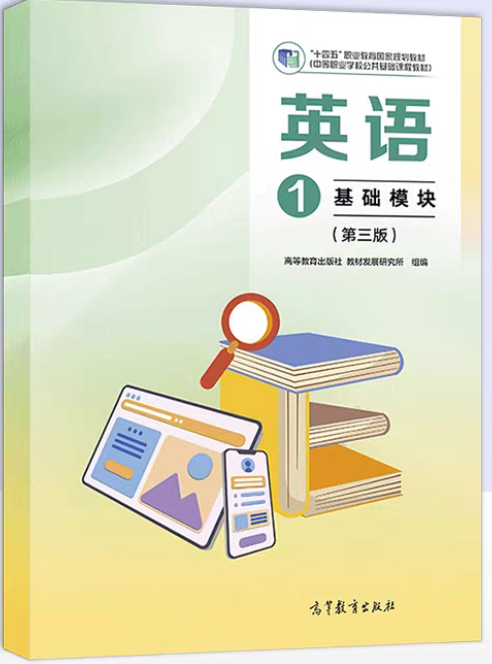
Unit 2 Transportation(B卷·能力提升)《英语 基础模块1》(高教版第三版)单元过关卷(原卷版+解析版)
2026-06-29
|
2份
|
20页
|
63人阅读
|
2人下载
摘要:
**基本信息**
本试卷为《英语 基础模块1》(高教版第三版)Unit 2 Transportation B卷·能力提升,紧扣教材核心考点,通过真实交通情境设计,适配单元复习,提升语言应用与思维能力。
**题型特征**
|题型|题量/分值|知识覆盖|命题特色|
|----|-----------|----------|----------|
|情景交际|15小题/20分|交通方式选择、问路礼仪等|真实交通场景对话,如机场出行建议,提升语言能力|
|阅读理解|20小题/40分|交通方案设计、绿色出行等|围绕实际问题分析,培养思维品质与文化意识|
|完形填空|10小题/10分|交通场景语法应用|结合迷路求助等情境,考查语法与策略运用|
|语法填空|10小题/10分|交通计划相关语法|通过交通方案描述,强化语法知识迁移|
|书面表达|1题/20分|交通方案建议写作|整合时间、费用等要素,体现学习能力与综合应用|
内容正文:
编写说明:本套试卷紧扣《英语 基础模块1》(高教版第三版)教材,以教材单元为基准精准覆盖核心考点。
每个单元设置AB卷,A卷为基础巩固卷,侧重基础考点训练,帮助学生扎实掌握知识要点;B卷为能力提升卷,注重知识整合与全面检测,引导学生构建知识网络。全书设计4份综合测试卷,模拟实战情境,聚焦解题能力突破,全面提升应试能力与知识应用水平。
《英语 基础模块1》(高教版第三版)《单元过关卷》
Unit 2 Transportation
B卷·能力提升
考试时间:120分钟 满分:100分
班级_____姓名_____学号_____成绩_____
一、情景交际(共15小题;满分20分)
第一节 读下列10个短对话,从题后所给的 A、B、C、D 四个选项中选出可以填入空白处的最佳选项。(共10小题,每小题1分,满分10分)
1. —Excuse me, I need to arrive at the airport before 10:30. Which plan is safer, the 8:30 bus or the 9:20 taxi?
—_______. The taxi may be delayed by heavy traffic.
A. The 8:30 bus is safer. B. The taxi station is outside Gate 1.
C. The airport is large. D. The cost is not important.
【答案】A
【详解】考查交通方案判断。题干强调到达时间和交通拥堵,固定班车更稳妥。
2. —The map app shows three ways to the gym: walking, shared bike and taxi. The gym is only 800 meters away.
—_______. It is green and costs nothing.
A. You should take a taxi. B. You may walk there.
C. You must change lines. D. You need a terminal.
【答案】B
【详解】考查出行方式选择。距离很近,步行环保且免费。
3. —Could you help the foreign visitor? He has written down the hotel address but cannot pronounce it clearly.
—_______. I can show him the way on the map.
A. Sorry, I have no address. B. The hotel is expensive.
C. Of course. D. He should not travel.
【答案】C
【详解】考查主动帮助。对方请求帮助游客,C项表示愿意帮助。
4. —Why don't we take the airport express instead of a taxi?
—_______. It is fast, and we can avoid the traffic jam.
A. That makes sense. B. I missed the flight.
C. The taxi costs less in rush hour. D. The exit is closed.
【答案】A
【详解】考查接受建议。后文说明机场快线优势,A项表示建议合理。
5. —If the app might be wrong in a new district, what should we do first?
—_______. Then ask a local person politely.
A. Throw away the phone. B. Write down the place name.
C. Drive without looking. D. Wait until midnight.
【答案】B
【详解】考查跨文化问路策略。教材强调先写下地名,再礼貌询问。
6. —The shuttle bus leaves at 8:30 and 10:30. Our flight is at 12:30, and we should arrive two hours earlier.
—_______. The 10:30 bus is too late.
A. We should take the 8:30 bus. B. We can leave after lunch.
C. We should wait for the 10:30 bus. D. We need not check the time.
【答案】A
【详解】考查交通计划与时间推算。航班12:30,至少10:30到机场,10:30发车显然太晚。
7. —The notice says, 'Do not smoke near the subway exit.'
—_______. It is a rule for public safety.
A. We can smoke outside the train. B. We should follow it.
C. It is only for drivers. D. It means the exit is far.
【答案】B
【详解】考查标识理解。Do not smoke是禁止性提示,应遵守公共安全规则。
8. —How can I get to the hotel from Terminal 1?
—_______. Then change to Subway Line 2 at Zhuquemen Station.
A. Take the Airport Express first. B. The hotel address is long.
C. It costs one hour to write. D. The taxi is outside Gate 1.
【答案】A
【详解】考查路线说明。根据教材FAQ,从机场先乘Airport Express,再换乘2号线。
9. —I'm afraid we may miss the meeting if we take the bus now.
—_______. The subway takes only fifteen minutes.
A. Don't worry. B. You are late forever.
C. It is not a station. D. The bus card is blue.
【答案】A
【详解】考查安慰与建议。对方担心迟到,后文给出地铁方案,A项合适。
10. —Thank you for reminding me to check my belongings before getting off.
—_______. It is easy to leave things on a crowded train.
A. That is all right. B. My pleasure.
C. I disagree. D. Good luck with your exam.
【答案】B
【详解】考查回应感谢。提醒对方检查物品后回答感谢,用My pleasure最自然。
第二节 读下面一段对话,从方框中所给的 A、B、C、D、E、F 和 G 七个选项中选出可以填入空白处的最佳选项。(共5小题,每小题2分,满分10分)
Wang Lei: We need to plan our way to the airport. The flight leaves at 12:30 p.m.
Chen Yu: Yes. The notice says we should arrive at least two hours before the flight. _______ 11 _______
Wang Lei: The free shuttle bus leaves at 8:30 and 10:30. Which one should we take?
Chen Yu: _______ 12 _______ It gives us enough time.
Wang Lei: But the subway seems faster on the map app.
Chen Yu: True, but we have two large bags. _______ 13 _______
Wang Lei: What if the road is crowded?
Chen Yu: The bus leaves early, so the risk is smaller. _______ 14 _______
Wang Lei: Good. I will write down the hotel address and airport terminal, just in case.
Chen Yu: Great. _______ 15 _______
A. Let's choose the 8:30 bus.
B. We should arrive after the flight leaves.
C. The shuttle bus is free and easier with bags.
D. We must get there before 10:30.
E. We can also ask the front desk to confirm the route.
F. That is a careful travel habit.
G. Walking to the airport is the best choice.
【答案】11. D 12. A 13. C 14. E 15. F
【详解】
11. 根据航班12:30和至少提前两小时到达可知,应10:30前到机场。
12. 后文说明留足时间,A项选择8:30班车合理。
13. 前文提到行李较多,C项说明班车免费且携带行李更方便。
14. 上文担心道路拥堵,E项请前台确认路线,进一步降低风险。
15. 此处Wang Lei提到会提前记下地址和航站楼信息以防万一,对应F选项"That is a careful travel habit"。
二、阅读理解(共20小题;每小题2分,满分40分)
阅读下列短文,从每题所给的 A、B、C、D 四个选项中选出最佳选项。
A
The front desk of Green Lake Hotel often receives questions about transportation. To help guests make better choices, the hotel has made a small comparison chart. From the airport to the hotel, the shuttle bus takes about 70 minutes and costs 10 yuan. It runs from 6:30 a.m. to 8:30 p.m. The subway takes about 45 minutes and costs 7 yuan, but guests need to change lines once and walk eight minutes after leaving Exit C. A taxi takes 50 to 80 minutes and costs about 100 yuan, depending on traffic.
From the train station to the hotel, the subway is usually the best choice. Guests can take Line 2 directly to Green Lake Station and leave from Exit A. The whole trip takes about 25 minutes and costs 4 yuan. Bus 318 is cheaper, only 2 yuan, but it stops at many places and may take 50 minutes. A taxi from the train station costs about 35 yuan and takes 30 minutes in normal traffic.
The hotel also encourages green travel around the city. There are shared bikes near the front gate, and the first 30 minutes cost 1.5 yuan. Many museums and parks are within three kilometers of the hotel. For short trips, riding a shared bike or walking can save money and reduce pollution. However, guests should avoid riding bikes in heavy rain or late at night.
The front desk reminds guests to choose transportation according to arrival time, luggage, weather and budget. The fastest way is not always the best way. A suitable plan is the one that balances safety, cost and convenience.
16. Which way from the airport is the cheapest according to the passage?
A. Shuttle bus. B. Subway.
C. Taxi. D. Shared bike.
17. What must guests do if they take the subway from the airport?
A. Get off at Exit A directly. B. Change lines once and walk eight minutes.
C. Pay 100 yuan. D. Take Bus 318 first.
18. Why may Bus 318 take longer from the train station?
A. It stops at many places. B. It runs only at night.
C. It is more expensive. D. It goes to the airport first.
19. When should guests avoid riding shared bikes?
A. On sunny mornings. B. For short trips.
C. In heavy rain or late at night. D. Within three kilometers.
20. What idea does the passage mainly express?
A. Guests should always choose taxis. B. The fastest way is always best.
C. Shared bikes are only for hotel workers. D. A good plan should balance several factors.
【答案】BBACD
【导语】本文介绍酒店交通方案比较,强调根据时间、行李、天气和预算综合选择。
【详解】
16. 本题为细节理解题。从机场到酒店,地铁7元低于班车10元和出租车约100元,故选B。
17. 本题为细节理解题。根据第1段的“need to change lines once and walk eight minutes”可知,故选B。
18. 本题为细节理解题。根据第2段的“it stops at many places”可知,故选A。
19. 本题为细节理解题。根据第3段的“avoid riding bikes in heavy rain or late at night”可知,故选C。
20. 本题为主旨大意题。末段强调平衡安全、费用与便利,故选D。
B
A group of students in a vocational school were asked to design a transportation plan for foreign visitors coming to a skills competition. The visitors would arrive at the train station at 4:30 p.m. and needed to reach the school before 5:30 p.m. The school was six kilometers away. The students had to consider time, cost, comfort and the visitors' first impression of the city.
At first, some students suggested taking Bus 22 because it was cheap and stopped near the school gate. But another student checked the traffic information and found that several roads near the station were crowded after 5:00 p.m. The bus might take more than an hour. A taxi was more comfortable, but five taxis would be needed for the group, and the cost would be high.
Finally, the group chose a mixed plan. Volunteers would meet the visitors at the train station and guide them to Subway Line 1. After three stops, they would get off at Central Park Station. A school bus would wait there and take them to the campus through a less crowded road. The plan took about 40 minutes, cost less than taxis, and allowed volunteers to introduce the city on the way.
The teacher praised the students because they did not simply choose the cheapest or fastest way. They used real information, discussed possible problems and thought about guests' needs. Good transportation planning, she said, is a practical skill in modern service work.
21. What was the students' task?
A. To repair a school bus. B. To sell subway tickets.
C. To write a story about a competition. D. To design a transportation plan for visitors.
22. Why was Bus 22 not finally chosen?
A. It did not stop near the school. B. It was too expensive.
C. It might be delayed by crowded roads. D. It could carry only five people.
23. What did the final plan include?
A. Subway and school bus. B. Taxi and shared bike.
C. Walking and Bus 22. D. Airport express and taxi.
24. What can we infer about the volunteers?
A. They only cared about money. B. They would help visitors feel welcomed.
C. They had never taken the subway. D. They would arrive after 5:30 p.m.
25. What did the teacher value most?
A. Copying the map app exactly. B. Choosing the most expensive plan.
C. Using real information and considering needs. D. Avoiding all public transportation.
【答案】DCABC
【导语】本文讲述学生为技能比赛来访者设计交通方案,体现真实任务中的综合决策能力。
【详解】
21. 本题为细节理解题。根据第1段“design a transportation plan”可知,故选D。
22. 本题为推理判断题。根据第2段拥堵信息和“might take more than an hour”可知,故选C。
23. 本题为细节理解题。根据第3段Subway Line 1和school bus可知,故选A。
24. 本题为推理判断题。志愿者接站并沿途介绍城市,有助于客人感到受欢迎,故选B。
25. 本题为细节理解题。末段强调真实信息、可能问题和客人需求,故选C。
C
In many cities, young people are used to following map apps. The blue line on the screen seems to know everything. However, a map app is a tool, not a decision maker. Last month, Chen Min learned this lesson when she tried to visit a small library in an old district. The app told her to walk through a narrow lane because it was the shortest route. When she arrived there, she found construction work blocking the lane.
Chen Min did not turn back at once. She looked around and found an elderly shop owner. She said politely, “Excuse me, could you tell me how to get to the district library?” The shop owner first asked which entrance she needed, because the library had two entrances on different streets. Then he drew a simple route on a piece of paper and reminded her to cross at the traffic lights.
The new route was ten minutes longer, but it was safer and easier to follow. On her way, Chen Min noticed several street signs that she had ignored before. She realized that reading signs, remembering landmarks and asking people politely were still useful skills. A phone could give information quickly, but people could provide details that the phone might miss.
Since then, Chen Min has used map apps more wisely. She checks the route before leaving, keeps the destination address in her notebook and pays attention to real road conditions. She also tells her classmates that technology is helpful, but careful thinking is more important.
26. What problem did Chen Min meet?
A. Her phone was stolen. B. The shortest route was blocked by construction.
C. The library was closed forever. D. She forgot the library name.
27. Why did the shop owner ask which entrance she needed?
A. The library had two entrances on different streets. B. He wanted to sell her a notebook.
C. The app showed no blue line. D. She could not read English.
28. What did Chen Min learn from the experience?
A. Map apps should never be used. B. Asking politely and reading signs are useful.
C. The shortest route is always safest. D. Libraries are hard to find in every city.
29. What does the underlined word “ignored” probably mean?
A. Paid no attention to. B. Carefully protected.
C. Clearly understood. D. Quickly bought.
30. What is the main idea of the passage?
A. Old districts have no libraries. B. Shop owners know every app.
C. Technology helps, but people should think carefully. D. Students should stop using phones.
【答案】BABAC
【导语】本文通过陈敏找图书馆的经历说明地图软件有用,但真实路况、礼貌问路和独立判断同样重要。
【详解】
26. 本题为细节理解题。根据第1段“construction work blocking the lane”可知,故选B。
27. 本题为细节理解题。根据第2段“two entrances on different streets”可知,故选A。
28. 本题为细节理解题。根据第3段可知读标识、记地标、礼貌问路仍有用,故选B。
29. 本题为词义猜测题。她此前没有注意街道标识,ignored意为“忽视”,故选A。
30. 本题为主旨大意题。末段强调技术有帮助但思考更重要,故选C。
D
A city transportation card looks small, but it can change people's travel habits. In Suzhou, some vocational school students took part in a project called One Week Without Private Cars. Each student received a transportation card that could be used on buses, subways and some shared bikes. They recorded every trip, including distance, cost, time and feelings.
At the beginning, several students thought public transportation would be inconvenient. One student, Zhao Rui, usually asked his father to drive him to school. On Monday, he took the subway for the first time. He had to walk twelve minutes to the station, but he arrived at school earlier than usual because the road near the school was crowded with cars. He also used the walking time to listen to English dialogues about asking for directions.
Another student, Liu Fang, found that shared bikes were useful for short trips between the subway station and her training center. However, she also noticed that some riders parked bikes at the gate and blocked the way. She suggested drawing clear parking areas and putting up signs such as “Park shared bikes here” and “Keep the exit clear”.
After one week, the students saved money and understood their city better. More importantly, they learned that green transportation is connected with personal habits and public responsibility. A greener city needs not only more buses and subways, but also travelers who make thoughtful choices.
31. What did students record in the project?
A. Trips, distance, cost, time and feelings. B. Only their test scores.
C. The names of private cars. D. Every restaurant near school.
32. Why did Zhao Rui arrive earlier by subway?
A. His father drove faster. B. The subway station was inside his classroom.
C. The road near school was crowded with cars. D. He skipped the first class.
33. What problem did Liu Fang notice?
A. Shared bikes were too expensive. B. Some bikes blocked the way at the gate.
C. The training center had no students. D. The subway never arrived.
34. Which sign would help solve Liu Fang's problem?
A. Do not read English. B. Keep the exit clear.
C. Drive private cars only. D. No buses in this area.
35. What does the passage suggest?
A. Green transportation is only about saving money. B. Students should always ask parents to drive.
C. A green city needs thoughtful travelers too. D. Shared bikes should be used in classrooms.
【答案】ACBBC
【导语】本文介绍学生参与绿色出行项目的经历,说明绿色交通既关乎个人选择,也关乎公共责任。
【详解】
31. 本题为细节理解题。根据第1段“distance, cost, time and feelings”可知,故选A。
32. 本题为细节理解题。根据第2段道路拥堵而地铁不受影响可知,故选C。
33. 本题为细节理解题。根据第3段“blocked the way”可知,故选B。
34. 本题为细节理解题。“Keep the exit clear”可解决出口被堵问题,故选B。
35. 本题为主旨理解题。末段指出绿色城市也需要有责任感的出行者,故选C。
三、完形填空(共10小题;每小题1分,满分10分)
阅读下面短文,从每题所给的 A、B、C、D 四个选项中选出可以填入空白处的最佳选项。
When Mr. Brown came to Nanjing for a training program, he booked a hotel near the city center. On the first morning, he planned to visit a vocational school. The hotel clerk gave him three transportation plans. A taxi was comfortable, but the road was crowded during 36._______. A bus was cheap, but it stopped many times. The subway seemed the most 37._______ choice.
Mr. Brown took Line 1 and planned to get 38._______ at Xinhua Road Station. However, he was reading a message and missed the stop. At first he felt nervous because he did not know the 39._______. Then he remembered the clerk's advice: “If you get lost, ask for help 40._______ and write down the place name.”
He walked to a station worker and showed the school 41._______. The worker told him to take the train back for one stop and use Exit D. Mr. Brown followed the 42._______ and arrived at the school only ten minutes late. During the training, he shared this experience with students. He said that map apps were useful, 43._______ polite communication was sometimes more helpful. The students also learned that English could be used in 44._______ service work. After class, they helped him design a greener plan for his next trip, using the subway and a shared bike 45._______ a taxi.
36. A. free time B. breakfast C. midnight D. rush hour
37. A. convenient B. expensive C. private D. wrong
38. A. on B. to C. up D. off
39. A. price B. direction C. weather D. ticket
40. A. loudly B. angrily C. carelessly D. politely
41. A. battery B. gym C. address D. cost
42. A. signs B. stories C. exams D. meals
43. A. and B. but C. or D. so
44. A. lazy B. noisy C. empty D. real
45. A. because of B. thanks to C. instead of D. far from
【答案】36. D 37. A 38. D 39. B 40. D 41. C 42. A 43. B 44. D 45. C
【详解】
36. 本题依据上下文语境选择。设空围绕高峰期、地铁换乘、礼貌问路、地址信息和instead of等单元核心词汇短语展开。
37. 本题依据上下文语境选择。设空围绕高峰期、地铁换乘、礼貌问路、地址信息和instead of等单元核心词汇短语展开。
38. 本题依据上下文语境选择。设空围绕高峰期、地铁换乘、礼貌问路、地址信息和instead of等单元核心词汇短语展开。
39. 本题依据上下文语境选择。设空围绕高峰期、地铁换乘、礼貌问路、地址信息和instead of等单元核心词汇短语展开。
40. 本题依据上下文语境选择。设空围绕高峰期、地铁换乘、礼貌问路、地址信息和instead of等单元核心词汇短语展开。
41. 本题依据上下文语境选择。设空围绕高峰期、地铁换乘、礼貌问路、地址信息和instead of等单元核心词汇短语展开。
42. 本题依据上下文语境选择。设空围绕高峰期、地铁换乘、礼貌问路、地址信息和instead of等单元核心词汇短语展开。
43. 本题依据上下文语境选择。设空围绕高峰期、地铁换乘、礼貌问路、地址信息和instead of等单元核心词汇短语展开。
44. 本题依据上下文语境选择。设空围绕高峰期、地铁换乘、礼貌问路、地址信息和instead of等单元核心词汇短语展开。
45. 本题依据上下文语境选择。设空围绕高峰期、地铁换乘、礼貌问路、地址信息和instead of等单元核心词汇短语展开。
四、语法填空(共10小题;每小题1分,满分10分)
阅读下面短文,在空白处填入1个适当的单词或括号内单词的正确形式。
A map app is useful, but it should not be the only thing you depend on. Before you leave, 46._______ (write) down the name and address of your destination. If your phone 47._______ (run) out of battery, the note can help you ask for directions. When you ask others for help, speak 48._______ (polite) and clearly. It is also a good idea 49._______ (remember) one or two landmarks near the place.
Last week, our group 50._______ (plan) a way to the airport. We compared three choices: bus, subway and taxi. The bus was free for hotel guests, but it 51._______ (leave) only every two hours. The subway was faster 52._______ the taxi during rush hour. Finally, we decided 53._______ the subway plan. We got on at Green Lake Station and changed 54._______ Line 3 at Central Station. The plan worked well, and everyone arrived 55._______ (safe).
【答案】46. write 47. runs 48. politely 49. to remember 50. planned 51. left 52. than 53. on 54. to 55. safely
【详解】
46. 考查祈使句。句首提出建议,用动词原形Write。
47. 考查主谓一致。if条件句中主语your phone为单数,一般现在时用runs。
48. 考查词性转换。修饰动词speak用副词politely。
49. 考查固定句型。It is a good idea to do sth.。
50. 考查一般过去时。Last week提示过去,用planned。
51. 考查一般过去时。叙述上周方案,leave用过去式left。
52. 考查比较结构。faster than表示“比……更快”。
53. 考查介词搭配。decide on sth.意为“决定选择某事物”。
54. 考查介词。change to Line 3表示“换乘3号线”。
55. 考查副词。修饰动词arrived用safely。
五、书面表达(满分20分)
假定你是学校志愿者李华,下周有外国客人从火车站来你校参观。请你根据以下提示,用英语写一份交通方案建议。
要点:1. 推荐一种或两种从火车站到学校的交通方式;2. 说明推荐理由(时间、费用、便利性、环保等);3. 给出问路或安全提醒。
注意:1. 词数80词左右;2. 行文连贯,条理清楚;3. 文中不得出现真实姓名、校名和地名。
______________________________________________________________________________________________________________________________________________________________________________________________________________________________________________________
【参考范文】
Dear guests, welcome to our city. I suggest taking the subway from the train station to our school. You can take Line 2 first and get off at Central Park Station. Then leave from Exit B and walk along the main road for about eight minutes. Volunteers will wait for you near the exit.
This plan is better than taking a taxi during rush hour because the subway is faster, cheaper and greener. It will take about thirty minutes in total. Before leaving, please write down our school address and keep your phone charged. If you cannot find the exit, ask the station staff for help politely. We hope you will have a safe and pleasant trip.
【词汇积累】visitor 客人;recommend 推荐;route 路线;exit 出口;station staff 车站工作人员;keep your phone charged 保持手机有电。
【句式拓展】原句:The subway is faster. 拓展:This plan is better than taking a taxi during rush hour because the subway is faster, cheaper and greener.
【点睛】范文以志愿服务真实场景为载体,兼顾路线说明、推荐理由和安全提醒,体现应用性。
原创精品资源学科网独家享有版权,侵权必究!
学科网(北京)股份有限公司
$
编写说明:本套试卷紧扣《英语 基础模块1》(高教版第三版)教材,以教材单元为基准精准覆盖核心考点。
每个单元设置AB卷,A卷为基础巩固卷,侧重基础考点训练,帮助学生扎实掌握知识要点;B卷为能力提升卷,注重知识整合与全面检测,引导学生构建知识网络。全书设计4份综合测试卷,模拟实战情境,聚焦解题能力突破,全面提升应试能力与知识应用水平。
《英语 基础模块1》(高教版第三版)《单元过关卷》
Unit 2 Transportation
B卷·能力提升
考试时间:120分钟 满分:100分
班级_____姓名_____学号_____成绩_____
一、情景交际(共15小题;满分20分)
第一节 读下列10个短对话,从题后所给的 A、B、C、D 四个选项中选出可以填入空白处的最佳选项。(共10小题,每小题1分,满分10分)
1. —Excuse me, I need to arrive at the airport before 10:30. Which plan is safer, the 8:30 bus or the 9:20 taxi?
—_______. The taxi may be delayed by heavy traffic.
A. The 8:30 bus is safer. B. The taxi station is outside Gate 1.
C. The airport is large. D. The cost is not important.
2. —The map app shows three ways to the gym: walking, shared bike and taxi. The gym is only 800 meters away.
—_______. It is green and costs nothing.
A. You should take a taxi. B. You may walk there.
C. You must change lines. D. You need a terminal.
3. —Could you help the foreign visitor? He has written down the hotel address but cannot pronounce it clearly.
—_______. I can show him the way on the map.
A. Sorry, I have no address. B. The hotel is expensive.
C. Of course. D. He should not travel.
4. —Why don't we take the airport express instead of a taxi?
—_______. It is fast, and we can avoid the traffic jam.
A. That makes sense. B. I missed the flight.
C. The taxi costs less in rush hour. D. The exit is closed.
5. —If the app might be wrong in a new district, what should we do first?
—_______. Then ask a local person politely.
A. Throw away the phone. B. Write down the place name.
C. Drive without looking. D. Wait until midnight.
6. —The shuttle bus leaves at 8:30 and 10:30. Our flight is at 12:30, and we should arrive two hours earlier.
—_______. The 10:30 bus is too late.
A. We should take the 8:30 bus. B. We can leave after lunch.
C. We should wait for the 10:30 bus. D. We need not check the time.
7. —The notice says, 'Do not smoke near the subway exit.'
—_______. It is a rule for public safety.
A. We can smoke outside the train. B. We should follow it.
C. It is only for drivers. D. It means the exit is far.
8. —How can I get to the hotel from Terminal 1?
—_______. Then change to Subway Line 2 at Zhuquemen Station.
A. Take the Airport Express first. B. The hotel address is long.
C. It costs one hour to write. D. The taxi is outside Gate 1.
9. —I'm afraid we may miss the meeting if we take the bus now.
—_______. The subway takes only fifteen minutes.
A. Don't worry. B. You are late forever.
C. It is not a station. D. The bus card is blue.
10. —Thank you for reminding me to check my belongings before getting off.
—_______. It is easy to leave things on a crowded train.
A. That is all right. B. My pleasure.
C. I disagree. D. Good luck with your exam.
第二节 读下面一段对话,从方框中所给的 A、B、C、D、E、F 和 G 七个选项中选出可以填入空白处的最佳选项。(共5小题,每小题2分,满分10分)
Wang Lei: We need to plan our way to the airport. The flight leaves at 12:30 p.m.
Chen Yu: Yes. The notice says we should arrive at least two hours before the flight. _______ 11 _______
Wang Lei: The free shuttle bus leaves at 8:30 and 10:30. Which one should we take?
Chen Yu: _______ 12 _______ It gives us enough time.
Wang Lei: But the subway seems faster on the map app.
Chen Yu: True, but we have two large bags. _______ 13 _______
Wang Lei: What if the road is crowded?
Chen Yu: The bus leaves early, so the risk is smaller. _______ 14 _______
Wang Lei: Good. I will write down the hotel address and airport terminal, just in case.
Chen Yu: Great. _______ 15 _______
A. Let's choose the 8:30 bus.
B. We should arrive after the flight leaves.
C. The shuttle bus is free and easier with bags.
D. We must get there before 10:30.
E. We can also ask the front desk to confirm the route.
F. That is a careful travel habit.
G. Walking to the airport is the best choice.
二、阅读理解(共20小题;每小题2分,满分40分)
阅读下列短文,从每题所给的 A、B、C、D 四个选项中选出最佳选项。
A
The front desk of Green Lake Hotel often receives questions about transportation. To help guests make better choices, the hotel has made a small comparison chart. From the airport to the hotel, the shuttle bus takes about 70 minutes and costs 10 yuan. It runs from 6:30 a.m. to 8:30 p.m. The subway takes about 45 minutes and costs 7 yuan, but guests need to change lines once and walk eight minutes after leaving Exit C. A taxi takes 50 to 80 minutes and costs about 100 yuan, depending on traffic.
From the train station to the hotel, the subway is usually the best choice. Guests can take Line 2 directly to Green Lake Station and leave from Exit A. The whole trip takes about 25 minutes and costs 4 yuan. Bus 318 is cheaper, only 2 yuan, but it stops at many places and may take 50 minutes. A taxi from the train station costs about 35 yuan and takes 30 minutes in normal traffic.
The hotel also encourages green travel around the city. There are shared bikes near the front gate, and the first 30 minutes cost 1.5 yuan. Many museums and parks are within three kilometers of the hotel. For short trips, riding a shared bike or walking can save money and reduce pollution. However, guests should avoid riding bikes in heavy rain or late at night.
The front desk reminds guests to choose transportation according to arrival time, luggage, weather and budget. The fastest way is not always the best way. A suitable plan is the one that balances safety, cost and convenience.
16. Which way from the airport is the cheapest according to the passage?
A. Shuttle bus. B. Subway.
C. Taxi. D. Shared bike.
17. What must guests do if they take the subway from the airport?
A. Get off at Exit A directly. B. Change lines once and walk eight minutes.
C. Pay 100 yuan. D. Take Bus 318 first.
18. Why may Bus 318 take longer from the train station?
A. It stops at many places. B. It runs only at night.
C. It is more expensive. D. It goes to the airport first.
19. When should guests avoid riding shared bikes?
A. On sunny mornings. B. For short trips.
C. In heavy rain or late at night. D. Within three kilometers.
20. What idea does the passage mainly express?
A. Guests should always choose taxis. B. The fastest way is always best.
C. Shared bikes are only for hotel workers. D. A good plan should balance several factors.
B
A group of students in a vocational school were asked to design a transportation plan for foreign visitors coming to a skills competition. The visitors would arrive at the train station at 4:30 p.m. and needed to reach the school before 5:30 p.m. The school was six kilometers away. The students had to consider time, cost, comfort and the visitors' first impression of the city.
At first, some students suggested taking Bus 22 because it was cheap and stopped near the school gate. But another student checked the traffic information and found that several roads near the station were crowded after 5:00 p.m. The bus might take more than an hour. A taxi was more comfortable, but five taxis would be needed for the group, and the cost would be high.
Finally, the group chose a mixed plan. Volunteers would meet the visitors at the train station and guide them to Subway Line 1. After three stops, they would get off at Central Park Station. A school bus would wait there and take them to the campus through a less crowded road. The plan took about 40 minutes, cost less than taxis, and allowed volunteers to introduce the city on the way.
The teacher praised the students because they did not simply choose the cheapest or fastest way. They used real information, discussed possible problems and thought about guests' needs. Good transportation planning, she said, is a practical skill in modern service work.
21. What was the students' task?
A. To repair a school bus. B. To sell subway tickets.
C. To write a story about a competition. D. To design a transportation plan for visitors.
22. Why was Bus 22 not finally chosen?
A. It did not stop near the school. B. It was too expensive.
C. It might be delayed by crowded roads. D. It could carry only five people.
23. What did the final plan include?
A. Subway and school bus. B. Taxi and shared bike.
C. Walking and Bus 22. D. Airport express and taxi.
24. What can we infer about the volunteers?
A. They only cared about money. B. They would help visitors feel welcomed.
C. They had never taken the subway. D. They would arrive after 5:30 p.m.
25. What did the teacher value most?
A. Copying the map app exactly. B. Choosing the most expensive plan.
C. Using real information and considering needs. D. Avoiding all public transportation.
C
In many cities, young people are used to following map apps. The blue line on the screen seems to know everything. However, a map app is a tool, not a decision maker. Last month, Chen Min learned this lesson when she tried to visit a small library in an old district. The app told her to walk through a narrow lane because it was the shortest route. When she arrived there, she found construction work blocking the lane.
Chen Min did not turn back at once. She looked around and found an elderly shop owner. She said politely, “Excuse me, could you tell me how to get to the district library?” The shop owner first asked which entrance she needed, because the library had two entrances on different streets. Then he drew a simple route on a piece of paper and reminded her to cross at the traffic lights.
The new route was ten minutes longer, but it was safer and easier to follow. On her way, Chen Min noticed several street signs that she had ignored before. She realized that reading signs, remembering landmarks and asking people politely were still useful skills. A phone could give information quickly, but people could provide details that the phone might miss.
Since then, Chen Min has used map apps more wisely. She checks the route before leaving, keeps the destination address in her notebook and pays attention to real road conditions. She also tells her classmates that technology is helpful, but careful thinking is more important.
26. What problem did Chen Min meet?
A. Her phone was stolen. B. The shortest route was blocked by construction.
C. The library was closed forever. D. She forgot the library name.
27. Why did the shop owner ask which entrance she needed?
A. The library had two entrances on different streets. B. He wanted to sell her a notebook.
C. The app showed no blue line. D. She could not read English.
28. What did Chen Min learn from the experience?
A. Map apps should never be used. B. Asking politely and reading signs are useful.
C. The shortest route is always safest. D. Libraries are hard to find in every city.
29. What does the underlined word “ignored” probably mean?
A. Paid no attention to. B. Carefully protected.
C. Clearly understood. D. Quickly bought.
30. What is the main idea of the passage?
A. Old districts have no libraries. B. Shop owners know every app.
C. Technology helps, but people should think carefully. D. Students should stop using phones.
D
A city transportation card looks small, but it can change people's travel habits. In Suzhou, some vocational school students took part in a project called One Week Without Private Cars. Each student received a transportation card that could be used on buses, subways and some shared bikes. They recorded every trip, including distance, cost, time and feelings.
At the beginning, several students thought public transportation would be inconvenient. One student, Zhao Rui, usually asked his father to drive him to school. On Monday, he took the subway for the first time. He had to walk twelve minutes to the station, but he arrived at school earlier than usual because the road near the school was crowded with cars. He also used the walking time to listen to English dialogues about asking for directions.
Another student, Liu Fang, found that shared bikes were useful for short trips between the subway station and her training center. However, she also noticed that some riders parked bikes at the gate and blocked the way. She suggested drawing clear parking areas and putting up signs such as “Park shared bikes here” and “Keep the exit clear”.
After one week, the students saved money and understood their city better. More importantly, they learned that green transportation is connected with personal habits and public responsibility. A greener city needs not only more buses and subways, but also travelers who make thoughtful choices.
31. What did students record in the project?
A. Trips, distance, cost, time and feelings. B. Only their test scores.
C. The names of private cars. D. Every restaurant near school.
32. Why did Zhao Rui arrive earlier by subway?
A. His father drove faster. B. The subway station was inside his classroom.
C. The road near school was crowded with cars. D. He skipped the first class.
33. What problem did Liu Fang notice?
A. Shared bikes were too expensive. B. Some bikes blocked the way at the gate.
C. The training center had no students. D. The subway never arrived.
34. Which sign would help solve Liu Fang's problem?
A. Do not read English. B. Keep the exit clear.
C. Drive private cars only. D. No buses in this area.
35. What does the passage suggest?
A. Green transportation is only about saving money. B. Students should always ask parents to drive.
C. A green city needs thoughtful travelers too. D. Shared bikes should be used in classrooms.
三、完形填空(共10小题;每小题1分,满分10分)
阅读下面短文,从每题所给的 A、B、C、D 四个选项中选出可以填入空白处的最佳选项。
When Mr. Brown came to Nanjing for a training program, he booked a hotel near the city center. On the first morning, he planned to visit a vocational school. The hotel clerk gave him three transportation plans. A taxi was comfortable, but the road was crowded during 36._______. A bus was cheap, but it stopped many times. The subway seemed the most 37._______ choice.
Mr. Brown took Line 1 and planned to get 38._______ at Xinhua Road Station. However, he was reading a message and missed the stop. At first he felt nervous because he did not know the 39._______. Then he remembered the clerk's advice: “If you get lost, ask for help 40._______ and write down the place name.”
He walked to a station worker and showed the school 41._______. The worker told him to take the train back for one stop and use Exit D. Mr. Brown followed the 42._______ and arrived at the school only ten minutes late. During the training, he shared this experience with students. He said that map apps were useful, 43._______ polite communication was sometimes more helpful. The students also learned that English could be used in 44._______ service work. After class, they helped him design a greener plan for his next trip, using the subway and a shared bike 45._______ a taxi.
36. A. free time B. breakfast C. midnight D. rush hour
37. A. convenient B. expensive C. private D. wrong
38. A. on B. to C. up D. off
39. A. price B. direction C. weather D. ticket
40. A. loudly B. angrily C. carelessly D. politely
41. A. battery B. gym C. address D. cost
42. A. signs B. stories C. exams D. meals
43. A. and B. but C. or D. so
44. A. lazy B. noisy C. empty D. real
45. A. because of B. thanks to C. instead of D. far from
四、语法填空(共10小题;每小题1分,满分10分)
阅读下面短文,在空白处填入1个适当的单词或括号内单词的正确形式。
A map app is useful, but it should not be the only thing you depend on. Before you leave, 46._______ (write) down the name and address of your destination. If your phone 47._______ (run) out of battery, the note can help you ask for directions. When you ask others for help, speak 48._______ (polite) and clearly. It is also a good idea 49._______ (remember) one or two landmarks near the place.
Last week, our group 50._______ (plan) a way to the airport. We compared three choices: bus, subway and taxi. The bus was free for hotel guests, but it 51._______ (leave) only every two hours. The subway was faster 52._______ the taxi during rush hour. Finally, we decided 53._______ the subway plan. We got on at Green Lake Station and changed 54._______ Line 3 at Central Station. The plan worked well, and everyone arrived 55._______ (safe).
五、书面表达(满分20分)
假定你是学校志愿者李华,下周有外国客人从火车站来你校参观。请你根据以下提示,用英语写一份交通方案建议。
要点:1. 推荐一种或两种从火车站到学校的交通方式;2. 说明推荐理由(时间、费用、便利性、环保等);3. 给出问路或安全提醒。
注意:1. 词数80词左右;2. 行文连贯,条理清楚;3. 文中不得出现真实姓名、校名和地名。
______________________________________________________________________________________________________________________________________________________________________________________________________________________________________________________
原创精品资源学科网独家享有版权,侵权必究!
学科网(北京)股份有限公司
$
资源预览图

1

2

3
由于学科网是一个信息分享及获取的平台,不确保部分用户上传资料的 来源及知识产权归属。如您发现相关资料侵犯您的合法权益,请联系学科网,我们核实后将及时进行处理。