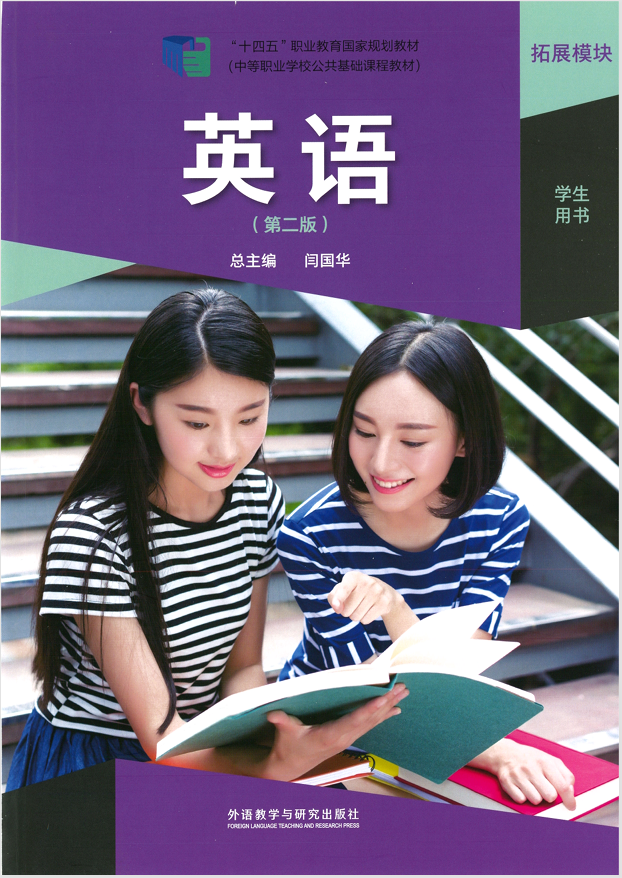
1.3 A Small Change Can Solve the Problems of Many(Reading and Writing (2))-《英语 拓展模块》(外研版第二版)《一课一练》(原卷版+解析版)
2026-06-27
|
2份
|
7页
|
61人阅读
|
0人下载
摘要:
**基本信息**
练习针对中职英语《拓展模块》Unit1,采用“课前预习+课堂检测”分层设计,通过词汇变形、语境应用、语篇阅读及写作,构建从基础词汇到综合语言运用的巩固路径,适配学情提升语言能力与思维品质。
**分层设计**
|层次|知识覆盖|设计特色|
|----|----------|----------|
|课前预习|核心词汇变形(名词-形容词、动词-名词等词性转换)|聚焦基础词汇夯实,通过5题词性转换强化词汇记忆,为课堂学习奠基|
|课堂检测|词汇语境应用、语篇理解(问题解决类文本)、书面表达(创意实践写作)|从单一词汇应用(5题填空)到语篇综合理解(5题阅读)再到输出表达(写作),梯度衔接紧密,适配“学-练-用”闭环,提升语言应用与问题解决能力|
内容正文:
编写说明:基于中职学生英语基础薄弱、学习内驱力不足的学情特点,为提升学习效率,落实课前、课中、课后教学闭环,本专辑依据最新《中等职业学校英语课程标准》,打造《英语 拓展模块》(外研版第二版)《一课一练》,专辑共 40 练。
本卷为《英语 拓展模块》(外研版第二版)Unit 1 A Small Change Can Solve the Problems of Many(Reading and Writing (2))的课前预习与课堂检测。
《英语 拓展模块》(外研版第二版)
Unit 1 A Small Change Can Solve the Problems of Many
一课一练(3) Reading and Writing (2)
【课前预习】
一、词汇变形
1. ______ n. 创造力 → ______ adj. 有创造力的
2. ______ v. 想象 → ______ adj. 富有想象力的
3. ______ v. 影响 → ______ n. 影响
4. ______ v. 允许 → ______ n. 许可
5. ______ n. 职业 → ______ adj. 职业的;专业的
【答案】1. creativity → creative 2. imagine → imaginative 3. influence → influence 4. permit → permission 5. profession → professional
【课堂检测】
一、用单词适当形式填空(5 题)
1. The students showed their ________ (create) by making useful things from waste paper.
【答案】creativity
【详解】考查名词。their 后接名词,create 的名词形式为 creativity。
2. My little sister is ________ (imagine); she can draw many funny machines.
【答案】imaginative
【详解】考查形容词。be 动词后接形容词作表语。
3. The teacher's words ________ (influence) me a lot when I was in Grade One.
【答案】influenced
【详解】考查一般过去时。时间状语 when I was in Grade One 表示过去。
4. With your ________ (permit), we will put your slogan on the wall.
【答案】permission
【详解】考查名词。with your permission 意为“在你允许的情况下”。
5. If you want to solve the legal problem, you need to ask a ________ (profession) person for help.
【答案】professional
【详解】考查形容词。空处修饰 person,应用形容词 professional。
二、阅读理解(5 题)
When Chen Ming entered a vocational school, he was quiet and not confident. He liked repairing small things, but he never thought his interest could help others. One day, his teacher asked the class to find a problem in their dormitory and try to solve it with a small invention.
Chen Ming noticed that many students forgot to turn off the tap after washing their hands. Water often ran for a long time, and the floor became wet. He discussed the problem with two classmates. At first, they wanted to buy an expensive smart device, but the teacher reminded them that a good idea should be practical and easy to use.
After several tries, Chen Ming designed a simple red sign and a small plastic holder for soap. The sign said, “One more look, one less waste.” The holder was placed near the tap, so students had to look at the tap when they took the soap. This small design made students check the tap naturally before leaving.
A week later, the dormitory used much less water than before. More importantly, students began to talk about other small problems around them. Some wanted to design a shoe shelf to keep the floor clean. Others planned to make labels for shared tools. Chen Ming was surprised that one small idea could bring so many changes.
At the school meeting, Chen Ming shared his experience. He said creativity was not far away from students. It could start from careful observation, teamwork and the wish to make life better. His words encouraged many students to pay greater attention to their surroundings and try their own ideas.
6. What did Chen Ming like doing at first?
A. Repairing small things.
B. Giving public speeches.
C. Drawing school maps.
D. Selling smart devices.
【答案】A
【解析】考点:细节理解题。定位原文第 1 段第 2 句可知答案。
7. What problem did Chen Ming find in the dormitory?
A. Students lost their keys.
B. Students forgot to turn off the tap.
C. Students broke the windows.
D. Students could not find the library.
【答案】B
【解析】考点:细节理解题。定位原文第 2 段第 1 句可知。
8. Why did the teacher stop them from buying an expensive smart device?
A. Because it was too colorful.
B. Because the dormitory was too small.
C. Because a good idea should be practical and easy to use.
D. Because students could not use any tools.
【答案】C
【解析】考点:细节理解题。定位原文第 2 段最后一句。
9. What does the underlined word “observation” mean in the last paragraph?
A. Fast running.
B. Loud reading.
C. Easy cooking.
D. Careful watching.
【答案】D
【解析】考点:词义猜测题。根据全文“发现问题”“关注周围事物”可知 observation 指观察。
10. What can we learn from the passage?
A. Creativity only belongs to famous inventors.
B. Expensive devices are always the best solutions.
C. Small ideas can help solve real-life problems.
D. Students should not share their ideas at school.
【答案】C
【解析】考点:推理判断题。文章说明小创意也能解决生活问题。
三、书面表达(词数 80 词左右)
请根据提示,以第一人称 I 写一篇英语短文,标题已给出。
作文标题:A Small Creative Idea in My Life
写作要点:
1. 你发现了生活或学习中的什么小问题;
2. 你想出了什么创意办法;
3. 这个办法带来了什么改变或收获。
要求:
4. 词数 80 词左右;
5. 覆盖全部要点,行文连贯,合理增加细节,不要逐句翻译;
6. 文中不得出现真实姓名、校名和地名;
7. 书写工整,规范使用标点与大小写。
________________________________________________________________________________
________________________________________________________________________________
________________________________________________________________________________
【范文】
A Small Creative Idea in My Life
I once found a small problem in my study. I often forgot new words after class, although I wrote them in my notebook. Later, I designed a word card pocket and put it on my desk. Every morning, I chose five cards and read them before class. I also shared the cards with my classmates. This small idea helped me remember words better and made English study more interesting. I learned that creativity can start from a simple problem in daily life.
【导语】本篇书面表达对标河北对口升学个人短文写作,围绕“生活中的小创意”展开。
【详解】1. 词汇积累:problem—difficulty;idea—method;remember—keep in mind。2. 句式拓展:I often forgot new words after class. 可拓展为 I often forgot new words after class although I wrote them in my notebook.
【点睛】高分句型一:although 引导让步状语从句。高分句型二:I learned that... 使用宾语从句总结个人收获。
原创精品资源学科网独家享有版权,侵权必究!
学科网(北京)股份有限公司
$
编写说明:基于中职学生英语基础薄弱、学习内驱力不足的学情特点,为提升学习效率,落实课前、课中、课后教学闭环,本专辑依据最新《中等职业学校英语课程标准》,打造《英语 拓展模块》(外研版第二版)《一课一练》,专辑共 40 练。
本卷为《英语 拓展模块》(外研版第二版)Unit 1 A Small Change Can Solve the Problems of Many(Reading and Writing (2))的课前预习与课堂检测。
《英语 拓展模块》(外研版第二版)
Unit 1 A Small Change Can Solve the Problems of Many
一课一练(3) Reading and Writing (2)
【课前预习】
一、词汇变形
1. ______ n. 创造力 → ______ adj. 有创造力的
2. ______ v. 想象 → ______ adj. 富有想象力的
3. ______ v. 影响 → ______ n. 影响
4. ______ v. 允许 → ______ n. 许可
5. ______ n. 职业 → ______ adj. 职业的;专业的
【课堂检测】
一、用单词适当形式填空(5 题)
1. The students showed their ________ (create) by making useful things from waste paper.
2. My little sister is ________ (imagine); she can draw many funny machines.
3. The teacher's words ________ (influence) me a lot when I was in Grade One.
4. With your ________ (permit), we will put your slogan on the wall.
5. If you want to solve the legal problem, you need to ask a ________ (profession) person for help.
二、阅读理解(5 题)
When Chen Ming entered a vocational school, he was quiet and not confident. He liked repairing small things, but he never thought his interest could help others. One day, his teacher asked the class to find a problem in their dormitory and try to solve it with a small invention.
Chen Ming noticed that many students forgot to turn off the tap after washing their hands. Water often ran for a long time, and the floor became wet. He discussed the problem with two classmates. At first, they wanted to buy an expensive smart device, but the teacher reminded them that a good idea should be practical and easy to use.
After several tries, Chen Ming designed a simple red sign and a small plastic holder for soap. The sign said, “One more look, one less waste.” The holder was placed near the tap, so students had to look at the tap when they took the soap. This small design made students check the tap naturally before leaving.
A week later, the dormitory used much less water than before. More importantly, students began to talk about other small problems around them. Some wanted to design a shoe shelf to keep the floor clean. Others planned to make labels for shared tools. Chen Ming was surprised that one small idea could bring so many changes.
At the school meeting, Chen Ming shared his experience. He said creativity was not far away from students. It could start from careful observation, teamwork and the wish to make life better. His words encouraged many students to pay greater attention to their surroundings and try their own ideas.
6. What did Chen Ming like doing at first?
A. Repairing small things.
B. Giving public speeches.
C. Drawing school maps.
D. Selling smart devices.
7. What problem did Chen Ming find in the dormitory?
A. Students lost their keys.
B. Students forgot to turn off the tap.
C. Students broke the windows.
D. Students could not find the library.
8. Why did the teacher stop them from buying an expensive smart device?
A. Because it was too colorful.
B. Because the dormitory was too small.
C. Because a good idea should be practical and easy to use.
D. Because students could not use any tools.
9. What does the underlined word “observation” mean in the last paragraph?
A. Fast running.
B. Loud reading.
C. Easy cooking.
D. Careful watching.
10. What can we learn from the passage?
A. Creativity only belongs to famous inventors.
B. Expensive devices are always the best solutions.
C. Small ideas can help solve real-life problems.
D. Students should not share their ideas at school.
三、书面表达(词数 80 词左右)
请根据提示,以第一人称 I 写一篇英语短文,标题已给出。
作文标题:A Small Creative Idea in My Life
写作要点:
1. 你发现了生活或学习中的什么小问题;
2. 你想出了什么创意办法;
3. 这个办法带来了什么改变或收获。
要求:
4. 词数 80 词左右;
5. 覆盖全部要点,行文连贯,合理增加细节,不要逐句翻译;
6. 文中不得出现真实姓名、校名和地名;
7. 书写工整,规范使用标点与大小写。
________________________________________________________________________________
________________________________________________________________________________
________________________________________________________________________________
原创精品资源学科网独家享有版权,侵权必究!
学科网(北京)股份有限公司
$
资源预览图

1
由于学科网是一个信息分享及获取的平台,不确保部分用户上传资料的 来源及知识产权归属。如您发现相关资料侵犯您的合法权益,请联系学科网,我们核实后将及时进行处理。