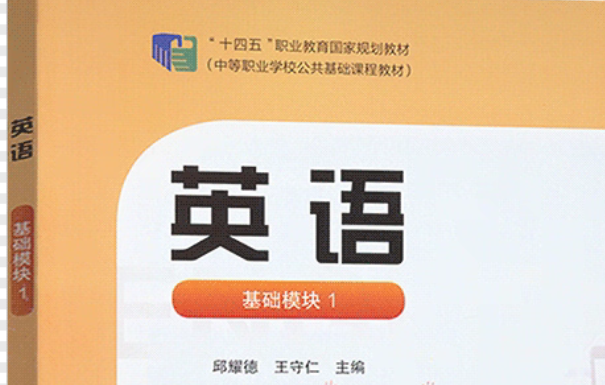
8.5 Treasured Memories of Travelling(Language in Use)-《英语 基础模块1》(语文版2022版)《一课一练》(原卷版+解析版)
2026-06-23
|
2份
|
12页
|
40人阅读
|
1人下载
摘要:
**基本信息**
聚焦中职英语一般将来时,通过课前预习与课堂检测分层设计,实现从语法概念自测到语篇综合应用的递进,提升语言能力与学习能力。
**分层设计**
|层次|知识覆盖|设计特色|
|----|----------|----------|
|课前预习(语法概念自测)|will/be going to用法、时间状语等基础概念|5道选择题直击核心语法点,帮助学生课前自主检测认知|
|课堂检测(单元/综合语法选择)|一般将来时基础应用及与其他语法点结合|10道选择题从单一语法到综合语境,如结合if条件句、动词不定式|
|课堂检测(语法填空/书面表达)|语篇中语法运用及实际情境表达|10空语篇填空衔接旅游主题,书面表达"家乡文化一日游"计划,培养语言综合输出能力|
内容正文:
原创精品资源学科网独家享有版权,侵权必究!
编写说明:基于江苏中职学生英语基础薄弱、学习内驱力不足的学情特点,为提升学习效率,落实课前、课中、课后教学闭环,本专辑依据最新《中等职业学校英语课程标准》,打造《英语 基础模块1》(语文版2022版)《一课一练》,专辑共50练。
本卷为《英语 基础模块1》(语文版2022版)Unit 8 Treasured Memories of Travelling(Language in Use)的课前预习与课堂检测。
《英语 基础模块1》(语文版2022版)
Unit 8 Treasured Memories of Travelling
一课一练(5) Language in Use
【课前预习】
一、语法概念自测
1.“will + 动词原形”主要用于表示______。
A. 已经完成的动作
B. 过去经常发生的动作
C. 将来要发生的动作
D. 正在进行的动作
【答案】C
2.“be going to + 动词原形”常用于表示______。
A. 计划、打算或有迹象将发生的事
B. 过去的习惯
C. 现在的状态
D. 被动动作
【答案】A
3.句子“We will visit Nanjing tomorrow.”中的时间状语是______。
A. will
B. visit
C. Nanjing
D. tomorrow
【答案】D
4.一般将来时的一般疑问句可把______提前。
A. will
B. 动词原形
C. 宾语
D. 地点状语
【答案】A
5.“If time permits, we will visit the museum.”中主句使用______。
A. 一般过去时
B. 一般将来时
C. 现在完成时
D. 过去进行时
【答案】B
二、语法精讲:一般将来时
1.定义:一般将来时表示将来某个时间将要发生的动作或存在的状态,常与 tomorrow, next week, this coming holiday, in the future 等时间状语连用。
2.基本结构:肯定句为“主语 + will/shall + 动词原形”或“主语 + be going to + 动词原形”;否定句为“主语 + will not/won’t + 动词原形”或“主语 + be not going to + 动词原形”;一般疑问句为“Will + 主语 + 动词原形...?”或“Be + 主语 + going to + 动词原形...?”。
3.用法区别:will 多表示临时决定、预测或客观将来;be going to 多表示已有计划、打算,或根据迹象判断即将发生的事。
4.高频错误:will 后不能加 to;be going to 中 be 要随主语变化;在 if 引导的条件状语从句中,常用“一般现在时表示将来”,主句用 will。
【课堂检测】
一、单元语法选择(5 题)
1.— The weather is fine. We ______ a study trip to Yangzhou tomorrow.
A. take
B. took
C. will take
D. taking
【答案】C
【解析】考点:一般将来时。tomorrow 是将来时间状语,谓语应用 will take。易错点:学生易只看 The weather is fine 而误用一般现在时。故选 C。
2.Look at the dark clouds. It ______ rain soon.
A. is going to
B. was going to
C. goes to
D. went to
【答案】A
【解析】考点:be going to 表示有迹象将发生的事。dark clouds 是明显迹象,主语 It 后 be 动词用 is。易错点:学生易漏掉 be,写成 goes to。故选 A。
3.— Will your group ______ the route tonight?
— Yes, we will.
A. checked
B. checks
C. checking
D. check
【答案】D
【解析】考点:will 后接动词原形。一般疑问句 Will your group check...? 中动词用原形 check。易错点:学生易受第三人称 group 影响加 s。故选 D。
4.If time ______, we will visit another historical site.
A. permits
B. will permit
C. permitted
D. is permitting
【答案】A
【解析】考点:条件状语从句“主将从现”。if 从句用一般现在时表示将来,主语 time 为第三人称单数,permit 加 s。易错点:学生易把 will 放入 if 从句。故选 A。
5.We are not going to stay in a hotel because my aunt ______ us a room.
A. offer
B. offered
C. will offer
D. offering
【答案】C
【解析】考点:一般将来时语境。句意表示阿姨将给我们提供房间,应用 will offer。易错点:学生易看到 because 就只判断原因,忽略动作发生在将来旅行期间。故选 C。
二、综合语法选择(5 题)
6.The students ______ a travel report after they return from Suzhou.
A. write
B. wrote
C. will write
D. are writing yesterday
【答案】C
【解析】考点:一般将来时和时间状语从句。after 引导时间状语从句时,从句用一般现在时 return 表将来,主句用 will write。易错点:学生易误把 after they return 当作过去时间。故选 C。
7.Our teacher asks us ______ the weather before we start.
A. check
B. to check
C. checking
D. checked
【答案】B
【解析】考点:非谓语动词。ask sb. to do sth. 表示“要求某人做某事”,与旅行准备语境结合。易错点:学生易漏掉 to。故选 B。
8.This is the guidebook ______ I will use during the trip.
A. who
B. what
C. where
D. which
【答案】D
【解析】考点:定语从句。先行词 guidebook 表物,关系代词在从句中作 use 的宾语,可用 which。易错点:who 指人,where 作地点状语,均不符合。故选 D。
9.We will meet at the school gate ______ 7:30 tomorrow morning.
A. in
B. on
C. at
D. by
【答案】C
【解析】考点:介词用法。具体钟点前用 at,at 7:30 表示“在七点半”。易错点:学生易把 tomorrow morning 与 on 混用,但核心时间点是 7:30。故选 C。
10.Travelling can make ______ more independent if we plan and solve problems by ourselves.
A. us
B. we
C. our
D. ours
【答案】A
【解析】考点:代词宾格。make sb. + adj. 结构中,make 后用宾格 us。易错点:学生易受中文“我们”影响误用主格 we。故选 A。
三、语法填空(10 题)
Next month, our class will have a study trip to Wuxi. We are learning tourism service this term, so the trip will help us connect classroom knowledge with real life. Before leaving, our teacher asks each group to make a careful plan. The plan includes where to go, how to travel and what we should do during the trip.
Our group has chosen Huishan Ancient Town because it is famous for local culture and old buildings. We ____11____ (visit) the town on a Friday morning. If the weather ____12____ (be) fine, we will also walk along the old street and talk with shop workers politely. They may tell us stories about local food and traditional crafts. I think these talks will make ____13____ (we) more confident when we serve visitors in the future.
We are going to take the high-speed train first, and then we will get to the town ____14____ subway. The route is not the ____15____ (short) one, but it is safer for a group of students. Our monitor ____16____ (check) the tickets online now, and he will share the information in our class group tonight. Everyone should prepare a notebook so that we can write down useful expressions ____17____ we hear them.
A good trip is not only about seeing beautiful places. It is also about learning ____18____ (careful), working with others and respecting local customs. After we return, each student ____19____ (write) a short report. The report should show what we have learned from the trip. I believe this experience will become ____20____ valuable memory for all of us.
【答案】11.will visit 12.is 13.us 14.by 15.shortest 16.is checking 17.when 18.carefully 19.will write 20.a
【解析】11 空根据 Next month 和语境可知用一般将来时 will visit;
12 空在 if 条件状语从句中用一般现在时,weather 为不可数名词,填 is;
13 空在 make 后作宾语,用宾格 us;
14 空 by subway 为交通方式固定表达;
15 空根据 the 和语境“不是最短路线”用最高级 shortest;
16 空根据 now 用现在进行时 is checking;
17 空根据语境“当我们听到它们时写下来”,填 when;
18 空修饰 learning,用副词 carefully;
19 空根据 After we return 的主将从现结构,主句用 will write;
20 空 memory 为可数名词单数,valuable 以辅音音素开头,填 a。
四、书面表达
假定你是李华,你们班计划开展一次“家乡文化一日游”活动。请根据以下提示写一篇英语短文,介绍你们的旅行计划。
写作要点:
1.旅行目的地和出行时间;
2.计划开展的活动(至少两项);
3.你认为这次旅行的意义。
要求:1.词数 80 词以上;
2.行文连贯,请勿逐句翻译;
3.文中不得出现真实姓名、校名和地名;
4.书写工整,规范使用标点与大小写。
________________________________________________________________________________
________________________________________________________________________________
________________________________________________________________________________
________________________________________________________________________________
【范文】
Our class is going to have a one-day trip to a local cultural town next Friday. We will meet at the school gate at 8:00 in the morning and go there by bus.
During the trip, we will visit an old museum and learn about the history of our hometown. We are also going to taste local food and talk with local people politely. If time permits, we will take notes and take some photos for our class report.
I think this trip will be meaningful. It can help us learn more about local culture and make us more confident. I believe it will become a treasured memory for all of us.
【导语】本篇书面表达围绕“家乡文化一日游”展开,要求介绍目的地、时间、活动和意义,属于计划类说明文。
【详解】1.词汇积累:local culture 当地文化;meaningful 有意义的;take notes 记笔记;treasured memory 珍贵回忆。2.句式拓展:原句 We will visit an old museum and learn about the history of our hometown. 可拓展为 We will visit an old museum, where we can learn about the history of our hometown.
【点睛】本文使用 be going to 和 will 准确表达旅行计划;If time permits 条件状语从句贴合本单元交际表达,结构清晰,语言难度适合中职学生。
学科网(北京)股份有限公司
$原创精品资源学科网独家享有版权,侵权必究!
编写说明:基于江苏中职学生英语基础薄弱、学习内驱力不足的学情特点,为提升学习效率,落实课前、课中、课后教学闭环,本专辑依据最新《中等职业学校英语课程标准》,打造《英语 基础模块1》(语文版2022版)《一课一练》,专辑共50练。
本卷为《英语 基础模块1》(语文版2022版)Unit 8 Treasured Memories of Travelling(Language in Use)的课前预习与课堂检测。
《英语 基础模块1》(语文版2022版)
Unit 8 Treasured Memories of Travelling
一课一练(5) Language in Use
【课前预习】
一、语法概念自测
1.“will + 动词原形”主要用于表示______。
A. 已经完成的动作
B. 过去经常发生的动作
C. 将来要发生的动作
D. 正在进行的动作
2.“be going to + 动词原形”常用于表示______。
A. 计划、打算或有迹象将发生的事
B. 过去的习惯
C. 现在的状态
D. 被动动作
3.句子“We will visit Nanjing tomorrow.”中的时间状语是______。
A. will
B. visit
C. Nanjing
D. tomorrow
4.一般将来时的一般疑问句可把______提前。
A. will
B. 动词原形
C. 宾语
D. 地点状语
5.“If time permits, we will visit the museum.”中主句使用______。
A. 一般过去时
B. 一般将来时
C. 现在完成时
D. 过去进行时
二、语法精讲:一般将来时
1.定义:一般将来时表示将来某个时间将要发生的动作或存在的状态,常与 tomorrow, next week, this coming holiday, in the future 等时间状语连用。
2.基本结构:肯定句为“主语 + will/shall + 动词原形”或“主语 + be going to + 动词原形”;否定句为“主语 + will not/won’t + 动词原形”或“主语 + be not going to + 动词原形”;一般疑问句为“Will + 主语 + 动词原形...?”或“Be + 主语 + going to + 动词原形...?”。
3.用法区别:will 多表示临时决定、预测或客观将来;be going to 多表示已有计划、打算,或根据迹象判断即将发生的事。
4.高频错误:will 后不能加 to;be going to 中 be 要随主语变化;在 if 引导的条件状语从句中,常用“一般现在时表示将来”,主句用 will。
【课堂检测】
一、单元语法选择(5 题)
1.— The weather is fine. We ______ a study trip to Yangzhou tomorrow.
A. take
B. took
C. will take
D. taking
2.Look at the dark clouds. It ______ rain soon.
A. is going to
B. was going to
C. goes to
D. went to
3.— Will your group ______ the route tonight?
— Yes, we will.
A. checked
B. checks
C. checking
D. check
4.If time ______, we will visit another historical site.
A. permits
B. will permit
C. permitted
D. is permitting
5.We are not going to stay in a hotel because my aunt ______ us a room.
A. offer
B. offered
C. will offer
D. offering
二、综合语法选择(5 题)
6.The students ______ a travel report after they return from Suzhou.
A. write
B. wrote
C. will write
D. are writing yesterday
7.Our teacher asks us ______ the weather before we start.
A. check
B. to check
C. checking
D. checked
8.This is the guidebook ______ I will use during the trip.
A. who
B. what
C. where
D. which
9.We will meet at the school gate ______ 7:30 tomorrow morning.
A. in
B. on
C. at
D. by
10.Travelling can make ______ more independent if we plan and solve problems by ourselves.
A. us
B. we
C. our
D. ours
三、语法填空(10 题)
Next month, our class will have a study trip to Wuxi. We are learning tourism service this term, so the trip will help us connect classroom knowledge with real life. Before leaving, our teacher asks each group to make a careful plan. The plan includes where to go, how to travel and what we should do during the trip.
Our group has chosen Huishan Ancient Town because it is famous for local culture and old buildings. We ____11____ (visit) the town on a Friday morning. If the weather ____12____ (be) fine, we will also walk along the old street and talk with shop workers politely. They may tell us stories about local food and traditional crafts. I think these talks will make ____13____ (we) more confident when we serve visitors in the future.
We are going to take the high-speed train first, and then we will get to the town ____14____ subway. The route is not the ____15____ (short) one, but it is safer for a group of students. Our monitor ____16____ (check) the tickets online now, and he will share the information in our class group tonight. Everyone should prepare a notebook so that we can write down useful expressions ____17____ we hear them.
A good trip is not only about seeing beautiful places. It is also about learning ____18____ (careful), working with others and respecting local customs. After we return, each student ____19____ (write) a short report. The report should show what we have learned from the trip. I believe this experience will become ____20____ valuable memory for all of us.
四、书面表达
假定你是李华,你们班计划开展一次“家乡文化一日游”活动。请根据以下提示写一篇英语短文,介绍你们的旅行计划。
写作要点:
1.旅行目的地和出行时间;
2.计划开展的活动(至少两项);
3.你认为这次旅行的意义。
要求:1.词数 80 词以上;
2.行文连贯,请勿逐句翻译;
3.文中不得出现真实姓名、校名和地名;
4.书写工整,规范使用标点与大小写。
________________________________________________________________________________
________________________________________________________________________________
________________________________________________________________________________
________________________________________________________________________________
学科网(北京)股份有限公司
$
资源预览图

1

2
由于学科网是一个信息分享及获取的平台,不确保部分用户上传资料的 来源及知识产权归属。如您发现相关资料侵犯您的合法权益,请联系学科网,我们核实后将及时进行处理。