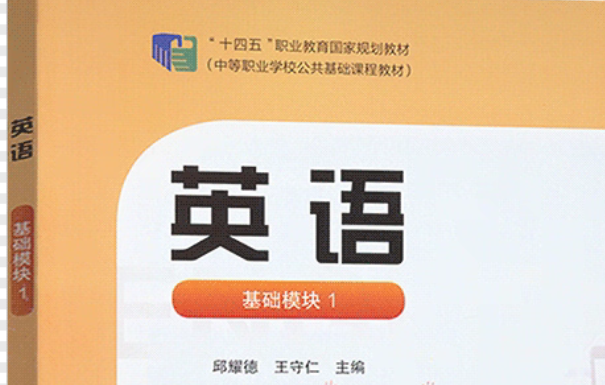
6.4 Table Manners(Culture Corner)-《英语 基础模块1》(语文版2022版)《一课一练》(原卷版+解析版)
2026-06-23
|
2份
|
8页
|
41人阅读
|
1人下载
摘要:
**基本信息**
本练习针对中职英语Unit 6 Culture Corner,采用课前预习与课堂检测分层设计,通过词汇-短语-句型-语篇递进路径巩固语言能力,兼顾文化意识与思维品质培养。
**分层设计**
|层次|知识覆盖|设计特色|
|----|----------|----------|
|课前预习|核心词汇、短语、词汇变形、基础句型|以词汇检测(如“差异”“西方的”)和短语翻译(如“table manners”)夯实基础,培养学习能力|
|课堂检测|词汇应用、语法变形、语篇理解|通过单选(词汇辨析)、单词适当形式填空(语法应用)及完形填空(中西餐桌礼仪情境)提升语言能力与文化意识|
内容正文:
原创精品资源学科网独家享有版权,侵权必究!
编写说明:基于中职学生英语基础薄弱、学习内驱力不足的学情特点,为提升学习效率,落实课前、课中、课后教学闭环,本专辑依据最新《中等职业学校英语课程标准》,打造《英语 基础模块1》(语文版2022版)《一课一练》,专辑共50练。
本卷为《英语 基础模块1》(语文版2022版)Unit 6 Table Manners(Culture Corner)的课前预习与课堂检测。
《英语 基础模块1》(语文版2022版)
Unit 6 Table Manners
一课一练(4) Culture Corner
【课前预习】
一、核心词汇检测
1. ______ n. 差异
2. ______ adj. 西方的
3. ______ n. 习惯
4. ______ n. 客人
5. ______ n. 主人
二、课文重点短语
1. eating habits ______
2. table manners ______
3. in a low voice ______
4. seating arrangement ______
5. forks and knives ______
三、词汇变形
1. ______ n. 差异 → ______ adj. 不同的
2. ______ v. 交流 → ______ n. 交流
3. ______ n. 西方 → ______ adj. 西方的
4. ______ v. 安排 → ______ n. 安排
四、课文难句翻译
1. There are many differences in eating habits and table manners between Chinese and Western cultures.
2. Chinese people tend to seat elders and guests in important places, while westerners care more about the guests’ seating arrangement than the host’s.
3. Chinese use chopsticks and spoons while westerners use forks and knives.
【课堂检测】
一、词汇单选(5 题)
1. There is a big ______ between Chinese and Western food cultures.
A. direction
B. difference
C. distance
D. dictionary
2. In China, the ______ often prepares food for the guests.
A. host
B. hotel
C. habit
D. hobby
3. It is polite to speak in a low ______ at the table.
A. village
B. visit
C. voice
D. video
4. Western people usually use forks and ______ for meals.
A. names
B. knives
C. notes
D. noises
5. Good eating ______ can help us live a healthier life.
A. hands
B. hearts
C. heads
D. habits
二、用单词适当形式填空(5题)
6. There are many ______ (different) between the two food cultures.
7. We should talk with others ______ (polite) at dinner.
8. The teacher asked us to make a seating ______ (arrange) for the guests.
9. In many ______ (west) countries, people use forks and knives.
10. Good table manners help people ______ (communicate) better.
三、完形填空(10 空)
When Wang Lei first joined a hotel training class, he thought table manners were only small rules. He could use chopsticks well, and he knew how to order food. However, during one lesson, his teacher asked the students to serve a group of foreign guests. Wang Lei soon found that good manners were more important than he had thought.
At the lunch table, Wang Lei put the elder guest in an important ____11____. Then he spoke in a low ____12____ and introduced each dish clearly. When the guests wanted soup, he used a serving spoon instead of his own spoon. One guest smiled and said that this small ____13____ made everyone feel safe and respected.
Later, Wang Lei noticed that Chinese and Western food cultures had many ____14____. Chinese people often share dishes, while Western guests may choose their own food. Chinese hosts usually care about whether guests eat enough, but Western guests may care more about personal space. Wang Lei did not feel nervous. He listened ____15____, asked simple questions, and tried to understand their habits.
After class, his teacher said, “Table manners are not just about knives, forks or chopsticks. They are about respect.” Wang Lei finally understood the ____16____ of learning manners. In future work, he would meet people from different cultures. If he could behave ____17____ at the table, he could give better service. From then on, he practised every day. He learned to stand in line, order a proper amount of food, and keep the dining environment ____18____. He believed that these small habits could help him become a better hotel worker. Good manners, he learned, can ____19____ people and make a meal ____20____.
11. A. price B. place C. plate D. plan
12. A. voice B. visit C. video D. village
13. A. action B. address C. answer D. area
14. A. difficulties B. differences C. directions D. distances
15. A. quickly B. loudly C. carefully D. carelessly
16. A. purpose B. problem C. person D. picture
17. A. politely B. heavily C. hardly D. badly
18. A. noisy B. clean C. late D. full
19. A. separate B. stop C. connect D. forget
20. A. warmer B. colder C. harder D. weaker
学科网(北京)股份有限公司
$原创精品资源学科网独家享有版权,侵权必究!
编写说明:基于中职学生英语基础薄弱、学习内驱力不足的学情特点,为提升学习效率,落实课前、课中、课后教学闭环,本专辑依据最新《中等职业学校英语课程标准》,打造《英语 基础模块1》(语文版2022版)《一课一练》,专辑共50练。
本卷为《英语 基础模块1》(语文版2022版)Unit 6 Table Manners(Culture Corner)的课前预习与课堂检测。
《英语 基础模块1》(语文版2022版)
Unit 6 Table Manners
一课一练(4) Culture Corner
【课前预习】
一、核心词汇检测
1. ______ n. 差异
2. ______ adj. 西方的
3. ______ n. 习惯
4. ______ n. 客人
5. ______ n. 主人
【答案】1. difference 2. western 3. habit 4. guest 5. host
二、课文重点短语
1. eating habits ______
2. table manners ______
3. in a low voice ______
4. seating arrangement ______
5. forks and knives ______
【答案】1. 饮食习惯 2. 餐桌礼仪 3. 低声地 4. 座位安排 5. 刀叉
三、词汇变形
1. ______ n. 差异 → ______ adj. 不同的
2. ______ v. 交流 → ______ n. 交流
3. ______ n. 西方 → ______ adj. 西方的
4. ______ v. 安排 → ______ n. 安排
【答案】1. difference → different 2. communicate → communication 3. west → western 4. arrange → arrangement
四、课文难句翻译
1. There are many differences in eating habits and table manners between Chinese and Western cultures.
译文:中西方文化在饮食习惯和餐桌礼仪方面有许多差异。
2. Chinese people tend to seat elders and guests in important places, while westerners care more about the guests’ seating arrangement than the host’s.
译文:中国人往往把长辈和客人安排在重要的位置,而西方人更关注客人的座位安排而不是主人的位置。
3. Chinese use chopsticks and spoons while westerners use forks and knives.
译文:中国人使用筷子和勺子,而西方人使用刀叉。
【课堂检测】
一、词汇单选(5 题)
1. There is a big ______ between Chinese and Western food cultures.
A. direction
B. difference
C. distance
D. dictionary
【答案】B
【解析】考查名词辨析。difference 意为“差异”,a big difference 表示“很大差异”。
2. In China, the ______ often prepares food for the guests.
A. host
B. hotel
C. habit
D. hobby
【答案】A
【解析】考查名词辨析。host 意为“主人”,与 prepares food for the guests 语义匹配。
3. It is polite to speak in a low ______ at the table.
A. village
B. visit
C. voice
D. video
【答案】C
【解析】考查固定短语。in a low voice 意为“低声地”,符合餐桌礼仪语境。
4. Western people usually use forks and ______ for meals.
A. names
B. knives
C. notes
D. noises
【答案】B
【解析】考查名词辨析。forks and knives 意为“刀叉”,是西餐常用餐具。
5. Good eating ______ can help us live a healthier life.
A. hands
B. hearts
C. heads
D. habits
【答案】D
【解析】考查名词辨析。eating habits 意为“饮食习惯”,符合句意。
二、用单词适当形式填空(5题)
6. There are many ______ (different) between the two food cultures.
【答案】differences
【详解】考查名词复数。many 后接可数名词复数,different 的名词形式为 difference,故填 differences。
7. We should talk with others ______ (polite) at dinner.
【答案】politely
【详解】考查副词。空处修饰动词 talk,应使用 polite 的副词形式 politely。
8. The teacher asked us to make a seating ______ (arrange) for the guests.
【答案】arrangement
【详解】考查名词。冠词 a 后接单数名词,arrange 的名词形式为 arrangement。
9. In many ______ (west) countries, people use forks and knives.
【答案】western
【详解】考查形容词。空处修饰 countries,应使用形容词 western,表示“西方的”。
10. Good table manners help people ______ (communicate) better.
【答案】communicate
【详解】考查非谓语动词。help sb. do sth. 表示“帮助某人做某事”,故填动词原形 communicate。
三、完形填空(10 空)
When Wang Lei first joined a hotel training class, he thought table manners were only small rules. He could use chopsticks well, and he knew how to order food. However, during one lesson, his teacher asked the students to serve a group of foreign guests. Wang Lei soon found that good manners were more important than he had thought.
At the lunch table, Wang Lei put the elder guest in an important ____11____. Then he spoke in a low ____12____ and introduced each dish clearly. When the guests wanted soup, he used a serving spoon instead of his own spoon. One guest smiled and said that this small ____13____ made everyone feel safe and respected.
Later, Wang Lei noticed that Chinese and Western food cultures had many ____14____. Chinese people often share dishes, while Western guests may choose their own food. Chinese hosts usually care about whether guests eat enough, but Western guests may care more about personal space. Wang Lei did not feel nervous. He listened ____15____, asked simple questions, and tried to understand their habits.
After class, his teacher said, “Table manners are not just about knives, forks or chopsticks. They are about respect.” Wang Lei finally understood the ____16____ of learning manners. In future work, he would meet people from different cultures. If he could behave ____17____ at the table, he could give better service. From then on, he practised every day. He learned to stand in line, order a proper amount of food, and keep the dining environment ____18____. He believed that these small habits could help him become a better hotel worker. Good manners, he learned, can ____19____ people and make a meal ____20____.
11. A. price B. place C. plate D. plan
【答案】B
【解析】考查名词辨析。important place 表示“重要的位置”,符合安排长者座位的语境。
12. A. voice B. visit C. video D. village
【答案】A
【解析】考查固定短语。in a low voice 表示“低声地”,符合餐桌礼仪要求。
13. A. action B. address C. answer D. area
【答案】A
【解析】考查名词辨析。使用公勺是一种“小行动”,action 符合语境。
14. A. difficulties B. differences C. directions D. distances
【答案】B
【解析】考查名词辨析。下文比较中西方饮食文化,differences 符合语境。
15. A. quickly B. loudly C. carefully D. carelessly
【答案】C
【解析】考查副词辨析。为了理解不同习惯,应“认真地”听,carefully 符合语境。
16. A. purpose B. problem C. person D. picture
【答案】A
【解析】考查名词辨析。understand the purpose of... 表示“理解……的目的”。
17. A. politely B. heavily C. hardly D. badly
【答案】A
【解析】考查副词辨析。餐桌表现应有礼貌,politely 符合语境。
18. A. noisy B. clean C. late D. full
【答案】B
【解析】考查形容词辨析。keep the dining environment clean 表示“保持用餐环境干净”。
19. A. separate B. stop C. connect D. forget
【答案】C
【解析】考查动词辨析。良好礼仪能连接人与人,connect 符合积极语境。
20. A. warmer B. colder C. harder D. weaker
【答案】A
【解析】考查形容词比较级。礼仪让一顿饭更温暖,warmer 符合全文主旨。
学科网(北京)股份有限公司
$
资源预览图

1
由于学科网是一个信息分享及获取的平台,不确保部分用户上传资料的 来源及知识产权归属。如您发现相关资料侵犯您的合法权益,请联系学科网,我们核实后将及时进行处理。