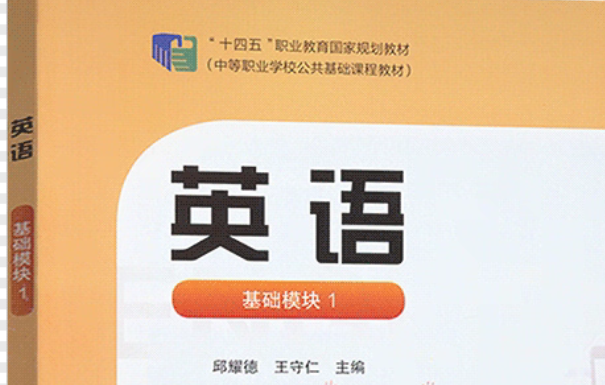
8.4 Treasured Memories of Travelling(Culture Corner)-《英语 基础模块1》(语文版2022版)《一课一练》(原卷版+解析版)
2026-06-23
|
2份
|
9页
|
30人阅读
|
0人下载
摘要:
**基本信息**
江苏中职英语《基础模块1》Unit 8同步练,通过“课前预习-课堂检测”分层设计,以词汇筑基、语篇进阶路径巩固语言能力,适配学情提升学习效率。
**分层设计**
|层次|知识覆盖|设计特色|
|----|----------|----------|
|课前预习|核心词汇、短语、词形转换及课文难句|以基础认知题(如词汇默写、短语翻译)夯实输入,培养自主学习能力|
|课堂检测|词汇应用、语法填空及语篇完形|通过单选、适当形式填空到徐霞客游历主题完形填空,实现从单一应用到综合语篇理解的进阶,对接升学考法|
内容正文:
原创精品资源学科网独家享有版权,侵权必究!
编写说明:基于江苏中职学生英语基础薄弱、学习内驱力不足的学情特点,为提升学习效率,落实课前、课中、课后教学闭环,本专辑依据最新《中等职业学校英语课程标准》,打造江苏专用《英语 基础模块1》(语文版2022版)《一课一练》,专辑共50练,完全对接江苏对口升学考法。
本卷为《英语 基础模块1》(语文版2022版)Unit 8 Treasured Memories of Travelling(Culture Corner)的课前预习与课堂检测。
《英语 基础模块1》(语文版2022版)
Unit 8 Treasured Memories of Travelling
一课一练(4) Culture Corner
【课前预习】
一、核心词汇检测
1.n. 先驱;开拓者____
2.n. 地理;地理学____
3.n. 朝代;王朝____
4.n. 日记____
5.n. 记录____
【答案】1.pioneer 2.geography 3.dynasty 4.diary 5.record
二、课文重点短语
1.生活在明朝____
2.游历中国各地____
3.主要徒步____
4.在他去世后____
5.被编写成一本书____
【答案】1.live in the Ming Dynasty;2.travel across China;3.mostly on foot;4.after his death;5.be compiled into a book
三、词汇变形
1._______ v. 旅行 → _______ n. 旅行者
2._______ n. 地理 → _______ n. 地理学家
3._______ v. 写 → _______ n. 作家
4._______ v. 知道 → _______ adj. 已知的;知名的
【答案】1.travel v. 旅行 → traveller n. 旅行者;2.geography n. 地理 → geographer n. 地理学家;3.write v. 写 → writer n. 作家;4.know v. 知道 → known adj. 已知的;知名的
四、课文难句翻译
1.Xu Xiake, who lived in the Ming Dynasty, was a famous geographer, traveller, and writer.
译文:徐霞客生活在明朝,是一位著名的地理学家、旅行家和作家。
2.Xu travelled across China for 30 years, covering many of the present China's cities and provinces.
译文:徐霞客游历中国三十年,走过了当今中国的许多城市和省份。
3.It is the first known record of modern Chinese geography.
译文:它是已知的第一部中国现代地理记录。
【课堂检测】
一、词汇单选(5 题)
1.Xu Xiake was a ______ in modern Chinese geography.
A. painter
B. pioneer
C. partner
D. patient
【答案】B
【解析】考点:名词词义辨析。pioneer 意为“先驱;开拓者”,符合徐霞客在中国地理方面的重要地位。易错点:painter 意为“画家”,与地理主题不符。故选 B。
2.A ______ studies the earth, places and people in different areas.
A. geographer
B. gardener
C. guidebook
D. guest
【答案】A
【解析】考点:职业名词辨析。geographer 意为“地理学家”,研究地球、地点和人群。易错点:学生易把 geography 与 geographer 词性混淆。故选 A。
3.The Ming ______ is an important period in Chinese history.
A. diary
B. duty
C. dynasty
D. direction
【答案】C
【解析】考点:名词词义辨析。dynasty 意为“朝代;王朝”,Ming Dynasty 表示“明朝”。易错点:diary 是“日记”,拼写相近但意义不同。故选 C。
4.My grandfather keeps a travel ______ to record what he sees.
A. record
B. report
C. reason
D. diary
【答案】D
【解析】考点:名词搭配。travel diary 意为“旅行日记”,用于记录旅途中所见。易错点:record 也有“记录”含义,但 travel diary 更符合 keep a ... 的搭配。故选 D。
5.The book gives a clear ______ of the old town.
A. rule
B. record
C. road
D. role
【答案】B
【解析】考点:名词词义辨析。record 可表示“记录”,a clear record of... 意为“对……的清晰记录”。易错点:road 是“道路”,与 book gives... 不搭配。故选 B。
二、用单词适当形式填空(5 题)
6.Xu Xiake was a famous ________ (travel) in Chinese history.
【答案】traveller
【详解】考点:动词变名词。句意:徐霞客是中国历史上一位著名的旅行家。空前有 a famous,空处应填表示人的单数名词 traveller。易错点:学生易直接填 travel,忽略词性转换。故填 traveller。
7.The students are interested in Chinese ________ (geography).
【答案】geography
【详解】考点:名词用法。Chinese geography 表示“中国地理”,空处用名词 geography 作宾语。易错点:本题不需要变成 geographer,因为不是指人。故填 geography。
8.His travel notes were ________ (compile) into a book after many years.
【答案】compiled
【详解】考点:被动语态。句意:多年后,他的游记被编成一本书。were 后接过去分词构成一般过去时被动语态。易错点:学生易写 compiling,忽略 were 的提示。故填 compiled。
9.The book is widely ________ (know) among students.
【答案】known
【详解】考点:过去分词作表语。be widely known 意为“广为人知”。易错点:know 是动词原形,不能直接跟在 is 后构成被动含义。故填 known。
10.He wrote many travel ________ (diary) during the journey.
【答案】diaries
【详解】考点:名词复数。many 后接可数名词复数,diary 的复数形式为 diaries。易错点:以辅音字母加 y 结尾的名词变复数,要把 y 变 i 加 es。故填 diaries。
三、完形填空(10 空)
Travelling is not only a way to relax, but also a way to learn. In Chinese history, Xu Xiake is a good example. He lived in the Ming Dynasty and loved the mountains and rivers of China. When many people stayed close to home, he decided to begin a long journey and record the real world with his own eyes.
Xu did not travel for easy fun. He mostly went on foot and sometimes walked through dangerous roads. Bad weather, poor food and long distances made the journey ____11____, but he never gave up. He climbed mountains, crossed rivers and visited caves. During the trips, he carefully ____12____ what he saw in his diaries. His notes were not simple stories. They included directions, landforms, water systems and local life.
After many years of travelling, Xu became a ____13____ in Chinese geography. His diaries helped later people know more about the country. They also showed a useful learning method: learning from real ____14____. Today, vocational students can learn from him too. When we plan a study trip, we should not only take photos, but also ask questions, collect information and think ____15____.
A meaningful trip needs preparation. Before leaving, we should choose the ____16____, check transport and make a budget. During the trip, we should respect local ____17____ and protect the environment. After returning, we can write a report to share our findings. In this way, travelling will ____18____ our mind and improve our skills. Like Xu Xiake, we may start with small steps, ____19____ we can gain rich knowledge if we keep learning. Every journey can become a valuable ____20____ in our life.
11.A. easy B. difficult C. common D. modern
【答案】B
【解析】考点:形容词辨析。根据“Bad weather, poor food and long distances”可知旅程艰难,difficult 符合语境。easy 与语境相反,common 和 modern 不表达困难。故选 B。
12.A. wrote down B. turned on C. put off D. gave away
【答案】A
【解析】考点:动词短语辨析。write down 表示“写下;记录”,符合“in his diaries”的提示。turn on 打开,put off 推迟,give away 赠送,均不符合。故选 A。
13.A. passenger B. customer C. pioneer D. manager
【答案】C
【解析】考点:名词辨析。根据 Xu Xiake 在中国地理方面的贡献可知,他是 pioneer“先驱”。易错点:passenger 只是乘客,不能体现贡献。故选 C。
14.A. books B. experience C. tickets D. weather
【答案】B
【解析】考点:名词辨析。learning from real experience 表示“从真实经历中学习”。books、tickets、weather 都不能概括实地旅行学习。故选 B。
15.A. clearly B. cheaply C. suddenly D. loudly
【答案】A
【解析】考点:副词辨析。旅行后应清晰思考,think clearly 搭配自然。cheaply 修饰花费方式,loudly 修饰声音,不合语境。故选 A。
16.A. secret B. destination C. trouble D. mistake
【答案】B
【解析】考点:旅行话题词汇。choose the destination 意为“选择目的地”,是旅行准备的第一步。易错点:secret 和 mistake 不符合计划语境。故选 B。
17.A. customs B. lessons C. prices D. orders
【答案】A
【解析】考点:名词辨析。respect local customs 意为“尊重当地习俗”。易错点:orders 可表示命令或订单,不能与 local 构成此处语义。故选 A。
18.A. close B. broaden C. lose D. borrow
【答案】B
【解析】考点:动词辨析。broaden our mind 意为“开阔我们的眼界/思维”,与单元目标一致。close、lose、borrow 均不符合。故选 B。
19.A. so B. because C. but D. or
【答案】C
【解析】考点:连词辨析。前句“从小步开始”与后句“获得丰富知识”之间有转折提升关系,but 符合。易错点:because 表原因,不能连接此处逻辑。故选 C。
20.A. memory B. menu C. machine D. message
【答案】A
【解析】考点:名词辨析。Every journey can become a valuable memory 表示“每次旅行都能成为宝贵回忆”,紧扣单元主题。故选 A。
学科网(北京)股份有限公司
$原创精品资源学科网独家享有版权,侵权必究!
编写说明:基于江苏中职学生英语基础薄弱、学习内驱力不足的学情特点,为提升学习效率,落实课前、课中、课后教学闭环,本专辑依据最新《中等职业学校英语课程标准》,打造江苏专用《英语 基础模块1》(语文版2022版)《一课一练》,专辑共50练,完全对接江苏对口升学考法。
本卷为《英语 基础模块1》(语文版2022版)Unit 8 Treasured Memories of Travelling(Culture Corner)的课前预习与课堂检测。
《英语 基础模块1》(语文版2022版)
Unit 8 Treasured Memories of Travelling
一课一练(4) Culture Corner
【课前预习】
一、核心词汇检测
1.n. 先驱;开拓者____
2.n. 地理;地理学____
3.n. 朝代;王朝____
4.n. 日记____
5.n. 记录____
二、课文重点短语
1.生活在明朝____
2.游历中国各地____
3.主要徒步____
4.在他去世后____
5.被编写成一本书____
三、词汇变形
1._______ v. 旅行 → _______ n. 旅行者
2._______ n. 地理 → _______ n. 地理学家
3._______ v. 写 → _______ n. 作家
4._______ v. 知道 → _______ adj. 已知的;知名的
四、课文难句翻译
1.Xu Xiake, who lived in the Ming Dynasty, was a famous geographer, traveller, and writer.
2.Xu travelled across China for 30 years, covering many of the present China's cities and provinces.
3.It is the first known record of modern Chinese geography.
【课堂检测】
一、词汇单选(5 题)
1.Xu Xiake was a ______ in modern Chinese geography.
A. painter
B. pioneer
C. partner
D. patient
2.A ______ studies the earth, places and people in different areas.
A. geographer
B. gardener
C. guidebook
D. guest
3.The Ming ______ is an important period in Chinese history.
A. diary
B. duty
C. dynasty
D. direction
4.My grandfather keeps a travel ______ to record what he sees.
A. record
B. report
C. reason
D. diary
5.The book gives a clear ______ of the old town.
A. rule
B. record
C. road
D. role
二、用单词适当形式填空(5 题)
6.Xu Xiake was a famous ________ (travel) in Chinese history.
7.The students are interested in Chinese ________ (geography).
8.His travel notes were ________ (compile) into a book after many years.
9.The book is widely ________ (know) among students.
10.He wrote many travel ________ (diary) during the journey.
三、完形填空(10 空)
Travelling is not only a way to relax, but also a way to learn. In Chinese history, Xu Xiake is a good example. He lived in the Ming Dynasty and loved the mountains and rivers of China. When many people stayed close to home, he decided to begin a long journey and record the real world with his own eyes.
Xu did not travel for easy fun. He mostly went on foot and sometimes walked through dangerous roads. Bad weather, poor food and long distances made the journey ____11____, but he never gave up. He climbed mountains, crossed rivers and visited caves. During the trips, he carefully ____12____ what he saw in his diaries. His notes were not simple stories. They included directions, landforms, water systems and local life.
After many years of travelling, Xu became a ____13____ in Chinese geography. His diaries helped later people know more about the country. They also showed a useful learning method: learning from real ____14____. Today, vocational students can learn from him too. When we plan a study trip, we should not only take photos, but also ask questions, collect information and think ____15____.
A meaningful trip needs preparation. Before leaving, we should choose the ____16____, check transport and make a budget. During the trip, we should respect local ____17____ and protect the environment. After returning, we can write a report to share our findings. In this way, travelling will ____18____ our mind and improve our skills. Like Xu Xiake, we may start with small steps, ____19____ we can gain rich knowledge if we keep learning. Every journey can become a valuable ____20____ in our life.
11.A. easy B. difficult C. common D. modern
12.A. wrote down B. turned on C. put off D. gave away
13.A. passenger B. customer C. pioneer D. manager
14.A. books B. experience C. tickets D. weather
15.A. clearly B. cheaply C. suddenly D. loudly
16.A. secret B. destination C. trouble D. mistake
17.A. customs B. lessons C. prices D. orders
18.A. close B. broaden C. lose D. borrow
19.A. so B. because C. but D. or
20.A. memory B. menu C. machine D. message
学科网(北京)股份有限公司
$
资源预览图

1
由于学科网是一个信息分享及获取的平台,不确保部分用户上传资料的 来源及知识产权归属。如您发现相关资料侵犯您的合法权益,请联系学科网,我们核实后将及时进行处理。