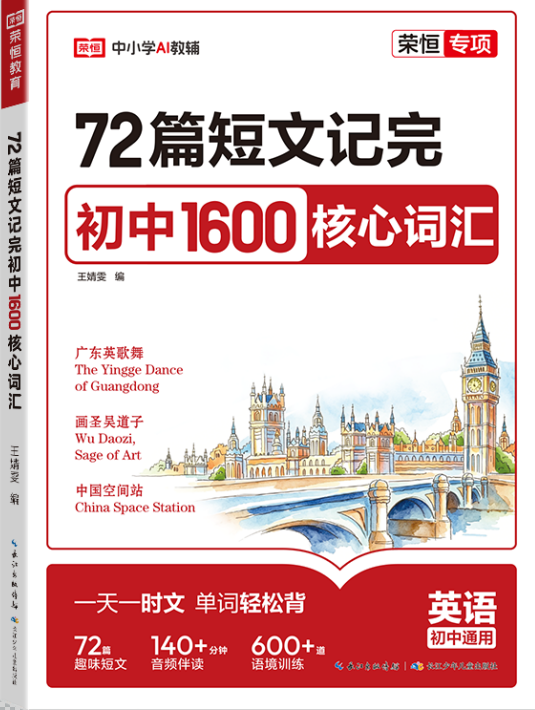
Chapter 2 Passage 13-18-【专项训练】初中英语专项练 72篇短文记完初中1600核心词汇
2026-06-22
|
18页
|
43人阅读
|
2人下载

内容正文:
72
短文记完初中1600核心词汇
Passage 13
退避三舍
Pre-reading(阅读前)】
Do you know the meaning of the Chinese idiom tuibi sanshe?
Do you think ancient distance units are the same as modern ones?Why?
What kind of story do you think the article will tell us?
While-reading(阅读中)
紫高频(18)
覆中频(6)】
绿低频(2)
难度:★★
用时:8分钟
○听并跟读。
@听这篇文章,并朗读出来。
unit/ju:nt/n.单位;单元
[大连中考改编]How long is sanshe in the idiom
ilometre/'klomi:ta(r/n.千米;
公里
tuibi sanshe?
behind /br'hand/prep.在…
后面
In ancient times,she was a unit of distance.One
单位
prince /prins//n.王子;亲王
she is as far as 30 li.One li is 500 metres and 30 li is
once/wAns/adv.曾经;一次
g0/gu/v.去;走
15,000 metres.So sanshe is 45 kilometres.
拓过去式:went
千米
过去分词:gone
There is a story behind this idiom.During the
guest/gest/n.客人;宾客
在…后面
serve3:vlv.服务;招待;提供
Spring and Autumn Period(770 BC-476 BC),Prince
thank/0enk/y.谢谢;感谢
亲王
拓thankful ad.感激的
Chong'er of the Jin State ran away from his home
seem/sim/y.好像;似乎
state.He wanted to travel to other states.
搭It seems that..似乎.…
everything /'evriem/
Once,he went to the State of Chu.King,Chengwang
pron.所有事物;一切
一次去
nothing/'nw0In/pron.没有什
of Chu saw him as an important guest and served
么;没有一件东西
客人
招待
him a feast.He asked Chong'er,"If you rule the state
0
Chapter②
讲好中国故事
of Jin one day,how would you thank me?""It seems
感谢
好像
ike1ak/v.喜欢;喜爱
your state has everything you want.I have nothing
however/hao'eva(r)/adv.然而;
一切
没有什么
无论如何;不管多么
that you like,"Chong'er said.However,the king
something/'sAm0m/pron.某事
喜欢
然而
某物
still asked for something.Finally,Chong'er said,"I
finally/'famol/ad.最后;最终
某物
最后
would ask my soldiers to retreat sanshe if we ever
拓final ad.最终的
士兵
soldier/'sauld3a(r)/n.军人;
fight.”
士兵
战斗
ight/fat/y.&n.打架;战斗
Later,Chong'er returned to his home state of
eturn't3:n/v.归还;回来;
返回
返回
Jin and became its ruler called Wengong.Both of the
get /get/v.去取(或带来);
得到
two states wanted to become stronger and get more
搭get up起床;站起
得到
land /laend/v.着陆;降落n.陆
land.They went to war with each other.
地;土地
土地
Jin Wengong didn't break his promise.He
break /breik/n.休息;间断
背弃
承诺
v.(使)破碎;损坏;背弃
asked his soldiers to retreat sanshe in Chengpu.The
promise/'promis/.y.承诺;保证
n.承诺;诺言
Chu soldiers thought that the Jin soldiers were afraid
搭make a promise作出承诺
害怕的
afraid'frerd/ad.害怕的;担
to fight,so they followed them.To their surprise,the
心的
惊讶
搭be afraid of害怕…
Jin soldiers surrounded them.In the end,Jin won the
surprise/sa'prarz/n.惊奇;惊
讶;意外v.使感到意外
war.This was the famous Battle of Chengpu.After
搭tosb's surprise出乎某人的
在…以后
意料
this war,people used tuibi sanshe to mean retreating
after/a:fita(r)/prep.在…以后
to avoid a conflict.
译文
“退避三舍”这个成语里,“三舍”有多远?
在古代,“舍”是一种距离单位。一舍相当于30里远。1里是500米,30里
就是15000米。所以“三舍”就是45千米。
这个成语背后有一个故事。在春秋时期(公元前770年一公元前476年),晋
国的亲王重耳逃离了自己的国家。他想去其他国家游历。
有一次,他去了楚国。楚成王把他当作重要的宾客,设宴款待他。楚成王问重
41
72
短文记完初中1600核心词汇
耳:“如果有一天你统治了晋国,你会怎么感谢我?”重耳回答:“贵国似乎拥有
您想要的一切。我没有什么您喜欢的东西。”然而,楚成王仍然坚持要他有所表示。
最后,重耳说:“如果我们两国交战,我会下令让我的士兵后退三舍。”
后来,重耳回到晋国,成为国君,称晋文公。(晋楚)两国都想变得更强大,
获取更多土地。双方爆发了战争。
晋文公没有背弃自己的承诺。他下令士兵在城濮后退了三舍。楚军以为晋军害
怕交战,便追击他们。令他们惊讶的是,晋军包围了楚军。最终,晋国赢得了这场
战争。这就是著名的“城濮之战”。这场战争之后,人们用“退避三舍”来表示退让,
以避免冲突。
Post-reading(阅读后)
根据句意及首字母提示或汉语意思填空。
1.We should always
(感谢)our parents for the love and care
2.He usually g
to work by car.His home is far from his workplace.
3.It is important for students to learn s
about Internet safety.
4.On the school trip,the sunny weather turned stormy,so we had to
(返回)
early.
5.What an awful day it was!It
(好像)that everything was wrong.
6.It was a complete
(意外)to see my old friend at the airport..
根据短文内容,完成下列句子。
1.One she is about
li.
2.Prince Chong'er ran away from the State of
3.Chong'er said he would ask his
to retreat sanshe.
4.Jin Wengong didn't break his
5.The story happened during the
and Autumn Period.
参考答案
Buuds's asIwod't sieipIos'
esudins'9 pawaas's uimaI't Surmawos'g
utf
S3o3乙q阳'L
Chapter②讲好中国故事
Passage 14
揠苗助长
Pre-reading(阅读前)
Do you think it is good to be in a hurry?Why or why not?
What problems may a farmer have when growing rice?
。
What do you think a farmer will do to help his rice grow?
Vhile-reading(阅读中)
紫高频(16)
橙中频(8)
绿低频(1)
难度:★★
用时:8分钟
○听这篇文章,并朗读出来。
◎听并跟读。
[江西中考改编]Long long ago,there was a farmer
ag0/A'gau/ad.以前
以前
农民
搭long long ago很久以前
who worked very hard.He was always worried about
farmer/fa:me(r)/n.农民;农
场主
different things.
thing0如/n.东西;事情
son/sAn/n.儿子
事情
plant /plaent/y.种植n.植物;
One day,the farmer and his son planted rice
工厂
儿子种植
together /ta'geia(r)/adv.共同;
together.They were happy when all the seeds were
在一起
共同
高兴的
happy/'hep/ad.愉快的;高
planted.Several days later,the seeds grew into the
兴的
几个
以后
拓happily adv.高兴地
rice.Then he went to watch the rice grow every day.
several/'sevral/pron.几个;数
观察
个;一些
Many days passed,but the rice still seemed the same.
later/'lerta(r)/ad.以后;后来
(时间)推移
ad.以后的;后来的
watch /wpt/v.注视;观看;
He began to get worried.
观察n.手表
pass/pa:s/y.给;走过;通过;
The farmer asked his neighbour for help,"I am
(时间)推移
邻居
短文记完初中1600核心词汇
worried about my rice.It seems to stop growing!"
neighbour/'neiba(r)/n.邻居
停止
top/stop/v.停止;阻止n.停
His neighbour replied,"Nature will provide.Be
止;车站
回答
大自然
reply /n'plat/n.&y.回答;回复
patient."
nature/'neitfo(r)/n.自然界;
大自然
The farmer got worried again."What if my rice
拓natural adj.自然的;天然的:
再一次
天生的
never grows?"He thought and thought,"I must find
again/月'gen/adv.再一次;又
从不
必须
一次
a way to help my rice grow faster.I think the rice
never/'neva(r)/ad.从不;绝不
really needs my help.I must do something!"The next
must/mAst/modal v.必须
做
do/du/y.做;千
morning,the farmer ran to the rice field,and pulled
run /rAn/v.跑;奔
跑
拽
pu画po/v.拉;拖;拽
the rice up a few inches one by one.
搭pull together通力合作
一些
afew一些
The next day,the farmer went to the field and
dead/ded/ad.不运行的;死的
waste /werst/n.浪费;垃圾
found that all the rice was dead.All the hard work had
v.浪费;滥用
死的
save/seIv/v.救;救助
gone to waste,and there was no rice left to be saved.
浪费
救
译文
很久以前,有一个农民,千活非常卖力。他总是为各种各样的事情担心。
一天,农民和他的儿子一起种稻子。当所有种子都种完时,他们很高兴。几天后,
种子长成了秧苗。然后,他每天都去观察秧苗长生长。许多天过去了,可稻苗看上
去还是老样子。他开始担心了。
农民向邻居求助:“我很担心我的稻子,它好像停止生长了!”邻居回答:“顺
其自然就好。要有耐心。”
农民又开始担心了:“要是我的稻子永远都不长怎么办?”他想来想去:“我必
须找到一种方法帮稻子长得快一点。我觉得稻苗真的需要我的帮助,我必须做点什
么!”第二天一早,农民跑到稻田里,把稻苗一棵一棵往上拔高了几英寸。
一天后,农民来到田里,发现所有的稻苗都死了。所有的辛苦都白费了,没有
剩下任何可以挽救的稻苗。
44
Chapter②讲好中国故事
Post-reading(阅读后))
从方框中选择适当的词并用其正确形式填空。
watch
plant never f
farmer happy run
dead
1.About three quarters of the population in China were
twenty years ago.
2.Many trees are going to be
in the park next month.
3.
giving up is certainly one of the key factors for the old man's achievement.
4.When you look back at your childhood,you will realize how.
those days
were.
5.After
five kilometres,Peter sat under the tree to take a break.
6.She likes to
animals move around in the zoo.
7.The poor little bird was found
under the tree.
根据短文内容,完成下面各题。
1.写出与文中faster意思最接近的短语:
2.All the rice was dead.(改为同义句)
All the rice
3.He planted rice with his son.(改为一般疑问句)
he
rice with his son?
4.完成句子。
The farmer
the rice up a few inches to help it grow.
5.Nature will provide.Be patient..(改为同义句)
We should
and let nature work.
参考答案
quaned aq's pallnd't queld PI'paip pey't Apomnb aIow'I
peap'L
yolem '9
SuruunI's
Addey't IAON'E paqueld'sIewreJ'I
45
72篇
短文记完初中1600核心词汇
assage 15
画圣吴道子
Pre-reading(阅读前)】
Who is Wu Daozi and what do you know about him?
What do you think Wu Daozi is famous for?
。
What can we learn from Wu Daozi as a great artist?
Vhile-reading(阅读中)
紫高频(12)
橙中频(5)
绿低频(1)
难度:★★
用时:8分钟
听并跟读。
听这篇文章,并朗读出来。
great adj./gret/美妙的;伟大的
[河南中考改编]Wu Daozi was one of the greatest
owm/Un/ad.&pron.自己的;
伟大的
本人的.拥有
of all Chinese artists.He was well-known for his own
自己的
paint /pemnt/v.用颜料画;画;
way of painting with excellent skills.
在…上刷油漆n.油漆;涂料
画
极好的
excellent/'eksolont/ad.优秀的;
Wu lost his parents when he was a young child
极好的
失去
幼小的儿童
lose /lu:zly.失去;丢失
and he lived a very poor life.The young Wu had to
拓过去式/过去分词:lost
生活
young /ja/ad.幼小的;年轻的
work very hard to make a living.He began to learn
child /tfarld/n.儿童
painting not from famous painters at that time,but
拓复数形式:children
live/Irv/v.居住;生活
from folk artisans in today's Henan Province.
how /hau/adv.怎样;如何
many/'meni/ad.&pron.许多
In order to learn how to paint landscapes,Wu
如何
place /plers/n.地点;位置
followed a great painter and he travelled to many
许多
46
Chapter2
讲好中国故事
places with mountains and rivers.After three years of
地点
河
river/rrva(r)/n.河;江
learning,he created the so-called shuti of landscape
besides /bI'saidz/prep......
之外(还)adv.而且
painting.Also,he became the first artist in Chinese
human/'hju:man/n.人adgj.人
的;人类的
art history to turn landscapes into a new kind of
搭human being人类
painting.
develop/d'velap/v.形成;增
强;发展;开发
Besides landscapes,Wu also learnt a lot in painting
1 ifetime/'larftamm/n.一生;终身
除…之外
amazing/A'mez/ad.令人惊
human figures.He was especially good at it and
奇(惊喜或惊叹)的
人
developed his special painting skills.
拓amazev.使惊奇;使惊诧
形成
wonder/wAnda(r)/n.奇观;惊叹
During his lifetime,Wu painted more than 300
.琢磨;想知道;感到诧异
一生
拓wonderful adj.精彩的;绝
amazing murals.No wonder he is considered as a
妙的
令人惊叹的
惊叹
“Sage of Art'”in China.
…
译文
吴道子是中国最伟大的艺术家之一。他以自己的绘画风格和精湛的技艺闻名
于世。
吴道子幼年时就失去了父母,生活十分贫苦。年少的吴不得不努力工作来维持
生计。他开始并非师从当时的著名画家,而是向今天河南省一带的民间手艺人学习
绘画。
为了学习如何画风景,吴追随一位优秀的画家,游历了许多有山有水的地方。
经过三年的学习,他开创了所谓的山水画“疏体”。同时,他也成为中国美术史上
第一位将山水画发展为新画种的艺术家。
除了山水画,吴在画人物画方面也学到了很多。他尤其擅长人物画,并形成了
自己独特的绘画技法。
吴一生创作了300多幅令人惊叹的壁画。难怪他在中国被称为“画圣”。
72
短文记完初中1600核心词汇
Post-reading(阅读后)
从方框中选择适当的词并用其正确形式填空。
child great lose amazing
how
paint
1.We all know he is the
scientist living in the world now.
2.The volunteers are kind and they want to help the
in poor areas.
3.The athlete broke the world record with a(n)
jump.
4.The school is going to hold a speech competition on
to recycle waste
tomorrow.
5.That small mistake almost made me
my job.
6.She likes to
beautiful flowers in her free time.
根据短文内容,完成下面的表格。
His own way of painting with
What was Wu Daozi famous for?
1.
skills.
2.
did Wu learn painting
From folk artisans in today's Henan
from?
Province.
What did Wu create after three years
The so-called 3.
of landscape
of learning?
painting.
What was Wu especially good at
Painting 4.
painting?
figures.
How many murals did Wu paint
More than 5.
amazing
during his lifetime?
murals.
参考答案
00g's uewny't unys'g OyM/aIOuM'quoll oxo'I
mIed`9 soI's Mou8 uizewe'£uaIpllqo'乙1S1e6'I、.
48
Chapter②讲好中国故事
Passage 16
李时珍与《本草纲目》
Pre-reading(阅读前)
Who is Li Shizhen and what do you know about him?
Why did Li Shizhen decide to write a new medical book?
What can we learn from Li Shizhen?
While-reading(阅读中)
紫高频(15)
橙中频(6)
绿低频(2)
难度:★★★用时:9分钟
○听这篇文章,并朗读出来。
◎听并跟读。
[西藏中考改编]Li Shizhen(1518-1593)was
medical/'medikl/ad.医学的;
医疗的
a famous Chinese medical scientist,pharmacist and
拓medicine n.药;医学
医学的科学家
scientist/sarantist/n.科学家
naturalist of the Ming dynasty.Li Shizhen's
朝代
拓science n.科学
grandfather was a medical practitioner who travelled
dynasty/'dmnastr/n.朝代;王朝
祖父
grandfather /'graenfa:0(r)/n.
the countryside,and his father,Li Yanwen,was also
(外)祖父;爷爷
父亲
father/'fa:da(r)/n.父亲;爸爸
a famous local doctor.Having grown up in a medical
oca/'1auk/ad.当地的;地
当地的
方的n.当地人;本地人
family like this,he was really fond of medicine
practise/'praektrs/y.从事;训练;
since he was a kid.However,his father wanted him
练习
搭practise doing sth
to study for the imperial examinations and did not
练习做某事
low1ao/ad.向…底部;低
encourage him to practise medicine due to the low
a.低的;矮的n.低水平;低谷
从事
低的
social status at the time.However,Li Shizhen didn't
read /ri:d/v.读;阅读
mistake /mr'sterk/n.错误;失误
give up studying medicine.
make a mistake/mistakes
犯错
When Li Shizhen was young,he enjoyed
短文记完初中1600核心词汇
traditional Chinese medicine and began to read
cause /ko:z/.造成;导致
读
serious/'SIOrIOS/ad.严肃的;
medical books.He found many mistakes in those
错误
严重的
books.He worried these mistakes would cause
拓seriously ad.严肃地;认真地
导致
problem/'problam/n.难题;
serious problems or death.So Li Shizhen decided
困难
严重的问题
死亡
to write a new book.He travelled everywhere to
death/ded/n.死亡;毁灭;破灭
到处
everywhere /'evriwea/adv.
look for herbs and do research.And he talked with
pron.&com.到处;所有地方
farmers,doctors and patients.He even tested herbs
himself/hm'self/pron.他自
己;他本人
on himself and almost lost his life many times.Li
almost/'o:Imaust//ady.差不多;
他自己几乎
几乎
Shizhen collected and recorded over 1,890 herbs.He
采集
collect /ke'lekt/y.收集;采集
also read about 900 medical books.He worked day
day/deln.一天;白天
白天
night/nart/n.晚上;夜晚
and night.Finally the valuable work,Compendium
夜晚
宝贵的
valuable'valjoabl/ad.很有
of Materia Medica or Bencao Gangmu,came out.
用的;宝贵的
translate/traens'lert/v.翻译
Today Materia Medica has been translated into
wtey/wardli/ady.广泛地;
翻译
many foreign languages.It is widely read not only
普遍地
广泛地
拓wide ad.宽的;宽阔的
in China but also in many other countries around the
world.
译文
李时珍(1518一1593)是明代著名的中医学家、药学家和博物学家。李时珍的
祖父是一位游走乡间的行医者,他的父亲李言闻也是当地一位有名的医生。在这样
的医学世家长大,他从小就十分喜爱医学。然而,由于当时医生社会地位低下,他
的父亲希望他参加科举考试,并不鼓励他行医。然而,李时珍并没有放弃学医。
李时珍年轻时就喜爱传统中医,并开始阅读医书。他发现那些书中有很多错误。
他担心这些错误会导致严重的问题或导致死亡。于是,李时珍决定编写一部新的书。
他走遍各地寻找药草、开展研究,与农民、医生和患者交谈。他甚至亲自测试药草,
多次险些丧命。李时珍收集并记载了1890多种药草。他还阅读了大约900部医书。
他日夜钻研,终于这部宝贵的作品《本草纲目》问世了。
如今,《本草纲目》已被译成多种外语,不仅在中国,也在世界上其他许多国
家被广泛阅读。
Chapter②讲好中国故事
Post-reading(阅读后)
根据句意及首字母提示或汉语意思填空。
1.Our teacher asked us to take the exam seriously and avoid careless m
2.The
(当地的)people behave politely and make the tourists moved a lot..
3.I have p
a lot.Let me try the speech competition for our class
4.Tom usually fixes his bike h
when it doesn't work.
5.The bus was
(empty in the early morning,so I could take any
seat I wanted.
6.Time is
(宝贵的),and we should cherish it.
根据短文内容,回答下列问题。
1.What was Li Shizhen in the Ming dynasty?
2.Why didn't Li Shizhen's father encourage him to practise medicine?
3.What did Li Shizhen find in the old medical books?
4.How many herbs did Li Shizhen collect and record?
5.What is the name of Li Shizhen's valuable work?
参考答案
nu3ung opouag /'popaw vuaiw fo wmpuaduo)'s
'sqay 068'I I0't
wayn ur sayensiu Auew punoj H'
'awn iem ie snges leroos Mol pey aurolpau Buisnoeld asneoag'
'as!emeu pue isroewreyd snuaros leo!pau sauy snowej e SeM H'I
eqenlen '9 isowre's
Jesw四tpasnoeld'E[BooI乙s9e4sIu'T
72
短文记完初中1600核心词汇
Passage 17
徙木立信
Pre-reading(阅读前)
Do you always keep your promises?
Do you think people should trust a stranger?
How can a person win others'trust?
Vhile-reading(阅读中)
紫高频(14)
橙中频(8)
绿低频(2)
难度:★★
用时:8分钟
听并跟读。
@听这篇文章,并朗读出来。
state/stet/n.状态;国家;州v.
[新疆中考改编]During the Warring States Period,.
陈述;说明
most/maust//ad.&pron.大多
many states made changes to become stronger.One
数;最多;最大ad.最
国家
successful/sak'sesfl/ad.成功
of the most successful changes was created by Shang
的;有成就的
最
成功的
拓successfully adv..成功地
set/set/n.一套;一副;一组
Yang in Qin.
搭a set of一套;一副;一组
plan /plaen/y.策划;打算n.计
Shang Yang worked out a set of plans.At first,
划;方案
一组计划
搭plan to do sth计划做某事;
these plans were not easily accepted because people
打算做某事
接受
accept /ak'sept/y.接受;相信
didn't believe in him.
solve/solv/v.解决;解答
order':da(r)/n.秩序;命令v.
点菜;命令
To solve this problem,Shang Yang came up with
thin/0rn/ad.瘦的;细的
解决
gate/gert/n.大门
an idea.He ordered his men to put a thin wooden
anyone/enIwan/pron.任何人;
命令
细的
某个人
pole at the south gate.Then he said anyone who took
大门
任何人
Chapter②讲好中国故事
the pole to the north gate would receive 10 gold
北部的
收到
金币
north/no:r)/n.北部;北;北
pieces.The task was so easy that nobody believed it
方ad山.北部的;北方的
任务
receive /m'si:vlv.收到
was true.They all thought Shang Yang was joking.
gold/gauld/n.金子;金币ad.
真实的
开玩笑
金色的
ask /ta:sk/n.任务;工作
After seeing that,Shang Yang said he would offer 50
true /tru:/ad.真实的;真正的
拓truth n.真相;事实
gold pieces to anyone who did it.
joke/d3auk/n.笑话v.开玩笑
shoulder/faulda(r)/n.肩膀;
And finally,a man wanted to have a try.He put
肩部
walk/wo:k/n.&v.行走;步行
the pole on his shoulder and walked to the north gate.
搭take a walk散步
肩膀
行走
pay /per/v.付费;交纳;偿还
To his surprise,Shang Yang paid him 50 gold pieces.
n.工资;薪水
付费
搭pay for付费;付出代价
The news spread across the capital.Soon,
news/nju:zln.消息;新闻
消息传播横过
很快
spread /spred/v.传播;展开n.
people were saying Shang Yang was a man of his
蔓延;传播
across le'kros/adv.prep.
word.Then people followed him without question.
(…)对面;横过
搭across from在对面
With his efforts,Qin became the strongest of all the
soon/su:n/ad.不久;很快
搭as soon as一…就
states.
译文
战国时期,许多国家为了变得更加强大而推行改革。其中最成功的改革之一,
是由秦国的商鞅推行的。
商鞅制定了一组计划。起初,这些计划并不能轻易被人们接受,因为大家不信
任他。
为了解决这个问题,商鞅想出了一个办法。他命令他的手下在南门立起一根细
木杆,然后宣布:谁能把这根木杆搬到北门,就能得到十金币。这个任务实在太简
单了,以至于没人相信这是真实的。他们都觉得商鞅在开玩笑。看到那种情况之后,
商鞅便宣布:任何做到的人,我将给他五十金币。
72
短文记完初中1600核心词汇
终于,有一个人想要试一试。他把木杆扛在肩上,走到了北门。令他惊讶的是,
商鞅给了他五十金币。
消息传遍了都城。很快人们纷纷说商鞅是个信守承诺的人。从此,百姓都毫无
疑虑地听从于他。在他的努力下,秦国成为了所有国家中最强大的一个。
Post-reading(阅读后)
用括号中所给单词的适当形式填空。
1.Although everyone thought it impossible,she tried her best and finished
it
(successful).
2.When our
(plan)don't go smoothly,it's OK to feel upset.
3.To enter the medical university,Tina worked harder than
(someone)else
in our class.
4.In the speech,Peter has taught me the
(truth)value of giving.
5.He refuses to work for another two hours unless we
(pay)him more
money.
6.These problems cannot be
(solve)overnight.
根据短文内容,完成下列句子。
1.During the Warring States Period,many states made changes to become
2.Shang Yang created the most successful changes in
3.At first,the plans were not easily accepted because people didn't
him.
4.Shang Yang ordered his men to put a thin wooden pole at the
5.Finally,the man who moved the pole received
gold pieces.
参考答案
gg/0s'sae8 nos耳3Aq'8O'7 uons'I二
poAros'9 ed's onnt ouoAue'c sueld'Allngssaoons'I
54
Chapter②讲好中国故事
Passage 18
乐观的苏轼
Pre-reading(阅读前)】
Do you know who Su Shi is?
What do you think is the most important quality of a great person?
。
How do you usually face difficulties in your life?
Vhile-reading(阅读中)
紫高频(15)
橙中频(3)
绿低频(1)
难度:★★
用时:8分钟
○听这篇文章,并朗读出来。
◎听并跟读。
have/haev/v.有
influence/nflvans/y.影响;
对…起作用n.影响;作用
have an influence on sb
对某人有影响
his/huz/pron..他的
poem/'pawm/n.诗
[吉林中考改编]Su Shi is widely known to us.
age/erd3/n.年龄
He has a great influence on people not only for his
搭at the age of在…岁时
有
影响
他的
poems,but also for his optimistic spirit
government /'gAvenment/n.
诗
府;内阁
Born in 1037,Su Shi became jinshi at the age
年龄
punish/pAnv.惩罚;处罚
of 20.Not long after he started working for the
send /send/v.发送;邮寄;派遣
government,he was punished.He was sent to far
拓过去式/过去分词:sent
政府
惩罚
派遣
and poor areas.
area/'erna/n.场地;地区
地区
短文记完初中1600核心词汇
Life was hard for Su Shi,but he tried to enjoy it.
hard /ha:d/adv.努力地ad.困
困难的
难的
In 1080,he was sent to Huangzhou and stayed there
stay /ster/v.停留;待
待
for four years.He wrote Calming the Waves there.
difficulty/drfikoltr/n.困难;
难题
It showed his hope and love for life in the face of
have difficulty (in)doing sth
做某事有困难
difficulties.It is said that he invented Dongpo Pork.
困难
猪肉
pork /p:k/n.猪肉
It is a famous Chinese dish that is still common on
table/'tebl/n.桌子
sad/sxd/ad.(令人)悲哀的;
the dining table now.In 1097,he was sent to Danzhou.
(令人)难过的
桌子
He wasn't sad about the life there,although he
拓sadly ad.悲哀地
难过的关于
虽然
about/A'baut/prep.关于
couldn't get used to it at first.Later,he set up schools
搭think about思考
学校
although:l'ǒau/conj.虽然;
and got along well with the locals.
尽管
Today we still love reading Su Shi's poems and
school/skul/n.学校
在今天
today /te'deln.今天adh.在今天
look up to him because of his optimism.
译文
苏轼是我们家喻户晓的人物。他对人们影响深远,不仅因为他的诗词,还因为
他乐观的精神。
苏轼生于1037年,20岁成为进士。他入朝为官不久后便遭贬谪,被流放到偏远
贫瘠的地区。
尽管生活艰难,苏轼却努力享受生活。1080年,他被贬至黄州,并在那里待了
四年。他在那里写下了《定风波》。这首词展现了他面对困难时对生活的希望与热爱。
据说他还发明了东坡肉。它是一道至今仍常常出现在人们餐桌上的中国名菜。1097年,
他被贬至儋州。虽然起初难以适应,但他并未对生活感到难过。后来,他在当地开
设学校,与当地百姓相处融洽。
在今天,我们依然喜爱诵读苏轼的诗词,并因他的乐观而敬佩他。
56
Chapter2讲好中国故事
Post-reading(阅读后)
从方框中选择适当的词并用其正确形式填空。
difficult
send
influence
stay
he
although
1.The media has a powerful
on public opinion.
2.He prefers to
at home rather than go out at weekends.
3.
you learn something well,you will forget it unless you use it.
4.Luckily,the wounded people were
to the hospital in time
5.
cousin is so humorous that he always tells us some funny jokes.
6.Many students have
in delivering a speech in public.
根据短文内容,完成下面的表格。
What happened /What
Time
he did
In1037
Sichuan
Su Shi was born.
At the 2.
of 20
He became jinshi.
He stayed for four years,wrote
n1080
Huangzhou
Calming the Waves,and 3.
Dongpo Pork.
He set up 5.
and got
In 4.
Danzhou
along well with the locals.
参考答案
gmwae1
4nop'9sH‘Susb1
资源预览图

1

2

3

4
相关资源
示范课
由于学科网是一个信息分享及获取的平台,不确保部分用户上传资料的 来源及知识产权归属。如您发现相关资料侵犯您的合法权益,请联系学科网,我们核实后将及时进行处理。