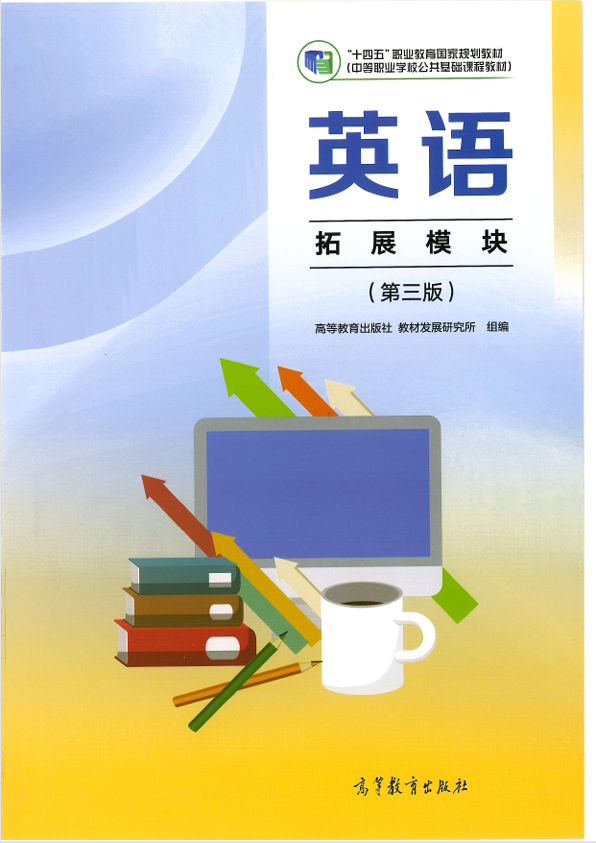
3.3 Doing Our Part for the Environment(Culture Understanding)-《英语 拓展模块》(高教版第三版)《一课一练》(原卷版+解析版)
2026-06-19
|
2份
|
9页
|
56人阅读
|
0人下载
摘要:
**基本信息**
基于中职学情设计课前预习与课堂检测分层练习,通过词汇-短语-句型-语篇递进路径巩固环保主题语言知识,提升语言能力与思维品质。
**分层设计**
|层次|知识覆盖|设计特色|
|----|----------|----------|
|课前预习|核心词汇、重点短语、基础句型|采用填空形式强化基础记忆,对接课文难句翻译落实语言能力|
|课堂检测|语篇理解、综合运用|通过阅读理解(环保实践案例)和完形填空(校园环保项目)提升思维品质,适配对口升学考法|
内容正文:
编写说明:基于中职学生英语基础薄弱、学习内驱力不足的学情特点,为提升学习效率,落实课前、课中、课后教学闭环,本专辑依据最新《中等职业学校英语课程标准》,打造江苏专用《英语 拓展模块》(高教版第三版)《一课一练》,专辑共 32 练,完全对接江苏对口升学考法。
本卷为《英语 拓展模块》(高教版第三版)Unit 3 Doing Our Part for the Environment(Culture Understanding)的课前预习与课堂检测。
《英语 拓展模块》(高教版第三版)
Unit 3 Doing Our Part for the Environment
一课一练(3) Culture Understanding
【课前预习】
一、核心词汇检测
1. adj. 有害的______
2. n. 垃圾箱______
3. adv. 此外,而且______
4. adj. 复杂的______
5. n. 段落______
6. n. 称呼语______
7. n. 署名______
8. v. 形成______
二、课文重点短语
1.分类垃圾______
2.收取费用______
3.严格的法律______
4.回收要求______
5.公共交通______
6.减少……的使用______
7.产生影响______
8.清洁能源______
三、课文难句翻译
原句:Because of strict laws, Switzerland has become one of the best countries in waste sorting.
原句:The more people there are, the more pollution they cause.
原句:There are also many countries encouraging people to use clean energy.
【课堂检测】
一、阅读理解(5 题)
Pollution is a problem shared by many countries, but different places have chosen different ways to fight it. In some cities, people used to think waste sorting was only the work of cleaners. Now the idea is changing. Schools, communities and companies all try to help people understand that sorting waste is part of modern life. This change is not easy, because it asks people to give up old habits and learn new rules patiently.
Switzerland is often mentioned as a country with strict waste rules. Families need to put different kinds of waste into different bags or boxes. If someone mixes recyclable waste with general waste, he or she may have to pay a fine. The rules sound strict, but they help people form careful habits and reduce the pressure on the environment. Children also learn the rules at school, so environmental responsibility becomes part of their daily education.
The Republic of Korea has another useful practice. Kitchen waste is weighed before it is collected, and families pay according to the amount they throw away. This makes people think twice before wasting food. Many families begin to buy food more carefully and use leftovers in a wiser way. Restaurants also pay attention to the size of dishes, which helps reduce waste from the beginning.
China is also improving its waste-sorting system. In many cities, volunteers explain the rules near dustbins, and apps help people check how to sort unfamiliar items. These examples show that environmental protection is not only about technology or laws. It also depends on people’s responsibility, patience and daily choices. When a rule becomes a habit, a cleaner city becomes possible.
1.What is the changing idea about waste sorting?
A. It is only cleaners’ work.
B. It is not needed in companies.
C. It is part of modern life.
D. It should be done only at school.
2.What may happen if people mix recyclable waste with general waste in Switzerland?
A. They may pay a fine.
B. They may get a free bag.
C. They may use an app.
D. They may move to another city.
3.Why do Korean families think twice before wasting food?
A. Because all food is free.
B. Because leftovers cannot be used.
C. Because cleaners refuse kitchen waste.
D. Because they pay according to the amount of kitchen waste.
4.What can we learn from the last paragraph?
A. Apps can replace all volunteers.
B. China is taking steps to improve waste sorting.
C. Laws are useless in environmental protection.
D. Technology alone can solve pollution.
5.What is the main idea of the passage?
A. Switzerland has the most beautiful cities.
B. Families should stop buying food.
C. Different practices help people protect the environment.
D. Volunteers should work near dustbins every day.
二、完形填空(10 空)
Last term, our school started a project called “One Bottle, One Habit”. At the beginning, many students threw drink bottles into the general waste bin after lunch. The cleaners had to spend extra time separating them, and many bottles could not be 6)____ in the right way.
To change the situation, the student union designed a simple plan. First, it placed blue dustbins beside the dining hall and the playground. Then volunteers stood near the bins during the first week. They did not blame anyone. Instead, they 7)____ students patiently and explained why bottles should be kept clean before being thrown away.
The project soon brought visible changes. More students began to carry reusable cups, and fewer plastic bottles were bought from the school shop. Some classes made posters with short sentences such as “Sort before you throw”. These posters were put up in busy places, 8)____ many students could see them every day.
At the final meeting, the head teacher said the project was not only about bottles. It helped students understand that a green habit is formed through practice. If everyone is willing to take one small step, the school environment will become 9)____, and students will learn to be more 10)____ for the world around them.
Later, the school added another rule. Students were asked to empty the bottles before throwing them away, because wet bottles were 11)____ to store and transport. The rule seemed small, 12)____ it solved a real problem for cleaners. A student named Li Ming used to forget the rule. After joining the volunteer team, he became 13)____ careful than before. He said protecting the environment was not a show, but a habit that should be followed 14)____. Now the project is still running, and it has become one of the most popular 15)____ in the school.
6. A. repaired B. recycled C. received D. repeated
7. A. refused B. punished C. guided D. doubted
8. A. so B. but C. or D. because
9. A. heavy B. noisy C. cheaper D. cleaner
10. A. famous B. responsible C. nervous D. dangerous
11. A. difficult B. familiar C. simple D. safe
12. A. because B. if C. when D. but
13. A. many B. much C. more D. most
14. A. suddenly B. daily C. loudly D. cheaply
15. A. excuses B. messages C. mistakes D. activities
原创精品资源学科网独家享有版权,侵权必究!
学科网(北京)股份有限公司
$
编写说明:基于中职学生英语基础薄弱、学习内驱力不足的学情特点,为提升学习效率,落实课前、课中、课后教学闭环,本专辑依据最新《中等职业学校英语课程标准》,打造江苏专用《英语 拓展模块》(高教版第三版)《一课一练》,专辑共 32 练,完全对接江苏对口升学考法。
本卷为《英语 拓展模块》(高教版第三版)Unit 3 Doing Our Part for the Environment(Culture Understanding)的课前预习与课堂检测。
《英语 拓展模块》(高教版第三版)
Unit 3 Doing Our Part for the Environment
一课一练(3) Culture Understanding
【课前预习】
一、核心词汇检测
1. adj. 有害的______
2. n. 垃圾箱______
3. adv. 此外,而且______
4. adj. 复杂的______
5. n. 段落______
6. n. 称呼语______
7. n. 署名______
8. v. 形成______
【答案】1.hazardous 2.dustbin 3.moreover 4.complicated 5.paragraph 6.salutation 7.signature 8.form
二、课文重点短语
1.分类垃圾______
2.收取费用______
3.严格的法律______
4.回收要求______
5.公共交通______
6.减少……的使用______
7.产生影响______
8.清洁能源______
【答案】1.sort garbage / sort waste 2.charge fees 3.strict laws 4.recycling requirement 5.public transportation 6.reduce the use of 7.make a difference 8.clean energy
三、课文难句翻译
原句:Because of strict laws, Switzerland has become one of the best countries in waste sorting.
译文:由于严格的法律,瑞士已成为垃圾分类做得最好的国家之一。
原句:The more people there are, the more pollution they cause.
译文:人口越多,造成的污染就越多。
原句:There are also many countries encouraging people to use clean energy.
译文:也有许多国家鼓励人们使用清洁能源。
【课堂检测】
一、阅读理解(5 题)
Pollution is a problem shared by many countries, but different places have chosen different ways to fight it. In some cities, people used to think waste sorting was only the work of cleaners. Now the idea is changing. Schools, communities and companies all try to help people understand that sorting waste is part of modern life. This change is not easy, because it asks people to give up old habits and learn new rules patiently.
Switzerland is often mentioned as a country with strict waste rules. Families need to put different kinds of waste into different bags or boxes. If someone mixes recyclable waste with general waste, he or she may have to pay a fine. The rules sound strict, but they help people form careful habits and reduce the pressure on the environment. Children also learn the rules at school, so environmental responsibility becomes part of their daily education.
The Republic of Korea has another useful practice. Kitchen waste is weighed before it is collected, and families pay according to the amount they throw away. This makes people think twice before wasting food. Many families begin to buy food more carefully and use leftovers in a wiser way. Restaurants also pay attention to the size of dishes, which helps reduce waste from the beginning.
China is also improving its waste-sorting system. In many cities, volunteers explain the rules near dustbins, and apps help people check how to sort unfamiliar items. These examples show that environmental protection is not only about technology or laws. It also depends on people’s responsibility, patience and daily choices. When a rule becomes a habit, a cleaner city becomes possible.
1.What is the changing idea about waste sorting?
A. It is only cleaners’ work.
B. It is not needed in companies.
C. It is part of modern life.
D. It should be done only at school.
【答案】C
【解析】考点:细节理解题。定位原文第 1 段最后一句。垃圾分类被看作现代生活的一部分。
2.What may happen if people mix recyclable waste with general waste in Switzerland?
A. They may pay a fine.
B. They may get a free bag.
C. They may use an app.
D. They may move to another city.
【答案】A
【解析】考点:细节理解题。定位原文第 2 段第 3 句。混放垃圾可能被罚款。
3.Why do Korean families think twice before wasting food?
A. Because all food is free.
B. Because leftovers cannot be used.
C. Because cleaners refuse kitchen waste.
D. Because they pay according to the amount of kitchen waste.
【答案】D
【解析】考点:因果细节题。定位原文第 3 段第 2 句。厨余垃圾按量收费促使家庭减少浪费。
4.What can we learn from the last paragraph?
A. Apps can replace all volunteers.
B. China is taking steps to improve waste sorting.
C. Laws are useless in environmental protection.
D. Technology alone can solve pollution.
【答案】B
【解析】考点:推理判断题。最后一段提到志愿者讲解规则、应用程序辅助查询,说明中国正在持续完善垃圾分类体系。
5.What is the main idea of the passage?
A. Switzerland has the most beautiful cities.
B. Families should stop buying food.
C. Different practices help people protect the environment.
D. Volunteers should work near dustbins every day.
【答案】C
【解析】考点:主旨大意题。文章通过瑞士、韩国和中国的做法说明不同实践能促进环保。
二、完形填空(10 空)
Last term, our school started a project called “One Bottle, One Habit”. At the beginning, many students threw drink bottles into the general waste bin after lunch. The cleaners had to spend extra time separating them, and many bottles could not be 6)____ in the right way.
To change the situation, the student union designed a simple plan. First, it placed blue dustbins beside the dining hall and the playground. Then volunteers stood near the bins during the first week. They did not blame anyone. Instead, they 7)____ students patiently and explained why bottles should be kept clean before being thrown away.
The project soon brought visible changes. More students began to carry reusable cups, and fewer plastic bottles were bought from the school shop. Some classes made posters with short sentences such as “Sort before you throw”. These posters were put up in busy places, 8)____ many students could see them every day.
At the final meeting, the head teacher said the project was not only about bottles. It helped students understand that a green habit is formed through practice. If everyone is willing to take one small step, the school environment will become 9)____, and students will learn to be more 10)____ for the world around them.
Later, the school added another rule. Students were asked to empty the bottles before throwing them away, because wet bottles were 11)____ to store and transport. The rule seemed small, 12)____ it solved a real problem for cleaners. A student named Li Ming used to forget the rule. After joining the volunteer team, he became 13)____ careful than before. He said protecting the environment was not a show, but a habit that should be followed 14)____. Now the project is still running, and it has become one of the most popular 15)____ in the school.
6. A. repaired B. recycled C. received D. repeated
7. A. refused B. punished C. guided D. doubted
8. A. so B. but C. or D. because
9. A. heavy B. noisy C. cheaper D. cleaner
10. A. famous B. responsible C. nervous D. dangerous
11. A. difficult B. familiar C. simple D. safe
12. A. because B. if C. when D. but
13. A. many B. much C. more D. most
14. A. suddenly B. daily C. loudly D. cheaply
15. A. excuses B. messages C. mistakes D. activities
【答案】6.B 7.C 8.A 9.D 10.B 11.A 12.D 13.C 14.B 15.D
【解析】6. 考点:动词辨析。bottles 与 in the right way 搭配,应为“被正确回收”。
【解析】7. 考点:动词语境辨析。志愿者耐心引导学生,并解释原因,guided 符合语境。
【解析】8. 考点:连词辨析。海报张贴在人多处,结果是许多学生每天能看到,so 表示结果。
【解析】9. 考点:形容词比较级。环保行动会使校园环境更干净,且 become 后接形容词。
【解析】10. 考点:形容词搭配。be responsible for 意为“对……负责”。
【解析】11. 考点:形容词语境辨析。未倒空的湿瓶子更难储存和运输。
【解析】12. 考点:连词辨析。前后为转折关系:规则小,但解决了真实问题。
【解析】13. 考点:比较级结构。careful 的比较级为 more careful。
【解析】14. 考点:副词语境辨析。环保习惯应在日常中坚持。
【解析】15. 考点:名词辨析。project 在学校中成为受欢迎的活动。
原创精品资源学科网独家享有版权,侵权必究!
学科网(北京)股份有限公司
$
资源预览图

1

2
由于学科网是一个信息分享及获取的平台,不确保部分用户上传资料的 来源及知识产权归属。如您发现相关资料侵犯您的合法权益,请联系学科网,我们核实后将及时进行处理。