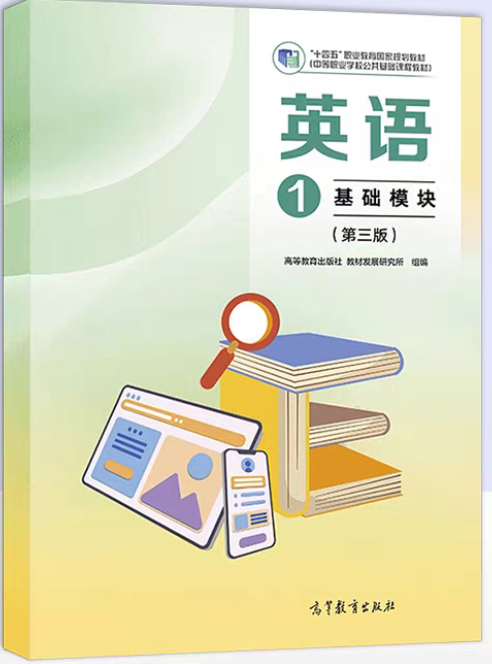
Unit 2 Transportation(B卷· 能力提升)-《英语 基础模块1》(高教版第三版)《单元过关卷》(原卷版+解析版)
2026-06-18
|
2份
|
38页
|
30人阅读
|
0人下载
资源信息
| 学段 | 中职 |
|---|---|
| 学科 | 英语 |
| 教材版本 | 中职英语高教版第三版 基础模块1 |
| 年级 | 高一 |
| 章节 | Unit 2 Transportation |
| 类型 | 作业-单元卷 |
| 知识点 | 词汇知识,词法知识,句法知识,语篇范围 |
| 使用场景 | 同步教学-单元练习 |
| 学年 | 2026-2027 |
| 地区(省份) | 河北省 |
| 地区(市) | - |
| 地区(区县) | - |
| 文件格式 | ZIP |
| 文件大小 | 881 KB |
| 发布时间 | 2026-06-18 |
| 更新时间 | 2026-06-18 |
| 作者 | xkw_066507248 |
| 品牌系列 | 学易金卷·阶段检测模拟卷 |
| 审核时间 | 2026-06-18 |
| 下载链接 | https://m.zxxk.com/soft/58403212.html |
| 价格 | 3.00储值(1储值=1元) |
| 来源 | 学科网 |
摘要:
**基本信息**
该卷为《英语 基础模块1》(高教版第三版)Unit 2 Transportation的B卷·能力提升,考查语音、词汇、语法等综合能力,贴合考纲与真题题型,助力单元复习与应试能力提升。
**题型特征**
|题型|题量/分值|知识覆盖|命题特色|
|----|-----------|----------|----------|
|语音辨音|5题/5分|元音字母发音(如change中a发/eɪ/)|聚焦单元核心词汇发音规律|
|单项选择|25题/25分|祈使句(如Don’t cross...)、交通词汇(terminal, shuttle bus)|结合真实出行场景考查语法与词汇应用|
|完形填空|10题/15分|祈使句、交通方式对比(步行/公交/地铁)|以商务出行情境整合单元语法与词汇|
|阅读理解|15题/37.5分|交通与网购、出行健康等主题,含terminal等单元词汇|选材贴近社会热点,强化信息定位能力|
|书面表达|1题/15分|用祈使句写公交出行建议(如Check bus info...)|直接对接单元核心语法与应用能力|
内容正文:
编写说明:本套《同步单元AB卷》紧扣《英语 基础模块1》(高教版第三版)教材,以教材单元为基准精准覆盖核心考点,每套试题完全贴合真题题型和最新考纲。A卷为基础卷,偏简单,侧重考点;B卷为能力提升卷,在基础上加深难度,但不会超纲,助力师生高效把握教学重点,与高考真题接轨。全书设计4份综合测试卷,模拟实战情境,聚焦解题能力突破,全面提升应试能力与知识应用水平。
本卷是Unit 2 Transportation 的单元测试卷,考查语音、词汇、语法、情景交际、阅读能力和书面表达能力。
《英语 基础模块1》(高教版第三版)《单元过关卷》
Unit 2 Transportation
B卷·能力提升
考试时间:120分钟 满分:120分
班级 姓名 学号 成绩
第一部分 英语知识运用(共四节,满分 55 分)
第一节 语音辨音(共 5 小题;每小题 1 分,满分 5 分)
从下列每组单词中,选出划线部分发音不同的一项。
1. change A. map B. station C. bag D. taxi
【答案】B
【解析】change /eɪ/,station /ˈsteɪʃn/ a发/eɪ/,其余/æ/。
2. exit A. she B. these C. pen D. me
【答案】C
【解析】exit e /e/,pen /e/,其余/iː/。
3. flight A. big B. pig C. direction D. sit
【答案】C
【解析】flight i /aɪ/,direction /daɪˈrekʃn/ i /aɪ/,其余/ɪ/。
4. bus A. use B. student C. duck D. cute
【答案】C
【解析】bus u /ʌ/,duck /ʌ/,其余/juː/。
5. terminal A. her B. teacher C. driver D.cooker
【答案】A
【解析】terminal er /ɜː/,her /hɜː/,其余/ə/。
第二节 单项选择(共 25 小题;每小题 1 分,满分 25 分)
从 A、B、C、D 四个选项中选出可以填入空白处的最佳选项。
6. ______ to the airport early, or you will miss your plane.
A. Come B. Comes C. Coming D. To come
【答案】A
【解析】肯定祈使句动词原形放句首。
7. ______ carry heavy bags when you take the subway, it’s not safe.
A. Not B. No C. Don’t D. Doesn’t
【答案】C
【解析】Don’t + 动词原形构成否定祈使句。
8. Let us take a shared bike to the park, ______?
A. shall we B. will you C. won’t we D. do you
【答案】B
【解析】Let us(不包含听话人)反义疑问用will you。
9. Don’t cross the road when buses are passing, ______?
A. do you B. will you C. are they D. don’t you
【答案】B
【解析】否定祈使句统一用will you。
10. —You’d better take Airport Express to the hotel.
—______, I will follow your advice.
A. Never mind B. Good idea C. Don’t worry D. That’s terrible
【答案】B
【解析】接受出行建议礼貌回复好主意。
11. Please write down your hotel address, ______?
A. won’t you B. shall we C. do you D. are you
【答案】A
【解析】带please肯定祈使句,反义疑问可用won’t you。
12. ______ late for the last shuttle bus at 9 p.m.
A. Don’t be B. Not be C. Aren’t D. Doesn’t be
【答案】A
【解析】Don’t be + 形容词late。
13. —Could you show me the way to Bus Stop 707?
—______, follow this road and turn left.
A. Sorry B. Sure C. Don’t go D. No problem not
【答案】B
【解析】委婉请求肯定答语sure。
14. ______ ask airport workers if you cannot find Terminal 3.
A. You’d better not B. You’d better
C. You better D. You not better
【答案】B
【解析】you’d better do sth.你最好做某事。
15. ______ park your shared bike at the subway exit, don’t block the passage.
A. Park B. Parks C. Parking D. To park
【答案】A
【解析】指路祈使句动词原形park。
16. Online shopping makes it ______ to send things by EMS express.
A. terminal B. convenient C. direction D. rush hour
【答案】B
【解析】convenient方便的。
17. If you have poor ______, download a map app on your phone.
A. sense of direction B. flight information C. shuttle bus D. exit
【答案】A
【解析】sense of direction方向感。
18. Terminal 3 is the new building for all international ______.
A. buses B. flights C. subways D. shared bikes
【答案】B
【解析】terminal航站楼对应航班flight。
19. Take Subway Line 2 and ______ Airport Express at Zhuquemen Station.
A. get off B. worry about C. change for D. get to
【答案】C
【解析】change for换乘快线。
20. The taxi ______ about 30 yuan from the train station to the hotel.
A. takes B. spends C. pays D. costs
【答案】D
【解析】交通工具作主语花费金钱用cost。
21. The subway train is leaving, we are going in the right ______.
A. terminal B. direction C. exit D. bus stop
【答案】B
【解析】in the right direction方向正确。
22. You should ______ at the third stop and walk to Green Hotel.
A. change for B. get off C. worry about D. take shuttle bus
【答案】B
【解析】get off下车。
23. Tourists often take the ______ to visit the Summer Palace on holidays.
A. subway B. taxi C. shared bike D. shuttle bus
【答案】A
【解析】课文对话游客乘坐地铁去颐和园。
24. EMS stands for Express Mail ______.
A. Terminal B. Service C. Direction D. Station
【答案】B
【解析】Express Mail Service特快专递。
25. The ______ for airport taxis is outside Gate 2 of Terminal 2.
A. bus stop B. taxi station C. subway exit D. shuttle bus
【答案】B
【解析】taxi station出租车站。
26. Please ______ the subway at Exit B after you arrive at Zhonghua Square Station.
A. worry about B. get off C. change for D. take a taxi
【答案】B
【解析】get off下车,指路固定搭配。
27. Don’t ______ missing your flight, the shuttle bus goes every ten minutes.
A. rush hour B. worry about C. sense of direction D. flight information
【答案】B
【解析】worry about担心。
28. You can check your ______ on the big screen in Terminal 2.
A. flight information B. bus stop C. shuttle bus D. shared bike
【答案】A
【解析】flight information航班信息。
28. It’s ______, thousands of people take subway to work every morning.
A. shuttle bus B. rush hour C. terminal D. exit
【答案】B
【解析】rush hour早高峰。
30. The hotel provides free ______ from the airport to the building.
A. express mail B. shuttle bus C. cashless payment D. subway line
【答案】B
【解析】shuttle bus机场班车。
第三节 完形填空(共 10 小题;每小题 1.5 分,满分 15 分)
阅读下面短文,从每题所给的 A、B、C、D 四个选项中选出最佳选项。
A
I am a businessman and I often travel to different cities for meetings. Last Tuesday, I needed to go to Green Hotel for an important meeting at 10:30 a.m. I arrived at the train station early, and I had three ways to get to the hotel: walking, taking a bus or calling a taxi.
The hotel is only 3 kilometers away from the station. If you have enough time, 31 ______ along the street for twenty minutes, you can arrive there on foot. But I didn’t have much spare time, so I gave up walking. Taking Bus 707 is cheap, but 32 ______ take it during rush hour, there will be heavy traffic. You’d better 33 ______ the bus only if you set off before 8 a.m.
If you choose subway, you need to take Line 2 and get off at Zhonghua Square Station. 34 ______ Exit B and turn left, the hotel is right beside the exit. It only takes ten minutes by subway, and you don’t need to 35 ______ traffic jams. Taxis are fast but expensive, and drivers may not know the hotel’s exact address if you don’t show them the map.
Here are some useful rules for all travelers. 36 ______ your phone fully charged before you go out. 37 ______ forget to check flight or train information one day ahead. When you take shuttle buses at the airport, 38 ______ your luggage well. Don’t run on the platform, 39 ______ it’s very dangerous. Choose green transport as much as you can, it’s good for our environment. Every time we go out, small choices of transportation can make a big difference. We 40 ______ try our best to protect the city’s environment.
31. A. Walk B. Walks C. Walking D. To walk
32. A. Don’t B. Not C. No D. Doesn’t
33. A. take B. to take C. taking D. took
34. A. Take B. Takes C. Taking D. To take
35. A. worry about B. get off C. change for D. get to
36. A. Keep B. Keeps C. Keeping D. To keep
37. A. No B. Don’t C. Not D. Doesn’t
38. A. watch B. watches C. watching D. to watch
39. A. and B. but C. because D. so
40. A. must B. can C. may D. might
【答案】31.A 32.A 33.A 34.A 35.A 36.A 37.B 38.A 39.C 40.A
【导语】本文围绕商务人士前往格林酒店出行展开,对比三种交通方式.
【解析】
31. 指路祈使句,动词原形Walk。
32. 否定祈使句Don’t + 动词原形:高峰期不要坐公交。
33. you’d better + 动词原形take。
34. 祈使句Take Exit B走B出口。
35. worry about 担心堵车。
36. 祈使句Keep your phone charged保持手机有电。
37. Don’t forget不要忘记查询班次。
38. 祈使句watch luggage看好行李。
39. 因果连词because解释奔跑危险的原因。
40. must必须,表责任,我们必须尽力保护环境。
第四节 语法填空(共 5 小题;每小题 2 分,满分 10 分)
阅读下面短文,用括号内单词的适当形式填空。
If you arrive at the train station and want to reach Zhonghua Hotel, follow these steps:
411. ______ (take) Subway Line 2 from the station platform. It runs from 5 a.m. to 11 p.m.
42. You ______ (get) off at Zhonghua Square Station after two stops. Remember 43.______ (choose) Exit B.
44.. ______ (not take) Bus 707 after 11 p.m., it 45. ______ (stop) service at 11:30 every night.
Walk straight for one minute, you will see the hotel on your left.
【答案】41.Take 42.will get 43.to choose 44.Don’t take 45.stops
【导语】改编文档酒店FAQ火车站出行路线,考查祈使句变形、固定搭配remember to do、一般现在时三单。
【解析】
41. 句首肯定祈使句原形Take。
42. 乘车后两站下车,将来时will get。
43. remember to do sth.记得要做某事。
44. 否定祈使句Don’t take。
45. it指代707公交,一般现在时谓语三单stops。
第二部分 阅读(共两节,满分 50 分)
第一节 阅读理解(共 15 小题;每小题 2.5 分,满分 37.5 分)
阅读下列短文,从每题所给的 A、B、C、D 四个选项中选出最佳选项。
A
Now online shopping becomes the most popular way for Chinese people to buy daily things, and it is also one of China’s four great modern inventions. Compared with shopping in physical stores, online shopping has many strong points, but it also brings some troubles to customers.
First of all, online shopping is extremely convenient. You don’t need to take buses, subways or taxis to shopping malls. You can sit at home and buy everything you want on mobile shopping apps at any time of day or night. No matter you want to buy clothes, food, flight tickets or express delivery boxes, all kinds of goods are ready on the platforms. Second, online products usually have lower prices. Online shops don’t need to pay for big storefronts, so they cut down costs and sell goods cheaper. Third, the goods choices online are much richer. You can buy products from different cities or even foreign countries easily.
However, online shopping also has clear disadvantages. The biggest problem is that the real goods you receive may not match the pictures online. The color, size or quality may be different, and you cannot try clothes or test products before paying. Second, you need to wait for express delivery for several days. If you need something in a hurry, online shopping is not a good choice. Third, some bad sellers sell fake products and cheat customers, which brings trouble to buyers.
When we shop online, we can use cashless payment with QR codes on our phones. But we should follow some rules to avoid risks. Before paying, read all customer reviews carefully and choose reliable big sellers. Don’t buy cheap goods from unknown small shops. If you receive broken or wrong goods, you can talk with the seller and return the products.
Online shopping changes our life and transportation greatly. We send and receive goods by EMS express, shared delivery bikes carry packages on city roads. It connects transportation and shopping closely. If we use it in a right way, online shopping will bring us more happiness.
46. Online shopping is one of China’s four modern inventions, which one is NOT included?
A. Cashless payment B. Bike sharing C. Plane D. High-speed trains
47. Why is online shopping convenient?
A. We can shop at home anytime B. All goods are free
C. It takes one day to receive goods D. Goods are same as pictures
48. What does the word “reliable” mean in Paragraph 4?
A. 便宜的 B. 可靠的 C. 快速的 D. 小型的
49. Which disadvantage of online shopping is NOT mentioned?
A. Goods may differ from pictures B. Need to wait for delivery
C. Fake products exist D. It wastes too much money on taxis
【答案】46.C 47.A 48.B 49.D
导语
本文为说明文,围绕网购展开,紧扣单元核心素材“中国四大现代发明、EMS快递、无现金支付QR码、各类交通工具出行购物”,题型包含细节查找、词义猜测、正误判断、主旨问答,贴合中职对口升学阅读出题逻辑;文中大量融入Unit2交通类词汇(subway、taxi、express delivery、shared delivery bikes、shuttle bus),同时结合课本四大发明原文知识点,侧重考查学生定位原文信息、理解生词、区分文章优缺点细节的能力。
46. 答案:C
解析:原文第一段明确写明中国四大现代发明为online shopping、cashless payment、bike sharing、high-speed trains;Plane(飞机)不在其中,A、B、D均属于四大发明,因此选C。
47. 答案:A
解析:定位第二段第一、二句“online shopping is extremely convenient. You don’t need to take buses, subways or taxis to shopping malls. You can sit at home and buy everything you want on mobile shopping apps at any time of day or night.”,核心便利点是足不出户、随时随地购物。
B选项“所有商品免费”原文无依据;C选项“收货只需一天”与原文“wait for express delivery for several days”矛盾;D选项“实物和图片完全一致”属于网购缺点,表述错误,故选A。
48. 答案:B
解析:定位第四段“read all customer reviews carefully and choose reliable big sellers. Don’t buy cheap goods from unknown small shops.”,后文提示不要买不知名小店商品,要选择大型商家,可推断reliable含义为“可靠的”;其余词义均不符合上下文逻辑。
49. 答案:D
解析:文章第三段列举三大网购弊端:①实物与图片不符(A选项原文原句);②快递需要等待数日(B选项原文原句);③不良商家售卖假货欺骗顾客(C选项原文原句);全文未提及网购会浪费大量出租车费用,D选项属于无中生有,因此选D。
B
Traveling by subway, bus, high-speed train or plane is fun, but long trips may make us tired and weak. If you want to stay healthy during your travel, you need to follow several simple suggestions about diet, exercise, sleep and mood.
First, keep a balanced diet when you go out. Don’t eat too much junk food like fried snacks on the way. They are bad for your stomach and make you feel sleepy on vehicles. Buy more fresh fruits and bottled water before you take buses or trains. If you take a long-distance flight, the air on the plane is dry, so you need to drink water often. You can also take some bread and eggs with you to get enough protein.
Second, take exercise during your trip. If you wait for shuttle buses or flights for a long time, don’t sit on the chair all the time. Walk around the terminal or waiting hall for 10 minutes every hour. When you arrive at your hotel, you can take a short walk on the street or ride a shared bike for a while. Thirty minutes of light exercise every day can make your body strong and relaxed.
Third, get enough sleep every night. Travel makes people tired, so you should sleep for seven to nine hours each day. Don’t stay up late to watch videos or play mobile games after you get to the hotel. If you lack sleep, you will have a poor sense of direction and easily get lost in new stations or streets.
Finally, keep a good mood. If you miss your bus or take the subway in wrong direction, don’t worry too much. Bad moods will hurt your health. You can ask workers for help and find another way to your destination. Talk with your travel partners and laugh together to relax yourself.
Good health makes every trip wonderful. No matter which transportation you choose, remember these health rules and enjoy your travel safely.
50. What food should we eat more during travel?
A. Fried junk food B. Fresh fruits and water C. Snacks D. Ice cream
51. How long should we exercise every day while traveling?
A. 10 minutes B. 30 minutes C. One hour D. Two hours
52. How many hours of sleep do we need every night?
A. 5-6 B.7-9 C.10-12 D.13-14
53. What will happen if we don’t get enough sleep?
A. We will have good sense of direction B. We won’t get lost
C. We easily lose our way D. We can run fast
【答案】50.B 51.B 52.B 53.C
导语
本文为健康类说明文,以出行旅行为载体,全篇覆盖Unit2全部交通词汇:subway、bus、high-speed train、plane、shuttle bus、shared bike、terminal、sense of direction、wrong direction等;文章分饮食、运动、睡眠、情绪四大板块给出出行健康建议,题型以细节理解题为主,贴合课本“出行问路、交通出行”核心主题,同时融合完形填空原文短语poor sense of direction,考查学生快速抓取数字、关键建议类信息的能力。
50. 答案:B
解析:定位第二段“Buy more fresh fruits and bottled water before you take buses or trains.”,明确出行应多吃新鲜水果、多喝水;A油炸垃圾食品、C零食、D冰淇淋均为文中不推荐的食物。
51. 答案:B
解析:第三段原文“Thirty minutes of light exercise every day can make your body strong and relaxed.”,thirty minutes=30 minutes,对应B选项。
52. 答案:B
解析:第四段原文“you should sleep for seven to nine hours each day.”,7-9小时,选B。
53. 答案:C
解析:定位第四段“If you lack sleep, you will have a poor sense of direction and easily get lost in new stations or streets.”,睡眠不足会方向感变差、容易迷路,C选项“easily lose our way”与原文同义替换;A、B、D均和原文意思相反。
C
Our city’s Transport Service Center needs volunteers every weekend to help visitors solve transportation problems. If you are warm-hearted and have free time on Saturday mornings from 9:00 to 11:30, you can join our volunteer team. All volunteers will learn Unit2 transportation knowledge to help tourists ask directions, check flight information and introduce green transportation.
Volunteers have three main tasks every weekend. First, help old visitors check bus and subway routes. Many old people cannot use mobile map apps, so you need to tell them how to change subway lines, which exit to take and where the nearest bus stop is. Second, teach young visitors how to use shared bikes and cashless payment on buses. Some students travel alone and don’t know how to scan QR codes for tickets. Third, clean the waiting area of shuttle bus stations and sort waste beside taxi stations.
Before you start volunteer work, you need to learn many useful sentences. For example, polite sentences to ask and answer directions, imperative sentences to tell visitors traffic rules: “Don’t run in the station”, “Take Subway Line 2 at Zhuquemen Station”, “Choose shared bikes for short trips”. All these sentences are from our English textbook Unit 2 Transportation.
Volunteers need to prepare some skills. You should have a good sense of direction, so you won’t give visitors wrong directions. If you don’t know the way to a terminal or hotel, you can tell visitors “Sorry, I am new here, let’s ask the office worker together.” Never guess the route casually, or visitors will get lost.
After volunteer work, you can learn a lot about different traffic tools and communicate with people from different places. It is a great chance to practice your English and help others at the same time. If you want to sign up, call us at 8765-4321 or send an email to transportvolunteer@163.com.
54. When do volunteers work every week?
A. Every Sunday afternoon B. Every Saturday 9:00-11:30
C. Every Friday morning D. Every Monday evening
55. Which is NOT the volunteer’s task?
A. Help elders check traffic routes B. Teach kids to draw pictures
C. Introduce shared bikes D. Clean shuttle bus waiting area
56. What sentence structure do volunteers use to tell traffic rules?
A. Imperative sentences B. Future tense
C. Past tense D. Passive voice
57. What should volunteers do if they don’t know the route?
A. Guess a way randomly B. Tell visitors wrong directions
C. Ask office workers together D. Leave visitors alone
【答案】54.B 55.B 56.A 57.C
导语
本文应用文(志愿者招募公告),高度贴合Unit2单元考点:问路交际句型、祈使句traffic rules、交通词汇flight information、shared bike、cashless payment、shuttle bus、taxi station、terminal、subway routes、exit、bus stop;文中直接出现课本核心语法imperative sentences(祈使句),同时设置细节定位、细节排除、词义题型,兼顾词汇、语法、语篇理解三重考点,完全匹配对口升学阅读命题风格。
54. 答案:B
解析:第一段原文“If you are warm-hearted and have free time on Saturday mornings from 9:00 to 11:30, you can join our volunteer team.”,志愿者工作时间为每周六上午9:00-11:30,对应B选项;其余时间原文均未提及。
55. 答案:B
解析:第二段写明志愿者三项工作:①帮助老人查询公交地铁线路;②教游客使用共享单车、手机扫码乘车;③清扫班车候车区;B选项“教孩子画画”是卷1阅读志愿者任务,本篇全文无相关内容,属于不属于志愿者工作,故选B。
56. 答案:A
解析:第三段原文“polite sentences to ask and answer directions, imperative sentences to tell visitors traffic rules”,明确志愿者使用祈使句告知游客交通规则;B将来时、C过去时、D被动语态均不符合原文。
57. 答案:C
解析:第四段“If you don’t know the way to a terminal or hotel, you can tell visitors ‘Sorry, I am new here, let’s ask the office worker together.’”,不清楚路线时可以和游客一起咨询工作人员;A随意猜测路线、B告知错误路线、D丢下游客独自离开均为文中禁止的行为。
D
Now most people depend on map apps on smartphones to find directions when they take buses, subways or taxis. However, your phone may stop working suddenly during travel: the battery runs out, you have no Internet signal, or the map app shows wrong routes. At these moments, you have to ask strangers for help to get to terminals, hotels or scenic spots like the Summer Palace. There are several polite ways to ask directions in English without mobile phones.
First, prepare the name of your destination on paper before you go out. If you visit a foreign city and cannot speak the local language well, write words like “Terminal 1”, “Green Hotel” or “Summer Palace” on a small piece of paper. When you stop a worker or passenger, show them the paper directly, they will understand your need quickly.
Second, use polite opening words before asking questions. “Excuse me” is the most suitable word to start your talk. Don’t ask questions rudely without greetings. You can say “Excuse me, could you tell me how to get to the nearest subway station?” or “Excuse me, where can I take the shuttle bus to the airport?”
Third, listen carefully to the imperative sentences people use to show you the way. All direction sentences start with verbs: “Go along this road”, “Turn right at the crossroads”, “Get off at Zhonghua Square Station”, “Change for Line 2”. These sentences have no subject “you”, which is the main feature of祈使句. If you miss some information, you can say “Pardon me” and ask them to repeat the route again.
Last, remember to say “Thank you” after others help you. Being polite makes people willing to give you clear directions. If you follow these rules, you will never worry about losing your way even when your mobile phone cannot work. All these communication skills are the key knowledge in Unit 2 Transportation of our English textbook.
58. Why can’t we use map apps sometimes?
A. Phone power runs out B. No shared bikes
C. Too many buses D. Rush hour traffic
59. What should we write on paper when traveling abroad?
A. Our phone number B. Names of places we want to go
C. Bus numbers only D. Flight time
60. What sentence do people use to give directions?
A. Imperative sentences B. Past simple sentences
C. Present perfect sentences D. Future sentences
【答案】58.A 59.B 60.A
导语
全文说明文,核心围绕课本Unit2「礼貌问路、指路祈使句」展开,覆盖单元地标词汇Terminal 1、Green Hotel、Summer Palace、交通词汇shuttle bus、subway station、crossroads、Exit B、Line 2;文章聚焦无手机导航时的问路技巧,重点反复讲解课本核心语法祈使句(imperative sentences)的结构特点,全部问答依托原文细节定位,词义、主旨题型搭配完整,和试卷一问路阅读素材完全不重复,难度稳步提升。
58. 答案:A
解析:第一段“your phone may stop working suddenly during travel: the battery runs out, you have no Internet signal, or the map app shows wrong routes.”,手机没电是无法使用导航软件的原因之一;B无共享单车、C公交车太多、D交通高峰期均和手机导航失效无关。
59. 答案:B
解析:第二段“If you visit a foreign city and cannot speak the local language well, write words like ‘Terminal 1’, ‘Green Hotel’ or ‘Summer Palace’ on a small piece of paper.”,出行国外时需要写下目的地名称;A手机号、C仅公交编号、D航班时间原文均未提到。
60. 答案:A
解析:第三段“listen carefully to the imperative sentences people use to show you the way... These sentences have no subject ‘you’, which is the main feature of祈使句.”,指路使用的标准句式是祈使句;其余时态句式均不符合原文描述。
第二节 补全对话(共 5 小题;每小题 2.5 分,满分 12.5 分)
根据对话内容,从对话后的选项中选出能填入空白处的最佳选项。
Businessman: Excuse me, can you speak English?
Student: Yes, I can. 61______
Businessman: I need to get to Green Hotel for a meeting. It’s 3km away. What’s the best transport now?
Student: It’s 10:30 a.m., not rush hour. 62______ It only takes 10 minutes.
Businessman: Is subway cheaper than taxi?
Student: Yes. 63______ Taking a taxi will cost you about 20 yuan.
Businessman: Where do I change for Subway Line 2?
Student: 64______ Get off at Zhonghua Square Station and take Exit B.
Businessman: Thank you very much for your help.
Student: 65______ Have a nice meeting!
A. You can take Subway Line 2 directly.
B. My pleasure.
C. What can I do for you?
D. You’d better not take a taxi.
E. Walk straight to the subway station over there.
【答案】61.C 62.A 63.D 64.E 65.B
导语
本篇补全对话为商务出行问路交际场景,完全依托Unit 2 Transportation单元核心知识点创作,和试卷一中颐和园游客问路对话场景、句型不重复。对话围绕商人前往格林酒店开会选择交通工具展开,覆盖单元重点短语:rush hour、change for Subway Line 2、get off、take Exit B;核心句型包含you’d better表出行建议、问路与指路交际用语、礼貌致谢答语;题型考查情景逻辑匹配,需要结合上下句问答关系、出行建议逻辑选出匹配选项,贴合河北对口升学英语对话题型考查要求。
61.答案:C
解析:前句商人询问学生是否会说英语,学生回答“Yes, I can.”(是的,我会),按照交际逻辑,接下来应主动询问对方需求。
C选项“What can I do for you?”译为“我能为您做点什么?”,是服务场景标准礼貌问句,承接下文商人说明自己要去格林酒店的诉求。
其余选项排除:A是指路语句,此时对方还未说明出行需求,不适用;D是劝阻打车的建议,无前文铺垫;E是步行指路,语境不符;B是回应感谢的用语,对话还未出现感谢,逻辑不成立。
62答案:A
解析:上文商人提问“What’s the best transport now?(现在最好的交通方式是什么)”,学生回应当前不是高峰期,后一句补充“It only takes 10 minutes(只需要10分钟)”,空格处需要给出推荐的交通方案。
A选项“You can take Subway Line 2 directly.(你可以直接乘坐2号线地铁)”,给出最优出行方式,完美承接问句,同时和后文讨论地铁、出租车价格形成呼应。
其余选项排除:D是劝阻打车,此处还未对比出租车,过早出现逻辑断裂;E是步行去地铁站的指路,还未确定交通方式,不适合;B、C语义不匹配此处问答。
63.答案:D
解析:商人询问地铁是否比出租车便宜,学生先给出肯定回答Yes,后半句说明打车大约花费20元,由此能判断空格处是不推荐打车的建议。
D选项“You’d better not take a taxi.(你最好不要乘坐出租车)”,you’d better not为单元核心否定建议句型,贴合上下文对比地铁和出租车的语境。
其余选项排除:A重复地铁方案,前后语义重复;E指路语句,和价格对比话题无关;B、C完全不符合问答逻辑。
64.答案:E
解析:商人提问“Where do I change for Subway Line 2?(我在哪里换乘2号线?)”,询问前往地铁站的路线,后文接续下车、走B出口的指路细节,空格需要给出前往地铁站的行走指引。
E选项“Walk straight to the subway station over there.(直走到达那边的地铁站)”,以祈使句指路,是课本标准指路句型,完美回答问路问题。
其余选项排除:A已经在前文提过乘坐地铁,此处是询问位置,不能重复;D劝阻打车、B礼貌答语、C服务问句均无法回答地点提问。
65.答案:B
解析:上文商人说“Thank you very much for your help.(非常感谢你的帮助)”,面对他人致谢,固定礼貌回复为My pleasure。
B选项“My pleasure.”译为“不客气”,是单元交际重点答语。
其余选项排除:A、D、E均为指路、出行建议类语句,不能回应感谢;C是主动询问需求,语境不符。
第三部分 书面表达(满分 15 分)
66.题目:My Tips for Travelling by Public Transport
要求:
1. 80词左右;
2. 内容:乘坐公交/地铁出行的3条建议,使用祈使句、单元交通词汇;
3. 简单易懂,贴合课本Unit2知识点。
参考范文:
My Tips for Travelling by Public Transport
When we take buses or subways, we should follow these useful tips.
First, check flight or bus information before you go out. Don’t be late for shuttle buses.
Second, you’d better choose green transport like shared bikes for short trips. Don’t take taxis in rush hour.
Third, ask workers for directions if you get lost. Use polite sentences like “Excuse me”.
Public transport is convenient and cheap. If we follow these rules, our trips will become smooth
原创精品资源学科网独家享有版权,侵权必究!
学科网(北京)股份有限公司
学科网(北京)股份有限公司
$
编写说明:本套《同步单元AB卷》紧扣《英语 基础模块1》(高教版第三版)教材,以教材单元为基准精准覆盖核心考点,每套试题完全贴合真题题型和最新考纲。A卷为基础卷,偏简单,侧重考点;B卷为能力提升卷,在基础上加深难度,但不会超纲,助力师生高效把握教学重点,与高考真题接轨。全书设计4份综合测试卷,模拟实战情境,聚焦解题能力突破,全面提升应试能力与知识应用水平。
本卷是Unit 2 Transportation 的单元测试卷,考查语音、词汇、语法、情景交际、阅读能力和书面表达能力。
《英语 基础模块1》(高教版第三版)《单元过关卷》
Unit 2 Transportation
B卷·能力提升
考试时间:120分钟 满分:120分
班级 姓名 学号 成绩
第一部分 英语知识运用(共四节,满分 55 分)
第一节 语音辨音(共 5 小题;每小题 1 分,满分 5 分)
从下列每组单词中,选出划线部分发音不同的一项。
1. change A. map B. station C. bag D. taxi
【答案】B
【解析】change /eɪ/,station /ˈsteɪʃn/ a发/eɪ/,其余/æ/。
2. exit A. she B. these C. pen D. me
【答案】C
【解析】exit e /e/,pen /e/,其余/iː/。
3. flight A. big B. pig C. direction D. sit
【答案】C
【解析】flight i /aɪ/,direction /daɪˈrekʃn/ i /aɪ/,其余/ɪ/。
4. bus A. use B. student C. duck D. cute
【答案】C
【解析】bus u /ʌ/,duck /ʌ/,其余/juː/。
5. terminal A. her B. teacher C. driver D.cooker
【答案】A
【解析】terminal er /ɜː/,her /hɜː/,其余/ə/。
第二节 单项选择(共 25 小题;每小题 1 分,满分 25 分)
从 A、B、C、D 四个选项中选出可以填入空白处的最佳选项。
6. ______ to the airport early, or you will miss your plane.
A. Come B. Comes C. Coming D. To come
【答案】A
【解析】肯定祈使句动词原形放句首。
7. ______ carry heavy bags when you take the subway, it’s not safe.
A. Not B. No C. Don’t D. Doesn’t
【答案】C
【解析】Don’t + 动词原形构成否定祈使句。
8. Let us take a shared bike to the park, ______?
A. shall we B. will you C. won’t we D. do you
【答案】B
【解析】Let us(不包含听话人)反义疑问用will you。
9. Don’t cross the road when buses are passing, ______?
A. do you B. will you C. are they D. don’t you
【答案】B
【解析】否定祈使句统一用will you。
10. —You’d better take Airport Express to the hotel.
—______, I will follow your advice.
A. Never mind B. Good idea C. Don’t worry D. That’s terrible
【答案】B
【解析】接受出行建议礼貌回复好主意。
11. Please write down your hotel address, ______?
A. won’t you B. shall we C. do you D. are you
【答案】A
【解析】带please肯定祈使句,反义疑问可用won’t you。
12. ______ late for the last shuttle bus at 9 p.m.
A. Don’t be B. Not be C. Aren’t D. Doesn’t be
【答案】A
【解析】Don’t be + 形容词late。
13. —Could you show me the way to Bus Stop 707?
—______, follow this road and turn left.
A. Sorry B. Sure C. Don’t go D. No problem not
【答案】B
【解析】委婉请求肯定答语sure。
14. ______ ask airport workers if you cannot find Terminal 3.
A. You’d better not B. You’d better
C. You better D. You not better
【答案】B
【解析】you’d better do sth.你最好做某事。
15. ______ park your shared bike at the subway exit, don’t block the passage.
A. Park B. Parks C. Parking D. To park
【答案】A
【解析】指路祈使句动词原形park。
16. Online shopping makes it ______ to send things by EMS express.
A. terminal B. convenient C. direction D. rush hour
【答案】B
【解析】convenient方便的。
17. If you have poor ______, download a map app on your phone.
A. sense of direction B. flight information C. shuttle bus D. exit
【答案】A
【解析】sense of direction方向感。
18. Terminal 3 is the new building for all international ______.
A. buses B. flights C. subways D. shared bikes
【答案】B
【解析】terminal航站楼对应航班flight。
19. Take Subway Line 2 and ______ Airport Express at Zhuquemen Station.
A. get off B. worry about C. change for D. get to
【答案】C
【解析】change for换乘快线。
20. The taxi ______ about 30 yuan from the train station to the hotel.
A. takes B. spends C. pays D. costs
【答案】D
【解析】交通工具作主语花费金钱用cost。
21. The subway train is leaving, we are going in the right ______.
A. terminal B. direction C. exit D. bus stop
【答案】B
【解析】in the right direction方向正确。
22. You should ______ at the third stop and walk to Green Hotel.
A. change for B. get off C. worry about D. take shuttle bus
【答案】B
【解析】get off下车。
23. Tourists often take the ______ to visit the Summer Palace on holidays.
A. subway B. taxi C. shared bike D. shuttle bus
【答案】A
【解析】课文对话游客乘坐地铁去颐和园。
24. EMS stands for Express Mail ______.
A. Terminal B. Service C. Direction D. Station
【答案】B
【解析】Express Mail Service特快专递。
25. The ______ for airport taxis is outside Gate 2 of Terminal 2.
A. bus stop B. taxi station C. subway exit D. shuttle bus
【答案】B
【解析】taxi station出租车站。
26. Please ______ the subway at Exit B after you arrive at Zhonghua Square Station.
A. worry about B. get off C. change for D. take a taxi
【答案】B
【解析】get off下车,指路固定搭配。
27. Don’t ______ missing your flight, the shuttle bus goes every ten minutes.
A. rush hour B. worry about C. sense of direction D. flight information
【答案】B
【解析】worry about担心。
28. You can check your ______ on the big screen in Terminal 2.
A. flight information B. bus stop C. shuttle bus D. shared bike
【答案】A
【解析】flight information航班信息。
28. It’s ______, thousands of people take subway to work every morning.
A. shuttle bus B. rush hour C. terminal D. exit
【答案】B
【解析】rush hour早高峰。
30. The hotel provides free ______ from the airport to the building.
A. express mail B. shuttle bus C. cashless payment D. subway line
【答案】B
【解析】shuttle bus机场班车。
第三节 完形填空(共 10 小题;每小题 1.5 分,满分 15 分)
阅读下面短文,从每题所给的 A、B、C、D 四个选项中选出最佳选项。
A
I am a businessman and I often travel to different cities for meetings. Last Tuesday, I needed to go to Green Hotel for an important meeting at 10:30 a.m. I arrived at the train station early, and I had three ways to get to the hotel: walking, taking a bus or calling a taxi.
The hotel is only 3 kilometers away from the station. If you have enough time, 31 ______ along the street for twenty minutes, you can arrive there on foot. But I didn’t have much spare time, so I gave up walking. Taking Bus 707 is cheap, but 32 ______ take it during rush hour, there will be heavy traffic. You’d better 33 ______ the bus only if you set off before 8 a.m.
If you choose subway, you need to take Line 2 and get off at Zhonghua Square Station. 34 ______ Exit B and turn left, the hotel is right beside the exit. It only takes ten minutes by subway, and you don’t need to 35 ______ traffic jams. Taxis are fast but expensive, and drivers may not know the hotel’s exact address if you don’t show them the map.
Here are some useful rules for all travelers. 36 ______ your phone fully charged before you go out. 37 ______ forget to check flight or train information one day ahead. When you take shuttle buses at the airport, 38 ______ your luggage well. Don’t run on the platform, 39 ______ it’s very dangerous. Choose green transport as much as you can, it’s good for our environment. Every time we go out, small choices of transportation can make a big difference. We 40 ______ try our best to protect the city’s environment.
31. A. Walk B. Walks C. Walking D. To walk
32. A. Don’t B. Not C. No D. Doesn’t
33. A. take B. to take C. taking D. took
34. A. Take B. Takes C. Taking D. To take
35. A. worry about B. get off C. change for D. get to
36. A. Keep B. Keeps C. Keeping D. To keep
37. A. No B. Don’t C. Not D. Doesn’t
38. A. watch B. watches C. watching D. to watch
39. A. and B. but C. because D. so
40. A. must B. can C. may D. might
【答案】31.A 32.A 33.A 34.A 35.A 36.A 37.B 38.A 39.C 40.A
【导语】本文围绕商务人士前往格林酒店出行展开,对比三种交通方式.
【解析】
31. 指路祈使句,动词原形Walk。
32. 否定祈使句Don’t + 动词原形:高峰期不要坐公交。
33. you’d better + 动词原形take。
34. 祈使句Take Exit B走B出口。
35. worry about 担心堵车。
36. 祈使句Keep your phone charged保持手机有电。
37. Don’t forget不要忘记查询班次。
38. 祈使句watch luggage看好行李。
39. 因果连词because解释奔跑危险的原因。
40. must必须,表责任,我们必须尽力保护环境。
第四节 语法填空(共 5 小题;每小题 2 分,满分 10 分)
阅读下面短文,用括号内单词的适当形式填空。
If you arrive at the train station and want to reach Zhonghua Hotel, follow these steps:
411. ______ (take) Subway Line 2 from the station platform. It runs from 5 a.m. to 11 p.m.
42. You ______ (get) off at Zhonghua Square Station after two stops. Remember 43.______ (choose) Exit B.
44.. ______ (not take) Bus 707 after 11 p.m., it 45. ______ (stop) service at 11:30 every night.
Walk straight for one minute, you will see the hotel on your left.
【答案】41.Take 42.will get 43.to choose 44.Don’t take 45.stops
【导语】改编文档酒店FAQ火车站出行路线,考查祈使句变形、固定搭配remember to do、一般现在时三单。
【解析】
41. 句首肯定祈使句原形Take。
42. 乘车后两站下车,将来时will get。
43. remember to do sth.记得要做某事。
44. 否定祈使句Don’t take。
45. it指代707公交,一般现在时谓语三单stops。
第二部分 阅读(共两节,满分 50 分)
第一节 阅读理解(共 15 小题;每小题 2.5 分,满分 37.5 分)
阅读下列短文,从每题所给的 A、B、C、D 四个选项中选出最佳选项。
A
Now online shopping becomes the most popular way for Chinese people to buy daily things, and it is also one of China’s four great modern inventions. Compared with shopping in physical stores, online shopping has many strong points, but it also brings some troubles to customers.
First of all, online shopping is extremely convenient. You don’t need to take buses, subways or taxis to shopping malls. You can sit at home and buy everything you want on mobile shopping apps at any time of day or night. No matter you want to buy clothes, food, flight tickets or express delivery boxes, all kinds of goods are ready on the platforms. Second, online products usually have lower prices. Online shops don’t need to pay for big storefronts, so they cut down costs and sell goods cheaper. Third, the goods choices online are much richer. You can buy products from different cities or even foreign countries easily.
However, online shopping also has clear disadvantages. The biggest problem is that the real goods you receive may not match the pictures online. The color, size or quality may be different, and you cannot try clothes or test products before paying. Second, you need to wait for express delivery for several days. If you need something in a hurry, online shopping is not a good choice. Third, some bad sellers sell fake products and cheat customers, which brings trouble to buyers.
When we shop online, we can use cashless payment with QR codes on our phones. But we should follow some rules to avoid risks. Before paying, read all customer reviews carefully and choose reliable big sellers. Don’t buy cheap goods from unknown small shops. If you receive broken or wrong goods, you can talk with the seller and return the products.
Online shopping changes our life and transportation greatly. We send and receive goods by EMS express, shared delivery bikes carry packages on city roads. It connects transportation and shopping closely. If we use it in a right way, online shopping will bring us more happiness.
46. Online shopping is one of China’s four modern inventions, which one is NOT included?
A. Cashless payment B. Bike sharing C. Plane D. High-speed trains
47. Why is online shopping convenient?
A. We can shop at home anytime B. All goods are free
C. It takes one day to receive goods D. Goods are same as pictures
48. What does the word “reliable” mean in Paragraph 4?
A. 便宜的 B. 可靠的 C. 快速的 D. 小型的
49. Which disadvantage of online shopping is NOT mentioned?
A. Goods may differ from pictures B. Need to wait for delivery
C. Fake products exist D. It wastes too much money on taxis
【答案】46.C 47.A 48.B 49.D
导语
本文为说明文,围绕网购展开,紧扣单元核心素材“中国四大现代发明、EMS快递、无现金支付QR码、各类交通工具出行购物”,题型包含细节查找、词义猜测、正误判断、主旨问答,贴合中职对口升学阅读出题逻辑;文中大量融入Unit2交通类词汇(subway、taxi、express delivery、shared delivery bikes、shuttle bus),同时结合课本四大发明原文知识点,侧重考查学生定位原文信息、理解生词、区分文章优缺点细节的能力。
46. 答案:C
解析:原文第一段明确写明中国四大现代发明为online shopping、cashless payment、bike sharing、high-speed trains;Plane(飞机)不在其中,A、B、D均属于四大发明,因此选C。
47. 答案:A
解析:定位第二段第一、二句“online shopping is extremely convenient. You don’t need to take buses, subways or taxis to shopping malls. You can sit at home and buy everything you want on mobile shopping apps at any time of day or night.”,核心便利点是足不出户、随时随地购物。
B选项“所有商品免费”原文无依据;C选项“收货只需一天”与原文“wait for express delivery for several days”矛盾;D选项“实物和图片完全一致”属于网购缺点,表述错误,故选A。
48. 答案:B
解析:定位第四段“read all customer reviews carefully and choose reliable big sellers. Don’t buy cheap goods from unknown small shops.”,后文提示不要买不知名小店商品,要选择大型商家,可推断reliable含义为“可靠的”;其余词义均不符合上下文逻辑。
49. 答案:D
解析:文章第三段列举三大网购弊端:①实物与图片不符(A选项原文原句);②快递需要等待数日(B选项原文原句);③不良商家售卖假货欺骗顾客(C选项原文原句);全文未提及网购会浪费大量出租车费用,D选项属于无中生有,因此选D。
B
Traveling by subway, bus, high-speed train or plane is fun, but long trips may make us tired and weak. If you want to stay healthy during your travel, you need to follow several simple suggestions about diet, exercise, sleep and mood.
First, keep a balanced diet when you go out. Don’t eat too much junk food like fried snacks on the way. They are bad for your stomach and make you feel sleepy on vehicles. Buy more fresh fruits and bottled water before you take buses or trains. If you take a long-distance flight, the air on the plane is dry, so you need to drink water often. You can also take some bread and eggs with you to get enough protein.
Second, take exercise during your trip. If you wait for shuttle buses or flights for a long time, don’t sit on the chair all the time. Walk around the terminal or waiting hall for 10 minutes every hour. When you arrive at your hotel, you can take a short walk on the street or ride a shared bike for a while. Thirty minutes of light exercise every day can make your body strong and relaxed.
Third, get enough sleep every night. Travel makes people tired, so you should sleep for seven to nine hours each day. Don’t stay up late to watch videos or play mobile games after you get to the hotel. If you lack sleep, you will have a poor sense of direction and easily get lost in new stations or streets.
Finally, keep a good mood. If you miss your bus or take the subway in wrong direction, don’t worry too much. Bad moods will hurt your health. You can ask workers for help and find another way to your destination. Talk with your travel partners and laugh together to relax yourself.
Good health makes every trip wonderful. No matter which transportation you choose, remember these health rules and enjoy your travel safely.
50. What food should we eat more during travel?
A. Fried junk food B. Fresh fruits and water C. Snacks D. Ice cream
51. How long should we exercise every day while traveling?
A. 10 minutes B. 30 minutes C. One hour D. Two hours
52. How many hours of sleep do we need every night?
A. 5-6 B.7-9 C.10-12 D.13-14
53. What will happen if we don’t get enough sleep?
A. We will have good sense of direction B. We won’t get lost
C. We easily lose our way D. We can run fast
【答案】50.B 51.B 52.B 53.C
导语
本文为健康类说明文,以出行旅行为载体,全篇覆盖Unit2全部交通词汇:subway、bus、high-speed train、plane、shuttle bus、shared bike、terminal、sense of direction、wrong direction等;文章分饮食、运动、睡眠、情绪四大板块给出出行健康建议,题型以细节理解题为主,贴合课本“出行问路、交通出行”核心主题,同时融合完形填空原文短语poor sense of direction,考查学生快速抓取数字、关键建议类信息的能力。
50. 答案:B
解析:定位第二段“Buy more fresh fruits and bottled water before you take buses or trains.”,明确出行应多吃新鲜水果、多喝水;A油炸垃圾食品、C零食、D冰淇淋均为文中不推荐的食物。
51. 答案:B
解析:第三段原文“Thirty minutes of light exercise every day can make your body strong and relaxed.”,thirty minutes=30 minutes,对应B选项。
52. 答案:B
解析:第四段原文“you should sleep for seven to nine hours each day.”,7-9小时,选B。
53. 答案:C
解析:定位第四段“If you lack sleep, you will have a poor sense of direction and easily get lost in new stations or streets.”,睡眠不足会方向感变差、容易迷路,C选项“easily lose our way”与原文同义替换;A、B、D均和原文意思相反。
C
Our city’s Transport Service Center needs volunteers every weekend to help visitors solve transportation problems. If you are warm-hearted and have free time on Saturday mornings from 9:00 to 11:30, you can join our volunteer team. All volunteers will learn Unit2 transportation knowledge to help tourists ask directions, check flight information and introduce green transportation.
Volunteers have three main tasks every weekend. First, help old visitors check bus and subway routes. Many old people cannot use mobile map apps, so you need to tell them how to change subway lines, which exit to take and where the nearest bus stop is. Second, teach young visitors how to use shared bikes and cashless payment on buses. Some students travel alone and don’t know how to scan QR codes for tickets. Third, clean the waiting area of shuttle bus stations and sort waste beside taxi stations.
Before you start volunteer work, you need to learn many useful sentences. For example, polite sentences to ask and answer directions, imperative sentences to tell visitors traffic rules: “Don’t run in the station”, “Take Subway Line 2 at Zhuquemen Station”, “Choose shared bikes for short trips”. All these sentences are from our English textbook Unit 2 Transportation.
Volunteers need to prepare some skills. You should have a good sense of direction, so you won’t give visitors wrong directions. If you don’t know the way to a terminal or hotel, you can tell visitors “Sorry, I am new here, let’s ask the office worker together.” Never guess the route casually, or visitors will get lost.
After volunteer work, you can learn a lot about different traffic tools and communicate with people from different places. It is a great chance to practice your English and help others at the same time. If you want to sign up, call us at 8765-4321 or send an email to transportvolunteer@163.com.
54. When do volunteers work every week?
A. Every Sunday afternoon B. Every Saturday 9:00-11:30
C. Every Friday morning D. Every Monday evening
55. Which is NOT the volunteer’s task?
A. Help elders check traffic routes B. Teach kids to draw pictures
C. Introduce shared bikes D. Clean shuttle bus waiting area
56. What sentence structure do volunteers use to tell traffic rules?
A. Imperative sentences B. Future tense
C. Past tense D. Passive voice
57. What should volunteers do if they don’t know the route?
A. Guess a way randomly B. Tell visitors wrong directions
C. Ask office workers together D. Leave visitors alone
【答案】54.B 55.B 56.A 57.C
导语
本文应用文(志愿者招募公告),高度贴合Unit2单元考点:问路交际句型、祈使句traffic rules、交通词汇flight information、shared bike、cashless payment、shuttle bus、taxi station、terminal、subway routes、exit、bus stop;文中直接出现课本核心语法imperative sentences(祈使句),同时设置细节定位、细节排除、词义题型,兼顾词汇、语法、语篇理解三重考点,完全匹配对口升学阅读命题风格。
54. 答案:B
解析:第一段原文“If you are warm-hearted and have free time on Saturday mornings from 9:00 to 11:30, you can join our volunteer team.”,志愿者工作时间为每周六上午9:00-11:30,对应B选项;其余时间原文均未提及。
55. 答案:B
解析:第二段写明志愿者三项工作:①帮助老人查询公交地铁线路;②教游客使用共享单车、手机扫码乘车;③清扫班车候车区;B选项“教孩子画画”是卷1阅读志愿者任务,本篇全文无相关内容,属于不属于志愿者工作,故选B。
56. 答案:A
解析:第三段原文“polite sentences to ask and answer directions, imperative sentences to tell visitors traffic rules”,明确志愿者使用祈使句告知游客交通规则;B将来时、C过去时、D被动语态均不符合原文。
57. 答案:C
解析:第四段“If you don’t know the way to a terminal or hotel, you can tell visitors ‘Sorry, I am new here, let’s ask the office worker together.’”,不清楚路线时可以和游客一起咨询工作人员;A随意猜测路线、B告知错误路线、D丢下游客独自离开均为文中禁止的行为。
D
Now most people depend on map apps on smartphones to find directions when they take buses, subways or taxis. However, your phone may stop working suddenly during travel: the battery runs out, you have no Internet signal, or the map app shows wrong routes. At these moments, you have to ask strangers for help to get to terminals, hotels or scenic spots like the Summer Palace. There are several polite ways to ask directions in English without mobile phones.
First, prepare the name of your destination on paper before you go out. If you visit a foreign city and cannot speak the local language well, write words like “Terminal 1”, “Green Hotel” or “Summer Palace” on a small piece of paper. When you stop a worker or passenger, show them the paper directly, they will understand your need quickly.
Second, use polite opening words before asking questions. “Excuse me” is the most suitable word to start your talk. Don’t ask questions rudely without greetings. You can say “Excuse me, could you tell me how to get to the nearest subway station?” or “Excuse me, where can I take the shuttle bus to the airport?”
Third, listen carefully to the imperative sentences people use to show you the way. All direction sentences start with verbs: “Go along this road”, “Turn right at the crossroads”, “Get off at Zhonghua Square Station”, “Change for Line 2”. These sentences have no subject “you”, which is the main feature of祈使句. If you miss some information, you can say “Pardon me” and ask them to repeat the route again.
Last, remember to say “Thank you” after others help you. Being polite makes people willing to give you clear directions. If you follow these rules, you will never worry about losing your way even when your mobile phone cannot work. All these communication skills are the key knowledge in Unit 2 Transportation of our English textbook.
58. Why can’t we use map apps sometimes?
A. Phone power runs out B. No shared bikes
C. Too many buses D. Rush hour traffic
59. What should we write on paper when traveling abroad?
A. Our phone number B. Names of places we want to go
C. Bus numbers only D. Flight time
60. What sentence do people use to give directions?
A. Imperative sentences B. Past simple sentences
C. Present perfect sentences D. Future sentences
【答案】58.A 59.B 60.A
导语
全文说明文,核心围绕课本Unit2「礼貌问路、指路祈使句」展开,覆盖单元地标词汇Terminal 1、Green Hotel、Summer Palace、交通词汇shuttle bus、subway station、crossroads、Exit B、Line 2;文章聚焦无手机导航时的问路技巧,重点反复讲解课本核心语法祈使句(imperative sentences)的结构特点,全部问答依托原文细节定位,词义、主旨题型搭配完整,和试卷一问路阅读素材完全不重复,难度稳步提升。
58. 答案:A
解析:第一段“your phone may stop working suddenly during travel: the battery runs out, you have no Internet signal, or the map app shows wrong routes.”,手机没电是无法使用导航软件的原因之一;B无共享单车、C公交车太多、D交通高峰期均和手机导航失效无关。
59. 答案:B
解析:第二段“If you visit a foreign city and cannot speak the local language well, write words like ‘Terminal 1’, ‘Green Hotel’ or ‘Summer Palace’ on a small piece of paper.”,出行国外时需要写下目的地名称;A手机号、C仅公交编号、D航班时间原文均未提到。
60. 答案:A
解析:第三段“listen carefully to the imperative sentences people use to show you the way... These sentences have no subject ‘you’, which is the main feature of祈使句.”,指路使用的标准句式是祈使句;其余时态句式均不符合原文描述。
第二节 补全对话(共 5 小题;每小题 2.5 分,满分 12.5 分)
根据对话内容,从对话后的选项中选出能填入空白处的最佳选项。
Businessman: Excuse me, can you speak English?
Student: Yes, I can. 61______
Businessman: I need to get to Green Hotel for a meeting. It’s 3km away. What’s the best transport now?
Student: It’s 10:30 a.m., not rush hour. 62______ It only takes 10 minutes.
Businessman: Is subway cheaper than taxi?
Student: Yes. 63______ Taking a taxi will cost you about 20 yuan.
Businessman: Where do I change for Subway Line 2?
Student: 64______ Get off at Zhonghua Square Station and take Exit B.
Businessman: Thank you very much for your help.
Student: 65______ Have a nice meeting!
A. You can take Subway Line 2 directly.
B. My pleasure.
C. What can I do for you?
D. You’d better not take a taxi.
E. Walk straight to the subway station over there.
【答案】61.C 62.A 63.D 64.E 65.B
导语
本篇补全对话为商务出行问路交际场景,完全依托Unit 2 Transportation单元核心知识点创作,和试卷一中颐和园游客问路对话场景、句型不重复。对话围绕商人前往格林酒店开会选择交通工具展开,覆盖单元重点短语:rush hour、change for Subway Line 2、get off、take Exit B;核心句型包含you’d better表出行建议、问路与指路交际用语、礼貌致谢答语;题型考查情景逻辑匹配,需要结合上下句问答关系、出行建议逻辑选出匹配选项,贴合河北对口升学英语对话题型考查要求。
61.答案:C
解析:前句商人询问学生是否会说英语,学生回答“Yes, I can.”(是的,我会),按照交际逻辑,接下来应主动询问对方需求。
C选项“What can I do for you?”译为“我能为您做点什么?”,是服务场景标准礼貌问句,承接下文商人说明自己要去格林酒店的诉求。
其余选项排除:A是指路语句,此时对方还未说明出行需求,不适用;D是劝阻打车的建议,无前文铺垫;E是步行指路,语境不符;B是回应感谢的用语,对话还未出现感谢,逻辑不成立。
62答案:A
解析:上文商人提问“What’s the best transport now?(现在最好的交通方式是什么)”,学生回应当前不是高峰期,后一句补充“It only takes 10 minutes(只需要10分钟)”,空格处需要给出推荐的交通方案。
A选项“You can take Subway Line 2 directly.(你可以直接乘坐2号线地铁)”,给出最优出行方式,完美承接问句,同时和后文讨论地铁、出租车价格形成呼应。
其余选项排除:D是劝阻打车,此处还未对比出租车,过早出现逻辑断裂;E是步行去地铁站的指路,还未确定交通方式,不适合;B、C语义不匹配此处问答。
63.答案:D
解析:商人询问地铁是否比出租车便宜,学生先给出肯定回答Yes,后半句说明打车大约花费20元,由此能判断空格处是不推荐打车的建议。
D选项“You’d better not take a taxi.(你最好不要乘坐出租车)”,you’d better not为单元核心否定建议句型,贴合上下文对比地铁和出租车的语境。
其余选项排除:A重复地铁方案,前后语义重复;E指路语句,和价格对比话题无关;B、C完全不符合问答逻辑。
64.答案:E
解析:商人提问“Where do I change for Subway Line 2?(我在哪里换乘2号线?)”,询问前往地铁站的路线,后文接续下车、走B出口的指路细节,空格需要给出前往地铁站的行走指引。
E选项“Walk straight to the subway station over there.(直走到达那边的地铁站)”,以祈使句指路,是课本标准指路句型,完美回答问路问题。
其余选项排除:A已经在前文提过乘坐地铁,此处是询问位置,不能重复;D劝阻打车、B礼貌答语、C服务问句均无法回答地点提问。
65.答案:B
解析:上文商人说“Thank you very much for your help.(非常感谢你的帮助)”,面对他人致谢,固定礼貌回复为My pleasure。
B选项“My pleasure.”译为“不客气”,是单元交际重点答语。
其余选项排除:A、D、E均为指路、出行建议类语句,不能回应感谢;C是主动询问需求,语境不符。
第三部分 书面表达(满分 15 分)
66.题目:My Tips for Travelling by Public Transport
要求:
1. 80词左右;
2. 内容:乘坐公交/地铁出行的3条建议,使用祈使句、单元交通词汇;
3. 简单易懂,贴合课本Unit2知识点。
参考范文:
My Tips for Travelling by Public Transport
When we take buses or subways, we should follow these useful tips.
First, check flight or bus information before you go out. Don’t be late for shuttle buses.
Second, you’d better choose green transport like shared bikes for short trips. Don’t take taxis in rush hour.
Third, ask workers for directions if you get lost. Use polite sentences like “Excuse me”.
Public transport is convenient and cheap. If we follow these rules, our trips will become smooth
原创精品资源学科网独家享有版权,侵权必究!
学科网(北京)股份有限公司
学科网(北京)股份有限公司
$
资源预览图

1

2

3
由于学科网是一个信息分享及获取的平台,不确保部分用户上传资料的 来源及知识产权归属。如您发现相关资料侵犯您的合法权益,请联系学科网,我们核实后将及时进行处理。