3.3 Artificial Intelligence(Reading and Writing 2)-《英语 基础模块3》(高教版第三版)《一课一练》(原卷版+解析版)
2026-06-17
|
2份
|
7页
|
65人阅读
|
0人下载
摘要:
**基本信息**
针对中职《英语基础模块3》Unit3,分课前预习与课堂检测两层,通过词汇变形、阅读理解及书面表达,构建从基础词汇到综合语用的巩固路径,适配对口升学考法,提升语言能力与学习能力。
**分层设计**
|层次|知识覆盖|设计特色|
|----|----------|----------|
|课前预习|核心词汇变形(动词-名词、形容词-副词等词性转换)|8题基础词汇练习,聚焦单一知识点,为课堂学习奠基,培养学习能力|
|课堂检测|阅读理解(细节查找、推理判断)+书面表达(观点阐述与建议)|5题阅读对接语篇理解,1题写作综合应用AI主题,难度梯度从输入到输出,提升语言能力与思维品质|
内容正文:
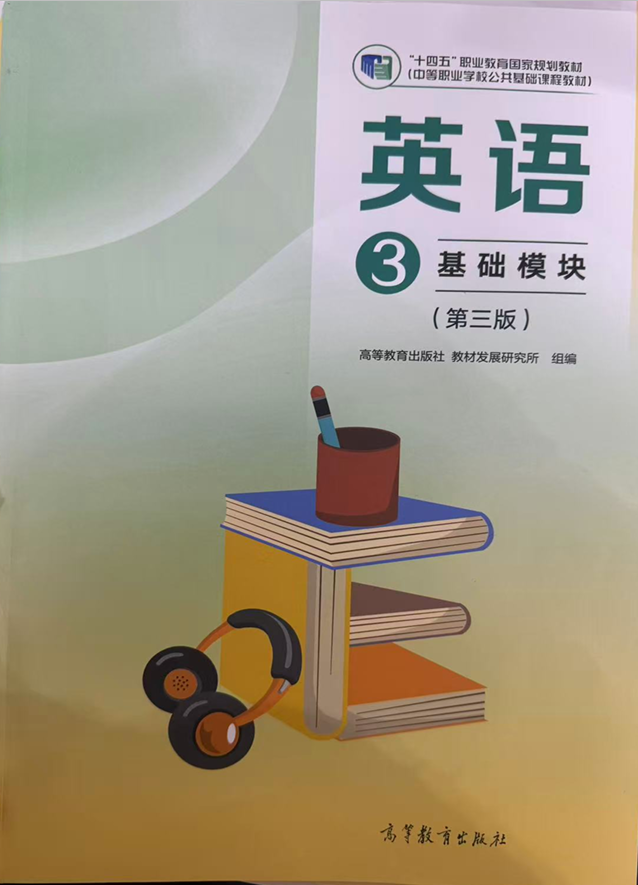
编写说明:基于中职学生英语基础薄弱、学习内驱力不足的学情特点,为提升学习效率,落实课前、课中、课后教学闭环,本专辑依据最新《中等职业学校英语课程标准》,打造江苏专用《英语 基础模块3》(高教版第三版)《一课一练》,专辑共 40 练,完全对接江苏对口升学考法。
本卷为《英语 基础模块3》(高教版第三版)Unit 3 Artificial Intelligence(Reading and Writing 2)的课前预习与课堂检测。
《英语 基础模块3》(高教版第三版)
Unit 3 Artificial Intelligence
一课一练(3) Reading and Writing 2
【课前预习】
一、词汇变形
1. ______ v. 扫描;浏览 → ______ n. 扫描仪
2. ______ v. 执行;表演 → ______ n. 表演;表现
3. ______ v.&n. 导致;原因 → ______ adj. 因果关系的
4. ______ n.&v. 风险;冒险 → ______ adj. 有风险的
5. ______ n. 灾难 → ______ adj. 灾难性的
6. ______ adj. 正确的;恰当的 → ______ adv. 正确地;恰当地
7. ______ n. 优势 → ______ adj. 有利的
8. ______ v. 依靠 → ______ n. 依赖
【课堂检测】
一、阅读理解(5 题)
A Smart Workshop Visit
Last Friday, Class 3 visited a modern workshop in Suzhou. The workshop produces small parts for electric cars. Before the visit, many students believed that robots simply repeated easy actions. After they walked along the assembly line, they found that smart machines were connected with cameras, sensors and a control system.
The guide first showed them a robot arm. It picked up tiny parts, scanned their size and placed them into the right box. If a part was not good enough, the system sent it to another line for checking. The robot did not feel tired, so the quality of the products stayed stable during long working hours. The guide asked students to compare its work with human work and record two differences.
Then the guide led the students to a training room. Young workers were learning how to set programs and deal with alarms from the machines. The guide said, “Robots can perform dangerous and repeated tasks, but skilled workers are still needed. They design plans, solve problems and make final decisions.” She also reminded students that safety rules must be followed even when machines look smart.
On the bus back to school, Li Ming wrote in his notebook that AI had changed his idea about vocational skills. He used to think English was not important for his major. Now he understood that many machine instructions and online documents were in English. He decided to learn both technology and language well, because future workers should cooperate with smart machines instead of fearing them. The visit made him believe that real skill means using tools wisely and keeping a clear mind.
1. What did the workshop produce?
A. Paper notebooks.
B. Parts for electric cars.
C. School uniforms.
D. Medical reports.
2. Why did the quality of the products stay stable?
A. The guide checked every notebook.
B. Students worked for a long time.
C. The robot did not feel tired.
D. The bus arrived early.
3. What are young workers learning in the training room?
A. How to sell food online.
B. How to paint electric cars.
C. How to write travel diaries.
D. How to set programs and deal with alarms.
4. What can we learn from the guide's words?
A. Skilled workers are still important.
B. Robots can make all final decisions.
C. English is useless for vocational students.
D. Machines should replace every worker.
5. What is the best title for the passage?
A. A Trip to a Paper Factory
B. Why Students Hate Technology
C. Working with Smart Machines
D. The Rules of Taking a Bus
二、书面表达
假定你是李华,你校英语社团将举办主题为“Use AI Wisely”的英文演讲活动。请根据以下要点写一篇演讲稿。
写作要点:
1. AI 给学习和生活带来的便利;
2. 过度依赖 AI 可能带来的问题;
3. 你对中职学生合理使用 AI 的建议。
要求:1. 词数 80 词以上;2. 行文连贯,请勿逐句翻译;3. 文中不得出现真实姓名、校名和地名;4. 书写工整,规范使用标点与大小写;5. 请使用演讲稿标准格式。
Dear teachers and students,
____________________________________________________________________________________________________________________________________________________________________________________________________________________________________________________________________________________________________________________________
That's all. Thank you.
原创精品资源学科网独家享有版权,侵权必究!
学科网(北京)股份有限公司
$
编写说明:基于中职学生英语基础薄弱、学习内驱力不足的学情特点,为提升学习效率,落实课前、课中、课后教学闭环,本专辑依据最新《中等职业学校英语课程标准》,打造江苏专用《英语 基础模块3》(高教版第三版)《一课一练》,专辑共 40 练,完全对接江苏对口升学考法。
本卷为《英语 基础模块3》(高教版第三版)Unit 3 Artificial Intelligence(Reading and Writing 2)的课前预习与课堂检测。
《英语 基础模块3》(高教版第三版)
Unit 3 Artificial Intelligence
一课一练(3) Reading and Writing 2
【课前预习】
一、词汇变形
1. ______ v. 扫描;浏览 → ______ n. 扫描仪
2. ______ v. 执行;表演 → ______ n. 表演;表现
3. ______ v.&n. 导致;原因 → ______ adj. 因果关系的
4. ______ n.&v. 风险;冒险 → ______ adj. 有风险的
5. ______ n. 灾难 → ______ adj. 灾难性的
6. ______ adj. 正确的;恰当的 → ______ adv. 正确地;恰当地
7. ______ n. 优势 → ______ adj. 有利的
8. ______ v. 依靠 → ______ n. 依赖
【答案】1. scan → scanner 2. perform → performance 3. cause → causal 4. risk → risky 5. disaster → disastrous 6. proper → properly 7. advantage → advantageous 8. depend → dependence
【课堂检测】
一、阅读理解(5 题)
A Smart Workshop Visit
Last Friday, Class 3 visited a modern workshop in Suzhou. The workshop produces small parts for electric cars. Before the visit, many students believed that robots simply repeated easy actions. After they walked along the assembly line, they found that smart machines were connected with cameras, sensors and a control system.
The guide first showed them a robot arm. It picked up tiny parts, scanned their size and placed them into the right box. If a part was not good enough, the system sent it to another line for checking. The robot did not feel tired, so the quality of the products stayed stable during long working hours. The guide asked students to compare its work with human work and record two differences.
Then the guide led the students to a training room. Young workers were learning how to set programs and deal with alarms from the machines. The guide said, “Robots can perform dangerous and repeated tasks, but skilled workers are still needed. They design plans, solve problems and make final decisions.” She also reminded students that safety rules must be followed even when machines look smart.
On the bus back to school, Li Ming wrote in his notebook that AI had changed his idea about vocational skills. He used to think English was not important for his major. Now he understood that many machine instructions and online documents were in English. He decided to learn both technology and language well, because future workers should cooperate with smart machines instead of fearing them. The visit made him believe that real skill means using tools wisely and keeping a clear mind.
1. What did the workshop produce?
A. Paper notebooks.
B. Parts for electric cars.
C. School uniforms.
D. Medical reports.
【答案】B
【解析】考点:细节理解题。定位原文第 1 段第 2 句“The workshop produces small parts for electric cars.”可知车间生产电动汽车小零件。
2. Why did the quality of the products stay stable?
A. The guide checked every notebook.
B. Students worked for a long time.
C. The robot did not feel tired.
D. The bus arrived early.
【答案】C
【解析】考点:细节理解题。定位原文第 2 段最后一句“The robot did not feel tired, so the quality...”可知机器人不疲劳使质量保持稳定。
3. What are young workers learning in the training room?
A. How to sell food online.
B. How to paint electric cars.
C. How to write travel diaries.
D. How to set programs and deal with alarms.
【答案】D
【解析】考点:细节理解题。定位原文第 3 段第 2 句“Young workers were learning how to set programs and deal with alarms...”可知答案为 D。
4. What can we learn from the guide's words?
A. Skilled workers are still important.
B. Robots can make all final decisions.
C. English is useless for vocational students.
D. Machines should replace every worker.
【答案】A
【解析】考点:推理判断题。原文第 3 段指出机器人能执行危险和重复任务,但熟练工人仍需设计、解决问题并最终决策,因此可推知熟练工人仍然重要。
5. What is the best title for the passage?
A. A Trip to a Paper Factory
B. Why Students Hate Technology
C. Working with Smart Machines
D. The Rules of Taking a Bus
【答案】C
【解析】考点:标题归纳题。文章通过参观智能车间说明学生认识到未来工人应与智能机器合作,C 项“Working with Smart Machines”最能概括全文。
二、书面表达
假定你是李华,你校英语社团将举办主题为“Use AI Wisely”的英文演讲活动。请根据以下要点写一篇演讲稿。
写作要点:
1. AI 给学习和生活带来的便利;
2. 过度依赖 AI 可能带来的问题;
3. 你对中职学生合理使用 AI 的建议。
要求:1. 词数 80 词以上;2. 行文连贯,请勿逐句翻译;3. 文中不得出现真实姓名、校名和地名;4. 书写工整,规范使用标点与大小写;5. 请使用演讲稿标准格式。
Dear teachers and students,
____________________________________________________________________________________________________________________________________________________________________________________________________________________________________________________________________________________________________________________________
That's all. Thank you.
【范文】
Dear teachers and students,
Today I would like to talk about how to use AI wisely. AI is changing our study and daily life. It can help us look up words, practise speaking and find useful information quickly. It also makes payment, travel and many services more convenient.
However, AI is not perfect. If we copy its answers directly, we may lose the habit of thinking. If we depend on it too much, we may become lazy and make mistakes without checking.
In my opinion, vocational students should use AI as a helpful tool. We should ask clear questions, check the information carefully and finish important work by ourselves. Only in this way can AI truly help us grow.
That's all. Thank you.
【导语】本篇书面表达要求围绕“理性使用 AI”写演讲稿,需兼顾便利、问题和建议三个要点。
【详解】考点:应用文写作。范文采用演讲稿格式,开头点明主题,中间分述 AI 便利与过度依赖问题,结尾提出建议。易错点:学生容易只写 AI 好处,遗漏“问题”和“建议”。
【点睛】高分句型:Only in this way can AI truly help us grow. 使用倒装结构强化结论,表达“只有这样,AI 才能真正帮助我们成长”。
原创精品资源学科网独家享有版权,侵权必究!
学科网(北京)股份有限公司
$
资源预览图

1
由于学科网是一个信息分享及获取的平台,不确保部分用户上传资料的 来源及知识产权归属。如您发现相关资料侵犯您的合法权益,请联系学科网,我们核实后将及时进行处理。