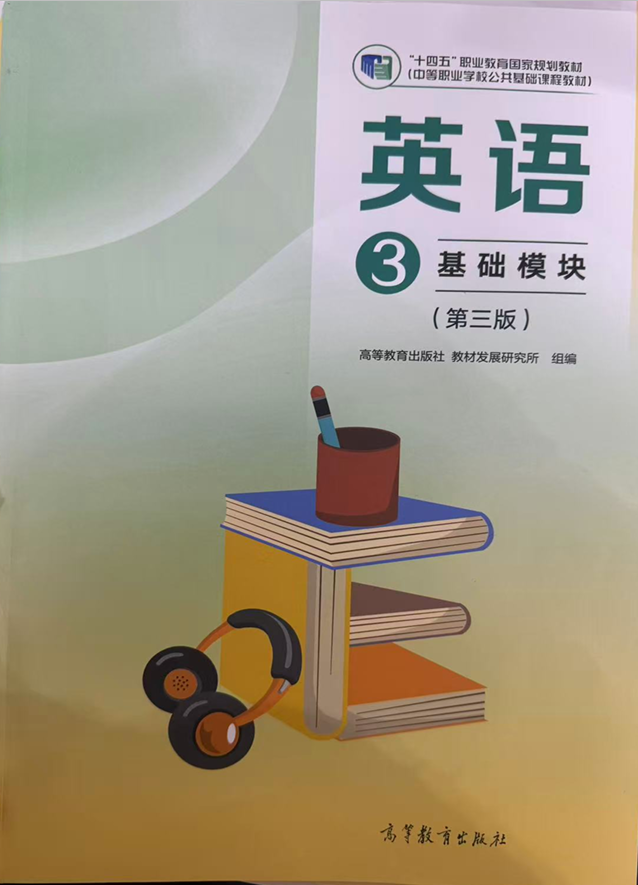
3.4 Artificial Intelligence(Language Practice)-《英语 基础模块3》(高教版第三版)《一课一练》(原卷版+解析版)
2026-06-17
|
2份
|
10页
|
82人阅读
|
0人下载
摘要:
**基本信息**
针对中职英语基础薄弱学情,以“课前预习-课堂检测”分层设计,通过概念自测、语法选择到语篇填空的进阶路径,巩固过去分词作定语,提升语言应用与学习能力。
**分层设计**
|层次|知识覆盖|设计特色|
|----|----------|----------|
|课前预习(语法概念自测)|过去分词作定语的成分、含义、位置|3题选择聚焦基础概念,引导自主预习|
|课堂检测(单元语法选择)|单一语法点应用|5题单选强化被动/完成含义辨析,对接课标基础要求|
|课堂检测(综合语法选择与语法填空)|语法综合应用+语篇理解|5题综合选择融合介词/副词等考点,10题语篇填空在AI餐厅情境中深化语法运用,培养思维品质|
内容正文:
编写说明:基于中职学生英语基础薄弱、学习内驱力不足的学情特点,为提升学习效率,落实课前、课中、课后教学闭环,本专辑依据最新《中等职业学校英语课程标准》,打造江苏专用《英语 基础模块3》(高教版第三版)《一课一练》,专辑共 40 练,完全对接江苏对口升学考法。
本卷为《英语 基础模块3》(高教版第三版)Unit 3 Artificial Intelligence(Language Practice)的课前预习与课堂检测。
《英语 基础模块3》(高教版第三版)
Unit 3 Artificial Intelligence
一课一练(4) Language Practice
【课前预习】
一、语法概念自测
1. “The dishes cooked by robots are delicious.”中 cooked by robots 作什么成分?
A. 谓语
B. 后置定语
C. 状语
D. 主语
2. “The guest invited to speak is Professor Li.”中 invited 表示什么含义?
A. 主动和正在进行
B. 将来和目的
C. 习惯和频率
D. 被动和完成
3. 过去分词短语作定语时,通常放在被修饰名词的什么位置?
A. 永远放在句首
B. 永远放在谓语之后
C. 只能放在介词后
D. 单个过去分词常前置,过去分词短语常后置
二、语法精讲:过去分词作定语
1. 定义:过去分词作定语用于修饰名词,常表示被动或完成意义。
2. 构成:规则动词通常在词尾加 -ed,不规则动词需单独记忆,如 steal—stolen,write—written。
3. 位置:单个过去分词常放在名词前,如 a broken cup;过去分词短语常放在名词后,如 the cup broken by the robot。
4. 高频错误:学生容易把现在分词和过去分词混淆。现在分词多表示主动或正在进行,如 the running machine;过去分词多表示被动或完成,如 the machine repaired yesterday。
5. 解题方法:先找被修饰名词,再判断它与动词之间是主动还是被动关系,最后结合时间和语境选择形式。
【课堂检测】
一、单元语法选择(5 题)
1. The robot ______ by the students can answer questions in English.
A. designed
B. designing
C. designs
D. to design
2. The ______ wallet was returned to the visitor by the police.
A. stealing
B. stole
C. stolen
D. steal
3. The dishes ______ by robot chefs tasted as good as those made by human chefs.
A. cook
B. cooked
C. cooking
D. to cook
4. The students ______ in the AI training program will visit a smart factory next week.
A. including
B. include
C. included
D. to include
5. The warning message ______ on the screen reminded workers to check the machine.
A. showing
B. shown
C. shows
D. to show
二、综合语法选择(5 题)
6. The report ______ yesterday shows that AI tools can improve learning efficiency.
A. finished
B. finishing
C. finishes
D. to finish
7. We should not depend ______ AI completely when we finish our homework.
A. at
B. for
C. with
D. on
8. If AI is used ______, it will bring more benefits than problems.
A. proper
B. properly
C. property
D. improper
9. The workers are learning how ______ the robot arm safely.
A. control
B. controlled
C. controlling
D. to control
10. AI can help us save time, ______ we still need to check its answers carefully.
A. but
B. so
C. or
D. because
三、语法填空(10 题)
In a smart restaurant near a vocational school, robot waiters 11.______ (become) popular with students. When 12.______ (customer) enter the restaurant, a robot says hello politely and leads them to their tables. The menu is shown on a screen, so customers can order food 13.______ themselves. This service makes the waiting time 14.______ (short), especially during the noon break. It also helps the restaurant keep clear records of popular dishes.
The restaurant manager says that the robots are not 15.______ (use) to replace all human workers. They mainly carry dishes, answer simple questions and remind customers to take 18.______ (they) bills. Human waiters still check food safety, help old customers and deal with special needs. In this way, people and machines work together more 17.______ (efficient). The manager believes that good service needs both accurate machines and careful workers.
Some students think the service is interesting, 16.______ others worry about communication. They say robots can repeat polite sentences, but they cannot fully understand feelings 19.______ robots lack real emotion. If a customer is angry or confused, a human worker usually gives warmer help. The manager agrees with this point and asks every worker to learn how to control the system properly. Workers also learn how to stop a robot when something unusual happens.
The story shows that AI can improve service when people use it wisely. It can lower costs and reduce heavy work, but it should not take away human care. For vocational students, learning new technology is important. 20.______ (important), they should keep kindness, responsibility and problem-solving ability in future workplaces. Only when technology and human care work together can a service become truly smart.
原创精品资源学科网独家享有版权,侵权必究!
学科网(北京)股份有限公司
$
编写说明:基于中职学生英语基础薄弱、学习内驱力不足的学情特点,为提升学习效率,落实课前、课中、课后教学闭环,本专辑依据最新《中等职业学校英语课程标准》,打造江苏专用《英语 基础模块3》(高教版第三版)《一课一练》,专辑共 40 练,完全对接江苏对口升学考法。
本卷为《英语 基础模块3》(高教版第三版)Unit 3 Artificial Intelligence(Language Practice)的课前预习与课堂检测。
《英语 基础模块3》(高教版第三版)
Unit 3 Artificial Intelligence
一课一练(4) Language Practice
【课前预习】
一、语法概念自测
1. “The dishes cooked by robots are delicious.”中 cooked by robots 作什么成分?
A. 谓语
B. 后置定语
C. 状语
D. 主语
【答案】B
【解析】考点:过去分词短语作后置定语。cooked by robots 修饰前面的 The dishes,表示“由机器人做的菜”。
2. “The guest invited to speak is Professor Li.”中 invited 表示什么含义?
A. 主动和正在进行
B. 将来和目的
C. 习惯和频率
D. 被动和完成
【答案】D
【解析】考点:过去分词意义。guest 与 invite 之间是被动关系,且邀请动作已发生,因此表示被动和完成。
3. 过去分词短语作定语时,通常放在被修饰名词的什么位置?
A. 永远放在句首
B. 永远放在谓语之后
C. 只能放在介词后
D. 单个过去分词常前置,过去分词短语常后置
【答案】D
【解析】考点:过去分词作定语的位置。单个过去分词如 stolen wallet 可前置,过去分词短语如 invited to speak 通常后置。
二、语法精讲:过去分词作定语
1. 定义:过去分词作定语用于修饰名词,常表示被动或完成意义。
2. 构成:规则动词通常在词尾加 -ed,不规则动词需单独记忆,如 steal—stolen,write—written。
3. 位置:单个过去分词常放在名词前,如 a broken cup;过去分词短语常放在名词后,如 the cup broken by the robot。
4. 高频错误:学生容易把现在分词和过去分词混淆。现在分词多表示主动或正在进行,如 the running machine;过去分词多表示被动或完成,如 the machine repaired yesterday。
5. 解题方法:先找被修饰名词,再判断它与动词之间是主动还是被动关系,最后结合时间和语境选择形式。
【课堂检测】
一、单元语法选择(5 题)
1. The robot ______ by the students can answer questions in English.
A. designed
B. designing
C. designs
D. to design
【答案】A
【解析】考点:过去分词作后置定语。robot 与 design 之间是被动关系,表示“由学生设计的机器人”,故选 designed。
2. The ______ wallet was returned to the visitor by the police.
A. stealing
B. stole
C. stolen
D. steal
【答案】C
【解析】考点:单个过去分词作前置定语。wallet 与 steal 是被动关系,stolen wallet 表示“被偷的钱包”。
3. The dishes ______ by robot chefs tasted as good as those made by human chefs.
A. cook
B. cooked
C. cooking
D. to cook
【答案】B
【解析】考点:过去分词短语作定语。dishes 与 cook 构成被动关系,cooked by robot chefs 修饰 dishes。
4. The students ______ in the AI training program will visit a smart factory next week.
A. including
B. include
C. included
D. to include
【答案】C
【解析】考点:过去分词作后置定语。students 与 include 为被动关系,表示“被纳入 AI 培训项目的学生”。
5. The warning message ______ on the screen reminded workers to check the machine.
A. showing
B. shown
C. shows
D. to show
【答案】B
【解析】考点:过去分词与现在分词辨析。message 与 show 是被动关系,表示“显示在屏幕上的警告信息”,故用 shown。
二、综合语法选择(5 题)
6. The report ______ yesterday shows that AI tools can improve learning efficiency.
A. finished
B. finishing
C. finishes
D. to finish
【答案】A
【解析】考点:过去分词作定语。report 与 finish 是被动关系,yesterday 提示动作已完成,finished yesterday 修饰 report。
7. We should not depend ______ AI completely when we finish our homework.
A. at
B. for
C. with
D. on
【答案】D
【解析】考点:固定搭配。depend on 意为“依靠;依赖”。易错点:学生容易受中文“依靠于”影响误选其他介词。
8. If AI is used ______, it will bring more benefits than problems.
A. proper
B. properly
C. property
D. improper
【答案】B
【解析】考点:副词修饰动词。used 是动词形式,应用副词 properly 修饰,表示“被正确使用”。
9. The workers are learning how ______ the robot arm safely.
A. control
B. controlled
C. controlling
D. to control
【答案】D
【解析】考点:“疑问词 + 不定式”结构。how to control 表示“如何控制”,作 learning 的宾语。
10. AI can help us save time, ______ we still need to check its answers carefully.
A. but
B. so
C. or
D. because
【答案】A
【解析】考点:并列连词。前句说明 AI 的好处,后句提醒仍需检查,前后为转折关系,故选 but。
三、语法填空(10 题)
In a smart restaurant near a vocational school, robot waiters 11.______ (become) popular with students. When 12.______ (customer) enter the restaurant, a robot says hello politely and leads them to their tables. The menu is shown on a screen, so customers can order food 13.______ themselves. This service makes the waiting time 14.______ (short), especially during the noon break. It also helps the restaurant keep clear records of popular dishes.
The restaurant manager says that the robots are not 15.______ (use) to replace all human workers. They mainly carry dishes, answer simple questions and remind customers to take 18.______ (they) bills. Human waiters still check food safety, help old customers and deal with special needs. In this way, people and machines work together more 17.______ (efficient). The manager believes that good service needs both accurate machines and careful workers.
Some students think the service is interesting, 16.______ others worry about communication. They say robots can repeat polite sentences, but they cannot fully understand feelings 19.______ robots lack real emotion. If a customer is angry or confused, a human worker usually gives warmer help. The manager agrees with this point and asks every worker to learn how to control the system properly. Workers also learn how to stop a robot when something unusual happens.
The story shows that AI can improve service when people use it wisely. It can lower costs and reduce heavy work, but it should not take away human care. For vocational students, learning new technology is important. 20.______ (important), they should keep kindness, responsibility and problem-solving ability in future workplaces. Only when technology and human care work together can a service become truly smart.
【答案】11.are becoming
12.customers
13.by
14.shorter
15.used
16.but
17.efficiently
18.their
19.because
20.More importantly
逐题解析
【11】考点:现在进行时。主语 robot waiters 是复数,句子描述当下正在发生的变化,使用现在进行时 are becoming。
【12】考点:名词复数。谓语动词 enter 为原形,主语表泛指所有顾客,customer 变为复数 customers。
【13】考点:固定介词搭配。by oneself 固定短语,意为 “独自、亲自”。
【14】考点:形容词比较级。固定结构 make sth. + 比较级,表示 “使某物变得更……”,short 的比较级是 shorter。
【15】考点:被动语态。be used to do sth. 表示 “被用来做某事”,use 的过去分词为 used。
【16】考点:并列转折连词。前半句认为机器人服务有趣,后半句担心沟通问题,前后语义转折,填 but。
【17】考点:词性转换。修饰动词 work 要用副词,形容词 efficient 转换为副词 efficiently。
【18】考点:形容词性物主代词。修饰名词 bills,人称代词 they 转换为物主代词 their。
【19】考点:原因状语从句连词。后文解释机器人无法读懂人类情绪的原因,用 because 引导从句。
【20】考点:固定插入短语。More importantly 是常用递进衔接短语,意为 “更重要的是”,放在句首修饰整个句子。
原创精品资源学科网独家享有版权,侵权必究!
学科网(北京)股份有限公司
$
资源预览图

1

2
由于学科网是一个信息分享及获取的平台,不确保部分用户上传资料的 来源及知识产权归属。如您发现相关资料侵犯您的合法权益,请联系学科网,我们核实后将及时进行处理。