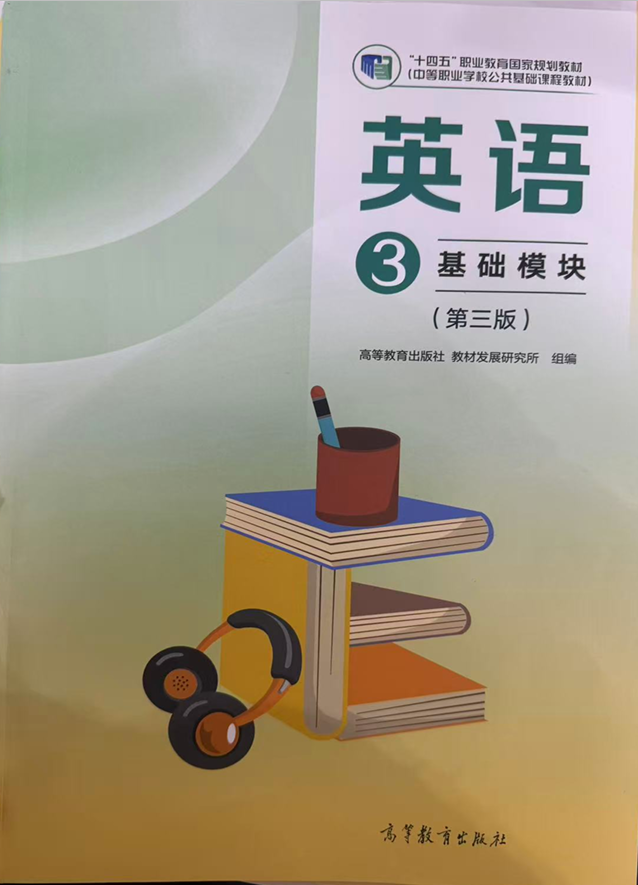
1.4 Festivals Around the World(Language Practice)-《英语 基础模块3》(高教版第三版)《一课一练》(原卷版+解析版)
2026-06-17
|
2份
|
10页
|
72人阅读
|
1人下载
摘要:
**基本信息**
分层递进设计适配中职学情,课前预习自测语法概念,课堂检测从基础选择到语篇填空,系统巩固非谓语动词作宾语,提升语言应用能力与学习策略。
**分层设计**
|层次|知识覆盖|设计特色|
|----|----------|----------|
|课前预习-语法概念自测|单一语法概念|4题选择辨析不定式/动名词功能及搭配|
|课堂检测-单元语法选择|基础动词搭配|5题聚焦单元核心动词(plan/enjoy等)应用|
|课堂检测-综合语法选择|跨情境动词应用|5题拓展动词(keep/hope等)固定搭配|
|课堂检测-语法填空|语篇综合运用|10题语篇填空,融入节日文化情境,强化语境应用|
内容正文:
编写说明:基于中职学生英语基础薄弱、学习内驱力不足的学情特点,为提升学习效率,落实课前、课中、课后教学闭环,本专辑依据最新《中等职业学校英语课程标准》,打造江苏专用《英语 基础模块3》(高教版第三版)《一课一练》,专辑共 40 练,完全对接江苏对口升学考法。
本卷为《英语 基础模块3》(高教版第三版)Unit 1 Festivals Around the World(Language Practice)的课前预习与课堂检测。
《英语 基础模块3》(高教版第三版)
Unit 1 Festivals Around the World
一课一练(4) Language Practice
【课前预习】
一、语法概念自测
“plan to do sth.”中,to do 在句中作什么成分?
A. 主语
B. 宾语
C. 表语
D. 定语
下列哪个动词后常接动名词作宾语?
A. decide
B. want
C. enjoy
D. expect
“invite sb. to do sth.”中,不定式表示什么?
A. 邀请的具体动作
B. 动作已经完成
C. 被动关系
D. 时间状语
下列哪一项搭配正确?
A. finish to read
B. hope visiting
C. avoid to make
D. prefer celebrating
二、语法精讲:非谓语动词作宾语
1. 定义:非谓语动词作宾语,指动词不定式(to do)或动名词(doing)跟在及物动词或动词短语后,充当“做某事”这一宾语内容。
2. 常接不定式作宾语的动词:plan, want, hope, decide, expect, learn, agree 等。例如:I plan to go back home. / We decided to order train tickets。
3. 常接动名词作宾语的动词:enjoy, finish, practice, mind, avoid, keep, prefer 等。例如:People enjoy watching lion dances. / I prefer taking a train。
4. 重点结构:invite sb. to do sth.,ask sb. to do sth.,tell sb. to do sth.,want sb. to do sth.。
5. 高频错误:把 plan 后误写为 doing;把 enjoy 后误写为 to do;忽略 invite sb. to do sth. 中 sb. 与 to do 的位置。做题时先判断谓语动词,再判断其后固定搭配。
【课堂检测】
一、单元语法选择(5 题)
1.Li Fei plans ______ the Spring Festival with her grandparents this year.
A. celebrate
B. celebrating
C. to celebrate
D. celebrated
2.Many students enjoy ______ lantern riddles during the Lantern Festival.
A. solve
B. solving
C. to solve
D. solved
3.Robert expects ______ more about Chinese festival customs.
A. to learn
B. learned
C. learn
D. learning
4.The teacher invited us ______ a festival leaflet in groups.
A. making
B. made
C. make
D. to make
5.After a short discussion, they decided ______ the school hall with red lanterns.
A. decorating
B. decorated
C. to decorate
D. decorate
二、综合语法选择(5 题)
6.The students kept ______ English introductions until they could speak clearly.
A. practise
B. practised
C. practising
D. to practise
7.We hope ______ a culture corner that helps foreign students understand our festivals.
A. build
B. to build
C. building
D. built
8.The guide asked the visitors ______ the lanterns because they were handmade.
A. not touch
B. not touching
C. not to touch
D. do not touch
9.My sister prefers ______ tangyuan at home to buying it from the supermarket.
A. make
B. made
C. to make
D. making
10.If you want ______ the meaning of a festival, you should first learn about its history.
A. understand
B. understanding
C. understood
D. to understand
三、语法填空(10 题)
Robert is a foreign student in a vocational school in Jiangsu. Before the Mid-Autumn Festival, his friend Li Fei invited him 11.____ (visit) her family. Robert wanted 12.____ (learn) more about Chinese festivals, so he accepted the invitation gladly. On the way to Li Fei's home, he kept asking questions about the bright moon and moon cakes. Li Fei explained each custom slowly and asked him to write down useful words in his notebook.
When they arrived, Li Fei's parents were busy 13.____ (prepare) dinner. Robert helped put fruit on the table and tried 14.____ (say) festival wishes in Chinese. Everyone laughed kindly because his words were not perfect but very warm. After dinner, the family enjoyed 15.____ (watch) the moon together. Robert found that the festival was 16.____ (meaningful) than he had thought. He also noticed that the older family members listened patiently when the young people shared school stories.
Later, Li Fei showed him some old photos. In the photos, family members returned home from different cities 17.____ they could have a reunion dinner. Robert said the festival reminded 18.____ (he) of Thanksgiving Day in his country. Although the customs were different, the love behind them was the same. He decided 19.____ write an email to his parents and share the experience. He also hoped to invite Li Fei 20.____ his home one day. Before leaving, he thanked the family for teaching him that a festival is a bridge between people. On the train back to school, he began to plan a short English talk for his classmates. He wanted to show them how one dinner helped him understand Chinese family love.
原创精品资源学科网独家享有版权,侵权必究!
学科网(北京)股份有限公司
$
编写说明:基于中职学生英语基础薄弱、学习内驱力不足的学情特点,为提升学习效率,落实课前、课中、课后教学闭环,本专辑依据最新《中等职业学校英语课程标准》,打造江苏专用《英语 基础模块3》(高教版第三版)《一课一练》,专辑共 40 练,完全对接江苏对口升学考法。
本卷为《英语 基础模块3》(高教版第三版)Unit 1 Festivals Around the World(Language Practice)的课前预习与课堂检测。
《英语 基础模块3》(高教版第三版)
Unit 1 Festivals Around the World
一课一练(4) Language Practice
【课前预习】
一、语法概念自测
“plan to do sth.”中,to do 在句中作什么成分?
A. 主语
B. 宾语
C. 表语
D. 定语
【答案】B
【解析】本题考查非谓语动词作宾语的基本概念和固定搭配。
下列哪个动词后常接动名词作宾语?
A. decide
B. want
C. enjoy
D. expect
【答案】C
【解析】本题考查非谓语动词作宾语的基本概念和固定搭配。
“invite sb. to do sth.”中,不定式表示什么?
A. 邀请的具体动作
B. 动作已经完成
C. 被动关系
D. 时间状语
【答案】A
【解析】本题考查非谓语动词作宾语的基本概念和固定搭配。
下列哪一项搭配正确?
A. finish to read
B. hope visiting
C. avoid to make
D. prefer celebrating
【答案】D
【解析】本题考查非谓语动词作宾语的基本概念和固定搭配。
二、语法精讲:非谓语动词作宾语
1. 定义:非谓语动词作宾语,指动词不定式(to do)或动名词(doing)跟在及物动词或动词短语后,充当“做某事”这一宾语内容。
2. 常接不定式作宾语的动词:plan, want, hope, decide, expect, learn, agree 等。例如:I plan to go back home. / We decided to order train tickets。
3. 常接动名词作宾语的动词:enjoy, finish, practice, mind, avoid, keep, prefer 等。例如:People enjoy watching lion dances. / I prefer taking a train。
4. 重点结构:invite sb. to do sth.,ask sb. to do sth.,tell sb. to do sth.,want sb. to do sth.。
5. 高频错误:把 plan 后误写为 doing;把 enjoy 后误写为 to do;忽略 invite sb. to do sth. 中 sb. 与 to do 的位置。做题时先判断谓语动词,再判断其后固定搭配。
【课堂检测】
一、单元语法选择(5 题)
1.Li Fei plans ______ the Spring Festival with her grandparents this year.
A. celebrate
B. celebrating
C. to celebrate
D. celebrated
【答案】C
【解析】考点:非谓语动词作宾语。plan 后接不定式作宾语,plan to do sth. 表示“计划做某事”。
2.Many students enjoy ______ lantern riddles during the Lantern Festival.
A. solve
B. solving
C. to solve
D. solved
【答案】B
【解析】考点:非谓语动词作宾语。enjoy 后接动名词作宾语,enjoy doing sth.。
3.Robert expects ______ more about Chinese festival customs.
A. to learn
B. learned
C. learn
D. learning
【答案】A
【解析】考点:非谓语动词作宾语。expect 后接不定式,expect to do sth.。
4.The teacher invited us ______ a festival leaflet in groups.
A. making
B. made
C. make
D. to make
【答案】D
【解析】考点:非谓语动词作宾语。invite sb. to do sth. 为固定结构。
5.After a short discussion, they decided ______ the school hall with red lanterns.
A. decorating
B. decorated
C. to decorate
D. decorate
【答案】C
【解析】考点:非谓语动词作宾语。decide 后接不定式作宾语,decide to do sth.。
二、综合语法选择(5 题)
6.The students kept ______ English introductions until they could speak clearly.
A. practise
B. practised
C. practising
D. to practise
【答案】C
【解析】keep doing sth. 表示“持续做某事”,同时考查 until 引导的时间状语从句。
7.We hope ______ a culture corner that helps foreign students understand our festivals.
A. build
B. to build
C. building
D. built
【答案】B
【解析】hope 后接不定式,hope to do sth.。
8.The guide asked the visitors ______ the lanterns because they were handmade.
A. not touch
B. not touching
C. not to touch
D. do not touch
【答案】C
【解析】ask sb. not to do sth. 表示“要求某人不要做某事”。
9.My sister prefers ______ tangyuan at home to buying it from the supermarket.
A. make
B. made
C. to make
D. making
【答案】D
【解析】prefer doing A to doing B 表示“比起做B更喜欢做A”。
10.If you want ______ the meaning of a festival, you should first learn about its history.
A. understand
B. understanding
C. understood
D. to understand
【答案】D
【解析】want 后接不定式,同时 If 引导条件状语从句。
三、语法填空(10 题)
Robert is a foreign student in a vocational school in Jiangsu. Before the Mid-Autumn Festival, his friend Li Fei invited him 11.____ (visit) her family. Robert wanted 12.____ (learn) more about Chinese festivals, so he accepted the invitation gladly. On the way to Li Fei's home, he kept asking questions about the bright moon and moon cakes. Li Fei explained each custom slowly and asked him to write down useful words in his notebook.
When they arrived, Li Fei's parents were busy 13.____ (prepare) dinner. Robert helped put fruit on the table and tried 14.____ (say) festival wishes in Chinese. Everyone laughed kindly because his words were not perfect but very warm. After dinner, the family enjoyed 15.____ (watch) the moon together. Robert found that the festival was 16.____ (meaningful) than he had thought. He also noticed that the older family members listened patiently when the young people shared school stories.
Later, Li Fei showed him some old photos. In the photos, family members returned home from different cities 17.____ they could have a reunion dinner. Robert said the festival reminded 18.____ (he) of Thanksgiving Day in his country. Although the customs were different, the love behind them was the same. He decided 19.____ write an email to his parents and share the experience. He also hoped to invite Li Fei 20.____ his home one day. Before leaving, he thanked the family for teaching him that a festival is a bridge between people. On the train back to school, he began to plan a short English talk for his classmates. He wanted to show them how one dinner helped him understand Chinese family love.
【答案】11. to visit 12. to learn 13. preparing 14. to say 15. watching 16. more meaningful 17. so 18. him 19. to 20. to
【解析】11. 考点:invite sb. to do sth.,故填 to visit。易错点:需先判断句子结构,再确定词形或虚词。
【解析】12. 考点:want to do sth.,表示“想要做某事”。易错点:需先判断句子结构,再确定词形或虚词。
【解析】13. 考点:be busy doing sth.,表示“忙于做某事”。易错点:需先判断句子结构,再确定词形或虚词。
【解析】14. 考点:try to do sth.,表示“努力尝试做某事”。易错点:需先判断句子结构,再确定词形或虚词。
【解析】15. 考点:enjoy doing sth.,故填 watching。易错点:需先判断句子结构,再确定词形或虚词。
【解析】16. 考点:形容词比较级。根据 than 可知填 more meaningful。易错点:需先判断句子结构,再确定词形或虚词。
【解析】17. 考点:连词。前后为目的关系,so 表示“因此;以便于”。易错点:需先判断句子结构,再确定词形或虚词。
【解析】18. 考点:代词宾格。reminded 为动词,后接宾格 him。易错点:需先判断句子结构,再确定词形或虚词。
【解析】19. 考点:decide to do sth.,空后已有 write,故填 to。易错点:需先判断句子结构,再确定词形或虚词。
【解析】20. 考点:介词搭配。invite sb. to a place 表示“邀请某人去某地”。易错点:需先判断句子结构,再确定词形或虚词。
原创精品资源学科网独家享有版权,侵权必究!
学科网(北京)股份有限公司
$
资源预览图

1

2
由于学科网是一个信息分享及获取的平台,不确保部分用户上传资料的 来源及知识产权归属。如您发现相关资料侵犯您的合法权益,请联系学科网,我们核实后将及时进行处理。