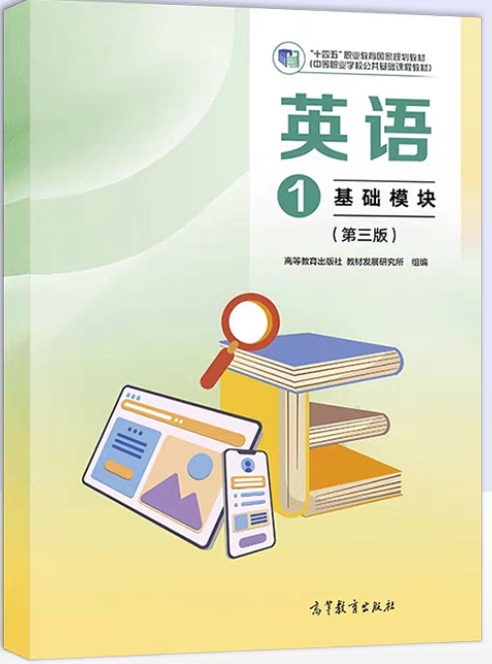
4.3 School Life(Reading and Writing 2)-《英语 基础模块1》(高教版第三版)《一课一练》(原卷版+解析版)
2026-06-16
|
2份
|
9页
|
54人阅读
|
1人下载
摘要:
**基本信息**
本练习通过课前预习与课堂检测分层设计,以词汇变形夯实基础,阅读理解与书面表达提升综合应用,适配中职学情,助力语言能力与学习能力发展。
**分层设计**
|层次|知识覆盖|设计特色|
|----|----------|----------|
|课前预习|词汇变形(动词-名词/形容词等词性转换)|8题基础词汇转换,强化词形变化能力,为语篇学习奠基|
|课堂检测|语篇理解(细节查找、推理判断)、书面表达(主题内容组织与语言应用)|以职业学校生活情境语篇提升信息获取与思维推断,结合主题班会写作任务培养综合语言输出能力,体现“基础+适度提升”|
内容正文:
编写说明:基于中职学生英语基础薄弱、学习内驱力不足的学情特点,为提升学习效率,落实课前、课中、课后教学闭环,本专辑依据最新《中等职业学校英语课程标准》,打造江苏专用《英语 基础模块 1》(高教版第三版)《一课一练》,专辑共 40 练,完全对接江苏对口升学考法。
本卷为《英语 基础模块 1》(高教版第三版)Unit 4 School Life(Reading and Writing 2)的课前预习与课堂检测。
《英语 基础模块1》(高教版第三版)
Unit 4 School Life
一课一练(3) Reading and Writing 2
【课前预习】
一、词汇变形
1. ______ v. 准备 → ______ n. 准备
2. ______ v. 练习 → ______ adj. 实践的
3. ______ v. 使有联系 → ______ adj. 相关的
4. ______ v. 安排 → ______ n. 安排
5. ______ v. 讨论 → ______ n. 讨论
6. ______ adj. 积极的 → ______ n. 活动
7. ______ v. 使用 → ______ adj. 有用的
8. ______ n. 兴趣 → ______ adj. 有趣的
【课堂检测】
一、阅读理解(5 题)
Many students feel nervous when they first enter a vocational school. They worry that the new courses may be difficult, and they are not sure how to balance study, training and club activities. Chen Rui, a first-year student in a computer major, had the same feeling in September. However, after three months, he found a useful way to manage his school life. He also learned that a good plan can turn pressure into clear daily steps.
Chen Rui writes a weekly plan every Sunday evening. He puts basic subjects, skill training and homework on the plan first. Then he adds club activities and exercise time. On Monday and Wednesday afternoons, he practises typing and office software in the training center. On Tuesday, he joins the English Corner because he wants to speak more confidently. On Friday, he plays basketball with classmates to relax. If an activity changes, he adjusts the plan instead of leaving tasks unfinished.
His teacher also gives him helpful advice. She says vocational students should not separate knowledge from skills. For example, English can help students read simple product instructions, and math can help them check numbers at work. Chen Rui slowly understands that every subject has its use. He listens more carefully in class and asks questions when he cannot follow the teacher. These small changes make his learning more active.
By the end of the term, Chen Rui has become more confident. He still makes mistakes, but he is no longer afraid of them. He believes that a good vocational student should make clear plans, practise often and learn from real tasks. His story tells us that school life becomes meaningful when students take action instead of waiting.
1.What did Chen Rui worry about at first?
A. He had no classmates.
B. The new courses might be difficult.
C. He could not find the school gate.
D. His teacher asked him to leave.
2.When does Chen Rui write his weekly plan?
A. Every Friday morning.
B. Every Monday afternoon.
C. Every Sunday evening.
D. Every Wednesday night.
3.Why does Chen Rui join the English Corner?
A. To speak more confidently.
B. To pass a basketball test.
C. To become a math teacher.
D. To avoid skill training.
4.What can we learn from the teacher's advice?
A. Skills are more important than knowledge.
B. Students should give up difficult subjects.
C. Every subject should be tested every week.
D. Knowledge and skills should be learned together.
5.What is the main idea of the passage?
A. A student learns to manage vocational school life.
B. A teacher changes all school rules.
C. A basketball team wins a big game.
D. English Corner becomes a new subject.
二、书面表达
假定你是李华,你校将举办“Plan My Vocational School Life”主题班会。请根据以下提示写一篇英语发言稿。
写作要点:1. 说明你最喜欢的一门课程及原因;2. 介绍你参加或想参加的一项学校活动;3. 谈谈你如何安排学习与实训。
要求:1.词数 80 词以上;2.行文连贯,请勿逐句翻译;3.文中不得出现真实姓名、校名和地名;4.书写工整,规范使用标点与大小写。
Dear teachers and classmates,
____________________________________________________________________________________________________________________________________________________________________________________________________________________
原创精品资源学科网独家享有版权,侵权必究!
学科网(北京)股份有限公司
$
编写说明:基于中职学生英语基础薄弱、学习内驱力不足的学情特点,为提升学习效率,落实课前、课中、课后教学闭环,本专辑依据最新《中等职业学校英语课程标准》,打造江苏专用《英语 基础模块 1》(高教版第三版)《一课一练》,专辑共 40 练,完全对接江苏对口升学考法。
本卷为《英语 基础模块 1》(高教版第三版)Unit 4 School Life(Reading and Writing 2)的课前预习与课堂检测。
《英语 基础模块1》(高教版第三版)
Unit 4 School Life
一课一练(3) Reading and Writing 2
【课前预习】
一、词汇变形
1. ______ v. 准备 → ______ n. 准备
2. ______ v. 练习 → ______ adj. 实践的
3. ______ v. 使有联系 → ______ adj. 相关的
4. ______ v. 安排 → ______ n. 安排
5. ______ v. 讨论 → ______ n. 讨论
6. ______ adj. 积极的 → ______ n. 活动
7. ______ v. 使用 → ______ adj. 有用的
8. ______ n. 兴趣 → ______ adj. 有趣的
【答案】1. prepare v. 准备 → preparation n. 准备;2. practice v. 练习 → practical adj. 实践的;3. relate v. 使有联系 → related adj. 相关的;4. arrange v. 安排 → arrangement n. 安排;5. discuss v. 讨论 → discussion n. 讨论;6. active adj. 积极的 → activity n. 活动;7. use v. 使用 → useful adj. 有用的;8. interest n. 兴趣 → interesting adj. 有趣的
【课堂检测】
一、阅读理解(5 题)
Many students feel nervous when they first enter a vocational school. They worry that the new courses may be difficult, and they are not sure how to balance study, training and club activities. Chen Rui, a first-year student in a computer major, had the same feeling in September. However, after three months, he found a useful way to manage his school life. He also learned that a good plan can turn pressure into clear daily steps.
Chen Rui writes a weekly plan every Sunday evening. He puts basic subjects, skill training and homework on the plan first. Then he adds club activities and exercise time. On Monday and Wednesday afternoons, he practises typing and office software in the training center. On Tuesday, he joins the English Corner because he wants to speak more confidently. On Friday, he plays basketball with classmates to relax. If an activity changes, he adjusts the plan instead of leaving tasks unfinished.
His teacher also gives him helpful advice. She says vocational students should not separate knowledge from skills. For example, English can help students read simple product instructions, and math can help them check numbers at work. Chen Rui slowly understands that every subject has its use. He listens more carefully in class and asks questions when he cannot follow the teacher. These small changes make his learning more active.
By the end of the term, Chen Rui has become more confident. He still makes mistakes, but he is no longer afraid of them. He believes that a good vocational student should make clear plans, practise often and learn from real tasks. His story tells us that school life becomes meaningful when students take action instead of waiting.
1.What did Chen Rui worry about at first?
A. He had no classmates.
B. The new courses might be difficult.
C. He could not find the school gate.
D. His teacher asked him to leave.
【答案】B
【解析】考点:细节理解题。定位第 1 段第 2 句,他担心新课程可能很难。
2.When does Chen Rui write his weekly plan?
A. Every Friday morning.
B. Every Monday afternoon.
C. Every Sunday evening.
D. Every Wednesday night.
【答案】C
【解析】考点:细节理解题。定位第 2 段第 1 句。
3.Why does Chen Rui join the English Corner?
A. To speak more confidently.
B. To pass a basketball test.
C. To become a math teacher.
D. To avoid skill training.
【答案】A
【解析】考点:细节理解题。定位第 2 段第 4 句。
4.What can we learn from the teacher's advice?
A. Skills are more important than knowledge.
B. Students should give up difficult subjects.
C. Every subject should be tested every week.
D. Knowledge and skills should be learned together.
【答案】D
【解析】考点:推理判断题。第 3 段指出不应把知识和技能分开,由此可知二者应结合学习。
5.What is the main idea of the passage?
A. A student learns to manage vocational school life.
B. A teacher changes all school rules.
C. A basketball team wins a big game.
D. English Corner becomes a new subject.
【答案】A
【解析】考点:主旨大意题。全文讲述陈瑞通过计划和实践适应职校生活。
二、书面表达
假定你是李华,你校将举办“Plan My Vocational School Life”主题班会。请根据以下提示写一篇英语发言稿。
写作要点:1. 说明你最喜欢的一门课程及原因;2. 介绍你参加或想参加的一项学校活动;3. 谈谈你如何安排学习与实训。
要求:1.词数 80 词以上;2.行文连贯,请勿逐句翻译;3.文中不得出现真实姓名、校名和地名;4.书写工整,规范使用标点与大小写。
Dear teachers and classmates,
____________________________________________________________________________________________________________________________________________________________________________________________________________________
【范文】
Dear teachers and classmates,
I am glad to talk about my vocational school life. My favorite subject is information technology because it is useful and interesting. I can learn how to use computers to solve real problems. I also want to join the English Corner. It can help me speak English more confidently and make more friends.
To make my school life better, I will write a weekly plan. I will finish homework first and practise skills in the training center carefully. After that, I will take part in club activities to relax myself. I believe a clear plan and hard work can help me grow.
That's all. Thank you.
【导语】本篇书面表达要求围绕职业学校生活规划展开,内容包括课程、活动和学习实训安排。
【详解】1. 词汇积累:useful 有用的;confidently 自信地;weekly plan 每周计划;take part in 参加。2. 句式拓展:I will write a weekly plan so that I can balance study and training better. 易错点:注意演讲稿格式,结尾用 That's all. Thank you.
【点睛】【高分句型1】My favorite subject is information technology because it is useful and interesting.(because 引导原因状语从句)
【高分句型2】I believe a clear plan and hard work can help me grow.(believe 后接宾语从句,表达个人观点)
原创精品资源学科网独家享有版权,侵权必究!
学科网(北京)股份有限公司
$
资源预览图

1

2
由于学科网是一个信息分享及获取的平台,不确保部分用户上传资料的 来源及知识产权归属。如您发现相关资料侵犯您的合法权益,请联系学科网,我们核实后将及时进行处理。