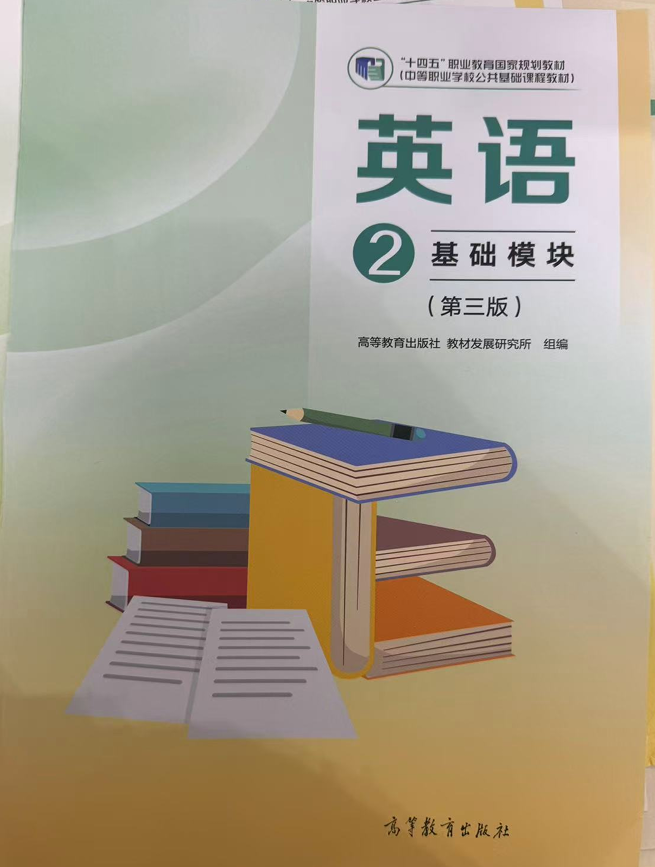
5.2 Ancient Civilization(Reading and Writing 1)-《英语 基础模块2》(高教版第三版)《一课一练》(原卷版+解析版)
2026-06-11
|
2份
|
12页
|
71人阅读
|
0人下载
摘要:
**基本信息**
针对中职学情设计课前预习与课堂检测分层练习,以词汇-短语-句子-语篇递进路径巩固Unit 5核心知识,对接湖南对口升学考法,助力教学闭环落实。
**分层设计**
|层次|知识覆盖|设计特色|
|----|----------|----------|
|课前预习|核心词汇、重点短语及课文难句|通过词汇拼写、短语翻译及句子翻译,强化基础记忆,培养自主学习能力|
|课堂检测|词汇应用及语篇理解|设置语境化词汇单选与阅读判断,提升语言应用能力,渗透文化意识培养|
内容正文:
编写说明:基于中职学生英语基础薄弱、学习内驱力不足的学情特点,为提升学习效率,落实课前、课中、课后教学闭环,本专辑依据最新《中等职业学校英语课程标准》,打造湖南专用《英语 基础模块 2》(高教版第三版)《一课一练》,专辑共 40 练,完全对接湖南对口升学考法。
本卷为《英语 基础模块 2》(高教版第三版)Unit 5 Ancient Civilization(Reading and Writing 1)的课前预习与课堂检测。
《英语 基础模块2》(高教版第三版)
Unit 5 Ancient Civilization
一课一练(2) Reading and Writing 1
【课前预习】
一、核心词汇检测
1. adv. 确实____
2. adj. 新鲜的____
3. n. 财宝;珍品____
4. n. 世纪____
5. abbr. 公元前____
6. n. 科技____
7. adj. 真实的;实际的____
8. n. 路线____
【答案】1.indeed 2.fresh 3.treasure 4.century 5.BC 6.technology 7.actual 8.route
二、课文重点短语
1. the Silk Road____
2. as early as____
3. search for____
4. contribute to____
5. reach its peak____
6. be connected by____
7. in search of____
8. cultural exchanges____
【答案】1.丝绸之路;2.早在……的时候;3.寻找;4.有助于;5.达到顶峰;6.由……连接;7.寻找;8.文化交流
三、课文难句翻译
1. 原句:The Maritime Silk Road started during the Qin Dynasty and reached its peak during the Ming Dynasty.
译文:海上丝绸之路始于秦朝,并在明朝达到顶峰。
2. 原句:Great inventions of ancient China, such as papermaking, reached Europe by the Silk Road.
译文:中国古代伟大发明,如造纸术,通过丝绸之路传到欧洲。
3. 原句:The Silk Road was a path of cultural exchanges between the East and the West.
译文:丝绸之路是一条东西方文化交流之路。
【课堂检测】
一、词汇单选(10题)
1.The ancient sea ______ linked China with many countries.
A. rule
B. route
C. root
D. role
【答案】B
【解析】route意为“路线”,sea route表示“海上路线”。
2.The old book is a real ______ because it tells us much about history.
A. treasure
B. pressure
C. pleasure
D. measure
【答案】A
【解析】treasure可指“珍品”,符合古书价值高的语境。
3.Modern ______ changes the way people learn about museums.
A. temperature
B. technology
C. telephone
D. tradition
【答案】B
【解析】technology意为“科技”。
4.The Silk Road helped goods and ideas ______ between the East and the West.
A. collect
B. protect
C. exchange
D. explain
【答案】C
【解析】exchange表示“交流;交换”,符合语境。
5.The port reached its ______ when trade became the busiest.
A. peak
B. pack
C. park
D. pick
【答案】A
【解析】peak意为“顶峰”,reach its peak为固定表达。
6.The bridge can ______ the old town with the new station.
A. link
B. lock
C. lack
D. look
【答案】A
【解析】link...with...意为“把……和……连接起来”。
7.The explorer went to the desert to ______ an old road.
A. care for
B. search for
C. wait for
D. pay for
【答案】B
【解析】search for意为“寻找”。
8.The new activity will ______ students' understanding of Chinese culture.
A. contribute to
B. come to
C. turn to
D. listen to
【答案】A
【解析】contribute to意为“有助于”。
9.The story happened in the sixth ______ BC.
A. season
B. century
C. country
D. center
【答案】B
【解析】century意为“世纪”。
10.The museum shows the ______ map of the ancient trade road.
A. actual
B. active
C. ancient
D. absent
【答案】A
【解析】actual意为“真实的;实际的”。
二、阅读判断(5题)
The Silk Road was not only one road. It was a large network of routes across land and sea. Merchants carried silk, tea, glass and many other goods. More importantly, people carried stories, skills and ideas from one place to another.
In ancient times, Chinese ports were busy because the Maritime Silk Road linked them with Korea, Japan, South Asia and East Africa. During the Ming Dynasty, Zheng He traveled along the sea route and helped more people know about China. On land, travelers such as Gan Ying and Marco Polo also made the world smaller through their journeys.
The Silk Road changed people's lives. Papermaking and other inventions reached the West, while new plants and art ideas came to China. Different civilizations learned from each other. Today, when students study the Silk Road, they can understand why friendship and cultural exchanges are valuable.
11. The Silk Road was a network of different routes. (T/F)
12. The Maritime Silk Road reached only Japan. (T/F)
13. Zheng He traveled along a sea route in the Ming Dynasty. (T/F)
14. Papermaking reached Europe by the Silk Road. (T/F)
15. The passage mainly tells us that cultural exchange is not important. (T/F)
【答案】11.T 12.F 13.T 14.T 15.F
【解析】11由第一段large network可知正确;12第二段提到Korea、Japan、South Asia和East Africa,故错误;13第二段直接说明;14第三段说明造纸术传到西方;15全文强调文化交流重要,故错误。
原创精品资源学科网独家享有版权,侵权必究!
学科网(北京)股份有限公司
$
编写说明:基于中职学生英语基础薄弱、学习内驱力不足的学情特点,为提升学习效率,落实课前、课中、课后教学闭环,本专辑依据最新《中等职业学校英语课程标准》,打造湖南专用《英语 基础模块 2》(高教版第三版)《一课一练》,专辑共 40 练,完全对接湖南对口升学考法。
本卷为《英语 基础模块 2》(高教版第三版)Unit 5 Ancient Civilization(Reading and Writing 1)的课前预习与课堂检测。
《英语 基础模块2》(高教版第三版)
Unit 5 Ancient Civilization
一课一练(2) Reading and Writing 1
【课前预习】
一、核心词汇检测
1. adv. 确实____
2. adj. 新鲜的____
3. n. 财宝;珍品____
4. n. 世纪____
5. abbr. 公元前____
6. n. 科技____
7. adj. 真实的;实际的____
8. n. 路线____
二、课文重点短语
1. the Silk Road____
2. as early as____
3. search for____
4. contribute to____
5. reach its peak____
6. be connected by____
7. in search of____
8. cultural exchanges____
三、课文难句翻译
1. 原句:The Maritime Silk Road started during the Qin Dynasty and reached its peak during the Ming Dynasty.
2. 原句:Great inventions of ancient China, such as papermaking, reached Europe by the Silk Road.
3. 原句:The Silk Road was a path of cultural exchanges between the East and the West.
【课堂检测】
一、词汇单选(10题)
1.The ancient sea ______ linked China with many countries.
A. rule
B. route
C. root
D. role
2.The old book is a real ______ because it tells us much about history.
A. treasure
B. pressure
C. pleasure
D. measure
3.Modern ______ changes the way people learn about museums.
A. temperature
B. technology
C. telephone
D. tradition
4.The Silk Road helped goods and ideas ______ between the East and the West.
A. collect
B. protect
C. exchange
D. explain
5.The port reached its ______ when trade became the busiest.
A. peak
B. pack
C. park
D. pick
6.The bridge can ______ the old town with the new station.
A. link
B. lock
C. lack
D. look
7.The explorer went to the desert to ______ an old road.
A. care for
B. search for
C. wait for
D. pay for
8.The new activity will ______ students' understanding of Chinese culture.
A. contribute to
B. come to
C. turn to
D. listen to
9.The story happened in the sixth ______ BC.
A. season
B. century
C. country
D. center
10.The museum shows the ______ map of the ancient trade road.
A. actual
B. active
C. ancient
D. absent
二、阅读判断(5题)
The Silk Road was not only one road. It was a large network of routes across land and sea. Merchants carried silk, tea, glass and many other goods. More importantly, people carried stories, skills and ideas from one place to another.
In ancient times, Chinese ports were busy because the Maritime Silk Road linked them with Korea, Japan, South Asia and East Africa. During the Ming Dynasty, Zheng He traveled along the sea route and helped more people know about China. On land, travelers such as Gan Ying and Marco Polo also made the world smaller through their journeys.
The Silk Road changed people's lives. Papermaking and other inventions reached the West, while new plants and art ideas came to China. Different civilizations learned from each other. Today, when students study the Silk Road, they can understand why friendship and cultural exchanges are valuable.
11. The Silk Road was a network of different routes. (T/F)
12. The Maritime Silk Road reached only Japan. (T/F)
13. Zheng He traveled along a sea route in the Ming Dynasty. (T/F)
14. Papermaking reached Europe by the Silk Road. (T/F)
15. The passage mainly tells us that cultural exchange is not important. (T/F)
原创精品资源学科网独家享有版权,侵权必究!
学科网(北京)股份有限公司
$
资源预览图

1

2
由于学科网是一个信息分享及获取的平台,不确保部分用户上传资料的 来源及知识产权归属。如您发现相关资料侵犯您的合法权益,请联系学科网,我们核实后将及时进行处理。