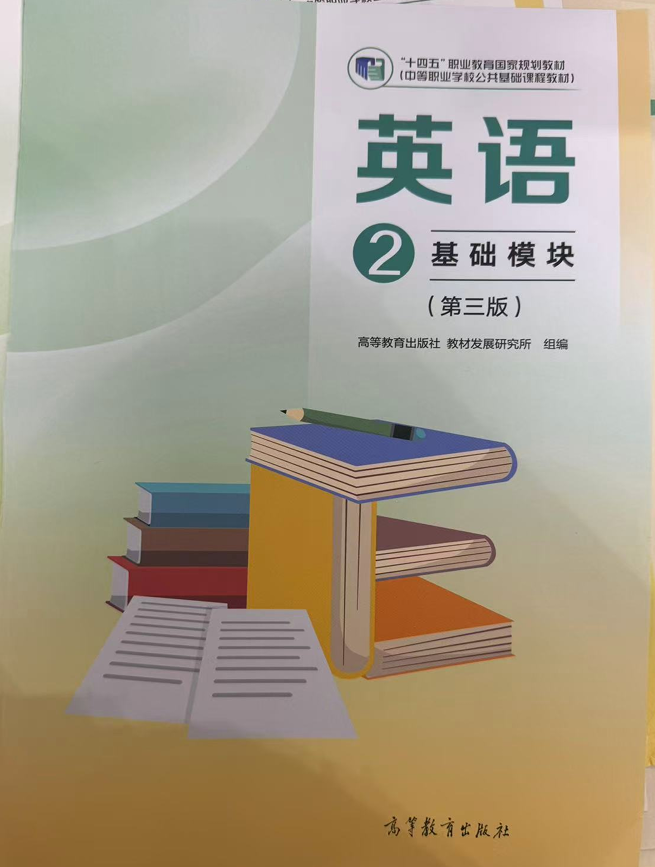
6.3 Craftsmanship(Reading and Writing 2)-《英语 基础模块2》(高教版第三版)《一课一练》(原卷版+解析版)
2026-06-11
|
2份
|
6页
|
37人阅读
|
0人下载
摘要:
**基本信息**
本练习针对中职英语《基础模块2》Unit 6,通过课前预习(词汇变形)与课堂检测(阅读+写作)分层设计,构建从词汇基础到语篇应用的知识巩固路径,适配课前课中教学闭环,提升语言能力与文化意识。
**分层设计**
|层次|知识覆盖|设计特色|
|----|----------|----------|
|课前预习|词汇变形(动词-名词/形容词转换)|单一知识点强化,通过词性转换夯实语言基础,培养学习能力|
|课堂检测|阅读理解(细节理解、推理判断)+应用文写作(词汇语境应用)|职业情境阅读(李梅设计学习)与文化主题写作(庖丁解牛),提升语用能力与跨文化意识,衔接对口升学考法|
内容正文:
编写说明:基于中职学生英语基础薄弱、学习内驱力不足的学情特点,为提升学习效率,落实课前、课中、课后教学闭环,本专辑依据最新《中等职业学校英语课程标准》,打造湖南专用《英语 基础模块 2》(高教版第三版)《一课一练》,专辑共 40 练,完全对接湖南对口升学考法。
本卷为《英语 基础模块 2》(高教版第三版)Unit 6 Craftsmanship(Reading and Writing 2)的课前预习与课堂检测。
《英语 基础模块2》(高教版第三版)
Unit 6 Craftsmanship
一课一练(3) Reading and Writing 2
【课前预习】
一、词汇变形
1.____ v. 设计 → ____ n. 设计师
2.____ v. 创造 → ____ adj. 创造性的
3.____ v. 准备 → ____ n. 准备
4.____ v. 给人印象 → ____ adj. 给人印象深刻的
5.____ v. 取得;实现 → ____ n. 成就
6.____ v. 移动 → ____ n. 移动
7.____ v. 需要 → ____ n. 要求
8.____ v. 集中 → ____ adj. 专注的
【答案】1.design → designer 2.create → creative 3.prepare → preparation 4.impress → impressive 5.achieve → achievement 6.move → movement 7.require → requirement 8.focus → focused
【课堂检测】
一、阅读理解(5 题)
Li Mei is a student majoring in fashion design at a vocational school. When she first took up the course, she thought design only meant drawing beautiful pictures. Her teacher told her that a good designer should understand cloth, color, body shape and the needs of customers. Li Mei felt it was difficult, but she decided to start small and keep practicing.
Every week, Li Mei spent much time examining clothes closely. She asked her classmates to try on her designs and listened to their ideas carefully. Once she failed in a school competition because the dress looked good but was uncomfortable to wear. Instead of giving up, she wrote down the problem and improved the design step by step.
Three years later, Li Mei made a set of uniforms for the school service team. The uniforms were simple, comfortable and creative. Many students liked them. Li Mei finally understood that craftsmanship is not only a spirit for famous masters. It can also be found in ordinary learning, careful practice and a wish to make things better.
16.What did Li Mei think design meant at first?
A. Repairing machines.
B. Drawing beautiful pictures.
C. Looking after patients.
D. Welding steel.
【答案】B
【解析】由第一段可知,她起初认为设计就是画漂亮的图。
17.Why did Li Mei fail in the school competition?
A. The dress was not comfortable.
B. She forgot the time.
C. The color was too bright.
D. She did not draw pictures.
【答案】A
【解析】第二段说明裙子好看但穿着不舒服。
18.What did Li Mei do after she failed?
A. She gave up design.
B. She changed her major.
C. She wrote down the problem and improved it.
D. She stopped listening to others.
【答案】C
【解析】第二段说明她记录问题并逐步改进。
19.What can we infer from the passage?
A. Craftsmanship needs practice and improvement.
B. Only famous people have craftsmanship.
C. Designers do not need customers’ ideas.
D. Competitions are not useful.
【答案】A
【解析】文章通过李梅经历说明工匠精神需要练习和改进。
20.What is the best title for the passage?
A. A Difficult Competition
B. A School Service Team
C. Comfortable Uniforms
D. Craftsmanship in Design Learning
【答案】D
【解析】全文围绕设计学习中的工匠精神展开。
二、应用文填空写作
以下是李华写给外国朋友Mary的一封邮件,介绍庖丁解牛的故事及其寓意。请根据括号里的中文信息将内容补充完整。
Dear Mary,
I know you are interested in Chinese ancient stories. Today I want to introduce a cook named Ding. He once ____21____(从事)the job of butchering oxen. At first, he saw the whole ox. After years of ____22____(练习), he understood every bone and joint clearly. Later, he used his ____23____(心智)instead of only his eyes.
His story shows that a good craftsman comes from continued practice. We should be ____24____(耐心的)and focus on every small ____25____(细节). If we want to make an ____26____(杰出的)achievement, we need to understand the whole ____27____(过程)and keep improving our skills. This spirit is also useful in our study and future ____28____(工作).
I hope the story can help you understand Chinese ____29____(文化)better. Looking forward to your ____30____(回复).
Yours,
Li Hua
【答案】21.took up 22.practice 23.mind 24.patient 25.detail 26.outstanding 27.process 28.work 29.culture 30.reply
【解析】本题考查应用文语境下的词汇拼写与形式变化。21题take up在过去语境中用took up;22题practice作不可数名词;23题mind符合“用心”;24题be后用形容词patient;25题detail为单数;26题outstanding修饰achievement;27题process表示过程;28题work表示未来工作;29题culture表示文化;30题reply表示回复。
原创精品资源学科网独家享有版权,侵权必究!
学科网(北京)股份有限公司
$
编写说明:基于中职学生英语基础薄弱、学习内驱力不足的学情特点,为提升学习效率,落实课前、课中、课后教学闭环,本专辑依据最新《中等职业学校英语课程标准》,打造湖南专用《英语 基础模块 2》(高教版第三版)《一课一练》,专辑共 40 练,完全对接湖南对口升学考法。
本卷为《英语 基础模块 2》(高教版第三版)Unit 6 Craftsmanship(Reading and Writing 2)的课前预习与课堂检测。
《英语 基础模块2》(高教版第三版)
Unit 6 Craftsmanship
一课一练(3) Reading and Writing 2
【课前预习】
一、词汇变形
1.____ v. 设计 → ____ n. 设计师
2.____ v. 创造 → ____ adj. 创造性的
3.____ v. 准备 → ____ n. 准备
4.____ v. 给人印象 → ____ adj. 给人印象深刻的
5.____ v. 取得;实现 → ____ n. 成就
6.____ v. 移动 → ____ n. 移动
7.____ v. 需要 → ____ n. 要求
8.____ v. 集中 → ____ adj. 专注的
【课堂检测】
一、阅读理解(5 题)
Li Mei is a student majoring in fashion design at a vocational school. When she first took up the course, she thought design only meant drawing beautiful pictures. Her teacher told her that a good designer should understand cloth, color, body shape and the needs of customers. Li Mei felt it was difficult, but she decided to start small and keep practicing.
Every week, Li Mei spent much time examining clothes closely. She asked her classmates to try on her designs and listened to their ideas carefully. Once she failed in a school competition because the dress looked good but was uncomfortable to wear. Instead of giving up, she wrote down the problem and improved the design step by step.
Three years later, Li Mei made a set of uniforms for the school service team. The uniforms were simple, comfortable and creative. Many students liked them. Li Mei finally understood that craftsmanship is not only a spirit for famous masters. It can also be found in ordinary learning, careful practice and a wish to make things better.
16.What did Li Mei think design meant at first?
A. Repairing machines.
B. Drawing beautiful pictures.
C. Looking after patients.
D. Welding steel.
17.Why did Li Mei fail in the school competition?
A. The dress was not comfortable.
B. She forgot the time.
C. The color was too bright.
D. She did not draw pictures.
18.What did Li Mei do after she failed?
A. She gave up design.
B. She changed her major.
C. She wrote down the problem and improved it.
D. She stopped listening to others.
19.What can we infer from the passage?
A. Craftsmanship needs practice and improvement.
B. Only famous people have craftsmanship.
C. Designers do not need customers’ ideas.
D. Competitions are not useful.
20.What is the best title for the passage?
A. A Difficult Competition
B. A School Service Team
C. Comfortable Uniforms
D. Craftsmanship in Design Learning
二、应用文填空写作
以下是李华写给外国朋友Mary的一封邮件,介绍庖丁解牛的故事及其寓意。请根据括号里的中文信息将内容补充完整。
Dear Mary,
I know you are interested in Chinese ancient stories. Today I want to introduce a cook named Ding. He once ____21____(从事)the job of butchering oxen. At first, he saw the whole ox. After years of ____22____(练习), he understood every bone and joint clearly. Later, he used his ____23____(心智)instead of only his eyes.
His story shows that a good craftsman comes from continued practice. We should be ____24____(耐心的)and focus on every small ____25____(细节). If we want to make an ____26____(杰出的)achievement, we need to understand the whole ____27____(过程)and keep improving our skills. This spirit is also useful in our study and future ____28____(工作).
I hope the story can help you understand Chinese ____29____(文化)better. Looking forward to your ____30____(回复).
Yours,
Li Hua
原创精品资源学科网独家享有版权,侵权必究!
学科网(北京)股份有限公司
$
资源预览图

1
由于学科网是一个信息分享及获取的平台,不确保部分用户上传资料的 来源及知识产权归属。如您发现相关资料侵犯您的合法权益,请联系学科网,我们核实后将及时进行处理。