6.2 Living History of Culture(Reading and Writing 1)-《英语 基础模块3》(高教版第三版)《一课一练》(原卷版+解析版)
2026-06-09
|
2份
|
9页
|
30人阅读
|
0人下载
摘要:
**基本信息**
中职英语《基础模块3》Unit 6同步练习,以“课前预习-课堂检测”分层设计,通过词汇→短语→句型→语篇的递进路径巩固语言知识,培养语言能力与学习能力,适配福建对口升学考法。
**分层设计**
|层次|知识覆盖|设计特色|
|----|----------|----------|
|课前预习|核心词汇(8题)、重点短语(6题)、难句翻译(3题)|通过填空、翻译夯实基础,落实课前闭环|
|课堂检测|词汇单选(10题)、阅读理解(5题)|以单选强化词汇应用,阅读提升语篇理解,体现从单一到综合进阶|
内容正文:
编写说明:基于中职学生英语基础薄弱、学习内驱力不足的学情特点,为提升学习效率,落实课前、课中、课后教学闭环,本专辑依据最新《中等职业学校英语课程标准》,打造福建专用《英语 基础模块 3》(高教版第三版)《一课一练》,专辑共 40 练,完全对接福建对口升学考法。
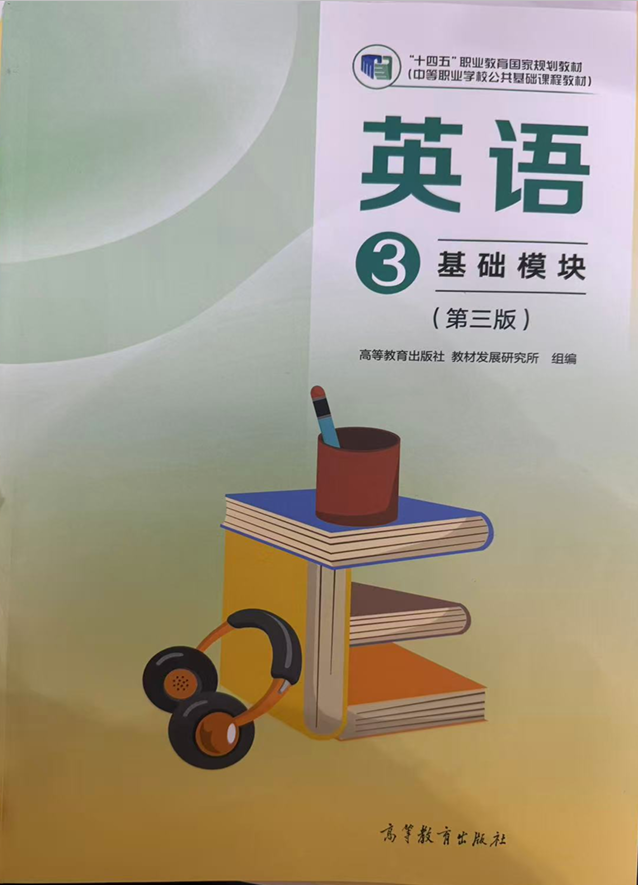
本卷为《英语 基础模块 3》(高教版第三版)Unit 6 Living History of Culture(Reading and Writing 1)的课前预习与课堂检测。
Unit 6 Living History of Culture
6.2 Living History of Culture(Reading and Writing 1)
【课前预习】
一、核心词汇检测
1.adj. 与原物一样大小的;真人大小的____
2.adj. 有规律的____
3.n. 表情____
4.adv. 令人惊叹地____
5.adv. 精确地____
6.adj. 灰色的____
7.adv. 最初;本来____
8.v. 延伸;绵延____
二、课文重点短语
1.the Terracotta Army____
2.in regular rows____
3.be listed as____
4.a must-see for visitors____
5.the Eighth Wonder of the World____
6.human construction____
三、课文难句翻译
原句:When I stepped into the museum of 14,000 square meters, it was amazing to see the huge underground kingdom of the first emperor, Qinshihuang.
原句:Amazingly, no two are exactly the same.
原句:Today the Terracotta Army is a must-see for every visitor to Xi'an and has been listed as "The Eighth Wonder of the World".
【课堂检测】
一、词汇单选
1.The terracotta figures are ______, so they look like real soldiers.
A.life-sized
B.careless
C.silent
2.Students should keep a ______ study plan before the final exam.
A.gray
B.regular
C.empty
3.Each figure has a different facial ______ in the museum.
A.weather
B.ticket
C.expression
4.The soldiers were ______ painted in bright colors, not gray.
A.originally
B.never
C.badly
5.The old wall seems to ______ for several kilometers.
A.stretch
B.forget
C.borrow
6.The guide explained the history ______, so everyone understood it well.
A.exactly
B.gray
C.hungry
7.The museum was ______ large, and we spent a whole afternoon there.
A.tiredly
B.amazingly
C.small
8.The old stone blocks are not black; they look ______ in the morning light.
A.gray
B.fresh
C.sweet
9.The Terracotta Army has been ______ as an important wonder of human construction.
A.listed
B.cooked
C.washed
10.The trip to Xi'an ______ me of my history class.
A.asks
B.reminds
C.opens
二、阅读理解
A Day in a Living History Museum
Last month, our class visited a living history museum in Xi'an. The museum was not only a place for old things, but also a classroom full of stories. When we stepped into the first hall, we saw rows of life-sized figures standing quietly in the soft light.
Our guide told us that these figures showed the skills and hard work of ancient people. Some figures had serious expressions, while others looked calm. Amazingly, no two faces were exactly the same. Many of them were originally painted in bright colors, but time changed their looks.
In another hall, we learned about the Silk Road. Pictures and models showed how people carried silk, tea and ideas from China to other places. The road connected different cultures and helped people understand each other better.
After the visit, I understood why historical sites are called living history. They do not speak, but they remind us of the past. They also tell us to respect culture and protect old buildings for the future.
11.Where did the class visit last month?
A.A living history museum in Xi'an.
B.A modern shopping center.
C.A small village in Egypt.
12.What did the students see in the first hall?
A.New computers.
B.Rows of life-sized figures.
C.A river beside the museum.
13.Why were the figures special?
A.They were all made of gold.
B.They could speak to visitors.
C.No two faces were exactly the same.
14.What did the Silk Road help people do?
A.Understand each other better.
B.Eat fast food every day.
C.Forget their culture.
15.What is the main idea of the passage?
A.Students should only read history books.
B.Historical sites help people learn and protect culture.
C.All museums should be closed.
原创精品资源学科网独家享有版权,侵权必究!
学科网(北京)股份有限公司
$
编写说明:基于中职学生英语基础薄弱、学习内驱力不足的学情特点,为提升学习效率,落实课前、课中、课后教学闭环,本专辑依据最新《中等职业学校英语课程标准》,打造福建专用《英语 基础模块 3》(高教版第三版)《一课一练》,专辑共 40 练,完全对接福建对口升学考法。
本卷为《英语 基础模块 3》(高教版第三版)Unit 6 Living History of Culture(Reading and Writing 1)的课前预习与课堂检测。
Unit 6 Living History of Culture
6.2 Living History of Culture(Reading and Writing 1)
【课前预习】
一、核心词汇检测
1.adj. 与原物一样大小的;真人大小的____
2.adj. 有规律的____
3.n. 表情____
4.adv. 令人惊叹地____
5.adv. 精确地____
6.adj. 灰色的____
7.adv. 最初;本来____
8.v. 延伸;绵延____
【答案】1.life-sized 2.regular 3.expression 4.amazingly 5.exactly 6.gray 7.originally 8.stretch
二、课文重点短语
1.the Terracotta Army____
2.in regular rows____
3.be listed as____
4.a must-see for visitors____
5.the Eighth Wonder of the World____
6.human construction____
【答案】1.兵马俑 2.成规则排列 3.被列为 4.游客必看之处 5.世界第八大奇迹 6.人类建筑
三、课文难句翻译
原句:When I stepped into the museum of 14,000 square meters, it was amazing to see the huge underground kingdom of the first emperor, Qinshihuang.
译文:当我走进这座面积为14000平方米的博物馆时,看到秦始皇这位第一位皇帝巨大的地下王国,令人惊叹。
原句:Amazingly, no two are exactly the same.
译文:令人惊叹的是,没有两个俑是完全一样的。
原句:Today the Terracotta Army is a must-see for every visitor to Xi'an and has been listed as "The Eighth Wonder of the World".
译文:如今,兵马俑是每位西安游客的必看之处,并已被列为“世界第八大奇迹”。
【课堂检测】
一、词汇单选
1.The terracotta figures are ______, so they look like real soldiers.
A.life-sized
B.careless
C.silent
【答案】A
【详解】考查形容词词义。life-sized意为“真人大小的”,符合“像真实士兵一样”的语境。故选A。
2.Students should keep a ______ study plan before the final exam.
A.gray
B.regular
C.empty
【答案】B
【详解】考查形容词词义。regular意为“有规律的”,regular study plan表示“有规律的学习计划”。故选B。
3.Each figure has a different facial ______ in the museum.
A.weather
B.ticket
C.expression
【答案】C
【详解】考查名词词义。expression意为“表情”,facial expression为常用搭配,表示“面部表情”。故选C。
4.The soldiers were ______ painted in bright colors, not gray.
A.originally
B.never
C.badly
【答案】A
【详解】考查副词词义。originally意为“最初;本来”,表示兵马俑原本被涂成鲜艳颜色。故选A。
5.The old wall seems to ______ for several kilometers.
A.stretch
B.forget
C.borrow
【答案】A
【详解】考查动词词义。stretch意为“延伸;绵延”,与for several kilometers搭配自然。故选A。
6.The guide explained the history ______, so everyone understood it well.
A.exactly
B.gray
C.hungry
【答案】A
【详解】考查副词用法。exactly意为“精确地”,修饰动词explained,表示讲解准确。故选A。
7.The museum was ______ large, and we spent a whole afternoon there.
A.tiredly
B.amazingly
C.small
【答案】B
【详解】考查副词词义。amazingly意为“令人惊叹地”,修饰large,说明博物馆大得令人惊叹。故选B。
8.The old stone blocks are not black; they look ______ in the morning light.
A.gray
B.fresh
C.sweet
【答案】A
【详解】考查颜色词。gray意为“灰色的”,符合stone blocks的颜色描述。故选A。
9.The Terracotta Army has been ______ as an important wonder of human construction.
A.listed
B.cooked
C.washed
【答案】A
【详解】考查固定表达。be listed as意为“被列为”,符合句意。故选A。
10.The trip to Xi'an ______ me of my history class.
A.asks
B.reminds
C.opens
【答案】B
【详解】考查动词搭配。remind sb. of sth.表示“使某人想起某事”,句中表示西安之旅使我想起历史课。故选B。
二、阅读理解
A Day in a Living History Museum
Last month, our class visited a living history museum in Xi'an. The museum was not only a place for old things, but also a classroom full of stories. When we stepped into the first hall, we saw rows of life-sized figures standing quietly in the soft light.
Our guide told us that these figures showed the skills and hard work of ancient people. Some figures had serious expressions, while others looked calm. Amazingly, no two faces were exactly the same. Many of them were originally painted in bright colors, but time changed their looks.
In another hall, we learned about the Silk Road. Pictures and models showed how people carried silk, tea and ideas from China to other places. The road connected different cultures and helped people understand each other better.
After the visit, I understood why historical sites are called living history. They do not speak, but they remind us of the past. They also tell us to respect culture and protect old buildings for the future.
11.Where did the class visit last month?
A.A living history museum in Xi'an.
B.A modern shopping center.
C.A small village in Egypt.
【答案】A
【解析】细节理解题。第一段提到our class visited a living history museum in Xi'an,可知答案为A。
12.What did the students see in the first hall?
A.New computers.
B.Rows of life-sized figures.
C.A river beside the museum.
【答案】B
【解析】细节理解题。第一段最后一句说明学生看到了rows of life-sized figures,故选B。
13.Why were the figures special?
A.They were all made of gold.
B.They could speak to visitors.
C.No two faces were exactly the same.
【答案】C
【解析】细节理解题。第二段明确提到no two faces were exactly the same,因此C项正确。
14.What did the Silk Road help people do?
A.Understand each other better.
B.Eat fast food every day.
C.Forget their culture.
【答案】A
【解析】细节理解题。第三段指出丝绸之路连接不同文化,帮助人们更好地相互理解。故选A。
15.What is the main idea of the passage?
A.Students should only read history books.
B.Historical sites help people learn and protect culture.
C.All museums should be closed.
【答案】B
【解析】主旨大意题。文章围绕参观历史博物馆展开,说明历史遗迹能提醒人们了解过去、尊重并保护文化,故选B。
原创精品资源学科网独家享有版权,侵权必究!
学科网(北京)股份有限公司
$
资源预览图

1

2
由于学科网是一个信息分享及获取的平台,不确保部分用户上传资料的 来源及知识产权归属。如您发现相关资料侵犯您的合法权益,请联系学科网,我们核实后将及时进行处理。