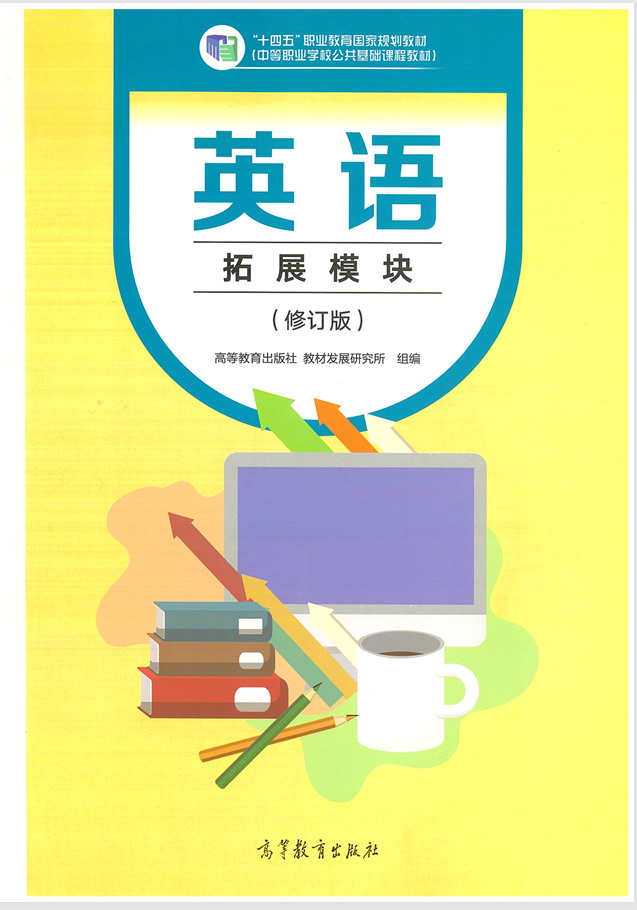
Unit 3 Doing Our Part for the Environment 代词(讲+练)-《英语 拓展模块》(高教版2023修订版)
2026-06-05
|
42页
|
100人阅读
|
0人下载
精品
摘要:
这是一份中职英语《英语 拓展模块》(高教版2023修订版)Unit 3的同步教学课件,共42页,包含视频辅助学习。以代词为核心,构建“形式-用法-实例-练习”的学习支架,涵盖人称代词、物主代词等8大模块,通过分类表、游戏及巩固练习系统讲解代词知识。
资料特色突出核心素养培养,通过环保主题实例(如“tree-planting experience”)提升语言运用能力,借助分类对比表格(如人称代词主格宾格表)发展思维品质,设计“Game time”互动游戏增强学习兴趣。实例贴近生活,练习分层,能帮助学生夯实代词基础,也为教师提供系统教学资源,提升课堂效率。
内容正文:
《英语 拓展模块》(高教版2023修订版)
Unit 3 Doing Our Part for the Environment 语法
代词
03 反身代词
04 指示代词
05 不定代词
目录
01 人称代词
02 物主代词
06 相互代词及疑问代词
07 连接代词及关系代词
08 巩固练习
(动画)邀请你掌握:
(动画)学会判断祈使句的方法
(动画)用祈使句发出指令或表达禁止
(动画)区别“祈使句+and+陈述句”和“祈使句+or+陈述句”
2
Watch a video
人称代词
人称代词
人称代词的形式
人称代词分为主格和宾格
主格在谓语动词前做主语,是动作的发出者
宾格在谓语动词后做宾语,是动作的承受者。
人 称 单 数 复 数
主格 宾格 主格 宾格
第一人称 I me we us
第二人称 you you you you
第三人称 he him they them
she her
it it
人称代词的用法
1.人称代词有单数和复数之分。人称代词主格用作主语,置于谓语动词之前。
eg. She is writing an email to her friend Jessie to tell her about her tree-planting experience.
eg.We all know that the environment around the world is getting worse and worse.
主格
主格
小贴士
开头主语用主格,主格常置谓语前, 复数概念全用are。
人称代词的用法
2.人称代词宾格常用作宾语,置于动词和介词后,构成动宾和介宾结构。
有时在口语中还用作表语。
eg. Even if you refuse my offer, I will still try to help you with the environmental project. (you用作宾语,构成动宾结构)
eg.The eco-friendly water bottle was bought by her for me as a birthday gift. (me用作宾语,构成介宾结构)
eg.When asked who had organized the environmental campaign, the student replied, “It’s us.” (us作表语)
人称代词的用法
3.人称代词和and连用:
eg. He and I always fly kites in the park.
eg. Mike, Tom and I like singing very much.
eg. I and Judy broke the mirror.
句中有I,I通常放在and后面
注意: 如果需要承担责任,说话者则把第一人称放在第一位。
人称代词的用法
eg. You, she, and I should work together and play together.
eg. We, you and they will have a picnic next Sunday.
4.几个人称代词并列充当主语时,它们的顺序是:
单数:“二、三、一”
(单数人称为you、 he/she/it、I)
复数:“一、二、三”
(复数人称为we、you、 they)
物主代词
物主代词
物主代词的分类
形物变名物通常直接在形物后加s
以s结尾的形物不变
形物
my
your
his
her
its
our
your
their
我的
你的
他的
她的
它的
我们的
你们的
他们的
mine
yours
his
hers
its
ours
yours
theirs
名物
Game time
your
my
his
her
our
their
快速说出以下形物的名物形式!
its
物主代词的分类
my friend your school
his kite her desk
its legs our family
their books
The skirt is mine.
The computer is yours.
These pets are ours.
Those bottles are theirs.
形容词性物主代词
名词性物主代词
属于限定词
属于属格结构
物主代词的用法
例:My pen is yellow.
例:Are those books yours?=Are those your books?
This is her tenth birthday.
1. 形容词性物主代词作定语,用来修饰名词
2. 名词性物主代词=形容词性物主代词+名词
此处yours=your books,
用名词所有格可以避免名词重复。
注意:名词性物主代词相当于名词,后面不能再接名词。
物主代词的用法
3.his和its既可作形容词性物主代词,也可作名词性物主代词。在使用上要区分。
eg. This is its bone. / This bone is its.
on one’s way to 在某人去……的路上
4.含有物主代词的固定短语
with one’s help 在某人的帮助下
all one’s life 一生,终生
to one’s surprise 使某人感到惊讶的是
to one’s joy 使某人高兴的是
change one’s mind 改变主意
take one’s time 不急
try / do one’s best 尽某人最大的努力
物主代词的用法
5.形容词性物主代词不可与 a, an, this, that, these, those, some, any, no 等词同时修饰一个名词。
eg. My a book is on the desk. (错误用法)
eg. My book is on the desk.
eg. A book is on the desk.
反身代词
反身代词
反身代词的形式
人称 单数 复数
第一人称 myself ourselves
第二人称 yourself yourselves
第三人称 himself/herself/itself themselves
反身代词的用法
1.反身代词常在enjoy, teach, hurt, buy, introduce等动词后和by, for, to ,of 等介词后作宾语
eg. She went to the library by herself.
2.反身代词有时用于 be, feel, seem, look 等后作表语,表示身体或精神处于正常状态。
eg. You don’t seem yourself today.
3.强调用法:反身代词在强调用法中表示强调,即用来加强某个名词或者代词的语气,可译成“亲自”、“本人”。此时,它在句中作同位语。即使去掉,也不影响句子的完整性。
eg. The manager himself welcomed the guests.
反身代词的用法
enjoy oneself 玩得愉快 come to oneself 苏醒 by oneself 独自地
teach oneself 自学 devote oneself to 致力于…… of oneself 自动地
behave oneself 举止得体 help oneself to 自己取用…… for oneself 为自己
seat oneself 坐下 make oneself at home 不拘束 be oneself 身心自在
apply oneself to 致力于..... dress oneself 穿衣;穿着,打扮 say to oneself心里想
含有反身代词的短语
指示代词
指示代词
指示代词的用法
1.this(these)一般指时间或空间上较近的人或物;that(those)常指时间或空间上较远的人或物。
eg. This is an apple and that is a banana.
2.this常指后面要讲到的事物,有启下的作用;that则指前面讲到过的事物,有承上的作用。
eg. I want to tell you this:the English party will be held on Saturday afternoon.
eg. He hurt his leg yesterday. That’s why he didn’t come.
指示代词的用法
3.为了避免重复,常用that或those代替前面已提过的名词。
eg. The weather of Beijing is colder than that of Nanjing.
2.this在电话用语中用于作自我介绍,that用于询问对方;this和that可以当副词用,相当于副词so。
eg. Can hard work change a person that much?
eg. The ears of a rabbit are longer than those of a fox.
指示代词的用法
3.为了避免重复,常用that或those代替前面已提过的名词。
eg. The weather of Beijing is colder than that of Nanjing.
2.this在电话用语中用于作自我介绍,that用于询问对方;this和that可以当副词用,相当于副词so。
eg. Can hard work change a person that much?
eg. The ears of a rabbit are longer than those of a fox.
指示代词的用法
5.such、same 也是指示代词,其单复数相同(same 前须加定冠词 the)
eg. I’ve never seen such a beautiful painting.
eg. I will do the same next time.
不定代词
不定代词:
不明确指代某个/些人、某个/些事物而起名词或形容词作用的代词叫作不定代词。不定代词大都可以代替名词或形容词,在句中充当主语、宾语、表语和定语。
some和any的用法
1.some通常用于肯定句中,any通常用于否定句、疑问句或条件句中。
eg. Are there any boy students on the playground?
2.在表示邀请、请求或希望得到肯定回答的疑问句中,应用some.
eg. I’ve just made a pot of coffee. Would you like some?
3.any也可用于肯定句中,表示“任何”。
eg. I can see you any time on Monday.
all,none,both,either和neither的用法
1.all 指代或修饰复数可数名词时,表示对三者或三者以上的人或物的全部肯定;也可指代事物的整体或抽象概念,此时作主语时,谓语动词用单数形式。
eg. All of them have passed the exam.
2. none表示“三者或三者以上都不”,指代人或物,既可指代复数可数名词也可指代不可数名词;常用来回答how many/much引导的特殊疑问句。
eg. All the volunteers were very tired, but none of them took a rest.
3.both表示“两者都”,作主语时,谓语动词用复数形式。
eg. They both have left.
all,none,both,either和neither的用法
4.either表示“两者中的任何一个”,作主语时,谓语动词常用单数形式。
eg. Either of the plans works.
5. neither表示“两者都不”,作主语时,谓语动词常用单数形式。
eg. Neither of them has a car.
few,a few,little和a little的用法
1. few和a few修饰复数可数名词,little和a little修饰不可数名词。
eg. It is very difficult, and few people understand it.
2. a few和a little表示肯定含义,意为“一些”;few和little表示否定含义,意为“几乎没有”。
eg. It is very difficult, but a few people understand it.
eg. Fortunately I had a little time to spare.
eg. There’s little money left.
other,the other,others,the others 和another的用法
1. 指单数时的区别:若泛指用another,若特指用 the other。
eg. Give me another (one).
2. 指复数时的区别:若泛指用 other(后接复数名词),若特指用the other(后接复数名词)。
eg. There are other ways of doing it.
eg. Shut the other eye, please.
eg. Where have the other students gone?
other,the other,others,the others 和another的用法
3. others的用法:它永远表示复数意义(且其后不能再接名词)。其用法大致相当于“other+复数名词”,同样地 the others 大致相当于“the other+复数名词”。
eg. Other people [Others] may not think that way.
2. another的用法:一般只能表单数,且其后接名词也只能接单数名词。但是若其后有数词或 few 修饰时,则也可接复数名词。
eg. We need another few chairs.
eg. He is cleverer than the others [the other students] in her class.
eg. In another two weeks it’ll be finished.
复合不定代词
some- any- no- every-
someone 某人 anyone 任何人 no one 没有人 everyone 每人
somebody 某人 anybody 任何人 nobody没有人 everybody每人
something某物,某事 anything任何事物 nothing 没有东西 everything一切
复合不定代词的用法
1. 复合不定代词的用法同some,any的用法。some-类复合不定代词一般用于肯定句中,也可用于表示希望得到肯定回答的疑问句中。any-类复合不定代词常用于否定句、疑问句或条件句中。也可用于肯定句中,表示“任何人/物”。
eg. Would you like something to drink?
2. 如果有形容词修饰,形容词应该放在复合不定代词之后。
eg. I've been so bored for a long time. I hope to have something interesting to do.
相互代词与疑问代词
相互代词
疑问代词
相互代词
1. 英语中有 one another 和 each other 这两个相互代词,表示两个或多个人或事物的相互关系。
相互代词在句中只能作宾语
eg. They knew each other at the time.
2. 相互代词有所有格(one another’s、each other’s),可在句中作定语,
eg. The couple held each other’s hands.
eg. We must help one another.
eg. Countries usually buy one another’s products.
连接代词及关系代词
连接代词
关系代词
连接代词
连接代词与疑问代词同形,常用于引导名词性从句(主语从句、宾语从句、表语从句)。连接代词作为连词连接主句和从句,同时在从句中充当主语、宾语、表语或定语。
eg. Who will be our teacher hasn’t been decided.(主语从句)
eg. This is what they want to do. (表语从句)
eg. I don’t know which is correct. (宾语从句)
关系代词
关系代词包括 who、whom、whose、that、which,用来引导定语从句。关系代词在句中有三个作用,一是代表定语从句所修饰的名词或代词(先行词),二是作为连词连接主句和从句,三是在定语从句作主语、宾语、定语或表语。
eg. The man who is talking is a doctor.
eg.This is the book which I told you about.
巩固练习
一、用所给词的适当形式填空
1. This is not my book. ______ (I) is on the desk.
2. There isn’t ____________ (something) in the box.
3. The cat hurt __________ (it) when it jumped from the tree.
4. The couple held ____________ (each other) hands tightly.
5. Tom is a kind boy. I want to make friends with ______ (he).
anything
itself
each other’s
him
Mine
(动画)刚进入博物院,大家就看到了精美的金蝉玉叶,他们不禁赞叹。
(动画)Be quiet, teens. Raise your hand if you have any questions.
(动画)接下来,大报恩寺琉璃塔拱门。
(动画)Be careful. No touching, please.
(动画)现在来看,达摩渡江刺绣图。
(动画)No photos with flash, please. 因为闪关灯的光照会导致织物纤维破裂。
巩固练习
二、选择题
1. Winning is important, of course, but it is not __________.
A.something B.anything C.nothing D.everything
2. —Who left a notebook in the English club?
—It’s not ________. Maybe it’s ________.
A.me, Jack’s B.mine, Jack’s C.mine, Jack
3. —Sally, we should include ________ of our members in the group activity.
—Yes, nobody should be left out.
A.all B.some C.few D.none
4. My parents love our hometown so much that ________ of them have gone back to help build a new countryside.
A.all B.both C.either
5. —Is this Li Mei’s volleyball?
—Yes, it’s ________. Look, there is “LM” on it.
A.she B.her C.hers D.herself
D
B
A
B
C
(动画)刚进入博物院,大家就看到了精美的金蝉玉叶,他们不禁赞叹。
(动画)Be quiet, teens. Raise your hand if you have any questions.
(动画)接下来,大报恩寺琉璃塔拱门。
(动画)Be careful. No touching, please.
(动画)现在来看,达摩渡江刺绣图。
(动画)No photos with flash, please. 因为闪关灯的光照会导致织物纤维破裂。
03 反身代词
04 指示代词
05 不定代词
01 人称代词
02 物主代词
06 相互代词及疑问代词
07 连接代词及关系代词
一起总结一下今日所学
(动画)判断句子是否为祈使句,需确认其是否:
(动画)发出指令
(动画)主语省略
(动画)动词原形开头
(动画)祈使句的肯定形式有三种:
(动画)do型
(动画)be型
(动画)let型
(动画)祈使句的否定形式:
(动画)don’t + do型/be型/let型
(动画)no+动词ing型
(动画)以及祈使句+and/or+陈述句的用法区别:
(动画)照这样做,and结果很美好
(动画)得这样做,or结果不如人意。
今天的内容就到这里。我们下次见。
$
资源预览图

1

2

3

4

5

6
由于学科网是一个信息分享及获取的平台,不确保部分用户上传资料的 来源及知识产权归属。如您发现相关资料侵犯您的合法权益,请联系学科网,我们核实后将及时进行处理。