Unit2 Transportation(1)单元词汇课件(讲+练)-《英语 基础模块1》(高教版第三版)
2026-06-01
|
29页
|
614人阅读
|
2人下载
精品
摘要:
这是一份中职英语《英语 基础模块1》(高教版第3版)Unit 2的同步教学课件,围绕“交通出行”主题构建词汇学习支架,通过核心释义、原句再现、词汇家族及短语搭配解析交通工具等核心词汇,并配套情景练习题与要点回顾。
资料特色在于融合核心素养,以情境化设计提升语言能力,如“green transportation”结合环保理念培养文化意识,“ask for directions”情景训练思维品质,词汇家族拓展与生活场景练习助力学习能力养成,能帮助学生掌握实用表达,为教师提供系统教学资源。
内容正文:
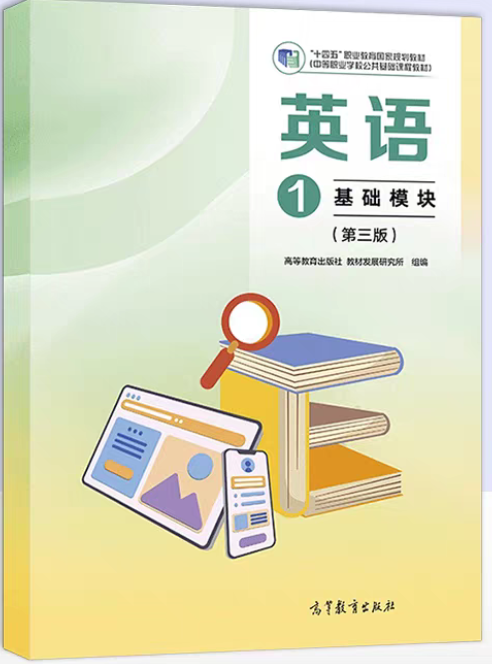
《英语 基础模块1》
(高教版第3版)
Unit 2 Transportation
Vocabulary Building(1)
本单元将围绕“交通出行”主题,重点学习与交通工具、出行方式相关的核心词汇。通过详细解析与例句,帮助大家掌握相关语境下的语言技能,更好地表达自己。
Ready for take-off! 🚀
1
Learning Objectives学习目标
Master Key Vocabulary
掌握核心词汇
理解词义,掌握用法并能灵活运用。
Master Key Phrases
掌握重点短语
理解短语含义,并能在语境中正确使用。
Improve Application Ability
提升应用能力
能够运用所学词汇描述交通方式和问路。
Comprehensive Practice
综合练习
通过练习巩固所学知识,检验学习成果。
1.7.2013
在开始学习之前,我们先来明确一下本单元的学习目标。首先,我们要掌握本单元的核心词汇和重点短语。其次,我们要提升运用这些词汇描述交通方式和问路的能力。最后,通过综合练习来巩固我们的学习成果。希望通过本单元的学习,大家都能更好地表达自己。
‹#›
Vocabulary: transportation (n.)交通;交通工具
01 核心释义 (Definition)
n. 交通;运输;交通工具
02 原句再现 (Sentence)
Public transportation in Beijing is cheap and efficient.
译:北京的公共交通既便宜又高效。
03 词汇家族 (Word Family)
• transport (v.): 运输,运送
• transport (n.): 交通工具 (英式英语)
• commute (v./n.): 通勤
💡 核心短语搭配
Key Phrases
public transportation: 公共交通
means of transportation: 交通工具
1.7.2013
我们来看第一个单词:transportation,名词,意思是“交通;交通工具”。比如,北京的公共交通既便宜又高效。它的动词形式是transport,意为“运输”。常用短语有public transportation(公共交通)。
‹#›
Vocabulary: green (adj.)绿色的;环保的
Green Visual绿色示例
Definition核心释义
adj. 绿色的;环保的 (Environmentally friendly; not harmful to the environment.)
Context语境应用
We should choose green transportation like biking or taking the bus.
Expansion拓展辨析
•go green:采取环保措施,过绿色生活
•green energy:绿色能源
•green travel:绿色出行
译: 我们应该选择像骑自行车或乘坐公交车这样的绿色交通方式。
1.7.2013
第二个单词是green,形容词,意思是“绿色的;环保的”。比如,我们应该选择绿色交通方式。它的常用搭配有go green(采取环保措施)和green travel(绿色出行)。
‹#›
Vocabulary: subway (n.)地铁
💡核心句型结构
take the subway: 乘坐地铁
📌 提示:subway为美式用法,英式常用underground
01 核心释义 (Definition)
n. 地铁 (美式英语 / AmE)
02 原句再现 (Sentence)
I take the subway to work every day.
03 词汇家族 (Word Family)
underground (n.):地铁 (英式/BrE)
metro (n.):地铁 (欧洲常用)
platform (n.):站台
译: 我每天乘地铁上班。
1.7.2013
接下来是subway,名词,意思是“地铁”,这是美式英语的说法。英式英语中更常用underground。比如,我每天乘地铁上班。常用短语是take the subway(乘坐地铁)。另外,在欧洲等其他地区,地铁还常用“metro”这个词来表示。
‹#›
Vocabulary: taxi (n.) 出租车
💡 核心句型结构
take a taxi / hail a taxi
乘坐出租车 / 招手拦出租车
💡 学习提示:
taxi是可数名词,“打车”常用hail a taxi表达
01 核心释义 (Definition)
n. 出租车 (A car you pay to take you somewhere.)
02 原句再现 (Sentence)
We hailed a taxi to the train station.
译:我们叫了一辆出租车去火车站。
03 词汇家族 (Word Family)
• ride-hailing app (n.): 网约车软件
• driver (n.): 司机
• fare (n.): 车费
1.7.2013
第四个单词是taxi,名词,意思是“出租车”。比如,我们叫了一辆出租车去火车站。常用短语有take a taxi(乘坐出租车)和hail a taxi(招手拦出租车)。此外,相关的词汇还有“ride-hailing app”网约车软件、“driver”司机以及“fare”车费。
‹#›
Vocabulary: e-bike (n.)电动自行车
e-bike Usage用法示例
Definition核心释义
n. 电动自行车 (the abbreviation of "electric bike")
Context语境应用
My father rides an e-bike to work.
Expansion拓展辨析
•e-:prefix for electronic / electric (电子的/电动的)
•e-scooter:电动滑板车
•battery (n.):电池
译:我爸爸骑电动自行车上班。
1.7.2013
第五个单词是e-bike,名词,意思是“电动自行车”,是electric bike的缩写。比如,我爸爸骑电动自行车上班。前缀e-代表“电动的”,比如e-scooter(电动滑板车)。另外,我们还可以记住一个相关单词:battery(电池),因为电动自行车是靠电池驱动的。
‹#›
Vocabulary: library (n.图书馆)
💡 核心句型结构
borrow a book from the library
📖 中文含义:从图书馆借书
01核心释义 (Definition)
n. 图书馆 (A place where books are kept for reading.)
02 原句再现 (Sentence)
I often go to the library to study.
03词汇家族 (Word Family)
•librarian (n.) 图书管理员
librarianship (n.) 图书馆管理;图书馆学
library card (n. 短语) 借书证
library book (n. 短语) 馆藏图书
译:我经常去图书馆学习。
1.7.2013
第六个单词是library,名词,意思是“图书馆”。比如,我经常去图书馆学习。常用短语是borrow a book from the library(从图书馆借书)。我们在图书馆里可以看书、借书,大家要记得遵守图书馆的规则,保持安静哦。
‹#›
Vocabulary: gym (n.) 体育馆;健身房
💡 核心句型结构
go to the gym (去健身房)
📝 记忆小贴士:结合运动场景记忆单词
01 核心释义 (Definition)
n. 体育馆;健身房 (A place with equipment for doing physical exercise.)
02原句再现 (Sentence)
He goes to the gym every morning to keep fit.
译:他每天早上去健身房健身。
03词汇家族 (Word Family)
• exercise (n./v.): 锻炼 .gym-goer (n.) 常去健身房的人
• fitness (n.): 健康,健身
• train (v.): 训练
1.7.2013
第七个单词是gym,名词,意思是“体育馆;健身房”。比如,他每天早上去健身房健身。常用短语是go to the gym(去健身房)。此外,我们还可以记住几个相关的词,比如 exercise(锻炼),fitness(健康),train(训练)。
‹#›
Vocabulary: visitor (n.)游客;访客
Visitor Visual游客示例
Definition核心释义
n. 游客;访客
(A person who visits a place, a person who comes to stay in a hotel or as a guest.)
Context语境应用
There are many visitors in the museum during the holiday.
Expansion拓展辨析
visit (v.):参观,访问
tourist (n.):游客 (侧重观光旅游的人)
guest (n.):客人 (侧重受邀来访的人)
译:假期里博物馆里有很多游客。
1.7.2013
第八个单词是visitor,名词,意思是“游客;访客”。比如,假期里博物馆里有很多游客。它的动词形式是visit,意为“参观”。大家可以注意一下,visitor是一个比较通用的词,既可以指去博物馆、景点的游客,也可以指家里来的访客。而tourist更侧重于以观光为目的的游客,guest则主要指受到邀请的客人。
‹#›
Vocabulary: line (n.)(交通)线路;线条;排,队
💡 核心句型结构
a bus line / a subway line(公交线路/地铁线路)
📖 小贴士:在英式英语中,“排队”常用 queue 表达
01 核心释义 (Definition)
n. (交通)线路;线条;排,队 (In this lesson, we focus on its meaning as "transport route".)
02 原句再现 (Sentence)
Which line do I take to get to the gym?
03 词汇家族 (Word Family)
• route (n.): 路线
•queue (n./v.): 队列;排队 (Common in British English)
译:我该坐哪条线路去健身房?
1.7.2013
第九个单词是line,名词,有多个意思,这里我们学习它的“交通线路”的意思。比如,我该坐哪条线路去健身房?常用搭配有bus line(公交线路)。在英式英语中,“排队”常用 queue 来表达。
‹#›
Vocabulary: direction (n.) 方向;指示
💡 核心句型结构
• ask for directions: 问路
• give directions: 指路
💬 情景小贴士
在陌生的地方找不到路时,你可以礼貌地说:"Excuse me, can you give me directions to the gym?" 来寻求帮助。
01 核心释义 (Definition)
n.方向;指示 (the position towards which someone or something moves)
02 原句再现 (Sentence)
Which direction is the gym?
03 词汇家族 (Word Family)
• direct (adj.): 直接的
• direct (v.): 指引,指导
• directly (adv.): 直接地
译:体育馆在哪个方向?
1.7.2013
第十个单词是direction,名词,意思是“方向;指示”。比如,体育馆在哪个方向?常用短语有ask for directions(问路)和give directions(指路)。这个单词在日常生活中非常实用,特别是在你外出旅行或者逛街的时候。它的词根是direct,可以做形容词表示“直接的”,也可以做动词表示“指引”。
‹#›
Vocabulary: stop (n.) / (v.)车站 / 停止
💡 核心短语搭配
bus stop | stop doing sth.
🚌 公交车站 | 🛑 停止做某事
01 核心释义 (Definition)
n. 车站 (a place where buses/trains regularly stop)
v. 停止 (to cease moving, happening, or doing something)
02 原句再现 (Sentence)
I'll get off at the next stop. (n.)
03 词汇家族 (Word Family)
• station (n.): 车站 (larger/official)
• halt (v./n.): 停止,暂停
译:我在下一站下车。
Bus Stop & Pause
车站与停止的双重含义
1.7.2013
第十一个单词是stop,既可以作名词,也可以作动词。作名词时,意思是“车站”,尤其是公交车站。比如,我在下一站下车。作动词时,意思是“停止”。我们还需要掌握它的两个核心短语:bus stop(公交车站)和stop doing sth(停止做某事)。另外,它的近义词station通常指规模较大的车站,而halt则更强调暂停的动作。
‹#›
Vocabulary: station (n.)车站;站
Station Visual车站示例
Definition核心释义
n. 车站;站 (通常指较大的站,如火车站、地铁站等交通枢纽)
Context语境应用
I'll meet you at the railway station.
Expansion拓展辨析
• stop vs. station:
stop指路边小公交站;station指大型交通枢纽。
• train/railway station: 火车站
• subway station: 地铁站
译: 我将在火车站接你。
1.7.2013
最后一个单词是station,名词,意思是“车站”,通常指火车站、地铁站等较大的交通枢纽。比如,我将在火车站接你。注意区分stop和station,前者指小站,后者指大站。
‹#›
Practice 1
1.To reduce traffic jams and air pollution, the city government is investing a lot of money in improving the public ________ system.
A. transportation B. tourist
C. communication D. education
【答案】
A
【解析】正确答案是A. transportation。句意:为减少交通拥堵与空气污染,市政府投入大量资金完善公共交通体系。句子提到“减少交通拥堵和空气污染”以及“政府投资”,这明确指向了对公共“交通”系统的改善。transportation作为名词,意为“交通;运输系统”,完全符合此处语境。其他选项 B. tourist(游客)、C. communication(交流,通讯)、D. education(教育)均不符合语境。
1.7.2013
我们来看第一题。To reduce traffic jams and air pollution, the city government is investing... 为了减少交通拥堵和空气污染,政府正在投资改善公共什么系统?选项是transportation, tourist, communication, education。正确答案是A, transportation。因为句子的核心是改善公共交通系统。
‹#›
Practice 2
2. Riding a bike or taking the bus are considered ________ ways to travel because they produce less carbon dioxide.
A. fast B. green C. expensive D. comfortable
【答案】 B
【解析】正确答案是B. green。句意:骑自行车或乘坐公交车被视为________种出行方式,因为它们产生的二氧化碳较少。句子后半部分解释了原因——“because they produce less carbon dioxide”(因为它们产生更少的二氧化碳)。这正是“环保”的核心特征。green作为形容词,在此处引申为“环保的;绿色的”,符合语境。其他选项A(快的)、C(昂贵的)、D(舒适的)均与“产生更少二氧化碳”的原因不相符。
1.7.2013
第二题。Riding a bike or taking the bus are considered ________ ways to travel... 骑自行车或坐公交车被认为是什么样的出行方式?选项是fast, green, expensive, comfortable。正确答案是B, green。因为它们产生更少的二氧化碳,是环保的。
‹#›
Practice 3
3. If you want to avoid the traffic on the ground, the ________ is a fast and convenient choice to travel across the city center.
A. highway B. subway C. taxi D. ferry
【答案】
B
【解析】
正确答案是B. subway。句意:如果你想避开地面交通,______是穿行市中心快捷便利的出行选择。关键信息是“avoid the traffic on the ground”(避开地面交通)。subway(地铁)是在地下运行的,完全符合这个描述,是解决地面交通拥堵的有效方式。其他选项 highway(高速公路)、taxi(出租车)、ferry(渡轮)均不符合题意。
1.7.2013
第三题。If you want to avoid the traffic on the ground... 如果你想避开地面交通,什么是快速方便的选择?选项是highway, subway, taxi, ferry。正确答案是B, subway。因为地铁在地下运行,可以避开地面交通。
‹#›
Practice 4
4. When it's raining heavily and you are in a hurry, waving for a ________ is a common way to get a ride quickly.
A. bicycle B. subway C. taxi D. train
【答案】
C
【解析】正确答案是C. taxi。句意:当下雨下得很大而你又赶时间时,挥手招手叫一辆________通常是快速搭车的常见方式。情景描述了“下大雨”和“赶时间”的紧急情况,需要一种能快速提供服务的交通工具。taxi(出租车)的特点就是招手即停,提供点对点的快速服务,非常符合这种场景。而其他选项 bicycle(自行车)、subway(地铁)、train(火车)均不符合“招手即停”和在大雨中快速叫到车的场景要求。
1.7.2013
第四题。When it's raining heavily and you are in a hurry... 下大雨又赶时间时,招手拦什么是快速的方式?选项是bicycle, subway, taxi, train。正确答案是C, taxi。出租车招手即停,非常方便。
‹#›
Practice 5
5.Many delivery workers prefer to use an ________ for its low cost and flexibility in navigating through busy city streets.
A. airplane B. e-bike C. ship D. tram
【答案】
B
【解析】正确答案是B. e-bike。句意:许多外卖骑手偏爱使用一种______,因其成本低廉,且在拥堵的城市道路中穿行灵活。句子提到了“快递员”、“低成本”和“在繁忙的城市街道中穿行的灵活性”。e-bike(电动自行车)完美契合这些特点,它成本低廉,且体积小、操控灵活,能够高效应对拥堵的城市交通,是城市短途配送的理想工具。而A选项“飞机”、C选项“轮船”和D选项“有轨电车”均不符合“城市街道穿行”的日常配送场景要求。
1.7.2013
第五题。Many delivery workers prefer to use an ________... 许多快递员喜欢使用什么?选项是airplane, e-bike, ship, tram。正确答案是B, e-bike。因为它低成本且灵活,适合在城市街道穿行。
‹#›
Practice 6
6.I need to return some books, so I will take Bus No. 5 and get off at the ________ stop, which is right next to it.
A. library B. hospital C. airport D. cinema
【答案】
A
【解析】
正确答案是 A. library。句意:我要去还几本书,所以我将乘坐5路公交车,在______站下车,车站就在借书处旁边。句子的目的是“return some books”(还书),这个动作最直接关联的地点就是 library(图书馆)。因此,在图书馆站下车是合乎逻辑的。
1.7.2013
第六题。I need to return some books, so I will take Bus No. 5 and get off at the ________ stop... 我需要还书,所以我要在什么站下车?选项是library, hospital, airport, cinema。正确答案是A, library。因为图书馆是还书的地方。
‹#›
Practice 7
7.After work, Sarah usually goes to the ________ to exercise. She takes the subway and it takes her about 15 minutes.
A. gym B. bank C. museum D. restaurant
【答案】
A
【解析】正确答案是A. gym。句意:下班后,莎拉通常会去________锻炼。她乘坐地铁,大约需要15分钟。句子中明确提到了“to exercise”(去锻炼),而gym(体育馆;健身房)正是进行体育锻炼的场所。其他选项 B. bank (银行)、C. museum (博物馆)、D. restaurant (餐厅) 均不符合语境。
1.7.2013
第七题。After work, Sarah usually goes to the ________ to exercise... 下班后,Sarah通常去哪里锻炼?选项是gym, bank, museum, restaurant。正确答案是A, gym。因为健身房是锻炼的地方。
‹#›
Practice 8
8. The city provides special discount cards for ________ to help them use the public transportation at a lower price.
A. students B. visitors C. drivers D. workers
【答案】B
【解析】正确答案是 B. visitors。句意:该市为________群体提供特别折扣卡,帮助他们以更低的价格使用公共交通工具。句子提到“special discount cards”(特别折扣卡)和“use the public transportation”(使用公共交通),这通常是针对特定群体的优惠政策。visitor(游客)作为临时来到城市的群体,是这类优惠政策的常见对象,因此选B。
1.7.2013
第八题。The city provides special discount cards for ________... 城市为谁提供特别折扣卡?选项是students, visitors, drivers, workers。正确答案是B, visitors。因为游客是这类优惠政策的常见对象。
‹#›
Practice 9
9.Excuse me, does this bus ________ go to the Central Park? I saw the sign but I'm not sure.
A. line B. trip C. speed D. road
【答案】
A
【解析】正确答案是A. line。句意:请问,这辆公交车是开往中央公园的吗?我看到了路牌,但不太确定。在询问公交车的路线时,常用的固定表达是“bus line”(公交线路)。这里的“line”特指公交车固定运营的线路,符合本句语境。而选项B的“trip”(旅行,出行)、C的“speed”(速度)、D的“road”(道路)都无法准确表达“公交线路”的含义,因此不选。
1.7.2013
第九题。Excuse me, does this bus ________ go to the Central Park... 请问这路公交什么去中央公园吗?选项是line, trip, speed, road。正确答案是A, line。bus line是固定搭配,指公交线路。
‹#›
Practice 10
10.Could you please tell me the ________ to the nearest subway station? I'm new here and I got lost.
A. time B. price C. direction D. number
【答案】
C
【解析】正确答案是 C. direction。句意:你能告诉我去最近地铁站的________吗?我是刚来的,迷路了。说话者表示“I got lost”(我迷路了),因此他需要的是前往某地的“方向”。direction(方向)完全符合这个语境。而 time(时间)、price(价格)和 number(数字)均与语境不符。
1.7.2013
第十题。Could you please tell me the ________ to the nearest subway station... 你能告诉我去最近的地铁站的什么吗?选项是time, price, direction, number。正确答案是C, direction。因为说话者迷路了,需要知道方向。
‹#›
Practice 11
11.Please remember to press the button if you want to get off at the next ________. The bus won't stop automatically.
A. station B. stop C. terminal D. platform
【答案】
B
【解析】正确答案是B. stop。句意:如果您要在下一站下车,请记得按下按钮,车辆不会自动停靠。这是一个典型的公交车场景。stop通常指公交车站,尤其是指路线上的一个停靠点。句子提到“press the button”(按按钮),这是公交车乘客为了提醒司机在下一站停车的典型行为。
1.7.2013
第十一题。Please remember to press the button if you want to get off at the next ________... 如果你想在下一个什么下车,请记得按按钮。选项是station, stop, terminal, platform。正确答案是B, stop。这里指的是公交车站。
‹#›
Practice 12
12. We arrived at the central train ________ two hours before our train was scheduled to leave.
A. stop B. station C. platform D. garage
【答案】 B
【解析】正确答案是B. station。句意:我们在列车预定发车时间前两小时抵达了中央火车站。句子明确提到了“train”(火车),乘坐火车的地方是station(车站)。train station是固定搭配,指“火车站”。其他选项中,stop多用来指小型的公交站点;platform指的是“站台”,不是到达的目的地;garage是“车库,汽车修理厂”,均不符合句意。
1.7.2013
最后一题。We arrived at the central train ________... 我们到达了中央火车什么?选项是stop, station, platform, garage。正确答案是B, station。train station是固定搭配,指火车站。
‹#›
Game Time! | 练习小游戏
(单击打开)
1.7.2013
好了,让我们来回顾一下本单元学习的核心要点。我们学习了12个与节日相关的核心词汇,从fireplace壁炉到nowadays现在。同时,我们也掌握了一些常用的短语,比如sit around the fireplace和street performances。请大家记住这些关键句型,尝试用它们来描述你所知道的节日。课后请尝试用今天学习的词汇和短语描述一次你最喜欢的节日庆祝活动。
‹#›
Summary & Review| 核心要点回顾
核心词汇Vocabulary
Nouns: transportation, subway, taxi, e-bike, library, gym, visitor, line, direction, stop, station
Adjectives: green
重点短语Key Phrases
public transportation:公共交通
go green:采取环保措施
take the subway:乘坐地铁
hail a taxi:招手拦出租车
ask for directions:问路
关键句型
Sentence Patterns
How do you get to...?
(你怎么去……?)
Which line do I take to...?
(我该坐哪条线路去……?)
Can you give me directions to...?
(你能告诉我去……怎么走吗?)
💡 Tip: 课后请尝试用今天学习的词汇和短语描述一次你去某个地方的经历。
1.7.2013
好了,我们已经学完了这12个核心单词。现在我们来回顾一下核心要点。我们学习了名词transportation, subway等;形容词green。同时,我们也复习了一些重要的短语和句型。希望通过这次学习,大家对如何用英语谈论交通出行有了更深入的理解。
‹#›
Thank you for listening
感谢大家的参与
希望这次课程能帮助大家拓展词汇量,更好地表达自己。
祝大家学习进步!
1.7.2013
今天的词汇学习就到这里。感谢大家的积极参与。语言学习是一个不断积累的过程,希望大家课后能多加复习和运用今天学到的词汇。祝大家学习进步,我们下次课再见!
‹#›
英语单词消消乐
简单
中等
困难
步数:0 用时:0 秒
开始游戏
重新开局
🎉 恭喜你,全部配对完成,闯关成功!
操作:单击卡片切换中英文/音标 | 点击两张相同单词卡片完成消除
$
资源预览图

1

2

3

4

5

6
由于学科网是一个信息分享及获取的平台,不确保部分用户上传资料的 来源及知识产权归属。如您发现相关资料侵犯您的合法权益,请联系学科网,我们核实后将及时进行处理。