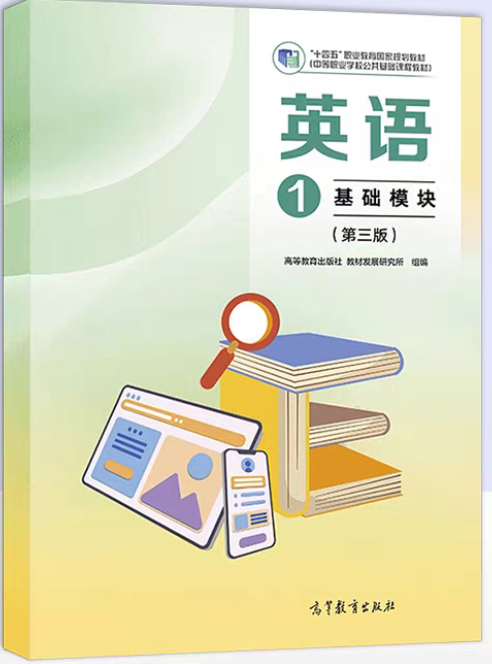
Unit8 People and Events(B卷· 基础巩固)-《英语 基础模块1》(高教版第三版)单元过关卷(原卷版+解析版)
2026-05-29
|
2份
|
24页
|
98人阅读
|
0人下载
摘要:
**基本信息**
本试卷为《英语 基础模块1》Unit8 People and Events B卷基础巩固卷,紧扣教材核心考点,贴合真题题型,通过语音、词汇、语法及阅读写作多维度考查,助力单元复习,提升语言能力与应试素养。
**题型特征**
|题型|题量/分值|知识覆盖|命题特色|
|----|-----------|----------|----------|
|语音辨音|5/5|元音字母发音规则|基础辨音,巩固语音知识|
|单项选择|25/25|冠词、情态动词、固定搭配等|覆盖单元核心语法,注重基础应用|
|完形填空|10/15|饮食健康话题,情态动词运用|情境真实,考查语篇理解与语法综合运用|
|阅读理解|15/37.5|中外饮食文化、餐厅描述等|素材贴近生活,提升信息获取与思维推断能力|
|补全对话|5/12.5|餐厅服务情境交际|模拟真实交际场景,强化语言运用能力|
|书面表达|1/15|介绍名人(职业、事迹等)|结合个人认知,考查语言组织与表达能力|
内容正文:
编写说明:本套《同步单元AB卷》紧扣《英语 基础模块1》(高教版第三版)教材,以教材单元为基准精准覆盖核心考点,每套试题完全贴合真题题型和最新考纲。A卷为基础卷,偏简单,侧重考点;B卷为能力提升卷,在基础上加深难度,但不会超纲,助力师生高效把握教学重点,与高考真题接轨。全书设计4份综合测试卷,模拟实战情境,聚焦解题能力突破,全面提升应试能力与知识应用水平。
本卷是Unit8 People and Events的单元测试卷,考查语音、词汇、语法、情景交际、阅读能力和书面表达能力。
《英语 基础模块1》(高教版第三版)《单元过关卷》
Unit 8 People and Events
B卷·基础巩固
考试时间:120分钟 满分:120分
班级 姓名 学号 成绩
第一部分 英语知识运用(共四节,满分 55 分)
第一节 语音辨音(共 5 小题;每小题 1 分,满分 5 分)
从下列每组单词中,选出划线部分发音不同的一项。
1.A. bag B. cat C. late D. map
答案:C
解析: bag /æ/、cat /æ/、map /æ/;late 中 a 发 /eɪ/,发音不同。
2.A. kite B. sit C. milk D. fish
答案:A
解析: sit /ɪ/、milk /ɪ/、fish /ɪ/;kite 中 i 发 /aɪ/,发音不同。
3.A. home B. nose C. rose D. hot
答案:D
解析: home /əʊ/、nose /əʊ/、rose /əʊ/;hot 中 o 发 /ɒ/,发音不同。
4.A. meat B. head C. tea D. read
答案:B
解析: meat /iː/、tea /iː/、read /iː/;head 中 ea 发 /e/,发音不同。
5.A. cute B. cup C. tube D. music
答案:B
解析: cute /juː/、tube /juː/、music /juː/;cup 中 u 发 /ʌ/,发音不同。
第二节 单项选择(共 25 小题;每小题 1 分,满分 25 分)
从 A、B、C、D 四个选项中选出可以填入空白处的最佳选项。
6. I usually have ______ egg and some bread for breakfast.
A. a B. an C. the D. /
答案:B
解析: egg 以元音音素 /e/ 开头,表示 “一个” 用 an;a 用于辅音音素开头单词前,the 表特指,零冠词用于复数 / 不可数名词表泛指。
7.There ______ some juice in the glass.
A. is B. are C. have D. has
答案:A
解析: juice 为不可数名词,there be 句型中 be 动词用单数 is;have/has 不能与 there be 混用。
8.—Would you like ______ coffee? —Yes, please.
A. some B. any C. many D. much
答案:A
解析: Would you like...? 表委婉请求或建议,用 some 不用 any;many 修饰可数复数,much 修饰不可数但此处侧重语气。
9.They plan ______ to the restaurant this evening.
A. go B. to go C. going D. goes
答案:B
解析: plan to do sth. 为固定搭配,意为 “计划做某事”,to 后接动词原形。
10.The food smells ______. I want to eat it.
A. good B. well C. badly D. difficult
答案:A
解析: smell 是系动词,后接形容词作表语;good 形容词 “好的”,well 多作副词,badly “坏地”,difficult “困难的”。
11.—______ do you have dinner? —At 6:00 p.m.
A. What B. Where C. When D. Why
答案:C
解析: 答语为时间,用 When 提问 “什么时候”;What 问事物,Where 问地点,Why 问原因。
12.We shouldn’t eat too ______ junk food.
A. many B. much C. little D. few
答案:B
解析: junk food 为不可数名词,用 much 修饰;many/few 修饰可数复数,little 表否定 “几乎没有”。
13.He is good at ______ dishes.
A. cook B. cooks C. cooking D. to cook
答案:C
解析: be good at doing sth. 擅长做某事,at 是介词,后接动名词形式。
14.I want two ______ of noodles.
A. bowl B. bowls C. bowl’s D. bowls’
答案:B
解析: two 后接可数名词复数,bowl 复数为 bowls;two bowls of noodles 意为 “两碗面条”。
15.—Thank you very much. —______.
A. You’re welcome B. Sorry C. OK D. Excuse me
答案:A
解析: 回答感谢用 You’re welcome “不客气”;Sorry 道歉,OK 表同意,Excuse me 打扰对方。
16.We often ______ at the restaurant on weekends.
A. eat out B. put out C. get out D. take out
答案:A
解析: eat out 为本单元核心短语,意为 “外出就餐”;put out 熄灭,get out 出去,take out 拿出。
17.The waiter will ______ for you soon.
A. take order B. take your order C. give order D. make order
答案:B
解析: take one’s order 固定短语 “为某人点餐”,是本单元餐厅场景重点句型。
18.My mother often ______ delicious food for us.
A. cooks B. cook C. cooking D. to cook
答案:A
解析: 主语 my mother 为第三人称单数,一般现在时谓语动词用 cooks。
19. I’d like to ______ a cup of tea.
A. have B. has C. had D. having
答案:A
解析: I’d like to do sth. 为固定句型,意为 “我想要做某事”,to 后接动词原形。
20.We should ______ healthy food every day.
A. eat B. eats C. eating D. ate
答案:A
解析: should 为情态动词,后接动词原形;本单元强调健康饮食,符合主题。
21.The restaurant is ______. We can’t find a seat.
A. crowded B. clean C. quiet D. small
答案:A
解析: crowded 形容词 “拥挤的”,对应后文 “找不到座位”;clean 干净的,quiet 安静的,small 小的。
22.—What do you ______? —I like noodles best.
A. like B. likes C. liking D. to like
答案:A
解析: 助动词 do 后接动词原形,本单元询问喜好的基础句型。
23.We need ______ water every day.
A. lot of B. a lot C. lots of D. a lots of
答案:C
解析: lots of = a lot of 意为 “许多”,可修饰可数复数与不可数名词;water 为不可数名词。
24.She ______ to be a cook in the future.
A. want B. wants C. wanting D. wanted
答案:B
解析: 主语 she 为第三人称单数,一般现在时谓语动词用 wants。
25.______ is good for our health.
A. Vegetable B. Vegetables C. A vegetable D. An vegetable
答案:B
解析: vegetable 为可数名词,用复数表泛指 “蔬菜”,本单元健康饮食核心词汇。
26.You ______ wash your hands before eating.
A. can B. must C. may D. might
答案:B
解析: must 情态动词 “必须”,表义务与建议;饭前洗手是必须做的事,符合语境。
27.—______ I have a glass of milk? —Sure.
A. Must B. Can C. Need D. Do
答案:B
解析: Can I...? 表请求 “我可以…… 吗?”,为本单元点餐常用句型。
28.We ______ eat too much sweet food. It’s bad for teeth.
A. can B. must C. shouldn’t D. may
答案:C
解析: shouldn’t 情态动词 “不应该”,表劝阻;甜食对牙齿不好,不应该多吃。
29.They ______ go to the restaurant today. They are busy.
A. can B. can’t C. must D. should
答案:B
解析: can’t 情态动词 “不能”,表能力或许可;忙碌所以不能去餐厅。
30.You ______ choose healthy drinks like water and milk.
A. should B. mustn’t C. can’t D. needn’t
答案:A
解析: should 情态动词 “应该”,表建议;建议选择健康饮品,贴合单元主题。
第三节 完形填空(共 10 小题;每小题 1.5 分,满分 15 分)
阅读下面短文,从每题所给的 A、B、C、D 四个选项中选出最佳选项。
Food is very important for us. We need different kinds of food every day. We 31______ eat healthy food to keep strong. We 32______ eat too much junk food because it is bad for our body. My favorite food is noodles. I think they are delicious. I often 33______ noodles for breakfast. My mother cooks them well. I also like milk. It is healthy and I 34______ drink it every morning.On weekends, my family and I often 35______ to a restaurant near our home. The food there is good and the waiters are friendly. The restaurant’s specialty is roast chicken. It tastes great. We 36______ order it every time. We 37______ waste food when we eat out. We should eat up the food we order.I think we 38______ learn to choose right food. Healthy food can make us happy and strong. We 39______ love healthy food and good eating habits. I 40______ recommend this restaurant to my friends. It is really a good place to eat.
31.A. can B. must C. may D. might
32.A. can B. must C. shouldn’t D. should
33.A. have B. has C. had D. having
34.A. can B. must C. should D. will
35.A. go B. goes C. going D. went
36.A. can B. will C. may D. need
37.A. can B. should C. shouldn’t D. may
38.A. must B. can C. may D. might
39.A. can B. should C. may D. might
40.A. will B. can C. may D. must
答案:31.B 32.C 33.A 34.C 35.A36.B 37.C 38.A 39.B 40.A
31.解析:must 表示 “必须”,强调为了保持强壮,我们必须吃健康的食物,语气最强,符合健康建议语境。
32.解析:shouldn’t 表示 “不应该”,因为垃圾食品对身体有害,所以我们不应该吃太多,表示劝阻与否定建议。
33.解析:have noodles 是固定搭配,意为 “吃面条”;本句是一般现在时,主语为 I,谓语动词用原形 have。
34.解析:should 表示 “应该”,牛奶有益健康,所以建议每天早上喝,符合作者表达的健康习惯。
35.解析:go to a restaurant 意为 “去餐馆”;本句是一般现在时,主语 my family and I 是复数,谓语动词用原形 go。
36.解析:will 在这里表示习惯性、倾向性,意为 “总是、会”,每次去餐馆都会点招牌菜,符合语境。
37.解析:shouldn’t 表示 “不应该”,外出就餐时我们不应该浪费食物,提倡节约粮食。
38.解析:must 表示 “必须”,强调我们必须学会选择正确的食物,是强烈的建议与要求。
39.解析:should 表示 “应该”,我们应该喜爱健康食物并养成良好的饮食习惯,表达合理建议。
40.解析:will 表示主观意愿,意为 “会、将要”,作者很喜欢这家餐馆,所以会把它推荐给朋友们。
第四节 语法填空(共 5 小题;每小题 2 分,满分 10 分)
阅读下面短文,用括号内单词的适当形式填空。
Healthy food is important. We 41______ (should / eat) more vegetables and fruit. They are good for our body. We 42______ (must / not) eat too much junk food. It can make us unhealthy. We 43______ (can / drink) water and milk every day. They are healthy drinks. When we eat out, we 44______ (should / choose) clean restaurants. We 45______ (must / save) food and not waste it. Good eating habits can make us strong and happy every day. We should love healthy food and keep good habits.
41.should eat
解析: should 为情态动词,后接动词原形,表建议 “应该吃”。
42.must not
解析: must not = mustn’t,情态动词否定形式,“禁止、不可以”。
43.can drink
解析: can 情态动词 “可以、能”,后接动词原形 drink。
44.should choose
解析: should 后接动词原形 choose,“应该选择” 干净餐厅。
45.must save
解析: must 后接动词原形 save,“必须节约” 食物。
第二部分 阅读(共两节,满分 50 分)
第一节 阅读理解(共 15 小题;每小题 2.5 分,满分 37.5 分)
阅读下列短文,从每题所给的 A、B、C、D 四个选项中选出最佳选项。
A
My favorite food is dumplings. They are traditional Chinese food with a long history. For Chinese people, dumplings are not only delicious, but also a symbol of family reunion and good luck. I like dumplings very much because they taste really good. My mother often makes dumplings for me at home. She can make different kinds of fillings, such as pork and cabbage, beef and carrot, vegetables and eggs. I usually eat dumplings on weekends. When the Spring Festival comes, our family always eats dumplings together. It is our most important tradition.
Dumplings are healthy food, too. They have plenty of nutrition like protein and vitamins. We should eat more healthy food and stay away from junk food. I never eat hamburgers, chips or cola because they are bad for health. I often tell my friends to choose healthy food and keep good eating habits. I believe healthy food can make us strong and happy. I love dumplings so much that they are my favorite food in the world.
46.Why does the writer like dumplings?
A. They are cheap. B. They are delicious.
C. They are easy to cook. D. They are fast.
47.When does the writer usually eat dumplings?
A. On weekdays. B. On weekends.
C. On Mondays. D. On Fridays.
48.What does the writer think of junk food?
A. It’s good. B. It’s healthy. C. It’s bad. D. It’s tasty.
50.What can healthy food make us?
A. Fat. B. Weak. C. Strong and happy. D. Tired.
答案: 46.B 47.B 48.C 49.C
导读:本文围绕作者最喜爱的食物 —— 饺子展开,介绍饺子的文化意义、美味口感、食用时间、营养价值,并倡导健康饮食、拒绝垃圾食品,贴合本单元 Food and Drinks 主题。
46.解析: 由文章第一段第三句 “I like dumplings very much because they taste really good.” 可知,作者喜欢饺子是因为它们味道美味,因此选 B。
47.解析: 由文章第一段第六句 “I usually eat dumplings on weekends.” 可知,作者通常在周末吃饺子,因此选 B。
48.解析: 由文章第二段第三句 “I never eat hamburgers, chips or cola because they are bad for health.” 可知,作者认为垃圾食品对健康有害,因此选 C。
49.解析: 由文章第二段倒数第二句 “I believe healthy food can make us strong and happy.” 可知,健康的食物能让我们强壮且快乐,因此选 C。
B
My favorite restaurant is called “Happy Restaurant”. It is a small but clean Chinese restaurant near my home. The environment is cozy, with green plants and nice pictures on the walls. The waiters and waitresses are friendly and polite. They always smile and take our order quickly. The food there is fresh and delicious. The specialty of the restaurant is beef noodles. They are made with fresh beef, vegetables and special soup. Many people come to eat them every day. The price is reasonable, so students and families all like to come here.
I often go there with my family on weekends. We can enjoy rice, noodles, all kinds of dishes and healthy drinks. I usually order beef noodles and a glass of milk. My father likes rice with vegetables and a cup of tea. My mother loves vegetable dumplings and tomato soup. We always have a good time. I think we should choose restaurants with good food, clean environment and friendly service. This restaurant is perfect, and I love it very much.
50.Where is the restaurant?
A. Near the school. B. Near my home. C. In the park. D. In the shop.
51.What is the restaurant’s specialty?
A. Beef noodles. B. Chicken noodles.
C. Rice. D. Dumplings.
52.What does the writer usually order?
A. Beef noodles and milk. B. Rice and vegetables.
C. Dumplings. D. Cola.
53.How is the price of the restaurant?
A. Expensive. B. Cheap. C. Reasonable. D. High.
54.What kind of restaurant should we choose?
A. Dirty restaurants. B. Expensive restaurants.
C. Restaurants with good food and service. D. Small restaurants.
答案:50.B 51.A 52.A 53.C 54.C
导读:本文介绍作者最常去的餐厅,包括位置、环境、服务、特色菜品、价格及家人的点餐习惯,传递理性选择餐厅、健康外出就餐的理念。
50.解析: 由文章第一段第二句 “It is a small but clean Chinese restaurant near my home.” 可知,餐厅在作者家附近,因此选 B。
51.解析: 由文章第一段第六句 “The specialty of the restaurant is beef noodles.” 可知,这家餐厅的特色菜是牛肉面,因此选 A。
52.解析: 由文章第二段第二句 “I usually order beef noodles and a glass of milk.” 可知,作者通常点牛肉面和一杯牛奶,因此选 A。
53.解析: 由文章第一段最后一句 “The price is reasonable, so students and families all like to come here.” 可知,餐厅的价格很合理,因此选 C。
54.解析: 由文章第二段倒数第二句 “I think we should choose restaurants with good food, clean environment and friendly service.” 可知,我们应该选择食物好、环境好、服务好的餐厅,因此选 C。
C
People in different countries have different eating habits. Food is an important part of culture. In China, people often eat rice, noodles, dumplings and fresh vegetables. They are healthy and give us enough energy. We should eat them every day. Chinese people usually use chopsticks to eat. It is our traditional tool. In Western countries, people often eat bread, hamburgers, sandwiches and beef. They like to drink coffee and milk. Fast food is popular but unhealthy. It has too much fat and sugar, so we shouldn’t eat too much.
We need healthy food and drinks every day. Water is the best drink for our body. It helps us keep healthy and active. Milk is good for bones because it has much calcium. We must keep good eating habits. They are important for our health and growth. Everyone should eat healthy food, say no to junk food and live a happy and strong life.
55.What food do Chinese people like?
A. Bread. B. Hamburgers. C. Rice and noodles. D. Sandwiches.
56.What tool do Chinese people use to eat?
A. Forks. B. Knives. C. Chopsticks. D. Hands.
57.What is the best drink according to the passage?
A. Cola. B. Water. C. Coffee. D. Juice.
58.What should we keep?
A. Bad habits. B. Good eating habits.
C. Fast food. D. Junk food.
答案:55.C 56.C 57.B 58.B
导读:本文对比中西方饮食习惯与饮食文化,介绍中国常见健康食物、传统餐具,指出快餐的危害,强调饮水、喝奶与保持良好饮食习惯的重要性。
55.解析: 由文章第一段第三句 “In China, people often eat rice, noodles, dumplings and fresh vegetables.” 可知,中国人喜欢米饭、面条等食物,因此选 C。
56.解析: 由文章第一段第五句 “Chinese people usually use chopsticks to eat.” 可知,中国人常用的餐具是筷子,因此选 C。
57.解析: 由文章第二段第一句 “Water is the best drink for our body.” 可知,水是对我们身体最好的饮品,因此选 B。
58.解析: 由文章第二段第三句 “We must keep good eating habits.” 可知,我们必须保持良好的饮食习惯,因此选 B。
D
Eating out is a happy thing for many people. We can go out with family, friends or classmates to enjoy nice food and relaxing time. But we must follow some important rules when we eat out. First, we should choose clean and healthy restaurants. Dirty places are bad for our health. Second, we should order proper food. We shouldn’t order too much because we must save food and not waste it. Cherishing food is a good virtue. Third, we should be polite to the waiters. They work hard every day. We should be kind and say “thank you” to them.
If we follow these rules, eating out will be happy and healthy. Healthy food makes us strong and good manners make us popular. Let’s eat out in a right way, enjoy delicious food and keep healthy every day.
59.What should we do when eating out?
A. Eat in dirty places. B. Waste food.
C. Be polite to waiters. D. Order too much.
60.What’s the main idea of the passage?
A. How to cook at home. B. Rules of eating out.
C. How to make drinks. D. How to learn English.
答案:59.C 60.B
导读:本文主要讲解外出就餐的三条文明规则:选择干净卫生的餐厅、合理点餐不浪费、礼貌对待服务员,倡导文明、健康、节约的就餐方式。
59.解析: 由文章第一段倒数第二、三句 “Third, we should be polite to the waiters. They work hard every day.” 可知,外出就餐时我们应该礼貌对待服务员,因此选 C。
60.解析: 由文章第一段第二句 “But we must follow some important rules when we eat out.” 以及全文内容可知,本文主旨是外出就餐的规则,因此选 B。
第二节 补全对话(共 5 小题;每小题 2.5 分,满分 12.5 分)
根据对话内容,从对话后的选项中选出能填入空白处的最佳选项。
A: Good afternoon! Welcome to our restaurant.
B: Thank you.
A: 61______
B: Yes, please. We want a table for two.
A: OK. This way, please. 62______
B: Thank you. Can I have the menu?
A: Sure. Here you are. 63______
B: I’d like some noodles and a glass of milk.
A: 64______
B: Beef noodles, please.
A: OK. Wait a moment, please.
B: Thank you.
A: 65______
A. What kind of noodles would you like? B. Can I help you? C. Have a seat, please. D. You’re welcome. E. What would you like to eat?
61.____ 62.____ 63.____ 64.____ 65.____
答案:61.B 62.C 63.E 64.A 65.D
解析:
61. 服务员进店问候用 “Can I help you?”。
62. 引导入座后说 “Have a seat, please.”。
63. 拿到菜单后询问 “What would you like to eat?”。
64. 询问面条种类用 “What kind of noodles would you like?”。
65. 回答感谢用 “You’re welcome.”。
第三部分 书面表达(满分 15 分)
66.书面表达:A Famous Person I Know
题目要求:
以 A Famous Person I Know 为题,写一篇短文,介绍一位你熟悉的名人。
内容要点:
1.这位名人是谁
2.职业与主要事迹
3.你喜欢他的原因
4.你向他学习的决心
字数要求:80 词左右
参考范文
A Famous Person I Know
The famous person I know and admire is Zhong Nanshan. He is a great doctor and a famous medical expert in China. He is always hard-working, brave and responsible.
When our country meets difficulties, he tries his best to protect people’s health. He works day and night to help sick people and never fears danger. He is so kind and great.
I respect him very much. He is a true hero in my heart. I will learn from him. I will study hard and keep healthy. I hope to grow up to help more people and make a contribution to our country.
原创精品资源学科网独家享有版权,侵权必究!
学科网(北京)股份有限公司
学科网(北京)股份有限公司
$
编写说明:本套《同步单元AB卷》紧扣《英语 基础模块1》(高教版第三版)教材,以教材单元为基准精准覆盖核心考点,每套试题完全贴合真题题型和最新考纲。A卷为基础卷,偏简单,侧重考点;B卷为能力提升卷,在基础上加深难度,但不会超纲,助力师生高效把握教学重点,与高考真题接轨。全书设计4份综合测试卷,模拟实战情境,聚焦解题能力突破,全面提升应试能力与知识应用水平。
本卷是Unit8 People and Events的单元测试卷,考查语音、词汇、语法、情景交际、阅读能力和书面表达能力。
《英语 基础模块1》(高教版第三版)《单元过关卷》
Unit 8 People and Events
B卷·基础巩固
考试时间:120分钟 满分:120分
班级 姓名 学号 成绩
第一部分 英语知识运用(共四节,满分 55 分)
第一节 语音辨音(共 5 小题;每小题 1 分,满分 5 分)
从下列每组单词中,选出划线部分发音不同的一项。
1.A. bag B. cat C. late D. map
2.A. kite B. sit C. milk D. fish
3.A. home B. nose C. rose D. hot
4.A. meat B. head C. tea D. read
5.A. cute B. cup C. tube D. music
第二节 单项选择(共 25 小题;每小题 1 分,满分 25 分)
从 A、B、C、D 四个选项中选出可以填入空白处的最佳选项。
6. I usually have ______ egg and some bread for breakfast.
A. a B. an C. the D. /
7.There ______ some juice in the glass.
A. is B. are C. have D. has
8.—Would you like ______ coffee? —Yes, please.
A. some B. any C. many D. much
9.They plan ______ to the restaurant this evening.
A. go B. to go C. going D. goes
10.The food smells ______. I want to eat it.
A. good B. well C. badly D. difficult
11.—______ do you have dinner? —At 6:00 p.m.
A. What B. Where C. When D. Why
12.We shouldn’t eat too ______ junk food.
A. many B. much C. little D. few
13.He is good at ______ dishes.
A. cook B. cooks C. cooking D. to cook
14.I want two ______ of noodles.
A. bowl B. bowls C. bowl’s D. bowls’
15.—Thank you very much. —______.
A. You’re welcome B. Sorry C. OK D. Excuse me
16.We often ______ at the restaurant on weekends.
A. eat out B. put out C. get out D. take out
17.The waiter will ______ for you soon.
A. take order B. take your order C. give order D. make order
18.My mother often ______ delicious food for us.
A. cooks B. cook C. cooking D. to cook
19. I’d like to ______ a cup of tea.
A. have B. has C. had D. having
20.We should ______ healthy food every day.
A. eat B. eats C. eating D. ate
21.The restaurant is ______. We can’t find a seat.
A. crowded B. clean C. quiet D. small
22.—What do you ______? —I like noodles best.
A. like B. likes C. liking D. to like
23.We need ______ water every day.
A. lot of B. a lot C. lots of D. a lots of
24.She ______ to be a cook in the future.
A. want B. wants C. wanting D. wanted
25.______ is good for our health.
A. Vegetable B. Vegetables C. A vegetable D. An vegetable
26.You ______ wash your hands before eating.
A. can B. must C. may D. might
27.—______ I have a glass of milk? —Sure.
A. Must B. Can C. Need D. Do
28.We ______ eat too much sweet food. It’s bad for teeth.
A. can B. must C. shouldn’t D. may
29.They ______ go to the restaurant today. They are busy.
A. can B. can’t C. must D. should
30.You ______ choose healthy drinks like water and milk.
A. should B. mustn’t C. can’t D. needn’t
第三节 完形填空(共 10 小题;每小题 1.5 分,满分 15 分)
阅读下面短文,从每题所给的 A、B、C、D 四个选项中选出最佳选项。
Food is very important for us. We need different kinds of food every day. We 31______ eat healthy food to keep strong. We 32______ eat too much junk food because it is bad for our body. My favorite food is noodles. I think they are delicious. I often 33______ noodles for breakfast. My mother cooks them well. I also like milk. It is healthy and I 34______ drink it every morning.On weekends, my family and I often 35______ to a restaurant near our home. The food there is good and the waiters are friendly. The restaurant’s specialty is roast chicken. It tastes great. We 36______ order it every time. We 37______ waste food when we eat out. We should eat up the food we order.I think we 38______ learn to choose right food. Healthy food can make us happy and strong. We 39______ love healthy food and good eating habits. I 40______ recommend this restaurant to my friends. It is really a good place to eat.
31.A. can B. must C. may D. might
32.A. can B. must C. shouldn’t D. should
33.A. have B. has C. had D. having
34.A. can B. must C. should D. will
35.A. go B. goes C. going D. went
36.A. can B. will C. may D. need
37.A. can B. should C. shouldn’t D. may
38.A. must B. can C. may D. might
39.A. can B. should C. may D. might
40.A. will B. can C. may D. must
第四节 语法填空(共 5 小题;每小题 2 分,满分 10 分)
阅读下面短文,用括号内单词的适当形式填空。
Healthy food is important. We 41______ (should / eat) more vegetables and fruit. They are good for our body. We 42______ (must / not) eat too much junk food. It can make us unhealthy. We 43______ (can / drink) water and milk every day. They are healthy drinks. When we eat out, we 44______ (should / choose) clean restaurants. We 45______ (must / save) food and not waste it. Good eating habits can make us strong and happy every day. We should love healthy food and keep good habits.
第二部分 阅读(共两节,满分 50 分)
第一节 阅读理解(共 15 小题;每小题 2.5 分,满分 37.5 分)
阅读下列短文,从每题所给的 A、B、C、D 四个选项中选出最佳选项。
A
My favorite food is dumplings. They are traditional Chinese food with a long history. For Chinese people, dumplings are not only delicious, but also a symbol of family reunion and good luck. I like dumplings very much because they taste really good. My mother often makes dumplings for me at home. She can make different kinds of fillings, such as pork and cabbage, beef and carrot, vegetables and eggs. I usually eat dumplings on weekends. When the Spring Festival comes, our family always eats dumplings together. It is our most important tradition.
Dumplings are healthy food, too. They have plenty of nutrition like protein and vitamins. We should eat more healthy food and stay away from junk food. I never eat hamburgers, chips or cola because they are bad for health. I often tell my friends to choose healthy food and keep good eating habits. I believe healthy food can make us strong and happy. I love dumplings so much that they are my favorite food in the world.
46.Why does the writer like dumplings?
A. They are cheap. B. They are delicious.
C. They are easy to cook. D. They are fast.
47.When does the writer usually eat dumplings?
A. On weekdays. B. On weekends.
C. On Mondays. D. On Fridays.
48.What does the writer think of junk food?
A. It’s good. B. It’s healthy. C. It’s bad. D. It’s tasty.
50.What can healthy food make us?
A. Fat. B. Weak. C. Strong and happy. D. Tired.
B
My favorite restaurant is called “Happy Restaurant”. It is a small but clean Chinese restaurant near my home. The environment is cozy, with green plants and nice pictures on the walls. The waiters and waitresses are friendly and polite. They always smile and take our order quickly. The food there is fresh and delicious. The specialty of the restaurant is beef noodles. They are made with fresh beef, vegetables and special soup. Many people come to eat them every day. The price is reasonable, so students and families all like to come here.
I often go there with my family on weekends. We can enjoy rice, noodles, all kinds of dishes and healthy drinks. I usually order beef noodles and a glass of milk. My father likes rice with vegetables and a cup of tea. My mother loves vegetable dumplings and tomato soup. We always have a good time. I think we should choose restaurants with good food, clean environment and friendly service. This restaurant is perfect, and I love it very much.
50.Where is the restaurant?
A. Near the school. B. Near my home. C. In the park. D. In the shop.
51.What is the restaurant’s specialty?
A. Beef noodles. B. Chicken noodles.
C. Rice. D. Dumplings.
52.What does the writer usually order?
A. Beef noodles and milk. B. Rice and vegetables.
C. Dumplings. D. Cola.
53.How is the price of the restaurant?
A. Expensive. B. Cheap. C. Reasonable. D. High.
54.What kind of restaurant should we choose?
A. Dirty restaurants. B. Expensive restaurants.
C. Restaurants with good food and service. D. Small restaurants.
C
People in different countries have different eating habits. Food is an important part of culture. In China, people often eat rice, noodles, dumplings and fresh vegetables. They are healthy and give us enough energy. We should eat them every day. Chinese people usually use chopsticks to eat. It is our traditional tool. In Western countries, people often eat bread, hamburgers, sandwiches and beef. They like to drink coffee and milk. Fast food is popular but unhealthy. It has too much fat and sugar, so we shouldn’t eat too much.
We need healthy food and drinks every day. Water is the best drink for our body. It helps us keep healthy and active. Milk is good for bones because it has much calcium. We must keep good eating habits. They are important for our health and growth. Everyone should eat healthy food, say no to junk food and live a happy and strong life.
55.What food do Chinese people like?
A. Bread. B. Hamburgers. C. Rice and noodles. D. Sandwiches.
56.What tool do Chinese people use to eat?
A. Forks. B. Knives. C. Chopsticks. D. Hands.
57.What is the best drink according to the passage?
A. Cola. B. Water. C. Coffee. D. Juice.
58.What should we keep?
A. Bad habits. B. Good eating habits.
C. Fast food. D. Junk food.
D
Eating out is a happy thing for many people. We can go out with family, friends or classmates to enjoy nice food and relaxing time. But we must follow some important rules when we eat out. First, we should choose clean and healthy restaurants. Dirty places are bad for our health. Second, we should order proper food. We shouldn’t order too much because we must save food and not waste it. Cherishing food is a good virtue. Third, we should be polite to the waiters. They work hard every day. We should be kind and say “thank you” to them.
If we follow these rules, eating out will be happy and healthy. Healthy food makes us strong and good manners make us popular. Let’s eat out in a right way, enjoy delicious food and keep healthy every day.
59.What should we do when eating out?
A. Eat in dirty places. B. Waste food.
C. Be polite to waiters. D. Order too much.
60.What’s the main idea of the passage?
A. How to cook at home. B. Rules of eating out.
C. How to make drinks. D. How to learn English.
第二节 补全对话(共 5 小题;每小题 2.5 分,满分 12.5 分)
根据对话内容,从对话后的选项中选出能填入空白处的最佳选项。
A: Good afternoon! Welcome to our restaurant.
B: Thank you.
A: 61______
B: Yes, please. We want a table for two.
A: OK. This way, please. 62______
B: Thank you. Can I have the menu?
A: Sure. Here you are. 63______
B: I’d like some noodles and a glass of milk.
A: 64______
B: Beef noodles, please.
A: OK. Wait a moment, please.
B: Thank you.
A: 65______
A. What kind of noodles would you like? B. Can I help you? C. Have a seat, please. D. You’re welcome. E. What would you like to eat?
61.____ 62.____ 63.____ 64.____ 65.____
第三部分 书面表达(满分 15 分)
66.书面表达:A Famous Person I Know
题目要求:
以 A Famous Person I Know 为题,写一篇短文,介绍一位你熟悉的名人。
内容要点:
1.这位名人是谁
2.职业与主要事迹
3.你喜欢他的原因
4.你向他学习的决心
字数要求:80 词左右
原创精品资源学科网独家享有版权,侵权必究!
学科网(北京)股份有限公司
学科网(北京)股份有限公司
$
资源预览图

1

2

3
由于学科网是一个信息分享及获取的平台,不确保部分用户上传资料的 来源及知识产权归属。如您发现相关资料侵犯您的合法权益,请联系学科网,我们核实后将及时进行处理。