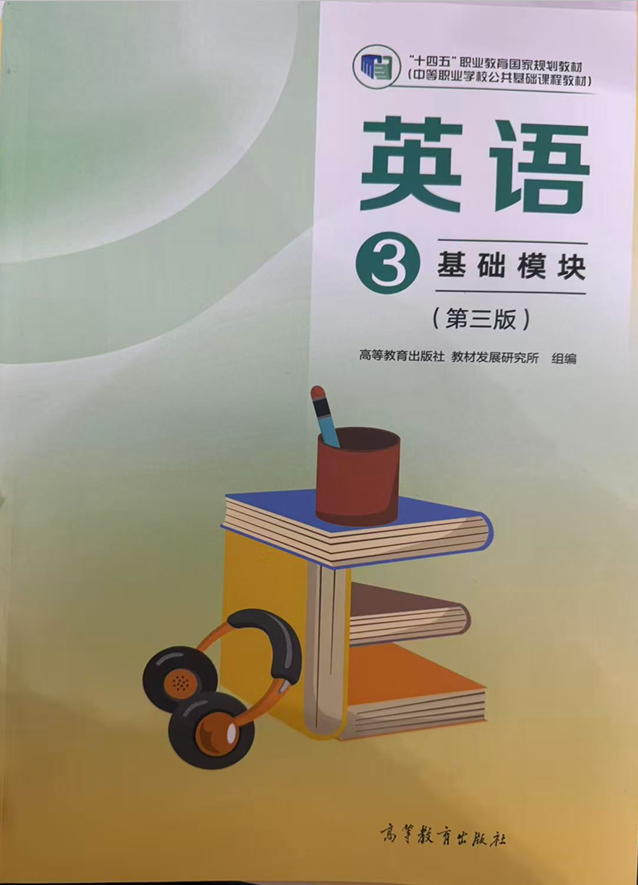
1.4 Festivals Around the World(Language Practice)-《英语 基础模块3》(高教版第三版)《一课一练》(原卷版+解析版)
2026-05-28
|
2份
|
7页
|
65人阅读
|
0人下载
摘要:
**基本信息**
聚焦非谓语动词作宾语,通过“课前预习-课堂检测”分层设计,构建“概念自测-应用填空-纠错提升”路径,强化语言能力与学习能力,适配中职教学“基础巩固+适度提升”需求。
**分层设计**
|层次|知识覆盖|设计特色|
|----|----------|----------|
|课前预习(概念自测)|接不定式/动名词的动词分类、易错点认知|3道选择题聚焦基础语法概念辨析,如look forward to搭配|
|课堂检测(应用填空)|核心动词固定搭配应用|10道填空题强化want/plan/prefer等动词与非谓语的搭配|
|课堂检测(纠错提升)|语法错误识别与修正|5道改错题综合考查enjoy/decide等动词的非谓语使用误区|
内容正文:
编写说明:基于中职学生英语知识不牢固、学习内驱力不够的学情特点,为了更好地提高学生的学习效率,辅助教师们抓好课前、课中、课后三个教学环节,本专辑深度解读最新的《中等职业学校英语课程标准》,匠心打造了契合内蒙古职教高考命题特色的【内蒙古专用】《英语 基础模块3》(高教版第三版)《一课一练》专辑,专辑共40练。
本卷为《英语 基础模块3》(高教版第三版)Unit 1 Festivals Around the World(Language Practice)的课前预习和课堂检测。
Unit 1 Festivals Around the World
一课一练(4)(Language Practice)
课前预习
一、语法概念自测
1. 下列哪个动词后只能接不定式(to do)作宾语?
A. enjoy B. finish C. want D. mind
【答案】C
【解析】want 后接不定式作宾语,即 want to do sth.;enjoy、finish、mind 后接动名词作宾语。
2. 下列哪个动词后只能接动名词(doing)作宾语?
A. hope B. plan C. prefer D. decide
【答案】C
【解析】prefer 后接动名词作宾语,即 prefer doing sth.;hope、plan、decide 后接不定式作宾语。
3. 'I look forward to ________ you soon.' 空格处应填:
A. see B. seeing C. saw D. seen
【答案】B
【解析】look forward to 中的 to 是介词,后接动名词作宾语,即 look forward to doing sth.。
二、语法精讲
非谓语动词作宾语
【定义】非谓语动词是指在句中不作谓语的动词形式,包括不定式(to do)、动名词(doing)和分词。当非谓语动词位于及物动词后作宾语时,需要根据前面动词的搭配习惯选择适当的形式。
【分类】
1. 接不定式(to do)作宾语的常见动词:
want, hope, plan, decide, expect, agree, refuse, promise, learn, wish, would like 等。
例:I plan to go back home.(我计划回家。)
She invited me to come with her.(她邀请我和她一起去。)
2. 接动名词(doing)作宾语的常见动词:
enjoy, finish, mind, practice, keep, suggest, prefer, avoid, consider, miss 等。
例:People prefer celebrating by watching yangge performances.(人们更喜欢通过看秧歌表演来庆祝。)
His grandpa enjoys reading novels.(他爷爷喜欢读小说。)
3. 既可接不定式又可接动名词,但意义不同的动词:
remember to do(记得去做)/ remember doing(记得做过)
forget to do(忘记去做)/ forget doing(忘记做过)
stop to do(停下来去做另一件事)/ stop doing(停止正在做的事)
【易错点】
1. look forward to 中的 to 是介词,后接动名词:look forward to doing sth.
2. prefer 后接动名词:prefer doing sth.;prefer to do sth. 也可接受。
3. begin / start 后接不定式或动名词均可,意义差别不大。
课堂检测
一、语法单项填空
1. My friend, Li Fei, planned ________ (go) back home to celebrate the Mid-Autumn Festival.
【答案】to go
【解析】plan 后接不定式作宾语,plan to do sth. 计划做某事。
2. She invited me ________ (come) with her.
【答案】to come
【解析】invite 后接不定式作宾语,invite sb. to do sth. 邀请某人做某事。
3. I accepted the invitation because I wanted ________ (learn) more about Chinese culture.
【答案】to learn
【解析】want 后接不定式作宾语,want to do sth. 想要做某事。
4. Then we began ________ (book) tickets.
【答案】booking / to book
【解析】begin 后接不定式或动名词均可,begin doing / to do sth. 开始做某事。
5. At first, Li Fei wanted to take trains, but I preferred ________ (take) a flight.
【答案】taking / to take
【解析】prefer 后接动名词或不定式均可,prefer doing / to do sth. 更喜欢做某事。
6. After a discussion, we decided ________ (order) train tickets.
【答案】to order
【解析】decide 后接不定式作宾语,decide to do sth. 决定做某事。
7. People enjoy ________ (watch) lion dances during the Spring Festival.
【答案】watching
【解析】enjoy 后接动名词作宾语,enjoy doing sth. 喜欢做某事。
8. The whole class expects ________ (attend) the celebration.
【答案】to attend
【解析】expect 后接不定式作宾语,expect to do sth. 期待做某事。
9. I look forward to ________ (see) you at the festival.
【答案】seeing
【解析】look forward to 中的 to 是介词,后接动名词,look forward to doing sth. 期待做某事。
10. The students volunteer ________ (help) organize the celebration.
【答案】to help
【解析】volunteer 后接不定式作宾语,volunteer to do sth. 自愿做某事。
二、单句改错
11. I have two new friend at school.
【答案】friend → friends
【解析】two 后接可数名词复数,friend 应变为复数形式 friends。
12. She enjoys to watch TV in the evening.
【答案】to watch → watching
【解析】enjoy 后接动名词作宾语,应改为 watching。
13. He decided going to Beijing for the summer holiday.
【答案】going → to go
【解析】decide 后接不定式作宾语,应改为 to go。
14. We are looking forward to meet you soon.
【答案】meet → meeting
【解析】look forward to 中的 to 是介词,后接动名词,应改为 meeting。
15. My mother prefers cook at home to eating out.
【答案】cook → cooking
【解析】prefer 后接动名词,且与后面的 eating 并列,应改为 cooking。
原创精品资源学科网独家享有版权,侵权必究!
学科网(北京)股份有限公司
$
编写说明:基于中职学生英语知识不牢固、学习内驱力不够的学情特点,为了更好地提高学生的学习效率,辅助教师们抓好课前、课中、课后三个教学环节,本专辑深度解读最新的《中等职业学校英语课程标准》,匠心打造了契合内蒙古职教高考命题特色的【内蒙古专用】《英语 基础模块3》(高教版第三版)《一课一练》专辑,专辑共40练。
本卷为《英语 基础模块3》(高教版第三版)Unit 1 Festivals Around the World(Language Practice)的课前预习和课堂检测。
Unit 1 Festivals Around the World
一课一练(4)(Language Practice)
课前预习
一、语法概念自测
1. 下列哪个动词后只能接不定式(to do)作宾语?
A. enjoy B. finish C. want D. mind
2. 下列哪个动词后只能接动名词(doing)作宾语?
A. hope B. plan C. prefer D. decide
3. 'I look forward to ________ you soon.' 空格处应填:
A. see B. seeing C. saw D. seen
二、语法精讲
非谓语动词作宾语
【定义】非谓语动词是指在句中不作谓语的动词形式,包括不定式(to do)、动名词(doing)和分词。当非谓语动词位于及物动词后作宾语时,需要根据前面动词的搭配习惯选择适当的形式。
【分类】
1. 接不定式(to do)作宾语的常见动词:
want, hope, plan, decide, expect, agree, refuse, promise, learn, wish, would like 等。
例:I plan to go back home.(我计划回家。)
She invited me to come with her.(她邀请我和她一起去。)
2. 接动名词(doing)作宾语的常见动词:
enjoy, finish, mind, practice, keep, suggest, prefer, avoid, consider, miss 等。
例:People prefer celebrating by watching yangge performances.(人们更喜欢通过看秧歌表演来庆祝。)
His grandpa enjoys reading novels.(他爷爷喜欢读小说。)
3. 既可接不定式又可接动名词,但意义不同的动词:
remember to do(记得去做)/ remember doing(记得做过)
forget to do(忘记去做)/ forget doing(忘记做过)
stop to do(停下来去做另一件事)/ stop doing(停止正在做的事)
【易错点】
1. look forward to 中的 to 是介词,后接动名词:look forward to doing sth.
2. prefer 后接动名词:prefer doing sth.;prefer to do sth. 也可接受。
3. begin / start 后接不定式或动名词均可,意义差别不大。
课堂检测
一、语法单项填空
1. My friend, Li Fei, planned ________ (go) back home to celebrate the Mid-Autumn Festival.
2. She invited me ________ (come) with her.
3. I accepted the invitation because I wanted ________ (learn) more about Chinese culture.
4. Then we began ________ (book) tickets.
5. At first, Li Fei wanted to take trains, but I preferred ________ (take) a flight.
6. After a discussion, we decided ________ (order) train tickets.
7. People enjoy ________ (watch) lion dances during the Spring Festival.
8. The whole class expects ________ (attend) the celebration.
9. I look forward to ________ (see) you at the festival.
10. The students volunteer ________ (help) organize the celebration.
二、单句改错
11. I have two new friend at school.
12. She enjoys to watch TV in the evening.
13. He decided going to Beijing for the summer holiday.
14. We are looking forward to meet you soon.
15. My mother prefers cook at home to eating out.
原创精品资源学科网独家享有版权,侵权必究!
学科网(北京)股份有限公司
$
资源预览图

1
由于学科网是一个信息分享及获取的平台,不确保部分用户上传资料的 来源及知识产权归属。如您发现相关资料侵犯您的合法权益,请联系学科网,我们核实后将及时进行处理。