Unit 6 单词解析 2026-2027学年外研版九年级英语上册
2026-05-26
|
8页
|
20人阅读
|
0人下载
普通
资源信息
| 学段 | 初中 |
|---|---|
| 学科 | 英语 |
| 教材版本 | 初中英语外研版九年级上册 |
| 年级 | 九年级 |
| 章节 | Unit 6 Live green |
| 类型 | 教案-讲义 |
| 知识点 | - |
| 使用场景 | 同步教学-新授课 |
| 学年 | 2026-2027 |
| 地区(省份) | 全国 |
| 地区(市) | - |
| 地区(区县) | - |
| 文件格式 | DOCX |
| 文件大小 | 39 KB |
| 发布时间 | 2026-05-26 |
| 更新时间 | 2026-05-26 |
| 作者 | 我想退休晒太阳 |
| 品牌系列 | - |
| 审核时间 | 2026-05-26 |
| 下载链接 | https://m.zxxk.com/soft/58061390.html |
| 价格 | 0.50储值(1储值=1元) |
| 来源 | 学科网 |
摘要:
本初中英语讲义聚焦Unit 6词汇系统解析,涵盖18个核心词汇的词性变化(如cheap的副词cheaply、比较级cheaper,silently的形容词silent)、固定用法(如on the cheap、handle with kid gloves)、常见搭配(如cheap price、electric toothbrush)及语境例句,构建从词形到应用的完整学习支架。
资料通过对比反义词(如cheap与expensive)、解析合成词(如toothbrush=tooth+brush)培养思维品质,结合例句强化语言运用能力,结构化整理(词性、搭配、例句)助力学习能力提升。课中辅助教师系统授课,课后便于学生自主复习,查漏补缺,夯实词汇基础。
内容正文:
Unit 6 词汇解析
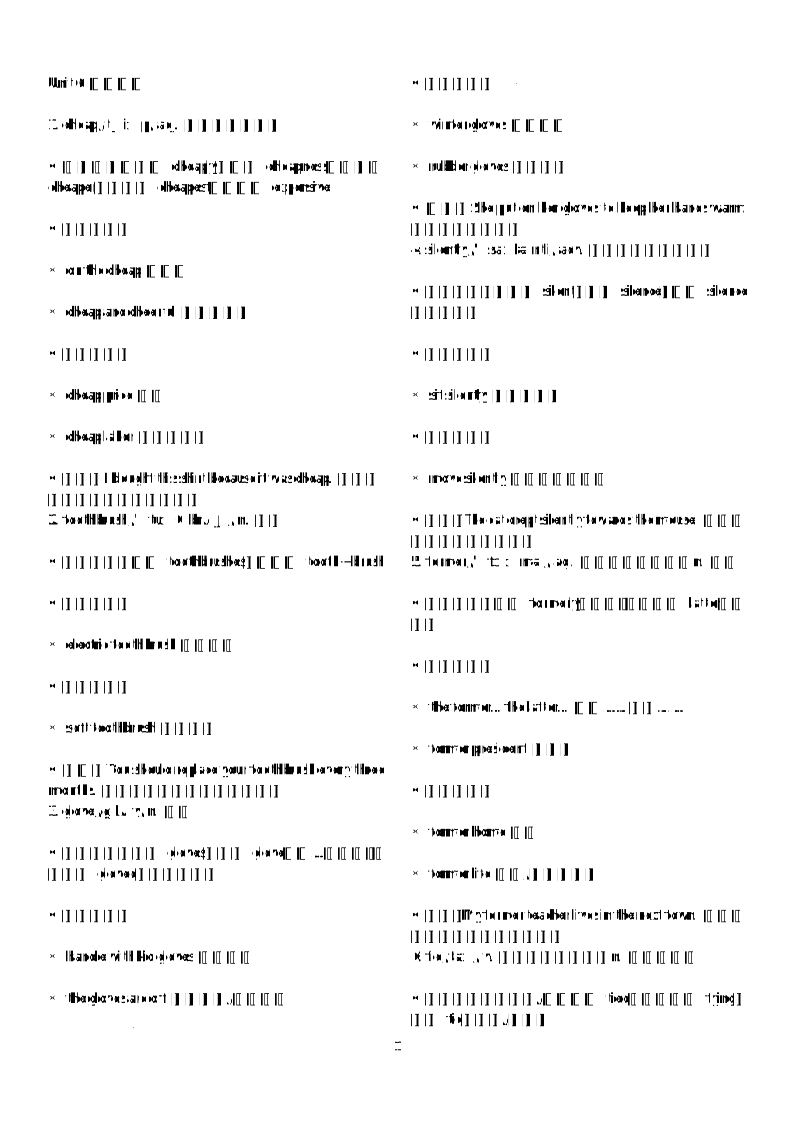
1. cheap /tʃiːp/ adj. 便宜的,廉价的
• 词性变化:副词 cheaply;名词 cheapness;比较级 cheaper,最高级 cheapest;反义词 expensive
• 固定用法:
◦ on the cheap 便宜地
◦ cheap and cheerful 价廉物美的
• 常见搭配:
◦ cheap price 低价
◦ cheap labor 廉价劳动力
• 例句:I bought this shirt because it was cheap. 我买这件衬衫是因为它很便宜。
2. toothbrush /ˈtuːθbrʌʃ/ n. 牙刷
• 词性变化:复数 toothbrushes;合成词 tooth + brush
• 固定用法:
◦ electric toothbrush 电动牙刷
• 常见搭配:
◦ soft toothbrush 软毛牙刷
• 例句:You should replace your toothbrush every three months. 你应该每三个月换一次牙刷。
3. glove /ɡlʌv/ n. 手套
• 词性变化:复数 gloves;动词 glove(给…戴手套);形容词 gloved(戴手套的)
• 固定用法:
◦ handle with kid gloves 小心对待
◦ the gloves are off 开始认真/激烈对抗
• 常见搭配:
◦ winter gloves 冬用手套
◦ rubber gloves 橡胶手套
• 例句:She put on her gloves to keep her hands warm. 她戴上手套保暖。
4. silently /ˈsaɪləntli/ adv. 默不作声地,无声地
• 词性变化:形容词 silent;名词 silence;动词 silence(使安静)
• 固定用法:
◦ sit silently 静静地坐着
• 常见搭配:
◦ move silently 悄无声息地移动
• 例句:The cat crept silently towards the mouse. 猫悄无声息地朝老鼠爬去。
5. former /ˈfɔːmə/ adj. 以前的,从前的;n. 前者
• 词性变化:副词 formerly(以前);反义词 latter(后者)
• 固定用法:
◦ the former... the latter... 前者……后者……
◦ former president 前总统
• 常见搭配:
◦ former home 故居
◦ former life 前世/过去的生活
• 例句:My former teacher lives in the next town. 我以前的老师住在隔壁的镇上。
6. tie /taɪ/ v. 系,扎,拴,捆;n. 领带;平局
• 词性变化:过去式/过去分词 tied;现在分词 tying;名词 tie(领带/平局)
• 固定用法:
◦ tie up 捆紧;占用
◦ tie in with 与…一致/有关联
• 常见搭配:
◦ tie a knot 打结
◦ business tie 商务领带
• 例句:He tied the rope to the tree. 他把绳子系在树上。
7. bin /bɪn/ n. 垃圾箱,垃圾桶(英式)
• 词性变化:复数 bins;动词 bin(丢弃;把…装入箱中)
• 固定用法:
◦ recycling bin 回收箱
• 常见搭配:
◦ waste bin 垃圾桶
◦ kitchen bin 厨房垃圾桶
• 例句:Please put the paper in the recycling bin. 请把纸放进回收箱里。
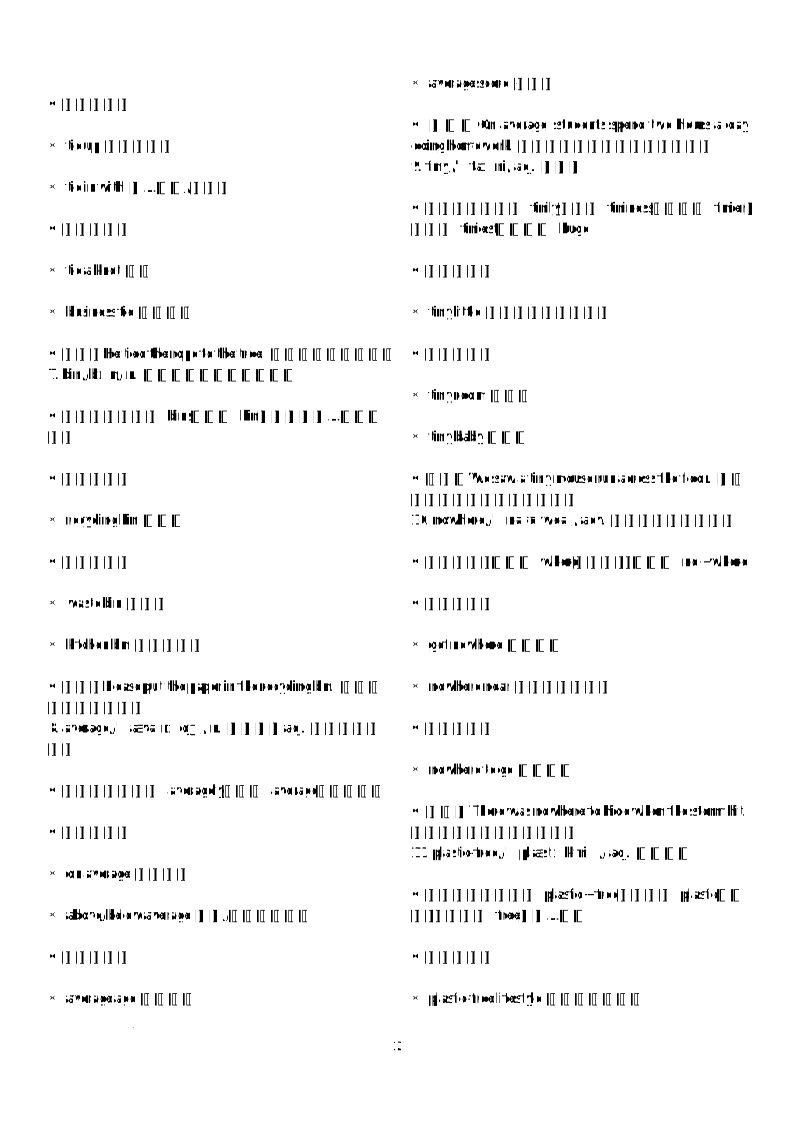
8. average /ˈævərɪdʒ/ n. 平均数;adj. 平均的;普通的
• 词性变化:副词 averagely;动词 average(平均为)
• 固定用法:
◦ on average 平均来看
◦ above/below average 高于/低于平均水平
• 常见搭配:
◦ average age 平均年龄
◦ average score 平均分
• 例句:On average, students spend two hours a day doing homework. 学生平均每天花两小时做作业。
9. tiny /ˈtaɪni/ adj. 极小的
• 词性变化:副词 tinily;名词 tininess;比较级 tinier,最高级 tiniest;反义词 huge
• 固定用法:
◦ tiny little 小小的(口语强调)
• 常见搭配:
◦ tiny room 小房间
◦ tiny baby 小宝宝
• 例句:We saw a tiny mouse run across the floor. 我们看见一只小老鼠跑过地板。
10. nowhere /ˈnəʊweə/ adv. 什么地方都不,无处
• 词性变化:相关词 where(哪里);合成词 no + where
• 固定用法:
◦ get nowhere 毫无进展
◦ nowhere near 远不及,差得远
• 常见搭配:
◦ nowhere to go 无处可去
• 例句:There was nowhere to hide when the storm hit. 暴风雨来临时,无处可躲。
11. plastic-free /ˈplæstɪk friː/ adj. 无塑料的
• 词性变化:合成词 plastic + free;相关词 plastic(塑料);形容词 free(无…的)
• 固定用法:
◦ plastic-free lifestyle 无塑料生活方式
• 常见搭配:
◦ plastic-free products 无塑料产品
◦ plastic-free packaging 无塑料包装
• 例句:The café uses plastic-free cups and straws. 这家咖啡馆使用无塑料的杯子和吸管。
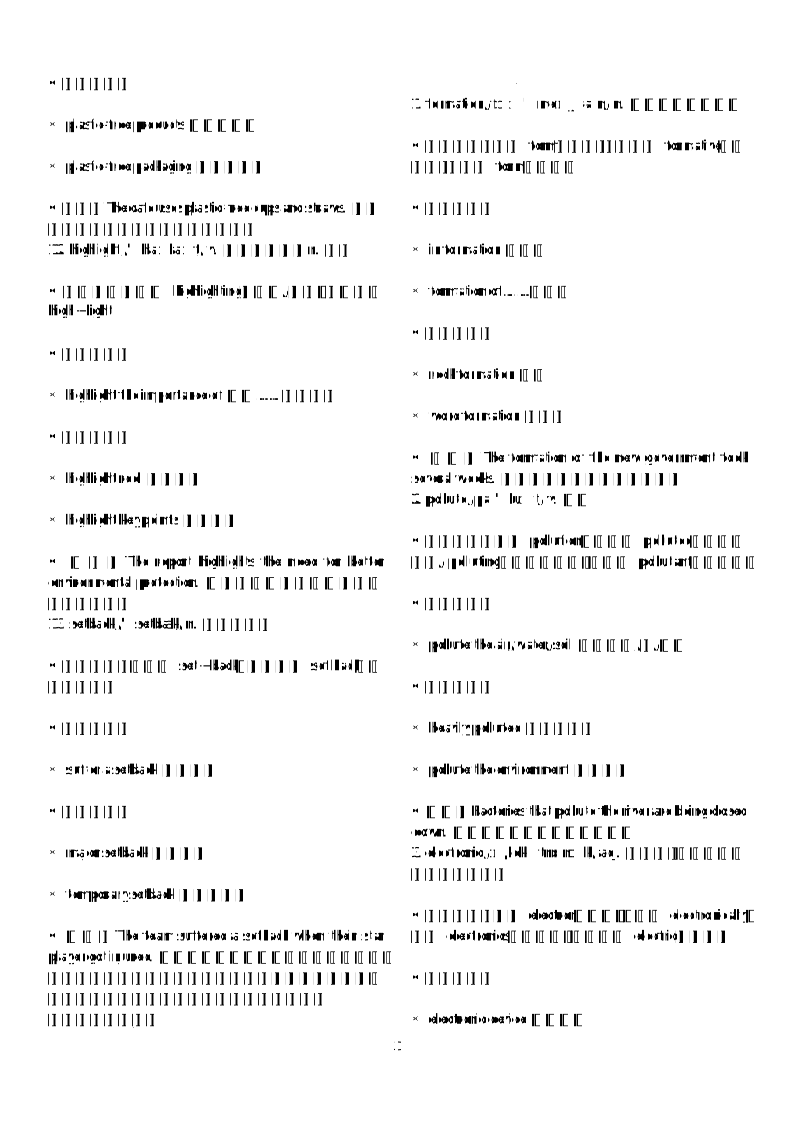
12. highlight /ˈhaɪlaɪt/ v. 突出,强调;n. 亮点
• 词性变化:名词 highlighting(强调/高光);合成词 high + light
• 固定用法:
◦ highlight the importance of 强调……的重要性
• 常见搭配:
◦ highlight reel 精彩集锦
◦ highlight key points 强调重点
• 例句:The report highlights the need for better environmental protection. 这份报告强调了加强环境保护的必要性。
13. setback /ˈsetbæk/ n. 阻碍,挫折
• 词性变化:合成词 set + back;相关短语 set back(推迟;阻碍)
• 固定用法:
◦ suffer a setback 遭受挫折
• 常见搭配:
◦ major setback 重大挫折
◦ temporary setback 暂时的挫折
• 例句:The team suffered a setback when their star player got injured. 当明星球员受伤时,球队遭受了挫折。
我为你整理了这份单词的全面解析,包含词性变化、固定用法、常见搭配和例句,方便你系统学习。
左侧部分词汇解析
1. formation /fɔːˈmeɪʃən/ n. 构成,组成;队形
• 词性变化:动词 form(形成);形容词 formative(形成的);名词 form(形式)
• 固定用法:
◦ in formation 成队形
◦ formation of ……的形成
• 常见搭配:
◦ rock formation 岩层
◦ word formation 构词法
• 例句:The formation of the new government took several weeks. 新政府的组建花了几周时间。
2. pollute /pəˈluːt/ v. 污染
• 词性变化:名词 pollution;形容词 polluted(被污染的)/ polluting(造成污染的);名词 pollutant(污染物)
• 固定用法:
◦ pollute the air/water/soil 污染空气/水/土壤
• 常见搭配:
◦ heavily polluted 严重污染的
◦ pollute the environment 污染环境
• 例句:Factories that pollute the river are being closed down. 污染河流的工厂正在被关闭。
3. electronic /ɪˌlekˈtrɒnɪk/ adj. 电子的,用电子操作的;电子器件的
• 词性变化:名词 electron(电子);副词 electronically;名词 electronics(电子学);形容词 electric(电的)
• 固定用法:
◦ electronic device 电子设备
• 常见搭配:
◦ electronic music 电子音乐
◦ electronic mail (email) 电子邮件
• 例句:Most people use electronic devices like phones and computers every day. 大多数人每天都使用手机和电脑等电子设备。
4. fog /fɒɡ/ n. 雾
• 词性变化:形容词 foggy(有雾的);动词 fog(起雾;使模糊);副词 foggily
• 固定用法:
◦ in a fog 困惑,迷茫
• 常见搭配:
◦ thick fog 浓雾
◦ fog lamp 雾灯
• 例句:The airport was closed due to heavy fog. 机场因大雾而关闭。
5. industry /ˈɪndəstri/ n. 工业,制造业;行业
• 词性变化:形容词 industrial(工业的);副词 industrially;动词 industrialize(工业化);名词 industrialist(实业家)
• 固定用法:
◦ heavy industry 重工业
• 常见搭配:
◦ the tourism industry 旅游业
◦ the film industry 电影业
• 例句:The country's main industry is agriculture. 这个国家的主要产业是农业。
6. capital /ˈkæpɪtl/ n. 首都;资本;adj. 重要的;大写的
• 词性变化:形容词 capitalized(资本化的;大写的);动词 capitalize(资本化;大写)
• 固定用法:
◦ capital city 首都
◦ capital letter 大写字母
• 常见搭配:
◦ foreign capital 外资
◦ capital punishment 死刑
• 例句:Beijing is the capital of China. 北京是中国的首都。
7. coal /kəʊl/ n. 煤
• 词性变化:形容词 coaly(含煤的);名词 coalfield(煤田)
• 固定用法:
◦ carry coals to Newcastle 多此一举
• 常见搭配:
◦ coal mine 煤矿
◦ coal power plant 火力发电厂
• 例句:Coal is still an important source of energy in many countries. 煤在许多国家仍是重要的能源。
8. worst /wɜːst/ adj. 最坏的;最差的(bad的最高级)
• 词性变化:副词 worst;名词 worst(最坏的情况);反义词 best;比较级 worse
• 固定用法:
◦ at worst 往最坏的情况看
◦ worst of all 最糟糕的是
• 常见搭配:
◦ the worst-case scenario 最坏的情况
◦ worst enemy 死敌
• 例句:That was the worst day of my life. 那是我一生中最糟糕的一天。
9. location /ləʊˈkeɪʃən/ n. 地点,位置
• 词性变化:动词 locate(定位;位于);形容词 located(位于…的);名词 locator(定位器)
• 固定用法:
◦ on location 外景拍摄
• 常见搭配:
◦ perfect location 绝佳位置
◦ remote location 偏远地区
• 例句:The hotel is in a quiet location near the beach. 这家酒店位于海滩附近一个安静的地方。
10. negative /ˈneɡətɪv/ adj. 有害的;不良的;否定的;消极的
• 词性变化:副词 negatively;名词 negativity(消极性);反义词 positive
• 固定用法:
◦ negative effect 负面影响
◦ negative attitude 消极态度
• 常见搭配:
◦ negative influence 不良影响
◦ negative feedback 负面反馈
• 例句:Smoking has a negative effect on your health. 吸烟对你的健康有不良影响。
11. furthermore /ˌfɜːðəˈmɔː/ adv. 此外;而且;不仅如此
• 词性变化:同义词 besides, moreover, in addition
• 固定用法:
◦ 用于句首,表递进关系
• 例句:The house is too small, and furthermore, it is too expensive. 这房子太小了,而且太贵了。
右侧部分词汇解析
1. recycle /ˌriːˈsaɪkl/ v. 再利用,回收利用
• 词性变化:名词 recycling(回收利用);形容词 recyclable(可回收的);名词 recycler(回收者)
• 固定用法:
◦ recycle waste paper/plastic/glass 回收废纸/塑料/玻璃
• 常见搭配:
◦ recycle bin 回收箱
◦ recycle old things 回收旧物
• 例句:We should recycle bottles and cans to help protect the environment. 我们应该回收瓶子和罐子来保护环境。
2. upcycle /ˈʌpˌsaɪkl/ v. 升级改造;升级回收
• 词性变化:名词 upcycling;合成词 up + cycle;区别于 recycle(回收再利用)
• 固定用法:
◦ upcycle old clothes 改造旧衣服
• 常见搭配:
◦ upcycled furniture 改造家具
• 例句:She loves to upcycle old jars into decorative vases. 她喜欢把旧罐子改造成装饰花瓶。
3. loudly /ˈlaʊdli/ adv. 响亮地,大声地
• 词性变化:形容词 loud;名词 loudness;副词 aloud(出声地)
• 固定用法:
◦ talk/speak loudly 大声说话
• 常见搭配:
◦ laugh loudly 大声笑
◦ play music loudly 大声放音乐
• 例句:Please don't talk loudly in the library. 请不要在图书馆里大声说话。
4. village /ˈvɪlɪdʒ/ n. 乡村,村庄
• 词性变化:形容词 village(乡村的);名词 villager(村民)
• 固定用法:
◦ global village 地球村
• 常见搭配:
◦ small village 小村庄
◦ mountain village 山村
• 例句:He was born in a small village in the countryside. 他出生在乡下的一个小村庄里。
5. noisy /ˈnɔɪzi/ adj. 喧闹的;吵闹的
• 词性变化:副词 noisily;名词 noise;比较级 noisier,最高级 noisiest;反义词 quiet
• 固定用法:
◦ noisy place 吵闹的地方
• 常见搭配:
◦ noisy children 吵闹的孩子
◦ noisy street 喧闹的街道
• 例句:The classroom was very noisy before the teacher came in. 老师进来之前,教室里非常吵闹。
6. reporter /rɪˈpɔːtə/ n. 记者
• 词性变化:动词 report;名词 report(报告);形容词 reportorial(记者的)
• 固定用法:
◦ news reporter 新闻记者
• 常见搭配:
◦ TV reporter 电视记者
◦ sports reporter 体育记者
• 例句:The reporter interviewed the winner of the competition. 记者采访了比赛的获胜者。
7. depth /depθ/ n. 深,深度
• 词性变化:形容词 deep;副词 deeply;动词 deepen(加深);名词 deep(深处)
• 固定用法:
◦ in depth 深入地
◦ out of one's depth 超出某人的理解能力
• 常见搭配:
◦ water depth 水深
◦ emotional depth 情感深度
• 例句:The lake reaches a depth of 100 meters in some places. 这个湖有些地方水深达100米。
8. weight /weɪt/ n. 重物;重量
• 词性变化:动词 weigh(称重);形容词 weightless(失重的)/ weighted(加重的);副词 weightlessly
• 固定用法:
◦ lose/gain weight 减/增肥
◦ carry weight 有分量,有影响力
• 常见搭配:
◦ body weight 体重
◦ weight training 力量训练
• 例句:The weight of the box made it hard to carry. 箱子太重了,很难搬运。
9. businessman /ˈbɪznəsmən/ n. 商人;企业家
• 词性变化:复数 businessmen;名词 business(商业);形容词 business(商业的);名词 businesswoman(女商人)
• 固定用法:
◦ successful businessman 成功的商人
• 常见搭配:
◦ wealthy businessman 富商
◦ honest businessman 诚实的商人
• 例句:He is a successful businessman who runs several companies. 他是一位经营多家公司的成功商人。
10. truck /trʌk/ n. 货车,卡车
• 词性变化:动词 truck(用卡车运输);形容词 trucking(货运的)
• 固定用法:
◦ have no truck with 不与…打交道
• 常见搭配:
◦ pickup truck 皮卡车
◦ garbage truck 垃圾车
• 例句:The truck is carrying goods to the supermarket. 卡车正在给超市送货。
11. industrial /ɪnˈdʌstriəl/ adj. 工业的
• 词性变化:名词 industry;副词 industrially;动词 industrialize(工业化);名词 industrialization(工业化)
• 固定用法:
◦ industrial revolution 工业革命
• 常见搭配:
◦ industrial pollution 工业污染
◦ industrial area 工业区
• 例句:The city is known for its industrial development. 这座城市以其工业发展而闻名。
12. litter /ˈlɪtə/ n. 垃圾,废弃物;v. 乱扔垃圾
• 词性变化:形容词 littered(散落的);副词 litterily(杂乱地)
• 固定用法:
◦ litter bin 垃圾桶
◦ litter with 乱扔着…
• 常见搭配:
◦ drop litter 乱扔垃圾
◦ litter on the ground 地上的垃圾
• 例句:Please don't litter. 请不要乱扔垃圾。
13. peace /piːs/ n. 和平;平静,安宁
• 词性变化:形容词 peaceful;副词 peacefully;动词 pacify(安抚);名词 pacifism(和平主义)
• 固定用法:
◦ at peace 处于和平状态;安详地
◦ make peace with 与…和解
• 常见搭配:
◦ world peace 世界和平
◦ peace and quiet 宁静
• 例句:The two countries have lived in peace for many years. 这两个国家已经和平相处多年了。
14. business /ˈbɪznəs/ n. 商业;生意;事务
• 词性变化:形容词 business(商业的);副词 businesslike(有条理地);名词 businessman/businesswoman(商人)
• 固定用法:
◦ mind your own business 别多管闲事
◦ get down to business 言归正传
• 常见搭配:
◦ start a business 创业
◦ business trip 商务旅行
• 例句:My father runs his own business. 我父亲经营着自己的生意。
1
学科网(北京)股份有限公司
$
资源预览图
1
2
3
相关资源
由于学科网是一个信息分享及获取的平台,不确保部分用户上传资料的 来源及知识产权归属。如您发现相关资料侵犯您的合法权益,请联系学科网,我们核实后将及时进行处理。