Unit 6 重点单词、短语及重点句子清单 2025-2026学年外研版七年级英语下册
2026-05-21
|
3页
|
325人阅读
|
4人下载
普通
资源信息
| 学段 | 初中 |
|---|---|
| 学科 | 英语 |
| 教材版本 | 初中英语外研版七年级下册 |
| 年级 | 七年级 |
| 章节 | Unit 6 Hitting the road |
| 类型 | 学案-知识清单 |
| 知识点 | - |
| 使用场景 | 同步教学-单元练习 |
| 学年 | 2026-2027 |
| 地区(省份) | 全国 |
| 地区(市) | - |
| 地区(区县) | - |
| 文件格式 | DOCX |
| 文件大小 | 34 KB |
| 发布时间 | 2026-05-21 |
| 更新时间 | 2026-05-21 |
| 作者 | 健康的小橙子 |
| 品牌系列 | - |
| 审核时间 | 2026-05-21 |
| 下载链接 | https://m.zxxk.com/soft/57973606.html |
| 价格 | 0.50储值(1储值=1元) |
| 来源 | 学科网 |
摘要:
该初中英语单元知识清单系统梳理了外研版七年级下册Unit 6“踏上旅途”主题内容,涵盖44个核心单词、39个关键短语及15个重点句子,构建了从词汇积累到句型运用再到语法深化的递进式学习支架。
清单通过分类呈现与考点关联构建知识体系,如将形容词副词比较等级设为核心语法,结合“as fun as”“not as comfortable as”等例句解析,培养学生语言能力与思维品质。特别设计易混词对比(如trip/journey/travel辨析)和句型应用提示(如“look forward to doing”介词搭配),不同学生可高效掌握要点,教师可直接用于课堂讲解或复习检测,提升教学针对性。
内容正文:
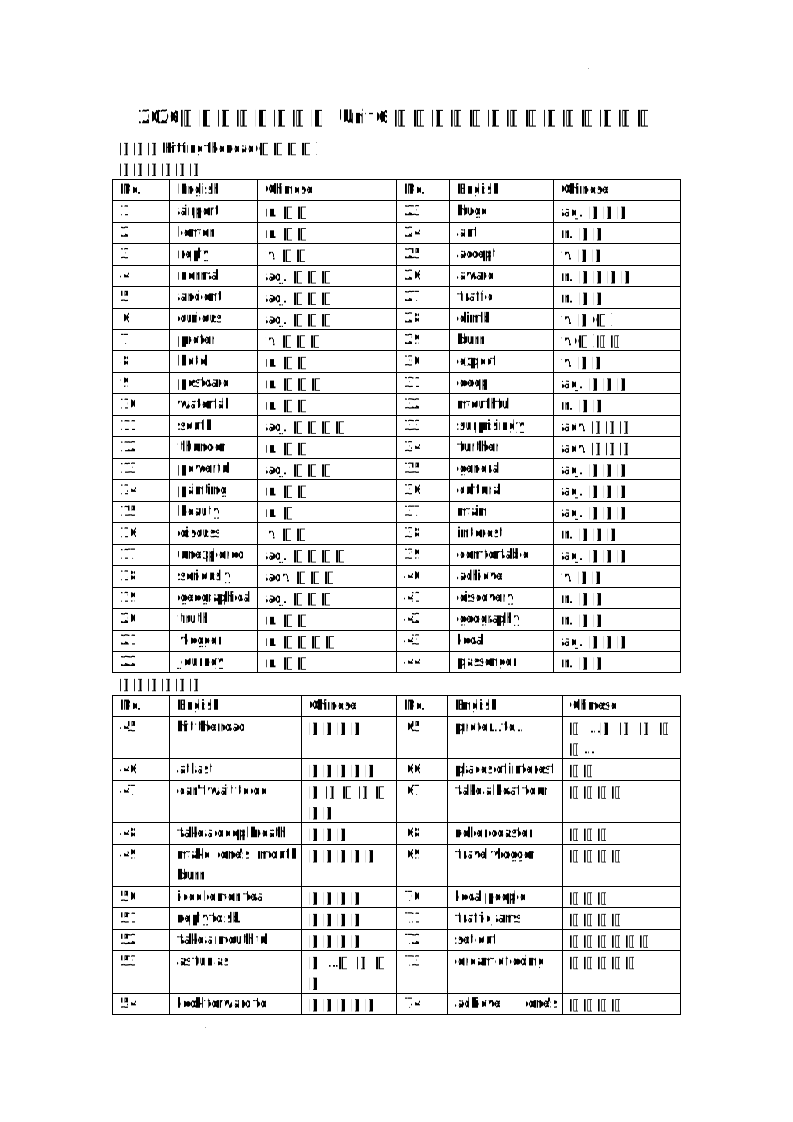
2026外研版七年级下册 Unit 6 重点单词、短语及重点句子清单
主题:Hitting the road (踏上旅途)
一、单词部分
No.
English
Chinese
No.
English
Chinese
1
airport
n. 机场
23
huge
adj. 巨大的
2
lemon
n. 柠檬
24
ant
n. 蚂蚁
3
reply
v. 回答
25
accept
v. 接受
4
normal
adj. 正常的
26
award
n. 奖,奖品
5
ancient
adj. 古代的
27
traffic
n. 交通
6
curious
adj. 好奇的
28
climb
v. 爬(山)
7
prefer
v. 更喜欢
29
burn
v. (使)灼痛
8
hotel
n. 宾馆
30
expect
v. 预料
9
postcard
n. 明信片
31
deep
adj. 深深的
10
waterfall
n. 瀑布
32
mouthful
n. 一口
11
south
adj. 在南方的
33
surprisingly
adv. 惊人地
12
thunder
n. 雷声
34
further
adv. 更远地
13
powerful
adj. 猛烈的
35
general
adj. 大体的
14
painting
n. 绘画
36
cultural
adj. 文化的
15
beauty
n. 美
37
main
adj. 主要的
16
discuss
v. 讨论
38
interest
n. 吸引力
17
unexplored
adj. 未探索的
39
comfortable
adj. 舒适的
18
seriously
adv. 严重地
40
achieve
v. 实现
19
geographical
adj. 地理的
41
discovery
n. 发现
20
truth
n. 事实
42
geography
n. 地理
21
vlogger
n. 视频博主
43
local
adj. 当地的
22
journey
n. 旅程
44
passenger
n. 乘客
2、 短语部分
No.
English
Chinese
No.
English
Chinese
45
hit the road
踏上旅途
65
prefer...to...
与...相比更喜欢...
46
at last
最后,终于
66
places of interest
名胜
47
can't wait to do
迫不及待做某事
67
take a boat tour
乘船游览
48
take a deep breath
深呼吸
68
roller coaster
过山车
49
make one's mouth burn
辣得嘴巴痛
69
travel vlogger
旅行博主
50
iced lemon tea
冰柠檬茶
70
local people
当地人
51
reply to sb.
回复某人
71
traffic jams
交通堵塞
52
take a mouthful
吃一小口
72
set out
动身踏上旅途
53
as fun as
和...一样有趣
73
dream of doing
梦想做某事
54
look forward to
期待,盼望
74
achieve one's dream
实现梦想
55
in general
总的来说
75
geographical discovery
地理发现
56
be curious about
对...好奇
76
find out the truth
找出真相
57
when in Rome
入乡随俗
77
no regrets
不后悔
58
from an early age
从小
78
thanks to
多亏了
59
make a travel plan
制定旅行计划
79
walk through
走过
60
agree with sb.
同意某人
80
set in
以...为背景
61
arrive in/at
到达
81
accept an award
领奖
62
make a travel vlog
制作旅行视频
82
talk to/with
和...交谈
63
help sb. do sth.
帮助某人做某事
83
learn about
了解
64
the rest of
剩余的...
84
in the form of
以...的形式
三、重点句子部分
No.
English
Chinese
85
I just couldn't wait to try Sichuan hot pot!
我迫不及待地想要试一试四川火锅!
86
But the first taste made my mouth burn!
但是第一口尝起来让我的嘴火辣辣的!
87
When in China, do as the Chinese do!
在中国,就入乡随俗吧!
88
Surprisingly, I started to enjoy the taste.
令人意外的是,我开始喜欢这个味道了。
89
Cooking hot pot was just as fun as eating it!
煮火锅和吃火锅一样有趣!
90
I'm really looking forward to the rest of my trip!
我真的很期待接下来的旅程!
91
The running water sounds as powerful as thunder.
流水声听起来像雷声一样猛烈。
92
The hotel room is not as comfortable as my home.
酒店房间不如我自己家舒适。
93
Jack is a famous travel vlogger.
杰克是一位著名的旅行博主。
94
He likes talking to local people to learn about their lives.
他喜欢和当地人聊天来了解他们的生活。
95
Xu Xiake is the greatest traveller in Chinese history.
徐霞客是中国历史上最伟大的旅行家。
96
From an early age, he dreamed of visiting China's seas and mountains.
自年少时起,他就梦想着访遍中国的山海。
97
At 22, he set out on his life's journey.
22岁时,他开始了自己一生的旅程。
98
To find out the truth, Xu climbed both peaks.
为了找出真相,徐霞客攀登了两座山峰。
99
Thanks to his diary, we can learn about China 400 years ago.
多亏了他的日记,我们可以了解到约400年前的中国。
核心考点解析(备考必看)
1. 语法核心:形容词和副词的比较等级 (Comparatives and Superlatives)
本单元在描述旅行见闻和对比不同事物时,大量使用了比较级和最高级。
同级比较 (as...as...):表示“和……一样……”。
例:Cooking hot pot was as fun as eating it. (煮火锅和吃火锅一样有趣。)
否定形式:not as/so...as... (不如……)。例:The hotel is not as comfortable as my home.
比较级 (Comparative Degree):表示两者之间的比较,常用 than。
规则变化:一般加 -er (hotter);多音节词前加 more (more beautiful)。
例:The hot pot was much hotter than I expected. (火锅比我预想的辣得多。)
最高级 (Superlative Degree):表示三者或三者以上的比较。
规则变化:一般加 -est (hottest);多音节词前加 the most (the most beautiful)。
例:Xu Xiake is the greatest traveller in Chinese history. (徐霞客是中国历史上最伟大的旅行家。)
2. 重点句型结构
look forward to doing sth.
意为“期待做某事”,注意 to 是介词,后面接动词的 -ing 形式。
例:I'm really looking forward to visiting the museum. (我真的很期待参观博物馆。)
prefer A to B
意为“与B相比更喜欢A”。
例:I prefer travelling by train to travelling by plane. (与坐飞机相比,我更喜欢坐火车旅行。)
can't wait to do sth.
意为“迫不及待做某事”。
例:I can't wait to try Sichuan hot pot! (我迫不及待想尝尝四川火锅!)
set out
意为“动身,出发”,常与 on 连用。
例:He set out on his life's journey at 22. (他22岁时踏上了人生旅程。)
3. 易混淆词辨析
trip vs. journey vs. travel
trip: 短途旅行,常指因公或因私外出,最后返回。例:a business trip (出差)。
journey: 长途旅行,侧重指从一地到另一地的陆路行程,强调过程。例:a long train journey (漫长的火车旅程)。
travel: 泛指“旅行”这一行为或活动,通常作不可数名词。例:Travel broadens the mind. (旅行开阔眼界。)
arrive in vs. arrive at
arrive in: 到达大地点(城市、国家等)。例:arrive in Beijing (到达北京)。
arrive at: 到达小地点(机场、车站、旅馆等)。例:arrive at the airport (到达机场)。
hear vs. listen
hear: 听见,强调结果。例:I heard a strange sound. (我听见一个奇怪的声音。)
listen: 听,强调动作。例:Listen to the teacher carefully. (认真听老师讲。)
学科网(北京)股份有限公司
$
资源预览图
1
相关资源
由于学科网是一个信息分享及获取的平台,不确保部分用户上传资料的 来源及知识产权归属。如您发现相关资料侵犯您的合法权益,请联系学科网,我们核实后将及时进行处理。