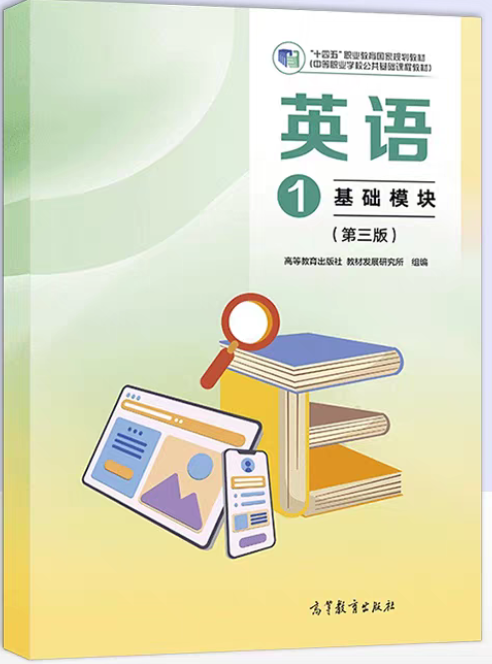
7.2 The Smartphone and the Internet(Reading and Writing (1))-《英语 基础模块1》(高教版第三版)《一课一练》(原卷版+解析版)
2026-05-18
|
2份
|
11页
|
68人阅读
|
0人下载
摘要:
**基本信息**
中职英语《基础模块1》Unit 7同步练,通过“课前预习-课堂检测”分层设计,实现从词汇记忆到语篇理解的知识巩固,适配课前课中教学环节,提升语言能力与学习能力。
**分层设计**
|层次|知识覆盖|设计特色|
|----|----------|----------|
|课前预习|核心词汇记忆(16词/短语)|汉译形式夯实基础词汇,助力课前自主学习|
|课堂检测-词汇单选|词汇语境应用(10题)|单选辨析近义词汇(如affect/effect),强化词汇应用能力|
|课堂检测-阅读理解|语篇信息提取(5题)|短文结合智能手机使用情境,考查细节理解与推理,提升语篇理解能力|
内容正文:
编写说明:基于中职学生英语知识不牢固、学习内驱力不够的学情特点,为了更好地提高学生的学习效率,辅助教师们抓好课前、课中、课后三个教学环节,本专辑深度解读最新的《中等职业学校英语课程标准》,匠心打造了契合河北职教高考命题特色的【河北专用】《英语 基础模块1》(高教版第三版)《一课一练》专辑,专辑共40练。
本卷为《英语 基础模块1》(高教版第三版)Unit 7 The Smartphone and the Internet(Reading and Writing (1))的课前预习和课堂检测。
《英语 基础模块1》(高教版第三版)
Unit 7 The Smartphone and the Internet
一课一练(2) Reading and Writing (1)
【课前预习】
一、核心词汇检测
1. affect v. 影响
2. alarm n. 闹铃;警报
3. alone adv.&adj. 独自
4. battery n. 电池
5. chat v.&n. 聊天
6. focus v. 集中
7. focus on 短语 专注于
8. log in to 短语 登录进入
9. network n. 网络
10. smartphone n. 智能手机
11. especially adv. 尤其是
12. excellent adj. 优秀的
13. include v. 包含
14. overcome v. 克服
15. imagine v. 想象
16. offer v. 提供
【课堂检测】
一、词汇单选
1. Too much screen time may ______ your eyes.
A. effect
B. affect
C. effort
D. afford
【答案】B
【解析】affect是动词表示影响。
2. I set an ______ to wake me up at six.
A. alert
B. alarm
C. clock
D. bell
【答案】B
【解析】alarm表示闹铃。
3. She lives alone but often ______ with her family online.
A. changes
B. chats
C. chooses
D. checks
【答案】B
【解析】chats with her family和家人在线聊天。
4. My phone ______ is low. I need to charge it.
A. power
B. energy
C. battery
D. electricity
【答案】C
【解析】battery表示电池电量。
5. Please ______ on your lesson and don't play games.
A. fix
B. focus
C. follow
D. find
【答案】B
【解析】focus on表示专注于。
6. Students need to ______ the school website with their accounts.
A. look at
B. log out
C. look for
D. log in to
【答案】D
【解析】log in to表示登录。
7. The Wi-Fi ______ in our school is very fast.
A. web
B. work
C. network
D. wire
【答案】C
【解析】Wi-Fi network表示无线网络。
8. We should use the Internet ______.
A. lovely
B. friendly
C. wisely
D. lively
【答案】C
【解析】wisely表示明智地。
9. You can ______ information online with your phone.
A. find out
B. search
C. look
D. search for
【答案】D
【解析】search for information表示搜索信息。
10. Online games can be ______ if you play too much.
A. helpful
B. harmless
C. harmful
D. useful
【答案】C
【解析】harmful表示有害的。
二、阅读理解
Smartphones have become an important part of our daily lives. According to a recent survey, the average Chinese person spends more than four hours a day on their smartphone. This shows how deeply these devices have changed the way we live, work and communicate.
The most common use of smartphones is communication. With apps like WeChat and QQ, people can send text messages, make voice and video calls, and share photos instantly. These apps have made long-distance communication much easier and cheaper. A grandmother can video call her grandson who is studying in another city and see his smile in real time. This was impossible just twenty years ago.
Another important use is entertainment. People watch short videos on Douyin, play mobile games and listen to music on their phones during their free time. Many young people spend hours every day watching videos made by their favorite content creators. Some of these creators have millions of followers and can earn a good living from their work.
Smartphones are also useful tools for learning. Students can use dictionary apps to look up new words, watch educational videos on Bilibili, and take online courses. There are apps that help you learn English, practice math or even learn how to cook. However, there is also a dark side. Spending too much time on smartphones can harm your eyesight and affect your sleep. Some students become addicted to games and neglect their studies. The key is to find a balance between the benefits and the risks.
1.How much time does the average Chinese person spend on smartphone per day?
A. One hour
B. Two hours
C. More than four hours
D. Six hours
2.What apps are mentioned as common communication tools?
A. WeChat and QQ
B. Taobao and JD
C. Douyin and Bilibili
D. Alipay and WeChat Pay
3.What can students use smartphones for according to the passage?
A. Playing games only
B. Watching videos and taking online courses
C. Shopping and cooking
D. Making phone calls only
4.What is the dark side of using smartphones mentioned?
A. They are expensive
B. They harm eyesight and affect sleep
C. They break easily
D. They have poor battery life
5.What does the writer suggest at the end?
A. Stop using smartphones
B. Find a balance between benefits and risks
C. Only use phones for study
D. Buy the latest phones
【答案】1.C 2.A 3.B 4.B 5.B
【解析】
1.由"the average Chinese person spends more than four hours a day on their smartphone"可知超过四小时,选C。
2.由"With apps like WeChat and QQ"可知微信和QQ是常见通讯工具,选A。
3.由"watch educational videos on Bilibili, and take online courses"可知学生用手机看教育视频和上网课,选B。
4.由"Spending too much time on smartphones can harm your eyesight and affect your sleep"可知伤害视力和影响睡眠,选B。
5.由"The key is to find a balance between the benefits and the risks"可知关键在平衡利弊,选B。
原创精品资源学科网独家享有版权,侵权必究!
学科网(北京)股份有限公司
学科网(北京)股份有限公司
$
编写说明:基于中职学生英语知识不牢固、学习内驱力不够的学情特点,为了更好地提高学生的学习效率,辅助教师们抓好课前、课中、课后三个教学环节,本专辑深度解读最新的《中等职业学校英语课程标准》,匠心打造了契合河北职教高考命题特色的【河北专用】《英语 基础模块1》(高教版第三版)《一课一练》专辑,专辑共40练。
本卷为《英语 基础模块1》(高教版第三版)Unit 7 The Smartphone and the Internet(Reading and Writing (1))的课前预习和课堂检测。
《英语 基础模块1》(高教版第三版)
Unit 7 The Smartphone and the Internet
一课一练(2) Reading and Writing (1)
【课前预习】
一、核心词汇检测
1. affect v. ________
2. alarm n. ________
3. alone adv.&adj. ________
4. battery n. ________
5. chat v.&n. ________
6. focus v. ________
7. focus on 短语 ________
8. log in to 短语 ________
9. network n. ________
10. smartphone n. ________
11. especially adv. ________
12. excellent adj. ________
13. include v. ________
14. overcome v. ________
15. imagine v. ________
16. offer v. ________
【课堂检测】
一、词汇单选
1. Too much screen time may ______ your eyes.
A. effect
B. affect
C. effort
D. afford
2. I set an ______ to wake me up at six.
A. alert
B. alarm
C. clock
D. bell
3. She lives alone but often ______ with her family online.
A. changes
B. chats
C. chooses
D. checks
4. My phone ______ is low. I need to charge it.
A. power
B. energy
C. battery
D. electricity
5. Please ______ on your lesson and don't play games.
A. fix
B. focus
C. follow
D. find
6. Students need to ______ the school website with their accounts.
A. look at
B. log out
C. look for
D. log in to
7. The Wi-Fi ______ in our school is very fast.
A. web
B. work
C. network
D. wire
8. We should use the Internet ______.
A. lovely
B. friendly
C. wisely
D. lively
9. You can ______ information online with your phone.
A. find out
B. search
C. look
D. search for
10. Online games can be ______ if you play too much.
A. helpful
B. harmless
C. harmful
D. useful
二、阅读理解
Smartphones have become an important part of our daily lives. According to a recent survey, the average Chinese person spends more than four hours a day on their smartphone. This shows how deeply these devices have changed the way we live, work and communicate.
The most common use of smartphones is communication. With apps like WeChat and QQ, people can send text messages, make voice and video calls, and share photos instantly. These apps have made long-distance communication much easier and cheaper. A grandmother can video call her grandson who is studying in another city and see his smile in real time. This was impossible just twenty years ago.
Another important use is entertainment. People watch short videos on Douyin, play mobile games and listen to music on their phones during their free time. Many young people spend hours every day watching videos made by their favorite content creators. Some of these creators have millions of followers and can earn a good living from their work.
Smartphones are also useful tools for learning. Students can use dictionary apps to look up new words, watch educational videos on Bilibili, and take online courses. There are apps that help you learn English, practice math or even learn how to cook. However, there is also a dark side. Spending too much time on smartphones can harm your eyesight and affect your sleep. Some students become addicted to games and neglect their studies. The key is to find a balance between the benefits and the risks.
1.How much time does the average Chinese person spend on smartphone per day?
A. One hour
B. Two hours
C. More than four hours
D. Six hours
2.What apps are mentioned as common communication tools?
A. WeChat and QQ
B. Taobao and JD
C. Douyin and Bilibili
D. Alipay and WeChat Pay
3.What can students use smartphones for according to the passage?
A. Playing games only
B. Watching videos and taking online courses
C. Shopping and cooking
D. Making phone calls only
4.What is the dark side of using smartphones mentioned?
A. They are expensive
B. They harm eyesight and affect sleep
C. They break easily
D. They have poor battery life
5.What does the writer suggest at the end?
A. Stop using smartphones
B. Find a balance between benefits and risks
C. Only use phones for study
D. Buy the latest phones
原创精品资源学科网独家享有版权,侵权必究!
学科网(北京)股份有限公司
学科网(北京)股份有限公司
$
资源预览图

1

2
由于学科网是一个信息分享及获取的平台,不确保部分用户上传资料的 来源及知识产权归属。如您发现相关资料侵犯您的合法权益,请联系学科网,我们核实后将及时进行处理。