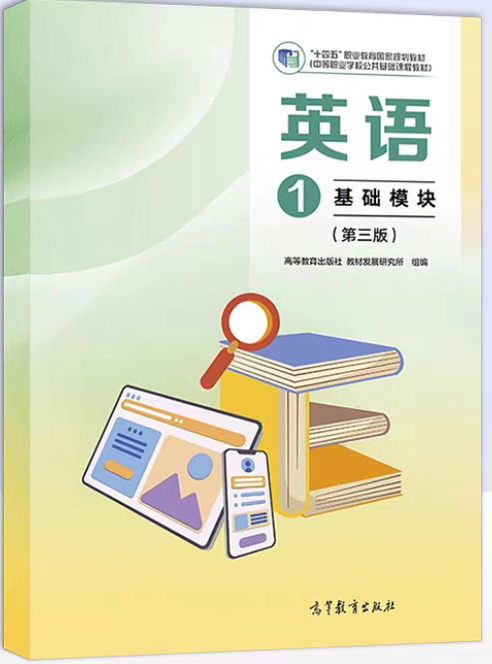
6.2 Food and Drinks(Reading and Writing (1))-《英语 基础模块1》(高教版第三版)《一课一练》(原卷版+解析版)
2026-05-18
|
2份
|
11页
|
55人阅读
|
0人下载
摘要:
**基本信息**
中职英语《基础模块1》Unit 6同步练,通过课前预习-课堂检测分层设计,构建“词汇识记→应用辨析→语篇理解”的知识巩固路径,提升语言能力与学习能力。
**分层设计**
|层次|知识覆盖|设计特色|
|----|----------|----------|
|课前预习|16个核心词汇(如cuisine、flavor等)|纯词汇识记,夯实基础,培养自主预习习惯|
|课堂检测|词汇应用(10题单选)、语篇理解(5题阅读)|单选考查词汇辨析与语境应用,阅读聚焦中国饮食文化,渗透文化意识,衔接职教高考命题特色|
内容正文:
编写说明:基于中职学生英语知识不牢固、学习内驱力不够的学情特点,为了更好地提高学生的学习效率,辅助教师们抓好课前、课中、课后三个教学环节,本专辑深度解读最新的《中等职业学校英语课程标准》,匠心打造了契合河北职教高考命题特色的【河北专用】《英语 基础模块1》(高教版第三版)《一课一练》专辑,专辑共40练。
本卷为《英语 基础模块1》(高教版第三版)Unit 6 Food and Drinks(Reading and Writing (1))的课前预习和课堂检测。
《英语 基础模块1》(高教版第三版)
Unit 6 Food and Drinks
一课一练(2) Reading and Writing (1)
【课前预习】
一、核心词汇检测
1. apart from 短语 除了
2. bitter adj. 苦的
3. cozy adj. 温暖舒适的
4. cuisine n. 菜肴
5. customer n. 顾客
6. dessert n. 甜点
7. dining n. 用餐
8. eat out 短语 外出就餐
9. flavor n. 味道;口味
10. fresh adj. 新鲜的
11. fried adj. 油炸的;炒的
12. hunger n. 饥饿
13. ingredient n. 食材;成分
14. material n. 材质;材料
15. instead adv. 代替;反而
16. look for 短语 寻找
【课堂检测】
一、词汇单选
1. We ordered some dumplings ______ noodles.
A. ahead of
B. instead of
C. apart from
D. because of
【答案】C
【解析】apart from表示除了……还。
2. This medicine tastes bitter, so the boy ______ it.
A. hates
B. likes
C. loves
D. enjoys
【答案】A
【解析】苦的药孩子不会喜欢,hates符合语境。
3. The small restaurant is warm and ______.
A. noisy
B. cold
C. cozy
D. crowded
【答案】C
【解析】warm and cozy是常见搭配,表示温暖舒适。
4. Sichuan ______ is famous for its spicy flavor.
A. cook
B. cooking
C. kitchen
D. cuisine
【答案】D
【解析】Sichuan cuisine表示川菜。
5. The waiter smiled and welcomed every ______.
A. passenger
B. guest
C. visitor
D. customer
【答案】D
【解析】在餐厅里waiter服务的对象是customer。
6. After dinner, we shared a sweet ______.
A. district
B. desert
C. dessert
D. discussion
【答案】C
【解析】sweet dessert表示甜点。
7. My family likes to ______ on weekends.
A. eat in
B. eat up
C. eat out
D. eat away
【答案】C
【解析】eat out表示外出就餐。
8. The soup has a rich ______ of chicken.
A. flour
B. flower
C. floor
D. flavor
【答案】D
【解析】rich flavor表示浓郁的味道。
9. We bought some ______ vegetables from the market.
A. green
B. new
C. young
D. fresh
【答案】D
【解析】fresh vegetables表示新鲜蔬菜。
10. He has ______ tea to drink every morning.
A. the habit of
B. a habit
C. a habit of
D. habit
【答案】C
【解析】have a habit of doing sth表示有做某事的习惯。
二、阅读理解
Chinese food is famous around the world for its rich variety and wonderful taste. Different regions in China have developed their own unique cooking styles and specialties. The four most well-known styles are Sichuan, Cantonese, Shandong and Huaiyang cuisine.
Sichuan food is known for its spicy and hot flavor. The most important ingredient in Sichuan cooking is the Sichuan peppercorn, which produces a special numbing sensation on the tongue. Popular Sichuan dishes include Mapo Tofu and Kung Pao Chicken. Many people from other parts of China find Sichuan food too spicy, but for Sichuan locals, it is simply the taste of home.
Cantonese food, which comes from Guangdong province, is lighter and fresher. The cooking methods focus on bringing out the natural flavors of the ingredients. Steaming and stir-frying are very common. Dim sum, a type of Cantonese brunch with small dishes like dumplings and buns, has become popular all over the world. Cantonese people also enjoy drinking soup before meals, believing it is good for digestion and health.
In northern China, wheaten food is the main staple. People eat a lot of noodles, steamed buns and dumplings. Hand-pulled noodles are a special skill that takes years to master. In southern China, rice is the main food. People eat rice with almost every meal. No matter where you go in China, you will find that food is an important part of the culture and people take great pride in their local dishes.
1.What is Sichuan food famous for?
A. Sweet flavor
B. Spicy flavor
C. Light flavor
D. Sour flavor
2.What does the Sichuan peppercorn produce?
A. A sweet taste
B. A numbing sensation
C. A sour feeling
D. A bitter aftertaste
3.What is Dim sum?
A. A type of noodle
B. A type of Cantonese brunch
C. A Sichuan dish
D. A kind of soup
4.What is the main food in southern China?
A. Noodles
B. Bread
C. Rice
D. Dumplings
5.What cooking methods are common in Cantonese food?
A. Deep-frying and roasting
B. Steaming and stir-frying
C. Boiling and baking
D. Smoking and pickling
【答案】1.B 2.B 3.B 4.C 5.B
【解析】
1.由"Sichuan food is known for its spicy and hot flavor"可知川菜以辣闻名,选B。
2.由"Sichuan peppercorn, which produces a special numbing sensation"可知花椒产生麻的感觉,选B。
3.由"Dim sum, a type of Cantonese brunch"可知点心是一种粤式早午餐,选B。
4.由"In southern China, rice is the main food"可知南方主食是米饭,选C。
5.由"Steaming and stir-frying are very common"可知粤菜常见清蒸和炒,选B。
原创精品资源学科网独家享有版权,侵权必究!
学科网(北京)股份有限公司
学科网(北京)股份有限公司
$
编写说明:基于中职学生英语知识不牢固、学习内驱力不够的学情特点,为了更好地提高学生的学习效率,辅助教师们抓好课前、课中、课后三个教学环节,本专辑深度解读最新的《中等职业学校英语课程标准》,匠心打造了契合河北职教高考命题特色的【河北专用】《英语 基础模块1》(高教版第三版)《一课一练》专辑,专辑共40练。
本卷为《英语 基础模块1》(高教版第三版)Unit 6 Food and Drinks(Reading and Writing (1))的课前预习和课堂检测。
《英语 基础模块1》(高教版第三版)
Unit 6 Food and Drinks
一课一练(2) Reading and Writing (1)
【课前预习】
一、核心词汇检测
1. apart from 短语 ________
2. bitter adj. ________
3. cozy adj. ________
4. cuisine n. ________
5. customer n. ________
6. dessert n. ________
7. dining n. ________
8. eat out 短语 ________
9. flavor n. ________
10. fresh adj. ________
11. fried adj. ________
12. hunger n. ________
13. ingredient n. ________
14. material n. ________
15. instead adv. ________
16. look for 短语 ________
【课堂检测】
一、词汇单选
1. We ordered some dumplings ______ noodles.
A. ahead of
B. instead of
C. apart from
D. because of
2. This medicine tastes bitter, so the boy ______ it.
A. hates
B. likes
C. loves
D. enjoys
3. The small restaurant is warm and ______.
A. noisy
B. cold
C. cozy
D. crowded
4. Sichuan ______ is famous for its spicy flavor.
A. cook
B. cooking
C. kitchen
D. cuisine
5. The waiter smiled and welcomed every ______.
A. passenger
B. guest
C. visitor
D. customer
6. After dinner, we shared a sweet ______.
A. district
B. desert
C. dessert
D. discussion
7. My family likes to ______ on weekends.
A. eat in
B. eat up
C. eat out
D. eat away
8. The soup has a rich ______ of chicken.
A. flour
B. flower
C. floor
D. flavor
9. We bought some ______ vegetables from the market.
A. green
B. new
C. young
D. fresh
10. He has ______ tea to drink every morning.
A. the habit of
B. a habit
C. a habit of
D. habit
二、阅读理解
Chinese food is famous around the world for its rich variety and wonderful taste. Different regions in China have developed their own unique cooking styles and specialties. The four most well-known styles are Sichuan, Cantonese, Shandong and Huaiyang cuisine.
Sichuan food is known for its spicy and hot flavor. The most important ingredient in Sichuan cooking is the Sichuan peppercorn, which produces a special numbing sensation on the tongue. Popular Sichuan dishes include Mapo Tofu and Kung Pao Chicken. Many people from other parts of China find Sichuan food too spicy, but for Sichuan locals, it is simply the taste of home.
Cantonese food, which comes from Guangdong province, is lighter and fresher. The cooking methods focus on bringing out the natural flavors of the ingredients. Steaming and stir-frying are very common. Dim sum, a type of Cantonese brunch with small dishes like dumplings and buns, has become popular all over the world. Cantonese people also enjoy drinking soup before meals, believing it is good for digestion and health.
In northern China, wheaten food is the main staple. People eat a lot of noodles, steamed buns and dumplings. Hand-pulled noodles are a special skill that takes years to master. In southern China, rice is the main food. People eat rice with almost every meal. No matter where you go in China, you will find that food is an important part of the culture and people take great pride in their local dishes.
1.What is Sichuan food famous for?
A. Sweet flavor
B. Spicy flavor
C. Light flavor
D. Sour flavor
2.What does the Sichuan peppercorn produce?
A. A sweet taste
B. A numbing sensation
C. A sour feeling
D. A bitter aftertaste
3.What is Dim sum?
A. A type of noodle
B. A type of Cantonese brunch
C. A Sichuan dish
D. A kind of soup
4.What is the main food in southern China?
A. Noodles
B. Bread
C. Rice
D. Dumplings
5.What cooking methods are common in Cantonese food?
A. Deep-frying and roasting
B. Steaming and stir-frying
C. Boiling and baking
D. Smoking and pickling
原创精品资源学科网独家享有版权,侵权必究!
学科网(北京)股份有限公司
学科网(北京)股份有限公司
$
资源预览图

1

2
由于学科网是一个信息分享及获取的平台,不确保部分用户上传资料的 来源及知识产权归属。如您发现相关资料侵犯您的合法权益,请联系学科网,我们核实后将及时进行处理。