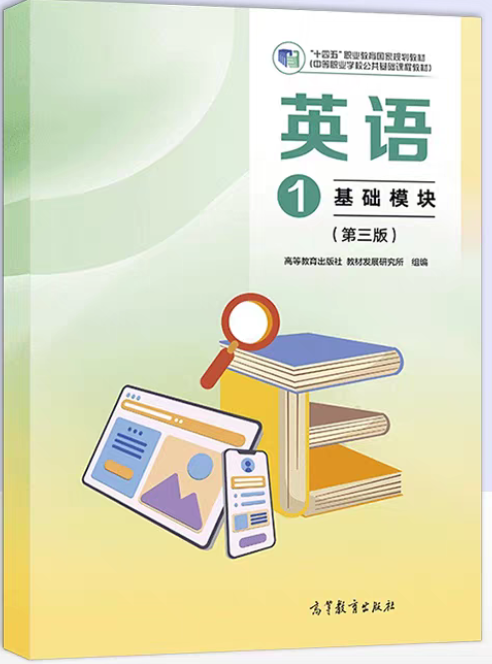
1.3 Personal and Family Life(Reading and Writing (2))-《英语 基础模块1》(高教版第三版)《一课一练》(原卷版+解析版)
2026-05-15
|
2份
|
9页
|
65人阅读
|
0人下载
内容正文:
编写说明:基于中职学生英语知识不牢固、学习内驱力不够的学情特点,为了更好地提高学生的学习效率,辅助教师们抓好课前、课中、课后三个教学环节,本专辑深度解读最新的《中等职业学校英语课程标准》,匠心打造了契合河北职教高考命题特色的【河北专用】《英语 基础模块1》(高教版第三版)《一课一练》专辑,专辑共40练。
本卷为《英语 基础模块1》(高教版第三版)Unit 1 Personal and Family Life(Reading and Writing (2))的课前预习和课堂检测。
《英语 基础模块1》(高教版第三版)
Unit 1 Personal and Family Life
一课一练(3) Reading and Writing (2)
【课前预习】
一、核心词汇检测
1._______ v. 管理 → _______ n. 经理 manage → manager
2._______ v. 递送 → _______ n. 递送员 deliver → delivery (person)
3._______ adj. 精力充沛的 → _______ n. 精力 energetic → energy
4._______ v. 介绍 → _______ n. 介绍 introduce → introduction
5._______ v. 慢跑 → _______ n. 慢跑者 jog → jogger
6._______ n. 家庭 → _______ adj. 家庭的 family → family
7._______ 搭配:_______ 担任消防队员 work as → work as a firefighter
8._______ v. 烹饪 → _______ n. 厨师 cook → cook
9._______ 搭配:_______ 担任空乘人员 work as → work as a flight attendant
【课堂检测】
一、阅读理解
In China, family has always been the center of social life. Traditional Chinese families were large, with several generations living under the same roof. Grandparents, parents and children shared the same space, ate meals together and supported each other in daily life.
However, in modern times, the structure of Chinese families has changed a lot. With the development of the economy, many young people have moved to big cities for better job opportunities. They often live far away from their parents and can only visit them during festivals. This has created a new social problem known as 'empty nest' families, where elderly parents live alone while their children work in distant cities.
Despite these changes, the bond between family members remains strong. During the Spring Festival, millions of people travel across the country to reunite with their families. This is called the Spring Rush, and it is the largest human migration on earth. It shows how much Chinese people value family ties. Modern technology has also helped families stay connected. Video calls, group chats and social media allow family members to share their daily lives even when they are thousands of kilometers apart.
The traditional Chinese value of filial piety, which means respecting and taking care of one's parents, is still deeply rooted in Chinese culture. Young people may not live with their parents, but they try their best to support them financially and emotionally. In Chinese culture, family is not just a group of people related by blood — it is a source of love, strength and identity.
1.What was common in traditional Chinese families?
A. Parents living in nursing homes
B. Young people moving to big cities
C. Families having only one child
D. Several generations living together
1.【答案】D
【解析】由several generations live together可知传统上几代同堂,选D。
2.What is the Spring Rush according to the passage?
A. A sports event
B. The largest human migration
C. A family tradition
D. A shopping festival
2.【答案】B
【解析】由largest human migration可知春运是最大规模人类迁徙,选B。
3.What does filial piety refer to?
A. 勤劳
B. 勇敢
C. 诚实
D. 孝顺
3.【答案】D
【解析】根据上下文讲尊敬和照顾老人,filial piety意为孝顺,选D。
4.Which of the following is true according to the passage?
A. Chinese families are becoming weaker.
B. Young people no longer value family.
C. All Chinese families still live together.
D. Family bonds remain strong despite changes.
4.【答案】D
【解析】由family bonds remain strong可知家庭纽带仍然牢固,选D。
5.What is the best title for this passage?
A. Chinese Spring Festival
B. Life in Big Cities
C. How to Respect Elders
D. Family in Chinese Culture
5.【答案】D
【解析】文章从多方面论述中国文化中的家庭观念,选D。
二、写作
请以"My Family"为题写一篇短文,介绍你的家庭。
要点提示:
(1) 你家有几口人?分别是谁?
(2) 他们的职业或爱好是什么?
(3) 你平时和家人一起做什么?
(4) 你从家人身上学到了什么?
注意:(1)词数80左右;(2)可适当增加细节,以使行文连贯。
可用句型:
I live with...
My father/mother is a...
He/She likes...
We often...together
I have learned...from...
_______________________________________________________________________________
_______________________________________________________________________________
_______________________________________________________________________________
_______________________________________________________________________________
_______________________________________________________________________________
【答案】
My Family
I live with my parents and my younger sister. There are four people in my family. My father is a manager. He works very hard. My mother is a nurse. She is kind and always helps patients. My sister is a student. She likes drawing. I love reading books.
On weekends, we often have dinner together and talk about our day. Sometimes we go to the park. From my parents, I have learned to be hard-working and caring. I love my family very much.
【解析】
【导语】这是一篇记叙文,要求介绍自己的家庭成员、职业/爱好以及家庭活动,表达对家人的感情。
【详解】1. 词汇积累
努力工作的:hard-working → diligent
有爱心的:caring → considerate
照顾:take care of → look after
2. 句式拓展
原句:I love reading books.
拓展句:I love reading books because they open a new world for me.
【高分句型1】On weekends, we often have dinner together and talk about our day.(运用了并列谓语结构)
【高分句型2】From my parents, I have learned to be hard-working and caring.(运用了不定式短语作宾语)
原创精品资源学科网独家享有版权,侵权必究!
学科网(北京)股份有限公司
学科网(北京)股份有限公司
$
编写说明:基于中职学生英语知识不牢固、学习内驱力不够的学情特点,为了更好地提高学生的学习效率,辅助教师们抓好课前、课中、课后三个教学环节,本专辑深度解读最新的《中等职业学校英语课程标准》,匠心打造了契合河北职教高考命题特色的【河北专用】《英语 基础模块1》(高教版第三版)《一课一练》专辑,专辑共40练。
本卷为《英语 基础模块1》(高教版第三版)Unit 1 Personal and Family Life(Reading and Writing (2))的课前预习和课堂检测。
《英语 基础模块1》(高教版第三版)
Unit 1 Personal and Family Life
一课一练(3) Reading and Writing (2)
【课前预习】
一、核心词汇检测
1._______ v. 管理 → _______ n. 经理
2._______ v. 递送 → _______ n. 递送员
3._______ adj. 精力充沛的 → _______ n. 精力
4._______ v. 介绍 → _______ n. 介绍
5._______ v. 慢跑 → _______ n. 慢跑者
6._______ n. 家庭 → _______ adj. 家庭的
7._______ 搭配:_______ 担任消防队员
8._______ v. 烹饪 → _______ n. 厨师
9._______ 搭配:_______ 担任空乘人员
【课堂检测】
一、阅读理解
In China, family has always been the center of social life. Traditional Chinese families were large, with several generations living under the same roof. Grandparents, parents and children shared the same space, ate meals together and supported each other in daily life.
However, in modern times, the structure of Chinese families has changed a lot. With the development of the economy, many young people have moved to big cities for better job opportunities. They often live far away from their parents and can only visit them during festivals. This has created a new social problem known as 'empty nest' families, where elderly parents live alone while their children work in distant cities.
Despite these changes, the bond between family members remains strong. During the Spring Festival, millions of people travel across the country to reunite with their families. This is called the Spring Rush, and it is the largest human migration on earth. It shows how much Chinese people value family ties. Modern technology has also helped families stay connected. Video calls, group chats and social media allow family members to share their daily lives even when they are thousands of kilometers apart.
The traditional Chinese value of filial piety, which means respecting and taking care of one's parents, is still deeply rooted in Chinese culture. Young people may not live with their parents, but they try their best to support them financially and emotionally. In Chinese culture, family is not just a group of people related by blood — it is a source of love, strength and identity.
1.What was common in traditional Chinese families?
A. Parents living in nursing homes
B. Young people moving to big cities
C. Families having only one child
D. Several generations living together
2.What is the Spring Rush according to the passage?
A. A sports event
B. The largest human migration
C. A family tradition
D. A shopping festival
3.What does filial piety refer to?
A. 勤劳
B. 勇敢
C. 诚实
D. 孝顺
4.Which of the following is true according to the passage?
A. Chinese families are becoming weaker.
B. Young people no longer value family.
C. All Chinese families still live together.
D. Family bonds remain strong despite changes.
5.What is the best title for this passage?
A. Chinese Spring Festival
B. Life in Big Cities
C. How to Respect Elders
D. Family in Chinese Culture
二、写作
请以"My Family"为题写一篇短文,介绍你的家庭。
要点提示:
(1) 你家有几口人?分别是谁?
(2) 他们的职业或爱好是什么?
(3) 你平时和家人一起做什么?
(4) 你从家人身上学到了什么?
注意:(1)词数80左右;(2)可适当增加细节,以使行文连贯。
可用句型:
I live with...
My father/mother is a...
He/She likes...
We often...together
I have learned...from...
_______________________________________________________________________________
_______________________________________________________________________________
_______________________________________________________________________________
_______________________________________________________________________________
_______________________________________________________________________________
原创精品资源学科网独家享有版权,侵权必究!
学科网(北京)股份有限公司
学科网(北京)股份有限公司
$
资源预览图

1

2
由于学科网是一个信息分享及获取的平台,不确保部分用户上传资料的 来源及知识产权归属。如您发现相关资料侵犯您的合法权益,请联系学科网,我们核实后将及时进行处理。