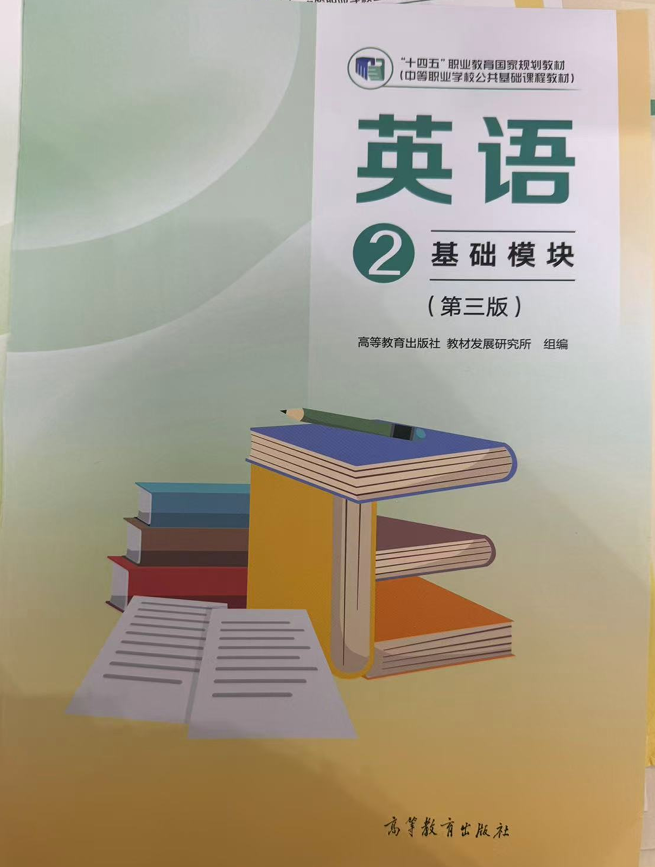
6.2 Craftsmanship(Reading and Writing 1)-《英语 基础模块2》(高教版第三版)《一课一练》(原卷版+解析版)
2026-05-07
|
2份
|
10页
|
62人阅读
|
0人下载
内容正文:
编写说明:基于中职学生英语知识不牢固、学习内驱力不够的学情特点,为了更好地提高学生的学习效率,辅助教师们抓好课前、课中、课后三个教学环节,本专辑深度解读最新的《中等职业学校英语课程标准》,匠心打造了契合内蒙古职教高考命题特色的【内蒙古专用】《英语 基础模块2》(高教版第三版)《一课一练》专辑,专辑共40练。
本卷为《英语 基础模块2》(高教版第三版)Unit 6 Craftsmanship(Reading and Writing 1)的课前预习和课堂检测。
《英语 基础模块2》(高教版第三版)
Unit 6 Craftsmanship
一课一练(27) Reading and Writing 1
【课前预习】
一、核心词汇检测
核心词汇:
movement n. 动作;运动
gentle adj. 轻柔的;温和的
structure n. 结构;构造
joint n. 关节;接头
exactly adv. 确切地;正好
outstanding adj. 杰出的;优秀的
achievement n. 成就;成绩
核心短语:
once upon a time 从前
a good number of 许多;相当多的
be asked to do sth. 被要求做某事
no longer... but... 不再…… 而是……
take up 开始从事;拿起
【课堂检测】
一、词汇单选
1.She is an ______ student and always wins first prize in competitions.
A. ordinary
B. average
C. common
D. outstanding
【答案】D
【解析】句意:她是一名优秀的学生,总能在比赛中获一等奖。outstanding(杰出的;优秀的)符合语境;其余三项均表示 “普通的”,与句意相反。
2.Winning the national competition is a great ______ for the young team.
A. decision
B. achievement
C. mistake
D. trouble
【答案】B
【解析】句意:赢得全国比赛对这支年轻队伍来说是一项巨大成就。achievement(成就;成绩)符合语境;decision(决定)、mistake(错误)、trouble(麻烦)均不恰当。
3.Slow ______ is better than no exercise at all for the elderly.
A. discussion
B. sleep
C. movement
D. rest
【答案】C
【解析】句意:对老年人来说,缓慢的运动比完全不运动要好。movement(动作;运动)符合锻炼语境;discussion(讨论)、sleep(睡眠)、rest(休息)不符合。
4.______, there lived a kind princess in a beautiful castle.
A. At once
B. Once upon a time
C. Right now
D. So far
【答案】B
【解析】句意:从前,在一座美丽的城堡里住着一位善良的公主。once upon a time(从前)用于故事开头;其余短语均不适合讲故事。
5.All students ______ finish their homework on time every day.
A. are able to
B. are ready to
C. are afraid to
D. are asked to
【答案】D
【解析】句意:所有学生被要求每天按时完成作业。be asked to do sth.(被要求做某事)符合校规场景;其余短语逻辑不符。
6.He ______ learns by heart ______ understands the knowledge deeply.
A. not only; but also
B. no longer; but
C. either; or
D. neither; nor
【答案】B
【解析】句意:他不再死记硬背,而是深刻理解知识。no longer... but...(不再…… 而是……)为固定结构;其余选项逻辑不通。
7.My grandfather ______ painting after he retired and enjoys it very much.
A. gives up
B. takes up
C. puts up
D. picks up
【答案】B
【解析】句意:我爷爷退休后开始画画,并且非常喜欢。take up(开始从事)符合语境;give up(放弃)、put up(张贴)、pick up(捡起)不合适。
8.The worker ______ the tool and started to repair the machine.
A. took off
B. took up
C. took out
D. took away
【答案】B
【解析】句意:工人拿起工具,开始修理机器。take up(拿起)符合动作语境;take off(脱下)、take out(取出)、take away(拿走)不符合。
9.His ______ in science has made him famous all over the world.
A. achieve
B. achievement
C. achieved
D. achievable
【答案】B
【解析】句意:他在科学上的成就让他闻名世界。achievement(成就)为名词,作主语;achieve 为动词,achieved、achievable 为分词 / 形容词。
10.After the reform, the school is ______ small ______ modern and strong.
A. no longer; but
B. not; but
C. neither; nor
D. either; or
【答案】A
【解析】句意:改革之后,这所学校不再狭小,而是现代化且实力强劲。no longer... but... 符合句意与固定搭配。
二、阅读判断
Mo Yan, 2012’s winner of the Nobel Prize for Literature (诺贝尔文学奖), was born in the small town of Gaomi in Shandong Province. His parents were farmers. And as a young boy Mo took care of the family’s goats (山羊). Each day he took the goats outside and watched over them when they ate grasses.
It was a lonely job, but Mo was a smart boy. He enjoyed the green, open land of Shandong. He enjoyed looking up at the blue sky and the white clouds. To pass the time, he talked to the goats. He told them his thoughts and some stories. It was the beginning of his life as a storyteller.
During the 1970s, Mo had to leave school and work for a company. This was difficult for Mo, because he loved books and he loved reading. Luckily, he found a friend who would lend him books. Later, Mo became a soldier and was able to continue his education. In the end he graduated from Beijing Normal University (北京师范大学). This is where he began to write.
Although Mo had left Gaomi, Gaomi never left him. Many of his books talk about rural life and the people of Gaomi. For Mo, all of man nature can be seen in the village life of Gaomi. Mo is famous now,but he remains a true son of soil (土地).
根据上文内容判断正(T)误(F)。
11.Mo Yan won the Nobel Prize for Literature in 2012.
12.As a young boy Mo Yan took care of his family’s goats and he hated the job.
13.Mo Yan continued studying in a middle school during the 1970s.
14.Mo Yan graduated from Beijing Normal University and this is where he began to write.
15.Gaomi never left Mo Yan because many of his books talk about rural life and the people of Gaomi.
【答案】11.T 12.F 13.F 14.T 15.T
【导语】本文是一篇记叙文。文中介绍了诺贝尔文学奖获得者—莫言,主要介绍了莫言的生活经历和作品。
11.根据“Mo Yan, 2012’s winner of the Nobel Prize for Literature (2012年诺贝尔文学奖得主莫言)”可知莫言获得2012年的诺贝尔文学奖,与所给的表述“Mo Yan won the Nobel Prize for Literature in 2012. (莫言于2012年获得诺贝尔文学奖。)”相符。故填T。
12.根据“Each day he took the goats outside and watched over them when they ate grasses. (每天他都会把山羊带到外面,并在它们吃草时看着它们。)”及“He enjoyed the green, open land of Shandong. He enjoyed looking up at the blue sky and the white clouds. (他喜欢山东的绿地、开阔的土地,喜欢仰望蓝天和白云。)”可知,他照顾着山羊,并且很享受,与所给的表述“As a young boy Mo Yan took care of his family’s goats and he hated the job. (莫言小时候曾照顾过家里的山羊,但他讨厌这份工作。)”不符。故填F。
13.根据“During the 1970s, Mo had to leave school and work for a company. (20世纪70年代,莫言不得不辍学去公司就职。)”可知,20世纪70年代,莫言不再上学,与所给的表述“Mo Yan continued studying in a middle school during the 1970s. (20世纪70年代,莫言继续在中学读书。)”不符。故填F。
14.根据“In the end he graduated from Beijing Normal University. This is where he began to write. (最终他从北京师范大学毕业。从这里他开始了写作。)”可知,莫言毕业于北京师范大学,并且这里是他开始写作的地方,与所给的表述“Mo Yan graduated from Beijing Normal University and this is where he began to write. (莫言毕业于北京师范大学,也是在这里开始他的写作。)”相符。故填T。
15.根据“Although Mo had left Gaomi, Gaomi never left him. Many of his books talk about rural life and the people of Gaomi. (莫言虽然离开了高密,但高密却从未离开过他,他的很多作品都描写了高密的农村生活和人民。)”可知,虽然他离开高密,但是高密深深影响着他,书中都是关于高密的,与所给的表述“Gaomi never left Mo Yan because many of his books talk about rural life and the people of Gaomi. (高密从未离开过莫言,因为他的许多书都讲述的是农村生活和高密人民。)”相符。故填T。
原创精品资源学科网独家享有版权,侵权必究!
学科网(北京)股份有限公司
学科网(北京)股份有限公司
$
编写说明:基于中职学生英语知识不牢固、学习内驱力不够的学情特点,为了更好地提高学生的学习效率,辅助教师们抓好课前、课中、课后三个教学环节,本专辑深度解读最新的《中等职业学校英语课程标准》,匠心打造了契合内蒙古职教高考命题特色的【内蒙古专用】《英语 基础模块2》(高教版第三版)《一课一练》专辑,专辑共40练。
本卷为《英语 基础模块2》(高教版第三版)Unit 6 Craftsmanship(Reading and Writing 1)的课前预习和课堂检测。
《英语 基础模块2》(高教版第三版)
Unit 6 Craftsmanship
一课一练(27) Reading and Writing 1
【课前预习】
一、核心词汇检测
核心词汇:
movement n. ______
gentle adj. ______
structure n. ______
joint n. ______
exactly adv.______
outstanding adj. ______
achievement n. ______
核心短语:
once upon a time ______
a good number of ______
be asked to do sth. ______
no longer... but... ______
take up ______
【课堂检测】
一、词汇单选
1.She is an ______ student and always wins first prize in competitions.
A. ordinary
B. average
C. common
D. outstanding
2.Winning the national competition is a great ______ for the young team.
A. decision
B. achievement
C. mistake
D. trouble
3.Slow ______ is better than no exercise at all for the elderly.
A. discussion
B. sleep
C. movement
D. rest
4.______, there lived a kind princess in a beautiful castle.
A. At once
B. Once upon a time
C. Right now
D. So far
5.All students ______ finish their homework on time every day.
A. are able to
B. are ready to
C. are afraid to
D. are asked to
6.He ______ learns by heart ______ understands the knowledge deeply.
A. not only; but also
B. no longer; but
C. either; or
D. neither; nor
7.My grandfather ______ painting after he retired and enjoys it very much.
A. gives up
B. takes up
C. puts up
D. picks up
8.The worker ______ the tool and started to repair the machine.
A. took off
B. took up
C. took out
D. took away
9.His ______ in science has made him famous all over the world.
A. achieve
B. achievement
C. achieved
D. achievable
10.After the reform, the school is ______ small ______ modern and strong.
A. no longer; but
B. not; but
C. neither; nor
D. either; or
二、阅读判断
Mo Yan, 2012’s winner of the Nobel Prize for Literature (诺贝尔文学奖), was born in the small town of Gaomi in Shandong Province. His parents were farmers. And as a young boy Mo took care of the family’s goats (山羊). Each day he took the goats outside and watched over them when they ate grasses.
It was a lonely job, but Mo was a smart boy. He enjoyed the green, open land of Shandong. He enjoyed looking up at the blue sky and the white clouds. To pass the time, he talked to the goats. He told them his thoughts and some stories. It was the beginning of his life as a storyteller.
During the 1970s, Mo had to leave school and work for a company. This was difficult for Mo, because he loved books and he loved reading. Luckily, he found a friend who would lend him books. Later, Mo became a soldier and was able to continue his education. In the end he graduated from Beijing Normal University (北京师范大学). This is where he began to write.
Although Mo had left Gaomi, Gaomi never left him. Many of his books talk about rural life and the people of Gaomi. For Mo, all of man nature can be seen in the village life of Gaomi. Mo is famous now,but he remains a true son of soil (土地).
根据上文内容判断正(T)误(F)。
11.Mo Yan won the Nobel Prize for Literature in 2012.
12.As a young boy Mo Yan took care of his family’s goats and he hated the job.
13.Mo Yan continued studying in a middle school during the 1970s.
14.Mo Yan graduated from Beijing Normal University and this is where he began to write.
15.Gaomi never left Mo Yan because many of his books talk about rural life and the people of Gaomi.
原创精品资源学科网独家享有版权,侵权必究!
学科网(北京)股份有限公司
学科网(北京)股份有限公司
$
资源预览图

1

2
由于学科网是一个信息分享及获取的平台,不确保部分用户上传资料的 来源及知识产权归属。如您发现相关资料侵犯您的合法权益,请联系学科网,我们核实后将及时进行处理。