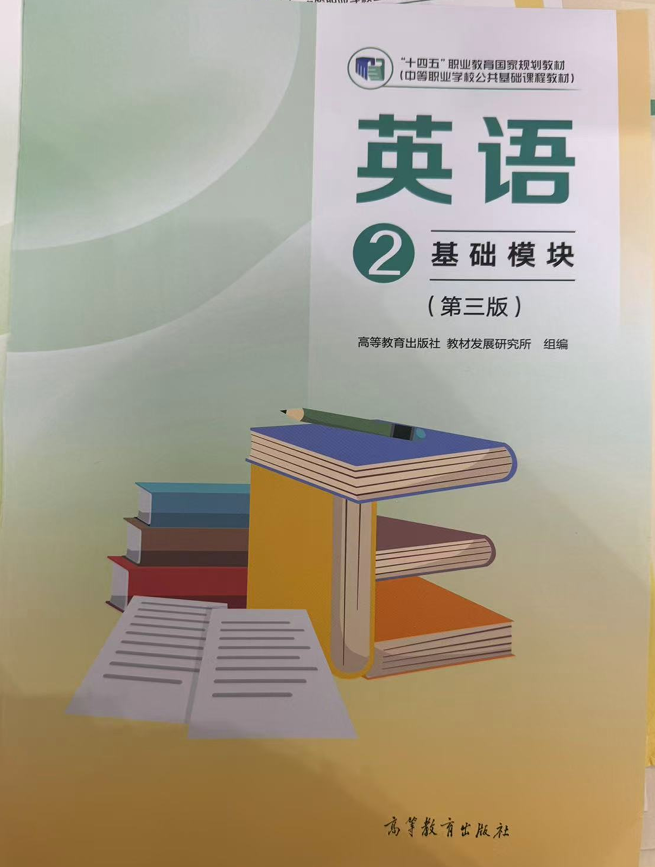
5.2 Ancient Civilization(Reading and Writing 1)-《英语 基础模块2》(高教版第三版)《一课一练》(原卷版+解析版)
2026-05-07
|
2份
|
10页
|
61人阅读
|
0人下载
内容正文:
编写说明:基于中职学生英语知识不牢固、学习内驱力不够的学情特点,为了更好地提高学生的学习效率,辅助教师们抓好课前、课中、课后三个教学环节,本专辑深度解读最新的《中等职业学校英语课程标准》,匠心打造了契合内蒙古职教高考命题特色的【内蒙古专用】《英语 基础模块2》(高教版第三版)《一课一练》专辑,专辑共40练。
本卷为《英语 基础模块2》(高教版第三版)Unit 5 Ancient Civilization(Reading and Writing 1)的课前预习和课堂检测。
《英语 基础模块2》(高教版第三版)
Unit 5 Ancient Civilization
一课一练(22) Reading and Writing 1
【课前预习】
一、核心词汇检测
核心词汇:
century n. 世纪
BC abbr. 公元前
technology n. 科技
actual adj. 真实的;实际的
route n. 路线
peak n. 顶峰
link v. 连接
Western adj. 西方国家的
exchange n. 交流;交换
核心短语:
neither…nor… 既不…… 也不……
not only…but also… 不仅…… 而且……
the Silk Road 丝绸之路
as early as 早在…… 的时候
link…with… 把…… 与…… 连接起来
be connected by… 被…… 连接
search for 寻找
contribute to 有助于
【课堂检测】
一、词汇单选
1.Modern ________ has made our life more convenient.
A. temperature
B. technology
C. technique
D. telegram
【答案】B
【解析】句意:现代科技让生活更便利。technology(n. 科技)符合句意;其他选项词义不匹配。
2.Please tell me the ________ reason why you gave up the plan.
A. actual
B. active
C. absent
D. anxious
【答案】A
【解析】句意:请告诉我你放弃这个计划的真实原因。actual(真实的;实际的)符合语境。
3.The two villages ________ a small bridge in the past.
A. are covered with
B. are connected by
C. are filled with
D. are pleased with
【答案】B
【解析】句意:这两个村庄过去被一座小桥连接。be connected by…(被…… 连接)为固定短语。
4.The team is working hard to ________ more historical facts.
A. search for
B. look up
C. give up
D. set up
【答案】A
【解析】句意:这个团队正努力寻找更多历史事实。search for(寻找)符合语境。
5.Every small effort can ________ the development of our country.
A. come from
B. contribute to
C. believe in
D. deal with
【答案】B
【解析】句意:每一点小努力都能有助于国家发展。contribute to(有助于)为固定搭配。
6..We should ________ traditional culture ________ modern life.
A. mix; up
B. link; with
C. turn; into
D. add; to
【答案】B
【解析】句意:我们应该把传统文化与现代生活连接起来。link…with… 为固定短语。
7.________ Tom ________ his sister has been to the museum.
A. Either; or
B. Neither; nor
C. Both; and
D. Not; but
【答案】B
【解析】句意:汤姆和他姐姐都没去过博物馆。neither…nor…(既不…… 也不……)符合结构。
8.The book is ________ useful ________ meaningful for us students.
A. not only; but also
B. so; that
C. too; to
D. such; that
【答案】A
【解析】句意:这本书对我们学生不仅有用,而且有意义。not only…but also… 为固定搭配
9.The Internet ________ different cultures and countries closely.
A. lends
B. looks
C. links
D. locks
【答案】C
【解析】句意:互联网把不同文化和国家紧密连接。link(v. 连接)符合语境。
10.Students can ________ learning methods with each other in class.
A. expect
B. express
C. explain
D. exchange
【答案】D
【解析】句意:学生可以在课堂上互相交流学习方法。exchange(交流;交换)符合句意。
二、阅读判断
Have you seen the clay soldiers (士兵) in Xi’an’s terracotta museum? Do you know the true colors of them?
More than 2,000 years ago, Qin Shihuang, the first emperor of China, ordered people to build the Terracotta Army. He hoped that the army would guard him after he died.
In 1974, some farmers found several clay soldiers by accident in Xi’an. After that, about 8,000 more were found by archeologists (考古学家). Today, the clay soldiers in Xi’an’s terracotta museum are light brown. But they weren’t always this color. When they were made, they had the colors of white, green, blue, red, purple and yellow. Sadly, most of the colors disappeared today.
An area with more than a hundred clay soldiers was discovered by archeologists a few years ago. Many of them still had black hair, pink faces and black or brown eyes when they were found. If they were not protected well, their colors would disappear, too. After a clay soldier was found, archeologists used two steps to keep its color. First, they sprayed (喷) a special “water” on it. Then, they covered it in plastic.
Archeologists are facing a new challenge now. They are going to find a way to put the colors onto the clay soldiers again. If they succeed in doing it, people will be able to see what the clay soldiers originally (最初) looked like. It must be very amazing.
根据短文内容,判断下列句子正(T)、误(F)。
11.Qin Shihuang hoped the Terracotta Army would guard him after he died.
12.Some farmers found several clay soldiers in Beijing in 1974.
13.The clay soldiers were light brown when they were made.
14.Archeologists used three steps to keep the clay soldiers’ colors.
15.It’s a new challenge to put the colors onto the clay soldiers again.
【答案】11.T 12.F 13.F 14.F 15.T
【导语】本文主要介绍了兵马俑的颜色,考古学家如何保护这些颜色以及考古学家所面临的一个新挑战。
11.细节理解题。根据“He hoped that the army would guard him after he died.”可知,秦始皇希望他死后兵马俑能保护他,表述正确,故答案为T。
12.细节理解题。根据“In 1974, some farmers found several clay soldiers by accident in Xi’an.”可知,1974年,一些农民在西安偶然发现了几个兵马俑,不是在北京发现的,表述错误,故答案为F。
13.细节理解题。根据“When they were made, they had the colors of white, green, blue, red, purple and yellow.”可知,当它们被制成时,它们有白、绿、蓝、红、紫和黄的颜色,表述错误,故答案为F。
14.细节理解题。根据“After a clay soldier was found, archeologists used two steps to keep its color”可知,考古学家用了两个步骤来保持它的颜色,表述错误,故答案为F。
15.细节理解题。根据“Archeologists are facing a new challenge now. They are going to find a way to put the colors onto the clay soldiers again”可知,考古学家现在面临着一个新的挑战。他们会想办法把颜色重新涂到粘土士兵身上,表述正确,故答案为T。
原创精品资源学科网独家享有版权,侵权必究!
学科网(北京)股份有限公司
学科网(北京)股份有限公司
$
编写说明:基于中职学生英语知识不牢固、学习内驱力不够的学情特点,为了更好地提高学生的学习效率,辅助教师们抓好课前、课中、课后三个教学环节,本专辑深度解读最新的《中等职业学校英语课程标准》,匠心打造了契合内蒙古职教高考命题特色的【内蒙古专用】《英语 基础模块2》(高教版第三版)《一课一练》专辑,专辑共40练。
本卷为《英语 基础模块2》(高教版第三版)Unit 5 Ancient Civilization(Reading and Writing 1)的课前预习和课堂检测。
《英语 基础模块2》(高教版第三版)
Unit 5 Ancient Civilization
一课一练(22) Reading and Writing 1
【课前预习】
一、核心词汇检测
核心词汇:
century n. _________
BC abbr. _________
technology n. _________
actual adj. _________
route n. _________
peak n. _________
link v. _________
Western adj. _________
exchange n._________
核心短语:
neither…nor… _________
not only…but also…_________
the Silk Road _________
as early as _________
link…with… _________
be connected by… _________
search for _________
contribute to _________
【课堂检测】
一、词汇单选
1.Modern ________ has made our life more convenient.
A. temperature
B. technology
C. technique
D. telegram
2.Please tell me the ________ reason why you gave up the plan.
A. actual
B. active
C. absent
D. anxious
3.The two villages ________ a small bridge in the past.
A. are covered with
B. are connected by
C. are filled with
D. are pleased with
4.The team is working hard to ________ more historical facts.
A. search for
B. look up
C. give up
D. set up
5.Every small effort can ________ the development of our country.
A. come from
B. contribute to
C. believe in
D. deal with
6..We should ________ traditional culture ________ modern life.
A. mix; up
B. link; with
C. turn; into
D. add; to
7.________ Tom ________ his sister has been to the museum.
A. Either; or
B. Neither; nor
C. Both; and
D. Not; but
8.The book is ________ useful ________ meaningful for us students.
A. not only; but also
B. so; that
C. too; to
D. such; that
9.The Internet ________ different cultures and countries closely.
A. lends
B. looks
C. links
D. locks
10.Students can ________ learning methods with each other in class.
A. expect
B. express
C. explain
D. exchange
二、阅读判断
Have you seen the clay soldiers (士兵) in Xi’an’s terracotta museum? Do you know the true colors of them?
More than 2,000 years ago, Qin Shihuang, the first emperor of China, ordered people to build the Terracotta Army. He hoped that the army would guard him after he died.
In 1974, some farmers found several clay soldiers by accident in Xi’an. After that, about 8,000 more were found by archeologists (考古学家). Today, the clay soldiers in Xi’an’s terracotta museum are light brown. But they weren’t always this color. When they were made, they had the colors of white, green, blue, red, purple and yellow. Sadly, most of the colors disappeared today.
An area with more than a hundred clay soldiers was discovered by archeologists a few years ago. Many of them still had black hair, pink faces and black or brown eyes when they were found. If they were not protected well, their colors would disappear, too. After a clay soldier was found, archeologists used two steps to keep its color. First, they sprayed (喷) a special “water” on it. Then, they covered it in plastic.
Archeologists are facing a new challenge now. They are going to find a way to put the colors onto the clay soldiers again. If they succeed in doing it, people will be able to see what the clay soldiers originally (最初) looked like. It must be very amazing.
根据短文内容,判断下列句子正(T)、误(F)。
11.Qin Shihuang hoped the Terracotta Army would guard him after he died.
12.Some farmers found several clay soldiers in Beijing in 1974.
13.The clay soldiers were light brown when they were made.
14.Archeologists used three steps to keep the clay soldiers’ colors.
15.It’s a new challenge to put the colors onto the clay soldiers again.
原创精品资源学科网独家享有版权,侵权必究!
学科网(北京)股份有限公司
学科网(北京)股份有限公司
$
资源预览图

1

2
由于学科网是一个信息分享及获取的平台,不确保部分用户上传资料的 来源及知识产权归属。如您发现相关资料侵犯您的合法权益,请联系学科网,我们核实后将及时进行处理。