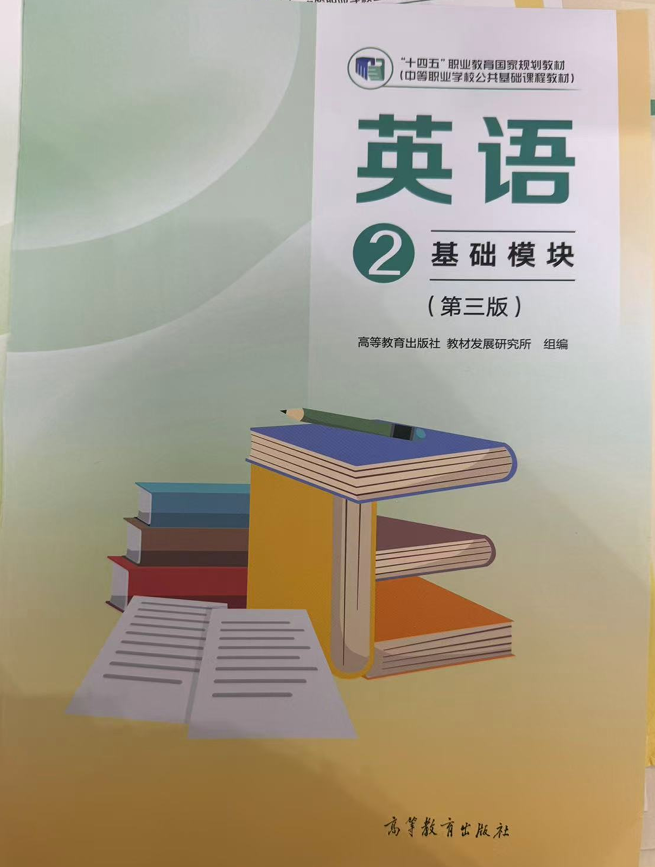
5.5 Ancient Civilization(Culture Understanding & Group Work)-《英语 基础模块2》(高教版第三版)《一课一练》(原卷版+解析版)
2026-05-07
|
2份
|
7页
|
54人阅读
|
0人下载
内容正文:
编写说明:基于中职学生英语知识不牢固、学习内驱力不够的学情特点,为了更好地提高学生的学习效率,辅助教师们抓好课前、课中、课后三个教学环节,本专辑深度解读最新的《中等职业学校英语课程标准》,匠心打造了契合内蒙古职教高考命题特色的【内蒙古专用】《英语 基础模块2》(高教版第三版)《一课一练》专辑,专辑共40练。
本卷为《英语 基础模块2》(高教版第三版)Unit 5 Ancient Civilian(Culture Understanding & Group Work)的课前预习和课堂检测。
《英语 基础模块2》(高教版第三版)
Unit 5 Ancient Civilian
一课一练(25) Culture Understanding & Group Work
【课前预习】
一、核心词汇检测
incredibly adv. _________
spread v. _________
merchant n. _________
stop n. _________
trade route _________
exchange goods _________
【课堂检测】
一、完形填空
In 1806, Napoleon Bonaparte, the ruler of France, had a problem. He’d _________ his sugar-growing islands in the Caribbean. He _________ buy sugar from his enemies. So where was he going to get sugar to keep his people happy?
Napoleon knew that years before, a German scientist had _________ that all plants have sugar. And he had even found one almost as _________ as sugarcane (甘蔗) — the white beet (甜菜)!
Napoleon ordered his science team to find out _________ to get the sugar out of the beets. They soon did. This changed _________! Sugar beets can _________ in the cold north, instead of on tropical (热带的) islands. And because beets (unlike sugarcane), they could be shipped far away. So sugar factories didn’t have to be _________ the farms.
Soon, sugar beet farms spread all over Europe and Russia, and later in the United States.
_________ Napoleon’s enemies loved cheap beet sugar. During WWII, farmers in both America and Germany were asked to grow sugar beets so that their countries would have __________ sugar.
Today, about half the table sugar in the world comes from beets, and half from sugarcane.
1.A.lost B.found C.forgotten D.remembered
2.A.could B.couldn’t C.need D.needn’t
3.A.joked B.suggested C.imagined D.discovered
4.A.heavy B.sweet C.beautiful D.fresh
5.A.why B.how C.when D.where
6.A.nothing B.anything C.everything D.something
7.A.mix B.grow C.fall D.change
8.A.near B.behind C.through D.between
9.A.Even B.Perhaps C.Once D.Yet
10.A.real B.special C.enough D.expensive
二、短语填空
put up;in the world;find out;break down;carry on;by accident;bring up;at present;in danger;on the whole
11. The ancient Chinese civilization is one of the oldest _____ with written records.
12. _____ , the excavation work at the ancient tomb has made great progress.
13. _____ , the museum receives thousands of visitors from home and abroad every day.
14. The location of the ancient city was discovered _____ during a construction project.
15. Many ancient buildings are _____ of being destroyed without proper protection.
16. The old craftsman decided to _____ his son to continue the family tradition.
17. Ancient Chinese workers could _____ magnificent structures without modern machines.
18. The ancient stone bridge _____ under the heavy traffic last year and needs repair.
19. Although facing many difficulties, the traditional culture has _____ for centuries.
20. Archeologists have tried to _____ the exact age of the ancient relics.
原创精品资源学科网独家享有版权,侵权必究!
学科网(北京)股份有限公司
学科网(北京)股份有限公司
$
编写说明:基于中职学生英语知识不牢固、学习内驱力不够的学情特点,为了更好地提高学生的学习效率,辅助教师们抓好课前、课中、课后三个教学环节,本专辑深度解读最新的《中等职业学校英语课程标准》,匠心打造了契合内蒙古职教高考命题特色的【内蒙古专用】《英语 基础模块2》(高教版第三版)《一课一练》专辑,专辑共40练。
本卷为《英语 基础模块2》(高教版第三版)Unit 5 Ancient Civilian(Culture Understanding & Group Work)的课前预习和课堂检测。
《英语 基础模块2》(高教版第三版)
Unit 5 Ancient Civilian
一课一练(25) Culture Understanding & Group Work
【课前预习】
一、核心词汇检测
incredibly adv. 难以置信地;极其
spread v. 传播;扩散(过去式 / 过去分词同形)
merchant n. 商人
stop n. (旅途的)站点、驿站
trade route 贸易路线
exchange goods 交换货物
【课堂检测】
一、完形填空
In 1806, Napoleon Bonaparte, the ruler of France, had a problem. He’d _________ his sugar-growing islands in the Caribbean. He _________ buy sugar from his enemies. So where was he going to get sugar to keep his people happy?
Napoleon knew that years before, a German scientist had _________ that all plants have sugar. And he had even found one almost as _________ as sugarcane (甘蔗) — the white beet (甜菜)!
Napoleon ordered his science team to find out _________ to get the sugar out of the beets. They soon did. This changed _________! Sugar beets can _________ in the cold north, instead of on tropical (热带的) islands. And because beets (unlike sugarcane), they could be shipped far away. So sugar factories didn’t have to be _________ the farms.
Soon, sugar beet farms spread all over Europe and Russia, and later in the United States.
_________ Napoleon’s enemies loved cheap beet sugar. During WWII, farmers in both America and Germany were asked to grow sugar beets so that their countries would have __________ sugar.
Today, about half the table sugar in the world comes from beets, and half from sugarcane.
1.A.lost B.found C.forgotten D.remembered
2.A.could B.couldn’t C.need D.needn’t
3.A.joked B.suggested C.imagined D.discovered
4.A.heavy B.sweet C.beautiful D.fresh
5.A.why B.how C.when D.where
6.A.nothing B.anything C.everything D.something
7.A.mix B.grow C.fall D.change
8.A.near B.behind C.through D.between
9.A.Even B.Perhaps C.Once D.Yet
10.A.real B.special C.enough D.expensive
【答案】
1.A 2.B 3.D 4.B 5.B 6.C 7.B 8.A 9.A 10.C
【导语】本文是一篇说明文。主要讲述1806年拿破仑因失去加勒比海的甘蔗种植岛屿,面临糖源短缺问题,随后利用德国科学家发现的甜菜制糖技术,突破地域限制,使甜菜成为重要糖源。该技术不仅在欧洲和美国推广,还在二战期间保障了糖的供应,最终形成全球甜菜与甘蔗各占一半的食糖生产格局。
1.考查动词词义辨析。句意:他失去了自己在加勒比海地区的甘蔗种植岛屿。A. lost失去;B. found找到;C. forgotten忘记;D. remembered记得。根据“In 1806, Napoleon Bonaparte, the ruler of France, had a problem. (1806年,法国统治者拿破仑·波拿巴遇到了一个难题。)”可知,拿破仑“失去”了加勒比海的产糖岛屿。故选A。
2.考查情态动词辨析。句意:他无法从敌人那里购买糖。A. could能够;B. couldn’t不能;C. need需要;D. needn’t不必。根据“his enemies (他的敌人)”可知,敌我对立关系导致他“不能”从敌人处购买糖,表否定能力。故选B。
3.考查动词词义辨析。句意:拿破仑知道,多年前一位德国科学家发现所有植物都含有糖分。A. joked开玩笑;B. suggested建议;C. imagined想象;D. discovered发现。根据“all plants have sugar (所有植物都含有糖分)”可知,“所有植物都含有糖分”是客观事实,“discovered”符合科学研究的语境。故选D。
4.考查形容词词义辨析。句意:他甚至发现了一种几乎和甘蔗一样甜的植物——白色甜菜!A. heavy重的;B. sweet甜的;C. beautiful美丽的;D. fresh新鲜的。根据“sugarcane (甘蔗)”及制糖需求可知,此处对比的是“甜度”,“sweet”符合逻辑。故选B。
5.考查疑问词辨析。句意:拿破仑命令他的科学团队研究如何从甜菜中提取糖分。A. why为什么;B. how如何;C. when何时;D. where哪里。“get the sugar out of the beets (从甜菜中提取糖分)”是具体方法,故用“how”提问方式。故选B。
6.考查不定代词辨析。句意:这改变了一切!A. nothing没有什么;B. anything任何事物;C. everything一切;D. something某事。根据“Sugar beets can ... in the cold north, instead of on tropical (热带的) islands. (甜菜可以在寒冷的北方生长,而不是在热带岛屿上。)”可知,甜菜制糖技术突破了地域限制,对制糖业产生全面影响,“everything”强调彻底性。故选C。
7.考查动词词义辨析。句意:甜菜可以在寒冷的北方生长。A. mix混合;B. grow生长;C. fall落下;D. change改变。根据“in the cold north (在寒冷的北方)”可知,此处指甜菜的“生长”环境。故选B。
8.考查介词词义辨析。句意:因此糖厂不必靠近农场。A. near靠近;B. behind在……后面;C. through穿过;D. between在……之间。根据“ And because beets (unlike sugarcane), they could be shipped far away. (而且,由于甜菜(不像甘蔗),它们可以被远距离运输。)”可知,由于甜菜便于运输,糖厂无需“靠近”产地,“near”符合地理逻辑。故选A。
9.考查副词词义辨析。句意:甚至拿破仑的敌人也爱上了廉价的甜菜糖。A. Even甚至;B. Perhaps也许;C. Once曾经;D. Yet然而。根据“Napoleon’s enemies loved cheap beet sugar. (拿破仑的敌人也爱上了廉价的甜菜糖。)”可知,“敌人”与“喜爱对手推动的技术”形成反差,“Even”加强递进语气。故选A。
10.考查形容词词义辨析。句意:二战期间,美国和德国都要求农民种植甜菜,以便他们的国家有足够的糖供应。A. real真实的;B. special特殊的;C. enough足够的;D. expensive昂贵的。根据“During WWII, farmers in both America and Germany were asked to grow sugar beets (二战期间,美国和德国都要求农民种植甜菜)”可知,战争时期需保障物资充足,“enough”符合“确保供应”的语境。故选C。
二、短语填空
put up;in the world;find out;break down;carry on;by accident;bring up;at present;in danger;on the whole
11. The ancient Chinese civilization is one of the oldest _____ with written records.
12. _____ , the excavation work at the ancient tomb has made great progress.
13. _____ , the museum receives thousands of visitors from home and abroad every day.
14. The location of the ancient city was discovered _____ during a construction project.
15. Many ancient buildings are _____ of being destroyed without proper protection.
16. The old craftsman decided to _____ his son to continue the family tradition.
17. Ancient Chinese workers could _____ magnificent structures without modern machines.
18. The ancient stone bridge _____ under the heavy traffic last year and needs repair.
19. Although facing many difficulties, the traditional culture has _____ for centuries.
20. Archeologists have tried to _____ the exact age of the ancient relics.
【答案】 11. in the world 12. On the whole 13. At present 14. by accident 15. in danger 16. bring up 17. put up 18. broke down 19. carried on 20. find out
原创精品资源学科网独家享有版权,侵权必究!
学科网(北京)股份有限公司
学科网(北京)股份有限公司
$
资源预览图

1
由于学科网是一个信息分享及获取的平台,不确保部分用户上传资料的 来源及知识产权归属。如您发现相关资料侵犯您的合法权益,请联系学科网,我们核实后将及时进行处理。