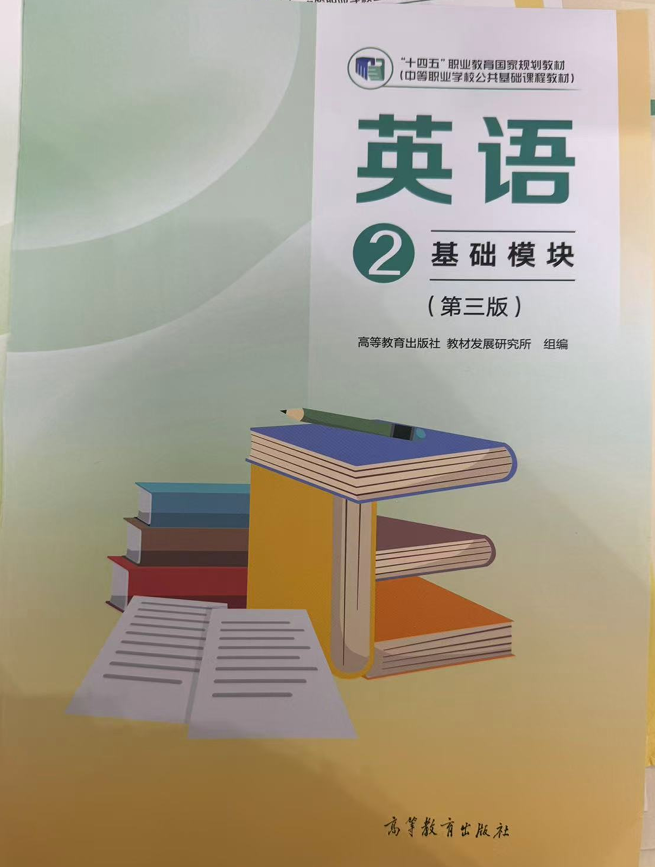
Unit 5 Ancient Civilization(B卷·能力提升)《英语 基础模块2》(高教版第三版)单元过关卷(原卷版+解析版)
2026-04-23
|
2份
|
30页
|
44人阅读
|
0人下载
内容正文:
编写说明:本套试卷紧扣《英语 基础模块2》(高教版第三版)教材,以教材单元为基准精准覆盖核心考点。
每个单元设置AB卷,A卷为基础巩固卷,侧重基础考点训练,帮助学生扎实掌握知识要点;B卷为能力提升卷,注重知识整合与全面检测,引导学生构建知识网络。全书设计4份综合测试卷,模拟实战情境,聚焦解题能力突破,全面提升应试能力与知识应用水平。
《英语 基础模块2》(高教版第三版)《单元过关卷》
Unit 5 Ancient Civilization
B卷·能力提升
时间:70分钟 总分:100分
班级 姓名 学号 成绩
综合卷Ⅰ(75分)
一、词汇与语法(共25小题,每小题1分,满分25分)
(一)单词辨音
从下列各小题的A、B、C三个选项中选出一个画线部分发音与所给单词的画线部分发音相同的选项。(共5小题,每小题1分,共5分)
1.civilization
A.question B.station C.suggestion
【答案】B
【详解】考查字母组合 tion 的发音。所给单词 “civilization” 中 tion 发 /ʃn/;选项 A “question” 中 tion 发 /tʃən/,选项 B “station” 中 tion 发 /ʃn/,选项 C “suggestion” 中 tion 发 /tʃən/。故选 B。
2.architecture
A.school B.chair C.watch
【答案】A
【详解】考查字母组合 ch 的发音。所给单词 “architecture” 中 ch 发 /k/;选项 A “school” 中 ch 发 /k/,选项 B “chair” 中 ch 发 /tʃ/,选项 C “watch” 中 ch 发 /tʃ/。故选 A。
3.dynasty
A.fly B.many C.my
【答案】B
【详解】考查字母 y 的发音。所给单词 “dynasty” 中 y 发 /i/;选项 A “fly” 中 y 发 /aɪ/,选项 B “many” 中 y 发 /i/,选项 C “my” 中 y 发 /aɪ/。故选 B。
4.empire
A.empty B.employ C.enemy
【答案】A
【详解】考查字母组合 em 的发音。所给单词 “empire” 中 em 发 /em/;选项 A “empty” 中 em 发 /em/,选项 B “employ” 中 em 发 /ɪm/,选项 C “enemy” 中 en 发 /e/。故选 A。
5.tradition
A.nation B.question C.suggestion
【答案】A
【详解】考查字母组合 tion 的发音。所给单词 “tradition” 中 tion 发 /ʃn/;选项 A “nation” 中 tion 发 /ʃn/,选项 B “question” 中 tion 发 /tʃən/,选项 C “suggestion” 中 tion 发 /tʃən/。故选 A。
(二)词义选择
从下列各小题的A、B、C三个选项中选出一个与句子中画线的英文单词或短语含义相符的中文选项。(共10小题,每小题1分,共10分)
6.The architecture of the ancient temple is impressive.
A.文化
B.历史
C.建筑
【答案】C
【详解】考查单词词义。architecture 意为 “建筑”。故选 C。
7.The Great Wall was built during the Qin Dynasty.
A.国家
B.朝代
C.城市
【答案】B
【详解】考查单词词义。dynasty 意为 “朝代”。故选 B。
8.Ancient Chinese culture had a great influence on the world.
A.效果
B.结果
C.影响
【答案】C
【详解】考查单词词义。influence 意为 “影响”。故选 C。
9.Chinese porcelain was exported to Europe through the Silk Road.
A.丝绸
B.瓷器
C.茶叶
【答案】B
【详解】考查单词词义。porcelain 意为 “瓷器”。故选 B。
10.China exported tea and silk to Western countries.
A.进口
B.生产
C.出口
【答案】C
【详解】考查单词词义。export 意为 “出口”。故选 C。
11.Strong evidence suggests that silk was known in Greece early.
A.观点
B.证据
C.猜测
【答案】B
【详解】考查单词词义。evidence 意为 “证据”。故选 B。
12.The Silk Road promoted cultural exchange between East and West.
A.阻碍
B.结束
C.促进
【答案】C
【详解】考查单词词义。promote 意为 “促进”。故选 C。
13.The palace is truly magnificent.
A.普通的
B.壮丽的
C.破旧的
【答案】B
【详解】考查单词词义。magnificent 意为 “壮丽的”。故选 B。
14.The remains of the ancient city can still be seen today.
A.建筑
B.文物
C.遗迹
【答案】C
【详解】考查单词词义。remains 意为 “遗迹”。故选 C。
15.These skills were passed down from generation to generation.
A.遗忘
B.丢弃
C.传承
【答案】C
【详解】考查短语词义。pass down 意为 “传承”。故选 C。
(三)语法运用
从下列各小题的A、B、C三个选项中选出一个最佳选项填入空白处完成句子。(共10小题,每小题1分,共10分)
16.I wonder ______ the painting was created.
A.which
B.when
C.what
【答案】B
【详解】考查宾语从句。when 意为 “何时”,询问时间。故选 B。
17.Could you tell me ______ I can find the museum?
A.which
B.what
C.how
【答案】A
【详解】考查宾语从句。how 意为 “如何”,询问方式。故选 A。
18.The teacher asked us ______ we knew about the Silk Road.
A.if
B.that
C.what
【答案】A
【详解】考查宾语从句。if 意为 “是否”,引导宾语从句。故选 A。
19.I believe ______ ancient Chinese inventions changed the world.
A.which
B.that
C.what
【答案】A
【详解】考查宾语从句。that 引导陈述句宾语从句。故选 A。
20.She said ______ she had visited the National Museum.
A.that
B.what
C.whether
【答案】B
【详解】考查宾语从句。that 引导陈述句宾语从句。故选 B。
21.Paper-making ______ in China about 2,000 years ago.
A.was invented
B.invented
C.is invented
【答案】B
【详解】考查一般过去时被动语态。造纸术是被发明,用 was invented。故选 B。
22.______ fascinating the ancient civilization is!
A.How
B.What
C.What a
【答案】C
【详解】考查感叹句。How + 形容词 + 主语 + 谓语!fascinating 是形容词,用 How 引导。故选 C。
23.They ______ the exhibition when the fire alarm rang.
A.were visiting
B.visited
C.visit
【答案】B
【详解】考查过去进行时。when 引导一般过去时从句,主句用过去进行时。故选 B。
24.He didn't go to the museum yesterday, ______ did I.
A.neither
B.so
C.and
【答案】C
【详解】考查倒装句。neither + 助动词 + 主语,表示 “也不”。故选 C。
25.He worked hard, ______ he passed the exam.
A.so
B.but
C.or
【答案】C
【详解】考查连词。so 意为 “因此”,表示结果。故选 C。
二、情景交际(共15小题,每小题2分,共30分)
(一)简短对话
从下列各小题的A、B、C三个选项中选出一个最佳选项完成对话。(共10小题,每小题2分,共20分)
26.Speaker A: The podcast about ancient Chinese art is really interesting.
Speaker B: ______
A.Art is boring.
B.Yes, I learned a lot from it.
C.I don't like podcasts.
【答案】B
【详解】考查情景交际。对方评价播客有趣,应表示赞同并说收获很大。故选 B。
27.Speaker A: Do you know why Picasso's paintings are so famous?
Speaker B: ______
A.Because his style was totally new and creative.
B.He was not famous.
C.I don't know Picasso.
【答案】A
【详解】考查情景交际。对方询问毕加索出名的原因,应回答风格新颖有创意。故选 A。
28.Speaker A: The Silk Road was not only a trade route but also a bridge for culture.
Speaker B: ______
A.It was only for trade.
B.Bridges are not important.
C.Exactly! It connected East and West.
【答案】C
【详解】考查情景交际。对方评价丝绸之路的意义,应表示完全赞同。故选 C。
29.Speaker A: Have you ever been to the Terracotta Army in Xi'an?
Speaker B: ______
A.Yes! It was magnificent!
B.I don't like Xi'an.
C.What is Terracotta Army?
【答案】A
【详解】考查情景交际。对方询问是否去过兵马俑,应正面回应并赞美。故选 A。
30.Speaker A: I heard that Bi Sheng invented movable type printing.
Speaker B: ______
A.Printing is not useful.
B.That's correct. It was a great invention.
C.I don't think so.
【答案】B
【详解】考查情景交际。对方提及毕昇发明活字印刷,应表示肯定并赞美。故选 B。
31.Speaker A: Chinese porcelain was very popular in Europe.
Speaker B: ______
A.Yes, it was considered as valuable as gold.
B.Porcelain is cheap.
C.Europe doesn't like porcelain.
【答案】A
【详解】考查情景交际。对方说中国瓷器在欧洲受欢迎,应表示认同并说明价值。故选 A。
32.Speaker A: What was the purpose of Gan Ying's journey?
Speaker B: ______
A.To sell silk.
B.To search for the Roman Empire.
C.To fight a war.
【答案】B
【详解】考查情景交际。对方询问甘英出使目的,应回答寻找罗马帝国。故选 B。
33.Speaker A: The exhibition about ancient Chinese inventions is worth visiting.
Speaker B: ______
A.Exhibitions are boring.
B.I have no time.
C.I'll go this weekend!
【答案】C
【详解】考查情景交际。对方说展览值得看,应表示会去参观。故选 C。
34.Speaker A: Can you explain what this ancient painting means?
Speaker B: ______
A.It tells the story of a famous battle.
B.I can't read paintings.
C.It means nothing.
【答案】C
【详解】考查情景交际。对方询问古画含义,应解释内容。故选 C。
35.Speaker A: Ancient civilizations have left us so many treasures.
Speaker B: ______
A.They are not important.
B.We should protect and learn from them.
C.We should sell them.
【答案】C
【详解】考查情景交际。对方谈论古代文明遗产,应表示要保护学习。故选 C。
(二)补全对话
在以下情景对话中有五个空白处,从对话下方的七个备选项中选择恰当的句子补全对话。(共5小题,每小题2分,共10分)
Li Ming: Have you visited the new exhibition at the National Museum?
Wang Fang: 36
Li Ming: It's about the four great inventions of ancient China.
Wang Fang: 37
Li Ming: Yes! You can see how paper, printing, and other inventions were made.
Wang Fang: 38
Li Ming: It's open from 9 am to 5 pm every day except Monday.
Wang Fang: 39
Li Ming: It's free for students with a student ID.
Wang Fang: 40
A.That sounds wonderful! When is it open?
B.No, I haven't. What is it about?
C.That's great! I'll bring my student ID.
D.How much is the ticket?
E.Can you tell me more about it?
F.I'll definitely go visit it.
G.Is there anything special to see?
36.【答案】B
【详解】上文李明询问王芳是否参观过国家博物馆新展览,是现在完成时一般疑问句,B 选项 “没有,我没有去过。它是关于什么的?” 承接上文问句,同时引出下文展览主题,故选 B。
37.【答案】G
【详解】下文李明回答 “是的!你可以看到纸张、印刷术以及其他发明是如何制作的”,为肯定回答且介绍展览可观看的内容,G 选项 “有什么特别可以看的东西吗?” 符合问答逻辑,故选 G。
38.【答案】A
【详解】下文回答展览开放时间 “除周一外,每天上午 9 点到下午 5 点开放”,A 选项 “听起来太棒了!什么时候开放?” 对应询问时间,故选 A。
39.【答案】D
【详解】下文回答 “学生带学生证免费参观”,内容为门票费用相关,D 选项 “门票多少钱?” 符合语境,故选 D。
40.【答案】C
【详解】上文得知学生凭证免费,C 选项 “太棒了!我会带上我的学生证。” 承接上文,做出后续打算,故选 C。
三、阅读理解(共10小题,每小题2分,共20分)
阅读下列两篇短文,根据短文内容从每题所给的A、B、C三个选项中选出一个最佳选项。
A
The Terracotta Army (兵马俑) is one of the greatest archaeological discoveries of the 20th century. It was discovered in 1974 by farmers in Xi'an, China. The Terracotta Army consists of over 8,000 life-sized clay soldiers, horses, and chariots (战车) that were buried with Qin Shi Huang, the first emperor of China.
Each soldier has a unique face, which shows the amazing skill of ancient Chinese craftsmen. The soldiers were arranged in battle formation to protect the emperor in the afterlife. Weapons such as swords and spears were also found, and surprisingly, they were still sharp after more than 2,000 years.
Today, the Terracotta Army is a UNESCO World Heritage Site and attracts millions of visitors from around the world every year. It is considered one of the most important symbols of ancient Chinese civilization.
41.When was the Terracotta Army discovered?
A.In 1964. B.In 1974. C.In 1984.
42.How many clay soldiers are there approximately?
A.Over 800. B.Over 8,000. C.Over 80,000.
43.What makes each soldier special?
A.They all look the same.
B.Each has a unique face.
C.They are made of gold.
44.What does "archaeological" mean?
A.建筑的 B.考古的 C.农业的
45.What is the Terracotta Army considered as?
A.A modern art work.
B.A symbol of ancient Chinese civilization.
C.A type of weapon.
41.【答案】B
【详解】根据文中 “It was discovered in 1974 by farmers in Xi'an, China.” 可知,1974 年被发现。故选 B。
42.【答案】B
【详解】根据文中 “The Terracotta Army consists of over 8,000 life-sized clay soldiers” 可知,超过 8000 个。故选 B。
43.【答案】B
【详解】根据文中 “Each soldier has a unique face” 可知,每个士兵都有独特的脸。故选 B。
44.【答案】B
【详解】考查单词词义。archaeological 意为 “考古的”。故选 B。
45.【答案】B
【详解】根据文中 “It is considered one of the most important symbols of ancient Chinese civilization.” 可知,是中国古代文明的重要象征。故选 B。
B
Ancient Egypt is one of the oldest civilizations in the world. It began around 3100 BC along the Nile River. The ancient Egyptians built pyramids (金字塔) as tombs for their kings, also known as pharaohs (法老). The Great Pyramid of Giza is the largest and most famous one.
The ancient Egyptians also invented a writing system called hieroglyphics (象形文字). They wrote on papyrus, a type of paper made from plants. This invention was very important for recording their history and culture.
Ancient Egypt made great contributions to mathematics, medicine, and architecture. Many of their ideas and inventions influenced later civilizations, including ancient Greece and Rome.
46.Where did ancient Egypt begin?
A.Along the Nile River.
B.Along the Yellow River.
C.Along the Amazon River.
47.Why were pyramids built?
A.As homes for the rich.
B.As tombs for kings.
C.As temples for gods.
48.What is hieroglyphics?
A.A type of food.
B.A type of paper.
C.A writing system.
49.What is papyrus?
A.A plant used to make paper.
B.A type of pyramid.
C.A kind of food.
50.Which field did ancient Egypt NOT contribute to?
A.Mathematics. B.Medicine. C.Electricity.
46.【答案】A
【详解】根据文中 “It began around 3100 BC along the Nile River.” 可知,沿尼罗河流域。故选 A。
47.【答案】B
【详解】根据文中 “The ancient Egyptians built pyramids as tombs for their kings” 可知,作为国王陵墓。故选 B。
48.【答案】C
【详解】根据文中 “invented a writing system called hieroglyphics” 可知,是书写系统。故选 C。
49.【答案】A
【详解】根据文中 “papyrus, a type of paper made from plants” 可知,是一种造纸的植物。故选 A。
50.【答案】C
【详解】根据文中 “Ancient Egypt made great contributions to mathematics, medicine, and architecture.” 可知,未涉及电力。故选 C。
综合卷Ⅱ(25分)
四、英汉互译(共5小题,每小题3分,共15分)
将下列51—53小题的英文句子翻译成中文,54、55小题中文句子翻译成英文(括号中的英文提示词供翻译参考)。
51.Each soldier has a unique face, which shows the amazing skill of ancient Chinese craftsmen.
52.The Terracotta Army is considered one of the most important symbols of ancient Chinese civilization.
53.Ancient Egyptian inventions influenced later civilizations, including Greece and Rome.
54.你能告诉我这些文物是什么时候发现的吗?(when)
55.古代中国四大发明对世界文明做出了巨大贡献。(make contributions to)
51.【答案】每个士兵都有一张独特的脸,这展现了中国古代工匠的精湛技艺。
52.【答案】兵马俑被认为是中国古代文明最重要的象征之一。
53.【答案】古埃及的发明影响了后来的文明,包括古希腊和古罗马。
54.【答案】Could you tell me when these cultural relics were discovered?
55.【答案】The four great inventions of ancient China made great contributions to world civilization.
五、应用写作(本大题共10分)
根据提示完成通知填空,每空一词或短语。
NOTICE
To: All students
From: 56 (历史社)
Date: November 20, 2027
Subject: Cultural Heritage Protection Activity
We will organize a visit to the 57 (兵马俑博物馆) in Xi'an during the winter holiday. The tour will be guided by a 58 (专业讲解员) who will introduce the history of the 59 (秦朝) . Please 60 (报名) at the school office
56.____________________
57.____________________
58.____________________
59.____________________
60.____________________
56.【答案】History Club
57.【答案】Terracotta Army Museum
58.【答案】professional guide
59.【答案】Qin Dynasty
60.【答案】sign up
学科网(北京)股份有限公司 (
1
)原创精品资源学科网独家享有版权,侵权必究!
学科网(北京)股份有限公司
$
编写说明:本套试卷紧扣《英语 基础模块2》(高教版第三版)教材,以教材单元为基准精准覆盖核心考点。
每个单元设置AB卷,A卷为基础巩固卷,侧重基础考点训练,帮助学生扎实掌握知识要点;B卷为能力提升卷,注重知识整合与全面检测,引导学生构建知识网络。全书设计4份综合测试卷,模拟实战情境,聚焦解题能力突破,全面提升应试能力与知识应用水平。
《英语 基础模块2》(高教版第三版)《单元过关卷》
Unit 5 Ancient Civilization
B卷·能力提升
时间:70分钟 总分:100分
班级 姓名 学号 成绩
综合卷Ⅰ(75分)
一、词汇与语法(共25小题,每小题1分,满分25分)
(一)单词辨音
从下列各小题的A、B、C三个选项中选出一个画线部分发音与所给单词的画线部分发音相同的选项。(共5小题,每小题1分,共5分)
1.civilization
A.question B.station C.suggestion
2.architecture
A.school B.chair C.watch
3.dynasty
A.fly B.many C.my
4.empire
A.empty B.employ C.enemy
5.tradition
A.nation B.question C.suggestion
(二)词义选择
从下列各小题的A、B、C三个选项中选出一个与句子中画线的英文单词或短语含义相符的中文选项。(共10小题,每小题1分,共10分)
6.The architecture of the ancient temple is impressive.
A.文化
B.历史
C.建筑
7.The Great Wall was built during the Qin Dynasty.
A.国家
B.朝代
C.城市
8.Ancient Chinese culture had a great influence on the world.
A.效果
B.结果
C.影响
9.Chinese porcelain was exported to Europe through the Silk Road.
A.丝绸
B.瓷器
C.茶叶
10.China exported tea and silk to Western countries.
A.进口
B.生产
C.出口
11.Strong evidence suggests that silk was known in Greece early.
A.观点
B.证据
C.猜测
12.The Silk Road promoted cultural exchange between East and West.
A.阻碍
B.结束
C.促进
13.The palace is truly magnificent.
A.普通的
B.壮丽的
C.破旧的
14.The remains of the ancient city can still be seen today.
A.建筑
B.文物
C.遗迹
15.These skills were passed down from generation to generation.
A.遗忘
B.丢弃
C.传承
(三)语法运用
从下列各小题的A、B、C三个选项中选出一个最佳选项填入空白处完成句子。(共10小题,每小题1分,共10分)
16.I wonder ______ the painting was created.
A.which
B.when
C.what
17.Could you tell me ______ I can find the museum?
A.which
B.what
C.how
18.The teacher asked us ______ we knew about the Silk Road.
A.if
B.that
C.what
19.I believe ______ ancient Chinese inventions changed the world.
A.which
B.that
C.what
20.She said ______ she had visited the National Museum.
A.that
B.what
C.whether
21.Paper-making ______ in China about 2,000 years ago.
A.was invented
B.invented
C.is invented
22.______ fascinating the ancient civilization is!
A.How
B.What
C.What a
23.They ______ the exhibition when the fire alarm rang.
A.were visiting
B.visited
C.visit
24.He didn't go to the museum yesterday, ______ did I.
A.neither
B.so
C.and
25.He worked hard, ______ he passed the exam.
A.so
B.but
C.or
二、情景交际(共15小题,每小题2分,共30分)
(一)简短对话
从下列各小题的A、B、C三个选项中选出一个最佳选项完成对话。(共10小题,每小题2分,共20分)
26.Speaker A: The podcast about ancient Chinese art is really interesting.
Speaker B: ______
A.Art is boring.
B.Yes, I learned a lot from it.
C.I don't like podcasts.
27.Speaker A: Do you know why Picasso's paintings are so famous?
Speaker B: ______
A.Because his style was totally new and creative.
B.He was not famous.
C.I don't know Picasso.
28.Speaker A: The Silk Road was not only a trade route but also a bridge for culture.
Speaker B: ______
A.It was only for trade.
B.Bridges are not important.
C.Exactly! It connected East and West.
29.Speaker A: Have you ever been to the Terracotta Army in Xi'an?
Speaker B: ______
A.Yes! It was magnificent!
B.I don't like Xi'an.
C.What is Terracotta Army?
30.Speaker A: I heard that Bi Sheng invented movable type printing.
Speaker B: ______
A.Printing is not useful.
B.That's correct. It was a great invention.
C.I don't think so.
31.Speaker A: Chinese porcelain was very popular in Europe.
Speaker B: ______
A.Yes, it was considered as valuable as gold.
B.Porcelain is cheap.
C.Europe doesn't like porcelain.
32.Speaker A: What was the purpose of Gan Ying's journey?
Speaker B: ______
A.To sell silk.
B.To search for the Roman Empire.
C.To fight a war.
33.Speaker A: The exhibition about ancient Chinese inventions is worth visiting.
Speaker B: ______
A.Exhibitions are boring.
B.I have no time.
C.I'll go this weekend!
34.Speaker A: Can you explain what this ancient painting means?
Speaker B: ______
A.It tells the story of a famous battle.
B.I can't read paintings.
C.It means nothing.
35.Speaker A: Ancient civilizations have left us so many treasures.
Speaker B: ______
A.They are not important.
B.We should protect and learn from them.
C.We should sell them.
(二)补全对话
在以下情景对话中有五个空白处,从对话下方的七个备选项中选择恰当的句子补全对话。(共5小题,每小题2分,共10分)
Li Ming: Have you visited the new exhibition at the National Museum?
Wang Fang: 36
Li Ming: It's about the four great inventions of ancient China.
Wang Fang: 37
Li Ming: Yes! You can see how paper, printing, and other inventions were made.
Wang Fang: 38
Li Ming: It's open from 9 am to 5 pm every day except Monday.
Wang Fang: 39
Li Ming: It's free for students with a student ID.
Wang Fang: 40
A.That sounds wonderful! When is it open?
B.No, I haven't. What is it about?
C.That's great! I'll bring my student ID.
D.How much is the ticket?
E.Can you tell me more about it?
F.I'll definitely go visit it.
G.Is there anything special to see?
三、阅读理解(共10小题,每小题2分,共20分)
阅读下列两篇短文,根据短文内容从每题所给的A、B、C三个选项中选出一个最佳选项。
A
The Terracotta Army (兵马俑) is one of the greatest archaeological discoveries of the 20th century. It was discovered in 1974 by farmers in Xi'an, China. The Terracotta Army consists of over 8,000 life-sized clay soldiers, horses, and chariots (战车) that were buried with Qin Shi Huang, the first emperor of China.
Each soldier has a unique face, which shows the amazing skill of ancient Chinese craftsmen. The soldiers were arranged in battle formation to protect the emperor in the afterlife. Weapons such as swords and spears were also found, and surprisingly, they were still sharp after more than 2,000 years.
Today, the Terracotta Army is a UNESCO World Heritage Site and attracts millions of visitors from around the world every year. It is considered one of the most important symbols of ancient Chinese civilization.
41.When was the Terracotta Army discovered?
A.In 1964. B.In 1974. C.In 1984.
42.How many clay soldiers are there approximately?
A.Over 800. B.Over 8,000. C.Over 80,000.
43.What makes each soldier special?
A.They all look the same.
B.Each has a unique face.
C.They are made of gold.
44.What does "archaeological" mean?
A.建筑的 B.考古的 C.农业的
45.What is the Terracotta Army considered as?
A.A modern art work.
B.A symbol of ancient Chinese civilization.
C.A type of weapon.
B
Ancient Egypt is one of the oldest civilizations in the world. It began around 3100 BC along the Nile River. The ancient Egyptians built pyramids (金字塔) as tombs for their kings, also known as pharaohs (法老). The Great Pyramid of Giza is the largest and most famous one.
The ancient Egyptians also invented a writing system called hieroglyphics (象形文字). They wrote on papyrus, a type of paper made from plants. This invention was very important for recording their history and culture.
Ancient Egypt made great contributions to mathematics, medicine, and architecture. Many of their ideas and inventions influenced later civilizations, including ancient Greece and Rome.
46.Where did ancient Egypt begin?
A.Along the Nile River.
B.Along the Yellow River.
C.Along the Amazon River.
47.Why were pyramids built?
A.As homes for the rich.
B.As tombs for kings.
C.As temples for gods.
48.What is hieroglyphics?
A.A type of food.
B.A type of paper.
C.A writing system.
49.What is papyrus?
A.A plant used to make paper.
B.A type of pyramid.
C.A kind of food.
50.Which field did ancient Egypt NOT contribute to?
A.Mathematics. B.Medicine. C.Electricity.
综合卷Ⅱ(25分)
四、英汉互译(共5小题,每小题3分,共15分)
将下列51—53小题的英文句子翻译成中文,54、55小题中文句子翻译成英文(括号中的英文提示词供翻译参考)。
51.Each soldier has a unique face, which shows the amazing skill of ancient Chinese craftsmen.
52.The Terracotta Army is considered one of the most important symbols of ancient Chinese civilization.
53.Ancient Egyptian inventions influenced later civilizations, including Greece and Rome.
54.你能告诉我这些文物是什么时候发现的吗?(when)
55.古代中国四大发明对世界文明做出了巨大贡献。(make contributions to)
五、应用写作(本大题共10分)
根据提示完成通知填空,每空一词或短语。
NOTICE
To: All students
From: 56 (历史社)
Date: November 20, 2027
Subject: Cultural Heritage Protection Activity
We will organize a visit to the 57 (兵马俑博物馆) in Xi'an during the winter holiday. The tour will be guided by a 58 (专业讲解员) who will introduce the history of the 59 (秦朝) . Please 60 (报名) at the school office
56.____________________
57.____________________
58.____________________
59.____________________
60.____________________
学科网(北京)股份有限公司 (
1
)原创精品资源学科网独家享有版权,侵权必究!
学科网(北京)股份有限公司
$
资源预览图

1

2

3
由于学科网是一个信息分享及获取的平台,不确保部分用户上传资料的 来源及知识产权归属。如您发现相关资料侵犯您的合法权益,请联系学科网,我们核实后将及时进行处理。