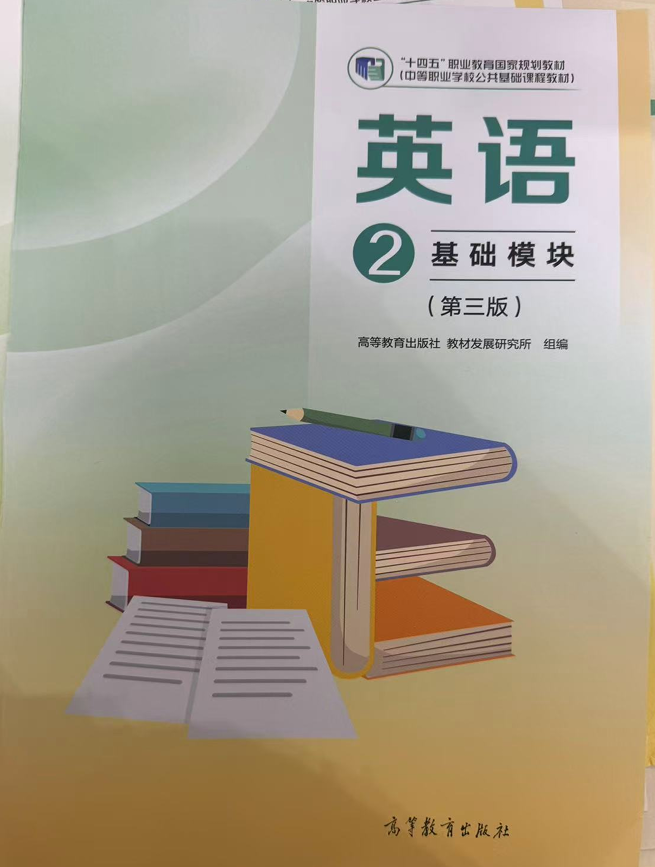
1.5 Travel(Language Practice)-《英语 基础模块2》(高教版第三版)《一课一练》(原卷版+解析版)
2026-04-16
|
2份
|
11页
|
108人阅读
|
0人下载
内容正文:
编写说明:基于中职学生英语知识不牢固、学习内驱力不够的学情特点,为了更好地提高学生的学习效率,辅助教师们抓好课前、课中、课后三个教学环节,本专辑深度解读最新的《中等职业学校英语课程标准》,匠心打造了契合四川职教高考命题特色的【四川专用】《英语 基础模块2》(高教版第三版)《一课一练》专辑,专辑共40练。
本卷为《英语 基础模块2》(高教版第三版) Unit 1 Travel (Language Practice)的课前预习和课堂检测。
《英语 基础模块2》(高教版第三版)
Unit 1 Travel
一课一练(5) Language Practice
【课前预习】
[单元语法]一般过去时
语法精析
1.一般过去时的定义
一般过去时表示过去某一时候或某一段时间所发生的事情或存在的状态。
常与过去时间 yesterday, this morning, just now, a moment ago, in May, last night/ year/week, once upon a time, the other day, before……, when-clause, in the past 连用。 如:
What did you do yesterday?
昨天你干了什么?
I met Lin Tao this morning.
今天上午我见到了林涛。
I was there a moment ago.
刚才我在那儿。
2.一般过去时的应用
(1)表示过去某时所发生的动作或存在的状态。如:
Liu Ying was in America last year.
刘英去年在美国。
Jim rang you just now.
吉姆刚才给你打了电话。
(2)表示过去经常或反复发生的动作。常接时间副词 often, usually, always, sometimes, every day/ week, etc. 如:
We often went out for a walk after supper.
我们过去常在晚饭后散步。
We usually played together.
我们通常一起玩。
3.一般过去时对谓语动词的要求
一般过去时的谓语动词要用动词的过去式。动词过去式的构成分规则变化和不规则变化两种形式
(1)动词过去式的规则变化
动词形式
变化规则
例词
一般情况
在动词词尾加-ed
work→worked;
play→played
want→wanted;
act→acted
以不发音的-e结尾
在动词词尾加-d
live→lived;
move→moved
hope→hoped;
taste→tasted
以“辅音字母+y”结尾
把y变为i再加-ed
study→studied;
try→tried
cry→cried;
carry→carried
以一个辅音字母结尾的重读闭音节动词
双写词尾的辅音字母,再加-ed
stop→stopped;
drop→dropped
plan→planned;
regret→regretted
(2)动词过去式的不规则变化
begin→began; drink→drank; give→gave
drive→drove; ride→rode; write→wrote
keep→kept; sleep→slept; sweep→swept
become→became; drink→drank
teach→taught; buy→bought; think→thought
【课堂检测】
一、单项选择
1.He ________ a book last year and it was popular.
A.publish B.publishes C.published D.will publish
2.They ________ a lot of voluntary work last week.
A.do B.did C.are doing D.will do
3.In the 1990s, many people ________ to start their own businesses in the city.
A.try B.tried C.are trying D.will try
4.—________ the city ________ a lot by the end of last century?
—Yes, many tall buildings appeared.
A.Had; changed B.Has; changed C.Will; change D.Is; changing
5.My grandmother often ________ stories about Chinese folk art to me when I was a child.
A.tells B.told C.is telling D.will tell
6.—Did you have a good time there?
—Not really. It was rainy so we ________to stay at the hotel.
A.decide B.decided C.will decide D.are deciding
7.I ________ to review for the test today so I ________ a bad grade.
A.forget; get B.forgot; got C.forget; got D.forgot; get
8.Ten minutes later, a car came and ________ the old woman to hospital.
A.takes B.took C.brings D.brought
9.This machine is used ________ paper.
A.make B.to make C.making D.made
10.My father used to ________ to work, but now he takes the underground.
A.drive B.driving C.drove D.drives
11.Hundreds of years ago, the local people ________ in this small village.
A.live B.lived C.are living D.will live
12.In our class meeting, we ________ the rules and topics for our class reading sharing activity, but didn’t reach a final agreement.
A.explained B.decided C.introduced D.discussed
13.She always ______ a book before going to bed when she was a student.
A.read B.reads C.reading D.to read
14.I _________ the bus to school every day when I was in primary school.
A.take B.am taking C.took D.will take
15.The old lake ________ because of the serious earthquake in 1955.
A.disappears B.disappeared C.will disappear D.is disappearing
二、单词拼写
16.He ________ (选择) a good topic to write about yesterday.
17.She ________ (自愿做) to help the poor children last weekend.
18.A window in the man’s house ________ (break), and the roof nearly ________ (fly) off.
19.The girl’s grandparents ________ (be) at home when she called.
20.During the typhoon, there ________ (be) very strong winds and heavy rain.
原创精品资源学科网独家享有版权,侵权必究!
学科网(北京)股份有限公司
学科网(北京)股份有限公司
$
编写说明:基于中职学生英语知识不牢固、学习内驱力不够的学情特点,为了更好地提高学生的学习效率,辅助教师们抓好课前、课中、课后三个教学环节,本专辑深度解读最新的《中等职业学校英语课程标准》,匠心打造了契合四川职教高考命题特色的【四川专用】《英语 基础模块2》(高教版第三版)《一课一练》专辑,专辑共40练。
本卷为《英语 基础模块2》(高教版第三版) Unit 1 Travel (Language Practice)的课前预习和课堂检测。
《英语 基础模块2》(高教版第三版)
Unit 1 Travel
一课一练(5) Language Practice
【课前预习】
[单元语法]一般过去时
语法精析
1.一般过去时的定义
一般过去时表示过去某一时候或某一段时间所发生的事情或存在的状态。
常与过去时间 yesterday, this morning, just now, a moment ago, in May, last night/ year/week, once upon a time, the other day, before……, when-clause, in the past 连用。 如:
What did you do yesterday?
昨天你干了什么?
I met Lin Tao this morning.
今天上午我见到了林涛。
I was there a moment ago.
刚才我在那儿。
2.一般过去时的应用
(1)表示过去某时所发生的动作或存在的状态。如:
Liu Ying was in America last year.
刘英去年在美国。
Jim rang you just now.
吉姆刚才给你打了电话。
(2)表示过去经常或反复发生的动作。常接时间副词 often, usually, always, sometimes, every day/ week, etc. 如:
We often went out for a walk after supper.
我们过去常在晚饭后散步。
We usually played together.
我们通常一起玩。
3.一般过去时对谓语动词的要求
一般过去时的谓语动词要用动词的过去式。动词过去式的构成分规则变化和不规则变化两种形式
(1)动词过去式的规则变化
动词形式
变化规则
例词
一般情况
在动词词尾加-ed
work→worked;
play→played
want→wanted;
act→acted
以不发音的-e结尾
在动词词尾加-d
live→lived;
move→moved
hope→hoped;
taste→tasted
以“辅音字母+y”结尾
把y变为i再加-ed
study→studied;
try→tried
cry→cried;
carry→carried
以一个辅音字母结尾的重读闭音节动词
双写词尾的辅音字母,再加-ed
stop→stopped;
drop→dropped
plan→planned;
regret→regretted
(2)动词过去式的不规则变化
begin→began; drink→drank; give→gave
drive→drove; ride→rode; write→wrote
keep→kept; sleep→slept; sweep→swept
become→became; drink→drank
teach→taught; buy→bought; think→thought
【课堂检测】
一、单项选择
1.He ________ a book last year and it was popular.
A.publish B.publishes C.published D.will publish
【答案】C
【详解】句意:他去年出版了一本书,而且它很受欢迎。
根据时间状语“last year”可知,动作发生在过去,需用一般过去时,动词用过去式,应填published。
2.They ________ a lot of voluntary work last week.
A.do B.did C.are doing D.will do
【答案】B
【详解】句意:他们上周做了很多志愿工作。
do做;did做(过去式);are doing正在做;will do将要做。根据时间状语“last week”可知动作发生在过去,句子应用一般过去时,谓语动词需用过去式。
3.In the 1990s, many people ________ to start their own businesses in the city.
A.try B.tried C.are trying D.will try
【答案】B
【详解】句意:在20世纪90年代,许多人尝试在这个城市开始他们自己的生意。
try尝试;tried尝试了;are trying正在尝试;will try将尝试。根据时间状语“In the 1990s”可知,动作发生在过去,应用一般过去时,动词用过去式。应填tried。
4.—________ the city ________ a lot by the end of last century?
—Yes, many tall buildings appeared.
A.Had; changed B.Has; changed C.Will; change D.Is; changing
【答案】A
【详解】句意:——到上个世纪末,这座城市发生了很大变化吗?——是的,许多高楼出现了。
根据时间状语“by the end of last century”可知,句子表示在过去某一时间之前已经完成的动作,应用过去完成时,结构为had+过去分词,应填Had; changed。
5.My grandmother often ________ stories about Chinese folk art to me when I was a child.
A.tells B.told C.is telling D.will tell
【答案】B
【详解】句意:当我还是个孩子的时候,我奶奶经常给我讲关于中国民间艺术的故事。
考查动词时态。根据从句“when I was a child”可知,主句动作发生在过去,应使用一般过去时。故选B。
6.—Did you have a good time there?
—Not really. It was rainy so we ________to stay at the hotel.
A.decide B.decided C.will decide D.are deciding
【答案】B
【详解】句意:——你在那里玩得开心吗?——并不开心。因为下雨,所以我们决定待在酒店。
考查一般过去时。问句“Did you have a good time there?”使用了一般过去时,答语描述的是过去发生的情况。因此,描述过去的动作“决定”应使用一般过去时。故选B。
7.I ________ to review for the test today so I ________ a bad grade.
A.forget; get B.forgot; got C.forget; got D.forgot; get
【答案】B
【详解】句意:我忘记复习今天的考试了,所以我得了个很差的成绩。
考查动词时态。forget忘记,动词原形;get得到,动词原形;forgot忘记,动词过去式;got得到,动词过去式。根据语境可知,句子描述的是过去发生的一系列动作,“忘记复习”和“取得糟糕成绩”都已经发生过了 ,所以两个空都应该用过去式。故选B。
8.Ten minutes later, a car came and ________ the old woman to hospital.
A.takes B.took C.brings D.brought
【答案】B
【详解】句意:10分钟后,一辆车来了,载着那位老妇人去了医院。
考查动词辨析和时态。take带走;bring带来。根据“... the old woman to hospital”可知,是把那个老人带去了医院,故排除C和D;根据“a car came and...”可知,时态为一般过去时,故选B。
9.This machine is used ________ paper.
A.make B.to make C.making D.made
【答案】B
【详解】句意:这台机器被用来制作纸张。
make制作;to make去制作;making制作;made制作。be used to do sth.意为“被用来做某事”,表示被动和目的;be used to doing sth. 意为“习惯于做某事”。主语是机器,表示被动用途,应用不定式结构,且句中已有is used,只需填to make。
10.My father used to ________ to work, but now he takes the underground.
A.drive B.driving C.drove D.drives
【答案】A
【详解】句意:我爸爸过去常常开车上班,但现在他乘地铁。
used to do sth.是固定搭配,意为“过去常常做某事”,to后面接动词原形,应填drive。
11.Hundreds of years ago, the local people ________ in this small village.
A.live B.lived C.are living D.will live
【答案】B
【详解】句意:几百年前,当地人住在这个小村庄里。
根据时间状语“Hundreds of years ago”可知,句子描述的是过去发生的动作,应用一般过去时,动词用过去式。应填lived。
12.In our class meeting, we ________ the rules and topics for our class reading sharing activity, but didn’t reach a final agreement.
A.explained B.decided C.introduced D.discussed
【答案】D
【详解】句意:在我们的班会上,我们讨论了班级阅读分享活动的规则和主题,但没有达成最终一致意见。
explained解释;decided决定;introduced介绍;discussed讨论。根据后半句“but didn’t reach a final agreement”可知,虽然进行了交流但没有达成一致,说明是在“讨论”过程中,而非已经“决定”,explained和introduced不符合语境。
13.She always ______ a book before going to bed when she was a student.
A.read B.reads C.reading D.to read
【答案】A
【详解】句意:当她还是学生的时候,总是在睡前读一本书。
考查动词时态。句中“when she was a student”为过去时间状语,主句时态需用一般过去时,谓语动词应用过去式read。故选A。
14.I _________ the bus to school every day when I was in primary school.
A.take B.am taking C.took D.will take
【答案】C
【详解】句意:我上小学的时候每天坐公共汽车上学。
考查动词时态。根据“when I was in primary school”可知,此处指过去经常性的动作,时态为一般过去时,用动词过去式。故选C。
15.The old lake ________ because of the serious earthquake in 1955.
A.disappears B.disappeared C.will disappear D.is disappearing
【答案】B
【详解】句意:这个古老的湖泊因为1955年的严重地震而消失了。
disappears消失;disappeared消失;will disappear将消失;is disappearing正在消失。根据时间状语“in 1955”可知,动作发生在过去,谓语动词应用一般过去时。应填disappeared。
二、单词拼写
16.He ________ (选择) a good topic to write about yesterday.
【答案】chose
【详解】句意:他昨天选择了一个好的写作话题。根据句中时间状语“yesterday”提示,动作发生在过去,应用一般过去时。根据中文提示“选择”可知,其对应的英文单词为choose,其过去式形式为不规则变化chose。
17.She ________ (自愿做) to help the poor children last weekend.
【答案】volunteered
【详解】句意:上周末她自愿去帮助贫困儿童。根据括号内的中文提示“自愿做”,对应的英文动词是volunteer,句中时间状语last weekend表示过去时,所以用volunteer的过去式volunteered,且volunteer to do sth.是固定搭配,意为“自愿做某事”。
18.A window in the man’s house ________ (break), and the roof nearly ________ (fly) off.
【答案】 broke flew
【详解】句意:那个男人的房子有一扇窗户被打破了,并且屋顶几乎飞掉了。句子描述的是过去发生的动作,需用一般过去时。break“打破;损坏”,过去式为broke,主动表被动含义;fly“飞”,过去式为flew。故填broke;flew。
19.The girl’s grandparents ________ (be) at home when she called.
【答案】were
【详解】句意:当这个女孩打电话时,她的祖父母在家。句中“when she called”为过去的时间状语,提示动作发生在过去,应用一般过去时。主语“The girl’s grandparents”是复数,be动词的过去式中,复数形式用“were”。
20.During the typhoon, there ________ (be) very strong winds and heavy rain.
【答案】were
【详解】句意:台风期间,有非常猛烈的大风和暴雨。时间状语“During the typhoon”指向过去的某个时间段,说明事件发生在过去,因此整句需用一般过去时。there be句型遵循“就近原则”,句中“very strong winds”为复数,因此be动词需用过去式的复数形式。故填were。
原创精品资源学科网独家享有版权,侵权必究!
学科网(北京)股份有限公司
学科网(北京)股份有限公司
$
资源预览图

1

2
由于学科网是一个信息分享及获取的平台,不确保部分用户上传资料的 来源及知识产权归属。如您发现相关资料侵犯您的合法权益,请联系学科网,我们核实后将及时进行处理。