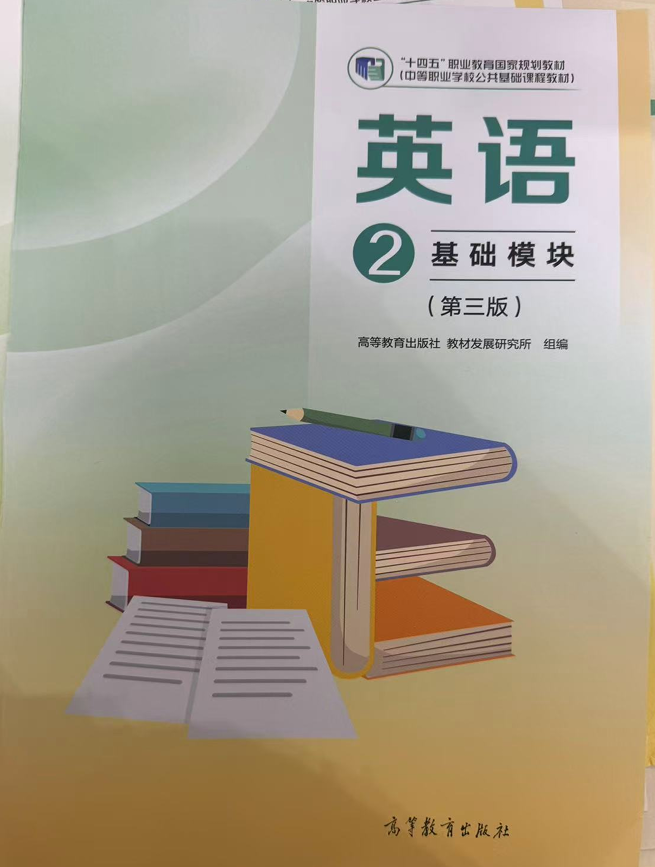
2.1 Health and Fitness(Warming up; Listening and Speaking)-《英语 基础模块2》(高教版第三版)《一课一练》(原卷版+解析版)
2026-04-16
|
2份
|
11页
|
95人阅读
|
1人下载
内容正文:
编写说明:基于中职学生英语知识不牢固、学习内驱力不够的学情特点,为了更好地提高学生的学习效率,辅助教师们抓好课前、课中、课后三个教学环节,本专辑深度解读最新的《中等职业学校英语课程标准》,匠心打造了契合浙江职教高考命题特色的【浙江专用】《英语 基础模块2》(高教版第三版)《一课一练》专辑,专辑共40练。
本卷为《英语 基础模块2》(高教版第三版)Unit 2 Health and Fitness(Warming up&Listening and Speaking)的课前预习和课堂检测。
《英语 基础模块2》(高教版第三版)
Unit 2 Health and Fitness
一课一练(6) Warming up; Listening and Speaking
【课前预习】
一、核心词汇检测
单词
1.fever (n.) ______
2.pressure (n.) ______
3.temper (n.) ______
4.throat (n.) ______
5.cough (n./v.) ______
6.temperature (n.) ______
7.appointment (n.) ______
8.weight (n.) ______
重点短语
9.have a toothache ______
10.have a stomachache ______
11.have a sore throat ______
12.lose one’s temper ______
13.plenty of ______
14.have a good rest ______
15.under pressure ______
【课堂检测】
一、词汇单选
1.She has a high ______ and feels very weak, so she needs to stay in bed.
A. fever B. fire C. fear D. face
2.Many young people are under great ______ because of heavy work and study.
A. pressure B. pleasure C. power D. practice
3.He is easy to lose his ______ when others disagree with him.
A. taste B. time C. temper D. test
4.I have a sore ______ and I can’t speak loudly for a long time.
A. throat B. thought C. thumb D. tooth
5.She has a bad ______ and she can’t stop coughing day and night.
A. card B. cold C. cook D. cough
6.The nurse took my ______ and said it was 38.5℃, a little higher than normal.
A. treasure B. temperature C. treatment D. transport
7.I ate too much cold food yesterday, so I ______ now.
A. have a stomachache B. have a headache C. have a backache D. have a earache
8.He eats too many sweets every day, so he often ______.
A. has a toothache B. has a stomachache C. has a sore throat D. has a fever
9.I shouted too much at the party yesterday, so I ______ today.
A. have a cough B. have a toothache C. have a cold D. have a sore throat
10.Don’t ______ even if things don’t go well; calm down and solve the problem slowly.
A. lose your hope B. lose your way C. lose your mind D. lose your temper
二、补全对话
A: Hi, Grace. Lovely weather, isn’t it?
B: Yes, so cool! Let’s go to school together.
A: Sure. What are you going to do after class?
B: I have no idea. ___________11___________
A: I’ll have a math exam next week. I want to look for some important books and study in the library. ___________12___________
B: Sure. I’d love to. I need to return some books to the library. ________13________
A: Great. We can play badminton after that.
B: That sounds like a good idea. _________14_________
A: Well, that’s a good question. I haven’t played it for several weeks. ________15________
B: OK. Let’s make it. Oh, it’s almost 8:00. Let’s hurry.
A.I think I need more practice.
B.And I can also read some magazines there.
C.Would you like to join us?
D.What about you?
E.What can I do for you?
F.What time do you go to school?
G.Are you good at badminton?
三、情景交际
16.—Hello! I’d like to speak to David.
—________
A.Who are you?
B.Hello! I’m David.
C.Are you John?
D.Sorry, I’m afraid you have the wrong number.
17.—Are you sure about that?
—______
A.You needn’t worry about that. B.I like the idea.
C.Oh, no. I’m afraid of that. D.Oh, yes. I’m absolutely positive.
18.—Where are we going for the National Day, the mountains or the sea?
—_________ Either will be fine with me.
A.Definitely! B.It’s up to you. C.You’ve got it. D.That’s great!
19.—Hello! Is that Mr. Wang speaking?
—Yes._____________.
A.Who’s that? B.Who are you?
C.I’m speaking. D.I’m Mr. Wang.
20.—Would you mind if I opened the window?
—________.
A.I’m afraid I do B.Certainly. Here it is
C.I’m afraid you’d better not D.You can do
原创精品资源学科网独家享有版权,侵权必究!
学科网(北京)股份有限公司
学科网(北京)股份有限公司
$
编写说明:基于中职学生英语知识不牢固、学习内驱力不够的学情特点,为了更好地提高学生的学习效率,辅助教师们抓好课前、课中、课后三个教学环节,本专辑深度解读最新的《中等职业学校英语课程标准》,匠心打造了契合浙江职教高考命题特色的【浙江专用】《英语 基础模块2》(高教版第三版)《一课一练》专辑,专辑共40练。
本卷为《英语 基础模块2》(高教版第三版)Unit 2 Health and Fitness(Warming up&Listening and Speaking)的课前预习和课堂检测。
《英语 基础模块2》(高教版第三版)
Unit 2 Health and Fitness
一课一练(6) Warming up; Listening and Speaking
【课前预习】
一、核心词汇检测
单词
1.fever (n.) 发烧
2.pressure (n.) 压力
3.temper (n.) 脾气
4.throat (n.) 喉咙
5.cough (n./v.) 咳嗽
6.temperature (n.) 体温
7.appointment (n.) 预约
8.weight (n.) 体重
重点短语
9.have a toothache 牙疼
10.have a stomachache 胃疼
11.have a sore throat 嗓子疼
12.lose one’s temper 发脾气
13.plenty of 大量;许多
14.have a good rest 好好休息
15.under pressure 承受压力
【课堂检测】
一、词汇单选
1.She has a high ______ and feels very weak, so she needs to stay in bed.
A. fever B. fire C. fear D. face
【答案】A
【解析】“fever” 意为发烧,“have a high fever” 是固定搭配表示发高烧,符合 “身体虚弱、卧床休息” 的语境;fire(火)、fear(恐惧)、face(脸)均与身体不适的语境无关。
2.Many young people are under great ______ because of heavy work and study.
A. pressure B. pleasure C. power D. practice
【答案】A
【解析】“pressure” 意为压力,“under pressure” 是固定搭配表示承受压力,符合 “工作学习繁重” 的背景;pleasure(快乐)、power(力量)、practice(练习)均无法表达该含义。
3.He is easy to lose his ______ when others disagree with him.
A. taste B. time C. temper D. test
【答案】C
【解析】“temper” 意为脾气,“lose one’s temper” 是固定搭配表示发脾气,符合 “别人反对就生气” 的语境;time(时间)、taste(口味)、test(测试)均无此搭配和语义。
4.I have a sore ______ and I can’t speak loudly for a long time.
A. throat B. thought C. thumb D. tooth
【答案】A
【解析】“throat” 意为喉咙,“have a sore throat” 表示嗓子疼,符合 “无法大声说话” 的语境;thought(想法)、thumb(大拇指)、tooth(牙齿)均与说话不适无关。
5.She has a bad ______ and she can’t stop coughing day and night.
A. card B. cold C. cook D. cough
【答案】D
【解析】“cough” 意为咳嗽,“have a bad cough” 表示咳嗽得厉害,与后句 “止不住咳嗽” 相呼应;cold(感冒)、cook(厨师)、card(卡片)均不符合语境。
6.The nurse took my ______ and said it was 38.5℃, a little higher than normal.
A. treasure B. temperature C. treatment D. transport
【答案】B
【解析】“temperature” 意为体温,“take one’s temperature” 是固定搭配表示量体温,符合 “数值 38.5℃” 的语境;treasure(宝藏)、treatment(治疗)、transport(交通)均无此搭配。
7.I ate too much cold food yesterday, so I ______ now.
A. have a stomachache B. have a headache C. have a backache D. have a earache
【答案】A
【解析】“have a stomachache” 意为胃疼,符合 “吃太多凉食” 引发的身体不适;have a headache(头疼)、have a backache(腰疼)、have a earache(耳朵疼)均与饮食不当的诱因不符。
8.He eats too many sweets every day, so he often ______.
A. has a toothache B. has a stomachache C. has a sore throat D. has a fever
【答案】A
【解析】“have a toothache” 意为牙疼,符合 “吃太多甜食” 的诱因;have a stomachache(胃疼)、have a sore throat(嗓子疼)、have a fever(发烧)均与吃甜食无直接关联。
9.I shouted too much at the party yesterday, so I ______ today.
A. have a cough B. have a toothache C. have a cold D. have a sore throat
【答案】D
【解析】“have a sore throat” 意为嗓子疼,符合 “大声喊叫过多” 的诱因;have a toothache(牙疼)、have a cold(感冒)、have a cough(咳嗽)均与大声喊叫无直接关联。
10.Don’t ______ even if things don’t go well; calm down and solve the problem slowly.
A. lose your hope B. lose your way C. lose your mind D. lose your temper
【答案】D
【解析】“lose one’s temper” 意为发脾气,符合后句 “冷静下来解决问题” 的语境提示;lose your way(迷路)、lose your mind(发疯)、lose your hope(失去希望)均与 “冷静” 的劝诫不符。
二、补全对话
A: Hi, Grace. Lovely weather, isn’t it?
B: Yes, so cool! Let’s go to school together.
A: Sure. What are you going to do after class?
B: I have no idea. ___________11___________
A: I’ll have a math exam next week. I want to look for some important books and study in the library. ___________12___________
B: Sure. I’d love to. I need to return some books to the library. ________13________
A: Great. We can play badminton after that.
B: That sounds like a good idea. _________14_________
A: Well, that’s a good question. I haven’t played it for several weeks. ________15________
B: OK. Let’s make it. Oh, it’s almost 8:00. Let’s hurry.
A.I think I need more practice.
B.And I can also read some magazines there.
C.Would you like to join us?
D.What about you?
E.What can I do for you?
F.What time do you go to school?
G.Are you good at badminton?
【答案】11.D 12.C 13.B 14.G 15.A
【分析】短文大意:在对话中,AB二人谈论了课余活动的话题,约定下课后一起去打羽毛球。
11.根据A的回答I want to look for some important books and study in the library.可知B在反问,备选句子What about you?符合句意,故选D。
12.根据B的回答Sure. I’d love to.可知A给了建议,备选句子Would you like to join us?符合句意,故选C。
13.根据上文I need to return some books to the library.可知And I can also read some magazines there.符合句意,故选B。
14.根据A的回答Well, that’s a good question. I haven’t played it for several weeks.可知对方问了一个打羽毛球的问题,备选句子Are you good at badminton?符合句意,故选G。
15.根据上文I haven’t played it for several weeks.可知需要练习,备选句子I think I need more practice.符合句意,故选A。
【点睛】补全对话,要求根据句意结构和上下文提示,选择合适的句子填空,使句意通顺,对话连贯。主要考查句意结构和单词形式,包括各种单词形式、动词的时态语态、非谓语动词等。这类题目难度不大,重点是掌握文意和语境,在正确理解的基础上选出正确的句子。
三、情景交际
16.—Hello! I’d like to speak to David.
—________
A.Who are you?
B.Hello! I’m David.
C.Are you John?
D.Sorry, I’m afraid you have the wrong number.
【答案】D
【详解】考查情景交际。句意:—你好!我想找大卫。—抱歉,恐怕你打错电话了。A. Who are you你是谁,在电话用语中是不礼貌的表达;B. Hello! I’m David你好!我是大卫,在电话用语中,介绍自己时常用“This is ... (speaking)”;C. Are you John你是约翰吗,答非所问;D. Sorry, I’m afraid you have the wrong number抱歉,恐怕你打错电话了。根据“Hello! I’d like to speak to David.”可知,两人在打电话,指代对方要用“that”,指代自己要用“this”;“Sorry, I’m afraid you have the wrong number.”是对对方想找大卫但接电话的人不是大卫这种情况的合理回应。故选D。
17.—Are you sure about that?
—______
A.You needn’t worry about that. B.I like the idea.
C.Oh, no. I’m afraid of that. D.Oh, yes. I’m absolutely positive.
【答案】D
【详解】考查情景交际。句意:—你确定吗?—哦,是的。我完全确定。A. You needn’t worry about that你不必担心;B. I like the idea我喜欢这个想法;C. Oh, no. I’m afraid of that哦,不。我害怕那个;D. Oh, yes. I’m absolutely positive哦,是的。我完全确定。根据“Are you sure about that?”可知,此处应该是对确定性的肯定或否定,选项D符合语境。故选D。
18.—Where are we going for the National Day, the mountains or the sea?
—_________ Either will be fine with me.
A.Definitely! B.It’s up to you. C.You’ve got it. D.That’s great!
【答案】B
【详解】考查情景交际。句意:—国庆节我们要去哪里,山上还是海边?—由你决定,对我来说都可以。A. Definitely一定的;B. It’s up to you由你决定;C. You’ve got it你猜中了;D. That’s great太好了。根据“Either will be fine with me. (对我来说都可以。)”可知,此处指的是随便哪一个都行,也就是由对方来定。B选项符合语境。故选B。
19.—Hello! Is that Mr. Wang speaking?
—Yes._____________.
A.Who’s that? B.Who are you?
C.I’m speaking. D.I’m Mr. Wang.
【答案】A
【详解】考查情景交际。句意:—您好!请问是王先生吗?—是的。您是哪位?A. Who’s that您是哪位;B. Who are you您是谁,不符合英语电话用语的表达习惯;C. I’m speaking我在说话;D. I’m Mr. Wang我是王先生。根据“Yes.”可知,此处应是打电话时表明身份后回问对方身份,选项A符合语境。故选A。
20.—Would you mind if I opened the window?
—________.
A.I’m afraid I do B.Certainly. Here it is
C.I’m afraid you’d better not D.You can do
【答案】C
【详解】考查情景交际。句意:—你介意我打开窗户吗?—恐怕你最好不要。A. I’m afraid I do恐怕我介意;B. Certainly. Here it is当然介意,给你;C. I’m afraid you’d better no恐怕你最好不要;D. You can do你可以。根据问句“Would you mind if I opened the window? ”可知,此处应该用一种相应的礼貌方式予以答应或拒绝,C选项“I’m afraid you’d better not”礼貌地予以拒绝。故选C。
原创精品资源学科网独家享有版权,侵权必究!
学科网(北京)股份有限公司
学科网(北京)股份有限公司
$
资源预览图

1

2
由于学科网是一个信息分享及获取的平台,不确保部分用户上传资料的 来源及知识产权归属。如您发现相关资料侵犯您的合法权益,请联系学科网,我们核实后将及时进行处理。