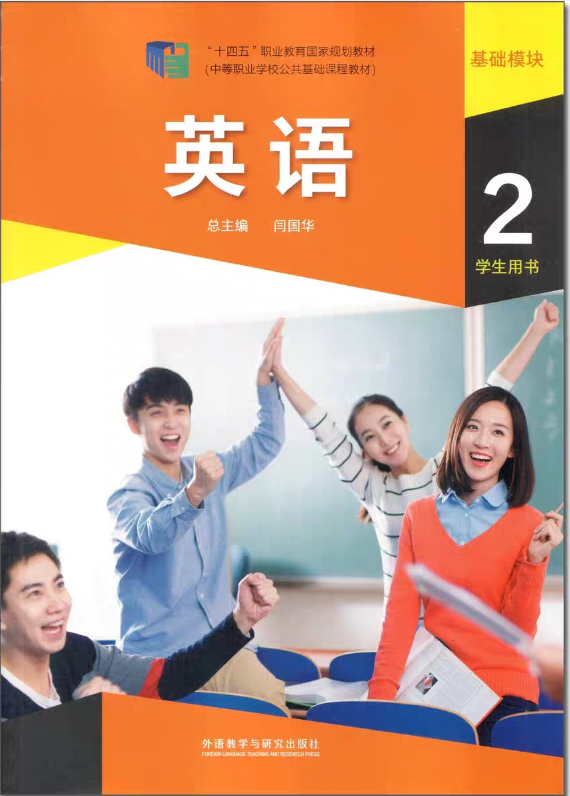
Unit 7 Inventions Make Life Better(B卷·能力提升)《英语 基础模块2》(外研版)单元过关卷(原卷版+解析版)
2026-04-10
|
2份
|
16页
|
69人阅读
|
0人下载
内容正文:
编写说明:本套试卷紧扣《英语 基础模块2》(外研版)教材,以教材单元为基准精准覆盖核心考点。
每个单元设置AB卷,A卷为基础巩固卷,侧重基础考点训练,帮助学生扎实掌握知识要点;B卷为能力提升卷,注重知识整合与全面检测,引导学生构建知识网络。模拟实战情境,聚焦解题能力突破,全面提升应试能力与知识应用水平。
《英语 基础模块2》(外研版)《单元过关卷》
Unit 7 Inventions Make Life Better
B卷·能力提升
考试时间:40分钟 满分:100分
班级 姓名 学号 成绩
一、阅读理解(每小题4分,共计40分)
从A、B、C、D四个选项中,选出符合题目要求的最佳选项。
A
Typhoons are powerful forces of nature. They bring strong winds and heavy rain, which can cause great damage. To stay safe, it’s important to make good preparations before a typhoon comes.
First, check your house. Make sure the doors and windows are strong. If there are any broken parts, repair them quickly. You can use glue and tape to fix the windows so they won’t break easily. This is just like what the father did in our textbook when Typhoon Jamie was coming.
Second, prepare necessary things. Go to the supermarket to buy enough food and water. Cooked food is better because you may not be able to cook during the typhoon. Also, remember to buy batteries and put flashlights within reach. When the electricity goes out, you will need them to see in the dark.
Third, move things indoors. Bring flowers, chairs and other things from the garden into the house. Strong winds can blow them away and cause damage. The brother in our textbook did this to keep their things safe.
Finally, stay indoors during the typhoon. Don’t go outside even if the wind seems to stop. Sometimes the eye of the typhoon passes over, and the wind will come again from the opposite direction.
Understanding cause and effect helps us see why we need to prepare. The cause is the coming typhoon, and the effect is that we make preparations to stay safe. By asking questions like “What will happen if we don’t prepare?” we can understand the text better. This is the reading strategy we learned: asking questions before, while and after reading.
1. What is the main idea of the passage?
A.Typhoons are very dangerous. B.How to make preparations for a typhoon.
C.The effects of typhoons are always bad. D.Asking questions helps us read better.
2. Why should we use glue and tape to fix windows?
A.To make the house look beautiful. B.To stop the wind from breaking them easily.
C.To move them indoors quickly. D.To see in the dark.
3. What does “within reach” mean in the passage?
A.Far away B.Easy to get C.Very high D.Very low
4. Why shouldn’t we go outside even if the wind seems to stop?
A.Because the rain is still heavy.
B.Because the eye of the typhoon may pass over and the wind will come again.
C.Because we need to stay inside to watch TV.
D.Because the government asks us to stay at home.
5. What reading strategy is mentioned at the end of the passage?
A.Making connections B.Sequencing events
C.Asking questions D.Taking notes
【答案】1.B 2.B 3.B 4.B 5.C
【导语】本文是一篇说明文,主要介绍了台风来临前的四项安全准备措施:检查房屋、准备必需品、将物品移入室内、台风期间待在室内,并在文末点明了“阅读前、阅读中、阅读后提问”的阅读策略,帮助读者更好地理解因果关系。
【解析】1.文章首段点明主旨“To stay safe, it’s important to make good preparations before a typhoon comes.”和后文分点详细介绍了具体准备方法可知,文章主要讲述了如何为台风做准备。
2.根据第二段中“You can use glue and tape to fix the windows so they won’t break easily.”可知,用胶水和胶带修复窗户是为了防止风轻易把窗户吹破。
3.根据第三段中“Also, remember to buy batteries and put flashlights within reach. When the electricity goes out, you will need them to see in the dark.”可知,“within reach”意为“easy to get”。
4.根据第四段中“Sometimes the eye of the typhoon passes over, and the wind will come again from the opposite direction.”可知,因为台风眼可能经过,之后风会从反方向再次吹来。
5.根据最后一段“This is the reading strategy we learned: asking questions before, while and after reading.”可知,文章结尾提到了提问阅读策略。
B
More and more Chinese students who study abroad have chosen to wear traditional Chinese clothing to their graduation ceremonies (毕业典礼).
One example was a student studying in the United States who’s dressed in Hanfu, a traditional Chinese clothing, while proudly (自豪地) holding the Chinese national flag. She’s beautiful and special in such clothing, which makes her get warm cheers and admiration from other people.
“When wearing traditional clothing at important times in life, I truly feel a strong sense of pride (骄傲). As the only Chinese person, I have been trying hard to add elements (元素) of our Chinese culture into my everyday life,” the student explained her action of wearing Hanfu for her graduation ceremony.
Similarly, a Chinese student studying in Australia shared a video of herself attending her graduation ceremony wearing a horse-face skirt.
When asked about their decision (决定) to wear traditional Chinese clothing to their graduation ceremonies, the Chinese students studying abroad gave meaningful answers.
“I hope that more people will realize the special beauty of traditional Chinese clothing,” one woman student at UC Berkeley said.
“I feel quite proud to share our traditional culture in this way,” said a male Chinese student studying in the UK.
The sight of international students proudly wearing their traditional ethnic clothing (民族服饰) at graduation ceremonies serves as a symbol of cultural exchange (交流). It shows people both at home and abroad the richness and beauty that we can find in China’s traditional culture, leaving a deep impression (印象) on all those who see it.
6. What does the underlined word “admiration” mean in Paragraph 2?
A.信赖 B.欣赏 C.鼓励 D.模仿
7. From the Chinese student in the US, we can learn that ________.
A.many Chinese students wear traditional Chinese clothing
B.she is proud only because she holds the Chinese national flag
C.she enjoys wearing traditional clothing at important times in life
D.she wanted to stand out when she joined in the graduation ceremony
8. Which one is TRUE for the Chinese students in the passage?
A.They wear traditional clothes to introduce Chinese culture.
B.The girl in Australia held a national flag in the ceremony.
C.The one at UC Berkeley wears modern Chinese clothing.
D.Students are sharing Chinese culture through selling clothes.
9. What do the students wearing traditional Chinese clothing show?
A.Wearing special clothes can get warm cheers from others.
B.We should keep fashionable in some important events.
C.Chinese culture can be described as rich and colourful.
D.It’s necessary to leave a good impression on foreigners.
10. Where can you probably read this passage?
A.In a storybook. B.In a newspaper.
C.In a travel magazine. D.In a scientific report.
【答案】6.B 7.C 8.A 9.C 10.B
【导语】本文讲述了越来越多的中国留学生在毕业典礼上穿中国传统服饰,通过这种方式展现中国文化、传递文化自信的现象。
6.词句猜测题。根据第二段“She’s beautiful and special in such clothing, which makes her get warm cheers and admiration from other people.”的语境,admiration与warm cheers并列,warm cheers表示“热烈的掌声”,可推知“admiration”应表示“欣赏”,故选B。
7.细节理解题。根据美国留学生的表述“When wearing traditional clothing at important times in life, I truly feel a strong sense of pride.”可知,她喜欢在人生的重要时刻穿传统服饰,故选C。
8.细节理解题。根据学生们的表述“I hope that more people will realize the special beauty of traditional Chinese clothing”,“share our traditional culture in this way”可知,他们穿传统服饰是为了介绍中国文化,选项A表述正确,故选A。
9.推理判断题。根据最后一段“It shows people both at home and abroad the richness and beauty that we can find in China’s traditional culture”可知,学生穿传统服饰展示了中国文化的丰富与美丽,故选C。
10.推理判断题。文章围绕“中国留学生穿传统服饰参加毕业典礼”这一社会文化现象展开,属于时事类内容,最可能出现在报纸上,故选B。
二、完型填空(本大题共15小题,每小题3分,共计45分)
从A、B、C、D四个选项中,选出空白处的最佳选项。
In our fast-paced world, we often feel that we must always be doing something. We fill our schedules with activities, homework, and chores. But sometimes, the best way to relax is to do absolutely nothing. This might sound 11. ______, but it’s a skill that many of us have forgotten.
Last Sunday, I decided to try it. Instead of turning on the TV or picking up my phone, I just sat by the window. I watched the clouds move 12. ______ across the sky. I noticed the way the sunlight came through the glass and made patterns on the floor. I listened to the sounds from outside—the birds singing, the wind in the trees, a dog barking far away. At first, I felt a little 13. ______. My mind kept telling me, “You should be doing your homework!” or “You’re wasting time!” But I told myself to just stay where I was.
Gradually, something changed. My breathing became slower and deeper. The tense (紧绷的) feeling in my shoulders began to 14. ______. My mind, which was usually full of thoughts, became quiet. It was like the surface of a lake becoming still after the wind stops. I felt a deep sense of 15. ______ that I hadn’t felt for a long time.
I stayed there for about an hour. During that time, I didn’t solve any problems or learn any new facts. But when I finally stood up, I felt refreshed and clear-headed. It was 16. ______ I had just had a long, good sleep. I realized that giving my brain a rest is just as important as giving my body a rest.
I thought about why we find it so hard to do nothing. Perhaps we are afraid of being bored. Perhaps we feel 17. ______ if we are not being productive (高效的). We live in a society that always tells us to do more, be more, achieve more. But constant activity can lead to burnout (精疲力尽). We need 18. ______ moments of stillness to recharge.
Now, I try to include “doing nothing” time in my weekly routine. It’s not always easy. Sometimes my mind still wanders to my to-do list. But I keep practicing. I’ve learned that this simple activity is a powerful way to connect with 19. ______. It helps me understand my own feelings better.
My parents were a little surprised when they saw me just sitting there. “Are you okay?” my mom asked. I smiled and said, “I’m just relaxing.” She didn’t quite understand, but she 20. ______ my answer. Maybe one day, I’ll teach her how to do it, too.
In a world that never stops, learning to stop is a form of rebellion (反叛). It’s a way of saying that my peace is more important than my productivity. So, find a quiet corner, put away your devices, and just be. Let your mind wander 21. ______. You might be surprised at how 22. ______ it can be. This kind of relaxation doesn’t cost anything, but it gives you so 23. ______ in return. It gives you back your energy and your clarity. It helps you face the new week with a calm and strong 24. ______. Remember, sometimes doing nothing is doing everything for 25. ______.
11. A.exciting B.strange C.wonderful D.terrible
12. A.quickly B.slowly C.suddenly D.heavily
13. A.relaxed B.comfortable C.peaceful D.restless
14. A.appear B.disappear C.increase D.hurt
15. A.stress B.excitement C.worry D.calm
16. A.as if B.even if C.so that D.now that
17. A.happy B.proud C.guilty D.confident
18. A.short B.long C.busy D.difficult
19. A.itself B.myself C.yourself D.himself
20. A.questioned B.doubted C.refused D.accepted
21. A.freely B.carefully C.nervously D.anxiously
22. A.boring B.relaxing C.tiring D.stressful
23. A.little B.much C.few D.many
24. A.body B.mind C.plan D.future
25. A.herself B.myself C.himself D.yourself
【答案】11. B 12. B 13. D 14. B 15. D 16. A 17. C 18. A 19. B 20. D 21. A 22. B 23. B 24. B 25. D
【导语】本文探讨了人们难以 “无所事事” 的原因,讲述作者尝试在忙碌生活中留出放空时间,从中收获内心平静与自我联结,倡导在快节奏世界中学会停下、重视内心安宁的生活态度。
【解析】11. 考查形容词辨析。句意:这听起来可能很奇怪,但它是我们很多人已经忘记的技能。A. exciting(令人兴奋的);B. strange(奇怪的);C. wonderful(精彩的);D. terrible(糟糕的)。“通过什么都不做来放松”与快节奏生活中“持续忙碌”的普遍习惯相悖,反常识的观点听起来会“奇怪”,故选B。
12. 考查副词辨析。句意:我看着云朵在天空中慢慢移动。A. quickly(快速地);B. slowly(缓慢地);C. suddenly(突然地);D. heavily(沉重地)。云朵移动的自然状态是“缓慢的”,契合“放空、宁静”的氛围,与全文放松主题一致,故选B。
13. 考查形容词辨析。句意:一开始,我感到有点焦躁不安。A. relaxed(放松的);B. comfortable(舒适的);C. peaceful(平和的);D. restless(焦躁不安的)。后文提到内心不断催促自己“该做作业”“在浪费时间”,说明刚开始不适应“什么都不做”,状态是“焦躁的”,故选D。
14. 考查动词辨析。句意:我肩膀上紧绷的感觉开始消失。A. appear(出现);B. disappear(消失);C. increase(增加);D. hurt(受伤)。前文“呼吸变得更深慢”,体现放松过程,因此肩膀的紧绷感会“消失”,符合逻辑,故选B。
15. 考查名词辨析。句意:我感到一种久违的深深的平静。A. stress(压力);B. excitement(兴奋);C. worry(担忧);D. calm(平静)。后文“My mind... became quiet”(思绪变得平静),对应内心的“平静感”,故选D。
16. 考查连词短语辨析。句意:感觉就像我刚睡了一段长长的好觉。A. as if(好像);B. even if(即使);C. so that(以便);D. now that(既然)。放空后神清气爽的状态,类比“睡了好觉”,as if表“仿佛、好像”,符合语境,故选A。
17. 考查形容词辨析。句意:也许如果我们不高效,我们会感到内疚。A. happy(开心的);B. proud(骄傲的);C. guilty(内疚的);D. confident(自信的)。社会推崇“多做事、高成就”,因此“不高效、无所事事”会让人产生“内疚感”,故选C。
18. 考查形容词辨析。句意:我们需要短暂的宁静时刻来恢复精力。A. short(短暂的);B. long(长的);C. busy(忙碌的);D. difficult(困难的)。持续忙碌易导致精疲力尽,无需长时间独处,“短暂的”宁静即可实现精力恢复,符合日常实际,故选A。
19. 考查反身代词辨析。句意:我了解到这个简单的活动是与自我连接的有力方式。A. itself(它自己);B. myself(我自己);C. yourself(你自己);D. himself(他自己)。后文“helps me understand my own feelings better”(帮我更好理解自己的感受),体现与“我自己”的联结,第一人称视角对应myself,故选B。
20. 考查动词辨析。句意:她不太理解,但接受了我的回答。A. questioned(质疑);B. doubted(怀疑);C. refused(拒绝);D. accepted(接受)。前文“didn’t quite understand”(不太理解),但由转折连词but可知,妈妈最终“接受”了回答,故选B。
21. 考查副词辨析。句意:让你的思绪自由漫游。A. freely(自由地);B. carefully(仔细地);C. nervously(紧张地);D. anxiously(焦虑地)。“放空”的核心是思绪不受束缚,“自由地”漫游符合语境,故选A。
22. 考查形容词辨析。句意:你可能会惊讶于它有多放松。A. boring(无聊的);B. relaxing(放松的);C. tiring(累人的);D. stressful(有压力的)。全文核心主题是“通过什么都不做实现放松”,因此此处强调这种方式的“放松效果”,故选B。
23. 考查限定词辨析。句意:这种放松不花钱,但它给你很多回报。A. little(很少,修饰不可数名词);B. much(很多,修饰不可数名词);C. few(很少,修饰可数名词);D. many(很多,修饰可数名词)。“回报”是抽象不可数概念,且前文“doesn’t cost anything”(无需花费)与“回报多”形成对比,用much,故选B。
24. 考查名词辨析。句意:它帮助你以平静而强大的心态面对新的一周。A. body(身体);B. mind(心态;思绪);C. plan(计划);D. future(未来)。放松后恢复的是精神状态,“平静强大的心态”符合语境,故选B。
25. 考查反身代词辨析。句意:记住,有时候,什么都不做就是为你自己做所有事。A. herself(她自己);B. myself(我自己);C. himself(他自己);D. yourself(你自己)。此处是作者对读者的呼吁,第二人称视角对应yourself,故选A。
三、书面表达(15分)
假如你是李华,写一篇80词左右的英语短文,介绍一项对你生活影响最大的发明,说明它如何改变你的生活。内容包括:
1.介绍具体发明;
2.表达对科技的看法。
注意:
1.文中不得出现考生个人真实信息;
2.可适当增加细节,使行文连贯。
_______________________________________________________________________________________________________________________________________________________________________________________________________________________________________________________________________________________________________________________________________________________________________________________________________________________________________________________________________________________________________________________________________________________________________________________________________________________________________________________
【解析】类型:发明介绍说明文,与课文文体、话题完全一致,围绕“发明让生活更美好”的单元核心主题展开。
结构:
1. 开头:点明你认为影响最大的发明名称,简述其在生活中的地位;
2. 中间:对比该发明出现前的不便,描述现在它带来的具体便利(结合自身生活场景);
3. 结尾:总结该发明的价值,表达对科技发明的看法。
重点词汇翻译
发明:invention
智能手机:smartphone
便捷的:convenient
即时通讯:instant communication
查阅信息:search for information
替代:replace
节省时间:save time
连接:connect
范文
The Invention That Changed My Life
The smartphone is the invention that has influenced my life most. It makes everything easier and more convenient.
In the past, I needed to carry a camera, a map and books when going out. It was heavy and troublesome. Now, one smartphone replaces all these. I can take photos anytime, search for information quickly and make video calls with my family far away. It also helps me study online and share interesting things with friends.
The smartphone is not just a device, but a useful tool that connects me to the world. It saves my time and makes my life more colourful. I really appreciate such great inventions.
学科网(北京)股份有限公司 (
1
)原创精品资源学科网独家享有版权,侵权必究!
学科网(北京)股份有限公司
$
编写说明:本套试卷紧扣《英语 基础模块2》(外研版)教材,以教材单元为基准精准覆盖核心考点。
每个单元设置AB卷,A卷为基础巩固卷,侧重基础考点训练,帮助学生扎实掌握知识要点;B卷为能力提升卷,注重知识整合与全面检测,引导学生构建知识网络。模拟实战情境,聚焦解题能力突破,全面提升应试能力与知识应用水平。
《英语 基础模块2》(外研版)《单元过关卷》
Unit 7 Inventions Make Life Better
B卷·能力提升
考试时间:40分钟 满分:100分
班级 姓名 学号 成绩
一、阅读理解(每小题4分,共计40分)
从A、B、C、D四个选项中,选出符合题目要求的最佳选项。
A
Typhoons are powerful forces of nature. They bring strong winds and heavy rain, which can cause great damage. To stay safe, it’s important to make good preparations before a typhoon comes.
First, check your house. Make sure the doors and windows are strong. If there are any broken parts, repair them quickly. You can use glue and tape to fix the windows so they won’t break easily. This is just like what the father did in our textbook when Typhoon Jamie was coming.
Second, prepare necessary things. Go to the supermarket to buy enough food and water. Cooked food is better because you may not be able to cook during the typhoon. Also, remember to buy batteries and put flashlights within reach. When the electricity goes out, you will need them to see in the dark.
Third, move things indoors. Bring flowers, chairs and other things from the garden into the house. Strong winds can blow them away and cause damage. The brother in our textbook did this to keep their things safe.
Finally, stay indoors during the typhoon. Don’t go outside even if the wind seems to stop. Sometimes the eye of the typhoon passes over, and the wind will come again from the opposite direction.
Understanding cause and effect helps us see why we need to prepare. The cause is the coming typhoon, and the effect is that we make preparations to stay safe. By asking questions like “What will happen if we don’t prepare?” we can understand the text better. This is the reading strategy we learned: asking questions before, while and after reading.
1. What is the main idea of the passage?
A.Typhoons are very dangerous. B.How to make preparations for a typhoon.
C.The effects of typhoons are always bad. D.Asking questions helps us read better.
2. Why should we use glue and tape to fix windows?
A.To make the house look beautiful. B.To stop the wind from breaking them easily.
C.To move them indoors quickly. D.To see in the dark.
3. What does “within reach” mean in the passage?
A.Far away B.Easy to get C.Very high D.Very low
4. Why shouldn’t we go outside even if the wind seems to stop?
A.Because the rain is still heavy.
B.Because the eye of the typhoon may pass over and the wind will come again.
C.Because we need to stay inside to watch TV.
D.Because the government asks us to stay at home.
5. What reading strategy is mentioned at the end of the passage?
A.Making connections B.Sequencing events
C.Asking questions D.Taking notes
B
More and more Chinese students who study abroad have chosen to wear traditional Chinese clothing to their graduation ceremonies (毕业典礼).
One example was a student studying in the United States who’s dressed in Hanfu, a traditional Chinese clothing, while proudly (自豪地) holding the Chinese national flag. She’s beautiful and special in such clothing, which makes her get warm cheers and admiration from other people.
“When wearing traditional clothing at important times in life, I truly feel a strong sense of pride (骄傲). As the only Chinese person, I have been trying hard to add elements (元素) of our Chinese culture into my everyday life,” the student explained her action of wearing Hanfu for her graduation ceremony.
Similarly, a Chinese student studying in Australia shared a video of herself attending her graduation ceremony wearing a horse-face skirt.
When asked about their decision (决定) to wear traditional Chinese clothing to their graduation ceremonies, the Chinese students studying abroad gave meaningful answers.
“I hope that more people will realize the special beauty of traditional Chinese clothing,” one woman student at UC Berkeley said.
“I feel quite proud to share our traditional culture in this way,” said a male Chinese student studying in the UK.
The sight of international students proudly wearing their traditional ethnic clothing (民族服饰) at graduation ceremonies serves as a symbol of cultural exchange (交流). It shows people both at home and abroad the richness and beauty that we can find in China’s traditional culture, leaving a deep impression (印象) on all those who see it.
6. What does the underlined word “admiration” mean in Paragraph 2?
A.信赖 B.欣赏 C.鼓励 D.模仿
7. From the Chinese student in the US, we can learn that ________.
A.many Chinese students wear traditional Chinese clothing
B.she is proud only because she holds the Chinese national flag
C.she enjoys wearing traditional clothing at important times in life
D.she wanted to stand out when she joined in the graduation ceremony
8. Which one is TRUE for the Chinese students in the passage?
A.They wear traditional clothes to introduce Chinese culture.
B.The girl in Australia held a national flag in the ceremony.
C.The one at UC Berkeley wears modern Chinese clothing.
D.Students are sharing Chinese culture through selling clothes.
9. What do the students wearing traditional Chinese clothing show?
A.Wearing special clothes can get warm cheers from others.
B.We should keep fashionable in some important events.
C.Chinese culture can be described as rich and colourful.
D.It’s necessary to leave a good impression on foreigners.
10. Where can you probably read this passage?
A.In a storybook. B.In a newspaper.
C.In a travel magazine. D.In a scientific report.
二、完型填空(本大题共15小题,每小题3分,共计45分)
从A、B、C、D四个选项中,选出空白处的最佳选项。
In our fast-paced world, we often feel that we must always be doing something. We fill our schedules with activities, homework, and chores. But sometimes, the best way to relax is to do absolutely nothing. This might sound 11. ______, but it’s a skill that many of us have forgotten.
Last Sunday, I decided to try it. Instead of turning on the TV or picking up my phone, I just sat by the window. I watched the clouds move 12. ______ across the sky. I noticed the way the sunlight came through the glass and made patterns on the floor. I listened to the sounds from outside—the birds singing, the wind in the trees, a dog barking far away. At first, I felt a little 13. ______. My mind kept telling me, “You should be doing your homework!” or “You’re wasting time!” But I told myself to just stay where I was.
Gradually, something changed. My breathing became slower and deeper. The tense (紧绷的) feeling in my shoulders began to 14. ______. My mind, which was usually full of thoughts, became quiet. It was like the surface of a lake becoming still after the wind stops. I felt a deep sense of 15. ______ that I hadn’t felt for a long time.
I stayed there for about an hour. During that time, I didn’t solve any problems or learn any new facts. But when I finally stood up, I felt refreshed and clear-headed. It was 16. ______ I had just had a long, good sleep. I realized that giving my brain a rest is just as important as giving my body a rest.
I thought about why we find it so hard to do nothing. Perhaps we are afraid of being bored. Perhaps we feel 17. ______ if we are not being productive (高效的). We live in a society that always tells us to do more, be more, achieve more. But constant activity can lead to burnout (精疲力尽). We need 18. ______ moments of stillness to recharge.
Now, I try to include “doing nothing” time in my weekly routine. It’s not always easy. Sometimes my mind still wanders to my to-do list. But I keep practicing. I’ve learned that this simple activity is a powerful way to connect with 19. ______. It helps me understand my own feelings better.
My parents were a little surprised when they saw me just sitting there. “Are you okay?” my mom asked. I smiled and said, “I’m just relaxing.” She didn’t quite understand, but she 20. ______ my answer. Maybe one day, I’ll teach her how to do it, too.
In a world that never stops, learning to stop is a form of rebellion (反叛). It’s a way of saying that my peace is more important than my productivity. So, find a quiet corner, put away your devices, and just be. Let your mind wander 21. ______. You might be surprised at how 22. ______ it can be. This kind of relaxation doesn’t cost anything, but it gives you so 23. ______ in return. It gives you back your energy and your clarity. It helps you face the new week with a calm and strong 24. ______. Remember, sometimes doing nothing is doing everything for 25. ______.
11. A.exciting B.strange C.wonderful D.terrible
12. A.quickly B.slowly C.suddenly D.heavily
13. A.relaxed B.comfortable C.peaceful D.restless
14. A.appear B.disappear C.increase D.hurt
15. A.stress B.excitement C.worry D.calm
16. A.as if B.even if C.so that D.now that
17. A.happy B.proud C.guilty D.confident
18. A.short B.long C.busy D.difficult
19. A.itself B.myself C.yourself D.himself
20. A.questioned B.doubted C.refused D.accepted
21. A.freely B.carefully C.nervously D.anxiously
22. A.boring B.relaxing C.tiring D.stressful
23. A.little B.much C.few D.many
24. A.body B.mind C.plan D.future
25. A.herself B.myself C.himself D.yourself
三、书面表达(15分)
假如你是李华,写一篇80词左右的英语短文,介绍一项对你生活影响最大的发明,说明它如何改变你的生活。内容包括:
1.介绍具体发明;
2.表达对科技的看法。
注意:
1.文中不得出现考生个人真实信息;
2.可适当增加细节,使行文连贯。
_______________________________________________________________________________________________________________________________________________________________________________________________________________________________________________________________________________________________________________________________________________________________________________________________________________________________________________________________________________________________________________________________________________________________________________________________________________________________________________________
学科网(北京)股份有限公司 (
1
)原创精品资源学科网独家享有版权,侵权必究!
学科网(北京)股份有限公司
$
资源预览图

1

2

3
由于学科网是一个信息分享及获取的平台,不确保部分用户上传资料的 来源及知识产权归属。如您发现相关资料侵犯您的合法权益,请联系学科网,我们核实后将及时进行处理。