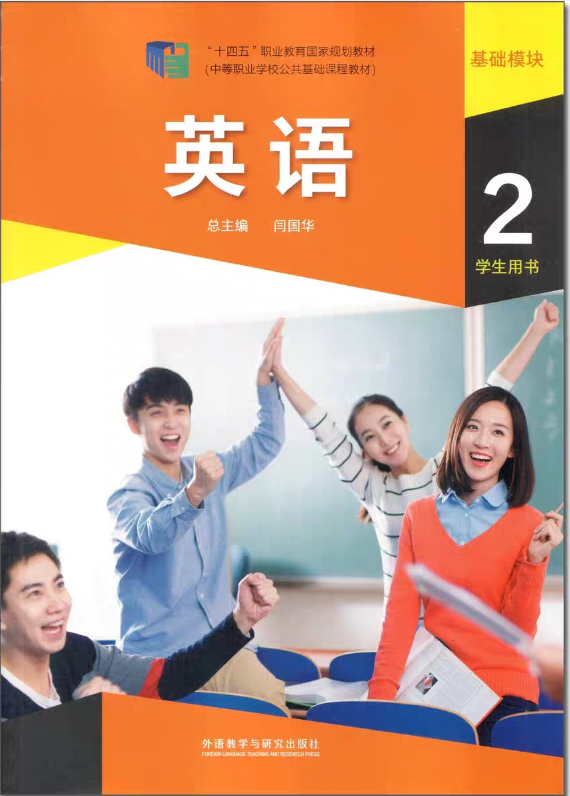
Unit 2 Time Really Matters(A卷·基础巩固)《英语 基础模块2》(外研版) 单元过关卷(原卷版+解析版)
2026-04-10
|
2份
|
15页
|
84人阅读
|
0人下载
内容正文:
编写说明:本套试卷紧扣《英语 基础模块2》(外研版)教材,以教材单元为基准精准覆盖核心考点。
每个单元设置AB卷,A卷为基础巩固卷,侧重基础考点训练,帮助学生扎实掌握知识要点;B卷为能力提升卷,注重知识整合与全面检测,引导学生构建知识网络。模拟实战情境,聚焦解题能力突破,全面提升应试能力与知识应用水平。
《英语 基础模块2》(外研版)《单元过关卷》
Unit 2 Time Really Matters
A卷·基础巩固
考试时间:40分钟 满分:100分
班级 姓名 学号 成绩
一、单项选择。从每题所给的A、B、C和D四个选项中,选出最佳选项。 (每小题2分,共50分)
1.—I feel tired after studying for hours.
—You can ______ for 15 minutes to relax yourself.
A. chat B. nap C. surf D. study
【答案】B
【解析】句意:学习了几个小时后我觉得很累。——你可以小睡15分钟放松一下。nap(小睡;打盹)是短暂休息的常用方式,符合语境;chat(聊天)、surf(冲浪)、study(学习)均无法起到放松休息的作用,故排除。
2.We should ______ some time every morning for reading English aloud.
A. set aside B. depend on C. tick off D. look for
【答案】A
【解析】句意:我们应该每天早上留出一些时间大声读英语。set aside(留出)为固定短语,set aside time for...意为“为……留出时间”,符合搭配;depend on(依靠)、tick off(打钩)、look for(寻找)均无此搭配含义,故排除。
3.I always feel ______ when I have lots of tasks and no time to finish them.
A. organised B. relaxed C. stressed D. motivated
【答案】C
【解析】句意:当我有很多任务却没时间完成时,我总是感到焦虑。stressed(焦虑的;有压力的)契合“任务多没时间完成”的负面情绪;organised(有条理的)、relaxed(放松的)、motivated(有动力的)均与语境矛盾,故排除。
4.When you finish a task on your list, you can ______ it ______ to mark it done.
A. set; aside B. tick; off C. depend; on D. give; up
【答案】B
【解析】句意:当你完成清单上的一项任务时,你可以给它打钩标记完成。tick off(给……打钩号)是固定搭配,用于标记已完成事项,符合句意;set aside(留出)、depend on(依靠)、give up(放弃)均与语境不符,故排除。
5.Do you make a daily ______ to plan all the things you need to do in a day?
A. nap B. deadline C. schedule D. appointment
【答案】C
【解析】句意:你会制定每日计划表来规划一天中需要做的所有事吗?schedule(计划表;日程表)契合“规划日常事务”的语境;nap(小睡)、deadline(截止时间)、appointment(约会)均与日常规划无关,故排除。
6.The ______ for our group project is next Friday, so we must finish it before then.
A. schedule B. deadline C. appointment D. break
【答案】B
【解析】句意:我们小组项目的截止时间是下周五,所以我们必须在那之前完成。deadline(截止时间)契合“完成项目的时间要求”;schedule(计划表)、appointment(约会)、break(休息)均与语境不符,故排除。
7.I need to make an ______ with the teacher to talk about my study problems.
A. appointment B. schedule C. deadline D. nap
【答案】A
【解析】句意:我需要和老师约个时间谈谈我的学习问题。make an appointment with...为固定搭配,意为“与……预约;约见”,符合搭配;schedule(计划表)、deadline(截止时间)、nap(小睡)均无此搭配,故排除。
8.He is a very ______ person and he always plans his work and life in detail.
A. stressed B. organised C. lazy D. careless
【答案】B
【解析】句意:他是一个非常有条理的人,总是详细规划自己的工作和生活。organised(有条理的;有规划的)契合“详细规划事务”的描述;stressed(焦虑的)、lazy(懒惰的)、careless(粗心的)均与语境不符,故排除。
9.We should ______ our tasks and do the urgent and important ones first.
A. prioritise B. tick off C. set aside D. give up
【答案】A
【解析】句意:我们应该给任务排优先级,先做紧急且重要的事。prioritise(按重要性排序;优先处理)契合“先做重要紧急事务”的语境;tick off(打钩)、set aside(留出)、give up(放弃)均与“任务排序”无关,故排除。
10.A good ______ can help us divide tasks into urgent and important parts clearly.
A. time management matrix B. to-do list C. schedule D. nap
【答案】A
【解析】句意:一个好的时间管理矩阵能帮助我们清晰地将任务分为紧急和重要的部分。time management matrix(时间管理矩阵)的核心作用是区分任务的紧急和重要程度,符合句意;to-do list(待办清单)、schedule(计划表)、nap(小睡)均无此功能,故排除。
11.If I ______ you, I ______ make a to-do list to manage my time better.
A. am; will B. were; would C. was; could D. are; should
【答案】B
【解析】句意:如果我是你,我会做一份待办清单来更好地管理时间。考查与现在事实相反的虚拟语气,从句be动词统一用were,主句用would+动词原形,故排除A、C、D。
12.If she ______ more time, she ______ learn a new skill after school.
A. has; can B. had; could C. have; will D. had; will
【答案】B
【解析】句意:如果她有更多时间,她就能在放学后学一项新技能。与现在事实相反的虚拟语气,从句用一般过去时had,主句用could+动词原形表“能够”,符合规则;A、C、D均为真实语气,故排除。
13.______ I free this weekend, I ______ go hiking with my friends.
A. Were; would B. If; will C. Was; could D. Be; should
【答案】A
【解析】句意:如果这个周末我有空,我会和朋友们去徒步。虚拟条件句省略if的倒装结构,需将were提至句首,主句用would+动词原形,符合虚拟语气规则;B为真实语气,C、D结构错误,故排除。
14.If they ______ a clear schedule, they ______ not feel stressed every day.
A. have; will B. had; would C. has; might D. had; can
【答案】B
【解析】句意:如果他们有清晰的计划表,他们就不会每天感到焦虑了。与现在事实相反的虚拟语气,从句用一般过去时had,主句用would+not+动词原形表否定,故排除A、C、D。
15.—What would you do if you ______ a lot of free time?
—I ______ read more books to improve myself.
A. have; will B. had; would C. were; should D. had; can
【答案】B
【解析】句意:——如果你有很多空闲时间,你会做什么?——我会读更多的书提升自己。问句为与现在事实相反的虚拟语气,从句用一般过去时had;答句为主句,用would+动词原形,故排除A、C、D。
16.If my sister ______ here, she ______ help me with my time management plan.
A. is; will B. was; might C. were; would D. are; could
【答案】C
【解析】句意:如果我姐姐在这儿,她会帮我做时间管理计划。与现在事实相反的虚拟语气,从句主语为单数,be动词仍统一用were,主句用would+动词原形,故排除A、B、D。
17.We ______ finish the task earlier if we ______ wasted so much time.
A. would; didn’t B. will; don’t C. would; hadn’t D. can; didn’t
【答案】A
【解析】句意:如果我们没有浪费这么多时间,我们会更早完成任务。与现在事实相反的虚拟语气,主句用would+动词原形,从句用一般过去时的否定形式didn’t,故排除B、C、D。
18.Were you a manager, you ______ know how to arrange your team’s time well.
A. will B. would C. can D. are able to
【答案】B
【解析】句意:如果你是一名经理,你会知道如何安排好团队的时间。省略if的虚拟倒装句,主句需用would+动词原形,为虚拟语气的固定搭配;A、C、D均为真实语气,故排除。
19.If we ______ our tasks into small parts, they ______ be more manageable.
A. break; will B. broke; would C. break; can D. broke; can
【答案】B
【解析】句意:如果我们把任务拆分成小部分,它们会更容易处理。与现在事实相反的虚拟语气,从句用一般过去时broke,主句用would+动词原形,故排除A、C、D。
20.Being ______ is very important in business meetings; it shows respect for others.
A. late B. lazy C. punctual D. careless
【答案】C
【解析】句意:在商务会议中守时非常重要,这体现了对他人的尊重。punctual(守时的)符合“商务会议体现尊重”的语境;late(迟到的)、lazy(懒惰的)、careless(粗心的)均与语境相悖,故排除。
21.We need to learn about different ______ to avoid misunderstandings when travelling abroad.
A. cultures B. foods C. books D. songs
【答案】A
【解析】句意:出国旅行时,我们需要了解不同的文化以避免误解。cultures(文化)契合“出国旅行避免误解”的语境;foods(食物)、books(书籍)、songs(歌曲)均非避免误解的核心,故排除。
22.This big assignment is too hard to finish at once; let’s ______ it into small steps.
A. break B. put C. take D. give
【答案】A
【解析】句意:这份大作业太难了,没法一次完成,我们把它拆成小步骤吧。break...into...为固定搭配,意为“把……拆分成……”,符合句意;put(放)、take(拿)、give(给)均无此搭配,故排除。
23.I always ______ the Internet to find some useful time management tips.
A. watch B. surf C. read D. see
【答案】B
【解析】句意:我经常上网找一些实用的时间管理技巧。surf the Internet为固定搭配,意为“上网”,符合搭配;watch(观看)、read(阅读)、see(看见)均无此搭配,故排除。
24.You should ______ unnecessary invitations if you have a lot of work to do.
A. say “yes” to B. say “no” to C. look forward to D. get ready for
【答案】B
【解析】句意:如果你有很多工作要做,你应该拒绝不必要的邀请。say “no” to(拒绝)契合“有工作要做”的语境;say “yes” to(接受)、look forward to(期待)、get ready for(为……做准备)均与语境矛盾,故排除。
25.There is a 10-minute ______ after the first class, so we can have a rest.
A. break B. nap C. appointment D. deadline
【答案】A
【解析】句意:第一节课后有10分钟的休息时间,所以我们可以歇一歇。break(休息;课间休息)符合“课后休息”的语境;nap(小睡)、appointment(约会)、deadline(截止时间)均与语境不符,故排除。
二、阅读理解(每小题5分,共计50分)
从A、B、C、D四个选项中,选出符合题目要求的最佳选项。
A
Dear Future Me,
I am writing this on a rainy Sunday afternoon. I am 14, and I’m feeling a bit lost. I’m trying to figure out who I am. My parents want me to be a doctor. My teachers say I should focus on science. But my heart lies in painting. When I hold a brush, the world makes sense. Everything else feels like noise.
I’m scared. I’m scared of disappointing them. I’m scared of choosing the “wrong” path. There’s so much pressure to be perfect. I often lie awake at night, wondering if I’ll ever be good enough. I wonder if you, the future me, have found the answer. Did you become a doctor? Or did you have the courage to follow your passion?
I hope you are happy. I hope you look back at this awkward, confused teenager and smile. I hope you can tell me that the struggle was worth it. I hope you have found a way to make the painting and the “real world” coexist (共存). I hope you haven’t given up on the brush.
Don’t forget who you were at 14. Even if everything else changes, hold onto that part of yourself that loves to create.
With hope,
Your 14-year-old self
1.What is the main conflict the writer is facing?
A.Whether to write a letter or not.
B.Choosing between family expectations and personal passion.
C.Deciding which subject to study for a test.
D.Dealing with a friend who wants to be an artist.
2.The phrase “my heart lies in painting” suggests that painting is something the writer ________.
A.is forced to do by parents B.feels a deep connection and love for
C.thinks is a waste of time D.is very bad at
3.The word “awkward” in paragraph 3 most likely means ________.
A.confident and calm B.clumsy or uncomfortable
C.angry and violent D.happy and cheerful
4.What can we infer about the writer’s current emotional state?
A.The writer is certain about his future and feels relaxed.
B.The writer is under great pressure and feels anxious.
C.The writer is angry at his parents and teachers.
D.The writer is bored with his life and lacks ambition.
5.Which of the following best describes the structure of this passage?
A.A narrative about a past event.
B.An argument between two different viewpoints.
C.A personal letter expressing inner thoughts and hopes.
D.A scientific report on teenage development.
【答案】1.B 2.B 3.B 4.B 5.C
【导语】14 岁的作者给未来的自己写了一封信,倾诉了自己在父母/老师期待(学医、学理科)和个人热爱(绘画)之间的迷茫与焦虑,表达了对未来的期许,希望未来的自己能坚持热爱、直面选择。
1.第一段提到“My parents want me to be a doctor. My teachers say I should focus on science. But my heart lies in painting.” 可知作者面临的核心矛盾是父母和老师的期望(当医生、学理科)与自己的个人爱好(画画)之间的选择。
2.第一段提到“When I hold a brush, the world makes sense. Everything else feels like noise.作者不顾父母和老师的期望,内心热爱画画,拿起画笔时觉得世界都变得清晰了,“my heart lies in painting” 说明作者对画画有深深的联结和热爱。
3.第一段提到“I am 14, and I’m feeling a bit lost. I’m trying to figure out who I am.” 可知14岁的作者感到迷茫、困惑,是个笨拙又不知所措的青少年,“awkward” 意为 “尴尬的;笨拙的;不自在的”,与clumsy or uncomfortable同义。
4.第二段提到 “I’m scared. I’m scared of disappointing them. I’m scared of choosing the ‘wrong’ path. There’s so much pressure to be perfect.” 可知作者感到害怕,有很大的压力,内心十分焦虑。
5.文章是作者以14岁的身份写给未来自己的信,信中表达了自己当下的迷茫、矛盾等内心想法,以及对未来自己的种种期望,结构是一封表达内心想法和希望的私人信件。
B
Do you sometimes feel left out? Teenagers need to feel like they are members of a group. Just having to eat alone in the dining hall is enough to make them feel worried. They are afraid of being called a “loner”. But being a loner doesn’t always mean being strange or disliked. In fact, it has become a lifestyle in many countries among young people who think of being alone as a part of everyday life.
In South Korea, there are a growing number of people who describe themselves as “honjok”. These people eat alone, travel alone and enjoy being by themselves. In Japan, people have had a strong loner culture over the years. There are solo (单人的) cafes and solo KTVs. The restaurants for solo diners are especially popular. There are boards between two seats in a line against the wall. Diners can’t see the faces of other people.
Knowing that you are not the only loner may make you feel better. But more importantly, you can try to find strength in your aloneness. Aloneness gives you time to look inside yourself or do other things with full attention. “It’s hard to feel lonely when you’re trying to learn a new skill, practice a hobby or try out a new diet,” wrote US lifestyle writer Adrienne Breaux.
11.Why don’t some teenagers want to be alone?
A.Because eating alone is bad for their health.
B.Because they are worried about being called a “loner”.
C.Because making friends can make them feel different.
D.Because they may not feel safe when staying alone.
12.What does the underlined word “honjok” mean in South Korea?
A.A group of people being alone. B.Solo cafes and solo KTVs.
C.People who are afraid of being alone. D.Teenagers who like practicing hobbies together.
13.What does the writer mention South Korea and Japan for?
A.To explain being a loner has become a lifestyle in many countries.
B.To show teenagers are afraid of being called a “loner”.
C.To explain being a loner sometimes means being strange or disliked.
D.To show aloneness is good for us in some ways.
14.Aloneness can help us ________.
①take a look at ourselves ②devote ourselves to doing things ③know we are the only loner ④try to become strong
A.①②③ B.①③④ C.①②④ D.①③④
15.The purpose of the passage is to ________.
A.tell us the bad points of being alone
B.show real loners in different countries
C.introduce Asian cultures among youth
D.help people look at aloneness in a good way
【答案】11.B 12.A 13.A 14.C 15.D
【导语】本文是一篇说明文,主要讨论了青少年对独处的看法,指出在许多国家独处已成为一种生活方式,并阐述了独处的好处,鼓励人们以积极的态度看待独处。
11.第一段提到:“Just having to eat alone in the dining hall is enough to make them feel worried. They are afraid of being called a ‘loner’.” 这直接说明一些青少年不想独处是因为他们担心被称作“独行侠”。
12.第二段提到:“In South Korea, there are a growing number of people who describe themselves as ‘honjok’. These people eat alone, travel alone and enjoy being by themselves.” 这直接说明在韩国,“honjok”指的是那些独自吃饭、独自旅行并享受独处的人,即一群独自生活的人。
13.第二段提到:“In fact, it has become a lifestyle in many countries among young people who think of being alone as a part of everyday life.” 以及后面列举了韩国和日本的情况,这直接说明作者提到韩国和日本是为了解释独处已成为许多国家年轻人的一种生活方式。
14.最后一段提到:“Aloneness gives you time to look inside yourself or do other things with full attention.” 以及 “But more importantly, you can try to find strength in your aloneness.” 这直接说明独处可以帮助我们审视自己、专心做事,并努力变得坚强。
15.文章主要讨论了独处的好处,并鼓励人们以积极的态度看待独处,如最后一段提到的“But more importantly, you can try to find strength in your aloneness. Aloneness gives you time to look inside yourself or do other things with full attention.” 这直接说明文章的目的是帮助人们以积极的方式看待独处。
学科网(北京)股份有限公司 (
1
)原创精品资源学科网独家享有版权,侵权必究!
学科网(北京)股份有限公司
$
编写说明:本套试卷紧扣《英语 基础模块2》(外研版)教材,以教材单元为基准精准覆盖核心考点。
每个单元设置AB卷,A卷为基础巩固卷,侧重基础考点训练,帮助学生扎实掌握知识要点;B卷为能力提升卷,注重知识整合与全面检测,引导学生构建知识网络。模拟实战情境,聚焦解题能力突破,全面提升应试能力与知识应用水平。
《英语 基础模块2》(外研版)《单元过关卷》
Unit 2 Time Really Matters
A卷·基础巩固
考试时间:40分钟 满分:100分
班级 姓名 学号 成绩
一、单项选择。从每题所给的A、B、C和D四个选项中,选出最佳选项。 (每小题2分,共50分)
1.—I feel tired after studying for hours.
—You can ______ for 15 minutes to relax yourself.
A. chat B. nap C. surf D. study
2.We should ______ some time every morning for reading English aloud.
A. set aside B. depend on C. tick off D. look for
3.I always feel ______ when I have lots of tasks and no time to finish them.
A. organised B. relaxed C. stressed D. motivated
4.When you finish a task on your list, you can ______ it ______ to mark it done.
A. set; aside B. tick; off C. depend; on D. give; up
5.Do you make a daily ______ to plan all the things you need to do in a day?
A. nap B. deadline C. schedule D. appointment
6.The ______ for our group project is next Friday, so we must finish it before then.
A. schedule B. deadline C. appointment D. break
7.I need to make an ______ with the teacher to talk about my study problems.
A. appointment B. schedule C. deadline D. nap
8.He is a very ______ person and he always plans his work and life in detail.
A. stressed B. organised C. lazy D. careless
9.We should ______ our tasks and do the urgent and important ones first.
A. prioritise B. tick off C. set aside D. give up
10.A good ______ can help us divide tasks into urgent and important parts clearly.
A. time management matrix B. to-do list C. schedule D. nap
11.If I ______ you, I ______ make a to-do list to manage my time better.
A. am; will B. were; would C. was; could D. are; should
12.If she ______ more time, she ______ learn a new skill after school.
A. has; can B. had; could C. have; will D. had; will
13.______ I free this weekend, I ______ go hiking with my friends.
A. Were; would B. If; will C. Was; could D. Be; should
14.If they ______ a clear schedule, they ______ not feel stressed every day.
A. have; will B. had; would C. has; might D. had; can
15.—What would you do if you ______ a lot of free time?
—I ______ read more books to improve myself.
A. have; will B. had; would C. were; should D. had; can
16.If my sister ______ here, she ______ help me with my time management plan.
A. is; will B. was; might C. were; would D. are; could
17.We ______ finish the task earlier if we ______ wasted so much time.
A. would; didn’t B. will; don’t C. would; hadn’t D. can; didn’t
18.Were you a manager, you ______ know how to arrange your team’s time well.
A. will B. would C. can D. are able to
19.If we ______ our tasks into small parts, they ______ be more manageable.
A. break; will B. broke; would C. break; can D. broke; can
20.Being ______ is very important in business meetings; it shows respect for others.
A. late B. lazy C. punctual D. careless
21.We need to learn about different ______ to avoid misunderstandings when travelling abroad.
A. cultures B. foods C. books D. songs
22.This big assignment is too hard to finish at once; let’s ______ it into small steps.
A. break B. put C. take D. give
23.I always ______ the Internet to find some useful time management tips.
A. watch B. surf C. read D. see
24.You should ______ unnecessary invitations if you have a lot of work to do.
A. say “yes” to B. say “no” to C. look forward to D. get ready for
25.There is a 10-minute ______ after the first class, so we can have a rest.
A. break B. nap C. appointment D. deadline
二、阅读理解(每小题5分,共计50分)
从A、B、C、D四个选项中,选出符合题目要求的最佳选项。
A
Dear Future Me,
I am writing this on a rainy Sunday afternoon. I am 14, and I’m feeling a bit lost. I’m trying to figure out who I am. My parents want me to be a doctor. My teachers say I should focus on science. But my heart lies in painting. When I hold a brush, the world makes sense. Everything else feels like noise.
I’m scared. I’m scared of disappointing them. I’m scared of choosing the “wrong” path. There’s so much pressure to be perfect. I often lie awake at night, wondering if I’ll ever be good enough. I wonder if you, the future me, have found the answer. Did you become a doctor? Or did you have the courage to follow your passion?
I hope you are happy. I hope you look back at this awkward, confused teenager and smile. I hope you can tell me that the struggle was worth it. I hope you have found a way to make the painting and the “real world” coexist (共存). I hope you haven’t given up on the brush.
Don’t forget who you were at 14. Even if everything else changes, hold onto that part of yourself that loves to create.
With hope,
Your 14-year-old self
1.What is the main conflict the writer is facing?
A.Whether to write a letter or not.
B.Choosing between family expectations and personal passion.
C.Deciding which subject to study for a test.
D.Dealing with a friend who wants to be an artist.
2.The phrase “my heart lies in painting” suggests that painting is something the writer ________.
A.is forced to do by parents B.feels a deep connection and love for
C.thinks is a waste of time D.is very bad at
3.The word “awkward” in paragraph 3 most likely means ________.
A.confident and calm B.clumsy or uncomfortable
C.angry and violent D.happy and cheerful
4.What can we infer about the writer’s current emotional state?
A.The writer is certain about his future and feels relaxed.
B.The writer is under great pressure and feels anxious.
C.The writer is angry at his parents and teachers.
D.The writer is bored with his life and lacks ambition.
5.Which of the following best describes the structure of this passage?
A.A narrative about a past event.
B.An argument between two different viewpoints.
C.A personal letter expressing inner thoughts and hopes.
D.A scientific report on teenage development.
B
Do you sometimes feel left out? Teenagers need to feel like they are members of a group. Just having to eat alone in the dining hall is enough to make them feel worried. They are afraid of being called a “loner”. But being a loner doesn’t always mean being strange or disliked. In fact, it has become a lifestyle in many countries among young people who think of being alone as a part of everyday life.
In South Korea, there are a growing number of people who describe themselves as “honjok”. These people eat alone, travel alone and enjoy being by themselves. In Japan, people have had a strong loner culture over the years. There are solo (单人的) cafes and solo KTVs. The restaurants for solo diners are especially popular. There are boards between two seats in a line against the wall. Diners can’t see the faces of other people.
Knowing that you are not the only loner may make you feel better. But more importantly, you can try to find strength in your aloneness. Aloneness gives you time to look inside yourself or do other things with full attention. “It’s hard to feel lonely when you’re trying to learn a new skill, practice a hobby or try out a new diet,” wrote US lifestyle writer Adrienne Breaux.
11.Why don’t some teenagers want to be alone?
A.Because eating alone is bad for their health.
B.Because they are worried about being called a “loner”.
C.Because making friends can make them feel different.
D.Because they may not feel safe when staying alone.
12.What does the underlined word “honjok” mean in South Korea?
A.A group of people being alone. B.Solo cafes and solo KTVs.
C.People who are afraid of being alone. D.Teenagers who like practicing hobbies together.
13.What does the writer mention South Korea and Japan for?
A.To explain being a loner has become a lifestyle in many countries.
B.To show teenagers are afraid of being called a “loner”.
C.To explain being a loner sometimes means being strange or disliked.
D.To show aloneness is good for us in some ways.
14.Aloneness can help us ________.
①take a look at ourselves ②devote ourselves to doing things ③know we are the only loner ④try to become strong
A.①②③ B.①③④ C.①②④ D.①③④
15.The purpose of the passage is to ________.
A.tell us the bad points of being alone
B.show real loners in different countries
C.introduce Asian cultures among youth
D.help people look at aloneness in a good way
学科网(北京)股份有限公司 (
1
)原创精品资源学科网独家享有版权,侵权必究!
学科网(北京)股份有限公司
$
资源预览图

1

2
由于学科网是一个信息分享及获取的平台,不确保部分用户上传资料的 来源及知识产权归属。如您发现相关资料侵犯您的合法权益,请联系学科网,我们核实后将及时进行处理。