Unit 5 Travel Broadens the Mind(A卷·基础巩固)《英语 基础模块2》(外研版) 单元过关卷(原卷版+解析版)
2026-04-10
|
2份
|
14页
|
70人阅读
|
0人下载
内容正文:
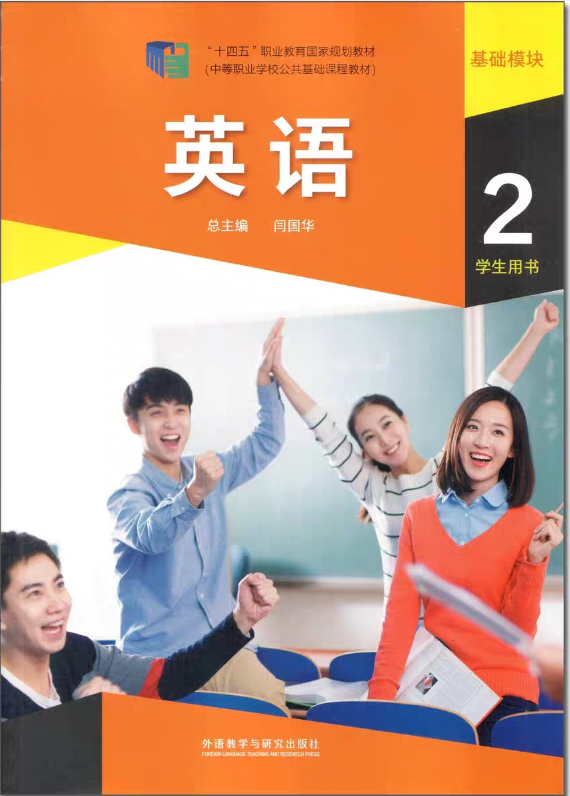
编写说明:本套试卷紧扣《英语 基础模块2》(外研版)教材,以教材单元为基准精准覆盖核心考点。
每个单元设置AB卷,A卷为基础巩固卷,侧重基础考点训练,帮助学生扎实掌握知识要点;B卷为能力提升卷,注重知识整合与全面检测,引导学生构建知识网络。模拟实战情境,聚焦解题能力突破,全面提升应试能力与知识应用水平。
《英语 基础模块2》(外研版)《单元过关卷》
Unit 5 Travel Broadens the Mind
A卷·基础巩固
考试时间:40分钟 满分:100分
班级 姓名 学号 成绩
一、单项选择。从每题所给的A、B、C和D四个选项中,选出最佳选项。 (每小题2分,共50分)
1.—What should I take for a beach trip?
—You need a ______ to swim in the sea.
A. backpack B. swimsuit C. sun hat D. sneakers
【答案】B
【解析】句意:海滩旅行我应该带什么?——你需要一件游泳衣去海里游泳。swimsuit(游泳衣)是游泳专用衣物,符合语境;backpack(背包)、sun hat(遮阳帽)、sneakers(运动鞋)均不适合游泳时使用,故排除。
2.The ______ in Guilin is incredible, with green mountains and clear rivers.
A. scenery B. stream C. torch D. sunscreen
【答案】A
【解析】句意:桂林的风景太棒了,有青山绿水。scenery(风景)泛指自然景观,契合“青山绿水”的描述;stream(小溪)仅为单一景观,torch(火把)、sunscreen(防晒霜)与自然景观无关,故排除。
3.It’s sunny and hot outside. You’d better wear a ______ and apply some ______.
A. sneaker; swimsuit B. sun hat; sunscreen C. backpack; torch D. sunglasses; stream
【答案】B
【解析】句意:外面晴朗炎热,你最好戴上遮阳帽,涂些防晒霜。sun hat(遮阳帽)和sunscreen(防晒霜)是防晒必备物品,符合“炎热晴天”的语境;其他选项均与防晒无关,stream(小溪)为名词,无法与apply搭配,故排除。
4.We need a ______ to carry our clothes, food and water for the hiking trip.
A. sun hat B. swimsuit C. backpack D. sunglasses
【答案】C
【解析】句意:徒步旅行我们需要一个背包来装衣服、食物和水。backpack(背包)的核心功能是装载物品,符合徒步需求;sun hat(遮阳帽)、swimsuit(游泳衣)、sunglasses(太阳镜)均无装载功能,故排除。
5.—How do you like the view of West Lake?
—It’s ______. I want to visit it again next year.
A. terrible B. boring C. ordinary D. incredible
【答案】D
【解析】句意:你觉得西湖的景色怎么样?——太棒了,我明年还想再去。incredible(极好的、绝妙的)是正面评价,契合“想再去”的心情;terrible(糟糕的)、boring(无聊的)、ordinary(普通的)均为负面/中性评价,与句意矛盾,故排除。
6.If you go to Sanya in summer, you should take ______ to protect your eyes from the sun.
A. a backpack B. sunglasses C. a swimsuit D. a torch
【答案】B
【解析】句意:如果你夏天去三亚,应该带上太阳镜保护眼睛免受阳光伤害。sunglasses(太阳镜)的功能是防晒护眼,符合语境;backpack(背包)、swimsuit(游泳衣)、torch(火把)均无此功能,故排除。
7.The Weifang International Kite Festival is famous for kites of all ______, colours and sizes.
A. shapes B. streams C. sunscreens D. backpacks
【答案】A
【解析】句意:潍坊国际风筝节以各种形状、颜色和大小的风筝而闻名。shapes(形状)与colours(颜色)、sizes(大小)并列,描述风筝的特征;streams(小溪)、sunscreens(防晒霜)、backpacks(背包)均与风筝无关,故排除。
8.Hangzhou is a ______ city, which is famous for West Lake and Longjing tea.
A. noisy B. polluted C. scenic D. crowded
【答案】C
【解析】句意:杭州是一座风景优美的城市,以西湖和龙井茶闻名。scenic(风景优美的)契合杭州的城市特色;noisy(吵闹的)、polluted(受污染的)、crowded(拥挤的)均为负面描述,与语境不符,故排除。
9.You can’t enjoy the hiking trip ______ you wear comfortable sneakers.
A. if B. unless C. because D. though
【答案】B
【解析】句意:除非你穿舒适的运动鞋,否则你不会享受这次徒步旅行。unless(除非)= if...not,表否定条件,符合逻辑;if(如果)表肯定条件,because(因为)表原因,though(虽然)表让步,均不符合,故排除。
10.Beijing, ______ has many historic landmarks like the Forbidden City, attracts millions of visitors every year.
A. where B. which C. who D. what
【答案】B
【解析】句意:北京有许多像故宫这样的历史地标,每年吸引数百万游客。非限制性定语从句,先行词Beijing是事物,用which引导;where(表地点)、who(表人)、what(不引导定语从句)均不符合,故排除。
11.If you ______ to Luoyang in April, you will see beautiful peonies everywhere.
A. go B. will go C. went D. goes
【答案】A
【解析】句意:如果你四月去洛阳,会看到到处都是美丽的牡丹。if引导条件状语从句,遵循“主将从现”原则,从句用一般现在时go;will go(将来时)、went(过去时)、goes(第三人称单数)均不符合规则,故排除。
12.Chengdu, ______ is famous for hot pot and pandas, is a paradise for tourists.
A. where B. which C. who D. that
【答案】B
【解析】句意:成都以火锅和熊猫闻名,是游客的天堂。非限制性定语从句,先行词Chengdu是事物,用which引导;where(表地点)、who(表人)、that(不用于非限制性定语从句)均不符合,故排除。
13.We will go to Jiuzhaigou, ______ we can enjoy the beautiful lakes and waterfalls.
A. which B. where C. who D. what
【答案】B
【解析】句意:我们要去九寨沟,在那里可以欣赏美丽的湖泊和瀑布。非限制性定语从句,先行词Jiuzhaigou是地点,用where引导;which(表事物)、who(表人)、what(不引导定语从句)均不符合,故排除。
14.If you want to experience adventure tourism, you can try ______ like bungee jumping or rafting.
A. activities B. foods C. books D. clothes
【答案】A
【解析】句意:如果你想体验探险旅游,可以尝试蹦极或漂流这类活动。bungee jumping(蹦极)和rafting(漂流)均为探险活动,activities(活动)符合分类;foods(食物)、books(书籍)、clothes(衣服)均与探险无关,故排除。
15.My friend Tom, ______ loves traveling, has visited more than 20 countries.
A. which B. where C. who D. what
【答案】C
【解析】句意:我的朋友汤姆喜欢旅行,已经去过20多个国家。非限制性定语从句,先行词Tom是人,用who引导;which(表事物)、where(表地点)、what(不引导定语从句)均不符合,故排除。
16.You ______ have a great time in Shanghai if you respect the local culture.
A. will B. won’t C. didn’t D. don’t
【答案】A
【解析】句意:如果你尊重当地文化,在上海会玩得很开心。if引导条件状语从句,遵循“主将从现”原则,主句用will表将来;won’t(否定)、didn’t(过去时)、don’t(一般现在时否定)均不符合规则,故排除。
17.Lijiang is a beautiful town with fresh air and clear ______.
A. streams B. backpacks C. sunscreens D. torches
【答案】A
【解析】句意:丽江是一座美丽的小镇,有清新的空气和清澈的小溪。streams(小溪)是乡村/小镇的典型自然景观,符合语境;backpacks(背包)、sunscreens(防晒霜)、torches(火把)均与自然景观无关,故排除。
18.Ecotourism asks visitors to ______ local wildlife and the environment.
A. hurt B. protect C. destroy D. ignore
【答案】B
【解析】句意:生态旅游要求游客保护当地的野生动物和环境。protect(保护)是生态旅游的核心要求;hurt(伤害)、destroy(破坏)、ignore(忽视)均与生态旅游理念相悖,故排除。
19.If you ______ hardworking, you can join the volunteer travel program to protect nature.
A. are B. were C. will be D. is
【答案】A
【解析】句意:如果你勤奋努力,就可以加入志愿旅行项目保护自然。if引导条件状语从句,从句用一般现在时,主语you对应are;were(过去时)、will be(将来时)、is(第三人称单数)均不符合规则,故排除。
20.Tower Bridge, ______ is a famous landmark in London, attracts many tourists every year.
A. where B. which C. who D. that
【答案】B
【解析】句意:塔桥是伦敦著名的地标,每年吸引许多游客。非限制性定语从句,先行词Tower Bridge是事物,用which引导;where(表地点)、who(表人)、that(不用于非限制性定语从句)均不符合,故排除。
21.We need to ______ some water and snacks in our backpack for the hiking trip.
A. carry B. throw C. forget D. avoid
【答案】A
【解析】句意:徒步旅行我们需要在背包里带些水和零食。carry(携带)符合旅行准备的语境;throw(扔掉)、forget(忘记)、avoid(避免)均与句意相悖,故排除。
22.Sports tourism is about ______ visiting a city to watch sports events or participating in them.
A. either B. neither C. both D. all
【答案】A
【解析】句意:体育旅游是指要么去一个城市观看体育赛事,要么参与其中。either...or...是固定搭配,意为“要么……要么……”,符合体育旅游的定义;neither...nor...(既不……也不……)、both...and...(两者都)、all(全部)均不符合搭配,故排除。
23.If you go to the Torch Festival, you will see many ______ lit at night.
A. sun hats B. sneakers C. torches D. swimsuits
【答案】C
【解析】句意:如果你去参加火把节,会在晚上看到许多点燃的火把。torches(火把)是火把节的核心物品,符合语境;sun hats(遮阳帽)、sneakers(运动鞋)、swimsuits(游泳衣)均与火把节无关,故排除。
24.My hometown, ______ is a small city in the south, is famous for silk goods.
A. which B. where C. who D. what
【答案】A
【解析】句意:我的家乡是南方的一座小城市,以丝绸制品闻名。非限制性定语从句,先行词my hometown是事物,用which引导;where(表地点)、who(表人)、what(不引导定语从句)均不符合,故排除。
25.You won’t see pandas ______ you go to Wolong Nature Reserve.
A. if B. unless C. because D. though
【答案】B
【解析】句意:除非你去卧龙自然保护区,否则你看不到熊猫。unless(除非)= if...not,表否定条件,符合逻辑;if(如果)表肯定条件,because(因为)表原因,though(虽然)表让步,均不符合,故排除。
二、阅读理解(每小题5分,共计50分)
从A、B、C、D四个选项中,选出符合题目要求的最佳选项。
A
Many teenagers have pressure in their lives. The pressure often comes from school, parents and friends. Some teenagers feel they have too much homework to do every day. They don’t have enough time to relax. Some parents push their kids too hard. They want their kids to get good grades and join many after-school classes. This makes kids feel stressed. Some teenagers have trouble getting on with their friends. They may have fights or feel lonely.
How can teenagers deal with pressure? First, they should communicate with their parents and teachers. They can talk about their feelings and ask for help. Second, they should make a plan for their study and hobbies. This can help them balance study and rest. Third, they should take part in sports or other activities to relax. Finally, they should learn to be confident and not compare themselves with others.
26. Where does teenagers’ pressure often come from?
A.School, parents and friends.
B.School, parents and teachers.
C.Teachers, friends and classmates.
D.Parents, friends and classmates.
27. Why do some parents push their kids hard?
A.Because they want their kids to be successful.
B.Because they don’t love their kids.
C.Because their kids are not good at study.
D.Because their kids have too much free time.
28. What can teenagers do to deal with pressure?
A.Keep silent and don’t talk to anyone.
B.Communicate with parents and teachers.
C.Refuse to do homework.
D.Fight with their parents.
29. The underlined word “balance” means ________ in Chinese.
A.平衡 B.放弃 C.选择 D.追求
30.Which of the following is NOT true?
A.Some teenagers have no time to relax because of too much homework.
B.Teenagers can take part in sports to relax.
C.Comparing themselves with others is good for teenagers.
D.Some teenagers feel lonely because they can’t get on with their friends.
【答案】26.A 27.A 28.B 29.A 30.C
【导语】本文主要讲述了青少年面临的生活压力及其解决方法。
【解析】26.原文第一段第二句“The pressure often comes from school, parents and friends.”明确指出青少年的压力来自学校,父母和朋友。
27.原文第一段“Some parents push their kids too hard. They want their kids to get good grades and join many after-school classes.”父母希望孩子取得好成绩,参加课外班,推测是为了希望孩子成功。
28.原文第二段“First, they should communicate with their parents and teachers.”给出的应对压力的第一个方法就是和父母、老师沟通。对应B。
29.原文第二段“Second, they should make a plan for their study and hobbies. This can help them balance study and rest.”青少年可以给学习和爱好做计划,这样做能帮助平衡学习和休息。因此,balance意为“平衡”。
30原文第二段“Finally, they should learn to be confident and not compare themselves with others.”明确说青少年应该自信,不要和他人比较,说明和他人比较对青少年没有好处,因此C选项表述错误。
B
Last summer holiday, my family and I went on a trip to Guilin, which is famous for its incredible scenery. I was excited before the trip because I had heard a lot about its beautiful mountains and rivers. We prepared backpacks, sneakers, sun hats and sunscreen for the hiking and boat trips.
On the first day, we took a boat along the Li River. The green hills reflected in the water like a painting, and the air was so fresh. My parents took many photos, while my little sister and I chased butterflies along the bank. On the second day, we hiked in a nature reserve. We saw clear streams and colorful flowers everywhere. My dad told me about local plants, and my mum prepared delicious snacks for us.
This trip not only let me enjoy the amazing natural scenery but also made our family closer. I realized that traveling is not just about seeing beautiful places, but also about sharing happiness with loved ones. I hope we can take more family trips in the future to explore more wonderful places together.
31. Where did the writer go on a trip last summer holiday?
A. Beijing B. Guilin C. Shanghai D. Chengdu
32. What did the writer prepare for the trip?
A. Backpacks, sneakers items B. Torches, kites and books
C. Swimsuits, dolls and snacks D. Computers, phones and maps
33. What did the writer do on the first day of the trip?
A. Hiked in a nature reserve B. Took a boat along the Li River
C. Visited the British Museum D. Tried local hotpot
34. Who told the writer about local plants during the trip?
A. The writer’s dad B. The writer’s mum C. The writer’s sister D. A local guide
35. What did the writer realize from the trip?
A. Traveling is boring and tiring B. Guilin’s scenery is terrible
C. Traveling helps share happiness with family D. Family trips are a waste of money
【答案】B A B A C
【导语】本文是一篇记叙文,围绕“家庭旅行”这一主题,讲述了作者去年暑假和家人一起去桂林旅行的经历,包括旅行准备、行程活动以及旅行带来的感悟。
【解析】
31. 细节理解题。根据原文“Last summer holiday, my family and I went on a trip to Guilin”可知,作者去年暑假去了桂林旅行,故选B。
32. 细节理解题。根据原文“We prepared backpacks, sneakers, sun hats and sunscreen for the hiking and boat trips”可知,作者准备了背包、运动鞋和防晒用品(太阳帽、防晒霜),故选A。
33. 细节理解题。根据原文“On the first day, we took a boat along the Li River”可知,作者第一天沿漓江乘船游览,故选B。
34. 细节理解题。根据原文“My dad told me about local plants”可知,是作者的爸爸告诉了他当地的植物知识,故选A。
35. 细节理解题。根据原文“I realized that traveling is not just about seeing beautiful places, but also about sharing happiness with loved ones”可知,作者意识到旅行不仅能看美景,还能与家人分享快乐,故选C。
学科网(北京)股份有限公司 (
1
)原创精品资源学科网独家享有版权,侵权必究!
学科网(北京)股份有限公司
$
编写说明:本套试卷紧扣《英语 基础模块2》(外研版)教材,以教材单元为基准精准覆盖核心考点。
每个单元设置AB卷,A卷为基础巩固卷,侧重基础考点训练,帮助学生扎实掌握知识要点;B卷为能力提升卷,注重知识整合与全面检测,引导学生构建知识网络。模拟实战情境,聚焦解题能力突破,全面提升应试能力与知识应用水平。
《英语 基础模块2》(外研版)《单元过关卷》
Unit 5 Travel Broadens the Mind
A卷·基础巩固
考试时间:40分钟 满分:100分
班级 姓名 学号 成绩
一、单项选择。从每题所给的A、B、C和D四个选项中,选出最佳选项。 (每小题2分,共50分)
1.—What should I take for a beach trip?
—You need a ______ to swim in the sea.
A. backpack B. swimsuit C. sun hat D. sneakers
2.The ______ in Guilin is incredible, with green mountains and clear rivers.
A. scenery B. stream C. torch D. sunscreen
3.It’s sunny and hot outside. You’d better wear a ______ and apply some ______.
A. sneaker; swimsuit B. sun hat; sunscreen C. backpack; torch D. sunglasses; stream
4.We need a ______ to carry our clothes, food and water for the hiking trip.
A. sun hat B. swimsuit C. backpack D. sunglasses
5.—How do you like the view of West Lake?
—It’s ______. I want to visit it again next year.
A. terrible B. boring C. ordinary D. incredible
6.If you go to Sanya in summer, you should take ______ to protect your eyes from the sun.
A. a backpack B. sunglasses C. a swimsuit D. a torch
7.The Weifang International Kite Festival is famous for kites of all ______, colours and sizes.
A. shapes B. streams C. sunscreens D. backpacks
8.Hangzhou is a ______ city, which is famous for West Lake and Longjing tea.
A. noisy B. polluted C. scenic D. crowded
9.You can’t enjoy the hiking trip ______ you wear comfortable sneakers.
A. if B. unless C. because D. though
10.Beijing, ______ has many historic landmarks like the Forbidden City, attracts millions of visitors every year.
A. where B. which C. who D. what
11.If you ______ to Luoyang in April, you will see beautiful peonies everywhere.
A. go B. will go C. went D. goes
12.Chengdu, ______ is famous for hot pot and pandas, is a paradise for tourists.
A. where B. which C. who D. that
13.We will go to Jiuzhaigou, ______ we can enjoy the beautiful lakes and waterfalls.
A. which B. where C. who D. what
14.If you want to experience adventure tourism, you can try ______ like bungee jumping or rafting.
A. activities B. foods C. books D. clothes
15.My friend Tom, ______ loves traveling, has visited more than 20 countries.
A. which B. where C. who D. what
16.You ______ have a great time in Shanghai if you respect the local culture.
A. will B. won’t C. didn’t D. don’t
17.Lijiang is a beautiful town with fresh air and clear ______.
A. streams B. backpacks C. sunscreens D. torches
18.Ecotourism asks visitors to ______ local wildlife and the environment.
A. hurt B. protect C. destroy D. ignore
19.If you ______ hardworking, you can join the volunteer travel program to protect nature.
A. are B. were C. will be D. is
20.Tower Bridge, ______ is a famous landmark in London, attracts many tourists every year.
A. where B. which C. who D. that
21.We need to ______ some water and snacks in our backpack for the hiking trip.
A. carry B. throw C. forget D. avoid
22.Sports tourism is about ______ visiting a city to watch sports events or participating in them.
A. either B. neither C. both D. all
23.If you go to the Torch Festival, you will see many ______ lit at night.
A. sun hats B. sneakers C. torches D. swimsuits
24.My hometown, ______ is a small city in the south, is famous for silk goods.
A. which B. where C. who D. what
25.You won’t see pandas ______ you go to Wolong Nature Reserve.
A. if B. unless C. because D. though
二、阅读理解(每小题5分,共计50分)
从A、B、C、D四个选项中,选出符合题目要求的最佳选项。
A
Many teenagers have pressure in their lives. The pressure often comes from school, parents and friends. Some teenagers feel they have too much homework to do every day. They don’t have enough time to relax. Some parents push their kids too hard. They want their kids to get good grades and join many after-school classes. This makes kids feel stressed. Some teenagers have trouble getting on with their friends. They may have fights or feel lonely.
How can teenagers deal with pressure? First, they should communicate with their parents and teachers. They can talk about their feelings and ask for help. Second, they should make a plan for their study and hobbies. This can help them balance study and rest. Third, they should take part in sports or other activities to relax. Finally, they should learn to be confident and not compare themselves with others.
26. Where does teenagers’ pressure often come from?
A.School, parents and friends.
B.School, parents and teachers.
C.Teachers, friends and classmates.
D.Parents, friends and classmates.
27. Why do some parents push their kids hard?
A.Because they want their kids to be successful.
B.Because they don’t love their kids.
C.Because their kids are not good at study.
D.Because their kids have too much free time.
28. What can teenagers do to deal with pressure?
A.Keep silent and don’t talk to anyone.
B.Communicate with parents and teachers.
C.Refuse to do homework.
D.Fight with their parents.
29. The underlined word “balance” means ________ in Chinese.
A.平衡 B.放弃 C.选择 D.追求
30.Which of the following is NOT true?
A.Some teenagers have no time to relax because of too much homework.
B.Teenagers can take part in sports to relax.
C.Comparing themselves with others is good for teenagers.
D.Some teenagers feel lonely because they can’t get on with their friends.
B
Last summer holiday, my family and I went on a trip to Guilin, which is famous for its incredible scenery. I was excited before the trip because I had heard a lot about its beautiful mountains and rivers. We prepared backpacks, sneakers, sun hats and sunscreen for the hiking and boat trips.
On the first day, we took a boat along the Li River. The green hills reflected in the water like a painting, and the air was so fresh. My parents took many photos, while my little sister and I chased butterflies along the bank. On the second day, we hiked in a nature reserve. We saw clear streams and colorful flowers everywhere. My dad told me about local plants, and my mum prepared delicious snacks for us.
This trip not only let me enjoy the amazing natural scenery but also made our family closer. I realized that traveling is not just about seeing beautiful places, but also about sharing happiness with loved ones. I hope we can take more family trips in the future to explore more wonderful places together.
31. Where did the writer go on a trip last summer holiday?
A. Beijing B. Guilin C. Shanghai D. Chengdu
32. What did the writer prepare for the trip?
A. Backpacks, sneakers items B. Torches, kites and books
C. Swimsuits, dolls and snacks D. Computers, phones and maps
33. What did the writer do on the first day of the trip?
A. Hiked in a nature reserve B. Took a boat along the Li River
C. Visited the British Museum D. Tried local hotpot
34. Who told the writer about local plants during the trip?
A. The writer’s dad B. The writer’s mum C. The writer’s sister D. A local guide
35. What did the writer realize from the trip?
A. Traveling is boring and tiring B. Guilin’s scenery is terrible
C. Traveling helps share happiness with family D. Family trips are a waste of money
学科网(北京)股份有限公司 (
1
)原创精品资源学科网独家享有版权,侵权必究!
学科网(北京)股份有限公司
$
资源预览图

1

2
由于学科网是一个信息分享及获取的平台,不确保部分用户上传资料的 来源及知识产权归属。如您发现相关资料侵犯您的合法权益,请联系学科网,我们核实后将及时进行处理。