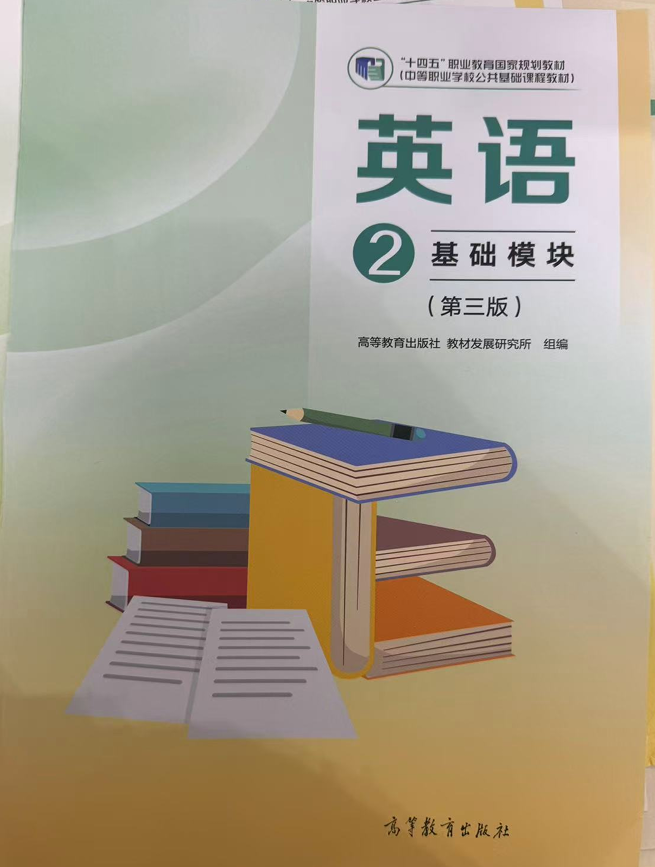
1.3 Travel(Language Practice)-《英语 基础模块2》(高教版第三版)《一课一练》(原卷版+解析版)
2026-04-03
|
2份
|
10页
|
147人阅读
|
0人下载
内容正文:
编写说明:基于中职学生英语知识不牢固、学习内驱力不够的学情特点,为了更好地提高学生的学习效率,辅助教师们抓好课前、课中、课后三个教学环节,本专辑深度解读最新的《中等职业学校英语课程标准》,匠心打造了契合山东职教高考命题特色的【山东专用】《英语 基础模块2》(高教版第三版)《一课一练》专辑,专辑共32练。
本卷为《英语 基础模块2》(高教版第三版)Unit 1 Travel(Language Practice)的课堂检测。
《英语 基础模块2》(高教版第三版)
Unit 1 Travel
一课一练(3) Language Practice
1、 语法单选
1.—Have you ever been to the Summer Palace?
—Yes. I ________ there a few months ago.
A. have been B.have gone C.went
【答案】C
【详解】句意:——你曾经去过颐和园吗?——是的。我好几个月前去了那里。
考查一般过去时。根据“a few months ago”可知事情发生在过去,应用一般过去时,用went。故选C。
2.Tom ________ an egg for the breakfast yesterday morning.
A.eats B.eated C.ate D.Eating
【答案】C
【详解】句意:汤姆昨天早上吃了一个鸡蛋当早餐。
考查动词的时态。eats动词eat的第三人称单数形式,用于一般现在时;eated选项错误;ate动词eat的过去式,用于一般过去时;eating动词eat的现在分词,用于现在进行时。根据时间状语“yesterday morning”可知“吃鸡蛋”发生在过去,应用动词eat的过去式ate。故选C。
3.Ann used to _____a bike to work but now she is used to _____ to work.
A.ride; walk B.ride; walking
C.riding; walk D.riding; walking
【答案】B
【详解】句意:安过去常常骑一辆自行车去上班,但是现在她习惯于走着去上班。
考查use系列词组。used to do sth.过去常常做某事(现在不做);be used to doing sth.习惯于做某事;be used to do sth.被用来做某事。根据第一个空格前的used to可知用动词原形;第二空前为be used to结构,如果用动词原形,就变成了被动语态,因此用walking,表示习惯于步行上班。故选B。
4.We often play soccer on Sunday afternoon, but last Sunday afternoon we ________ ping-pong.
A.play B.played C.is playing D.are playing
【答案】B
【详解】句意:我们经常在星期天下午踢足球,但是上星期天下午我们打乒乓球。
考查动词时态。根据“last Sunday afternoon”可知,句子是一般过去时,因此动词填过去式,故选B
5.Jane ________ perform ballet at all when she was a little girl, but she ________ do it now.
A.could; can B.couldn’t; can C.could; can’t D.couldn’t; can’t
【答案】B
【详解】简小的时候根本不会跳芭蕾,但她现在会了。
考查情态动词。could能够,can的过去式;can能够,动词原形;couldn’t不能够,can’t的过去式;can’t不能够,动词原形。根据“but”可知,前后句是转折关系,第一空表示简小时候“不能”跳芭蕾,此处是过去时态,因此第一空填couldn’t;第二空表示现在“能够”跳,是一般现在时态,因此是can。故选B。
6.Bill Cates ________ people in Seattle fight against COVID-19 last month.
A.helps B.will help C.is helping D.Helped
【答案】D
【详解】句意:比尔·盖茨上个月帮助西雅图人民抗击新冠状病毒。
考查动词时态。根据“last month”可知,句子用一般过去时,故选D。
7.I don't remember____________ the book yesterday.
A.where I put B.where did I put
C.where will I put D.where I will put
【答案】A
【详解】宾语从句中一般为陈述语序。根据时间状语yesterday,昨天,可知从句中描述的是过去发生的动作,故从句中用一般过去时态。选B为倒装语序,故选A。
8.He_________ me his name, but I can’t remember it now.
A.tells B.will tell C.told D.is telling
【答案】C
【详解】句意:他告诉过我他的名字,但是现在我不记得了。根据but I can’t remember it now可知是过去告诉过我,所以用一般过去时态;tells一般现在时态的结构, will tell一般将来时态的结构,told一般过去时态的结构,is telling现在进行时态的结构;故选C。
9.— Have you ever been to Shanghai?
— Yes. I ________ there with my father last year.
A.went B.have been
C.have gone D.has been
【答案】A
【详解】句意:——你去过上海吗?——去过。去年我和爸爸一起去的。考查一般过去时。根据语境,这里是谈论一个过去发生并且已经结束了的动作,强调的是事实,应用一般过去时。故选A。
10.—________ you tired after running for ten minutes?
—No. I ________ feel tired at all.
A. Did; didn’t B.Were; wasn’t C.Did; wasn’t D.Were; didn’t
【答案】D
【详解】句意:——你跑了十分钟,累了吗?——不,我一点也不觉得累。
考查be动词和助动词。were是(过去式、主语是复数);didn’t助动词的否定(一般过去时);did助动词(一般过去时);wasn’t是(过去式、主语是单数或不可数名词);第一句是主系表结构(be动词+形容词),结合“you tired”可知是缺be动词,应用were;第二句谓语动词“feel tired”是动词词组,时态为一般过去时,否定句借助助动词“didn’t”,故选D。
11.Jim’s father ________ to London last month. He ________ there three times.
A.went; has gone B.has gone; has been C.went; has been D.has been; has gone
【答案】C
【详解】句意:吉姆的爸爸上个月去伦敦了,他去过那里三次。根据last month可知第一个句子用过去时态,排除B/D;根据has been to去过某地,has gone to去某地了;根据three times可知是去过三次;故选C。
12.Mr. Li ________ to a new house last Sunday.
A.moves B.moved C.will move D.is moving
【答案】B
【详解】句意:上周日,李先生搬进了一所新房子。
考查动词时态。短语move to...“搬到……”,根据时间状语last Sunday可知用一般过去时态,move的过去式是moved,故选B。
13.Her son ________ coke, but now he ________ milk.
A.used to drink; is used to drinking B.used to drinking; drinks
C.is used to drinking; used to drink D.is used to drink; is drinking
【答案】A
【详解】句意:她的儿子过去常常喝可乐,但是现在他习惯于喝牛奶。
考查短语辨析。used to do sth过去常常做某事;be used to doing sth习惯于做某事;drinks动词三单;is drinking现在进行时。分析“Her son…coke, but now he…milk.”可知,前半句叙述过去的情况,后半句叙述现在的情况。故选A。
14.Paul and I ______ tennis yesterday. He did much better than I.
A.play B.will play C.played D.are playing
【答案】C
【详解】句意:昨天保罗和我打网球了。他比我打得好得多。
考查句子时态。A. play一般现在时;B. will play一般将来时;C. played一般过去时;D. are playing现在进行时。根据时间yesterday可知此句时态是一般过去时态,故选C。
15.It only _____ me half an hour ______ to school every day last term.
A.takes; riding B.spent; to ride C.cost; walk D.took; to walk
【答案】D
【详解】句意:上学期每天步行上学要花费我半小时的时间。It takes/took sb some time to do sth.花费某人多长时间做某事。根据last term可知,时间是一般过去时态。故答案为D。
16. There___ a letter from my sisiter last week.
A.has B. had C. was D. is
【答案】C
【详解】句意:上周有一封来自我姐姐的信。句中有明确的时间状语 "last week"(上周),表示过去发生的事情,因此句子时态应为一般过去时。主语是 "a letter"(单数),所以 be 动词应用过去式单数形式 "was"。
17. What___ Mike do last weekend?
A. do B. does C. did D. doing
【答案】C
【详解】句中有时间状语 "last weekend"(上周末),表示过去。这是一个特殊疑问句,实义动词是 "do"(做)。在一般过去时的疑问句中,需要借助助动词 "did" 来提问,后面的动词用原形。
18. He___ late for school yeserday.
A. is B. was C. are D. were
【答案】B
【详解】时间状语是 "yesterday"(昨天),时态为一般过去时。主语是 "He"(第三人称单数),be 动词的过去式单数是 "was"。
19. We went to Taian to climb mountains when you___ to see me last time.
A. come B. coming C. comes D. came
【答案】D
【详解】主句 "We went..." 使用了一般过去时。从句由 "when" 引导,描述的是过去同一时间发生的动作("last time"),因此从句也应使用一般过去时。动词 "come" 的过去式是 "came"。
20. Look out! Look at the traffic lights____ crossing the road.
A. Before B. after C. since D. while
【答案】A
【详解】这句话的意思是“小心!过马路之前要看交通灯”。从逻辑和安全常识来看,必须在过马路之前观察信号灯。
二.短文填空
Last year, I had a great summer holiday with my parents.
It was our first visit to Australia. We got up very early almost every day. We did lots of fun and 1.______(interest) things.2.____our first day, we visited Sydney Opera House. Later in the 3.____(one) week, we visited some museums and other places. 4. ____a great week! I really enjoyed 5.____ (I). I also took lots of 6. ____(photo). But we didn't swim in the sea.
Of course, we also visited my uncle7.___lives in Sydney. One evening, we had a party at his house. 8.____(final), after two weeks, before we 9.___(leave) Sydney, we went 10.___(shop)and bought lots of souvenirs(纪念品) for our friends.
Maybe we can travel again during my next summer holiday.
【答案】1.interesting 2.On 3.first 4.What 5.myself6.photos 7.who (或 that) 8.Finally 9.left 10.shopping
【详解】
1. 此处修饰名词 "things"(事物)。形容词 interest 有两个形式:interested(感到感兴趣的,通常修饰人)和 interesting(有趣的,通常修饰物)。因为修饰的是 "things",所以用 interesting。
2. 此处指“在我们的第一天”。在英语中,具体到某一天(如第一天、星期一、具体日期)前面要用介词 On。注意句首首字母大写。
3. 括号里给的是基数词 one。根据语境 "the ... week"(第...周),这里需要填序数词表示顺序,即“第一周”。one 的序数词是 first。
4. 这是一个感叹句。结构为 "What + (a/an) + adj. + n. (+ subject + verb)!"。中心词是 "week"(名词),所以用 What 引导。如果是形容词开头才用 How(例如:How great the week was!)。注意句首首字母大写。
5. 短语 enjoy oneself 意为“玩得开心”。主语是 I,所以反身代词要用 I 对应的 myself。
6. 前面有 lots of(许多),后面接可数名词复数。photo 的复数形式直接加 s,即 photos。
7. 这是一个定语从句,先行词是 my uncle(人)。引导定语从句修饰人,且在从句中作主语,通常用关系代词 who,也可以用 that。在填空题中,指人首选 who。
8. 括号里是形容词 final。此处位于句首,用来修饰整个句子或表示时间顺序(最后),需要用副词形式。final 的副词是 Finally。注意句首首字母大写。
9. 整篇文章讲述的是去年的事情,通篇使用一般过去时(had, was, got, did, visited)。before 引导的时间状语从句中,动词也应保持时态一致,用 leave 的过去式 left。
10. 固定搭配 go shopping 意为“去购物”。go 后面接动词的 -ing 形式表示从事某种活动。所以填 shopping。
原创精品资源学科网独家享有版权,侵权必究!
学科网(北京)股份有限公司
学科网(北京)股份有限公司
$
编写说明:基于中职学生英语知识不牢固、学习内驱力不够的学情特点,为了更好地提高学生的学习效率,辅助教师们抓好课前、课中、课后三个教学环节,本专辑深度解读最新的《中等职业学校英语课程标准》,匠心打造了契合山东职教高考命题特色的【山东专用】《英语 基础模块2》(高教版第三版)《一课一练》专辑,专辑共32练。
本卷为《英语 基础模块2》(高教版第三版)Unit 1 Travel(Language Practice)的课堂检测。
《英语 基础模块2》(高教版第三版)
Unit 1 Travel
一课一练(3) Language Practice
1、 语法单选
1.—Have you ever been to the Summer Palace?
—Yes. I ________ there a few months ago.
A.have been B.have gone C.went
2.Tom ________ an egg for the breakfast yesterday morning.
A.eats B.eated C.ate D.eating
3.Ann used to _____a bike to work but now she is used to _____ to work.
A.ride; walk B.ride; walking
C.riding; walk D.riding; walking
4.We often play soccer on Sunday afternoon, but last Sunday afternoon we ________ ping-pong.
A.play B.played C.is playing D.are playing
5.Jane ________ perform ballet at all when she was a little girl, but she ________ do it now.
A.could; can B.couldn’t; can C.could; can’t D.couldn’t; can’t
6.Bill Cates ________ people in Seattle fight against COVID-19 last month.
A.helps B.will help C.is helping D.helped
7.I don't remember____________ the book yesterday.
A.where I put B.where did I put
C.where will I put D.where I will put
8.He_________ me his name, but I can’t remember it now.
A.tells B.will tell C.told D.is telling
9.— Have you ever been to Shanghai?
— Yes. I ________ there with my father last year.
A.went B.have been
C.have gone D.has been
10.—________ you tired after running for ten minutes?
—No. I ________ feel tired at all.
A.Did; didn’t B.Were; wasn’t C.Did; wasn’t D.Were; didn’t
11.Jim’s father ________ to London last month. He ________ there three times.
A.went; has gone B.has gone; has been C.went; has been D.has been; has gone
12.Mr. Li ________ to a new house last Sunday.
A.moves B.moved C.will move D.is moving
13.Her son ________ coke, but now he ________ milk.
A.used to drink; is used to drinking B.used to drinking; drinks
C.is used to drinking; used to drink D.is used to drink; is drinking
14.Paul and I ______ tennis yesterday. He did much better than I.
A.play B.will play C.played D.are playing
15.It only _____ me half an hour ______ to school every day last term.
A.takes; riding B.spent; to ride C.cost; walk D.took; to walk
16. There___ a letter from my sisiter last week.
A.has B. had C. was D. is
17. What___ Mike do last weekend?
A. do B. does C. did D. doing
18. He___ late for school yeserday.
A. is B. was C. are D. were
19. We went to Taian to climb mountains when you___ to see me last time.
A. come B. coming C. comes D. came
20. Look out! Look at the traffic lights____ crossing the road.
A. Before B. after C. since D. while
二.短文填空
Last year, I had a great summer holiday with my parents.
It was our first visit to Australia. We got up very early almost every day. We did lots of fun and 1.______(interest) things.2.____our first day, we visited Sydney Opera House. Later in the 3.____(one) week, we visited some museums and other places. 4. ____a great week! I really enjoyed 5.____ (I). I also took lots of 6. ____(photo). But we didn't swim in the sea.
Of course, we also visited my uncle7.___lives in Sydney. One evening, we had a party at his house. 8.____(final), after two weeks, before we 9.___(leave) Sydney, we went 10.___(shop)and bought lots of souvenirs(纪念品) for our friends.
Maybe we can travel again during my next summer holiday.
原创精品资源学科网独家享有版权,侵权必究!
学科网(北京)股份有限公司
学科网(北京)股份有限公司
$
资源预览图

1
由于学科网是一个信息分享及获取的平台,不确保部分用户上传资料的 来源及知识产权归属。如您发现相关资料侵犯您的合法权益,请联系学科网,我们核实后将及时进行处理。