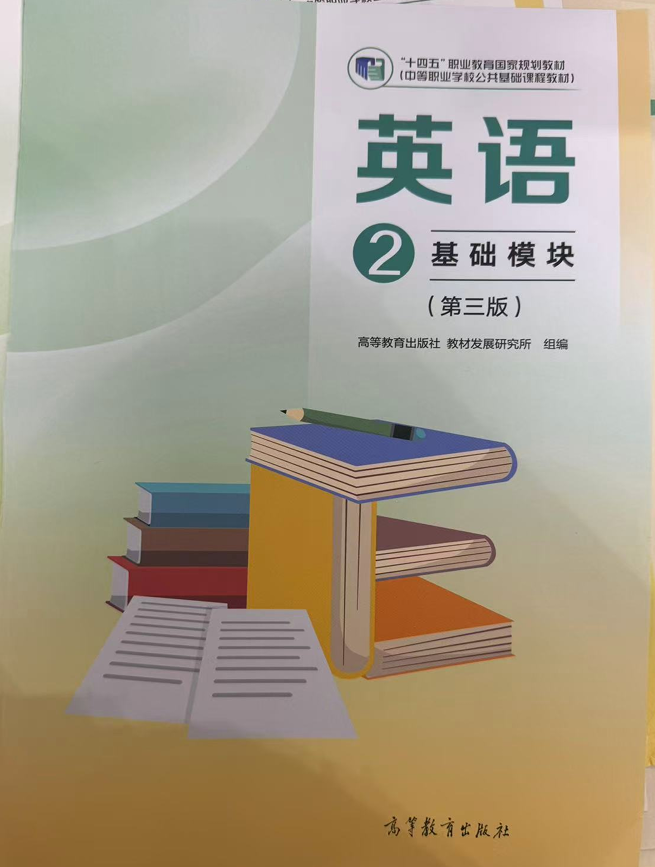
1.4 Travel(Language Practice)-《英语 基础模块2》(高教版第三版)《一课一练》(原卷版+解析版)
2026-04-01
|
2份
|
14页
|
63人阅读
|
0人下载
内容正文:
编写说明:基于中职学生英语知识不牢固、学习内驱力不够的学情特点,为了更好地提高学生的学习效率,辅助教师们抓好课前、课中、课后三个教学环节,本专辑深度解读最新的《中等职业学校英语课程标准》,匠心打造了契合河北职教高考命题特色的【河北专用】《英语 基础模块2》(高教版第三版)《一课一练》专辑,专辑共40练。
本卷为《英语 基础模块2》(高教版第三版)Unit 1 Travel(Language Practice)的课前预习和课堂检测。
《英语 基础模块2》(高教版第三版)
Unit 1 Travel
一课一练(4) Language Practice
【课前预习】
一般过去时
语法精讲
一般过去时表示过去某个时间发生的动作或存在的状态,也可表示过去经常或反复发生的动作;常与表示过去的时间状语连用,谓语动词需要使用过去式形式。
一般过去时的核心考点集中在谓语动词的变化规则、句式结构(肯定 / 否定 / 疑问) 和常用时间状语三方面,具体用法如下:
一、谓语动词的过去式变化
一般过去时的谓语动词分规则动词和不规则动词两类,不规则动词需单独记忆,规则动词的过去式有统一变化规则:
1. 规则动词过去式变化规则
一般情况下,直接在动词词尾加 **-ed**。
例:work → ________;play → ________;clean → ________
以不发音的字母e结尾的动词,直接加 **-d**。
例:live → ________;like → ________;hope → ________
以 “辅音字母 + y” 结尾的动词,变 y 为 i,再加 **-ed**。
例:study → ________;carry → ________;worry → ________
以重读闭音节结尾,且末尾只有一个辅音字母的动词,双写末尾的辅音字母,再加 **-ed**。
例:stop → ________;plan → ________;drop → ________
2. 不规则动词过去式
无统一变化规则,需逐个记忆,常见基础不规则动词:
be → ________;do → ________;go → ________;have →________;see → ________;say → ________;get → ________;make → ________;take → ________;come → ________
二、一般过去时的句式结构
1. 肯定句
(1)be 动词的一般过去时
主语 + was/were + 其他。
主语为 I / 第三人称单数(he/she/it/ 单数名词),用was;
主语为 you/we/they/ 复数名词,用were。
例:I ________ late for school yesterday. 昨天我上学迟到了。
They ________ in the park last Sunday. 上周日他们在公园。
(2)实义动词的一般过去时
主语 + 动词过去式 + 其他。
例:She ________ TV last night. 她昨晚看了电视。
We________ basketball yesterday afternoon. 我们昨天下午打了篮球。
2. 否定句
(1)be 动词的一般过去时
主语 + was/were + not + 其他(was not 可缩写为 wasn’t,were not 可缩写为 weren’t)。
例:He________at home just now. 他刚才不在家。
They ________ happy yesterday. 他们昨天不高兴。
(2)实义动词的一般过去时
主语 + didn’t + 动词原形 + 其他(注意:助动词 didn’t 后必须用动词原形,不能用过去式)。
例:I ________ my homework last night. 我昨晚没完成作业。
She ________ to the cinema yesterday. 她昨天没去看电影。
3. 一般疑问句
(1)be 动词的一般过去时
Was/Were + 主语 + 其他?
肯定回答:Yes, 主语 + was/were.
否定回答:No, 主语 + wasn’t/weren’t.
例:—________ you in the library this morning? 你今天早上在图书馆吗?
—Yes, I ________. / No, I ________.
(2)实义动词的一般过去时
Did + 主语 + 动词原形 + 其他?
肯定回答:Yes, 主语 + did.
否定回答:No, 主语 + didn’t.
例:—________ he ________ football last weekend? 他上周末踢足球了吗?
—Yes, he ________. / No, he ________.
4. 特殊疑问句
疑问词 + was/were/did + 主语 + 其他?
例:When ________ you born? 你什么时候出生的?
What________ you________ yesterday? 你昨天做什么了?
Where ________ she________ last holiday? 她上个假期去哪里了?
三、一般过去时的常用时间状语
一般过去时常与表示过去的具体时间、过去的时间段或过去的动作节点的状语连用,常见的有:
yesterday(昨天);yesterday morning/afternoon/evening(昨天上午 / 下午 / 晚上);last night/week/month/year(昨晚 / 上周 / 上个月 / 去年);just now(刚才);a moment ago(片刻之前);in + 过去的年份(如 in 2020);two days/weeks ago(两天 / 两周前);the day before yesterday(前天)
例:He left here a moment ago. 他刚离开这里。
We lived in Beijing in 2019. 2019年我们住在北京。
四、一般过去时的特殊用法
表示过去经常性、习惯性的动作,可与 often(经常)、usually(通常)、always(总是)等频度副词连用。
例:He often walked to school when he was a student. 他上学时经常步行去学校。
在情景对话中,当上下文明确指过去的动作时,可省略表示过去的时间状语。
例:—How did you know the news? 你怎么知道这个消息的?
—I heard it from my friend. 我从朋友那里听说的。
表示过去连续发生的多个动作,谓语动词都用过去式,动作之间用 and/then 连接。
例:He got up, brushed his teeth and had breakfast quickly. 他起床、刷牙,然后快速吃了早饭。
五、做一般过去时试题的技巧
判断时态标志:看句中是否有表示过去的时间状语(如 yesterday、last week 等),有则优先考虑一般过去时。
分析动作发生时间:根据上下文语境,判断动作是否发生在过去,与现在无关。
注意谓语动词形式:实义动词的否定句和疑问句必须借助助动词 did,且 did 后用动词原形;be 动词的过去式需根据主语单复数选择 was/were。
区分规则与不规则动词:做题时先判断动词是规则还是不规则,避免写错过去式(如把 go 写成 goed,正确为 went)。
关注句式结构:明确肯定、否定、疑问句式的不同构成,尤其注意助动词的使用和动词形式的变化。
【课堂检测】
一、语法单选
1. Xu Xiake ______ over 30 years traveling throughout the whole country.
A. spend B. spends C. spent D. will spend
2. — What did you do last weekend?
— I ______ to the zoo with my friends and ______ many lovely animals.
A. go; see B. went; saw C. go; saw D. went; see
3. The student ______ the early bus and ______ at the practice base on time yesterday.
A. catch; arrive B. catches; arrives C. caught; arrived D. will catch; will arrive
4. We should ______ our health and never ______ our dreams easily.
A. take care of; give up B. take care; give up
C. take care of; give in D. take care; give in
5. Marco Polo ______ about his travels along the Silk Road in his famous book.
A. write B. writes C. wrote D. is writing
6. She got up early ______ get a good seat for the travel lecture.
A. in order to B. so C. because D. for
7. There are ______ beautiful scenic spots in Yunnan. Many travelers visit there every year.
A. all sorts of B. all sorts C. sort of D. a sort of
8. He ______ to travel around the world when he was a teenager and finally made it.
A. decide B. decides C. decided D. will decide
9. My grandfather ______ a lot when he was young. He often shared his travel stories with me.
A. travel B. travels C. traveled D. is traveling
10. — How ______ your school trip to Xi’an?
— It was wonderful! We ______ many interesting things about the ancient city.
A. was; experience B. was; experienced
C. is; experience D. is; experienced
二、语法填空
My biggest problem is that I am too busy. When I was young, I used to have ____11____ much time, but these days I get up early and ____12____ (stay) in school all day. Then I go right home and eat d____13____. Before I started for school, I ____14____ to spend a lot of time ____15____ (play) games with my friends, but now I just don’t have the time any more. In the evening, I used to watch TV or ____16____ (聊天) with my grandmother, but now I ____17____ (have) to study. I love music, and my father used to take me to the ____18____ (演奏会). These days, I ____19____ (hard) ever have time for concerts. I do homework and go to bed. I really ____20____ (想念) the old days.
原创精品资源学科网独家享有版权,侵权必究!
学科网(北京)股份有限公司
学科网(北京)股份有限公司
$
编写说明:基于中职学生英语知识不牢固、学习内驱力不够的学情特点,为了更好地提高学生的学习效率,辅助教师们抓好课前、课中、课后三个教学环节,本专辑深度解读最新的《中等职业学校英语课程标准》,匠心打造了契合河北职教高考命题特色的【河北专用】《英语 基础模块2》(高教版第三版)《一课一练》专辑,专辑共40练。
本卷为《英语 基础模块2》(高教版第三版)Unit 1 Travel(Language Practice)的课前预习和课堂检测。
《英语 基础模块2》(高教版第三版)
Unit 1 Travel
一课一练(4) Language Practice
【课前预习】
一般过去时
语法精讲
一般过去时表示过去某个时间发生的动作或存在的状态,也可表示过去经常或反复发生的动作;常与表示过去的时间状语连用,谓语动词需要使用过去式形式。
一般过去时的核心考点集中在谓语动词的变化规则、句式结构(肯定 / 否定 / 疑问) 和常用时间状语三方面,具体用法如下:
一、谓语动词的过去式变化
一般过去时的谓语动词分规则动词和不规则动词两类,不规则动词需单独记忆,规则动词的过去式有统一变化规则:
1. 规则动词过去式变化规则
一般情况下,直接在动词词尾加 **-ed**。
例:work → worked;play → played;clean → cleaned
以不发音的字母e结尾的动词,直接加 **-d**。
例:live → lived;like → liked;hope → hoped
以 “辅音字母 + y” 结尾的动词,变 y 为 i,再加 **-ed**。
例:study → studied;carry → carried;worry → worried
以重读闭音节结尾,且末尾只有一个辅音字母的动词,双写末尾的辅音字母,再加 **-ed**。
例:stop → stopped;plan → planned;drop → dropped
2. 不规则动词过去式
无统一变化规则,需逐个记忆,常见基础不规则动词:
be → was/were;do → did;go → went;have → had;see → saw;say → said;get → got;make → made;take → took;come → came
二、一般过去时的句式结构
1. 肯定句
(1)be 动词的一般过去时
主语 + was/were + 其他。
主语为 I / 第三人称单数(he/she/it/ 单数名词),用was;
主语为 you/we/they/ 复数名词,用were。
例:I was late for school yesterday. 昨天我上学迟到了。
They were in the park last Sunday. 上周日他们在公园。
(2)实义动词的一般过去时
主语 + 动词过去式 + 其他。
例:She watched TV last night. 她昨晚看了电视。
We played basketball yesterday afternoon. 我们昨天下午打了篮球。
2. 否定句
(1)be 动词的一般过去时
主语 + was/were + not + 其他(was not 可缩写为 wasn’t,were not 可缩写为 weren’t)。
例:He wasn’t at home just now. 他刚才不在家。
They weren’t happy yesterday. 他们昨天不高兴。
(2)实义动词的一般过去时
主语 + didn’t + 动词原形 + 其他(注意:助动词 didn’t 后必须用动词原形,不能用过去式)。
例:I didn’t finish my homework last night. 我昨晚没完成作业。
She didn’t go to the cinema yesterday. 她昨天没去看电影。
3. 一般疑问句
(1)be 动词的一般过去时
Was/Were + 主语 + 其他?
肯定回答:Yes, 主语 + was/were.
否定回答:No, 主语 + wasn’t/weren’t.
例:—Were you in the library this morning? 你今天早上在图书馆吗?
—Yes, I was. / No, I wasn’t.
(2)实义动词的一般过去时
Did + 主语 + 动词原形 + 其他?
肯定回答:Yes, 主语 + did.
否定回答:No, 主语 + didn’t.
例:—Did he play football last weekend? 他上周末踢足球了吗?
—Yes, he did. / No, he didn’t.
4. 特殊疑问句
疑问词 + was/were/did + 主语 + 其他?
例:When were you born? 你什么时候出生的?
What did you do yesterday? 你昨天做什么了?
Where did she go last holiday? 她上个假期去哪里了?
三、一般过去时的常用时间状语
一般过去时常与表示过去的具体时间、过去的时间段或过去的动作节点的状语连用,常见的有:
yesterday(昨天);yesterday morning/afternoon/evening(昨天上午 / 下午 / 晚上);last night/week/month/year(昨晚 / 上周 / 上个月 / 去年);just now(刚才);a moment ago(片刻之前);in + 过去的年份(如 in 2020);two days/weeks ago(两天 / 两周前);the day before yesterday(前天)
例:He left here a moment ago. 他刚离开这里。
We lived in Beijing in 2019. 2019年我们住在北京。
四、一般过去时的特殊用法
表示过去经常性、习惯性的动作,可与 often(经常)、usually(通常)、always(总是)等频度副词连用。
例:He often walked to school when he was a student. 他上学时经常步行去学校。
在情景对话中,当上下文明确指过去的动作时,可省略表示过去的时间状语。
例:—How did you know the news? 你怎么知道这个消息的?
—I heard it from my friend. 我从朋友那里听说的。
表示过去连续发生的多个动作,谓语动词都用过去式,动作之间用 and/then 连接。
例:He got up, brushed his teeth and had breakfast quickly. 他起床、刷牙,然后快速吃了早饭。
五、做一般过去时试题的技巧
判断时态标志:看句中是否有表示过去的时间状语(如 yesterday、last week 等),有则优先考虑一般过去时。
分析动作发生时间:根据上下文语境,判断动作是否发生在过去,与现在无关。
注意谓语动词形式:实义动词的否定句和疑问句必须借助助动词 did,且 did 后用动词原形;be 动词的过去式需根据主语单复数选择 was/were。
区分规则与不规则动词:做题时先判断动词是规则还是不规则,避免写错过去式(如把 go 写成 goed,正确为 went)。
关注句式结构:明确肯定、否定、疑问句式的不同构成,尤其注意助动词的使用和动词形式的变化。
【课堂检测】
一、语法单选
1. Xu Xiake ______ over 30 years traveling throughout the whole country.
A. spend B. spends C. spent D. will spend
【答案】C
【解析】题干意为 “徐霞客花了三十多年时间游历全国。” 描述过去发生的动作,用一般过去时,spend 的过去式为 spent,故选 C。
2. — What did you do last weekend?
— I ______ to the zoo with my friends and ______ many lovely animals.
A. go; see B. went; saw C. go; saw D. went; see
【答案】B
【解析】题干意为 “—— 你上周末做了什么?—— 我和朋友去了动物园,看到了很多可爱的动物。” 由 “last weekend” 可知用一般过去时,go 的过去式为 went,see 的过去式为 saw,故选 B。
3. The student ______ the early bus and ______ at the practice base on time yesterday.
A. catch; arrive B. catches; arrives C. caught; arrived D. will catch; will arrive
【答案】C
【解析】题干意为 “这个学生昨天赶上了早班车,准时到达了实训基地。” 由 “yesterday” 可知用一般过去时,catch 的过去式为 caught,arrive 的过去式为 arrived,故选 C。
4. We should ______ our health and never ______ our dreams easily.
A. take care of; give up B. take care; give up
C. take care of; give in D. take care; give in
【答案】A
【解析】题干意为 “我们应该照顾好自己的健康,永远不要轻易放弃梦想。” “照顾” 用 take care of,“放弃” 用 give up,take care 后不能直接接宾语,give in 意为 “屈服”,不符合语境,故选 A。
5. Marco Polo ______ about his travels along the Silk Road in his famous book.
A. write B. writes C. wrote D. is writing
【答案】C
【解析】题干意为 “马可・波罗在他的名著中记录了他沿丝绸之路的旅行经历。” 描述过去的动作,用一般过去时,write 的过去式为 wrote,故选 C。
6. She got up early ______ get a good seat for the travel lecture.
A. in order to B. so C. because D. for
【答案】A
【解析】题干意为 “她起得很早,为了在旅行讲座中占到好座位。” in order to 后接动词原形,表示 “为了……”,符合语境;so 后接句子,because 表原因,for 表目的时后接名词短语,故选 A。
7. There are ______ beautiful scenic spots in Yunnan. Many travelers visit there every year.
A. all sorts of B. all sorts C. sort of D. a sort of
【答案】A
【解析】题干意为 “云南有各种各样美丽的景点,每年都有很多旅行者前往游览。” all sorts of 意为 “各种各样的”,后接可数名词复数;sort of 意为 “有点”,a sort of 意为 “一种”,均不符合语境,故选 A。
8. He ______ to travel around the world when he was a teenager and finally made it.
A. decide B. decides C. decided D. will decide
【答案】C
【解析】题干意为 “他十几岁时就决定环游世界,最终实现了这个愿望。” 由 “when he was a teenager” 可知用一般过去时,decide 的过去式为 decided,故选 C。
9. My grandfather ______ a lot when he was young. He often shared his travel stories with me.
A. travel B. travels C. traveled D. is traveling
【答案】C
【解析】题干意为 “我爷爷年轻时经常旅行,他经常和我分享他的旅行故事。” 由 “when he was young” 可知用一般过去时,travel 的过去式为 traveled,故选 C。
10. — How ______ your school trip to Xi’an?
— It was wonderful! We ______ many interesting things about the ancient city.
A. was; experience B. was; experienced
C. is; experience D. is; experienced
【答案】B
【解析】题干意为 “—— 你们去西安的学校旅行怎么样?—— 太棒了!我们了解到了很多关于这座古城的有趣事情。” 旅行发生在过去,两空均用一般过去时,be 动词用 was,experience 的过去式为 experienced,故选 B。
二、语法填空
My biggest problem is that I am too busy. When I was young, I used to have ____11____ much time, but these days I get up early and ____12____ (stay) in school all day. Then I go right home and eat d____13____. Before I started for school, I ____14____ to spend a lot of time ____15____ (play) games with my friends, but now I just don’t have the time any more. In the evening, I used to watch TV or ____16____ (聊天) with my grandmother, but now I ____17____ (have) to study. I love music, and my father used to take me to the ____18____ (演奏会). These days, I ____19____ (hard) ever have time for concerts. I do homework and go to bed. I really ____20____ (想念) the old days.
【答案】
11.so/too 12.stay 13.dinner/inner 14.used 15.playing 16.chat 17.have 18.concert 19.hardly 20.miss
【导语】本文主要对比了作者过去和现在自己的日常生活。
11.考查副词。句意:当我年幼的时候,我有充足的时间,但现在我起得很早,而且整天都待在学校。根据前文“My biggest problem is that I am too busy. (我最大的问题是太忙了。)”可知,现在的问题是太忙没时间,横线上介绍过去有充足的时间,所以是副词“so (如此)”或“too (太)”。故填so/too。
12.考查时态。句意:当我年幼的时候,我有充足的时间,但现在我起得很早,而且整天都待在学校。根据“but these days I get up early (但最近我起得很早)”可知时态为一般现在时,由于主语“I”,所以是动词原形。故填stay。
13.考查名词。句意:然后我直接回家吃晚饭。根据前文“stay in school all day (整天呆在学校)”及动词“eat”可知是晚上回来吃晚饭,由于首字母“d”,所以是dinner。故填dinner。
14.考查动词。句意:上学前,我经常花很多时间和朋友玩游戏。根据前文“Before I started for school (在我上学之前)”可知是介绍过去的情况,所以是短语“used to do”。故填used。
15.考查非谓语动词。句意:上学前,我经常花很多时间和朋友玩游戏。根据“spend ... doing”可知,应将动词play变为playing。故填playing。
16.考查非谓语动词。句意:晚上,我常常和奶奶一起看电视或聊天。根据“used to do”及“or”前后动词形式保持一致,所以是动词原形。故填chat。
17.考查时态。句意:但现在我必须学习。根据“now”可知,时态为一般现在时,由于主语是第一人称,所以是have。故填have。
18.考查名词。句意:我喜欢音乐,我爸爸过去经常带我去听音乐会。根据汉语“演奏会”提示,应是名词concert。故填concert。
19.考查副词。句意:如今,我几乎没有时间去听音乐会。根据前文“my father used to take me to the concert (我爸爸过去经常带我去听音乐会)”及本文主旨是说现在很忙,所以此句是否定句。将hard变为hardly表示否定。故填hardly。
20.考查时态。句意:我真的想念过去的日子。分析句子可知,此句描述现在的想法,所以是一般现在时,由于主语是第一人称单数,所以是动词原形miss“想念”。故填miss。
原创精品资源学科网独家享有版权,侵权必究!
学科网(北京)股份有限公司
学科网(北京)股份有限公司
$
资源预览图

1

2

3
由于学科网是一个信息分享及获取的平台,不确保部分用户上传资料的 来源及知识产权归属。如您发现相关资料侵犯您的合法权益,请联系学科网,我们核实后将及时进行处理。