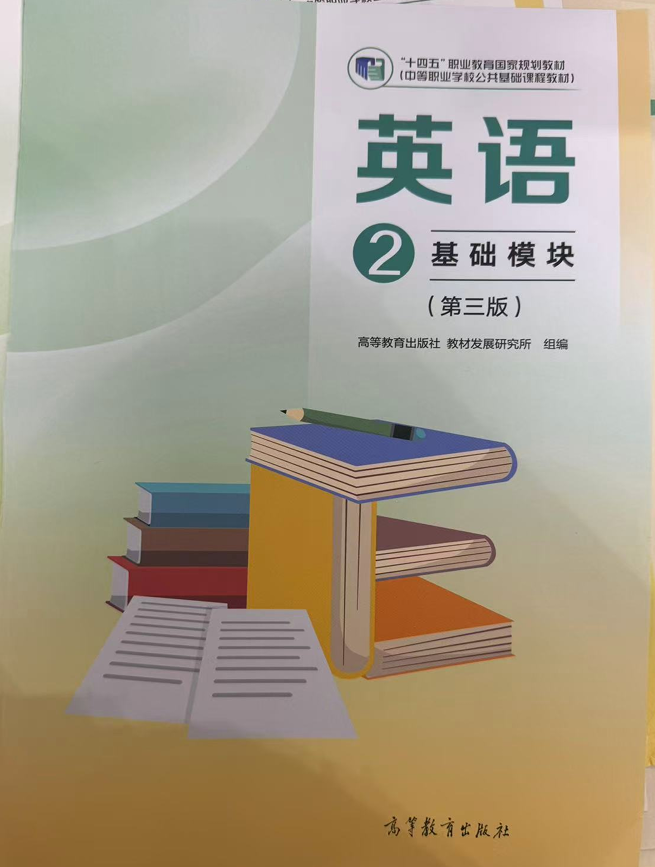
1.3 Travel(Reading and Writing 2)-《英语 基础模块2》(高教版第三版)《一课一练》(原卷版+解析版)
2026-04-01
|
2份
|
10页
|
70人阅读
|
0人下载
内容正文:
编写说明:基于中职学生英语知识不牢固、学习内驱力不够的学情特点,为了更好地提高学生的学习效率,辅助教师们抓好课前、课中、课后三个教学环节,本专辑深度解读最新的《中等职业学校英语课程标准》,匠心打造了契合江西职教高考命题特色的【江西专用】《英语 基础模块2》(高教版第三版)《一课一练》专辑,专辑共40练。
本卷为《英语 基础模块2》(高教版第三版)Unit 1 Travel(Reading and Writing 2)的课前预习和课堂检测。
《英语 基础模块2》(高教版第三版)
Unit 1 Travel
一课一练(3) Reading and Writing 2
【课前预习】
一、核心词汇检测
1. _______ v. 体验;经历 → _______ adj. 有经验的
2._______.n. 文化 → _______ adj. 文化的
3._______ adj. 传统的 → _______ n. 传统;_______ adv. 传统上
4._______ n. 旅行;游览 → _______ n. 游客;_______ n. 旅游业
5._______ v. 建议;推荐 → _______ n. 建议(可数);_______ adj. 提示性的
6._______ v. 到达 → _______ n. 到达;搭配:_______ 到达(小地点)
7._______ 旅行计划
8._______ 自然风光
9._______ 到达(大地点)
【课堂检测】
一、阅读理解
The Great Wall of China is called the “Ten-thousand-Li Great Wall” in Chinese. In fact, it’s about 21, 196 kilometers long in all. It winds its way from west to east, across deserts, over mountains, through valley still at last it reaches the sea. It is one of the wonders of the world.
The Great Wall has a history of over twenty centuries. The first part of it was built during the Spring and Autumn Period. During the Warring States Period, more walls were put up to defend the borders of the different kingdoms. It was during the Qin Dynasty that the kingdom of Qin united the different parts into one empire. To keep the enemy out of his empire, Emperor Qin Shihuang had all the walls joined up. Thus, the Great Wall came into being.
The Great Wall is wide enough at the top for five horses or ten men to walk side by side. Along the wall are watchtowers, where soldiers used to keep watch. Fires were lit on the towers as a warning when the enemy came.
It was very difficult to build such a wall in the ancient days without any modern machines. All the work was done by hand. Thousands of men died and were buried under the wall they built. The Great Wall was made not only of stone and earth, but of the flesh and blood of millions of men.
Today the Great Wall has become a place of interest not only to the Chinese but also to people from all over the world. Many of them have come to know the famous Chinese saying: “He who does not reach the Great Wall is not a true man.”
1.Which of the following is NOT true?
A.The Great Wall is called the “Ten-Thou-sand-Li Great Wall” in Chinese.
B.The Great Wall is less than 6, 000 kilometers long.
C.The Great Wall winds its way from west to east and reaches the sea at last.
D.The Great Wall is one of the wonders of the world.
2.People started to build the Great Wall in ________.
A.the Spring and Autumn Period B.the Warring States Period
C.the Qin Dynasty D.New China
3.________ joined up all the walls.
A.The enemy B.Emperor Qin Shihuang
C.Modern machines D.People from all over the world
4.What do the underlined words “side by side” mean in Chinese?
A.肩并肩 B.一边一边地 C.两侧 D.通过
5.What is the best title of the passage?
A.The History of the Great Wall B.Welcome to the Great Wall
C.The Great Wall D.The Famous Chinese Saying
二、写作
假设你是李华,你的朋友Mike即将来你的家乡南昌旅游。请你给他写一封电子邮件,内容包括:
1. 表示欢迎;
2. 介绍南昌的一个著名景点(如滕王阁Tengwang Pavilion、八一广场Bayi Square等)及可以进行的活动;
3. 提出一至两条旅游建议(如天气、交通等)。
注意:
1. 词数100左右;
2. 可适当增加细节,以使行文连贯;
3. 开头和结尾已为你写好,不计入总词数。
Dear Mike,
I’m so glad to hear that you are coming to my hometown, Nanchang, for a visit.
_________________________________________________________________________________________________________________
________________________________________________________________________________________________________________
I’m looking forward to seeing you soon.
Yours,
Li Hua
原创精品资源学科网独家享有版权,侵权必究!
学科网(北京)股份有限公司
学科网(北京)股份有限公司
$
编写说明:基于中职学生英语知识不牢固、学习内驱力不够的学情特点,为了更好地提高学生的学习效率,辅助教师们抓好课前、课中、课后三个教学环节,本专辑深度解读最新的《中等职业学校英语课程标准》,匠心打造了契合江西职教高考命题特色的【江西专用】《英语 基础模块2》(高教版第三版)《一课一练》专辑,专辑共40练。
本卷为《英语 基础模块2》(高教版第三版)Unit 1 Travel(Reading and Writing 2)的课前预习和课堂检测。
《英语 基础模块2》(高教版第三版)
Unit 1 Travel
一课一练(3) Reading and Writing 2
【课前预习】
一、核心词汇检测
1. _______ v. 体验;经历 → _______ adj. 有经验的
2._______.n. 文化 → _______ adj. 文化的
3._______ adj. 传统的 → _______ n. 传统;_______ adv. 传统上
4._______ n. 旅行;游览 → _______ n. 游客;_______ n. 旅游业
5._______ v. 建议;推荐 → _______ n. 建议(可数);_______ adj. 提示性的
6._______ v. 到达 → _______ n. 到达;搭配:_______ 到达(小地点)
7._______ 旅行计划
8._______ 自然风光
9._______ 到达(大地点)
【答案】1.experience v. 体验;经历 → experienced adj. 有经验的
2.culture n. 文化 → cultural adj. 文化的
3.traditional adj. 传统的 → tradition n. 传统;traditionally adv. 传统上
4.tour n. 旅行;游览 → tourist n. 游客;tourism n. 旅游业
5.suggest v. 建议;推荐 → suggestion n. 建议(可数);suggestive adj. 提示性的
6.arrive v. 到达 → arrival n. 到达;搭配:arrive at 到达(小地点)
7.travel plan 旅行计划
8.natural beauty 自然风光
9.arrive in 到达(大地点)
【课堂检测】
一、阅读理解
The Great Wall of China is called the “Ten-thousand-Li Great Wall” in Chinese. In fact, it’s about 21, 196 kilometers long in all. It winds its way from west to east, across deserts, over mountains, through valley still at last it reaches the sea. It is one of the wonders of the world.
The Great Wall has a history of over twenty centuries. The first part of it was built during the Spring and Autumn Period. During the Warring States Period, more walls were put up to defend the borders of the different kingdoms. It was during the Qin Dynasty that the kingdom of Qin united the different parts into one empire. To keep the enemy out of his empire, Emperor Qin Shihuang had all the walls joined up. Thus, the Great Wall came into being.
The Great Wall is wide enough at the top for five horses or ten men to walk side by side. Along the wall are watchtowers, where soldiers used to keep watch. Fires were lit on the towers as a warning when the enemy came.
It was very difficult to build such a wall in the ancient days without any modern machines. All the work was done by hand. Thousands of men died and were buried under the wall they built. The Great Wall was made not only of stone and earth, but of the flesh and blood of millions of men.
Today the Great Wall has become a place of interest not only to the Chinese but also to people from all over the world. Many of them have come to know the famous Chinese saying: “He who does not reach the Great Wall is not a true man.”
1.Which of the following is NOT true?
A.The Great Wall is called the “Ten-Thou-sand-Li Great Wall” in Chinese.
B.The Great Wall is less than 6, 000 kilometers long.
C.The Great Wall winds its way from west to east and reaches the sea at last.
D.The Great Wall is one of the wonders of the world.
2.People started to build the Great Wall in ________.
A.the Spring and Autumn Period B.the Warring States Period
C.the Qin Dynasty D.New China
3.________ joined up all the walls.
A.The enemy B.Emperor Qin Shihuang
C.Modern machines D.People from all over the world
4.What do the underlined words “side by side” mean in Chinese?
A.肩并肩 B.一边一边地 C.两侧 D.通过
5.What is the best title of the passage?
A.The History of the Great Wall B.Welcome to the Great Wall
C.The Great Wall D.The Famous Chinese Saying
【答案】1.B 2.A 3.B 4.A 5.C
【导语】本文是一篇说明文。通过客观介绍长城的长度、历史、建筑特点、意义等内容,向读者说明长城的相关知识。
1.细节理解题。根据第一段“In fact, it’s about 21, 196 kilometers long in all. (事实上,它全长约21196公里。)”可知,此处说明的长城的长度,长城约21196公里,远超过6000公里。故选B。
2.细节理解题。根据第二段“The first part of it was built during the Spring and Autumn Period. (它的第一部分建于春秋时期。)”可知,长城最初部分建于春秋时期,也就是人们开始建长城的时间。故选A。
3.细节理解题。根据第二段“To keep the enemy out of his empire, Emperor Qin Shihuang had all the walls joined up. (为了抵御外敌入侵他的帝国,秦始皇将所有的城墙连接了起来。)”可知,是秦始皇将各段城墙连接起来。故选B。
4.词句猜测题。根据第三段“The Great Wall is wide enough at the top for five horses or ten men to walk side by side. (长城顶部足够宽,可供五匹马或十个人并排行走。)”可知,此处说明的长城的宽度,可以肩并肩地行走。故选A。
5.主旨大意题。根据文中“The Great Wall of China is called the “Ten-thousand-Li Great Wall” in Chinese. (中国的长城在中文里被称为“万里长城”。)”以及“The Great Wall has a history of over twenty centuries. (长城有两千多年的历史。)”以及“The Great Wall is wide enough at the top for five horses or ten men to walk side by side. (长城顶部足够宽,可供五匹马或十个人并排行走。)”可知,文章从长城的名称、长度、历史、建筑特点、意义等多方面介绍长城。故选C。
二、写作
假设你是李华,你的朋友Mike即将来你的家乡南昌旅游。请你给他写一封电子邮件,内容包括:
1. 表示欢迎;
2. 介绍南昌的一个著名景点(如滕王阁Tengwang Pavilion、八一广场Bayi Square等)及可以进行的活动;
3. 提出一至两条旅游建议(如天气、交通等)。
注意:
1. 词数100左右;
2. 可适当增加细节,以使行文连贯;
3. 开头和结尾已为你写好,不计入总词数。
Dear Mike,
I’m so glad to hear that you are coming to my hometown, Nanchang, for a visit.
_________________________________________________________________________________________________________________
________________________________________________________________________________________________________________
I’m looking forward to seeing you soon.
Yours,
Li Hua
【答案】例文:
Dear Mike,
I’m so glad to hear that you are coming to my hometown, Nanchang, for a visit. Welcome!
Nanchang is a beautiful city with a long history. I highly recommend visiting the Tengwang Pavilion. It is a famous ancient building beside the Gan River. You can climb to the top to enjoy a wonderful view of the whole city and learn about its history. You can also take a boat trip on the river at night to see the beautiful lights.
Since summer is coming, it might be hot and rainy. So please bring light clothes and an umbrella. The best way to get around the city is by subway or bus, which are very convenient.
I’m looking forward to seeing you soon.
Yours,
Li Hua
【导语】本篇书面表达属于应用文(书信)。 文章大意总结 本篇书信讲述了李华得知迈克要来自己家乡南昌游玩后,推荐南昌的景点滕王阁,告知南昌的天气情况并给出出行建议,最后表达期待与迈克相见。
【详解】1.词汇积累
高兴的:glad→ happy
著名的:famous→ well-known
方便的:convenient→ handy
不久,很快:soon→ shortly
2.句式拓展
简单句变复合句
原句:You can climb to the top to enjoy a wonderful view of the whole city.
拓展句:You can climb to the top so that you can enjoy a wonderful view of the whole city.
【点睛】 【高分句型1】The best way to get around the city is by subway or bus, which are very convenient. (运用了which引导的非限制性定语从句)
【高分句型2】I highly recommend visiting the Tengwang Pavilion. (运用了动名词作宾语)
原创精品资源学科网独家享有版权,侵权必究!
学科网(北京)股份有限公司
学科网(北京)股份有限公司
$
资源预览图

1

2
由于学科网是一个信息分享及获取的平台,不确保部分用户上传资料的 来源及知识产权归属。如您发现相关资料侵犯您的合法权益,请联系学科网,我们核实后将及时进行处理。