3.1 Artificial Intelligence-Warming up, Listening& Speaking(教案)-《英语 基础模块3》(高教版第三版) 【上好课】
2026-03-30
|
9页
|
121人阅读
|
0人下载
精品
资源信息
| 学段 | 中职 |
|---|---|
| 学科 | 英语 |
| 教材版本 | 中职英语高教版第三版 基础模块3 |
| 年级 | 高二 |
| 章节 | Warming Up,Listening and Speaking |
| 类型 | 教案 |
| 知识点 | 词汇知识,词法知识,句法知识,语篇范围 |
| 使用场景 | 同步教学 |
| 学年 | 2026-2027 |
| 地区(省份) | 全国 |
| 地区(市) | - |
| 地区(区县) | - |
| 文件格式 | DOCX |
| 文件大小 | 1.77 MB |
| 发布时间 | 2026-03-30 |
| 更新时间 | 2026-03-30 |
| 作者 | Leah forever |
| 品牌系列 | 上好课·上好课 |
| 审核时间 | 2026-03-30 |
| 下载链接 | https://m.zxxk.com/soft/57090170.html |
| 价格 | 3.00储值(1储值=1元) |
| 来源 | 学科网 |
内容正文:
课题
《英语 基础模块 3》(高教版 第三版)
Unit 3 Artificial Intelligence
( Warming up、Listening and speaking)
课 型
新授课
课 时
2
授课班级
授课时间
90mins
授课教师
教材分析
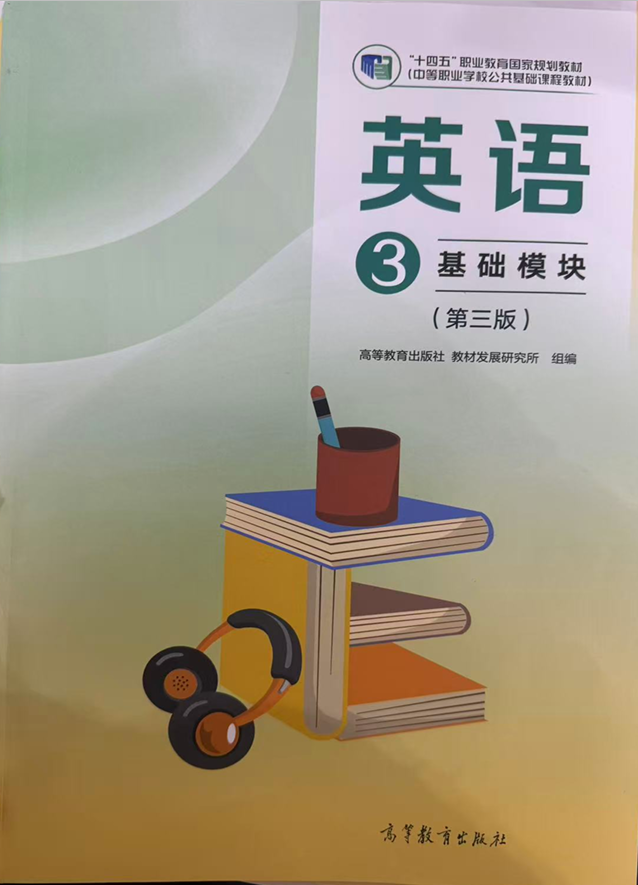
本课教学内容选自高等教育出版社出版的“十四五”职业教育国家规划教材《英语3基础模块(第三版)》中Unit 3 Artificial Intelligence的Warming up和Listening and Speaking板块。听说部分以人工智能在工厂和餐饮场景的应用为主题设计了对话听力活动和口语表达活动。主要是关于人工智能应用的场景下表达赞同与反对的词汇句型,通过学习,学生能听懂对话内容,总结主题信息,并在此基础上将语言知识和口语表达技能迁移到真实语境中。
学情分析
1.知识基础
中职二年级学生掌握了部分关于基础网络与计算机相关的英文表达,对科技话题有认知储备。但对于人工智能专业词汇和句型积累薄弱,相关英文听说表达匮乏,语言基础不足以支撑本单元主题交流。
2. 认知能力
学生对人工智能充满兴趣,能理解生活里常见的 AI 应用场景。但缺乏用英语分析、描述科技内容的思维能力,难以实现知识迁移,听说理解与输出都需要梯度引导搭建支架。
3. 学生特点
学生课堂态度积极,热衷贴近生活的前沿科技主题学习。适配由易到难的分层活动模式,喜欢真实情境沉浸式练习,循序渐进的教学设计能有效降低听说学习难度与畏难情绪。
因此教师对教学活动应进行合理的设计,将真实情境代入到语境中,由易到难,由简到繁,逐步铺设台阶,把学生可能遇到的困难挫折降到最低。
教学目标
1. 通过听力策略听懂关于人工智能应用场景的关键信息,概括主题;识别对话中表达赞同与反对的语言;
2. 能够客观地介绍智能产品,并且就人工智能在生活中应用的话题,提出自己的看法,回应对方的观点;
3. 能够辩证地看待智能产品的优缺点及其对人们生活的影响;
教学重难点
教学重点:能识别对话中有关机器人功能的介绍,掌握表达赞同与反对的句型。
教学难点:能熟练运用表达赞同与反对的句型,根据细节信息识别对话场景进行信息转述,模仿练习。
教学方法
小组讨论法、任务教学法、情境教学法
课前准备
PPT课件,语音素材,图片
教学媒体
PPT课件、多媒体设备、语音素材、拓展资源包等
教学过程
教学环节
教师活动设计
学生活动设计
设计意图
Warming Up
Warming-up
1.Ask students to watch a video about AI use in daily life.
T: Let's take a look at a video to better understand what artificial intelligence is used in daily life.
2. Show students some pictures about the common daily use of AI.
T: What can we do with AI?
3. Look and match.(处理教材活动1)
This activity presents four application scenarios of artificial intelligence.
Ask each group to match the pictures with the corresponding description.
Then, encourage them to briefly describe one scenario in their own words, then conducts a survey within the group to find out which members have seen or experienced the scenarios shown in the pictures.
4.Think and tick. (处理教材活动2)
Ask the students to observe the four given sentences and tick the ones that express disagreement.
Check the answers and lead them to read the sentences aloud together.
Teacher supplements more sentences for agreement and disagreement, and classify them into two categories accordingly.
Agreement:
You are so right.
You have hit the nail on the head.
I couldn’t agree more.
That’s a great point.
That’s just my cup of tea.
I am all for that
Disagreement:
I don’t agree with you.
I am not really sure about that.
I am not sure that’s correct.
I am afraid I don’t totally agree.
1.Watch a video about AI use in daily life.
2.Enjoy some pictures about the common daily use of AI
3.read the pictures and descriptions to match them,match the pictures ; then, try to briefly describe one scenery in their own words.
4.Observe the four given sentences and tick the ones that express disagreement.
Brainstorm more sentences for agreement and disagreement, and students classify them into two categories accordingly
本环节通过观看关于人工智能介绍的视频,引出本单元的主题.。通过图片匹配等活动,旨在激活学生关于人工智能场景图片的词汇储备,积累表达赞同与不赞同的句型,并创设新的人工智能方面情景来巩固句型,为下一环节的听力活动做语言储备。
Step 2
Listening
1.Listen and tick. (处理教材活动3)
1). Before playing the audio, lead students to look through the options, then play the audio and ask them listen to the recording, choose the theme based on the options and grasp the overall meaning.
Checks answers and gives feedback.
2. Listen and choose. (处理教材活动4)
Ask students to observe the pictures and make initial judgments.
Then, listen to the recording, catch key words, and choose the scenes mentioned in the dialogue.Pay attention to the key information.
Checks answers and gives feedback.
3.Listen and complete(处理教材活动5).
①Before listening, let students read the text carefully to predict the missing words.
② Then, play the audio to ask the students to listen to the recording for the third time and complete Mary's retelling of the listening content in the first person.
③Checks answers by calling on students, asks them to read the passage aloud to present their answers, and gives feedback.
4.Dialogue Analysis.
Show the script and ask students to read the script after the audio.
Explain the key words and expressions.
1.Read the options before listening and predict the content. Then listen to the recording, choose the correct answers, and get a general understanding of the listening material.
2. First observe the pictures and make initial judgments. Then listen to the recording, catch the key words, and tick the correct information.
.
3. First skim Mary's retelling and try to fill in the blanks based on Activity 5.
Then,listen to the recording and improve your answers according to the listening content.
4.Read the script and master the usage of key words and expressions.
1.此活动训练学生利用问题和选项预测听力内容,在听的过程中有意捕捉信息,培养学生获取信息的能力。
本环节旨在训练学生根据已有的信息预测听力内容,在听的过程中获取和归纳关键信息,侧重培养学生语言沟通能力和语言交互能力,通过改变叙述角度重新组织语言,培养职场语言沟通能力与逻辑表达能力。
呈现听力文本,简要解析文本中的关键词汇和表达,帮助学生更好地理解对话文本。
Step 3
Speaking
1.Listen、read and underline.
① First, Explain the background of the dialogue.
Then, ask students to listen to the dialogue first and read the dialogue following the audio to mark the sentences the sentences that express agreement or disagreement.
②.Read and answer:lead the students to read the dialogue again to answer the following questions.
① Where are Lily and Linyang?
② How are robots changing our life?
③ Are humans needed in future workplaces?
④ What is the advantage of using robots?
③then,invite two students to read the dialogue and make comments.
④Finally, briefly explains the key phrases and sentence patterns, then ask the students to practice the sentence patterns.
2.Imitate and practice.
Lead students to recall the communicative patterns in Activity 6.
Then, Guide students to practice dialogues following the format of Activity 6, using relevant sentence patterns and picture information for reference.
Invite several pairs to present their dialogues. Based on the evaluation sheet, select the best pair.
评价表:
3. Role play.
1).Ask students to identify the given information of the situations and consider the expressions to be used.
2). Choose a student to do a demo . then Organize students to choose from three roles: salesperson, wife and husband for practice, so as to develop their workplace communication skills and professional competence:
3)Choose some students to make presentation and lead other students to give mutual comments and feedback.
1.Students imitate and underline the sentences related to expressing agreement or disagreement.
Read the dialogue carefully to find the detailed information and answer the questions.
2.Imitate and practice
1)Read the given information and prepare for the dialogue using the expressions learned above.
2) Make dialogue with partners and do the presentation in front of the class.
3. Choose from three roles: salesperson, wife and husband for practice to create a dialogue with your group members according to the given situation..
本环节通过让学生听、读找出表示赞同与不赞同的语句。分析文本中的重点短语和表达,帮助学生识别对话中表达赞同与反对的语言语言表达,侧重培养学生的语言沟通能力和语用能力。
本环节通过模仿活动6的购物对话的范本语料,进行替换关键词的对话练习。通过模仿练习,来进一步操练重点句型,巩固所学交际框架,培养学生的语言迁移能力。
本环节为角色扮演的对话练习。通过为他人推荐洗地机的对话训练,可以培养学生的语言交互能力和思维能力,提升职场语言沟通能力,此外,在角色扮演环节的评价表中,指出销售人员应该具有良好的态度和销售技巧等基本职业素养,增强学生的思维差异感知和职业素养。
Step 4:
Language points
Language points analysis.
Analyze the important words and phrases of the dialogue:
Understand the important language points and take notes.
Finish the relevant supporting exercises.
分析重点词汇和表达。讲解重点知识点,帮助学生夯实重点,为之后的口语活动的输出做好语言准备。
课堂练习
Lead the students to finish the exercise.
Choose some students to share their answers and explain the reasons.
Step 5:
Summary
1. . Key words and phrases:
课后作业
1..复习本部分的教学内容,读、背活动6的对话,读记本课重要词汇和表达,学生可自愿模拟练习对话,在下节课展示。
2.拓展作业:
选择一种高科技产品,分析出他的优缺点,以图片、文字、视频的方式分享到班级群。
板书设计
同总结部分
教学评价
教学反思
精品资源学科网独家享有版权,侵权必究!
学科网(北京)股份有限公司
学科网(北京)股份有限公司
$
资源预览图

1

2

3
由于学科网是一个信息分享及获取的平台,不确保部分用户上传资料的 来源及知识产权归属。如您发现相关资料侵犯您的合法权益,请联系学科网,我们核实后将及时进行处理。