Unit9 Communication 单元语法填空专项训练-2025-2026学年冀教版九年级下册英语
2026-03-17
|
6页
|
46人阅读
|
0人下载

资源信息
| 学段 | 初中 |
|---|---|
| 学科 | 英语 |
| 教材版本 | 初中英语冀教版(2012)九年级全册 |
| 年级 | 九年级 |
| 章节 | Unit 9 Communication |
| 类型 | 题集-专项训练 |
| 知识点 | - |
| 使用场景 | 同步教学-单元练习 |
| 学年 | 2026-2027 |
| 地区(省份) | 全国 |
| 地区(市) | - |
| 地区(区县) | - |
| 文件格式 | DOCX |
| 文件大小 | 33 KB |
| 发布时间 | 2026-03-17 |
| 更新时间 | 2026-03-17 |
| 作者 | 北极光ing |
| 品牌系列 | - |
| 审核时间 | 2026-03-17 |
| 下载链接 | https://m.zxxk.com/soft/56873482.html |
| 价格 | 3.00储值(1储值=1元) |
| 来源 | 学科网 |
内容正文:
冀教版九年级下册Unit9 Communication 单元语法填空专项训练
满分:120分
一、用括号里单词的正确形式填空(100题)
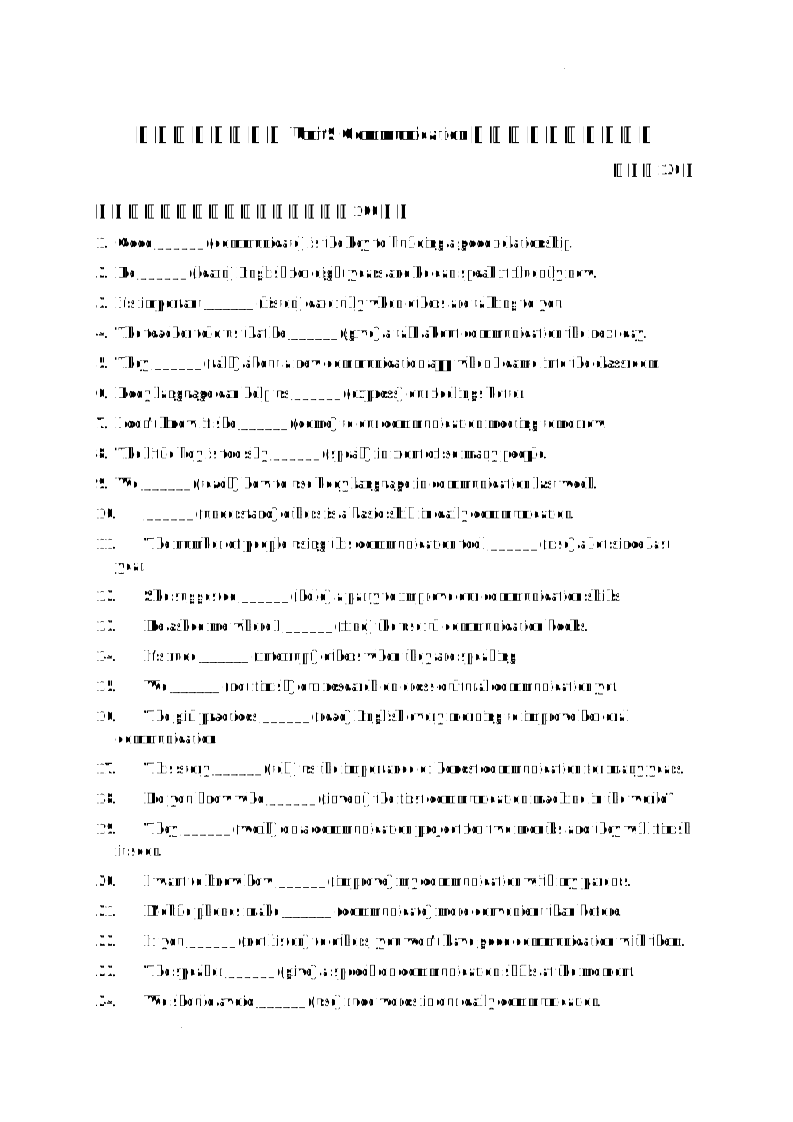
1. Good ______ (communicate) is the key to building a good relationship.
1. He ______ (learn) English for eight years and he can speak it fluently now.
1. It's important ______ (listen) carefully when others are talking to you.
1. The teacher told us that he ______ (give) a talk about communication the next day.
1. They ______ (talk) about a new communication app when I came into the classroom.
1. Body language can help us ______ (express) our feelings better.
1. I don't know if she ______ (come) to our communication meeting tomorrow.
1. The little boy is too shy ______ (speak) in front of so many people.
1. We ______ (teach) how to use body language in communication last week.
1. ______ (understand) others is a basic skill in daily communication.
1. The number of people using this communication tool ______ (rise) a lot since last year.
1. She suggested ______ (hold) a party to improve our communication skills.
1. He asked me where I ______ (find) the useful communication books.
1. It's rude ______ (interrupt) others when they are speaking.
1. We ______ (not finish) our research on cross-cultural communication yet.
1. The girl practices ______ (read) English every morning to improve her oral communication.
1. This story ______ (tell) us the importance of honest communication for many years.
1. Do you know who ______ (invent) the first communication machine in the world?
1. They ______ (work) on a communication project for two months and they will finish it soon.
1. I want to know how ______ (improve) my communication with my parents.
1. Mobile phones make ______ (communicate) more convenient than before.
1. If you ______ (not listen) to others, you won't have good communication with them.
1. The speaker ______ (give) a speech on communication skills at the moment.
1. We should avoid ______ (use) rude words in our daily communication.
1. He said that he ______ (never meet) such a good communication partner before.
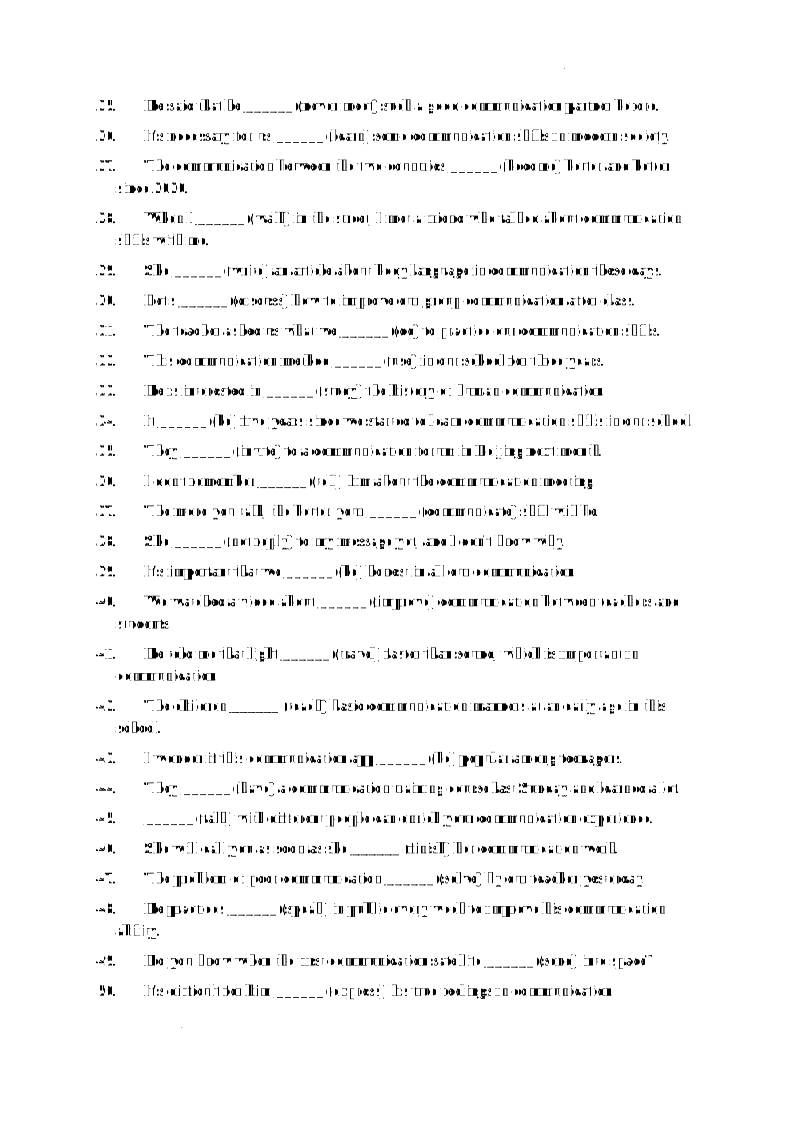
1. It's necessary for us ______ (learn) some communication skills in modern society.
1. The communication between the two countries ______ (become) better and better since 2020.
1. When I ______ (walk) in the street, I met a friend who talked about communication skills with me.
1. She ______ (write) an article about body language in communication these days.
1. Let's ______ (discuss) how to improve our group communication after class.
1. The teacher asked us what we ______ (do) to practice our communication skills.
1. This communication method ______ (use) in our school for three years.
1. He is interested in ______ (study) the history of human communication.
1. It ______ (be) five years since we started to learn communication skills in our school.
1. They ______ (invite) to a communication forum in Beijing next month.
1. I don't remember ______ (tell) him about the communication meeting.
1. The more you talk, the better your ______ (communicate) skill will be.
1. She ______ (not reply) to my message yet, and I don't know why.
1. It's important that we ______ (be) honest in all our communication.
1. We watched a video about ______ (improve) communication between teachers and students.
1. He told me that light ______ (travel) faster than sound, which is important in communication.
1. The children ______ (teach) basic communication manners at an early age in this school.
1. I wonder if this communication app ______ (be) popular among teenagers.
1. They ______ (have) a communication training course last Sunday and learned a lot.
1. ______ (talk) with different people can enrich your communication experience.
1. She will call you as soon as she ______ (finish) her communication work.
1. The problem of poor communication ______ (solve) by our teacher yesterday.
1. He practices ______ (speak) in public every week to improve his communication ability.
1. Do you know when the first communication satellite ______ (send) into space?
1. It's difficult for him ______ (express) his true feelings in communication.
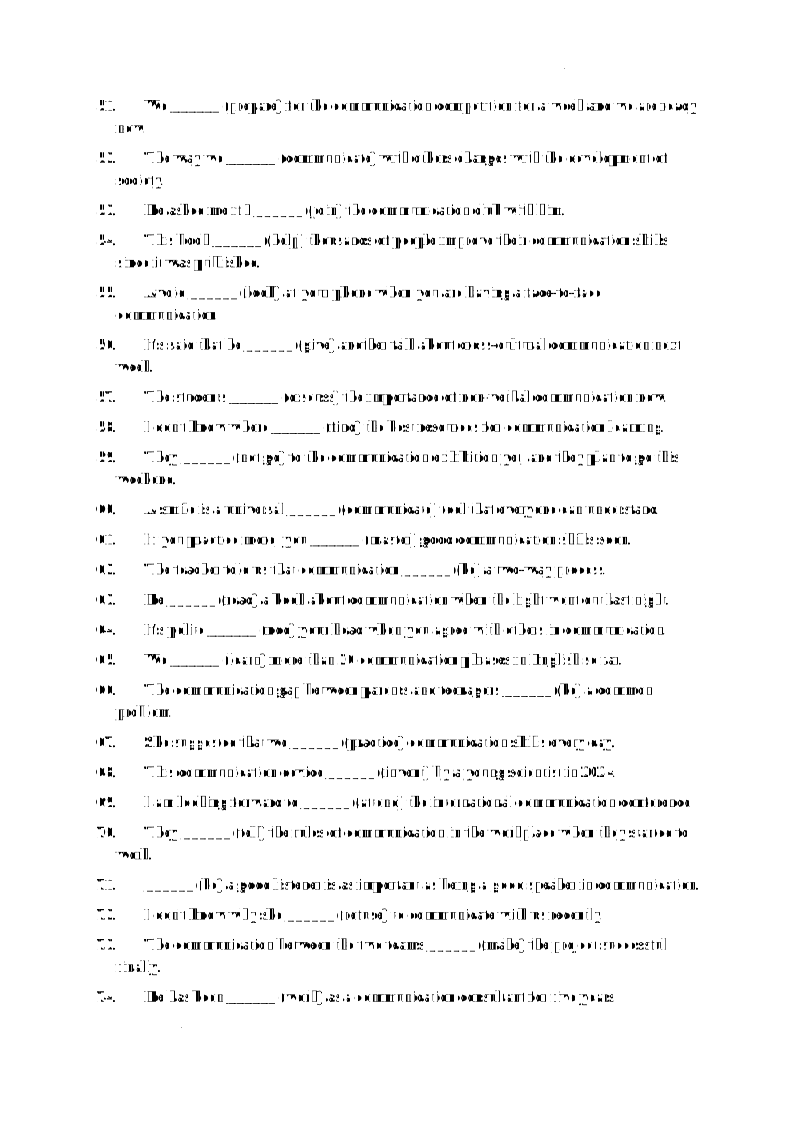
1. We ______ (prepare) for the communication competition for a week and we are ready now.
1. The way we ______ (communicate) with others changes with the development of society.
1. He asked me if I ______ (join) the communication club with him.
1. This book ______ (help) thousands of people improve their communication skills since it was published.
1. Avoid ______ (look) at your phone when you are having a face-to-face communication.
1. It's said that he ______ (give) another talk about cross-cultural communication next week.
1. The students ______ (discuss) the importance of non-verbal communication now.
1. I don't know where ______ (find) the best resources for communication learning.
1. They ______ (not go) to the communication exhibition yet, and they plan to go this weekend.
1. A smile is a universal ______ (communicate) tool that everyone can understand.
1. If you practice more, you ______ (master) good communication skills soon.
1. The teacher told us that communication ______ (be) a two-way process.
1. He ______ (read) a book about communication when the light went out last night.
1. It's polite ______ (nod) your head when you agree with others in communication.
1. We ______ (learn) more than 20 communication phrases in English so far.
1. The communication gap between parents and teenagers ______ (be) a common problem.
1. She suggested that we ______ (practice) communication skills every day.
1. This communication device ______ (invent) by a young scientist in 2024.
1. I am looking forward to ______ (attend) the international communication conference.
1. They ______ (tell) the rules of communication in the workplace when they started to work.
1. ______ (be) a good listener is as important as being a good speaker in communication.
1. I don't know why she ______ (refuse) to communicate with us recently.
1. The communication between the two teams ______ (make) the project successful finally.
1. He has been ______ (work) as a communication consultant for five years.
1. It's important for children ______ (learn) to communicate with their peers.
1. We ______ (watch) a movie about communication problems in families last night.
1. The number of communication courses in our school ______ (increase) a lot in the past three years.
1. He asked me how I ______ (solve) the communication problem with my friend.
1. This kind of communication software ______ (update) every month to make it better.
1. Avoid ______ (argue) with others in communication, or it will hurt your relationship.
1. We ______ (not hear) from him since he went to the communication training camp.
1. It's interesting ______ (study) the differences in communication between different cultures.
1. The speaker ______ (finish) his speech on communication and the audience clapped loudly.
1. She practices ______ (write) emails to improve her written communication skills.
1. I wonder if they ______ (hold) a communication activity next month.
1. The communication skills we learn at school ______ (help) us a lot in our future life.
1. When I ______ (call) him yesterday, he was having a communication meeting.
1. It's rude ______ (speak) loudly in a quiet communication environment.
1. They ______ (build) a new communication center in our city and it will open next month.
1. ______ (communicate) with nature can make us feel peaceful and relaxed.
1. He told us that he ______ (visit) a communication museum in Shanghai the week before.
1. We should learn ______ (respect) others' opinions in communication.
1. This communication event ______ (attract) hundreds of people last weekend.
1. The little girl is afraid ______ (talk) to strangers, so her communication ability is weak.
1. They have been ______ (research) the influence of social media on communication for a year.
1. I don't know what ______ (say) to improve our communication.
1. The communication rules in this company ______ (make) by the manager last year.
1. He ______ (win) the first prize in the school communication competition last month.
1. It's necessary ______ (keep) calm when you have a difficult communication.
1. We ______ (always remember) the importance of good communication in our life.
二、语法填空短文(20分)
阅读下面短文,在空白处填入1个适当的单词或用括号内所给单词的正确形式填空,使短文通顺、连贯。
Communication is one of the most important skills in human life. It 1 ______(be) a two-way process for thousands of years and it shapes every part of our daily life. Without good communication, it's hard for people 2 ______(understand) each other and build good relationships.
There are many ways of communication, including verbal and non-verbal. Verbal communication 3______ (include) speaking and writing, while non-verbal communication has body language, facial expressions and so on. A smile, for example, is a universal language that 4______ (can) be understood by people all over the world. It's important 5 ______(learn) both kinds of communication skills, especially when we have cross-cultural communication.
In modern society, technology 6 ______(change) the way we communicate a lot. We can talk to people far away by using mobile phones and social media. However, we should also remember that face-to-face communication 7 ______(be) still the most meaningful. When we communicate with others face to face, we should avoid 8 ______(look) at our phones and listen carefully. Being a good listener is as important as being a good speaker, which 9 (help) ______us have better communication.
In a word, communication is the bridge between people. By 10______ (master) good communication skills, we can make our life more colorful and build a better world with mutual understanding.
参考答案
一、用括号里单词的正确形式填空(100题)
1. communication 2. has learned/learnt 3. to listen 4. would give 5. were talking
6.(to) express 7. will come 8. to speak 9. were taught 10. Understanding
11.has risen 12. holding 13. found 14. to interrupt 15. haven't finished
16.reading 17. has told 18. invented 19. have been working 20. to improve
21.communication 22. don't listen 23. is giving 24. using 25. had never met
26.to learn 27. has become 28. was walking 29. is writing 30. discuss
31.did 32. has been used 33. studying 34. has been 35. will be invited
36.telling 37. communication 38. hasn't replied 39. be 40. improving
41.travels 42. are taught 43. is 44. had 45. Talking
46.finishes 47. was solved 48. speaking 49. was sent 50. to express
51.have been preparing 52. communicate 53. would join 54. has helped 55. looking
56.will give 57. are discussing 58. to find 59. haven't gone 60. communication
61.will master 62. is 63. was reading 64. to nod 65. have learned/learnt
66.is 67. (should) practice 68. was invented 69. attending 70. were told
71.Being 72. refuses 73. made 74. working 75. to learn
76.watched 77. has increased 78. solved 79. is updated 80. arguing
81.haven't heard 82. to study 83. had finished 84. writing 85. will hold
86.will help 87. called 88. to speak 89. are building 90. Communicating
91.had visited 92. to respect 93. attracted 94. to talk 95. researching
96.to say 97. were made 98. won 99. to keep 100. will always remember
二、语法填空短文(10小题)
1. has been 2. to understand 3. includes 4. can 5. to learn
6.has changed 7. is 8. looking 9. helps 10. mastering
学科网(北京)股份有限公司
$
资源预览图
1
2
3
相关资源
由于学科网是一个信息分享及获取的平台,不确保部分用户上传资料的 来源及知识产权归属。如您发现相关资料侵犯您的合法权益,请联系学科网,我们核实后将及时进行处理。