Unit6 Lesson1 How do you get to school(课件)-2025-2026学年冀教版(三起)英语四年级下册
2026-03-17
|
20页
|
43人阅读
|
1人下载
普通
资源信息
| 学段 | 小学 |
|---|---|
| 学科 | 英语 |
| 教材版本 | 小学英语冀教版(三起)(2012)四年级下册 |
| 年级 | 四年级 |
| 章节 | - |
| 类型 | 课件 |
| 知识点 | - |
| 使用场景 | 同步教学-新授课 |
| 学年 | 2026-2027 |
| 地区(省份) | 全国 |
| 地区(市) | - |
| 地区(区县) | - |
| 文件格式 | PPTX |
| 文件大小 | 12.15 MB |
| 发布时间 | 2026-03-17 |
| 更新时间 | 2026-03-17 |
| 作者 | 匿名 |
| 品牌系列 | - |
| 审核时间 | 2026-03-17 |
| 下载链接 | https://m.zxxk.com/soft/56869879.html |
| 价格 | 1.00储值(1储值=1元) |
| 来源 | 学科网 |
摘要:
该小学英语课件围绕“如何上学”主题,核心知识点为交通方式词汇(如bus, subway)及句型(How do you get to school? I get to school by...)。课堂通过Warm-up问题引导学生思考,再分模块学习词汇、对话,逐步解析句型与语法,构建从词汇到运用的学习支架。
其亮点在于注重互动实践与语言能力培养,如Survey任务让学生调查同学上学方式,结合音频听力、阅读问答及写作练习,提升听读写综合能力。通过Fill in the blanks等活动培养思维品质,Summary系统梳理知识,助力学生构建体系,也为教师提供清晰教学路径,提升教学效率。
内容正文:
How do you get to school?
Unit 6 Safety First - Lesson 1
冀教版四年级下册
Let's start our journey!
1.7.2013
Hello, boys and girls! Welcome to our new unit - Safety First. Today, we will learn Lesson 1: How do you get to school? Let's start our journey!
‹#›
Contents
01. Warm-up(热身)
02. Vocabulary(词汇学习)
03. Dialogue(课文精讲)
04. Sentence Patterns(句型解析)
05. Grammar(语法梳理)
06. Practice(互动练习)
07. Check-up(课堂检验)
08. Summary(总结)
1.7.2013
Here is our plan for today. We will go through warm-up, vocabulary, dialogue, sentence patterns, grammar, practice, check-up, and summary. Let's follow the plan step by step!
‹#›
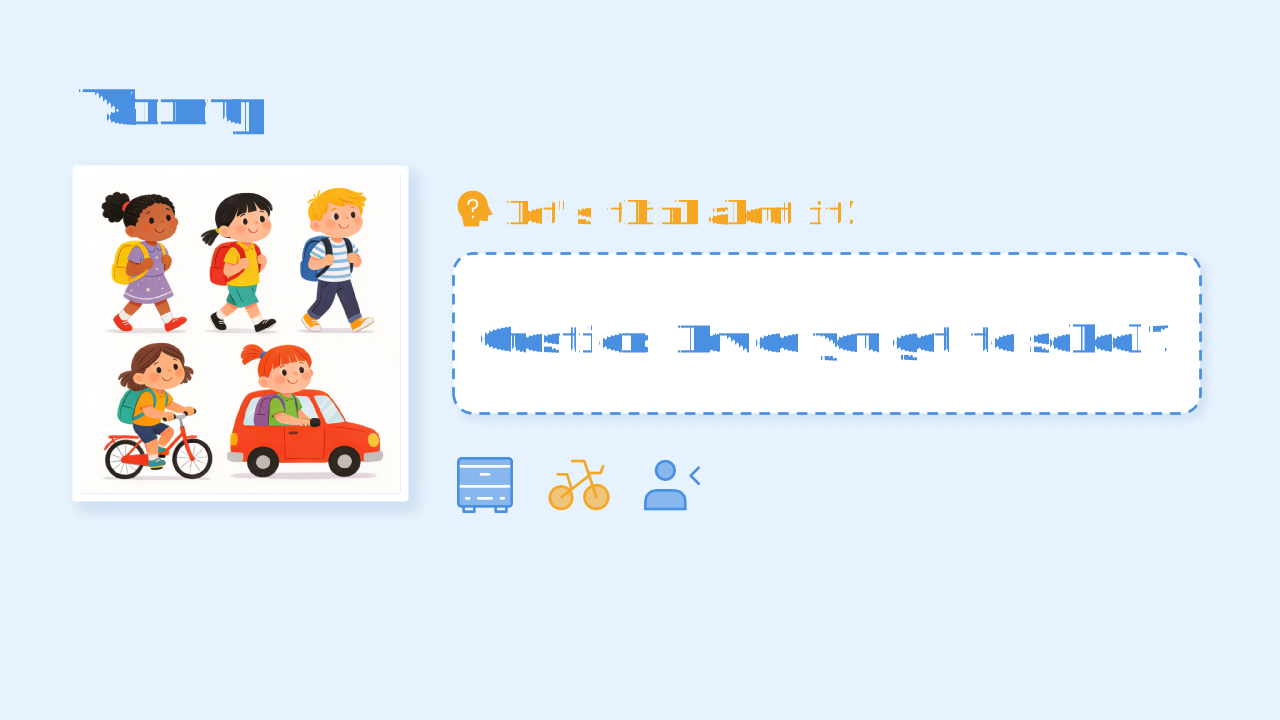
Warm-up
Let's think about it!
Question: How do you get to school?
1.7.2013
Let's start with a warm-up. Look at the picture. How do you get to school? Think about it and share your answer with your classmates.
‹#›
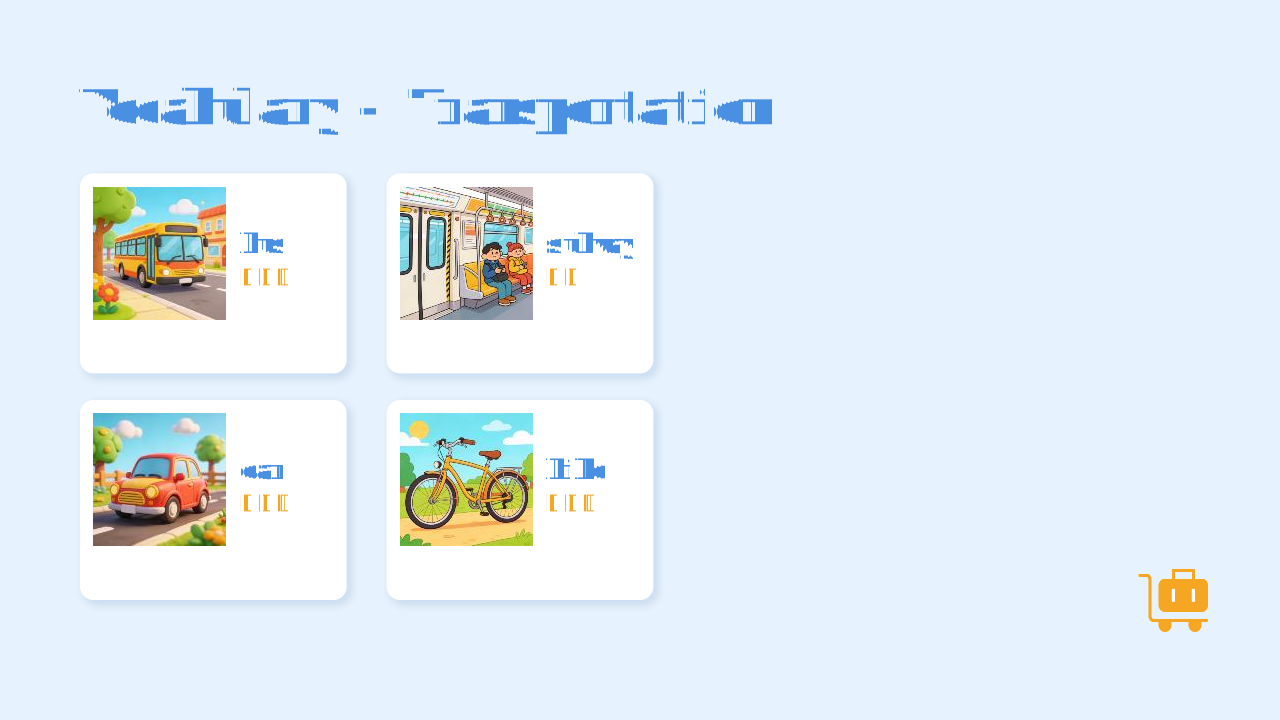
Vocabulary - Transportation
bus
公交车
subway
地铁
car
小汽车
bike
自行车
1.7.2013
Now let's learn some words about transportation. These are the vehicles we often use to go to school. Let's read them together and look at the pictures.
‹#›
Vocabulary - Ways to Go
by bus
乘公交车
by subway
乘地铁
by car
乘小汽车
by bike
骑自行车
on foot
步行
walk to
步行去
1.7.2013
Now let's learn how to say the ways to go to school. These phrases tell us how we get to school. Let's read them and look at the pictures.
‹#›
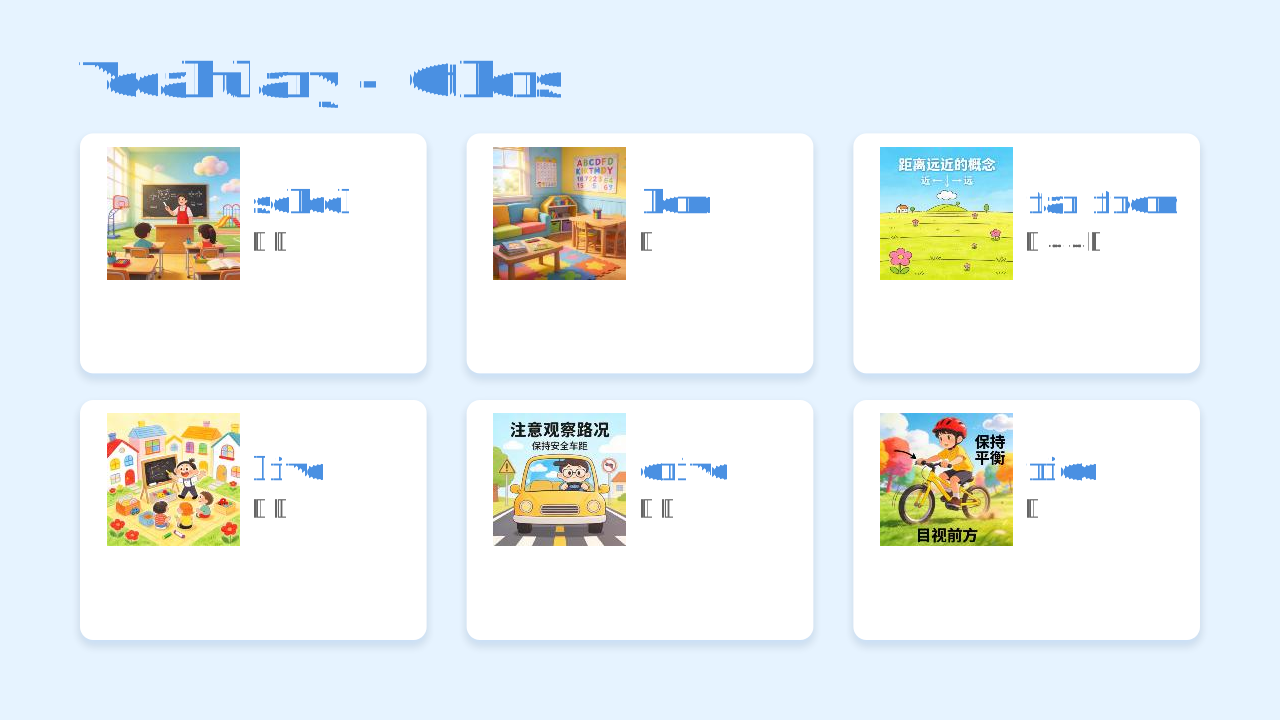
Vocabulary - Others
school
学校
home
家
far from
离……远
live
居住
drive
开车
ride
骑
1.7.2013
Here are some other useful words we'll learn today. Let's read them and understand their meanings with the help of the pictures.
‹#›
Dialogue - Part 1
Teacher:Good morning, class. How do you get to school?
Danny:I get to school by bus.
Teacher:Do you get to school on foot, Wang Hong?
Wang Hong:No. I take the subway. I live far from school.
1.7.2013
Now let's read the first part of the dialogue. Listen carefully and try to understand what they are talking about.
‹#›
Dialogue - Part 2
Teacher:How about you, Jenny?
Jenny:I get to school by car. My father drives me.
Li Ming:I walk to school, but I want to ride a bike to school. Can I?
1.7.2013
Let's continue with the second part of the dialogue. Pay attention to how Jenny and Li Ming get to school.
‹#›
Dialogue - Part 3
Teacher:You can when you are 12 years old.
1.7.2013
This is the last part of the dialogue. The teacher tells Li Ming a safety rule. Do you know what it is?
‹#›
Sentence Patterns - Asking
KEY SENTENCE
How do you get to school?
PRACTICE TIME
Ask your partner:How do you get to school?
Tip: Pay attention to the pronunciation of "get to" and respond politely!
1.7.2013
Now let's learn the key sentence pattern for asking about how someone gets to school. Let's practice asking each other.
‹#›
Sentence Patterns - Answering
Key Sentences
• I get to school by...
• I walk to school.
Practice Time
Look at the picture and make sentences.
Example: I go to school by bike.
English Class • Grade 3
1.7.2013
Now let's learn how to answer the question. We can use "I get to school by..." or "I walk to school." Let's practice making sentences.
‹#›
Sentence Patterns - Distance & Wish
Key Sentences
I livefar fromschool.
I want to ride a bike to school.
Let's Practice: Fill in the blanks
1. I live ______ (far from / near) the park.
2. She ______ (wants to / want to) walk home.
Express your wish!
1.7.2013
We can also talk about how far we live from school and what we want to do. Let's learn these sentences and do some practice.
‹#›
Grammar - by vs. take
by + 交通工具 (Vehicle)
Structure:by + bus / train / car...
Example:I get to schoolby bus.
take + 冠词 (Article) + 交通工具
Structure:take the / a + bus / train...
Example:I take the bus to school.
Practice: Choose the correct word.
1. She goes to work ______ (by / take) subway.
2. They ______ (by / take) the train to Beijing.
1.7.2013
Let's learn the difference between "by" and "take". They both mean to use a vehicle, but the structure is different.
First, look at the picture on the left. The boy is waiting for the bus. We say "go to school by bus". Here, "by" is a preposition, followed directly by the vehicle name.
The girl is getting on the bus. We say "take the bus to school". Here, "take" is a verb, and we need to add an article like "the" before the vehicle.
Let's practice choosing the correct word in the sentences below.
‹#›
Practice - Match
Match the pictures with the phrases.
by bus
by car
by plane
by bike
by bus
Draw lines!
Tip: Look at the pictures carefully and find the right words!
1.7.2013
Now let's do a matching exercise. Match the pictures with the correct phrases.
‹#›
Practice - Survey
Classroom Task
Survey your classmates about how they get to school and fill in the table.
1.7.2013
Now let's do a survey. Go around the class and ask your classmates how they get to school. Fill in the table with their answers.
‹#›
Check-up - Listening
Task
Listen to the audio and choose the correct answer.
Pay attention to the key details in the conversation.
Tip:Click the play button to start the audio. You can replay it twice if needed.
1.7.2013
Now let's check our listening skills. Listen to the audio carefully and choose the correct answer.
‹#›
Check-up - Reading
Task
Read the passage carefully and answer the following questions.
Tip: Pay attention to key details in the story!
1.7.2013
Now let's check our reading skills. Read the passage and answer the questions.
‹#›
Check-up - Writing
Task
Write a few sentences about how you get to school.
Tip: Use simple words and focus on the main steps.
1.7.2013
Now let's check our writing skills. Write a few sentences about how you get to school.
‹#›
Summary
Key Vocabulary
by bus, by subway, by car, by bike, on foot, walk to, school, home, far from, live, drive, ride
Key Sentences
How do you get to school? I get to school by... / I walk to school. I live far from school. I want to ride a bike to school.
Key Grammar
Transportation:by + 交通工具vs.take + 冠词 + 交通工具
1.7.2013
Let's summarize what we've learned today. We've gone over the key vocabulary, sentences, and grammar. Make sure you remember them all.
‹#›
Good job!
See you next time!
1.7.2013
Great job, everyone! You've done a wonderful job learning Lesson 1. See you next time!
‹#›
$
资源预览图

1
2
3
4

5
6

相关资源
由于学科网是一个信息分享及获取的平台,不确保部分用户上传资料的 来源及知识产权归属。如您发现相关资料侵犯您的合法权益,请联系学科网,我们核实后将及时进行处理。