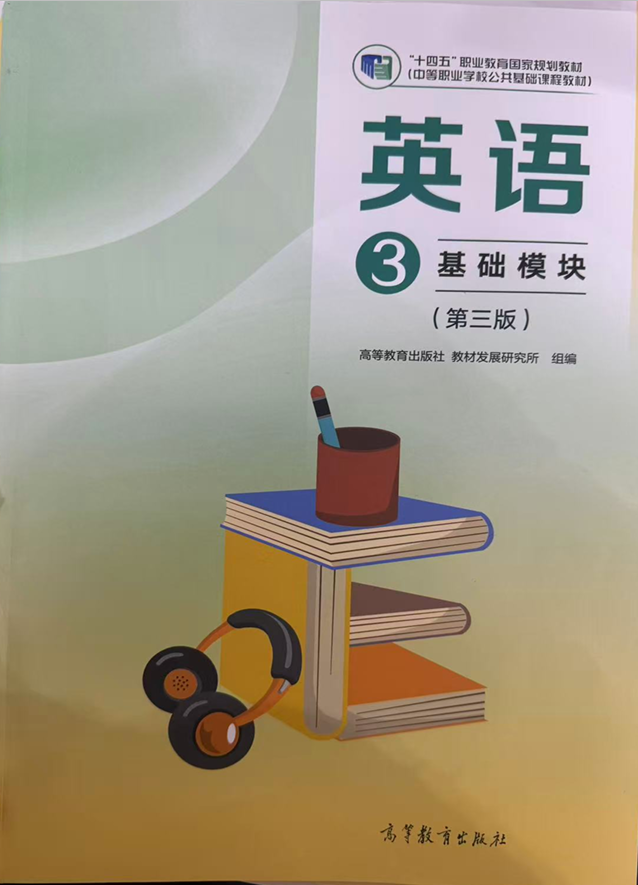
1.1 Festivals Around the World-Listening&Speaking(教案)-《英语 基础模块3》(高教版第三版) 【上好课】
2026-03-13
|
8页
|
533人阅读
|
1人下载
精品
内容正文:
课题
《英语 基础模块 1》(高教版 第三版)
Unit 1 Festivals Around the World
( Listening and speaking)
课 型
新授课
课 时
2
授课班级
授课时间
90mins
授课教师
教材分析
本课教学内容选自高等教育出版社出版的“十四五”职业教育国家规划教材《英语3基础模块(第三版)》中Unit 1 Festivals Around the World 的Warming up和Listening and Speaking板块。本版块以介绍中国传统节日为主题设计了对话听力活动和口语表达活动,要求学生能识记与中国传统节日相关的词汇与短语,识别节日介绍中的文化信息,礼貌地接受或拒绝节日庆祝活动的邀请,了解和尊重不同的节日文化。
学情分析
本单元的话题是中外节日。经过中小学阶段的学习,学生能够说出几个重要西方节日的名称,能进行简单日常交流,但因为中国传统文化相关词汇、表达积累不足,对怎样用英语谈论中国传统节日会感到有些吃力,听力理解易受生词干扰。学生文化认同感较强,对本土传统文化话题兴趣浓厚,但缺乏规范的英文表达逻辑,口语输出多停留在碎片化短语层面。部分学生基础薄弱,存在畏难情绪,主动参与度不高。教学中需依托生活化、场景化听说任务,降低传统文化表达难度,强化词汇支架与示范引导,兼顾分层指导,激发表达自信,实现语言学习与文化传承融合。因此,教师在听说部分应采取由浅入深的教学策略,先为学生扫除词汇障碍,再引导学生由简单到复杂,由模仿操练到替换进行练习,最后到语境运用,实现语言输出。
教学目标
1. 通过听力活动获取关于节日的信息;
2. 识别介绍节日的逻辑;
3. 邀请外国朋友参加中国的节日庆祝活动;
4.激发他们对中国传统节日文化的兴趣;
教学重难点
教学重点:能在节日邀请的对话中提取有关节日的具体信息;
能谈论节日活动计划和安排。
教学难点:能熟练灵活运用描述节日时间和活动安排的句型。
教学方法
小组讨论法、任务教学法、情境教学法
课前准备
PPT课件,语音素材,图片
教学媒体
PPT课件、多媒体设备、语音素材、拓展资源包等
教学过程
教学环节
教师活动设计
学生活动设计
设计意图
Warming Up
Warming-up
1.Ask students to watch a video about festivals around the world to know about different festivals.
T: Can you name some festivals all over the world?
提问并引导学生说出中西方重要节日。
2. Play four videos about four different festivals and show the brief introduction of the four festivals.
3. Look and match.(处理教材活动1)
Lead the students to look through the pictures and match them with the corresponding festivals.
4.Read and write. (处理教材活动2)
Ask the students to read the given festival descriptions and write the festival names.
Show the answers and check.
Lead the students to make sentences with the given sentence patterns.
A: At the Mid-Autumn Festival, we eat mooncakes.
B: At the Water-Splashing Festival, we _____________.
1.Watch a video about festivals around the world
and answer the question.
2. Enjoy the videos about four different festivals to learn about the brief introductions.
3.Observe the given pictures,match the festivals name with the pictures.
4.Read the given descriptions about the festival celebrations and write the names of the corresponding festivals.
Make sentences with the given sentence patterns.
本环节通过观看世界各地节日庆祝的视频,引出本单元关于节日的主题.通过头脑风暴、图片匹配、观看图文介绍等活动,引出节日庆贺相关的词汇和句型,扫清听力词汇和句型障碍,为后续的听说活动做准备。
Step 2
Listening
1.Listen and tick. (处理教材活动3)
1).Before playing the audio, lead students to look through the options, then play the audio and ask them to tick what the two speakers are doing.
2.Listen and complete.
Ask students to read the invitation from Li Fei first. Then, play the audio and ask them to get the key information to complete the invitation.
3.Listen and complete.
Before listening, let students read the text carefully to predict the missing words. Then, play the audio to ask the students to fill in the blanks with the key words and then check their answers.
4.Dialogue Analysis.
Show the script and ask students to read the script after the audio.
Explain the key words and expressions.
知识点总结:
① plan to …② invite sb to do sth
③ be symbol of … ④ be similar to …
1.Read the options to predict what the dialogue may show then listen to the dialogue to tick the right one.
2.Read the invitation to make clear of the missing information, then listen to the dialogue to get and record the key words. Finish the invitation.
3.Read the text to predict the missing words and then listen to the audio to fill in the blanks.
老师检查答案、呈现听力文本并简要解析其中的关键信息
4.Read the script and master the usage of key words and expressions.
1.此活动训练学生利用问题和选项预测听力内容,在听的过程中有意捕捉信息并判断文章主题,为接下来的听力活动做准备,同时培养学生获取信息的能力。
2.环节2引导学生运用听前策略,根据提示信息,有的放矢地听,提高学生把握对话主要内容并记录的能力。
3.环节3,通过补全句子,让学生在把握对话主要内容的基础上提高提取细节信息的能力,同时也为下一环节中的语言输出做准备。
呈现听力文本,简要解析文本中的关键词汇和表达,帮助学生更好地理解对话文本。
Step 3
Speaking
1.Listen、read and underline.
First, Explain the background of the dialogue.
Then, ask students to listen to the dialogue first and read the dialogue following the audio to underline the sentences about festival celebrations, the invitation and response about festivals celebrations.
Third, lead the students to read the dialogue again to answer the following questions.
①.What festival are they going to celebrate?
②.When is the festival?
③.How will they celebrate this festival?
Third, invite two students to read the dialogue and make comments.
Finally, briefly explains the key phrases and sentence patterns, then ask the students to practice the sentence patterns.
I plan to…
Would you like to come?
It’s a reunion time for …
It falls on…
How do you celebrate this festival?
There are a lot of activities to celebrate it.
What I love most is…
Summarize the key structure about how to invite a person.
2.Imitate and practice.
Lead students to recall the communicative patterns in Activity 6.
Then, ask them to read the given information and make their own dialogue with the help of the dialogue patterns of Activity 6, and act it out in front of the class.
Make comments and correct the mistakes.
3.Role play.
1) Ask students to identify the given information of the situations, read and underline the key information(including the characters/the festival to be celebrated and the activities)
Discuss with the desk-mate and answer the questions:
① When is the Lantern Festival?
② How do you celebrate this festival?
2)Choose one student to show a sample dialogue.
3) Encourage them to make their own dialogues to make an invitation, then present them in front of the class.
3)Choose some students to make presentation and lead other students to give mutual comments and feedback.
1.Students imitate and underline the sentences related to asking personal information while listening.
2.
1)Read the given information and prepare for the dialogue using the expressions learned above.
2) Make dialogue with partners and do the presentation in front of the class.
3.Make up new dialogues with the partners to make greetings to Lisa/Mary and introduce them.
本环节是两个学生之间的对话。通过让学生听、读找出与询问个人信息有关的语句,积累询问个人信息的语料。分析文本中的重点短语和表达,帮助学生掌握如何礼貌地打招呼和询问个人信息,侧重培养学生的语言沟通能力和语用能力。
本环节通过模仿活动6的购物对话的范本语料,进行替换关键词的对话练习。通过模仿练习,来进一步操练重点句型,巩固所学交际框架,培养学生的语言迁移能力。
本环节为角色扮演的对话练习。通过邀请他人参加节日活动的对话训练,可以锻炼学生将口语表达技能迁移到实际语境中,从而培养学生在真实情景下的语言交互能力。
Step 4:
Language points
Language points analysis.
Analyze the important words and phrases of the dialogue:
Understand the important language points and take notes.
Finish the relevant supporting exercises.
分析重点词汇和表达。讲解重点知识点,帮助学生夯实重点,为之后的口语活动的输出做好语言准备。
课堂练习
Lead the students to finish the exercise.
Choose some students to share their answers and explain the reasons.
Step 5:
Summary
1. Expressions:
2. Key words and phrases:
课后作业
1.复习听说的教学内容,整理课堂笔记并熟读活动6的对话。
2.拓展作业:请同学们编写一个有关端午节的节日邀请对话,同桌进行角色扮演和展示。(注意节日时间和活动的描述)
板书设计
同总结部分
教学评价
教学反思
精品资源学科网独家享有版权,侵权必究!
学科网(北京)股份有限公司
学科网(北京)股份有限公司
$
资源预览图

1

2

3
由于学科网是一个信息分享及获取的平台,不确保部分用户上传资料的 来源及知识产权归属。如您发现相关资料侵犯您的合法权益,请联系学科网,我们核实后将及时进行处理。