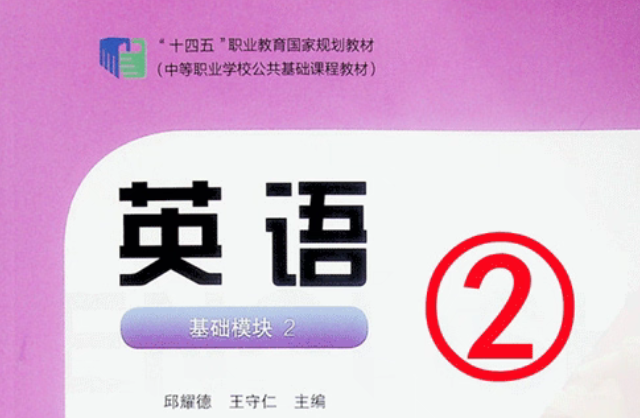
Unit 1 The Spring Festival(B卷·能力提升)《英语 基础模块2》(语文版2022版)单元过关卷(原卷版+解析版)
2026-03-13
|
2份
|
28页
|
109人阅读
|
1人下载
内容正文:
编写说明:本套试卷紧扣《英语 基础模块2》(语文版2022版)教材,以教材单元为基准精准覆盖核心考点。
每个单元设置AB卷,A卷为基础巩固卷,侧重基础考点训练,帮助学生扎实掌握知识要点;B卷为能力提升卷,注重知识整合与全面检测,引导学生构建知识网络。全书设计4份综合测试卷,模拟实战情境,聚焦解题能力突破,全面提升应试能力与知识应用水平。
《英语 基础模块2》(语文版2022版)《单元过关卷》
Unit 1 The Spring Festival
(B卷·能力提升卷)
考试时间:120分钟 满分:100分
班级 姓名 学号 成绩
一、情景交际(共15小题,满分20分)
第一节 读下列10个短对话,从题后所给的 A、B、C、D 四个选项中选出可以填入空白处的最佳选项。(共10小题,每小题1分,满分10分)
1. —____________________, could you tell me what club you want to join at our vocational school?
— I want to join the music club because I like singing very much.
A. By the way B. You’re welcome C. See you tomorrow D. Excuse me
2. — My deskmate is creative, easy-going, and always ready to help others.
— ____________________. No wonder everyone likes making friends with him.
A. Sorry to hear that B. He’s really nice C. Goodbye D. Here you are
3. — Our teacher says ____________________ every day is the best way to keep healthy.
— I agree. I run for half an hour every morning.
A. thank you B. you’re right C. doing sports D. good idea
4. — I’m really nervous before English tests. ____________________?
— Take it easy. Practice more and you’ll make progress.
A. What should I do B. How old are you C. Here you are D. Thank you
5. — ____________________ looking at this purple dress? It looks perfect on you.
— Really? I’ll take it.
A. Would you mind B. No, I can’t C. You’re welcome D. That’s great
6. — Excuse me, does this way lead to the school dining hall?
— ____________________. Walk on and turn right at the corner.
A. Yes, it does B. You’re welcome C. That’s great D. I don’t feel well
7. —____________________. We’re going to the temple fair this afternoon.
—Sounds great! I hope you’ll have a wonderful time.
A. I’m busy with my homework B. The Spring Festival is coming
C. I don’t like traditional activities D. I’m afraid I can’t go with you
8. —Could you tell me how people celebrate the Spring Festival?
—Sure. ____________________. And we also watch the Spring Festival Gala together.
A. It’s very cold in winter B. We clean houses and visit relatives
C. I like eating mooncakes D. They go to work every day
9. —____________________. It’s a special time for family get-together.
—I can’t agree more. It’s full of love and warmth.
A. I think the Spring Festival is meaningful B. I don’t like festivals
C. Festivals are boring D. I prefer weekdays
10. —What are you going to do during the coming Spring Festival?
—____________________. I’m sure it will be an unforgettable experience.
A. I’m going to visit my grandparents B. I do my homework every day
C. I cleaned my room last week D. I like shopping online
第二节 读下面一段对话,从方框中所给的 A、B、C、D、E、F和 G 七个选项中选出可以填入空白处的最佳选项。(共5小题,每小题2分,满分10分)
(
A. What do your family usually do on New Year
’
s Eve?
B. Do you get lucky money from your family?
C. People usually clean their houses before the Spring Festival.
D. What will you do after New Year
’
s Eve?
E. I hope you will have a wonderful Spring Festival.
F. Do you like eating dumplings?
G. My parents often take me to watch the temple fair.
)
A: Hi, Wang Tao! Do you know what traditional activities people do during the Spring Festival?
B: Of course! (11) ______________ It’s a way to welcome the new year and sweep away bad luck.
A: Oh, I see. My family also does that every year. (12) ______________
B: My family will make dumplings together on New Year’s Eve. We usually put a coin in one dumpling for good luck.
A: That’s interesting! (13) ______________
B: Yes, my grandparents always give me lucky money in red envelopes. They say it can keep me safe and healthy.
A: I get lucky money too. (14) ______________
B: We will visit our relatives on the first day of the Spring Festival and say “Happy New Year” to them.
A: That’s a good tradition. (15) ______________
B: I hope so! We will have a good time together.
二、阅读理解(共20小题;每小题2分,满分40分)
阅读下列短文,从题后所给的 A、B、C、D 四个选项中选出最佳答案。
A
The Tea-picking Festival in Yunnan is a yearly event. It celebrates the harvest (丰收) of tea leaves. The festival has a long history and is important to the local people.
The festival came from an ancient custom. As time went by, the festival developed into a celebration of the tea harvest. The local people come together on this day to enjoy the fruits of their labor (劳动).
The main activities of the festival include tea-picking competitions, tea-making demonstrations (演示) and cultural performances. During the tea-picking competitions, people are required to pick as many tea leaves as possible within a given time. Whoever picks the most wins. The tea-making demonstrations show the traditional methods of tea-making. These methods have been passed down for many years. The cultural performances include music, dance, and other forms of activities that show the local culture.
For students, it is very useful to take part in the festival because they can learn about the local culture. By taking part in the festival, students can get a deeper understanding of the history and traditions of Yunnan. They can also learn about the importance of sustainable agriculture (可持续农业).
In a word, the Yunnan Tea-picking Festival is a special cultural event that celebrates the tea harvest in Yunnan. Through its different kinds of activities and performances, the festival provides people with a valuable chance to learn about the local culture and the importance of tea in Chinese society.
16.What is the Yunnan Tea-picking Festival?
A.A day to offer tea to the visitors. B.A day for people to drink tea together.
C.A day for people to enjoy their harvest. D.A day to spread the traditional clothes culture.
17.Which of the following are the activities of the Tea-picking Festival?
①Tea set shows. ②Cultural performances.
③Tea-picking competitions. ④Tea-making demonstrations.
A.①②③ B.①②④ C.②③④ D.①③④
18.What can students learn from the Yunnan Tea-picking Festival?
A.The changes of tea. B.The development of Yunnan.
C.The importance of tea to farmers. D.The history and traditions of the local culture.
19.What is the structure of the passage? (①= Paragraph 1, …)
A.①/②③④⑤ B.①②③④/⑤ C.①/②③④/⑤ D.①/②/③④/⑤
20.What is the best title for this passage?
A.The Way to Grow Tea B.The New Picker in a Town
C.The Birthplace of Tea Culture D.A Festival About Tea in Yunnan
B
Have you ever seen beautiful red paper cuttings during the Spring Festival? This traditional Chinese art form has a history of over 1,500 years. It is an important part of Chinese culture.
Paper-cutting is the art of cutting paper into different shapes and patterns. Artists use scissors or knives to create wonderful pictures. The most common color is red because in Chinese culture, red means happiness, good luck and success. You can often see paper cuttings on important occasions, especially the Spring Festival and weddings.
People put paper cuttings on windows or doors to bring good luck and drive away bad things. Different patterns have different meanings. For example, the character “福” (fu) means good luck. Another popular pattern is the fish. The Chinese word for “fish” sounds like the word for “surplus” (盈余), so it stands for having more than you need every year.
Making paper cuttings is not easy. It needs great skill and patience. Artists must be very careful because even a small mistake can ruin the whole work. Many artists learn this skill from their parents or grandparents. Today, paper-cutting is not only popular in China but also loved by people all over the world. In 2009, it was added to UNESCO’s list of the Intangible Cultural Heritage of Humanity.
If you want to try this, you can start with simple patterns. It might be difficult at first, but with practice, you can create your own beautiful paper cutting and feel the charm of this traditional Chinese art.
21.When do people usually put up paper cuttings according to the passage?
A.Only during the Spring Festival. B.Every day to decorate their homes.
C.During festivals and special events like weddings. D.Only when they have a new house.
22.The underlined word “ruin” in Paragraph 4 probably means ________.
A.make something perfect B.destroy something completely
C.sell something to others D.finish something successfully
23.What does the Chinese word for "fish" stand for in paper cuttings?
A. It shows the beauty of spring and life.B. It stands for having more than you need every year.
C. It means good luck and happiness. D. It stands for health and long life.
24.What can we know from the passage?
A.Paper-cutting is easy to learn and everyone can do it well.
B.Red is the only color used in Chinese paper-cutting.
C.The pattern of fish is popular because it sounds like “surplus”.
D.Paper-cutting is popular only in China.
25.What is the best title for the passage?
A.The Color Red in China B.How to Cut different patterns.
C.A Traditional Art: Paper-Cutting D.Festivals and activities in China
C
According to Chinese lunar calendar, 2026 is the Year of the Horse. China Media Group has announced that the theme of the 2026 Spring Festival Gala is “Galloping Steed, Onward Unstoppable”. The mascots (吉祥物) of the Gala are four little horses named “Qiqi, Jiji, Chichi, Chengcheng”, carrying people’s good wishes for success and a bright future in the year ahead. In Chinese culture, idioms (成语) related to horses often represent speed, intelligence and endurance (忍耐力).
The English language is also rich in horse idioms. However, most meanings are not directly connected to the horse. They are normally used to describe human behaviors, feelings, or situations metaphorically (隐喻地). Here’re some examples.
Horse Idioms
A dark horseThis phrase describes a person who is seldom known by others but unexpectedly wins or succeeds in a competition.
Hold your horsesThis is used to tell someone to wait or stop when he is rushing into something which needs a second thought.
Get off your high horseThis idiom is used to tell someone to stop behaving in a proud manner, reminding the person to be more modest and stop looking down on others.
Straight from the horse’s mouthIt means getting information from the most dependable source.
26.In English, which animal does “steed” represent?
A.Monkey. B.Dragon. C.Horse. D.Rooster.
27. What is the theme of the 2026 Spring Festival Gala?
A. Happy New Year, Good Luck to All B. Galloping Steed, Onward Unstoppable
C. Beautiful China, Better Life D. One World, One Dream
28.What do the four mascots of the 2026 Spring Festival Gala carry?
A. People’s good wishes for success and a bright future
B. Beautiful pictures and colorful lights
C. Traditional songs and dances
D. Special gifts for children
29.In what situation will you use the English idiom “Get off your high horse” to make a comment (评论)?
A.Our class football team beat some strong teams and got first place in the end.
B.David won the swimming competition and showed off his medal from time to time.
C.I watched the news about the big fire in a neighbourhood in Hong Kong on CCTV.
D.Mrs Li was busy with housework, but her children wanted her to take them to the park.
30.In which section of a magazine do you probably read the material?
A.Culture. B.History. C.Technology. D.Travel.
D
①Zigong, in Sichuan Province, is home to Chinese lanterns. Zigong lantern is known as the best lantern in the world. The Zigong Lantern Festival dates back to the Tang Dynasty. The festival has rapidly developed with traditional culture and modern technologies. In 2008, the Zigong Lantern Festival was listed as a national intangible cultural heritage (国家级非物质文化遗产), becoming a shining name card for Chinese culture to go out into the world.
② “Making a huge lantern for exhibition requires 17 steps,” said Wan Songtao, an inheritor (传承人) of Zigong lantern-making. “Each step is finished by a team instead of a single maker.” Wan added. The sundial (日晷), a kind of lantern, made by Wan’s team, for example, took about 80 makers over 50 days to complete the whole process. Unlike the lanterns in other places, Zigong lanterns use modern technologies such as AI, mechanical engineering (机械工程), and holography (全息摄影术). They are perfect connections of lights, sounds and movements.
③What’s more, the theme (主题) of the lantern can be chosen in different ways, “Anything that can be designed on a lantern can make a wonderful show, and everyone is encouraged to turn their ideas into real works,” said Zhang Fanglai, a leading researcher at the Colorful Lantern Museum of China. And the rich themes of Zigong lanterns show the spirit of creativity and warmth from the bottom of the local people’s heart.
④The government encourages local people to learn lantern-making widely. Without doubt, at the heart of the Zigong Lantern Festival’s success is the local tradition of pulling together. Zigong lanterns are getting more and more popular. Driven by the collective efforts of the whole city they have reached over 80 countries. It’s believed that Zigong lanterns will reach every corner of the world in the future.
31.Which of these classical Chinese poems best matches the description of Zigong lanterns?
A.今夜月明人尽望,不知秋思落谁家。 B.火树银花合,星桥铁锁开。
C.窗含西岭千秋雪,门泊东吴万里船。 D.稻花香里说丰年,听取蛙声一片。
32.How many countries have Zigong lanterns spread to?
A. Over 80 countries B. About 70 countries
C. Less than 60 countries D. Nearly 50 countries
33.What can we infer from Paragraph 2 about Zigong’s huge exhibition lanterns?
A.The 17 making steps need everyone to do their own work and excellent skills.
B.Holography is the key technology that makes it different from other lanterns.
C.Wan’s team is the only one that can make large-scale sundial lanterns in Zigong.
D.The money spent on making it is far more than other lanterns.
34.What is the writer’s main purpose in writing the passage?
A.To introduce the unique making process and modern technologies of Zigong lanterns.
B.To tell the development history and cultural value of the Zigong Lantern Festival.
C.To show how the Chinese traditional culture can become more lively through new ideas and working together.
D.To explain why the Zigong Lantern Festival has become a national intangible cultural heritage.
35.Which of the following best shows the structure of this passage?
A. B. C. D.
三、完形填空(共10小题;每小题1分,满分10分)
阅读下列短文,从短文后各题所给的 A、B、C、D 四个选项中,选出可以填入空白处的最佳选项。
The 2026 CCTV Spring Festival Gala presented a wonderful show 36 Wu BOT. It became one of the most popular programs this year. In the show, humanoid robots performed traditional Chinese kung fu 37 young martial artists.
These robots were developed by Unitree Technology (宇树科技), a top Chinese robot company. The Unitree G1 robots can do 38 movements, such as drunken boxing and nunchaku. They 39 on stage with students from Tagou Martial Arts School. 40 high-precision (准确度) control and stable motion (稳定性) design, the robots move smoothly and work well with humans. The robots have made great 41 in just one year. In the 2025 gala, they could only do simple group dances. But this year, they 42 complete difficult and complex kung fu moves easily. This shows China’s robot control technology is developing 43 .
Wu BOT is not just a fun performance. It 44 traditional culture and modern technology in a creative way. It also shows the world the rapid rise of China’s humanoid robots. In the future, such robots will be 45 used in education, public services and daily life.
36.A.named B.watched C.needed D.liked
37.A.for B.with C.about D.by
38.A.easy B.simple C.difficult D.boring
39.A.performed B.danced C.discussed D.sang
40.A.Instead of B.Thanks to C.As for D.Because
41.A.trouble B.danger C.progress D.money
42.A.must B.should C.could D.need
43.A.slowly B.rapidly C.hardly D.nearly
44.A.mixes B.introduces C.shares D.joins
45.A.widely B.politely C.bravely D.carefully
四、语法填空(共10小题;每小题1分,满分10分)
阅读下列短文,在空白处填入一个适当的词,或填入括号中所给单词的正确形式,并将答案写在对应处。
He Hua Shen was the most eyecatching _____46______(perform) at the 2026 CCTV Spring Festival Gala. It ___47____(base) on the traditional custom of the Twelve Monthly Flower Goddesses, ____48_____has been popular for hundreds of years.
The show was wellknown for its perfect mix of ____49_____(tradition) culture and modern technology. Designers used classic Chinese costumes ____50____(make) from intangible cultural heritage fabrics. Each flower and goddess ___51_____(carry)special cultural meanings.
____52____AI and 3D effects, the stage was like a real garden ___53_____twelvemonth flowers bloomed together. The amazing visual experience made ___54______popular among people of all ages, especially the young.
He Hua Shen is more than a performance. It makes traditional Chinese culture lively again and helps people worldwide understand and appreciate traditional _____55___(beautiful) in a modern way.
46._________ 47._________ 48._________ 49._________ 50._________
51._________ 52._________ 53._________ 54._________ 55.________
第三部分 书面表达(20分)
37.假如你是华荣。春节即将到来,你想邀请你的加拿大朋友Jim来济南和你一起过春节,请你给他写个邮件,内容包括:
1. 介绍过春节的意义;
2. 春节期间你们在济南的一些活动计划。
注意:
1. 90词左右,开头已给出,不计入总词数;
2. 可以适当增加细节,以使行文连贯;
3. 不得出现真实的人名、校名、地名等相关信息。
提示词:lantern show 灯展;lion dances 舞狮;traditional 传统的
Dear Jim,
How is everything going? The Spring Festival is coming. ___________________________________________________________________________________________________________________________________________________________________________________________________________________________________________________________________________________________________________________________________________________________________________________________________________________________________________________________________________________
Yours,
Hua Rong
学科网(北京)股份有限公司 (
1
)原创精品资源学科网独家享有版权,侵权必究!
学科网(北京)股份有限公司
$
编写说明:本套试卷紧扣《英语 基础模块2》(语文版2022版)教材,以教材单元为基准精准覆盖核心考点。
每个单元设置AB卷,A卷为基础巩固卷,侧重基础考点训练,帮助学生扎实掌握知识要点;B卷为能力提升卷,注重知识整合与全面检测,引导学生构建知识网络。全书设计4份综合测试卷,模拟实战情境,聚焦解题能力突破,全面提升应试能力与知识应用水平。
《英语 基础模块2》(语文版2022版)《单元过关卷》
Unit 1 The Spring Festival
(B卷·能力提升卷)
考试时间:120分钟 满分:100分
班级 姓名 学号 成绩
一、情景交际(共15小题,满分20分)
第一节 读下列10个短对话,从题后所给的 A、B、C、D 四个选项中选出可以填入空白处的最佳选项。(共10小题,每小题1分,满分10分)
1. —____________________, could you tell me what club you want to join at our vocational school?
— I want to join the music club because I like singing very much.
A. By the way B. You’re welcome C. See you tomorrow D. Excuse me
【答案】D
【详解】D. Excuse me 意为“打扰一下”,用于礼貌开启对话,符合问路、提问场景。A顺便说;B不客气;D明天见,均不符合。
2. — My deskmate is creative, easy-going, and always ready to help others.
— ____________________. No wonder everyone likes making friends with him.
A. Sorry to hear that B. He’s really nice C. Goodbye D. Here you are
【答案】B
【详解】B. He’s really nice 表示赞同夸奖,与后文“大家都喜欢和他交朋友”呼应。A用于安慰;C告别;D给你,均不合适。
3. — Our teacher says ____________________ every day is the best way to keep healthy.
— I agree. I run for half an hour every morning.
A. thank you B. you’re right C. doing sports D. good idea
【答案】C
【详解】C. doing sports 作主语,表示“做运动”,与后文跑步对应。其余选项不能作主语。
4. — I’m really nervous before English tests. ____________________?
— Take it easy. Practice more and you’ll make progress.
A. What should I do B. How old are you C. Here you are D. Thank you
【答案】A
【详解】A. What should I do 用于寻求建议,与答句“放松、多练习”匹配。
5. — ____________________ looking at this purple dress? It looks perfect on you.
— Really? I’ll take it.
A. Would you mind B. No, I can’t C. You’re welcome D. That’s great
【答案】A
【详解】A. Would you mind doing… 表示礼貌提议,符合购物对话场景。
6. — Excuse me, does this way lead to the school dining hall?
— ____________________. Walk on and turn right at the corner.
A. Yes, it does B. You’re welcome C. That’s great D. I don’t feel well
【答案】A
【详解】A. Yes, it does 是对一般疑问句的肯定回答,且后文给出路线,符合语境。
7. —____________________. We’re going to the temple fair this afternoon.
—Sounds great! I hope you’ll have a wonderful time.
A. I’m busy with my homework B. The Spring Festival is coming
C. I don’t like traditional activities D. I’m afraid I can’t go with you
【答案】B
【详解】B. 春节快到了,与后文“去庙会”这一春节活动逻辑一致。
8. —Could you tell me how people celebrate the Spring Festival?
—Sure. ____________________. And we also watch the Spring Festival Gala together.
A. It’s very cold in winter B. We clean houses and visit relatives
C. I like eating mooncakes D. They go to work every day
【答案】B
【详解】B. 打扫房屋、走亲访友是春节典型习俗,与问句对应。C是中秋习俗。
9. —____________________. It’s a special time for family get-together.
—I can’t agree more. It’s full of love and warmth.
A. I think the Spring Festival is meaningful B. I don’t like festivals
C. Festivals are boring D. I prefer weekdays
【答案】A
【详解】A. 我认为春节很有意义,与后文“家庭团聚、温暖有爱”一致。
10. —What are you going to do during the coming Spring Festival?
—____________________. I’m sure it will be an unforgettable experience.
A. I’m going to visit my grandparents B. I do my homework every day
C. I cleaned my room last week D. I like shopping online
【答案】A
【详解】A. 用一般将来时回答春节计划,符合问句时态与场景。
第二节 读下面一段对话,从方框中所给的 A、B、C、D、E、F和 G 七个选项中选出可以填入空白处的最佳选项。(共5小题,每小题2分,满分10分)
(
A. What do your family usually do on New Year
’
s Eve?
B. Do you get lucky money from your family?
C. People usually clean their houses before the Spring Festival.
D. What will you do after New Year
’
s Eve?
E. I hope you will have a wonderful Spring Festival.
F. Do you like eating dumplings?
G. My parents often take me to watch the temple fair.
)
A: Hi, Wang Tao! Do you know what traditional activities people do during the Spring Festival?
B: Of course! (11) ______________ It’s a way to welcome the new year and sweep away bad luck.
A: Oh, I see. My family also does that every year. (12) ______________
B: My family will make dumplings together on New Year’s Eve. We usually put a coin in one dumpling for good luck.
A: That’s interesting! (13) ______________
B: Yes, my grandparents always give me lucky money in red envelopes. They say it can keep me safe and healthy.
A: I get lucky money too. (14) ______________
B: We will visit our relatives on the first day of the Spring Festival and say “Happy New Year” to them.
A: That’s a good tradition. (15) ______________
B: I hope so! We will have a good time together.
【答案】11.C 12.A 13.B 14.D 15.E
【导语】这是一段围绕春节传统活动展开的对话,双方依次谈论了节前大扫除、除夕夜习俗、收压岁钱、节后拜年及节日祝福,贴近生活且充满节日氛围。
【详解】
11.根据问句“what traditional activities people do during the Spring Festival”(春节期间人们有哪些传统活动)以及后句“It’s a way to welcome the new year and sweep away bad luck”(这是迎接新年、扫除霉运的一种方式),可知此处介绍春节前的传统习俗。选项 C. People usually clean their houses before the Spring Festival(人们通常在春节前打扫房屋)与“扫除霉运”的寓意完全对应,符合语境。
12.根据答句“My family will make dumplings together on New Year’s Eve”(我们家在除夕夜会一起包饺子),可知问句是询问除夕夜的家庭活动。选项 A. What do your family usually do on New Year’s Eve?(你们家除夕夜通常做什么?)直接引出下文关于包饺子的回答,逻辑连贯。
13.根据答句“Yes, my grandparents always give me lucky money in red envelopes”(是的,我的祖父母总是给我装在红包里的压岁钱),可知此处是一般疑问句,且与“压岁钱”相关。选项 B. Do you get lucky money from your family?(你会从家人那里得到压岁钱吗?)与答句内容完全呼应,符合问答逻辑。
14.根据答句“We will visit our relatives on the first day of the Spring Festival”(我们会在大年初一走亲访友),可知问句是询问除夕之后的活动安排。选项 D. What will you do after New Year’s Eve?(除夕夜之后你们会做什么?)精准引出下文关于拜年的内容,衔接自然。
15.根据答句“I hope so! We will have a good time together”(希望如此!我们会一起度过愉快的时光),可知上句是表达美好祝愿的句子。选项 E. I hope you will have a wonderful Spring Festival(希望你度过一个美好的春节)与答句的回应语气完全匹配,符合交际习惯。
二、阅读理解(共20小题;每小题2分,满分40分)
阅读下列短文,从题后所给的 A、B、C、D 四个选项中选出最佳答案。
A
The Tea-picking Festival in Yunnan is a yearly event. It celebrates the harvest (丰收) of tea leaves. The festival has a long history and is important to the local people.
The festival came from an ancient custom. As time went by, the festival developed into a celebration of the tea harvest. The local people come together on this day to enjoy the fruits of their labor (劳动).
The main activities of the festival include tea-picking competitions, tea-making demonstrations (演示) and cultural performances. During the tea-picking competitions, people are required to pick as many tea leaves as possible within a given time. Whoever picks the most wins. The tea-making demonstrations show the traditional methods of tea-making. These methods have been passed down for many years. The cultural performances include music, dance, and other forms of activities that show the local culture.
For students, it is very useful to take part in the festival because they can learn about the local culture. By taking part in the festival, students can get a deeper understanding of the history and traditions of Yunnan. They can also learn about the importance of sustainable agriculture (可持续农业).
In a word, the Yunnan Tea-picking Festival is a special cultural event that celebrates the tea harvest in Yunnan. Through its different kinds of activities and performances, the festival provides people with a valuable chance to learn about the local culture and the importance of tea in Chinese society.
16.What is the Yunnan Tea-picking Festival?
A.A day to offer tea to the visitors. B.A day for people to drink tea together.
C.A day for people to enjoy their harvest. D.A day to spread the traditional clothes culture.
17.Which of the following are the activities of the Tea-picking Festival?
①Tea set shows. ②Cultural performances.
③Tea-picking competitions. ④Tea-making demonstrations.
A.①②③ B.①②④ C.②③④ D.①③④
18.What can students learn from the Yunnan Tea-picking Festival?
A.The changes of tea. B.The development of Yunnan.
C.The importance of tea to farmers. D.The history and traditions of the local culture.
19.What is the structure of the passage? (①= Paragraph 1, …)
A.①/②③④⑤ B.①②③④/⑤ C.①/②③④/⑤ D.①/②/③④/⑤
20.What is the best title for this passage?
A.The Way to Grow Tea B.The New Picker in a Town
C.The Birthplace of Tea Culture D.A Festival About Tea in Yunnan
【答案】16.C 17.C 18.D 19.C 20.D
【导语】本文是一篇文化说明文,介绍云南采茶节的起源、主要活动、文化意义,展现地方传统节日与劳动文化。
【详解】
16.根据第一段第一句“celebrates the harvest of tea leaves”(庆祝茶叶丰收)以及第二段“enjoy the fruits of their labor”(享受劳动成果)可知,采茶节设立的核心目的是庆祝茶叶丰收,感谢茶农的辛勤付出,让人们感受劳动带来的喜悦与价值。因此C选项“庆祝茶叶丰收”最符合原文主旨。A选项“学习制作茶叶”、B选项“观看表演”、D选项“品尝茶叶”均为节日中的部分活动,并非核心目的。
17.根据第三段“include tea-picking competitions, tea-making demonstrations and cultural performances”可知,采茶节的主要活动包括采茶比赛、制茶展示和文艺表演三项,对应序号②③④。文中并未提到“tea set shows(茶具展览)”,因此包含①的选项均排除,正确答案为C。
18.根据第四段“students can get a deeper understanding of the history and traditions of Yunnan”可知,学生参与采茶节活动,能够更深入地了解云南本地的历史、文化与传统习俗,增强文化认同感。A选项“学会制作所有茶叶”、B选项“成为专业采茶人”、C选项“独自完成制茶全过程”均过于绝对,不符合原文表述,因此选D。
19.文章结构清晰:第一段总起介绍采茶节;第二、三、四段分别介绍起源、活动和意义;第五段总结全文。因此整体结构为“总—分—总”,即①/②③④/⑤,对应选项C。
20.全文围绕“云南采茶节”展开,从节日由来、活动内容到文化价值进行全面介绍,因此最适合的标题是D选项“云南的一个茶叶节日”。A、B、C三项均只涉及文章部分细节,不能概括全文。
B
Have you ever seen beautiful red paper cuttings during the Spring Festival? This traditional Chinese art form has a history of over 1,500 years. It is an important part of Chinese culture.
Paper-cutting is the art of cutting paper into different shapes and patterns. Artists use scissors or knives to create wonderful pictures. The most common color is red because in Chinese culture, red means happiness, good luck and success. You can often see paper cuttings on important occasions, especially the Spring Festival and weddings.
People put paper cuttings on windows or doors to bring good luck and drive away bad things. Different patterns have different meanings. For example, the character “福” (fu) means good luck. Another popular pattern is the fish. The Chinese word for “fish” sounds like the word for “surplus” (盈余), so it stands for having more than you need every year.
Making paper cuttings is not easy. It needs great skill and patience. Artists must be very careful because even a small mistake can ruin the whole work. Many artists learn this skill from their parents or grandparents. Today, paper-cutting is not only popular in China but also loved by people all over the world. In 2009, it was added to UNESCO’s list of the Intangible Cultural Heritage of Humanity.
If you want to try this, you can start with simple patterns. It might be difficult at first, but with practice, you can create your own beautiful paper cutting and feel the charm of this traditional Chinese art.
21.When do people usually put up paper cuttings according to the passage?
A.Only during the Spring Festival. B.Every day to decorate their homes.
C.During festivals and special events like weddings. D.Only when they have a new house.
22.The underlined word “ruin” in Paragraph 4 probably means ________.
A.make something perfect B.destroy something completely
C.sell something to others D.finish something successfully
23.What does the Chinese word for "fish" stand for in paper cuttings?
A. It shows the beauty of spring and life.B. It stands for having more than you need every year.
C. It means good luck and happiness. D. It stands for health and long life.
24.What can we know from the passage?
A.Paper-cutting is easy to learn and everyone can do it well.
B.Red is the only color used in Chinese paper-cutting.
C.The pattern of fish is popular because it sounds like “surplus”.
D.Paper-cutting is popular only in China.
25.What is the best title for the passage?
A.The Color Red in China B.How to Cut different patterns.
C.A Traditional Art: Paper-Cutting D.Festivals and activities in China
【答案】21.C 22.B 23.C 24.C 25.C
【导语】本文介绍中国传统艺术剪纸,包括历史、颜色寓意、图案含义、制作难度及世界影响,属于传统文化类说明文。
【详解】
21.根据第二段“especially the Spring Festival and weddings”可知,剪纸常用于春节、婚礼等重要场合,用来烘托喜庆氛围、传递美好祝福。A选项“only used in temples”(只用于寺庙)、B选项“only for leaders”(只为领导人使用)、D选项“only in foreign countries”(只在国外使用)均与原文不符,且“only”表述过于绝对,因此C选项最准确。
22.根据第四段“even a small mistake can ruin the whole work”可知,剪纸制作精细,哪怕一个微小的错误也会破坏整件作品。ruin在此处意为“彻底破坏、毁掉”,与B选项“destroy completely”含义一致。A“修复”、C“开始”、D“结束”均不符合语境。
23.根据第三段“The Chinese word for ‘fish’ sounds like ‘surplus’”可知,剪纸中“鱼”的图案取谐音寓意,象征“年年有余、富足美满”。因此C选项“代表富足与好运”最符合原文。A“象征自由”、B“代表快乐”、D“象征健康”均未在文中提及。
24.根据全文信息判断:A错误,剪纸需要技巧与耐心,并非简单易学;B错误,红色是最常见颜色,但并非唯一颜色;D错误,剪纸不仅在中国流行,也受到世界各国人民的喜爱。只有C选项“剪纸是中国传统文化的重要组成部分”符合文章主旨,表述正确。
25.文章从历史、颜色、图案、制作、影响等多个角度全面介绍剪纸艺术,因此最能概括主旨的标题是C选项“一种传统艺术:剪纸”。A、B、D三项均过于片面,无法覆盖全文内容。
C
According to Chinese lunar calendar, 2026 is the Year of the Horse. China Media Group has announced that the theme of the 2026 Spring Festival Gala is “Galloping Steed, Onward Unstoppable”. The mascots (吉祥物) of the Gala are four little horses named “Qiqi, Jiji, Chichi, Chengcheng”, carrying people’s good wishes for success and a bright future in the year ahead. In Chinese culture, idioms (成语) related to horses often represent speed, intelligence and endurance (忍耐力).
The English language is also rich in horse idioms. However, most meanings are not directly connected to the horse. They are normally used to describe human behaviors, feelings, or situations metaphorically (隐喻地). Here’re some examples.
Horse Idioms
A dark horseThis phrase describes a person who is seldom known by others but unexpectedly wins or succeeds in a competition.
Hold your horsesThis is used to tell someone to wait or stop when he is rushing into something which needs a second thought.
Get off your high horseThis idiom is used to tell someone to stop behaving in a proud manner, reminding the person to be more modest and stop looking down on others.
Straight from the horse’s mouthIt means getting information from the most dependable source.
26.In English, which animal does “steed” represent?
A.Monkey. B.Dragon. C.Horse. D.Rooster.
27. What is the theme of the 2026 Spring Festival Gala?
A. Happy New Year, Good Luck to All B. Galloping Steed, Onward Unstoppable
C. Beautiful China, Better Life D. One World, One Dream
28.What do the four mascots of the 2026 Spring Festival Gala carry?
A. People’s good wishes for success and a bright future
B. Beautiful pictures and colorful lights
C. Traditional songs and dances
D. Special gifts for children
29.In what situation will you use the English idiom “Get off your high horse” to make a comment (评论)?
A.Our class football team beat some strong teams and got first place in the end.
B.David won the swimming competition and showed off his medal from time to time.
C.I watched the news about the big fire in a neighbourhood in Hong Kong on CCTV.
D.Mrs Li was busy with housework, but her children wanted her to take them to the park.
30.In which section of a magazine do you probably read the material?
A.Culture. B.History. C.Technology. D.Travel.
【答案】26.C 27.B 28.A 29.B 30.A
【导语】本文结合2026马年,对比中英“马”相关文化与成语,属于跨文化对比文章。
【详解】
26. 根据第一段“Year of the Horse”(马年)以及后文“Galloping Steed”(奔腾骏马)可知,steed在此处指“马、骏马”,对应选项C。
27. 根据第一段直接信息“theme of the 2026 Spring Festival Gala is ‘Galloping Steed, Onward Unstoppable’”可知,2026年春晚主题为“奔腾骏马,一往无前”,答案直接对应B选项。
28. 根据第一段“carrying people’s good wishes for success and a bright future”可知,春晚吉祥物与主题设计承载着人们对成功、幸福与美好未来的祝愿,因此A选项“承载美好祝愿”最准确。
29. “Get off your high horse”是英语常用习语,意为“别摆架子、别趾高气扬”,适用于批评他人骄傲自大、炫耀成绩的场景。B选项“获奖后到处炫耀”符合该习语使用情境,其余选项均不匹配。
30. 文章内容围绕中英语言文化、成语寓意、节日习俗展开,属于文化类主题,因此最可能出现在杂志的Culture(文化)版块,对应选项A。
D
①Zigong, in Sichuan Province, is home to Chinese lanterns. Zigong lantern is known as the best lantern in the world. The Zigong Lantern Festival dates back to the Tang Dynasty. The festival has rapidly developed with traditional culture and modern technologies. In 2008, the Zigong Lantern Festival was listed as a national intangible cultural heritage (国家级非物质文化遗产), becoming a shining name card for Chinese culture to go out into the world.
② “Making a huge lantern for exhibition requires 17 steps,” said Wan Songtao, an inheritor (传承人) of Zigong lantern-making. “Each step is finished by a team instead of a single maker.” Wan added. The sundial (日晷), a kind of lantern, made by Wan’s team, for example, took about 80 makers over 50 days to complete the whole process. Unlike the lanterns in other places, Zigong lanterns use modern technologies such as AI, mechanical engineering (机械工程), and holography (全息摄影术). They are perfect connections of lights, sounds and movements.
③What’s more, the theme (主题) of the lantern can be chosen in different ways, “Anything that can be designed on a lantern can make a wonderful show, and everyone is encouraged to turn their ideas into real works,” said Zhang Fanglai, a leading researcher at the Colorful Lantern Museum of China. And the rich themes of Zigong lanterns show the spirit of creativity and warmth from the bottom of the local people’s heart.
④The government encourages local people to learn lantern-making widely. Without doubt, at the heart of the Zigong Lantern Festival’s success is the local tradition of pulling together. Zigong lanterns are getting more and more popular. Driven by the collective efforts of the whole city they have reached over 80 countries. It’s believed that Zigong lanterns will reach every corner of the world in the future.
31.Which of these classical Chinese poems best matches the description of Zigong lanterns?
A.今夜月明人尽望,不知秋思落谁家。 B.火树银花合,星桥铁锁开。
C.窗含西岭千秋雪,门泊东吴万里船。 D.稻花香里说丰年,听取蛙声一片。
32.How many countries have Zigong lanterns spread to?
A. Over 80 countries B. About 70 countries
C. Less than 60 countries D. Nearly 50 countries
33.What can we infer from Paragraph 2 about Zigong’s huge exhibition lanterns?
A.The 17 making steps need everyone to do their own work and excellent skills.
B.Holography is the key technology that makes it different from other lanterns.
C.Wan’s team is the only one that can make large-scale sundial lanterns in Zigong.
D.The money spent on making it is far more than other lanterns.
34.What is the writer’s main purpose in writing the passage?
A.To introduce the unique making process and modern technologies of Zigong lanterns.
B.To tell the development history and cultural value of the Zigong Lantern Festival.
C.To show how the Chinese traditional culture can become more lively through new ideas and working together.
D.To explain why the Zigong Lantern Festival has become a national intangible cultural heritage.
35.Which of the following best shows the structure of this passage?
A. B. C. D.
【答案】31.B 32.A 33.A 34.C 35.D
【导语】本文介绍自贡灯会的历史、制作工艺、现代科技、文化价值与国际影响,属于非物质文化遗产介绍。
【详解】
31. B选项“火树银花合,星桥铁锁开”是描写灯火璀璨、夜景绚烂的经典诗句,与自贡灯会灯光绚丽、场面盛大的特点高度契合。A描写山水、C描写季节、D描写田园,均与灯会场景不符。
32. 根据第二段“17 steps”“needs great skill and teamwork”可知,自贡彩灯制作流程复杂,需要17道工序,且高度依赖团队协作与精湛技艺,并非单人能完成。因此A选项“需要团队协作与高超技艺”最符合原文推断。
33. 第二段重点介绍彩灯制作流程与科技应用,第三段介绍主题创意与文化表达,两段共同说明:自贡灯会通过创意设计、现代科技与团队合作,让传统文化焕发生机,走向世界。因此A选项“创意与合作让传统文化更鲜活”最能概括段落核心。
34. 作者写作目的不仅是介绍自贡灯会,更希望通过这一文化名片,展示中国传统文化如何在现代社会创新发展、走向世界,让更多人理解传统文化的价值。因此C选项“展示传统文化如何创新发展并走向世界”最全面、准确。
35. 文章结构清晰:第一段总起引入自贡灯会;第二段讲制作工艺,第三段讲主题与文化;第四段总结传承与未来。结构为“总—分—总”,对应结构D。
三、完形填空(共10小题;每小题1分,满分10分)
阅读下列短文,从短文后各题所给的 A、B、C、D 四个选项中,选出可以填入空白处的最佳选项。
The 2026 CCTV Spring Festival Gala presented a wonderful show 36 Wu BOT. It became one of the most popular programs this year. In the show, humanoid robots performed traditional Chinese kung fu 37 young martial artists.
These robots were developed by Unitree Technology (宇树科技), a top Chinese robot company. The Unitree G1 robots can do 38 movements, such as drunken boxing and nunchaku. They 39 on stage with students from Tagou Martial Arts School. 40 high-precision (准确度) control and stable motion (稳定性) design, the robots move smoothly and work well with humans. The robots have made great 41 in just one year. In the 2025 gala, they could only do simple group dances. But this year, they 42 complete difficult and complex kung fu moves easily. This shows China’s robot control technology is developing 43 .
Wu BOT is not just a fun performance. It 44 traditional culture and modern technology in a creative way. It also shows the world the rapid rise of China’s humanoid robots. In the future, such robots will be 45 used in education, public services and daily life.
36.A.named B.watched C.needed D.liked
37.A.for B.with C.about D.by
38.A.easy B.simple C.difficult D.boring
39.A.performed B.danced C.discussed D.sang
40.A.Instead of B.Thanks to C.As for D.Because
41.A.trouble B.danger C.progress D.money
42.A.must B.should C.could D.need
43.A.slowly B.rapidly C.hardly D.nearly
44.A.mixes B.introduces C.shares D.joins
45.A.widely B.politely C.bravely D.carefully
【答案】36.A 37.B 38.C 39.A 40.B 41.C 42.C 43.B 44.A 45.A
【导语】本文介绍2026年央视春晚节目《武备》,讲述人形机器人与武术演员同台表演功夫,体现中国机器人技术快速发展,以及科技与传统文化的融合。
【详解】
36.A. named 意为“被命名为”,此处表示一个名叫《武备》的节目,符合句意。B. watched 观看;C. needed 需要;D. liked 喜欢,均不符合。
37.B. with 意为“和……一起”,机器人和年轻武术演员一起表演功夫,符合搭配。A. for 为了;C. about 关于;D. by 通过,均不合适。
38.C. difficult 意为“困难的”,醉拳、双节棍都是高难度动作,符合语境。A. easy 容易的;B. simple 简单的;D. boring 无聊的,均与后文矛盾。
39.A. performed 意为“表演”,机器人和学生在舞台上表演,符合场景。B. danced 跳舞;C. discussed 讨论;D. sang 唱歌,均不贴合。
40.B. Thanks to 意为“多亏、由于”,引出机器人动作流畅的原因。A. Instead of 代替;C. As for 至于;D. Because 因为(后接句子),均不适用。
41.C. progress 构成固定搭配 make great progress(取得巨大进步),与下文一年前后对比一致。A. trouble 麻烦;B. danger 危险;D. money 金钱,均错误。
42.C. could 意为“能够”,表示能力,指今年机器人能轻松完成高难度动作。A. must 必须;B. should 应该;D. need 需要,均不符合。
43.B. rapidly 意为“快速地”,说明中国机器人技术发展迅速。A. slowly 缓慢地;C. hardly 几乎不;D. nearly 几乎,均与文意相反。
44.A. mixes 意为“融合”,mix...and... 表示把传统文化和现代科技融合。B. introduces 介绍;C. shares 分享;D. joins 加入,均不能表达“融合”。
45.A. widely 意为“广泛地”,be widely used 表示“被广泛使用”,符合未来应用场景。B. politely 礼貌地;C. bravely 勇敢地;D. carefully 仔细地,均不搭配。
四、语法填空(共10小题;每小题1分,满分10分)
阅读下列短文,在空白处填入一个适当的词,或填入括号中所给单词的正确形式,并将答案写在对应处。
He Hua Shen was the most eyecatching _____46______(perform) at the 2026 CCTV Spring Festival Gala. It ___47____(base) on the traditional custom of the Twelve Monthly Flower Goddesses, ____48_____has been popular for hundreds of years.
The show was wellknown for its perfect mix of ____49_____(tradition) culture and modern technology. Designers used classic Chinese costumes ____50____(make) from intangible cultural heritage fabrics. Each flower and goddess ___51_____(carry)special cultural meanings.
____52____AI and 3D effects, the stage was like a real garden ___53_____twelvemonth flowers bloomed together. The amazing visual experience made ___54______popular among people of all ages, especially the young.
He Hua Shen is more than a performance. It makes traditional Chinese culture lively again and helps people worldwide understand and appreciate traditional _____55___(beautiful) in a modern way.
46._________ 47._________ 48._________ 49._________ 50._________
51._________ 52._________ 53._________ 54._________ 55.________
46.performance 47.was based 48.which 49.traditional 50.made
51.carries 52.With 53.where 54.it 55.beauty
【导语】本文介绍2026年央视春晚节目《荷华》,节目以“十二月花神”传统习俗为基础,融合传统文化与现代科技,舞台效果精美,深受观众喜爱,向世界展现了中国传统美学的魅力。
【详解】
46.空格前有 the most eye-catching(最引人注目的),是形容词最高级,后面需要接名词;perform 是动词,其名词形式为 performance(表演)。
47.固定搭配 be based on(以……为基础);句子讲述过去的春晚节目,用一般过去时,主语 It 是单数,故填 was based。
48.此处引导非限制性定语从句,指代前面的 custom(习俗),在从句中作主语,用关系代词 which。
49.空格后是名词 culture(文化),需要用形容词修饰;tradition 的形容词形式是 traditional(传统的)。
50.空格处作后置定语修饰 costumes(服饰),表示“由……制成”,用过去分词 made。
51.主语 Each flower and goddess 是单数,句子为一般现在时,谓语动词用第三人称单数形式 carries。
52.表示“借助、使用”AI 和 3D 效果,用介词 With,位于句首首字母大写。
53.先行词 garden 表示地点,定语从句结构完整,用关系副词 where 在从句中作地点状语。
54.指代前面的节目 He Hua Shen,在句中作宾语,用代词 it。
55.空格前有形容词 traditional(传统的),后面需要接名词;beautiful 的名词形式是 beauty(美、美感)。
第三部分 书面表达(20分)
37.假如你是华荣。春节即将到来,你想邀请你的加拿大朋友Jim来济南和你一起过春节,请你给他写个邮件,内容包括:
1. 介绍过春节的意义;
2. 春节期间你们在济南的一些活动计划。
注意:
1. 90词左右,开头已给出,不计入总词数;
2. 可以适当增加细节,以使行文连贯;
3. 不得出现真实的人名、校名、地名等相关信息。
提示词:lantern show 灯展;lion dances 舞狮;traditional 传统的
Dear Jim,
How is everything going? The Spring Festival is coming. It is the most important traditional festival in China, a time for family to get together and share love and warmth. I really hope you can come to Jinan and spend it with me.
During the festival, we have many interesting plans. We will watch exciting lion dances and enjoy beautiful lantern shows. We can also taste delicious traditional food and visit old streets. I will teach you to make dumplings and tell you more about Chinese culture.
I’m sure you will have a wonderful and unforgettable time.
Yours,
Hua Rong
学科网(北京)股份有限公司 (
1
)原创精品资源学科网独家享有版权,侵权必究!
学科网(北京)股份有限公司
$
资源预览图

1

2

3
由于学科网是一个信息分享及获取的平台,不确保部分用户上传资料的 来源及知识产权归属。如您发现相关资料侵犯您的合法权益,请联系学科网,我们核实后将及时进行处理。