1.4 Festivals Around the World-Culture Understanding & Group Work(教案)-《英语 基础模块3》(高教版第三版) 【上好课】
2026-03-12
|
6页
|
239人阅读
|
1人下载
精品
内容正文:
课 题
《英语 基础模块 1》(高教版 第三版)
Unit 1 Festivals Around the World
(Culture Understanding & Group Work)
课 型
新授课
课 时
1
授课班级
授课时间
45mins
授课教师
教材分析
本课教学内容选自教材《英语3基础模块(第三版)》中Unit 1 Festivals Around the World 的Culture Understanding与Group Work板块。Culture Understanding板块通过介绍印度的“洒红节”和我国侗族的“侗年”的传统节庆文化,展现了两个节日不同的庆祝时间、方式及风俗习惯,反应了地域、民族、文化的差异。Group work板块则是运用本单元所学完成真实任务,通过完成节日宣传单的制作,检验本单元所学相关词汇、短语、句型和语法。通过实践任务进一步提升学生职场语言沟通、思维差异感知、跨文化理解和自主学习的能力。
学情分析
经过前五节课的学习,学生已熟悉了描述节日及活动的常用词汇和句型;读写课后,学生知道从日期、意义、起源、习俗等方面学习节庆类说明文。教师应借助本节课的任务要求,通过宣传单的设计活动,开拓学生眼界和思维,发展跨文化理解与交流的能力。
学习目标
Knowledge objectives:
understand different festival cultures through extensive reading;
通过泛读了解不同的节日文化;
Ability objectives:
create a leaflet about the Lantern Festival through group cooperation;
通过小组合作制作介绍元宵节的宣传单;
Emotional objectives:
To raise their awareness of cultural differences, adopt a flexible attitude when encountering unfamiliar cultures.
提高学生对文化差异的意识,在遇到不同文化时采取灵活的态度。
学习重难点
教学重点:了解和比较不同国家的节日文化,提高学生对不同文化的感知力,增强民族文化自豪感。
教学难点:通过小组合作制作介绍元宵节的宣传单。
教学方法
小组讨论法、任务教学法、情境教学法
课前准备
PPT课件,课本资料
教学媒体
PPT课件、多媒体设备等
教学过程
教学环节
教师活动设计
学生活动设计
设计意图
Step 1:
Lead in
1.Play a video about the Holi Festival in India and the New Year of the Dong ethnic group.
Ask students to answer questions:
Q1: What are people doing in the video? Please name at least one activity.
Q2: According to the video, what does the festival of Holi symbolize?
Q3: What do people do to celebrate the Dong New Year? Please name two or three activities shown in the video.
Q4: Where do many people gather together in the village?
1.Watch a video about the Holi Festival in India and the New Year of the Dong ethnic group.
用观看有关介绍印度洒红节导入本节课的主题,初步了解文章背景, 帮助学生更深入了解节日,激发学习兴趣。
Step 2:
Culture Understanding
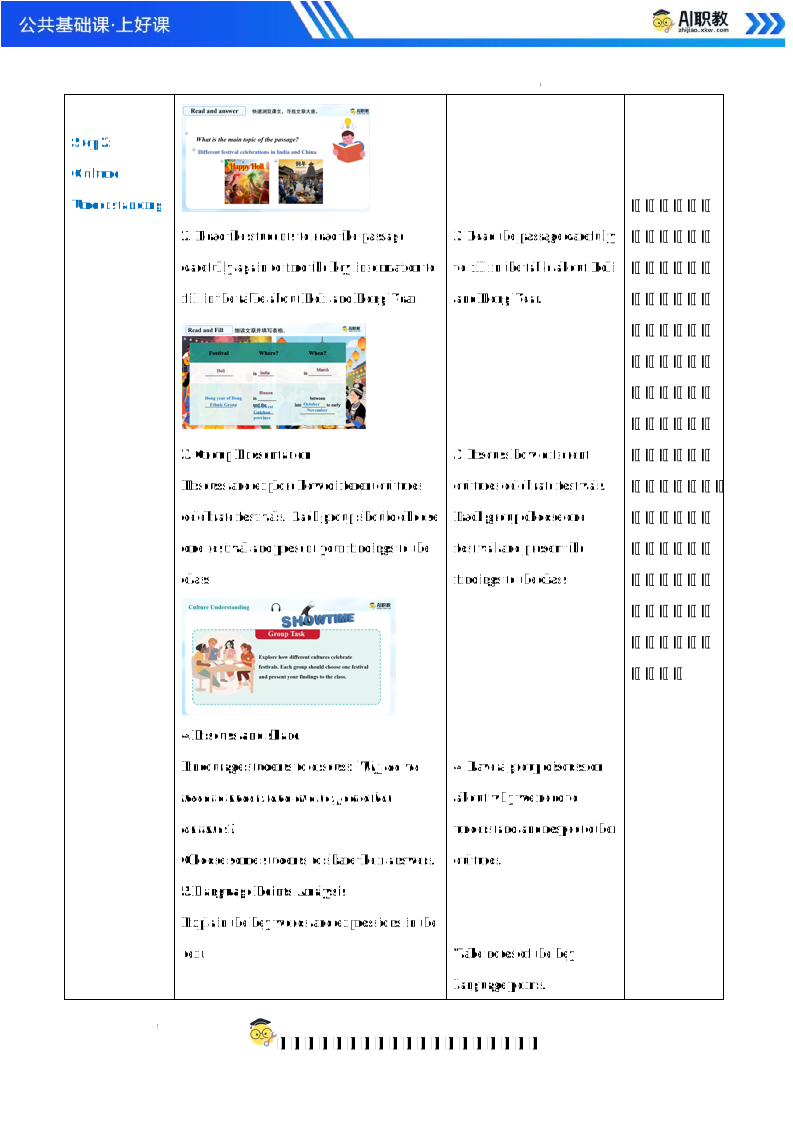
1.Ask the students to skim the text to get the main idea.
2. Lead the students to read the passage carefully again to find the key information to fill in the table about Holi and Dong Year .
3.Group Presentation
Discuss and explore how different cultures celebrate festivals. Each group should choose one festival and present your findings to the class.
4.Discuss and share.
Encourage students to discuss: Why do we need to understand and respect other cultures?
Choose some students to share their answers.
5.Language Points Analysis:
Explain the key words and expressions in the text.
1. Skim the text to get the main idea.
2.Read the passage carefully to fill in the table about Holi and Dong Year.
3.Discuss how different cultures celebrate festivals. Each group choose one festival and present the findings to the class
4.Have a group discussion about why we need to understand and respect other cultures.
Take notes of the key language points.
通过泛读和精读文章,获取关于两个节日不同的庆祝时间、庆祝方式和风俗习惯。通过比较两国和节日的不同庆祝方式,了解文化、思维、民族和地域等差异,认识文化的多样性,感受并传承中国优秀传统节日文化。
学习文中的重要知识点,积累语言表达。
Step 3:
Group Work
1.Play a video about the Lantern Festival. After watching the video, ask students to discuss the basic information, origin and customs of the Lantern Festival.
2.Explain the situation to the students.
Then, ask students to work in groups. Each reads one part of the Lantern Festival material, sorts out the key points, and takes notes as instructed. Complete the festival leaflet.
3.Select a group representative to introduce the Lantern Festival to the classmates based on the prompts in the leaflet.
Make comments and give feedback.
1.Watch a video about the Lantern Festival.
Discuss discuss the basic information, origin and customs of the Lantern Festival.
2.Work in groups, choose one part of the Lantern Festival material to read, sorts out the key points, and takes notes as instructed.
Complete the festival leaflet
3.Do group presentation to show the flyer in the class.
本活动要求学生在掌握本单元所学的基础上,运用语言知识在具体的情境中完成仿真任务,学生阅读介绍元宵节的文章,整理筛选记录信息,完成宣传单的制作,并且以小组为单位进行展览。通过实践任务进一步提升学生职场语言沟通、思维差异感知、跨文化理解和自主学习的能力与素养。不仅巩固语言知识的掌握,而且培养学生的统筹规划和团队合作能力。
Step 4:
Self-Assessment
· Ask students to finish Exercises 1 and 2 independently.
· Based on the results, lead them to evaluate their mastery of the content in this unit.
学生通过完成练习,可以对照检测对本单元单词及词组等语言知识的掌握情况。找出存在的不足,强化自主学习意识,在进行自我评价、总结和反思的同时,根据自身特点制定学习计划,养成良好的学习习惯,促进语言学习与学习能力的可持续发展。
Step 4:
Summary
traditional adj. 传统的
ancient adj. 古代的;古老的
mark v.标志…的发生
origin n.起源;起因
date back(to…)追溯到;始于
be linked to 与……有关
emperor n. 皇帝 dynasty n. 王朝;朝代
Buddhism n. 佛教 Buddhist adj. 佛教的
folk adj.民间的,民俗的
household n. 一家人,家庭
of all shapes and sizes 形状各异的
hang (hung, hung) v. 悬挂
appreciate v. 欣赏 riddle n.谜语 unity n. 团结
Step 5:
Homework
1. 各组完善自己小组的宣传单,并发到班级群,投票选出优秀作品。
2. 拓展作业:利用网络收集信息,设计关于中国清明节和墨西哥亡灵节异同点的手抄报。(或者是中国春节和西方圣诞节)。
板书设计
同总结部分。
教学反思
(留白)
精品资源学科网独家享有版权,侵权必究!
学科网(北京)股份有限公司
学科网(北京)股份有限公司
学科网(北京)股份有限公司
$
资源预览图

1

2
3
由于学科网是一个信息分享及获取的平台,不确保部分用户上传资料的 来源及知识产权归属。如您发现相关资料侵犯您的合法权益,请联系学科网,我们核实后将及时进行处理。